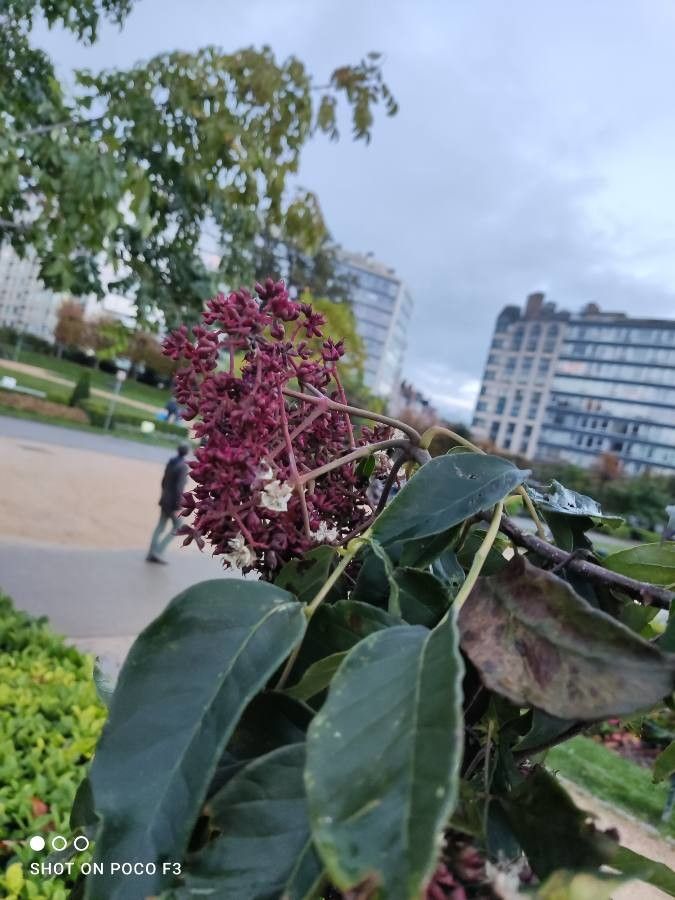
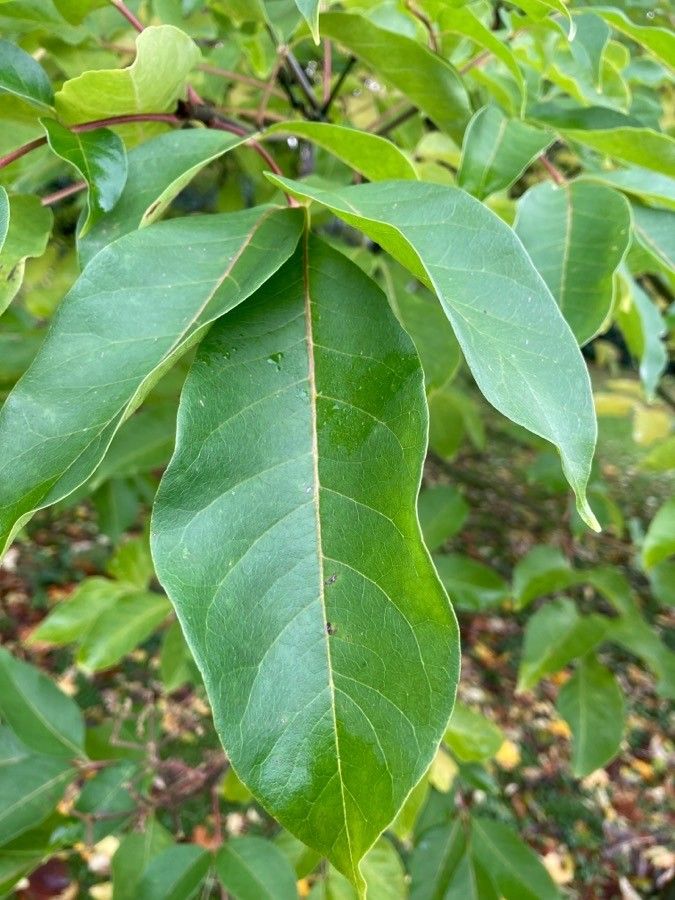
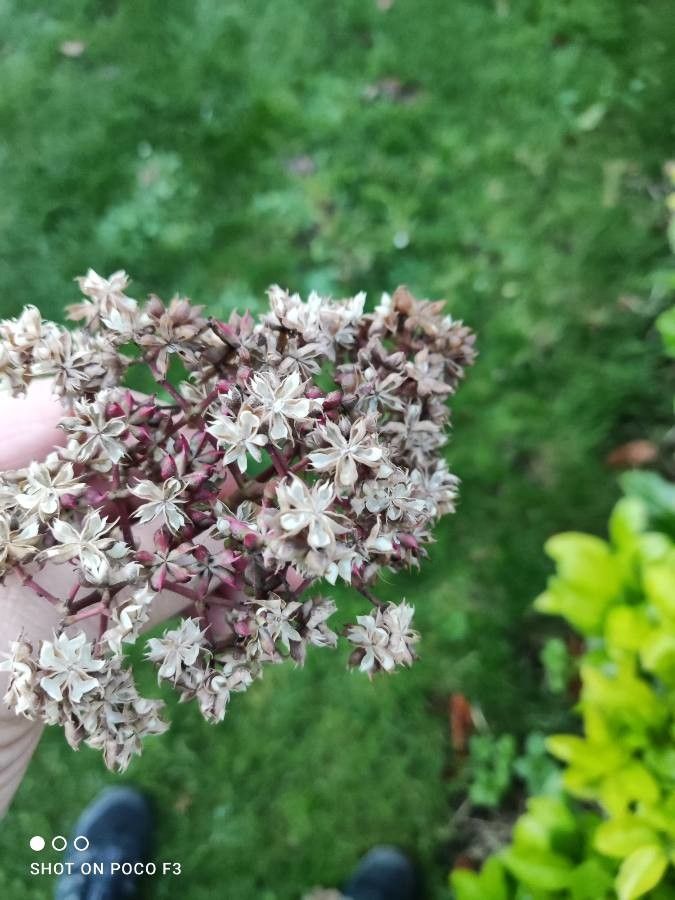
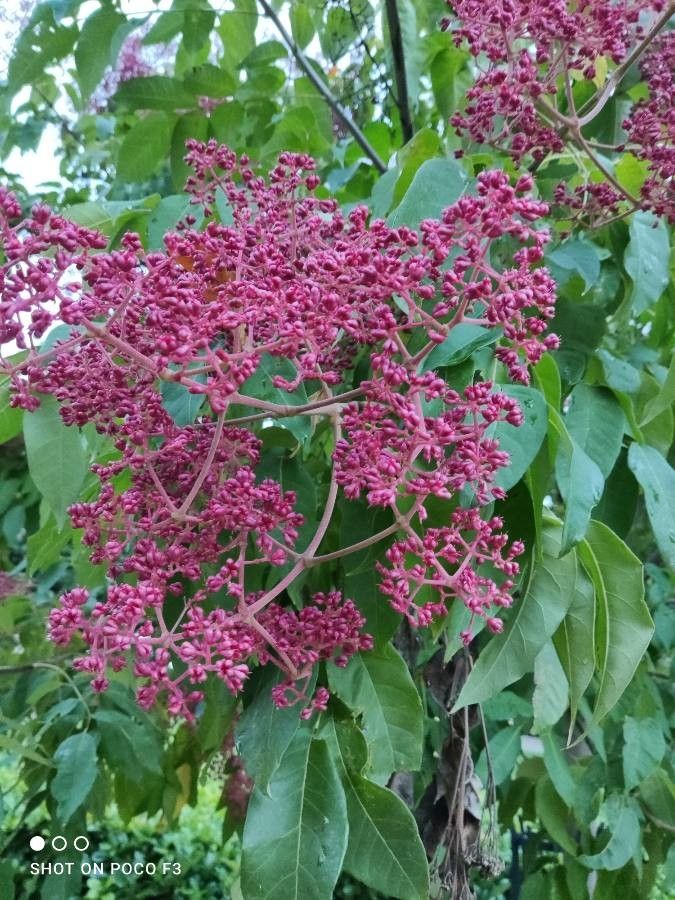
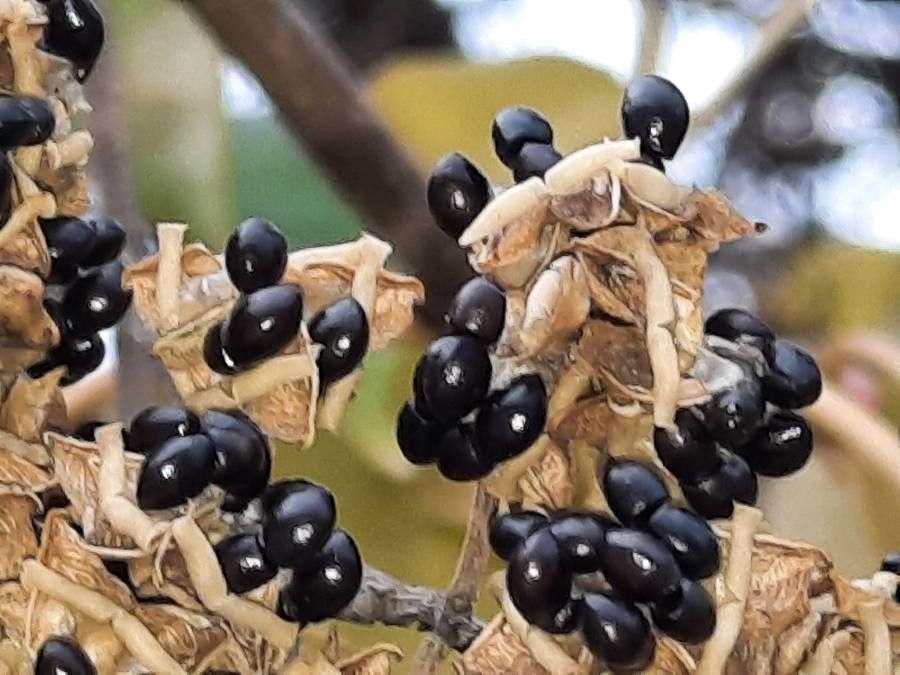
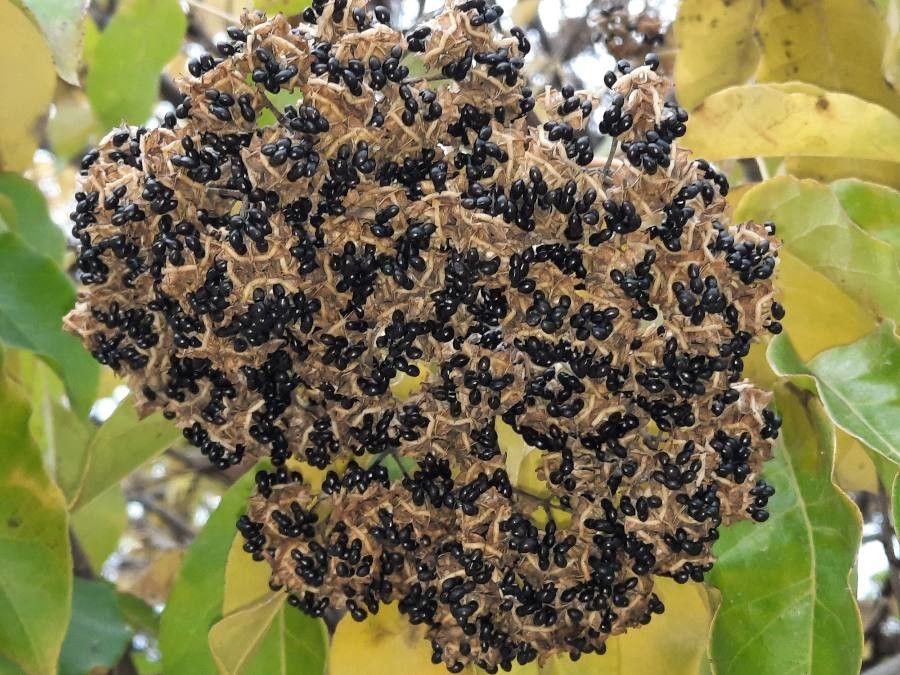
Tetradium daniellii, the bee-bee tree or Korean evodia, is a species of flowering plant in the family Rutaceae. It is native to Korea and southwestern China.Tetradium daniellii var. hupehensis was formerly classed as Euodia hupehensis
Bee-bee tree is resistant to disease and is generally not susceptible to illnesses. In terms of care, this plant is fairly low-maintenance. When grown outdoors it needs little watering, and larger plants typically do not require pruning. Smaller plants, however, should be pruned after they finish blooming. Bee-bee tree is appropriate for anyone who has an outdoor area, such as a garden or deck, and it does not demand much experience in plant care.
How to keep Tetradium Daniellii.
Light
The bee-bee tree thrives in places with plentiful light and requires ample exposure for healthy growth. While it can persist in areas where light intensity is reduced, its best development happens with uninterrupted sunlight. Excessive or insufficient light can weaken the plant's vigor or slow its growth.
Water
The bee-bee tree thrives in its native environment and can tolerate moderate drought, though it prefers consistent moisture. To prevent over-saturation, water the tree once every two weeks. In temperate regions, where the tree is typically grown outdoors, applying mulch can help retain moisture and protect the tree from temperature fluctuations.
Temperature
Bee-bee tree comes from habitats with temperatures ranging from 41 to 90 °F (5 to 32 ℃). It does better in warmer months but can withstand cooler periods. Care should be adjusted during drastic temperature variations.
Fertilizer
Timing is essential when fertilizing the Bee-bee tree. Apply fertilizer in early spring and repeat monthly through early summer. Fertilizer encourages attractive blooms and supplies energy during both dormant and active growth phases.
Pruning
The bee-bee tree is valued for its fragrant flowers and its ability to attract pollinators. To maintain its health and beauty, it should be pruned in early spring. Use selective thinning to improve air circulation or clean-up pruning to remove any damaged branches. Avoid heavy pruning in late summer, as this can lead to winter damage. For the best results, adhere to reliable horticultural practices.
Botanical profile.
- Plant Type
- Tree, Shrub
- Life Cycle
- Perennial
- Genus
- Tetradium
- Family
- Rutaceae
- Hardiness Zone
- 4-8
- Mature Height
- 7.62 m to 7.62 m
- Mature Spread
- 6.1 m to 9.14 m
- Leaf Color
- Green, Yellow
- Leaf Type
- Deciduous
- Flower Color
- White
- Flower Size
- 2.54 cm
- Bloom Time
- Early summer, Mid summer
- Planting Time
- Spring, Summer
- Harvest Time
- Late summer, Early fall, Mid fall
- Native Area
- Myanmar, China
Other names.
Reader questions.
How should I water my Bee-bee tree in the best way?
To ensure excellent root development, place a garden hose at the base of the plant. Make sure to avoid spraying the leaves directly. If the plant is outdoors and exposed to direct sunlight, the leaves will need more water. You can also use bubblers to moisten the roots of each plant or soaker hoses to cover the entire garden or bed. When adding or removing plants, use soaker hoses to ensure deep root growth. After watering, drain any excess water and allow the soil to dry before watering again. To prevent diseases, water the plants at ground level. On sunny days, it's beneficial to spray the entire bush with water. Whether the plant is in a pot or in the ground, remember that the Bee-bee tree prefers deep watering rather than light sprinkling.
Why do I have to put fertilizer on my Bee-bee tree?
Fertilizing a Bee-bee tree is important for several reasons. One of the most obvious benefits is that it helps the tree produce beautiful blooms. For the best flower display in the spring, it's recommended to fertilize the tree early on. Additionally, fertilizer provides the tree with extra energy that it can store in the ground while it's in its dormant growth phases. By giving the tree some additional nutrients during fall planting or late spring, it will be able to store more energy to use when it resumes active growth.
What are the sun requirements for the Bee-bee tree?
The Bee-bee tree thrives best in full sun conditions, necessitating more than 6 hours of sunlight daily for optimal growth. It can also grow in partial sun, which equals about 3-6 hours of sunlight a day. Observing the movement of sunlight through your garden is crucial to finding spots with the ideal balance of light and shade, ensuring your plants are happy and healthy.
What temperatures can the Bee-bee tree tolerate?
The Bee-bee tree, or Tetradium daniellii, thrives in environments with temperatures ranging from 41 to 90 °F (5 to 32 °C), enjoying warmer months while being able to tolerate cooler periods. It has strong cold resistance, meaning special frost protection measures are not normally necessary. However, if winter temperatures are expected to drop below -30°C, it’s important to protect the plant by wrapping its trunk and branches with insulating materials like non-woven fabric or cloth to prevent damage.
What should I do if I give too much or too little water to my Bee-bee tree?
If you overwater a Bee-bee tree, its leaves can turn yellow, drop off, and wilt. The plant may also look unhealthy with mushy stems. When these signs appear, try adjusting your watering schedule. Wilting can also indicate under watering, in which case the leaves will become crispy and dry. If the soil is dry and watering alone isn't enough, give the tree a thorough watering. However, even with enough water, the damaged root system may cause the tree to still appear dry and have yellow leaves after a few days. Once it returns to normal, the yellowing will stop. Additionally, when keeping a Bee-bee tree indoors, regularly check the moisture levels and avoid overwatering. Look out for black spots, and if present, allow the soil to dry out for a few days. Overwatering can lead to root rot, so consider transferring the plant to a different pot if you see discolored and slimy roots. Always take preventive measures to avoid root rot and ensure the soil does not become too soggy. When planting a Bee-bee tree outdoors, check the soil's moisture by digging a little deeper. If it's too dry, it may indicate under watering, so make sure to provide adequate water for the plant to recover.
When should I put fertilizer on my Bee-bee tree?
To effectively fertilize Bee-bee tree, timing is crucial. If you apply fertilizer too early while the tree is still dormant, it won't be effective and will be washed away by rainwater, causing waste and pollution. It's best to apply the first round of fertilizer in early spring, and continue with monthly applications until early summer.
What are the essentials for growing a Bee-bee tree?
The essentials for growing a Bee-bee tree involve ample light exposure, as this plant flourishes in areas with an abundance of sunlight. While it can survive in lower light intensities, its healthiest growth is achieved under unbroken sun exposure. Both insufficient and excessive light can negatively affect the plant's vitality and growth rate. In scenarios where natural light is limited, especially during winter or in less sunny areas, artificial lighting can be a crucial supplement, enhancing the plant’s growth by providing necessary light wavelengths. LED lights are recommended for their adaptability to a plant's specific needs, suggesting a range of 30-50W/sq ft for full sun plants, 20-30W/sq ft for partial sun plants, and 10-20W/sq ft for full shade plants. The distance of the light source (12-36 inches above the plant) and the duration of exposure (8-12 hours per day) should be adjusted to mimic natural sunlight conditions as closely as possible.
How do you care for a Bee-bee tree during winter?
For the Bee-bee tree's winter care, it is recommended to water the plant abundantly before the first freeze of autumn so the soil remains moist and enters a frozen state. This practice helps the tree avoid drought and water scarcity issues during the winter and early spring. Additionally, if extremely low temperatures below -30°C are expected, the tree should be protected by covering it to prevent frost damage.
How frequently should I give water to my Bee-bee tree?
To properly care for the Bee-bee tree, it is important to provide enough water but avoid overwatering. When planting in pots, be sure to soak the tree with a gallon of water each time, as the limited storage in pots causes the soil to dry out quickly. In colder regions, watering every 3 to 5 days is necessary. Watering should be done early in the morning when the soil is dry, regardless of whether the tree is outdoors or indoors. You can check if watering is needed by examining the soil. If the top 2-3 inches of soil is dry, it is time to water the plant thoroughly. During hot days, check the moisture levels daily, as high temperatures can rapidly dry out the soil in pots. For garden trees, irrigation is also necessary. In hot climates, watering once a week is sufficient. Only water when you notice that the top 2-3 inches of soil is too dry, both indoors and outdoors. Consider the amount of rainfall and avoid excessive watering to prevent root rot. Mulch can be added to outdoor trees to conserve water. In sandy soil, watering should be done more frequently due to faster drainage. In clay soil, watering can be less frequent, with intervals of 2-3 days to allow the plant to dry out and prevent root rot. It may be helpful to mark the watering dates on a calendar and pay attention to any drooping leaves as a sign that watering may be needed.
When is the best time to not fertilize my Bee-bee tree?
To ensure optimal growth and bloom production for Bee-bee tree, it is important to carefully consider its fertilization needs. Avoid using fertilizers with excessive nitrogen content, as this can lead to an abundance of leaves but fewer blooms. Instead, opt for fertilizers that have a lower nitrogen level in comparison to other nutrients. It is also crucial to refrain from fertilizing the Bee-bee tree during the late autumn, as this can spur excessive growth right before winter. Additionally, avoid fertilizing the tree during hot and dry periods, as the dry soil may not effectively deliver the fertilizer and could potentially stimulate growth that requires more water than available. The ideal time for fertilization is earlier in the season when temperatures are cooler. Lastly, be mindful that the Bee-bee tree can absorb fertilizer that has been applied to nearby plants or lawns, so it is important to be cautious and avoid inadvertently providing the tree with a double-dose of fertilization.
What are some important symptoms of light deficiency or excess in Bee-bee trees?
Bee-bee trees exhibit several symptoms when affected by suboptimal lighting conditions, including smaller new leaves, leggy or sparse growth, faster leaf drop, slower or halted growth, and lighter-colored or pale new leaves. These signs indicate either a deficiency or excess in light exposure. Conditions like chlorosis, sunscald, leaf curling, wilting, and leaf scorching can occur due to improper light conditions, each affecting the plant's ability to thrive and maintain health. Chlorosis and sunscald are reactionary conditions to the intensity of light, with chlorosis being a result of insufficient sunlight leading to yellowing leaves, and sunscald occurring due to damage from intense sunlight exposure. Leaf curling, wilting, and leaf scorching are defense mechanisms or symptoms of distress under extreme sunlight. Managing these conditions effectively can ensure the plant's health and growth.
What are the signs of temperature stress in the Bee-bee tree?
Signs of temperature stress in the Bee-bee tree include branches becoming brittle and dry, especially after temperatures fall below -30°C, leading to a lack of new shoots in spring. During high temperatures, above 35°C, the leaves may lighten in color, with tips becoming dry and the plant suffering from sunburn. To mitigate these issues, prune dead branches in spring and trim sunburned parts, respectively. Also, consider moving the plant to a shadier location or using a shade cloth during hotter months and ensure the soil remains moist.