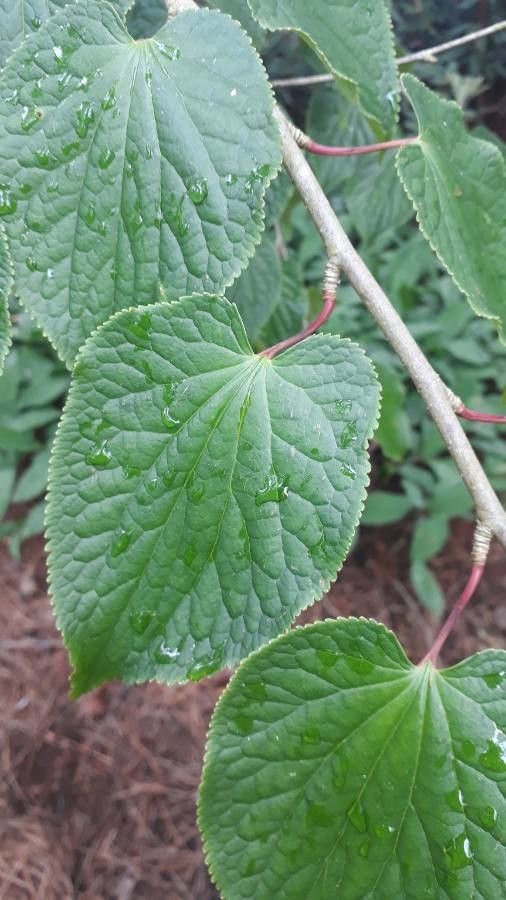
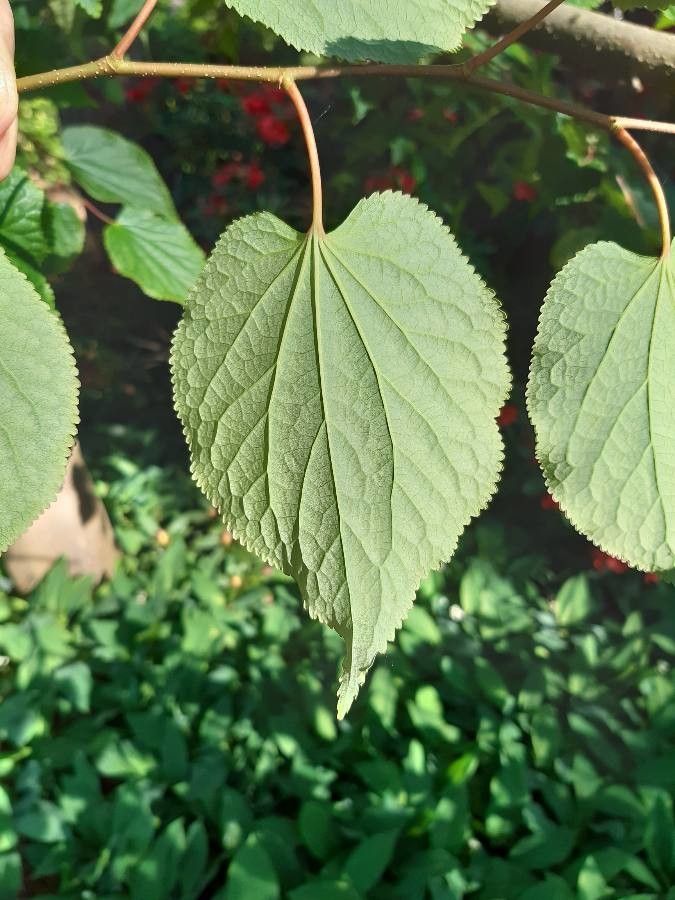
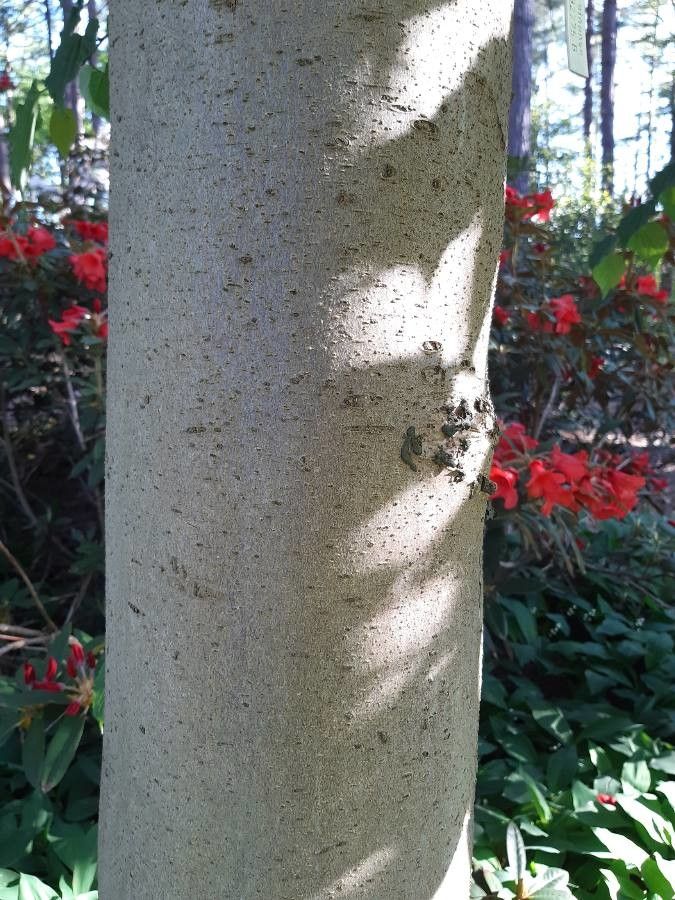
Tetracentron sinense is a flowering plant native to Asia and the sole living species in the genus Tetracentron. It was formerly considered the sole species in the family Tetracentraceae, though Tetracentron is now included in the family Trochodendraceae together with the genus Trochodendron.
Spur leaf is disease-resistant and is generally not susceptible to illnesses. Regarding care, this plant is fairly low-maintenance. When grown outdoors it needs minimal watering, and larger specimens typically do not need pruning. Smaller plants, however, should be pruned after they have finished blooming. Spur leaf is suitable for anyone with an outdoor area, such as a garden or deck, and does not require much care experience.
How to keep Tetracentron Sinense.
Light
Spur leaf grows best with plenty of sunlight, though it can tolerate shadier areas. It comes from a region with abundant sun, which supports its strong growth. However, excessive sun can scorch the leaves, while too little light may stunt growth and cause pale foliage.
Water
Spur leaf originates from humid forests, so it prefers consistently moist soil. To keep it healthy, water it every three weeks and make sure the soil doesn't stay dry for too long. Although it grows best in temperate climates, you might need to water it more frequently during long periods of dry weather to help it thrive.
Temperature
Spur leaf originates from regions where temperatures mainly fluctuate between 50 to 90 °F (10 to 32 ℃). It favors a moderate climate with temperatures in that range. When its environment changes, the preferred method is to acclimate it gradually during transitional seasons.
Fertilizer
To encourage healthy growth, fertilize your Spur leaf in early spring. Regular feeding boosts overall health, producing robust growth, increased tolerance to harsh conditions, and enhanced resistance to diseases and pests. Follow a specific fertilization routine for your Spur leaf to achieve vibrant, deeply colored foliage and a lush appearance.
Pruning
The Spur Leaf plant, known for its distinctively shaped leaves, benefits from being pruned early in the spring, before new growth starts. Begin by removing any dead branches to improve air circulation and light penetration. It's important to maintain the plant’s natural shape to encourage even growth, which supports healthy foliage and blooms. Make sure to use clean cuts during pruning to prevent disease and extend the plant's lifespan.
Botanical profile.
- Plant Type
- Tree
- Life Cycle
- Perennial
- Genus
- Tetracentron
- Family
- Trochodendraceae
- Hardiness Zone
- 6-7
- Mature Height
- 9.14 m to 12.19 m
- Mature Spread
- 6.1 m to 9.14 m
- Leaf Color
- Green, Red
- Leaf Type
- Deciduous
- Flower Color
- Yellow
- Flower Size
- 0.10 cm to 0.20 cm
- Bloom Time
- Early summer, Mid summer
- Planting Time
- Spring, Summer, Autumn
- Harvest Time
- Late summer, Early fall, Mid fall
- Native Area
- Nepal, India, Myanmar, Bhutan, China
Other names.
Reader questions.
What are the sunlight requirements for Spur leaf plants?
Spur leaf plants thrive in full sun, requiring above 6 hours of sunlight daily, yet they can also survive in partial sun with about 3-6 hours of sunlight. It's essential to watch how sunlight moves through your garden to pick spots that offer the ideal balance of light and shade, ensuring the plants' well-being.
What is the native climate for Spur leaf?
Spur leaf, or Tetracentron sinense, is native to regions where temperatures mainly range between 50 to 90 °F (10 to 32 °C). It thrives in a moderate climate within these temperature ranges. To best adapt to changes in its environment, gradual acclimation during the transitional seasons is recommended. Despite its high tolerance for cold, Spur leaf doesn't require extra frost protection measures. However, watering the plant generously before the first freeze of autumn to maintain moist soil is advised. This preparation helps prevent water scarcity for the plant during winter and early spring.
How do I care for Spur leaf plants in terms of sunlight and artificial lighting?
Spur leaf plants originate from a region abundant in sunshine, contributing to their robust growth. For optimal growth, these plants need plenty of sunlight; however, too much direct exposure can lead to leaf burn, while insufficient sun may cause stunted growth and pale leaves. In indoor settings or during less sunny seasons, artificial lighting becomes crucial. LED lights are recommended because they can be customized to provide specific wavelengths needed by the plants. Full sun plants should have 30-50W/sq ft of artificial light, partial sun plants 20-30W/sq ft, and full shade plants 10-20W/sq ft. Position the light source 12-36 inches above the plant and ensure it receives 8-12 hours of light per day to mimic natural sunlight conditions.
How does Spur leaf react to low temperatures?
Spur leaf exhibits an impressive tolerance to cold, capable of withstanding temperatures down to -25°C without noticeable changes during the winter. However, once spring arrives, the branches might become brittle and dry, failing to produce new shoots if the winter temperature had dropped below this threshold. To address this, pruning dead branches that have not produced new leaves in the spring is the recommended course of action.
What are some common symptoms of insufficient sunlight in Spur leaf plants?
Symptoms of insufficient sunlight in Spur leaf plants include smaller new leaves, leggy or sparse growth, faster leaf drop, slower or halted growth, lighter-colored or pale new leaves indicating a lack of chlorophyll, chlorosis or yellowing of the leaves due to excessive sunlight affecting photosynthesis, sunscald, leaf curling as a defense mechanism to reduce sunlight exposure, wilting from increased water loss, and leaf scorching characterized by brown, dry edges on leaves caused by too much sunlight.
How does Spur leaf handle high temperatures?
Unlike its resilience to cold, Spur leaf struggles with high temperatures. Should temperatures rise above 32°C, the plant may suffer significant leaf drop and, in worse cases, might wither and die. Addressing this involves trimming any sunburned and dried parts of the plant, relocating it to a shaded area or employing a shade cloth for protection against the harsh midday and afternoon sun. Ensure the soil remains moist by watering the plant in the morning and evening.
How can I address insufficient sunlight exposure for Spur leaf plants?
To address insufficient sunlight for Spur leaf plants, gradually increase their sun exposure by moving them closer to sunlight each week, aiming for at least 6 hours of direct sunlight daily. For indoor plants, use a south-facing window or artificial lighting such as desk lamps or professional grow lights for at least 8 hours daily. Outdoor plants should also be moved gradually to avoid sunburn. Solutions include reducing obstructions like pruning trees, or transplanting smaller plants during their dormant period to a sunnier location with good drainage. However, parts of the plant that have been severely affected may not recover, although new growth should be healthy.