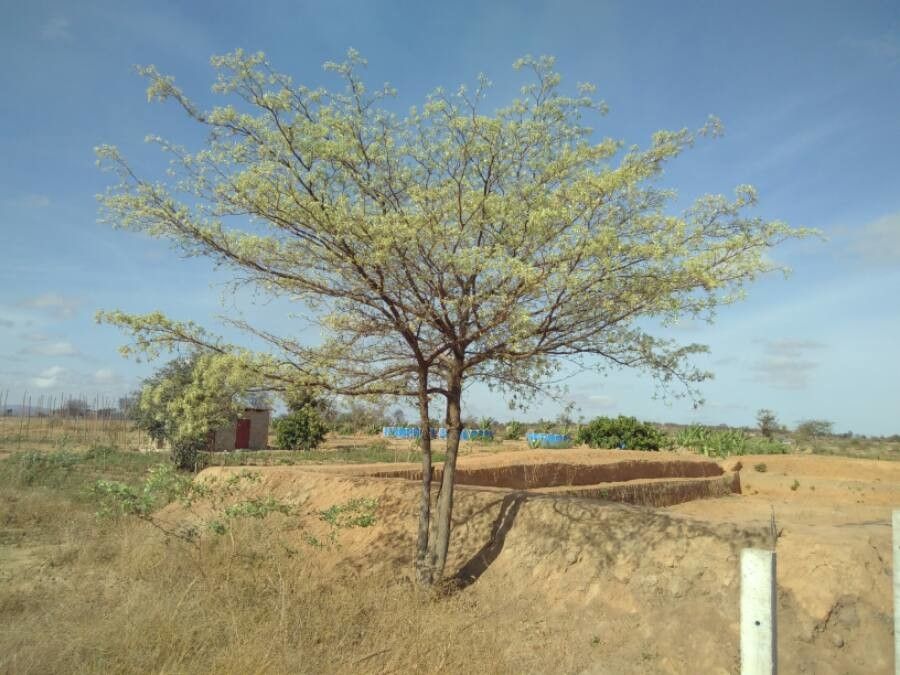
Terminalia sericea, commonly known as the Silver Terminalia or Silver Cluster-Leaf, is a small to medium-sized tree in the Combretaceae family. Native to southern Africa, it thrives in diverse habitats, including savannas, woodlands, and rocky outcrops.
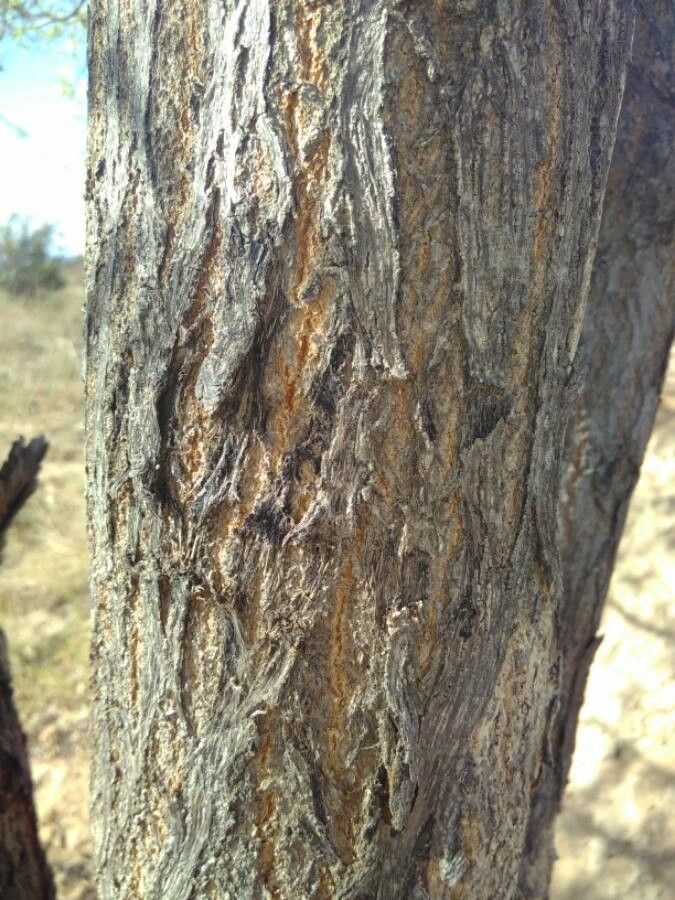
This tree can reach up to 10 meters in height, with a spreading crown and a trunk diameter of up to 60 cm. Its bark is smooth and greyish-brown, featuring vertical fissures that become more pronounced with age.
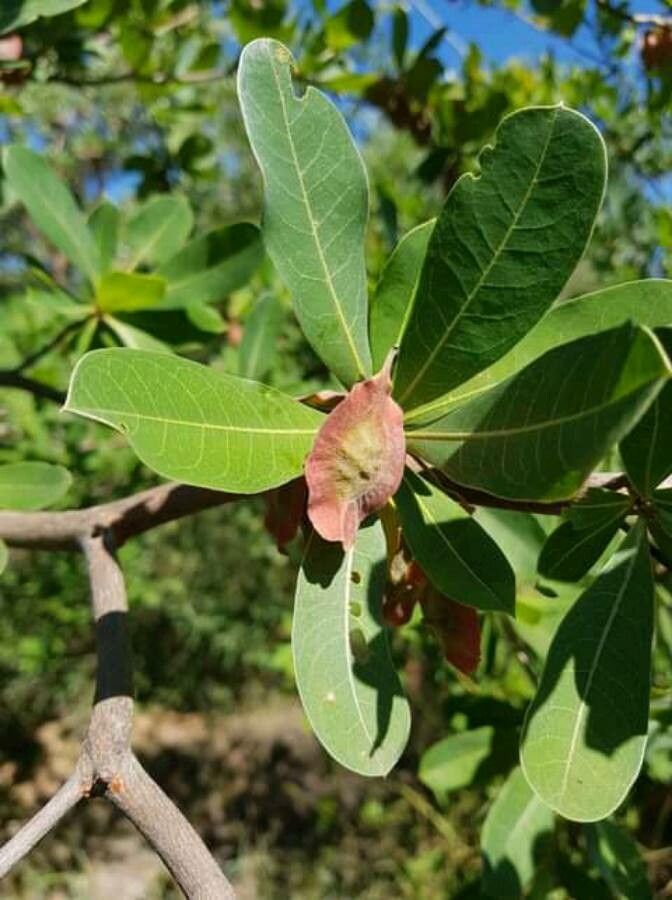
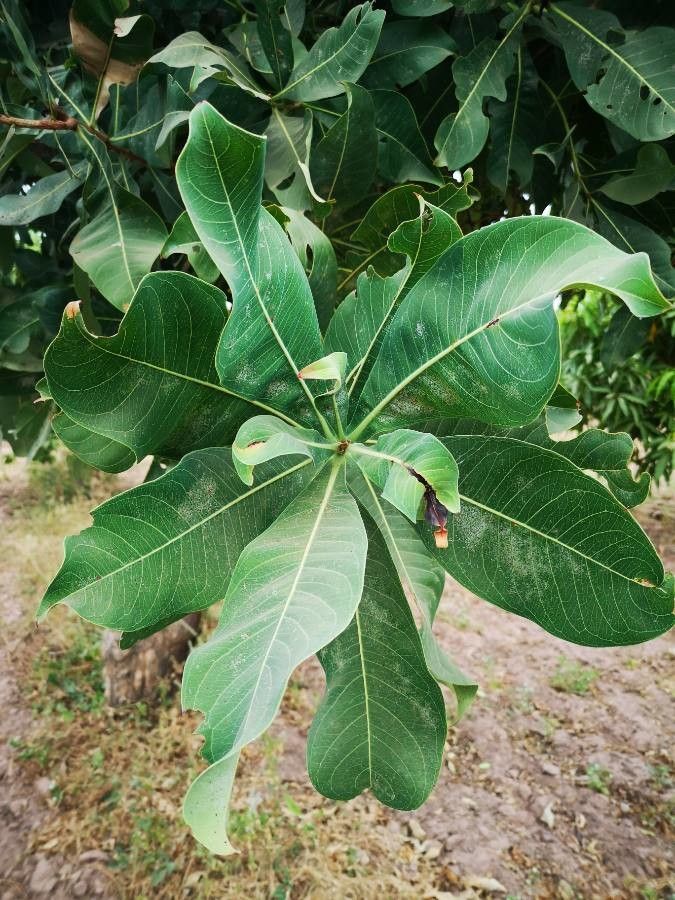
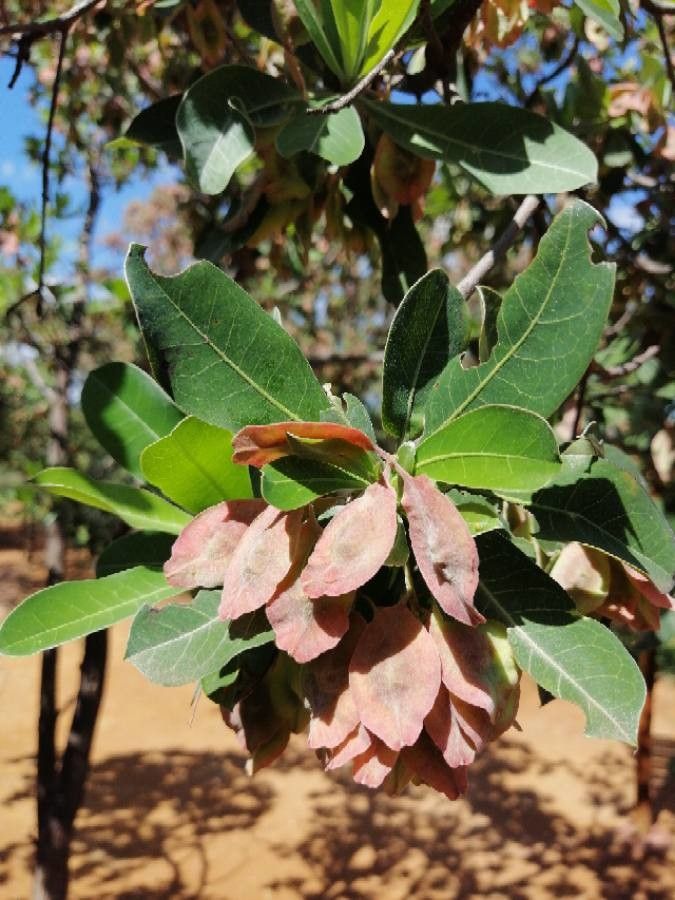
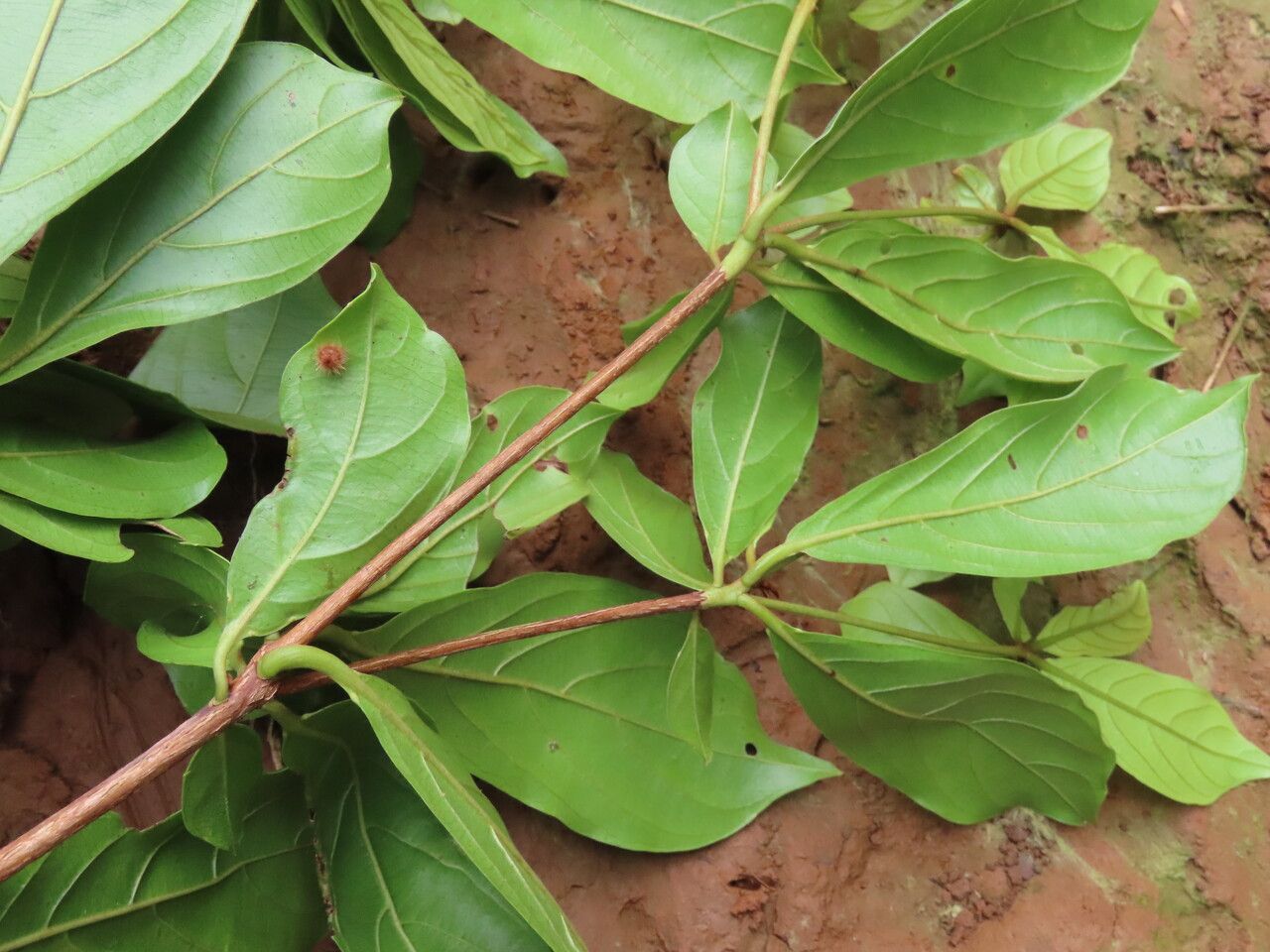
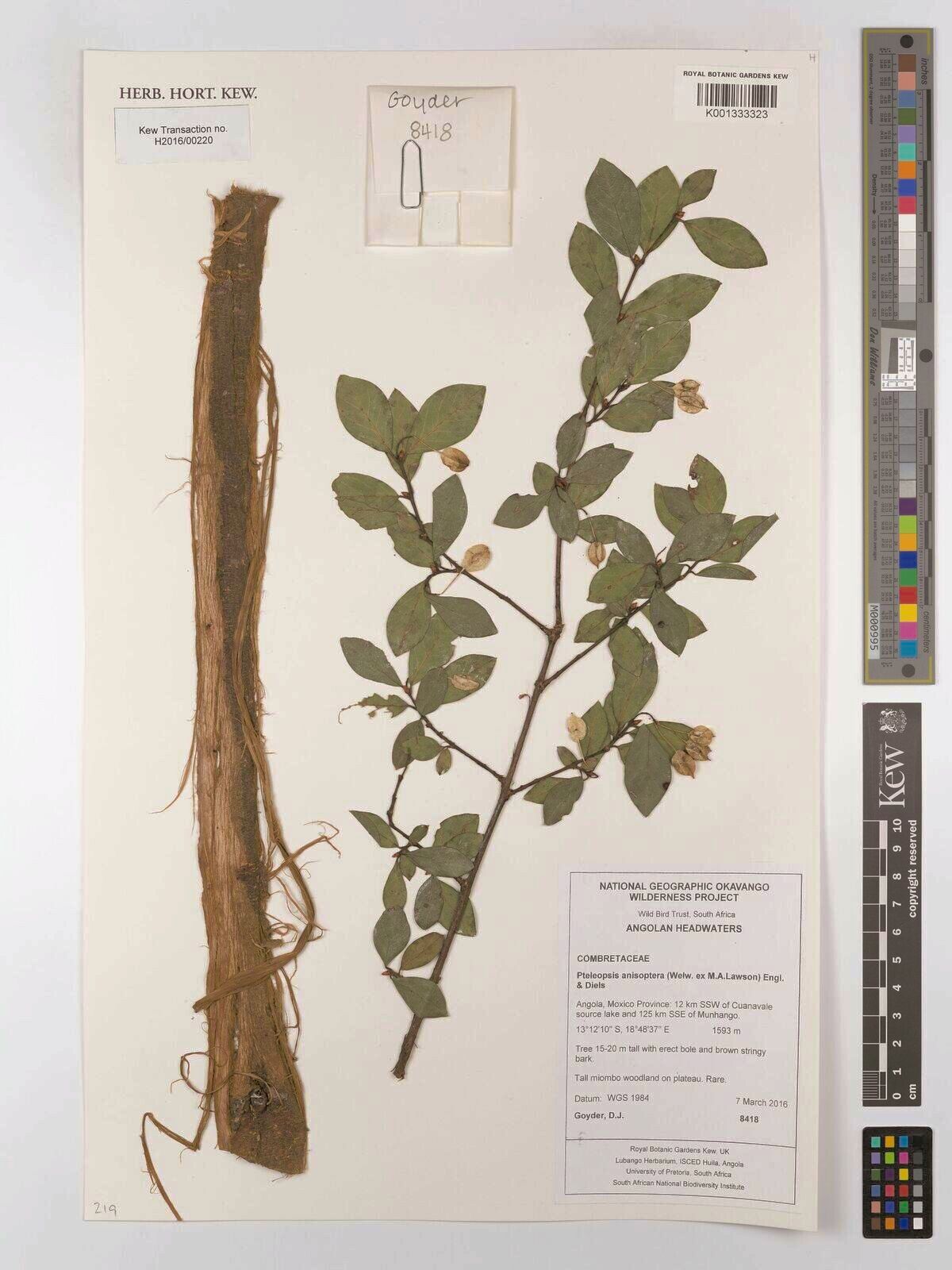
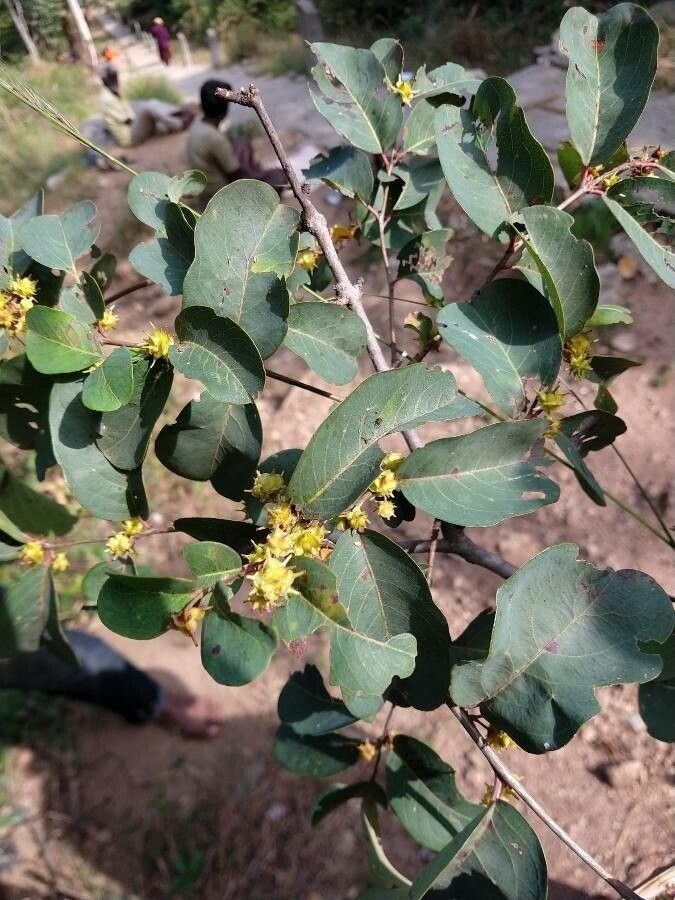
The leaves of Terminalia sericea are simple, alternate, and either elliptical or ovate in shape with serrated edges. They have a distinctive silvery-grey appearance on both sides due to a covering of fine hairs, which is the source of their common name, "Silver Cluster-Leaf." The flowers are small and inconspicuous but form large clusters at the ends of branches during the spring.
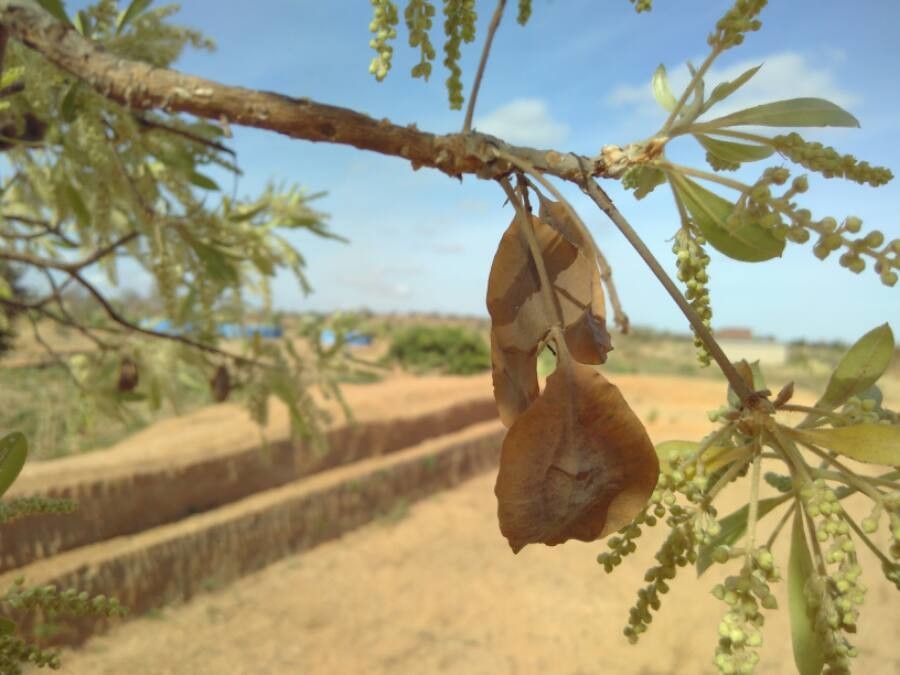
Terminalia sericea produces small fruits that change from greenish-yellow to brown as they mature. Each fruit contains a single seed with an edible kernel encased in a hard shell.
The tree has various practical uses. Traditional healers use it to treat diarrhea, dysentery, and stomach ailments. Its bark can be used for tanning leather, and its durable wood is suitable for making furniture. Additionally, its leaves provide livestock fodder.
Ecologically, Terminalia sericea is significant. It provides food for wildlife, such as birds, which feed on its fruits, and offers shade during the hot summer months, making it a crucial species for conservation.
Silver terminalia shows strong resistance to disease and is usually not susceptible to illnesses. With regard to care, this plant is fairly low-maintenance. Planted outdoors, it needs only minimal watering, and larger plants typically do not require pruning. Smaller plants, however, should be pruned after they finish blooming. Silver terminalia is suitable for anyone who has outdoor space—such as a garden or a deck—and does not need extensive care experience.
How to keep Terminalia Sericea.
Light
Silver terminalia does best in sites that receive adequate sunlight throughout the day. Such light is essential for its healthy growth and for efficient photosynthesis. Importantly, this requirement does not change across different growth stages. If sunlight is either too low or too high, the plant’s health and growth can suffer.
Water
Silver terminalia is a plant native to arid regions and is known for its remarkable drought tolerance. It thrives with minimal moisture, needing to be watered only about twice a week to mimic its natural environment. Primarily grown outdoors, silver terminalia is an excellent choice for xeriscaping because of its ability to conserve water in dry climates.
Temperature
Silver terminalia is native to areas where temperatures range from 59 to 100.4 °F (15 to 38 ℃) and does well in warmer conditions. It can tolerate seasonal fluctuations within that span. Cooler temperatures may impede its growth.
Fertilizer
Fertilization is essential for the care of Silver terminalia. Regular feeding during the growing season maintains the energy required for its showy leaves and supports overall growth. Ignoring fertilization can lead to unhealthy foliage, reduced ornamental value, and stunted or weak growth that is more susceptible to breakage.
Pruning
Silver terminalia is known for its silvery foliage and benefits from pruning in early spring to promote healthy growth. To improve light and air circulation and minimize the risk of disease, remove any dead or crossing branches. Make sure all cuts are clean and angled, as this enhances the plant's strength and encourages vigorous new growth.
Botanical profile.
- Plant Type
- Tree
- Life Cycle
- Perennial
- Genus
- Terminalia
- Family
- Combretaceae
- Hardiness Zone
- 8-11
- Mature Height
- 9.14 m
- Mature Spread
- 7.92 m
- Leaf Color
- Blue, Green, Silver
- Leaf Type
- Deciduous
- Flower Color
- White, Cream
- Flower Size
- 0.51 cm
- Bloom Time
- Mid fall, Late fall, Early winter
- Planting Time
- Spring, Summer, Autumn
- Harvest Time
- Late winter, Early spring, Mid spring
- Native Area
- Malawi, Angola, Mozambique, Tanzania, South Africa, Zambia, Eswatini, Namibia, Congo (DRC), Botswana, Zimbabwe
Other names.