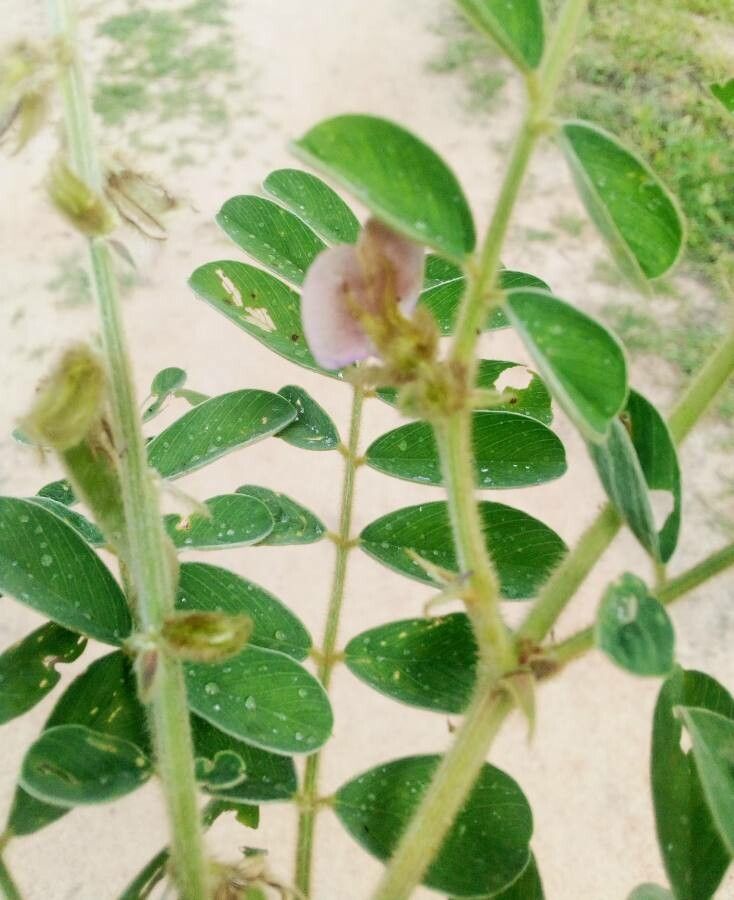
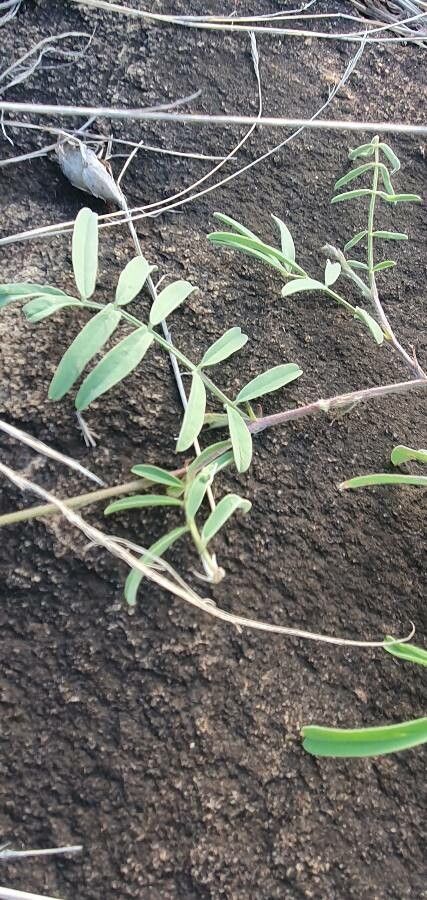
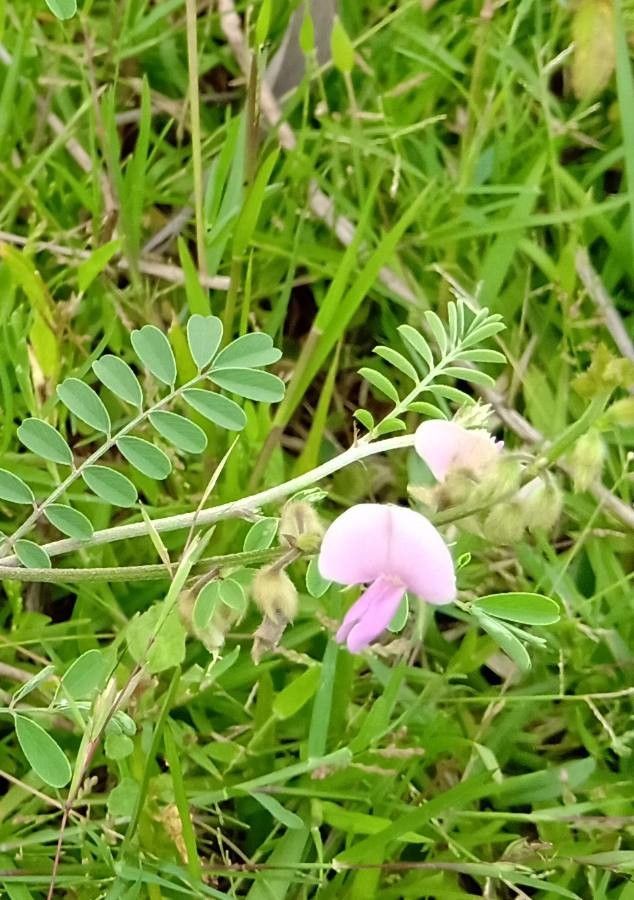
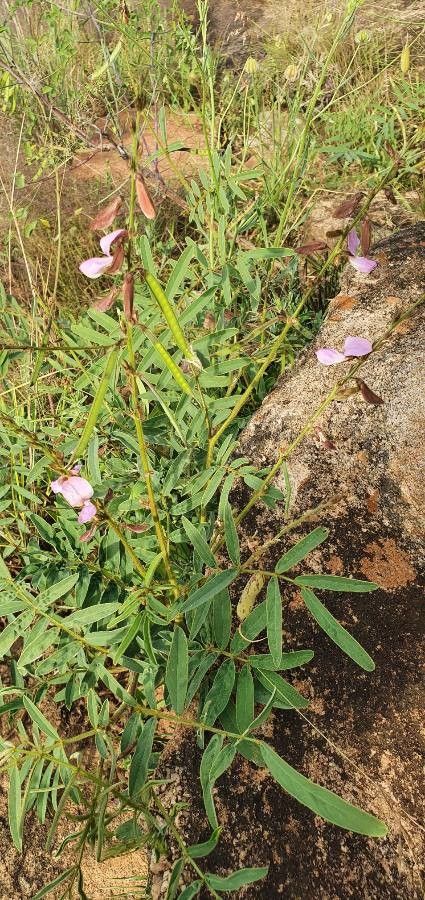
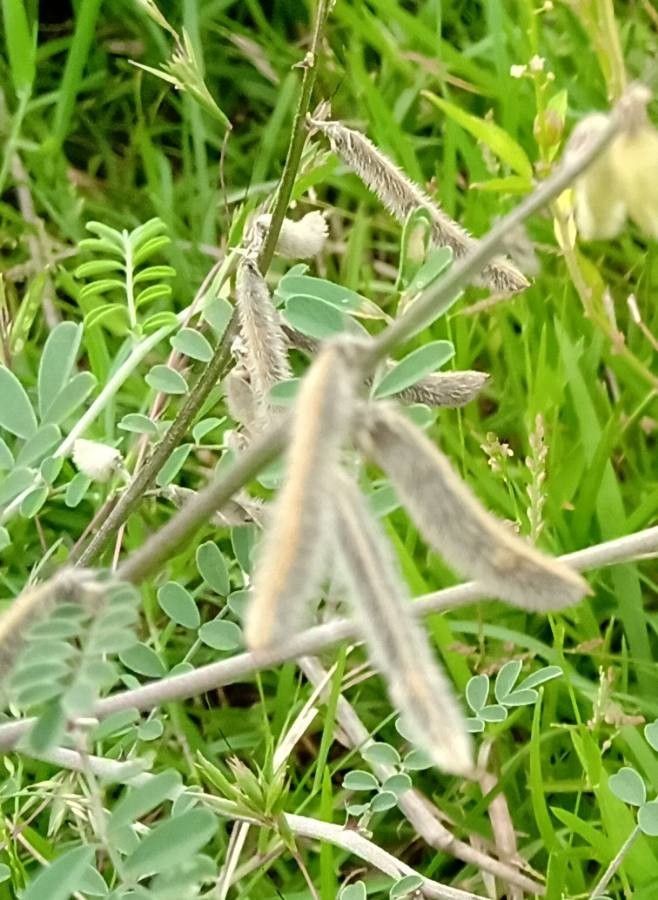
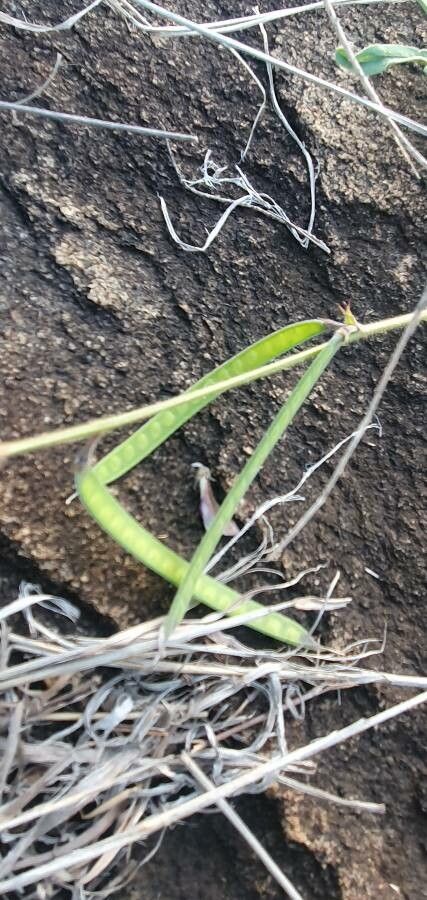
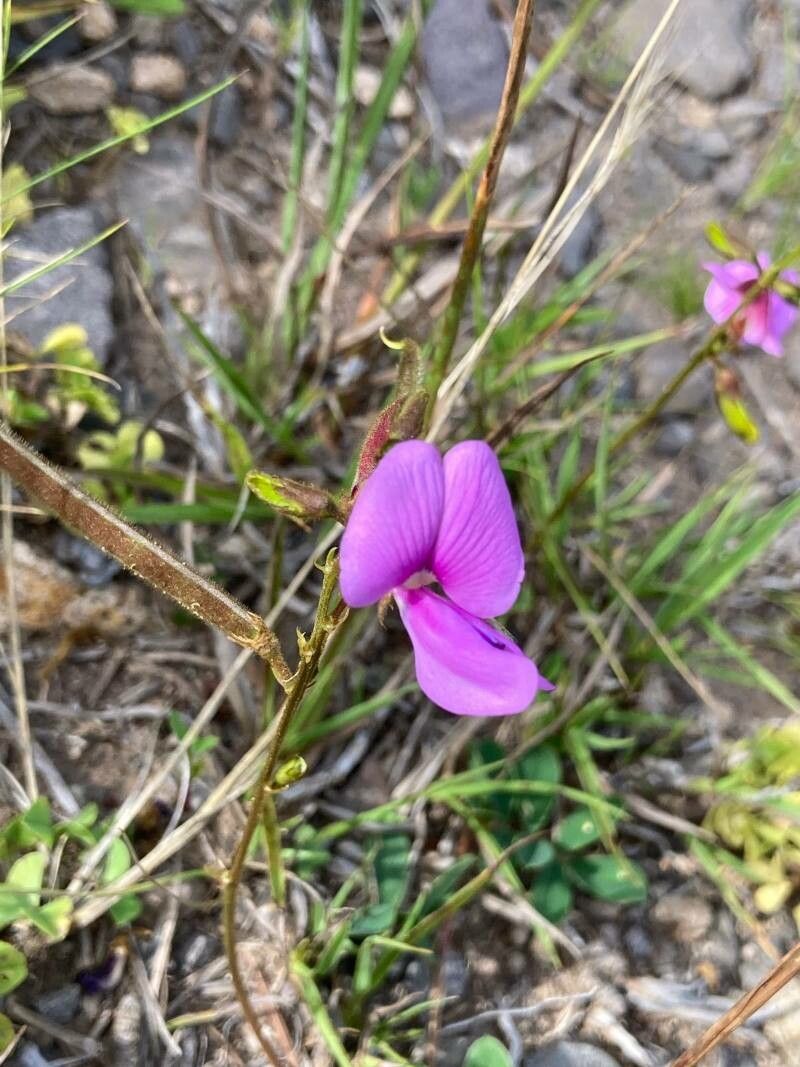
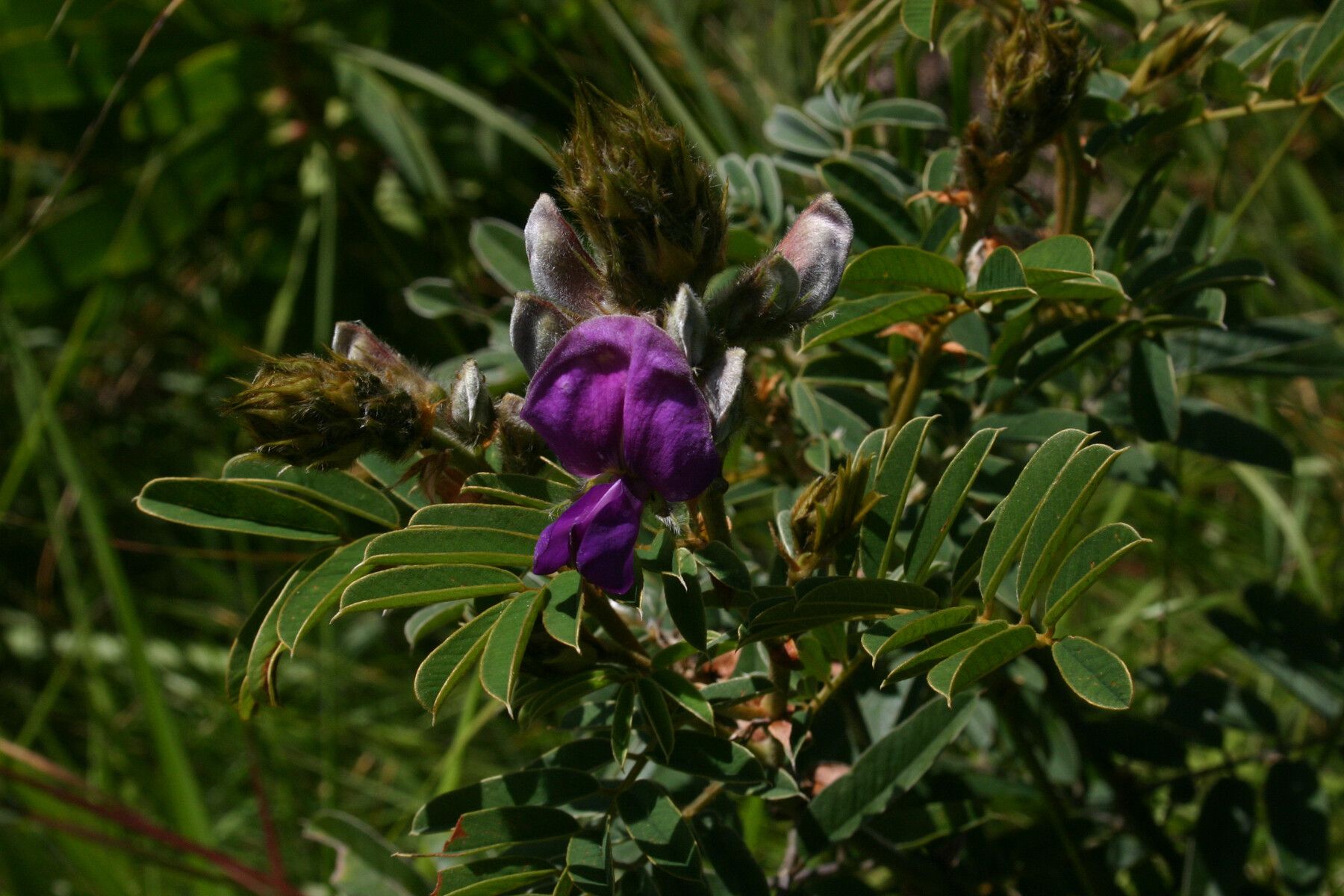
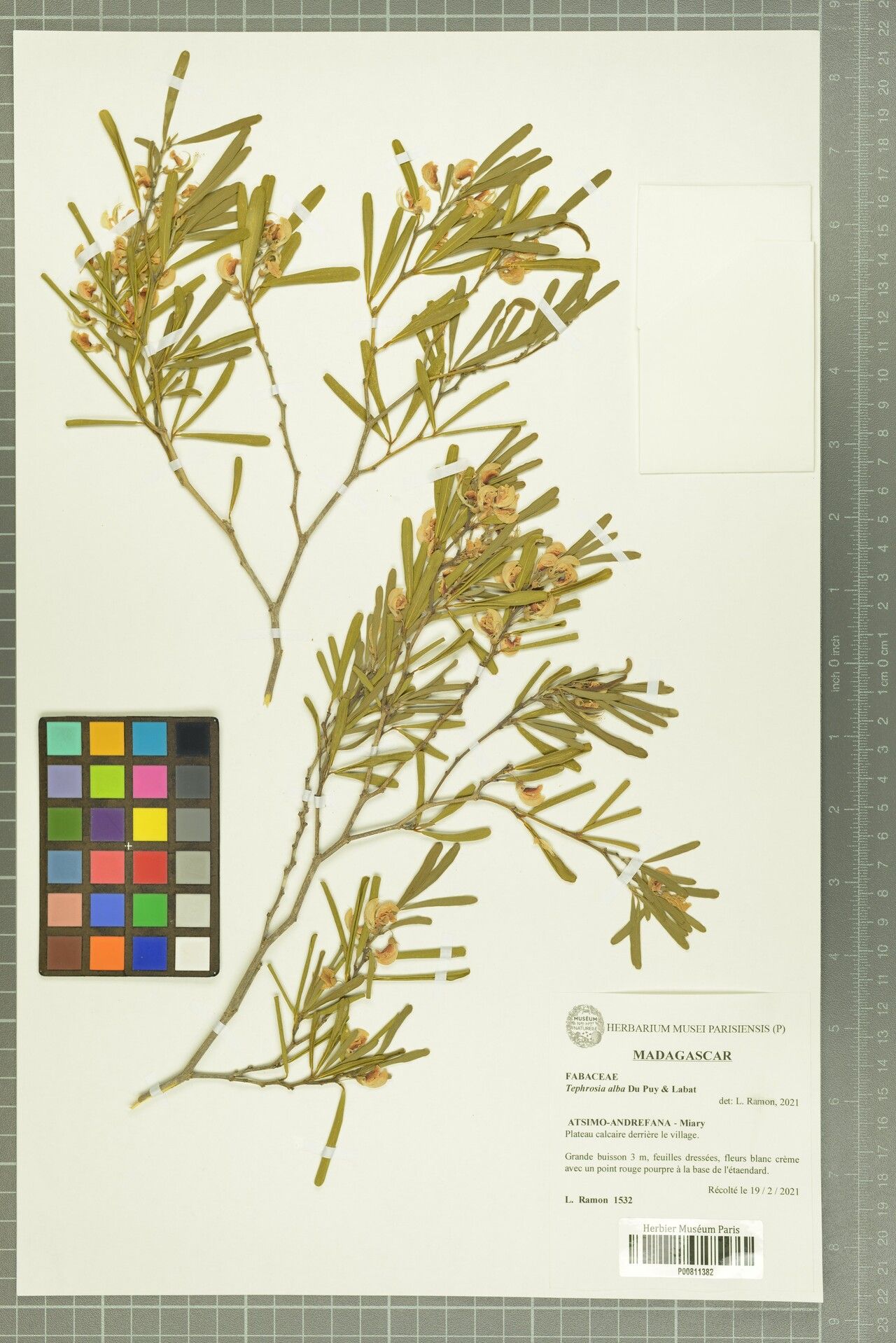
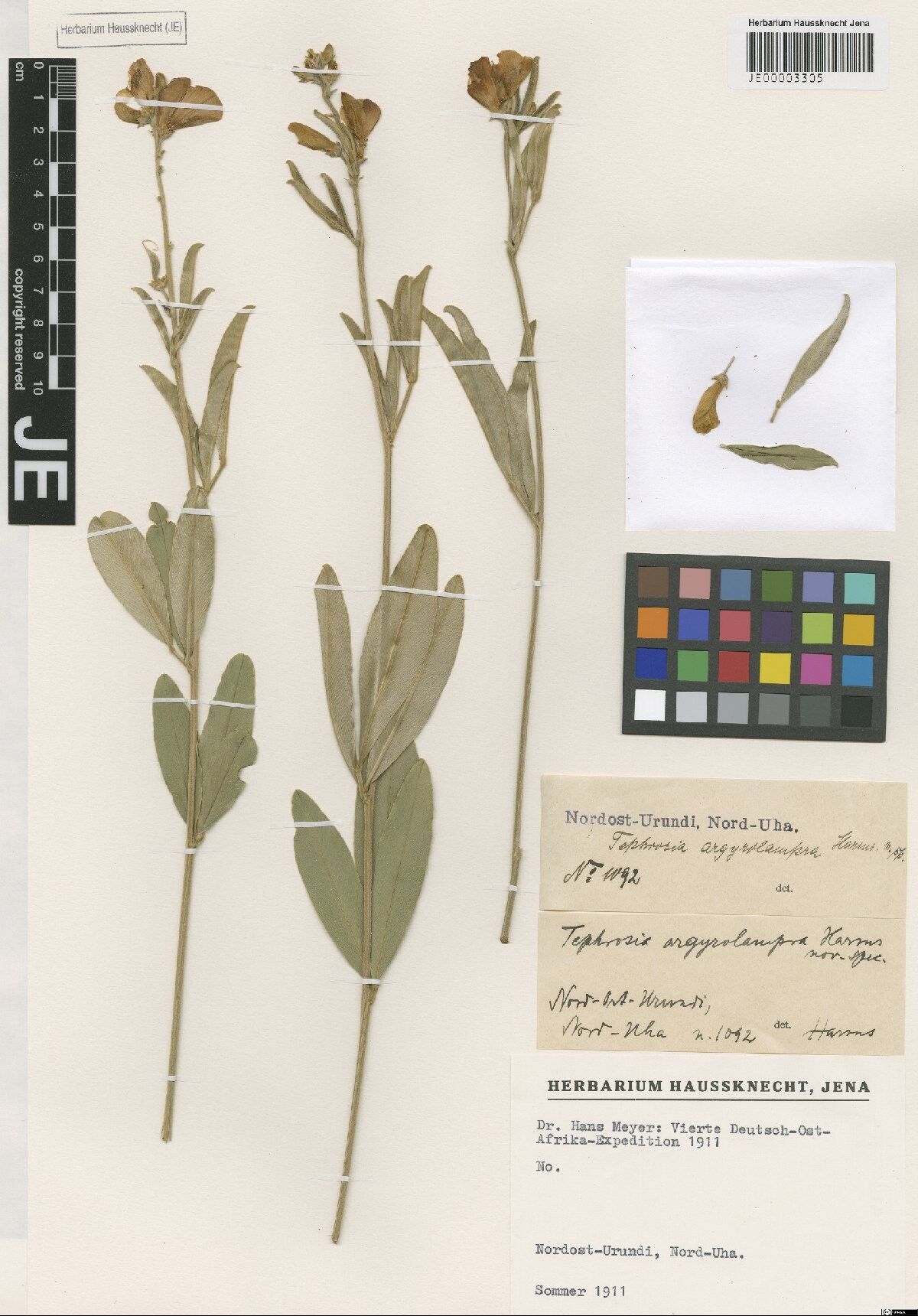
Tephrosia villosa is fairly resistant to disease and is usually not easily affected by them. However, it can be vulnerable to pests and diseases present in its environment. Such infections tend to be mild. For care, this plant requires moderate maintenance. Regular pruning is needed to keep a neat appearance and promote healthy growth. Fertilizing can also aid in encouraging flowering. Tephrosia villosa is suitable for someone with outdoor space, like a garden or patio, and does not demand much prior care experience. It may need more attention when cultivated indoors.
How to keep Tephrosia Villosa.
Light
Tephrosia villosa is a perennial herbaceous plant that prefers abundant sunlight and originates from open habitats, commonly growing in meadows and grasslands. It favors full sun but can tolerate partial sun.
Temperature
Tephrosia villosa is fairly adaptable to temperature, capable of withstanding higher heat and large temperature fluctuations. In hot weather, care should be taken with watering and providing some shade to avoid sunburn. On the other hand, Tephrosia villosa is not very tolerant of low temperatures. While it can endure a certain amount of cold, very cold conditions can cause frost damage.
Fertilizer
A single fertilizer application in spring is generally sufficient for Tephrosia villosa, though multiple feedings can maximize growth. Apply fertilizer about once every month to six weeks. Fertilization improves the leaves' appearance and function, supporting even color and healthy texture. It also encourages root development and nutrient uptake for long-term plant health.
Botanical profile.
- Plant Type
- Herb
- Life Cycle
- Perennial
- Genus
- Tephrosia
- Family
- Fabaceae
- Hardiness Zone
- 9-11
- Mature Height
- 30 cm to 91 cm
- Mature Spread
- 49 cm to 91 cm
- Leaf Color
- Green, Dark Green
- Leaf Type
- Deciduous
- Flower Size
- 1.02 cm to 1.52 cm
- Bloom Time
- Summer, Early fall, Mid fall
- Planting Time
- Spring, Summer, Autumn
- Harvest Time
- Late summer, Fall, Early winter
Other names.