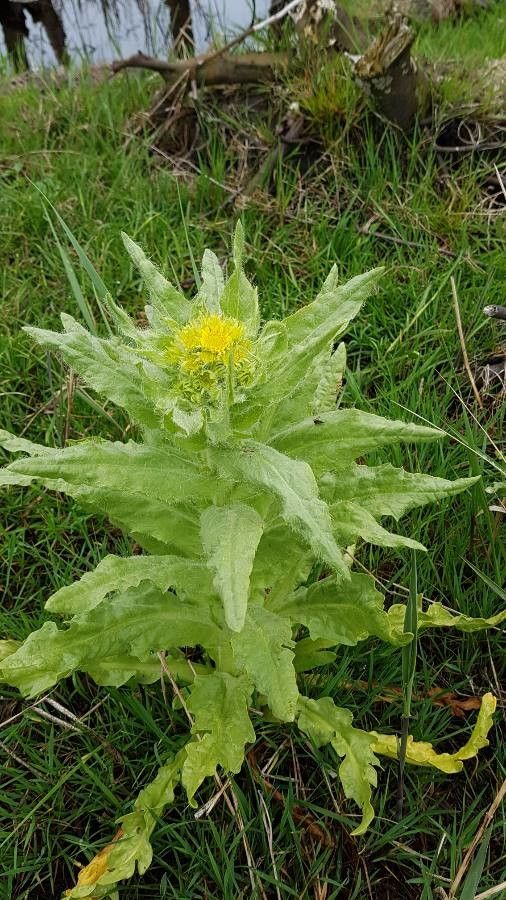
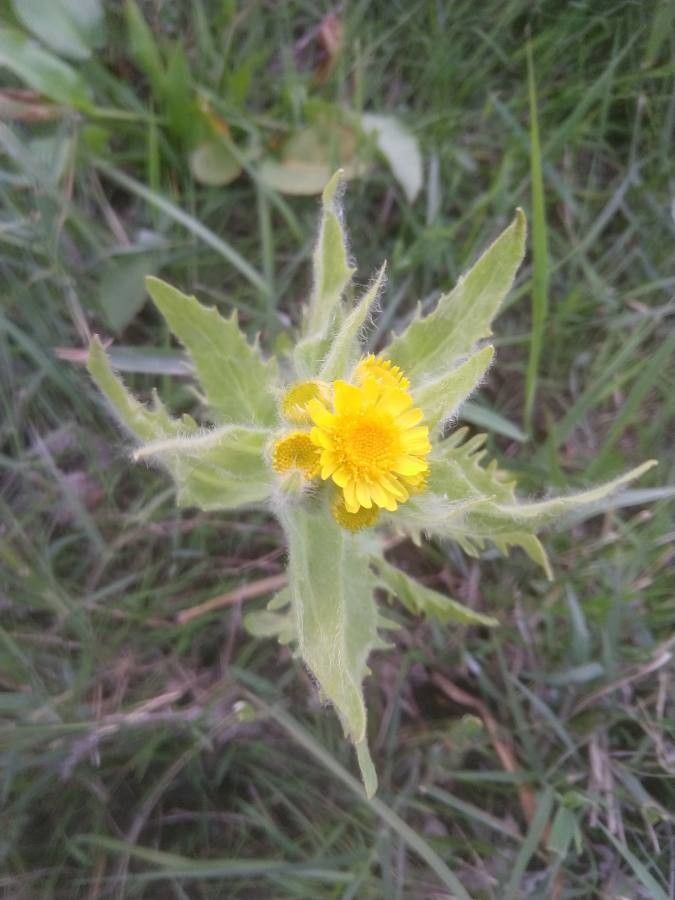
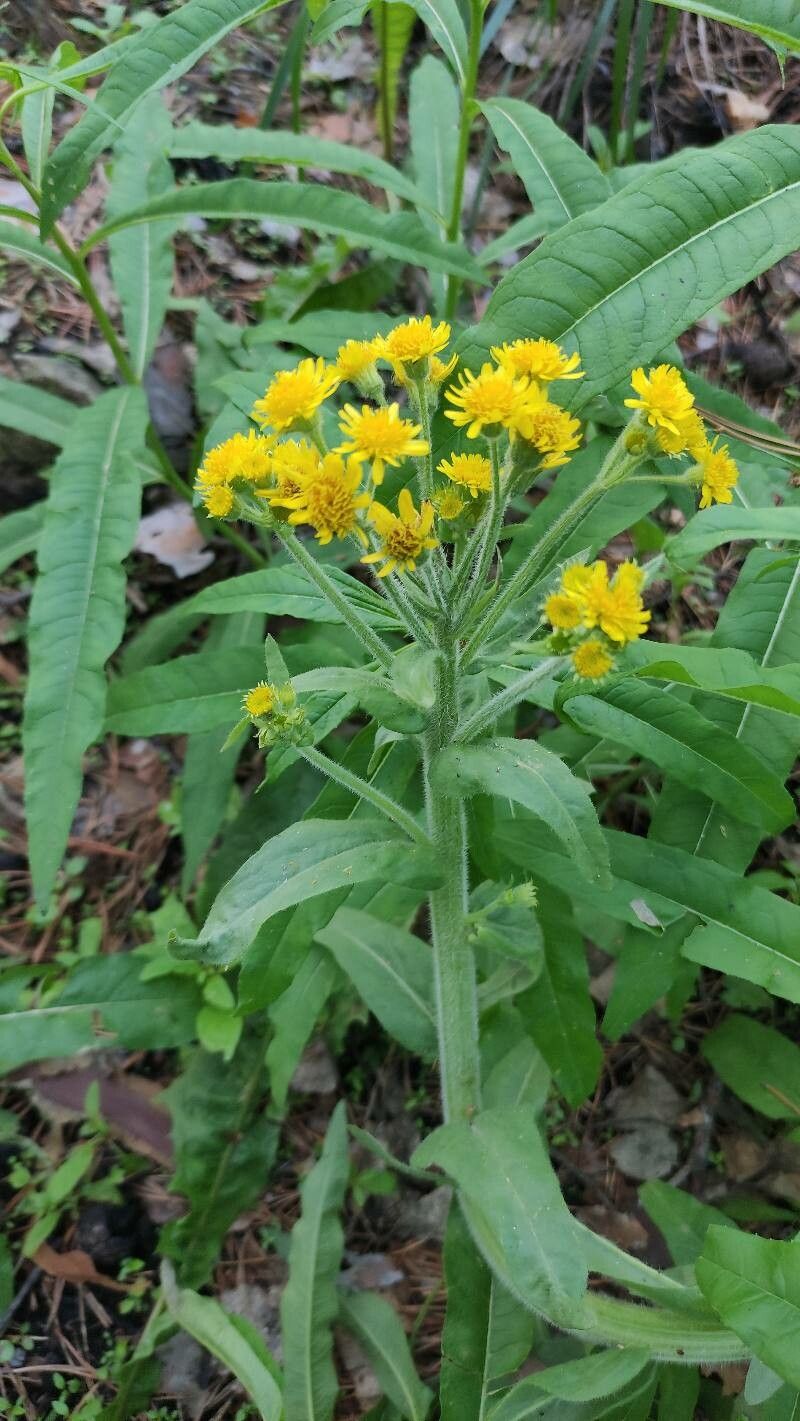
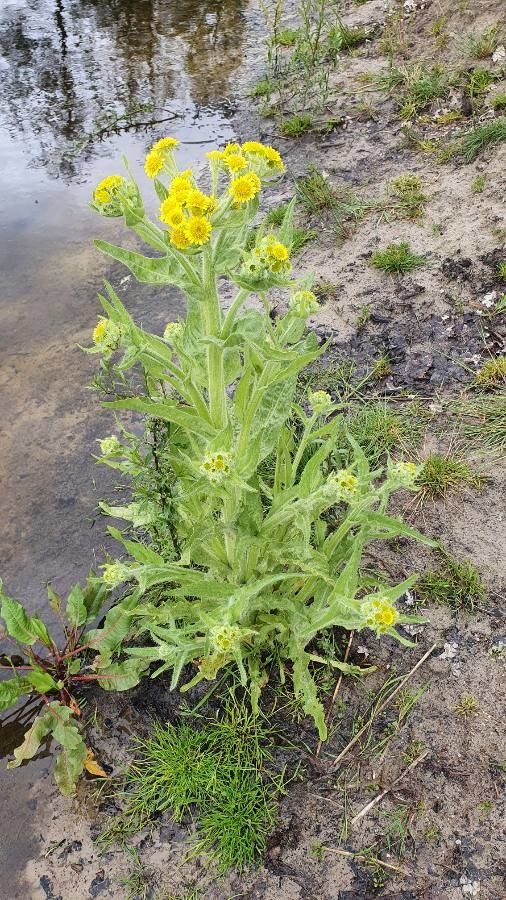
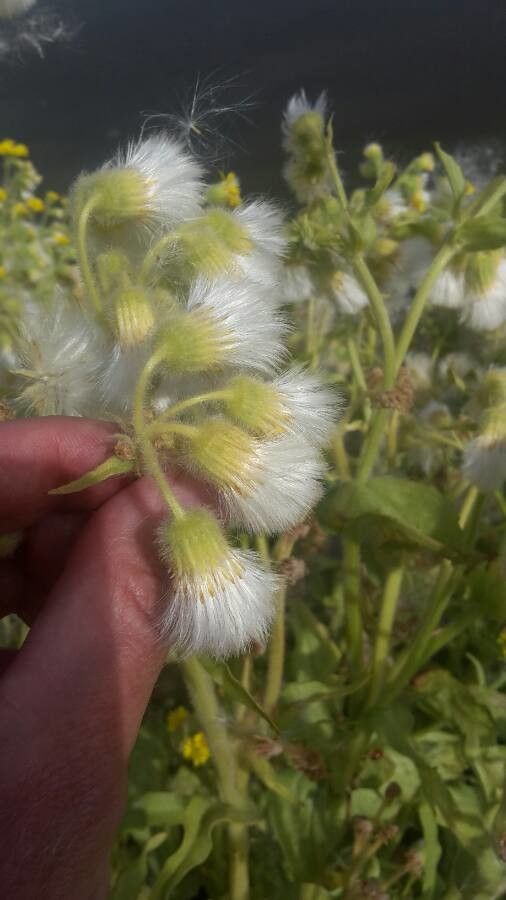
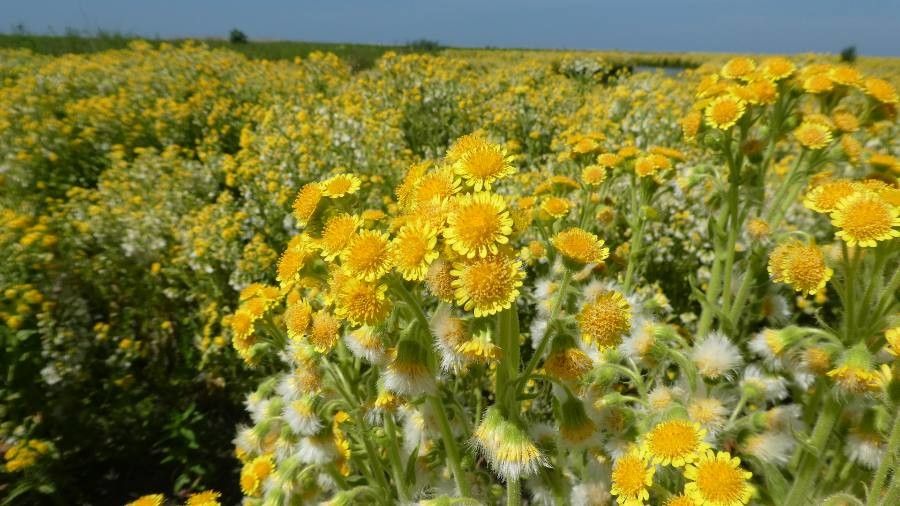
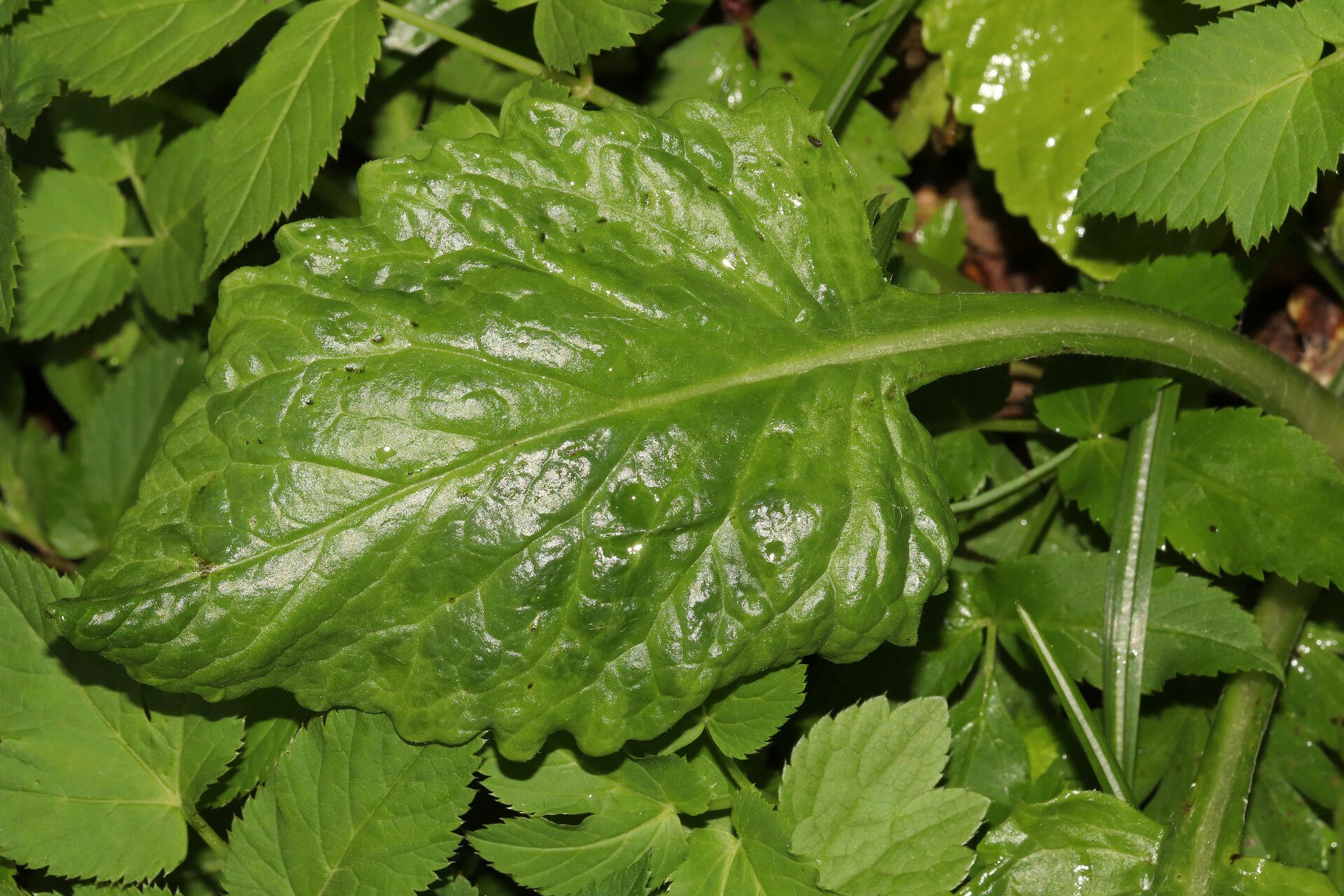
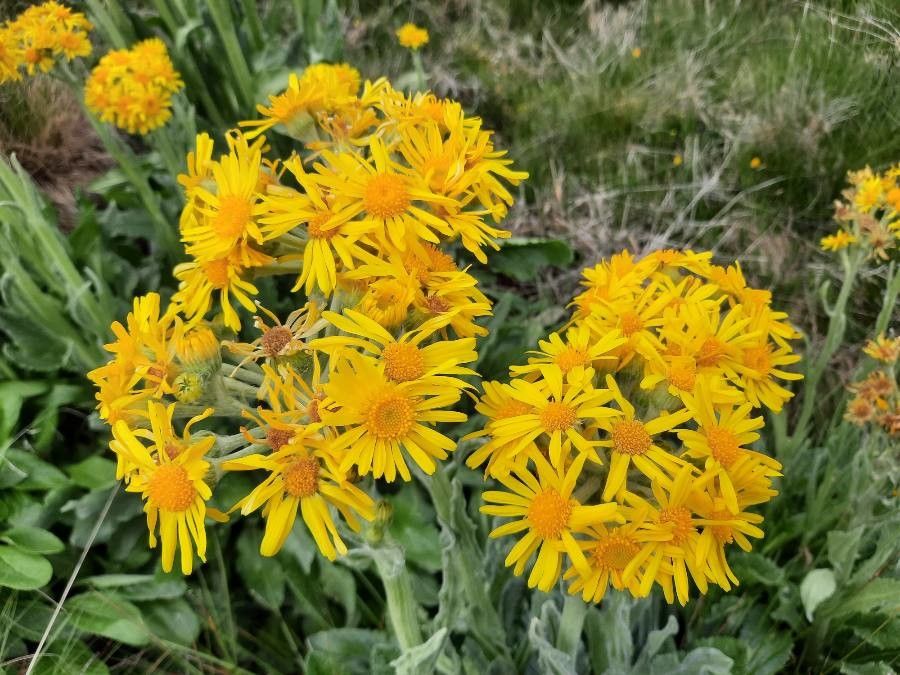
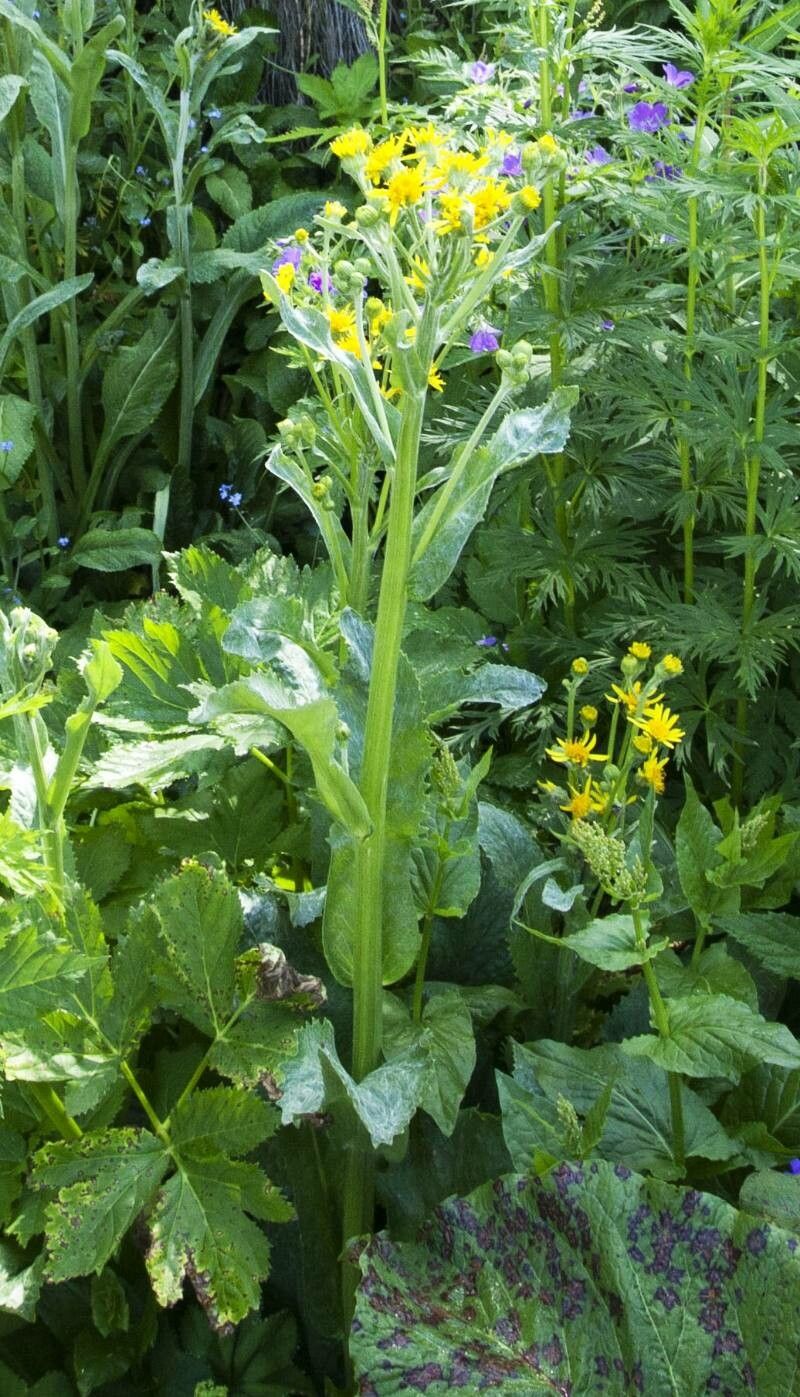
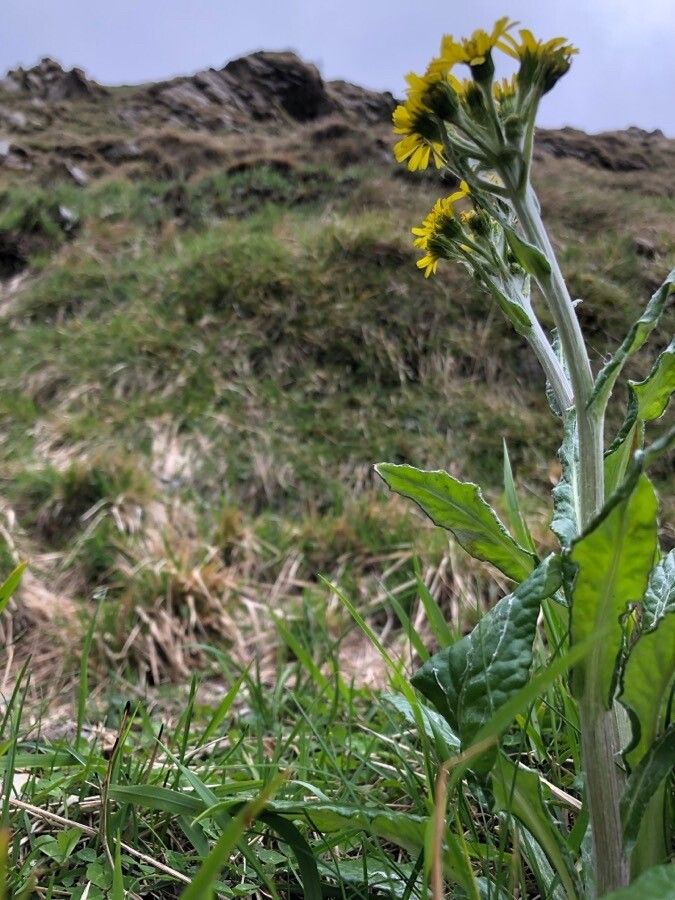
Tephroseris palustris, commonly known as marsh fleabane, is a perennial herbaceous plant belonging to the Asteraceae family. Native to Europe and Asia, it thrives in wetlands, marshes, meadows, and along riverbanks. The plant can grow up to 1 meter in height and features a basal rosette of lance-shaped leaves with toothed edges. Its hairy stem produces clusters of small yellow flowers that bloom from June to August, attracting pollinators such as bees and butterflies.
Tephroseris palustris has been used for centuries for its medicinal properties. Its anti-inflammatory qualities make it beneficial for treating conditions such as arthritis, rheumatism, fever, and respiratory infections. Additionally, it has antiseptic properties and can be used topically on wounds or skin irritations.
The plant prefers moist soil conditions but can tolerate some drought once established. It requires full sun to partial shade but is not well-suited to extreme heat.
Overall, Tephroseris palustris is an attractive wildflower with medicinal benefits, making it an important component of ecosystems across Europe and Asia. Growing naturally in wetland habitats, it provides food for pollinators and serves crucial ecological functions, such as soil stabilization through its extensive root system, which helps prevent erosion along riverbanks.
Marsh fleabane is fairly disease-resistant and usually not prone to illnesses. However, it can be affected by pests and diseases present in its surroundings. These issues are typically mild. For care, this plant requires moderate maintenance. It should be pruned regularly to keep a neat appearance and support healthy growth. Fertilizing can also help encourage flowering. Marsh fleabane is suitable for anyone with outdoor space, such as a garden or patio, and does not demand extensive care experience. It may need more attention when grown indoors.
How to keep Tephroseris Palustris.
Light
Marsh fleabane grows best with plenty of sunlight. In its typical habitat it is often exposed to the brighter parts of the light spectrum. It can tolerate lower-light conditions, but this will likely affect its growth and health. Excessive light may cause discoloration, while insufficient light can lead to slow growth.
Water
Marsh fleabane thrives in moist conditions and needs consistent watering to maintain its lush growth, typically requiring weekly watering. It can adapt to surface dryness by efficiently managing its hydration. This plant is best grown outdoors, making it an ideal choice for rain gardens or similar climates.
Temperature
Marsh fleabane is native to areas with moderate temperatures and thrives at 68 to 95 °F (20 to 35 °C). Modify growing conditions to match seasonal changes to keep temperatures within the optimal range.
Fertilizer
Marsh fleabane responds well to regular, dilute applications of fertilizer to encourage healthy leaf development. You should feed Marsh fleabane about once a month during the summer. Nitrogen is important for foliage, and adding nitrogen-rich sources helps Marsh fleabane thrive.
Pruning
To help marsh fleabane thrive, it is important to prune it correctly, ideally from early to late spring, to encourage new growth. Remove dead stems and thin out any overcrowded sections to improve airflow and light exposure. Regular pruning not only boosts flowering but also helps prevent disease, both of which are essential for keeping marsh fleabane healthy and looking its best.
Botanical profile.
- Plant Type
- Herb
- Life Cycle
- Annual, Biennial
- Genus
- Tephroseris
- Family
- Compositae
- Hardiness Zone
- 4
- Mature Height
- 20 cm to 61 cm
- Mature Spread
- 1 cm
- Leaf Color
- Light Green
- Leaf Type
- Deciduous
- Flower Color
- Yellow
- Flower Size
- 2.03 cm to 3.05 cm
- Bloom Time
- Early summer, Mid summer
- Planting Time
- Spring, Summer, Autumn
- Harvest Time
- Mid summer, Late summer
- Native Area
- Sweden, Czech Republic, Slovakia, Poland, Croatia, Belarus, Ukraine, China, Russia, Lithuania, Norway, Germany, Kazakhstan, Denmark, Netherlands, Estonia, Mongolia, United Kingdom, Latvia, Belgium, France
Other names.
Reader questions.
What are the sunlight requirements for Marsh fleabane?
Marsh fleabane requires specific sunlight conditions to thrive. Full sun, which means above 6 hours of direct sunlight daily, is ideal for its growth and health. However, it can also survive in partial sun, receiving about 3-6 hours of sunlight. It's important to observe your garden's sunlight patterns to choose the best spot for your plants, balancing light and shade to ensure their well-being.
What is the native climate for Marsh Fleabane?
Marsh Fleabane, scientifically known as Tephroseris palustris, thrives in moderate temperature regions. It grows best in temperatures ranging from 68 to 95°F (20 to 35°C). To ensure the plant's health, it's important to adjust its growing environment as the seasons change to maintain these optimal temperature conditions.
How does sunlight affect the growth and health of Marsh fleabane?
The growth and health of Marsh fleabane are significantly enhanced by abundant sunlight. Naturally, it flourishes in environments with extensive solar exposure, though it can adapt to lesser sunlit conditions. However, variations in light exposure can impact its growth; too much or too little sunlight may lead to discoloration or slowed growth. To support growth in less sunny conditions, especially indoors, artificial lighting can be a beneficial solution. Optimal lighting includes 30-50W/sq ft for full sun plants, 20-30W/sq ft for partial sun, and 10-20W/sq ft for full shade varieties. Artificial lights should be placed 12-36 inches above the plant and kept on for 8-12 hours daily, mimicking natural sunlight.
Does Marsh Fleabane require frost protection during winter?
Marsh Fleabane is highly cold-tolerant and does not require additional frost protection measures during the winter months. However, it is advised to water the plant generously before the first freeze of autumn. This practice helps the soil remain moist and enter a frozen state preparedly, which in turn prevents drought and water scarcity for the plant during the winter and early spring seasons.
What symptoms indicate Marsh fleabane is receiving inadequate sunlight?
Marsh fleabane displays several symptoms when it lacks sufficient light. Such symptoms include smaller new leaves, leggy or sparse growth, accelerated leaf drop, slowed or halted new growth, paler new leaves, chlorosis (yellowing leaves due to chlorophyll breakdown), sunscald on leaves or stems, leaf curling as a defense mechanism against excessive light, wilting from increased water loss, and leaf scorching characterized by brown or crispy leaf edges. These symptoms highlight the plant's struggle with inadequate or excessive sunlight exposure.
What should I do if the winter temperature drops below -30°C for Marsh Fleabane?
Marsh Fleabane exhibits extreme cold tolerance but should ideally be kept in conditions above -30°C during the winter. If temperatures fall below this level, the plant may show no visible damage in winter but could experience a decline in sprouting, or not sprout at all, come spring. To mitigate this issue, it is recommended to remove any parts of the plant that have failed to sprout in the spring.
How can I address sunlight-related issues in Marsh fleabane?
Addressing sunlight-related issues in Marsh fleabane involves several strategies. Indoors, if your plant lacks light, gradually move it to a sunnier spot or use artificial light sources to ensure it receives at least 6 hours of direct sunlight daily. Outdoors, transition your plants to brighter areas gradually to prevent sunburn. If obstructions like trees block sunlight, consider pruning to increase sun exposure. For smaller plants that need relocation, transplant them during their dormant period, typically in late winter or early spring, to a sunnier spot with good drainage. It's crucial to adapt these approaches based on whether your plant's environment is indoors, outdoors, or in the ground to foster healthy new growth.
How does Marsh Fleabane react to high temperatures?
Marsh Fleabane does not fare well in high temperatures. When the ambient temperature exceeds 35°C, the plant's growth will halt, and it becomes more prone to rot. To help the plant cope with excessive heat, you should trim away any sunburned and dried-up parts. Additionally, consider moving the plant to a location with shade during the midday and afternoon sun or use a shade cloth to protect it. Ensuring the soil remains moist by watering the plant in the morning and evening is also beneficial.