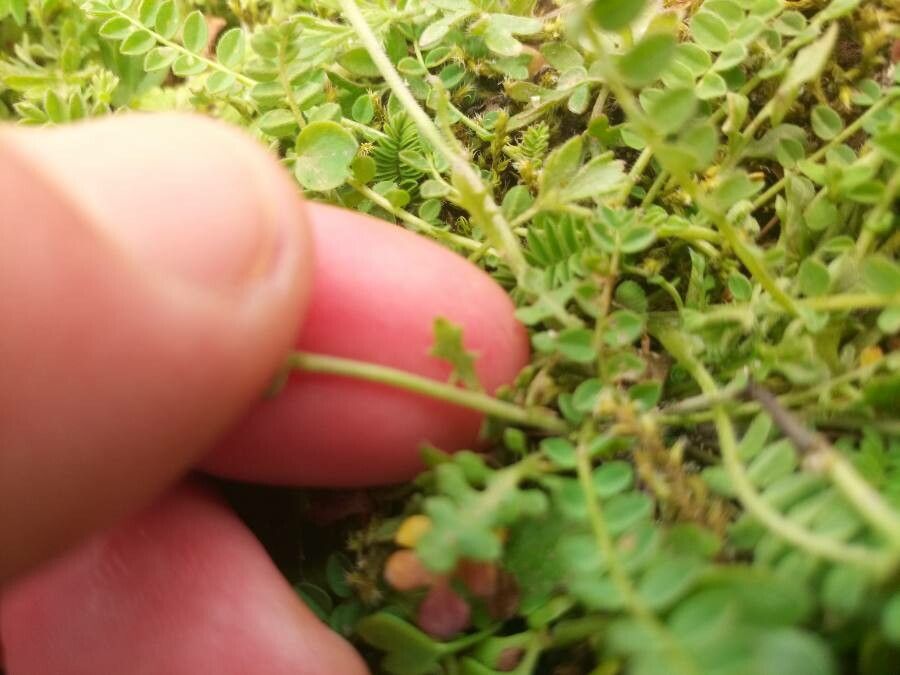
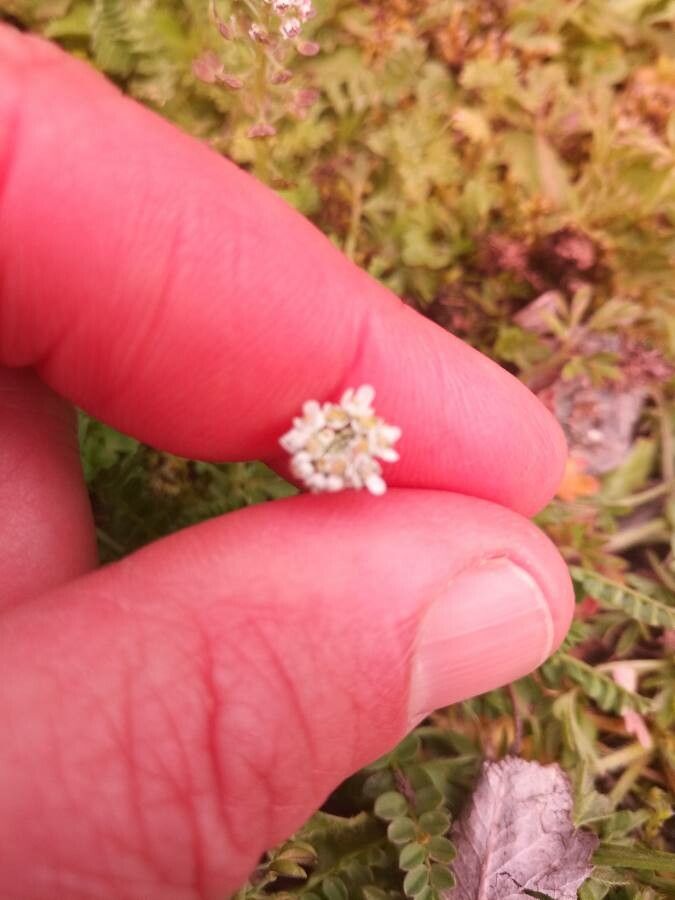
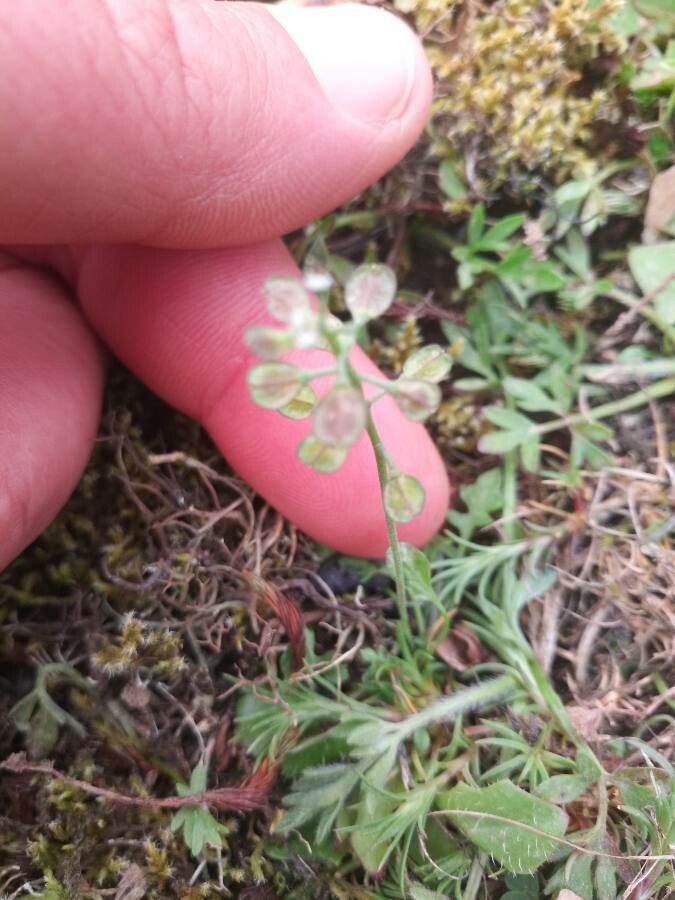
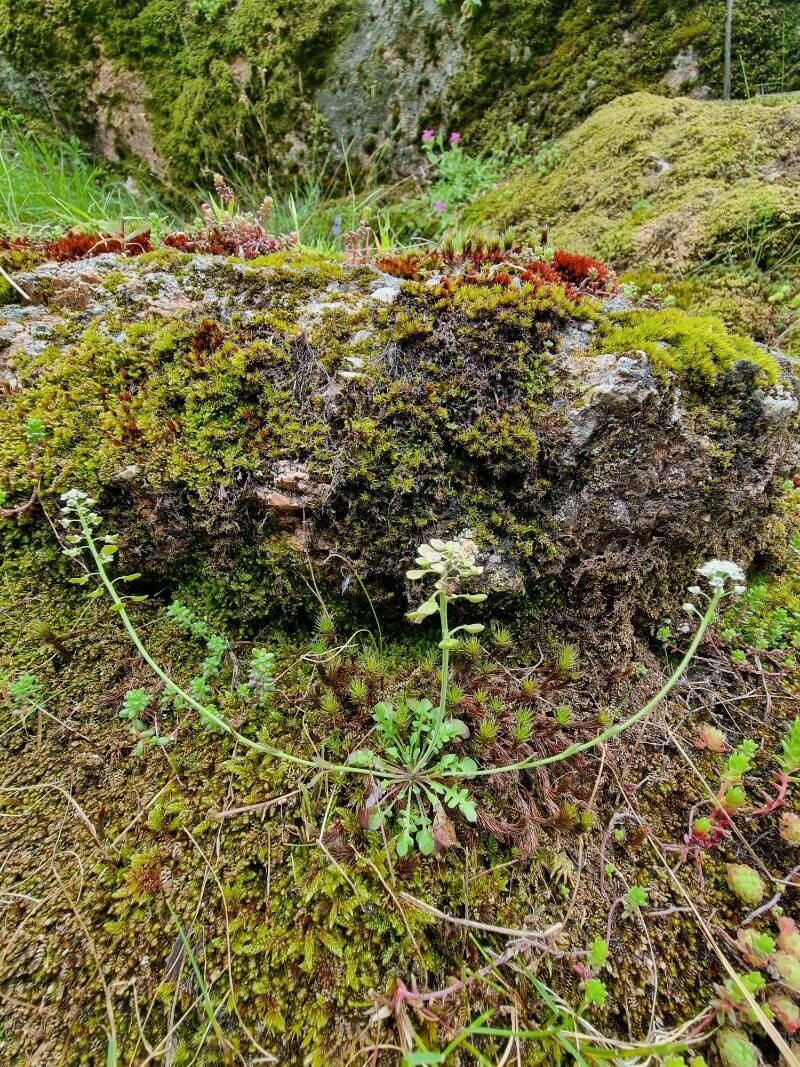
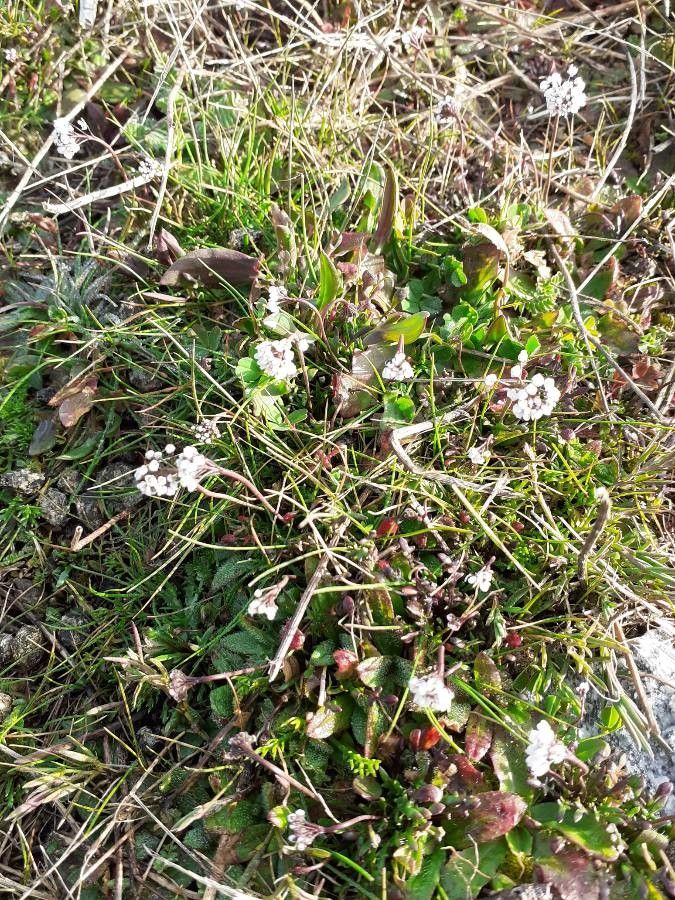
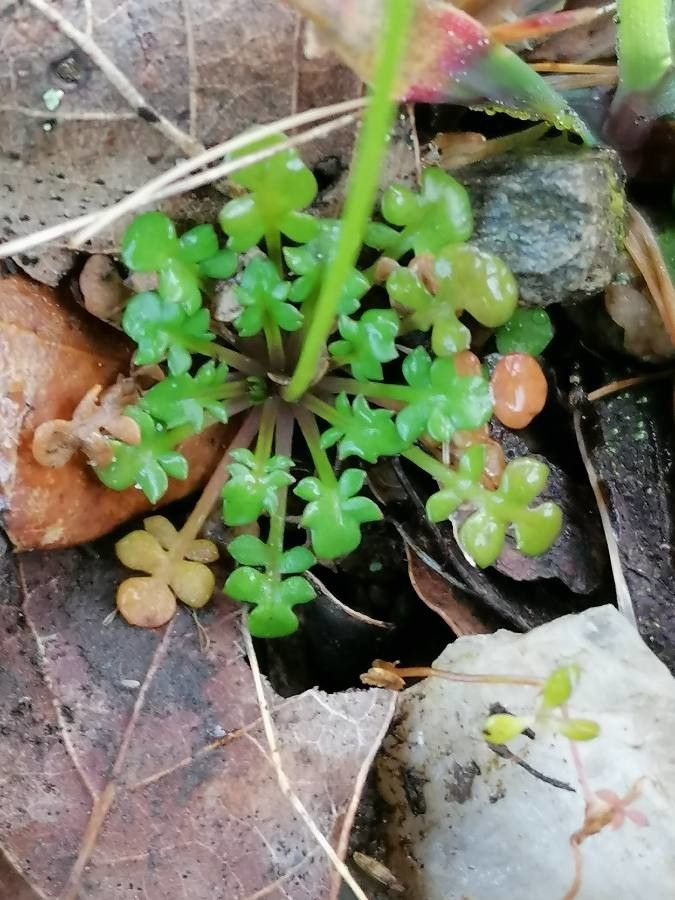
Teesdalia nudicaulis, commonly known as shepherd's cress, is a small annual plant that belongs to the mustard family. Native to Europe and Asia, it has also been introduced to North America. The plant typically grows up to 20 cm tall and features a basal rosette of deeply lobed and toothed leaves. Its stem is slender, erect, and branched at the top.
The flowers of Teesdalia nudicaulis are small and feature four white petals arranged in a cross shape. They bloom from April to June on long stalks that rise above the leaves. The fruit of this plant is a narrow pod containing many tiny seeds.
Shepherd's cress thrives in well-drained soils in open areas such as fields, meadows, and disturbed sites like roadsides or waste places. It can tolerate dry conditions but does not fare well in shaded environments.
Historically, this plant has been used for medicinal purposes due to its anti-inflammatory properties, which make it useful for treating skin conditions like eczema or psoriasis when applied topically.
While some may consider Teesdalia nudicaulis an unremarkable weed, its delicate white flowers add beauty to open fields in springtime. Additionally, the plant provides important ecological benefits by serving as a food source for pollinators like bees and butterflies, thereby helping to maintain biodiversity in both its native habitats and areas where it has been introduced.
Shepherd's cress has strong resistance to disease and typically does not suffer from illnesses. However, it can be vulnerable to pests and diseases present in its surroundings. Such infections are generally not severe. In terms of care, this plant needs moderate maintenance. It should be pruned regularly to keep a neat appearance and support healthy growth. Fertilizing can also help encourage flowering. Shepherd's cress is appropriate for anyone with outdoor space, like a garden or patio, and does not demand extensive care experience. It may need more attention when grown indoors.
How to keep Teesdalia Nudicaulis.
Light
Shepherd's cress comes from bright, open habitats and performs best in full sun. It will tolerate partial sun but favors direct sunlight for optimal growth. This plant, which may be annual or biennial, is noted for its sun-loving character.
Water
Shepherd's cress, which originates from temperate regions, thrives with moderate moisture and can tolerate short periods of dryness. To ensure its health, especially during the growing season, it's important to water it weekly. Its growth cycles rely on consistent moisture availability.
Temperature
Shepherd's cress can tolerate a wide variety of temperature conditions, but its range may still be restricted by different combinations of moisture and heat. It grows best in warm summer climates when it receives sufficient rainfall or supplemental watering. Extended stretches of cloudy, rainy weather, as well as prolonged high temperatures, can raise the risk of Shepherd's cress dying. In winter, protecting it from the cold can increase its chances of survival.
Fertilizer
Shepherd's cress does well with regular, light applications of fertilizer to encourage robust leaf development. Fertilize Shepherd's cress about once a month throughout the summer. Nitrogen is important for the leaves, and providing nitrogen-rich fertilizer helps Shepherd's cress thrive.
Pruning
Shepherd's cress flourishes in dry, nutrient-poor soils and produces small white flowers. To encourage healthy growth, improve airflow, and maintain its shape, prune it from early to late spring by trimming the flower stems and removing any damaged foliage. Consistent care will ensure its longevity and vibrant blooms. For more detailed guidance, consult local resources.
Botanical profile.
- Plant Type
- Herb
- Life Cycle
- Annual
- Genus
- Teesdalia
- Family
- Brassicaceae
- Hardiness Zone
- 6
- Mature Height
- 46 cm
- Mature Spread
- 30 cm
- Leaf Color
- Green
- Leaf Type
- Semi-evergreen
- Flower Color
- White
- Flower Size
- 0.20 cm to 0.25 cm
- Bloom Time
- Early spring, Mid spring
- Planting Time
- Spring
- Harvest Time
- Late spring, Early summer
- Native Area
- Sweden, Austria, Czech Republic, Slovakia, Poland, Croatia, Morocco, Belarus, Serbia, Russia, Lithuania, Norway, Germany, Portugal, Italy, Spain, Switzerland, Denmark, Estonia, France, Ireland, United Kingdom, Hungary, Latvia, Belgium, Netherlands
Other names.
Reader questions.
What are the sunlight requirements for Shepherd's cress?
Shepherd's cress thrives in environments that provide full sun, which means it requires above 6 hours of sunlight daily. It can also tolerate partial sun, around 3-6 hours of sunlight a day. It is vital to observe the movement of sunlight through your garden to find spots that offer a good balance of light and shade, ensuring the plants' wellbeing.
What is the botanical name of Shepherd's cress?
The botanical name of Shepherd's cress is Teesdalia nudicaulis. This information helps in accurately identifying the plant, ensuring correct discussions and studies regarding its properties, usage, and conservation.
How important is sunlight for the growth of Shepherd's cress?
Sunlight is essential for the growth of Shepherd's cress, which originates from bright, open environments. For optimal growth, it prefers full sun but can grow in partial sun as well. In situations where natural sunlight is inadequate, especially during winter or in less sunny locations, artificial lighting can be a crucial supplement to promote healthy and faster growth. LED lights are recommended for their ability to provide specific wavelengths needed by plants, and they should be positioned 12-36 inches above the plant for 8-12 hours a day, depending on the artificial light intensity required for full or partial sun plants.
What are the signs of inadequate lighting for indoor Shepherd's cress?
Indoor Shepherd's cress may show several symptoms indicating insufficient light, such as smaller new leaves, leggy or sparse growth, faster leaf drop, slower or no new growth, and lighter-colored or yellow leaves indicating chlorosis. Direct excessive sunlight can lead to sunscald, leaf curling, wilting, and leaf scorching. These signs show the plant's struggle with its growing conditions, highlighting the need for adjusting its light exposure.
How can I remedy the situation if my Shepherd's cress isn't getting enough light?
To address insufficient light for Shepherd's cress, gradually move the plant to sunnier locations, aiming for at least 6 hours of direct sunlight daily. For indoor plants, use a south-facing window or artificial grow lights to ensure ample light, keeping them on for at least 8 hours a day. Outdoors, find the best spot for sunlight and adapt the plants gradually to avoid sunburn. Removing obstructions and considering transplantation during the plant's dormant period can also help in maximizing sunlight exposure. Remember, affected parts may not recover, but new growth should be healthy with improved light conditions.