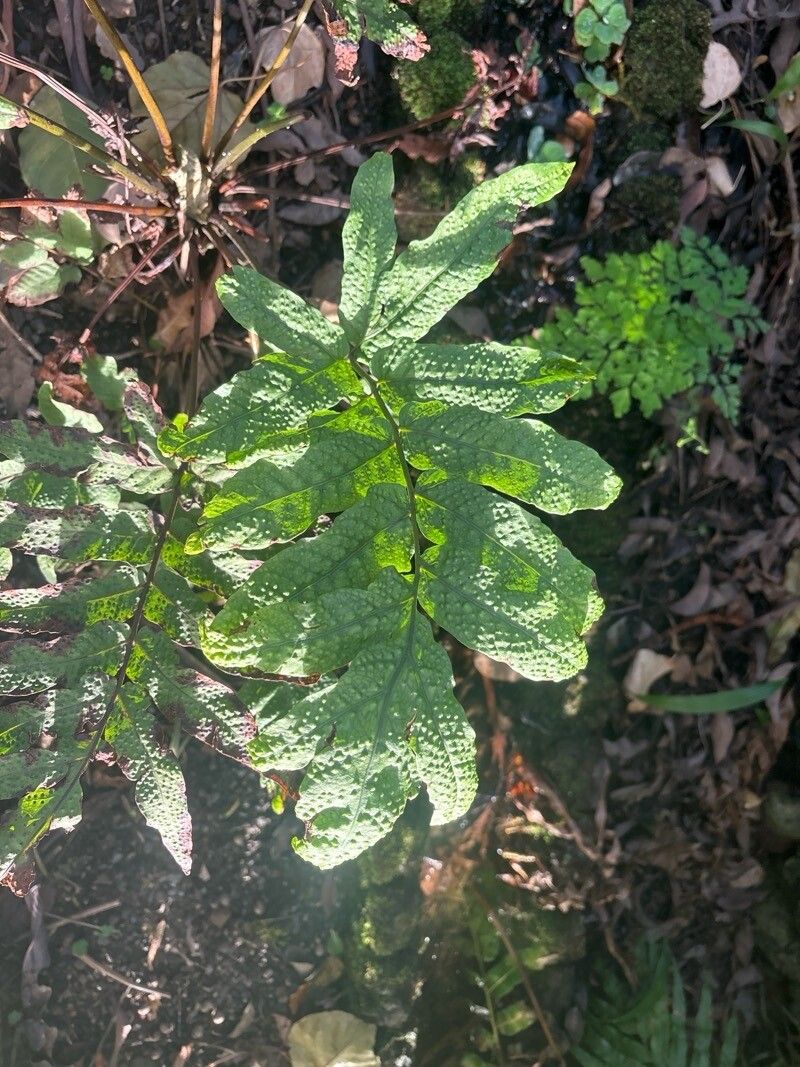
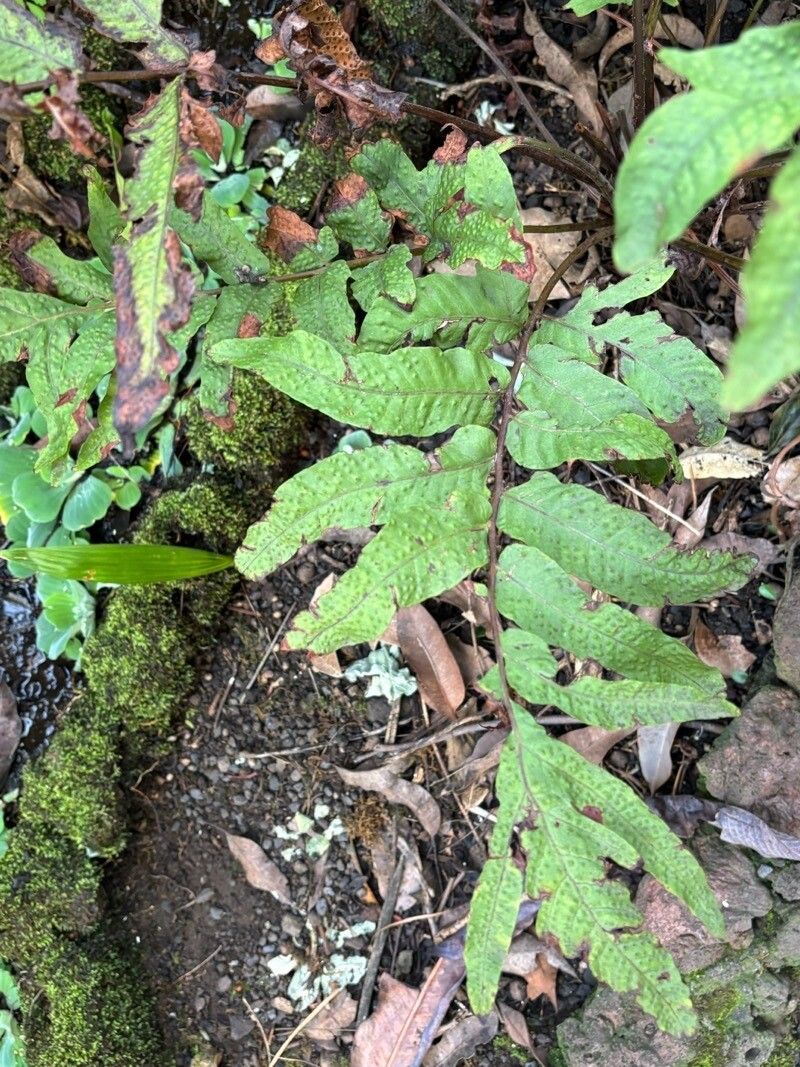
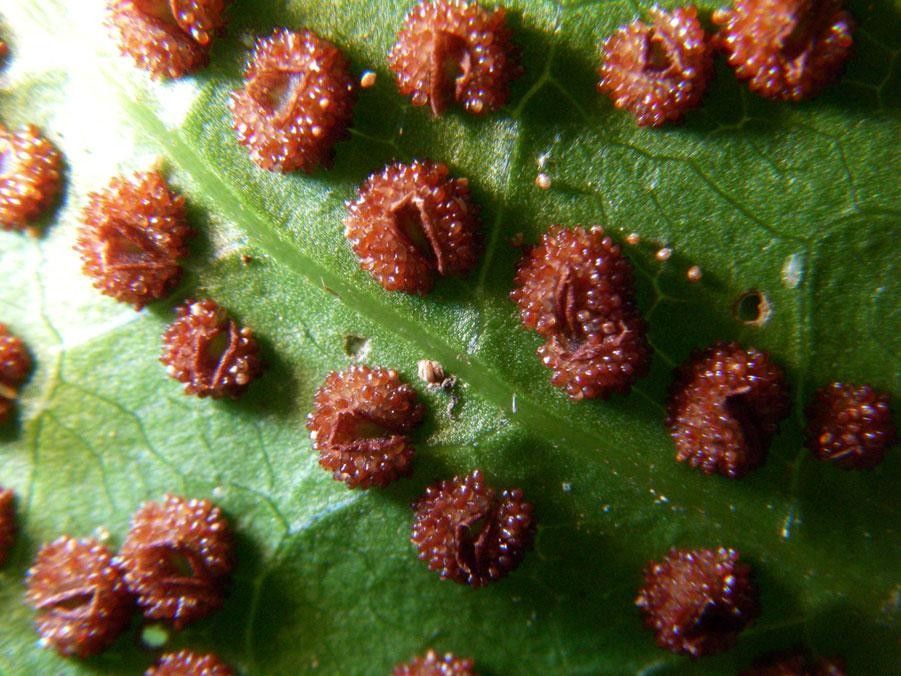
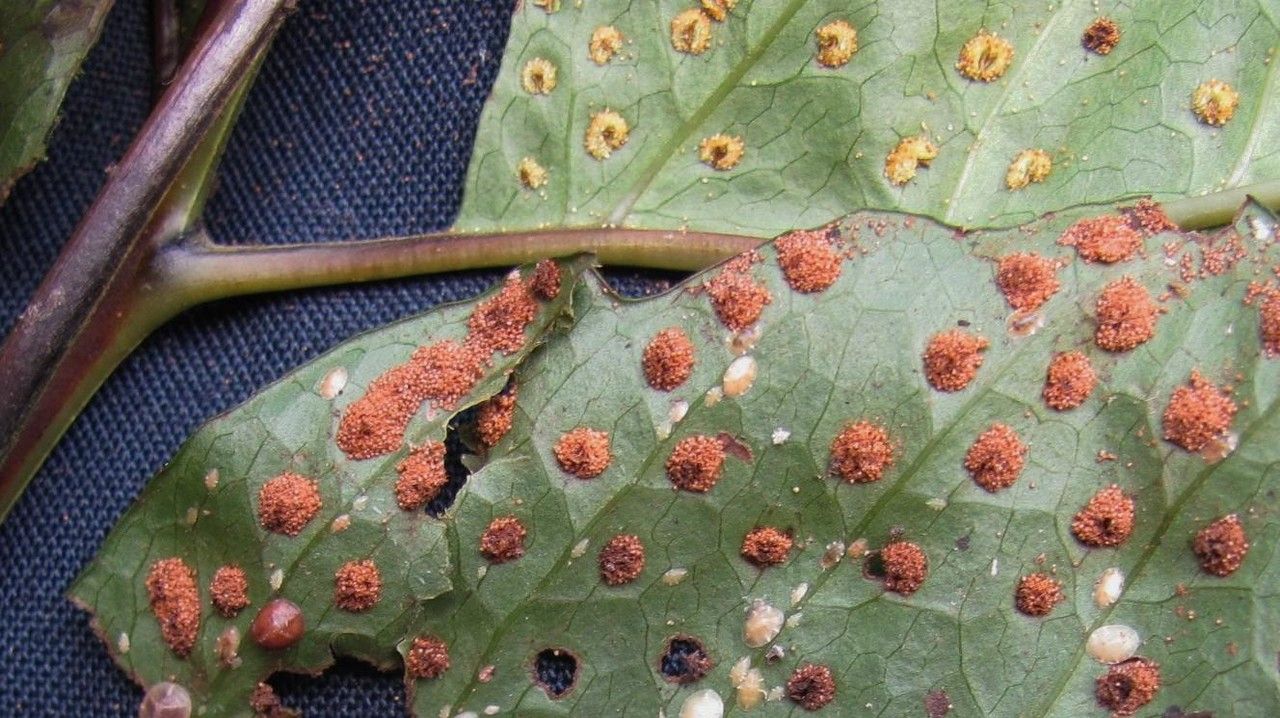
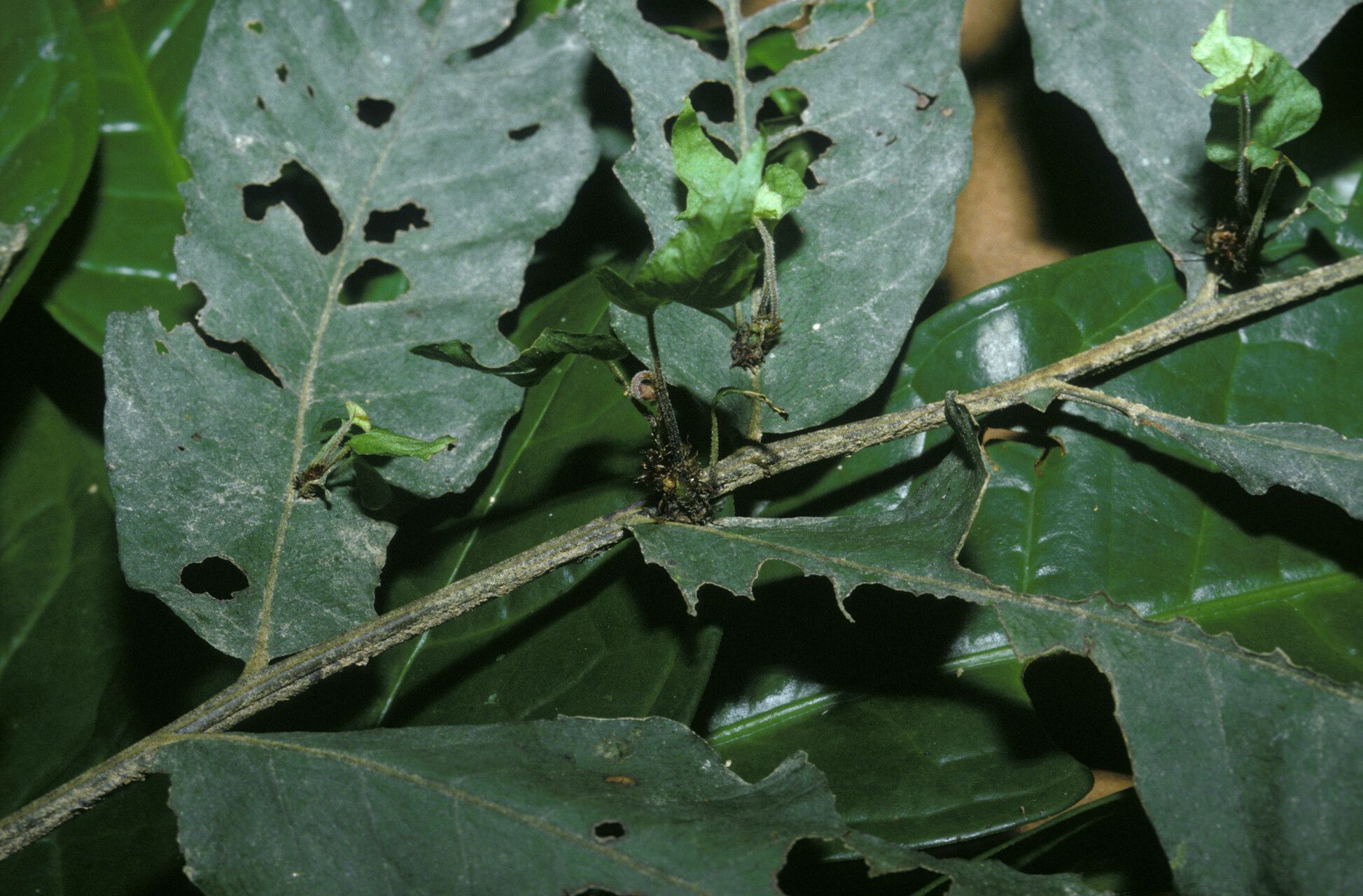
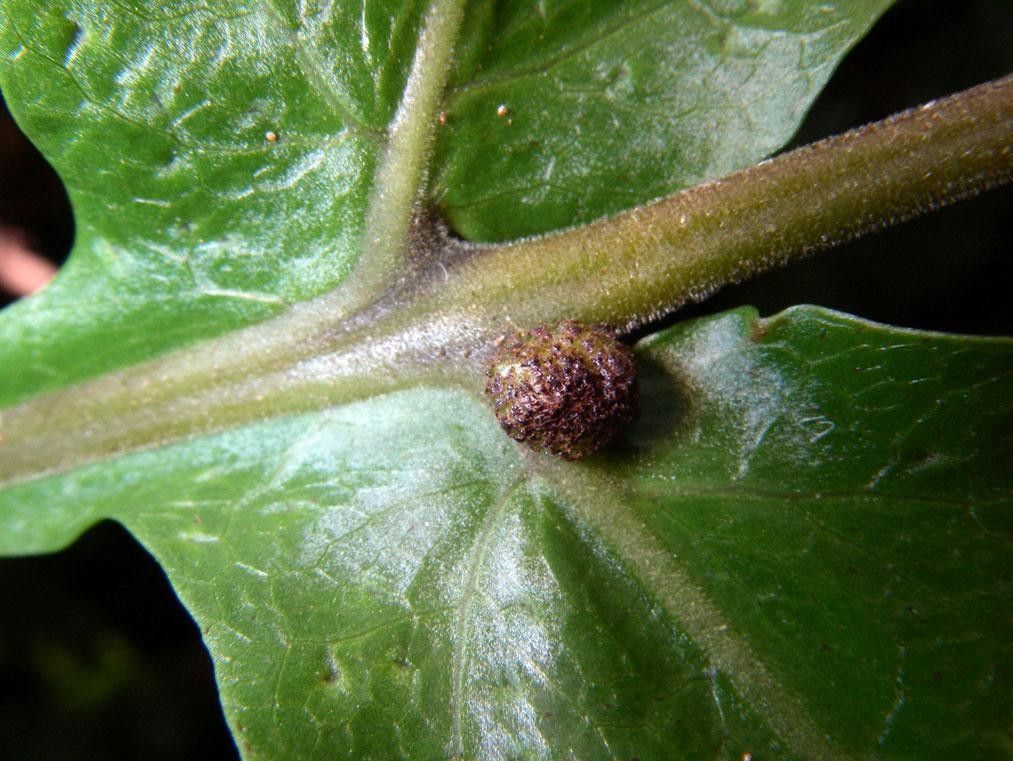
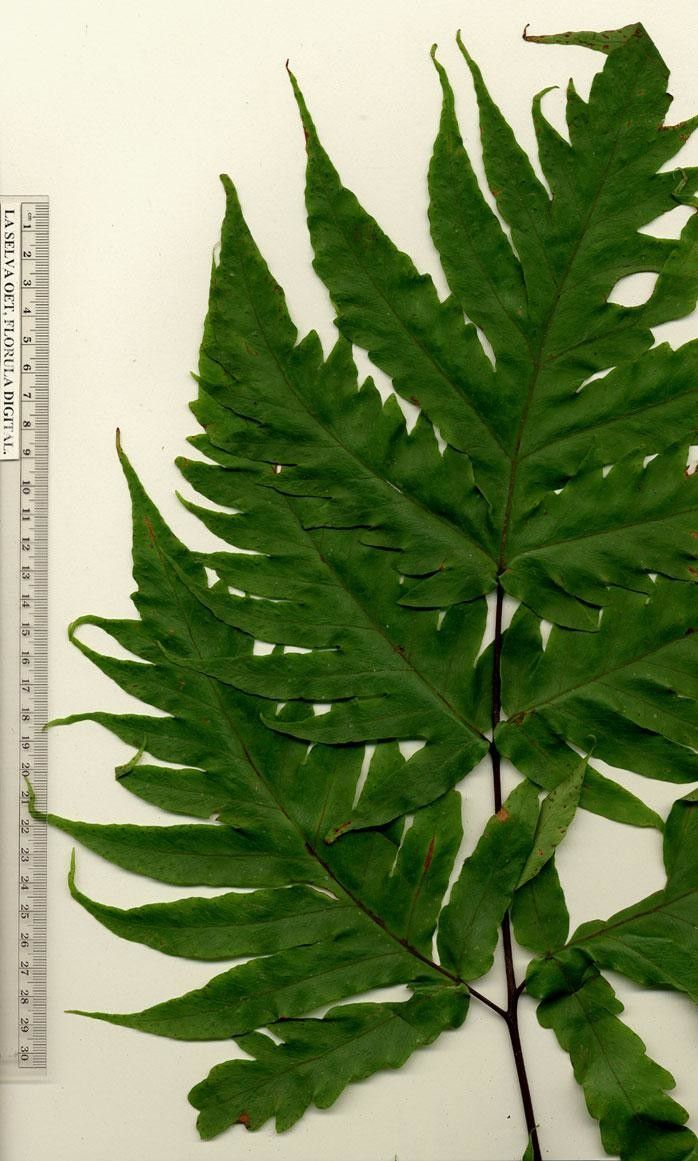
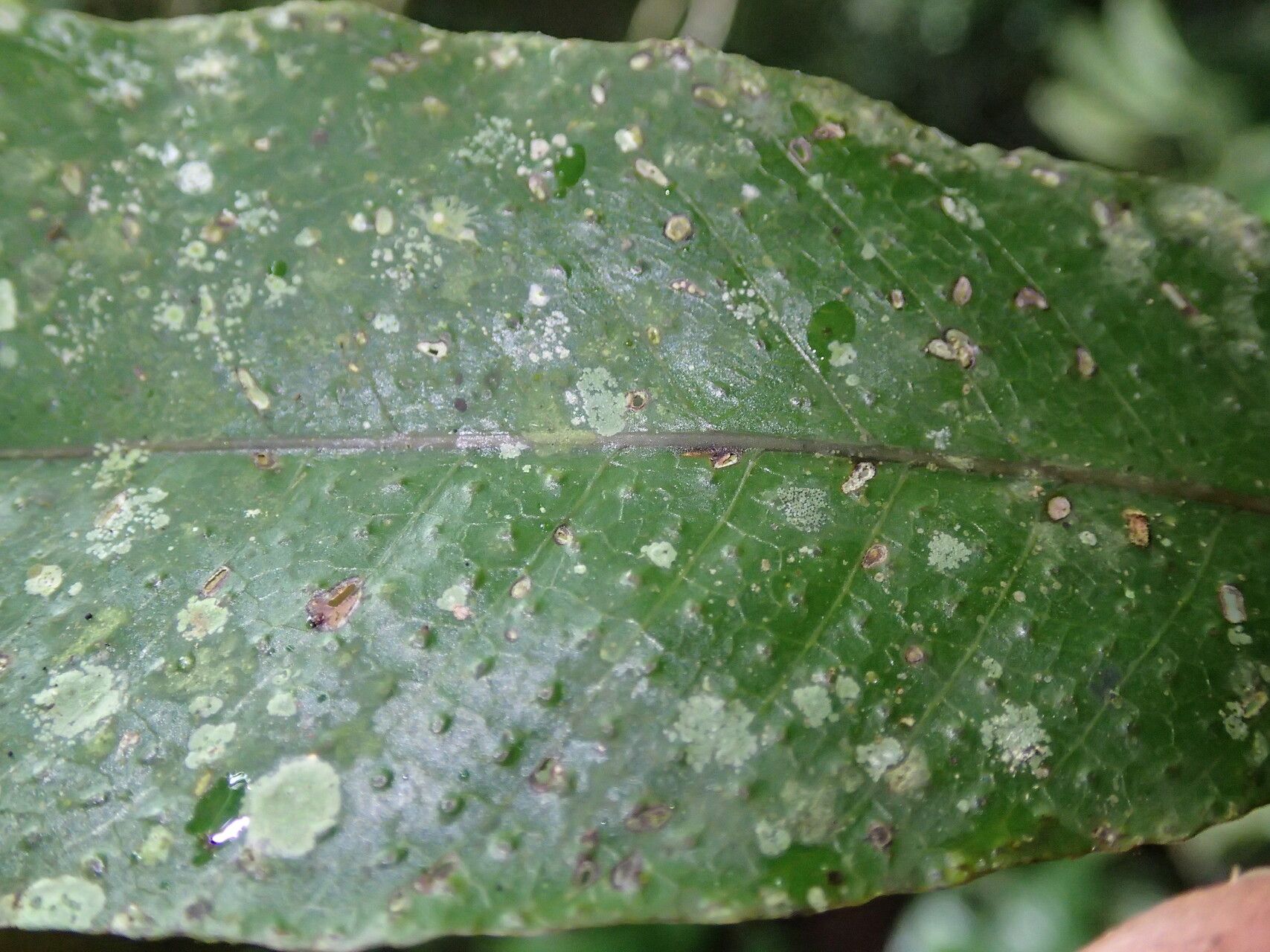
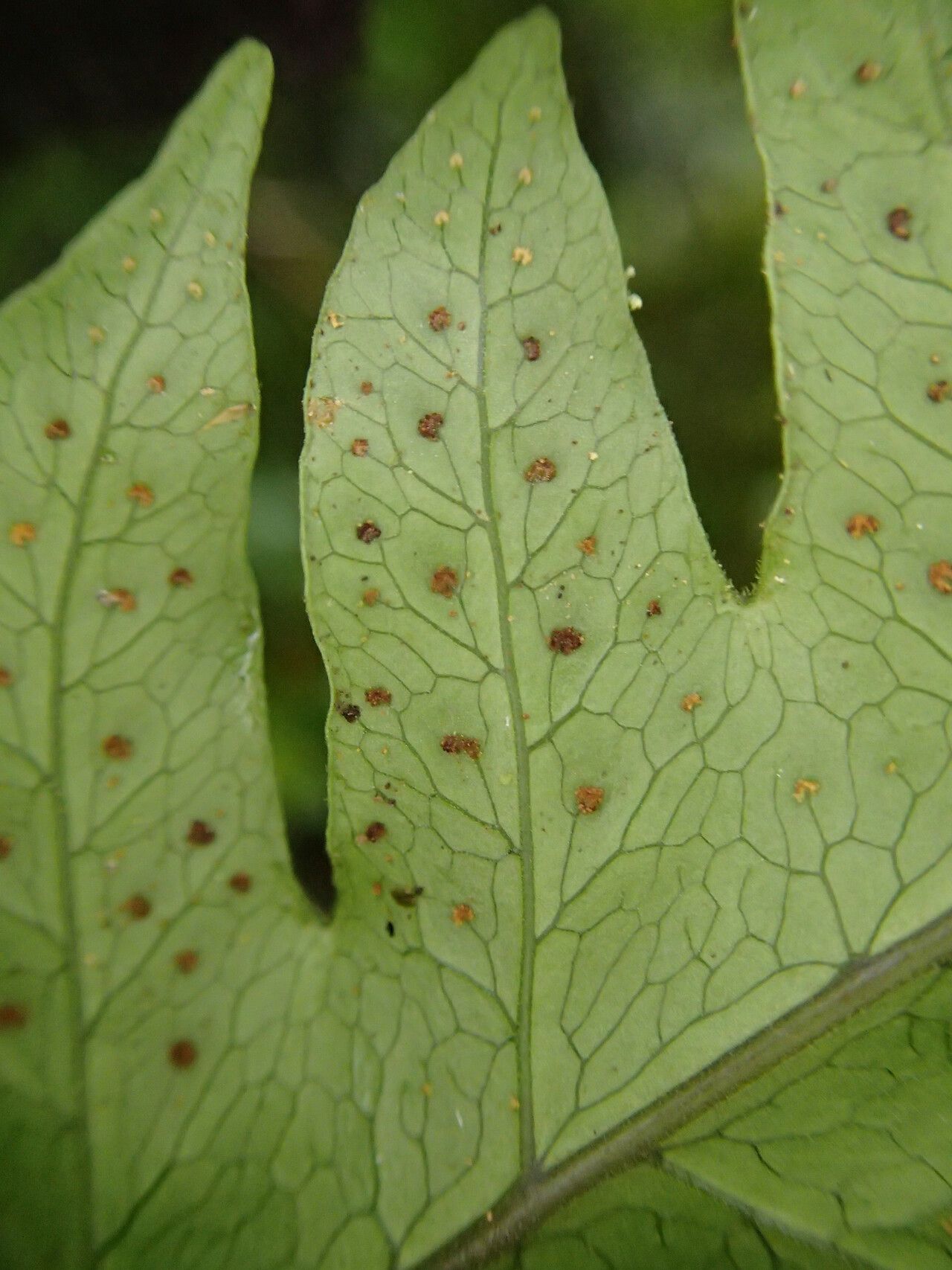
Incised halberd fern generally has strong resistance to disease and relatively few insect pests. Its care is considered difficult because it needs a moist environment and frequent watering. However, the roots are prone to rotting if it is overwatered and the environment lacks good ventilation. Incised halberd fern is suitable for people with some growing experience, as most people can keep it alive for a certain period. Nonetheless, it may have trouble thriving and its leaves can dry out and become less healthy over time.
How to keep Tectaria Incisa.
Light
The incised halberd fern hails from places such as forest understories and rocky regions that naturally provide shade. It thrives best in Full Shade sunlight conditions but can withstand Partial Sun.
Temperature
The Incised halberd fern has a commendable adaptability to changing temperatures, capable of withstanding not only high temperatures but also major temperature fluctuations. When exposed to high temperatures, it requires careful watering and sufficient shading to ward off sunburn. Nevertheless, the Incised halberd fern doesn’t fare as well in low temperatures. It can handle mild cold, but extreme cold can result in frost damage.
Botanical profile.
- Plant Type
- Fern, Herb
- Life Cycle
- Perennial
- Genus
- Tectaria
- Family
- Polypodiaceae
- Hardiness Zone
- 10-12
- Mature Height
- 30 cm to 61 cm
- Leaf Color
- Green
- Leaf Type
- Evergreen
- Planting Time
- Spring
- Native Area
- Belize, Honduras, Mexico, Guatemala, Peru, Dominican Republic, Panama, Jamaica, Colombia, Cuba, Paraguay, Argentina, Haiti, Bolivia, Venezuela, Brazil, Guyana, El Salvador, Nicaragua, Ecuador, Suriname, Costa Rica
Other names.