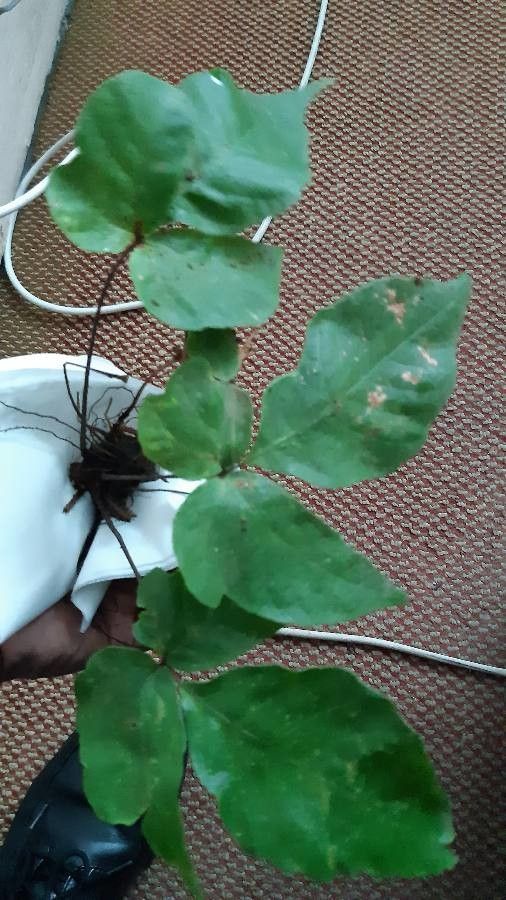
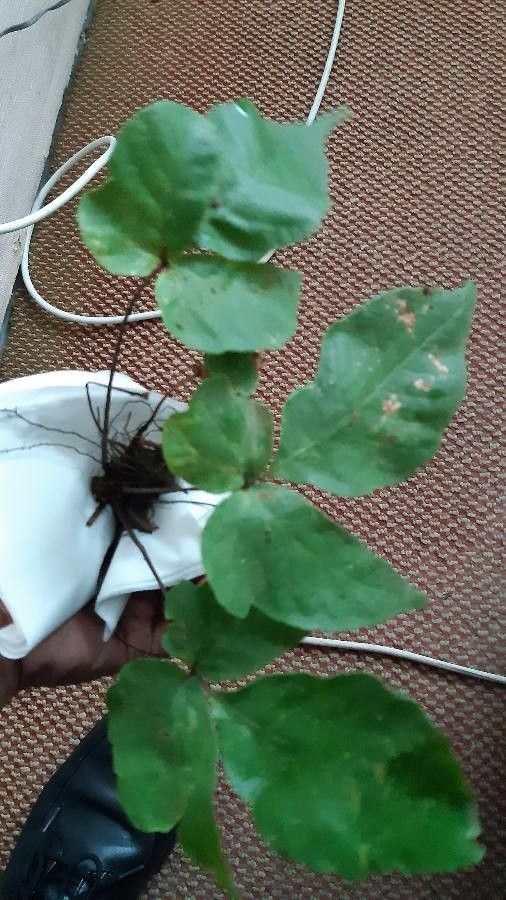
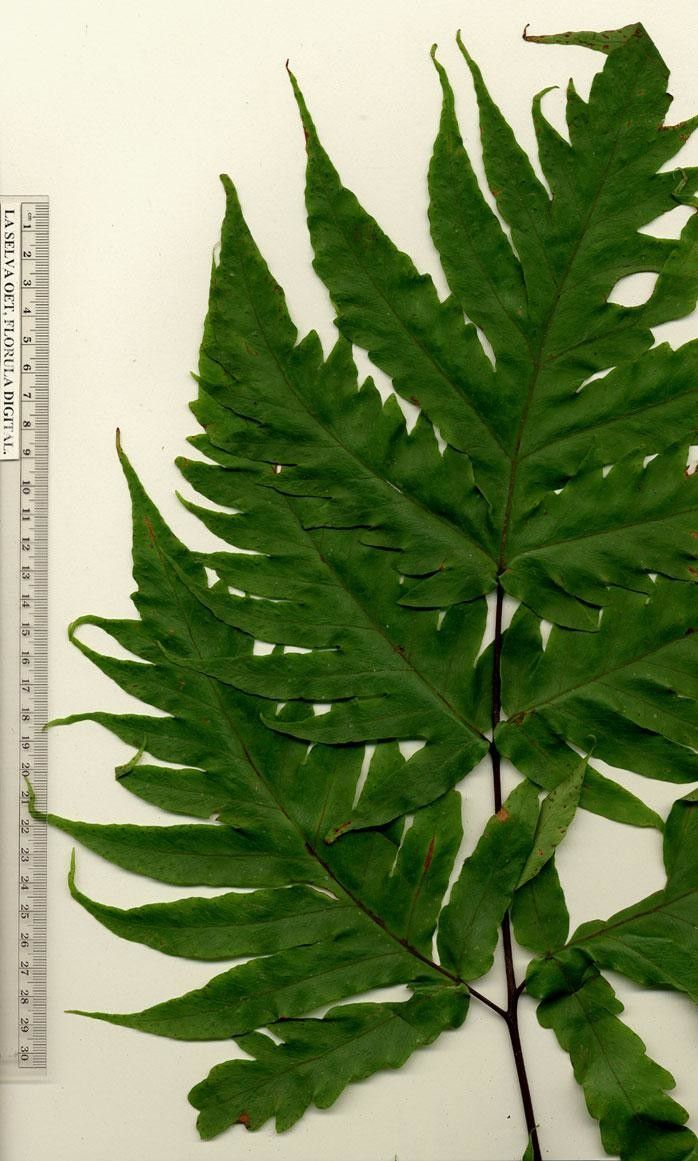
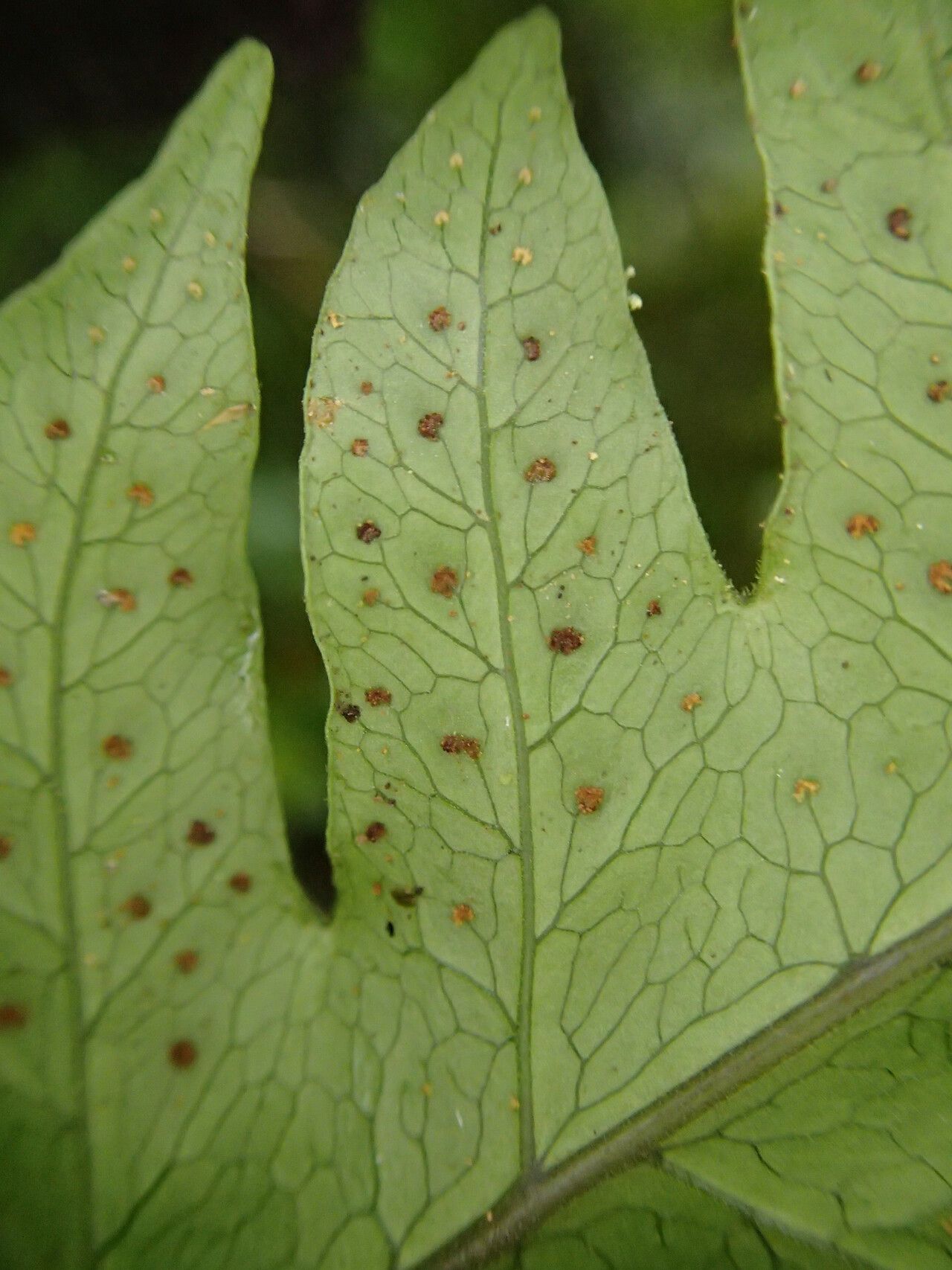
Tectaria heracleifolia, known as the "Hercules' club fern" due to its likeness to the club of Hercules in Greek mythology, is a species of fern that belongs to the family Tectariaceae. This plant is indigenous to tropical regions of Asia, including India, Sri Lanka, and Southeast Asia.
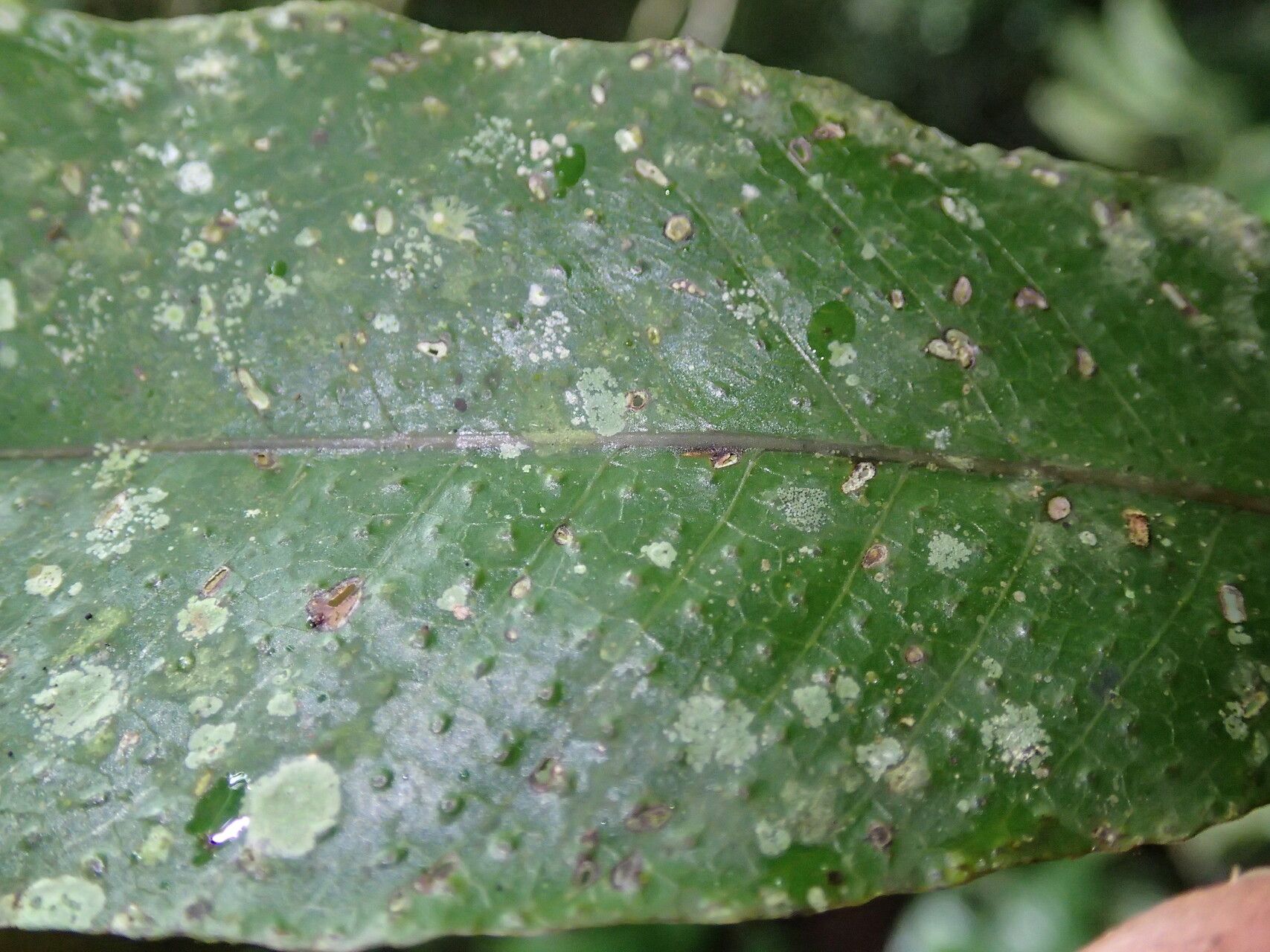
This fern has a distinctive appearance characterized by its large fronds, which can grow up to 1 meter (about 3 feet) in length and 30 centimeters (about 1 foot) in width. The fronds are dark green, glossy, and feature prominent veins.
Tectaria heracleifolia thrives in moist soil conditions and grows well in shaded areas such as forests or under trees. While it can tolerate some sunlight, it requires protection from direct sunlight during hot summer months.
This fern has been used for medicinal purposes by indigenous communities for centuries due to its anti-inflammatory properties. Its leaves are commonly used in traditional medicine to treat various ailments, including fever, coughs, and skin diseases.
Overall, Tectaria heracleifolia stands out among fern species due to its unique characteristics and medicinal properties. It is valued both as an important resource for traditional medicine practitioners and for its ornamental appeal, making it a popular choice among gardeners seeking exotic plants to enhance the diversity of their gardens or indoor spaces.
Broad halberd fern generally has good resistance to disease and relatively few insect pests. Its care is considered difficult because it requires a moist environment and frequent watering. However, the roots are prone to rotting if it is overwatered and the environment is not well-ventilated. Broad halberd fern is suitable for people with some growing experience, as most people are able to keep it alive for a certain amount of time. However, Broad halberd fern may have trouble thriving and its leaves may dry out and become less healthy over time.
How to keep Tectaria Heracleifolia.
Light
The broad halberd fern comes from habitats such as forest understories or rocky areas that provide natural shade. It prefers Full Shade but can tolerate Partial Sun.
Temperature
Broad halberd fern comes from tropical areas, where the climate is generally warm and humid. As a result, it is well adapted to high temperatures and moisture. It does not tolerate sudden temperature shifts and prefers a steady temperature, so avoiding indoor temperature fluctuations is important. It usually cannot endure cold and needs warmer conditions to grow. If the surrounding temperature falls too low, the plant may stop growing or even die.
Pruning
The broad halberd fern is characterized by its large, halberd-shaped fronds. To keep the plant healthy, it’s important to prune it in early spring. This removes dead fronds, promotes better air circulation, and reduces the risk of pests. Regular pruning also helps maintain the fern's shape and vigor. Make sure to provide adequate water before and after pruning to ensure the plant recovers optimally.
Botanical profile.
- Plant Type
- Fern
- Life Cycle
- Perennial
- Genus
- Tectaria
- Family
- Tectariaceae
- Hardiness Zone
- 10-12
- Mature Height
- 30 cm to 61 cm
- Mature Spread
- 40 cm to 76 cm
- Leaf Color
- Dark Green, Forest Green
- Leaf Type
- Evergreen
- Planting Time
- Spring, Summer, Autumn
- Native Area
- Belize, Honduras, Mexico, Guatemala, Dominican Republic, Panama, Jamaica, Colombia, Bahamas, Cuba, Haiti, Venezuela, Brazil, Guyana, El Salvador, Nicaragua, Ecuador, Suriname, Costa Rica
Other names.