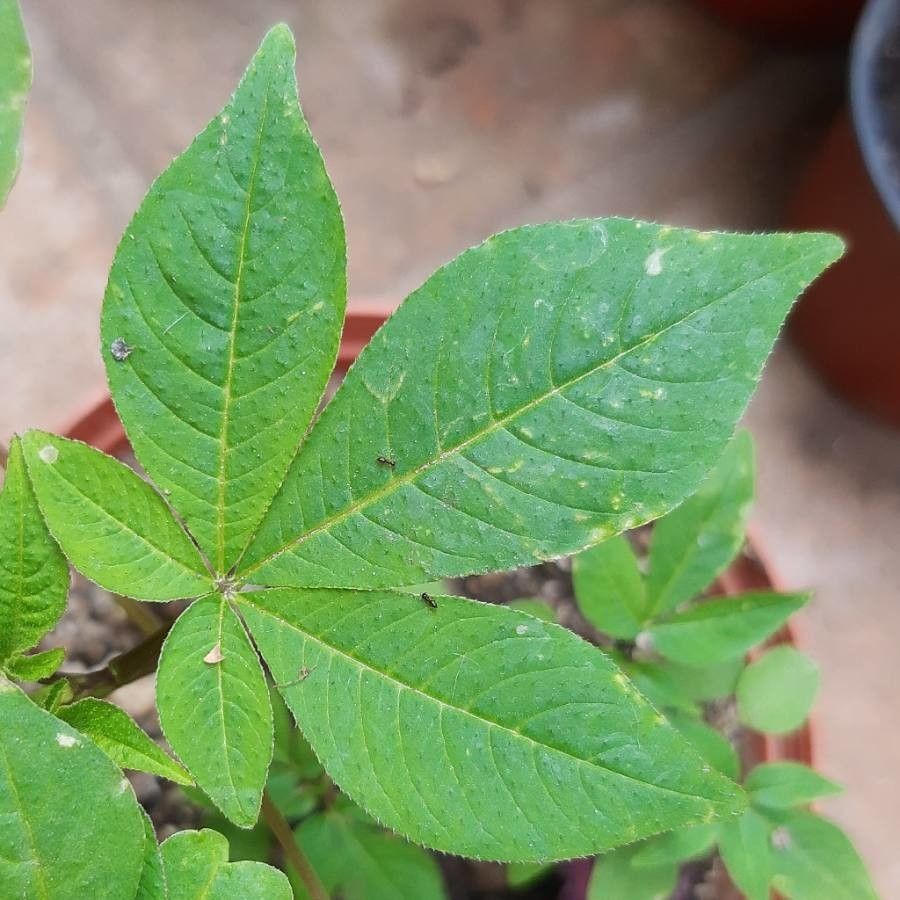
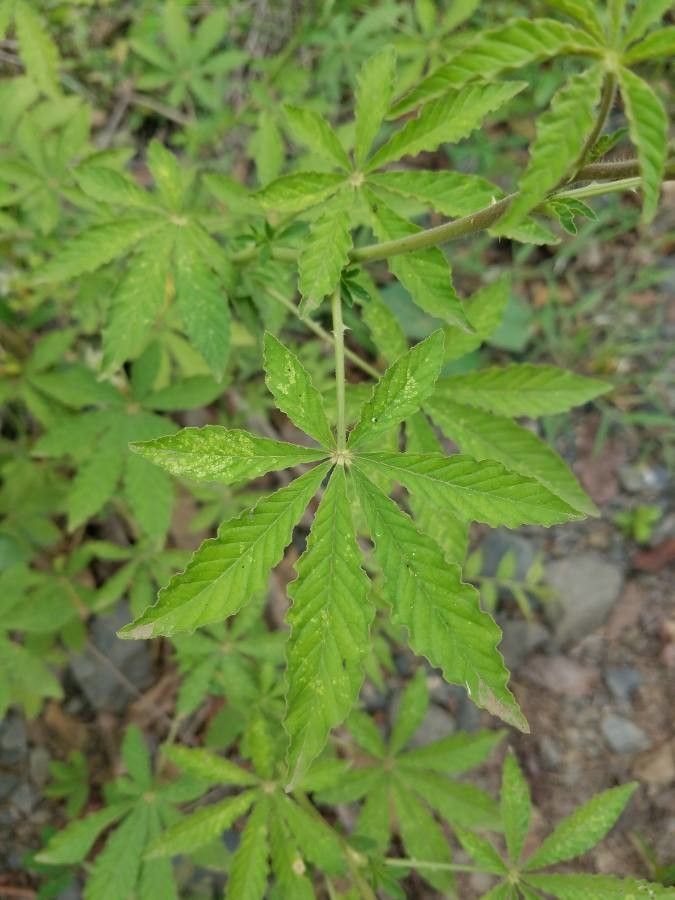
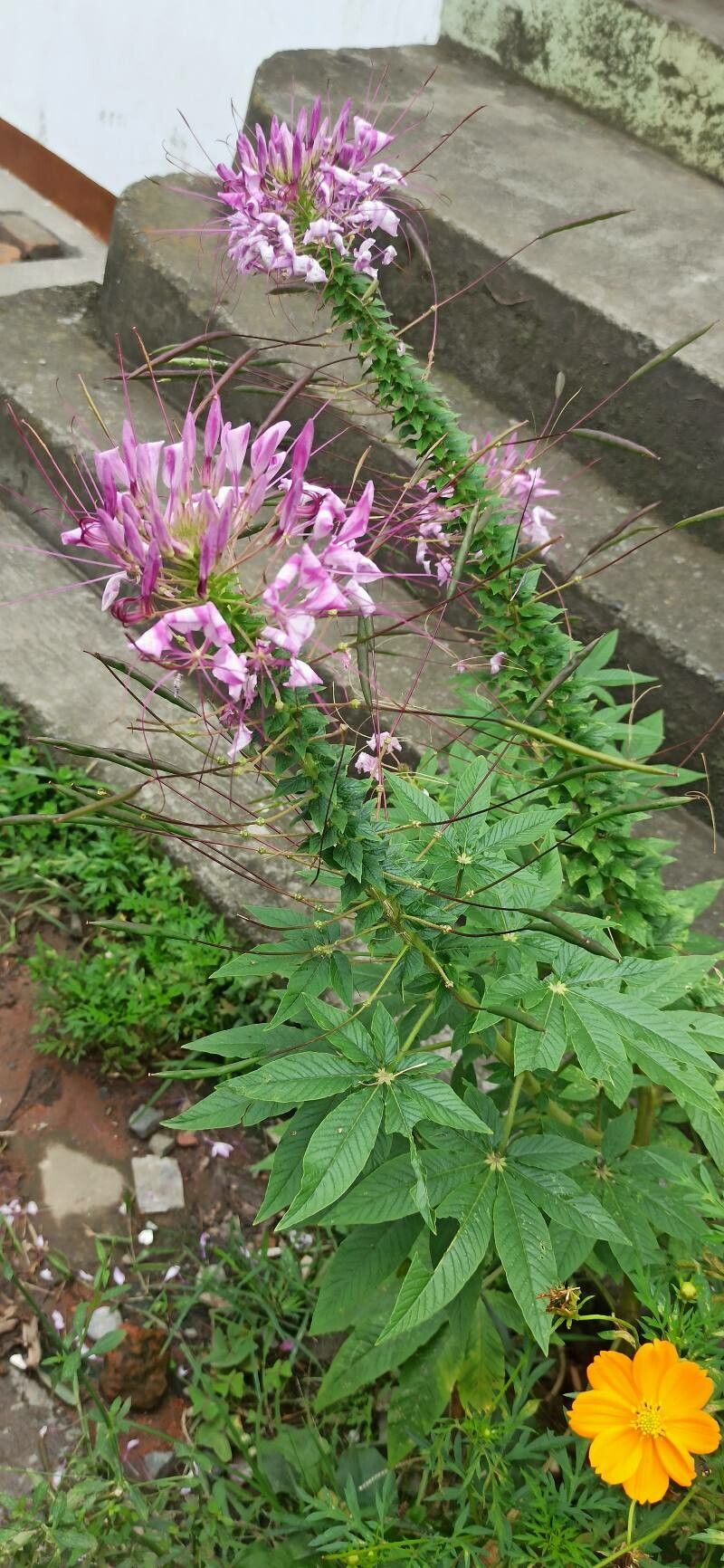
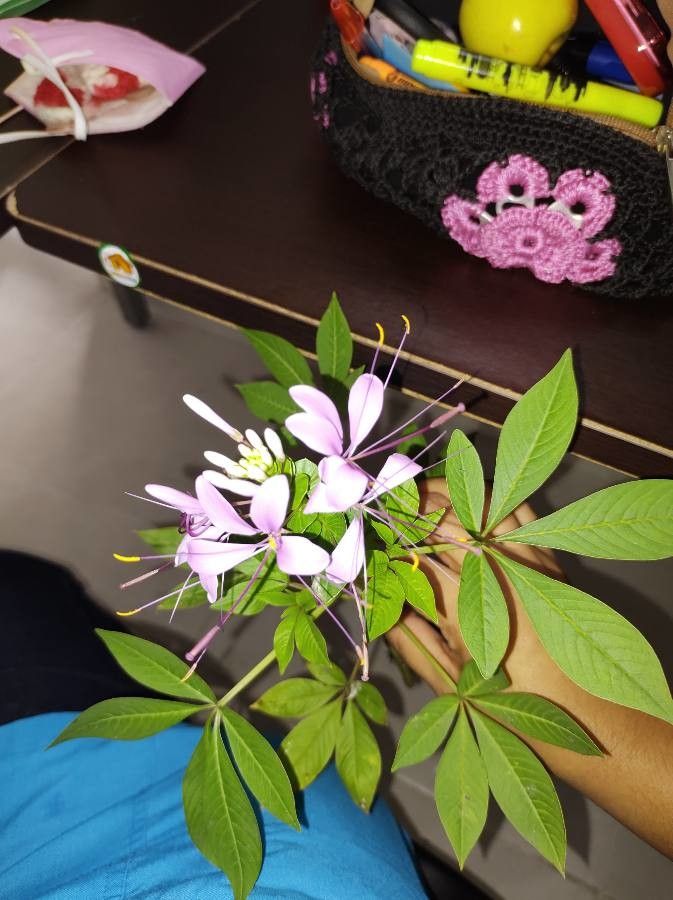
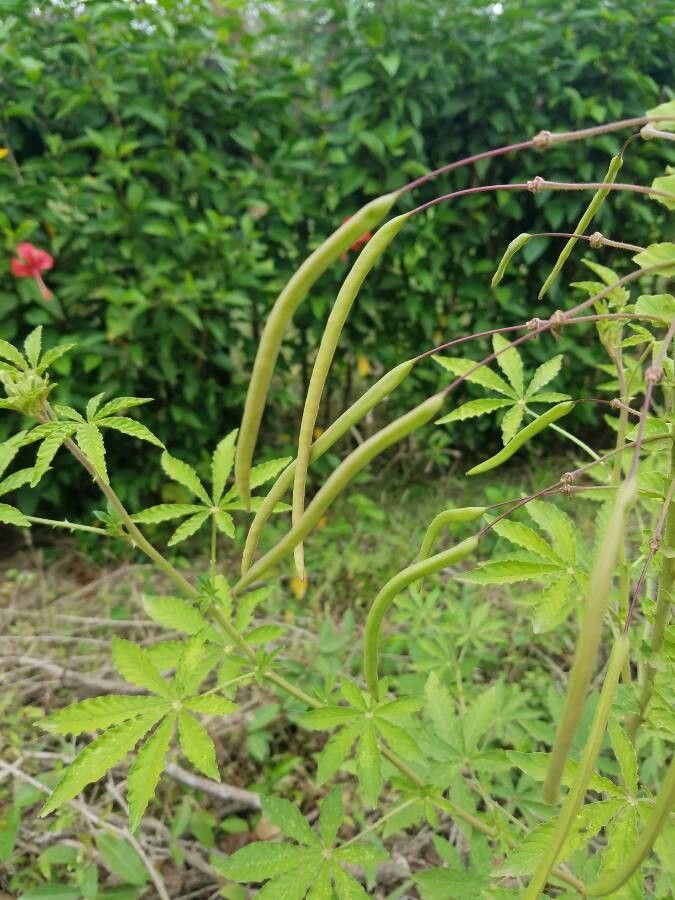
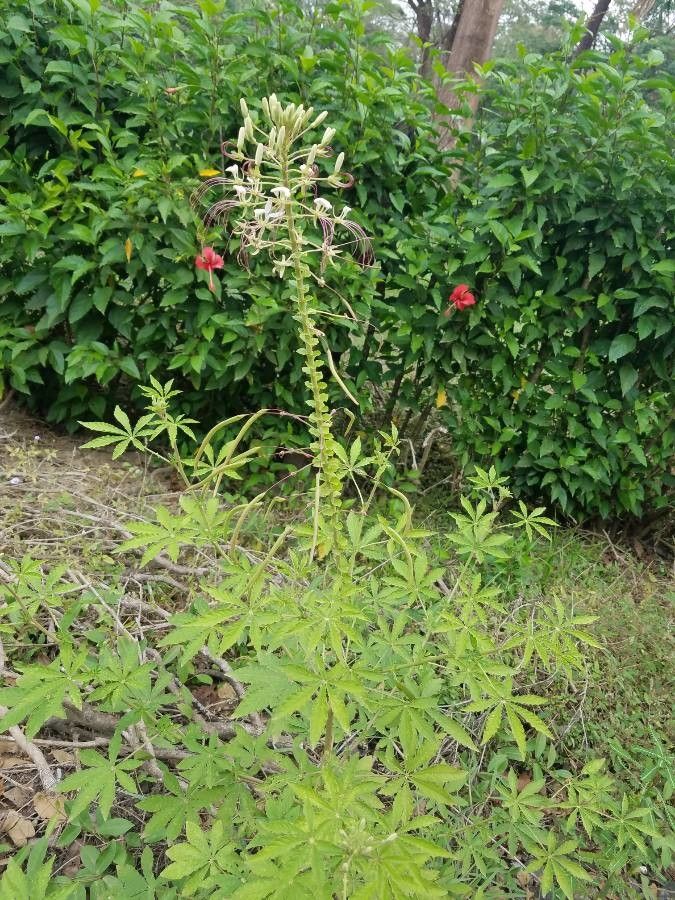
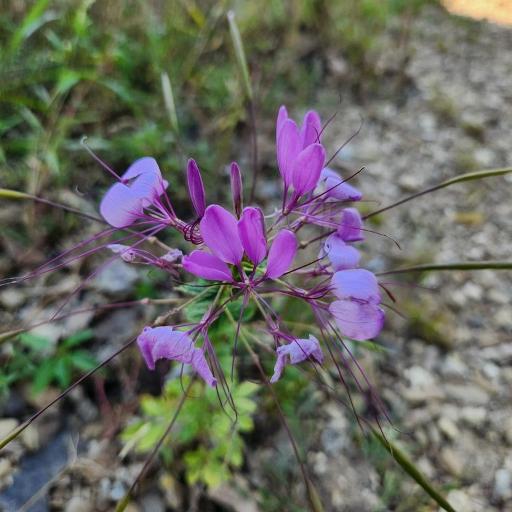
Cleome spinosa, called the spiny spiderflower, is a species of flowering plant in the genus Cleome. It is native to the New World Tropics, and has been has been introduced to the United States, tropical Africa, the Indian Subcontinent, Vietnam, New Caledonia, and Korea. It is pollinated by bats.
Tarenaya spinosa is fairly resistant to disease and generally not susceptible to many illnesses. However, it can be affected by pests and diseases present in its surroundings. These problems are typically mild. For care, this plant requires moderate maintenance. It should be pruned regularly to maintain an attractive appearance and healthy growth. Fertilizing can also help encourage flowering. Tarenaya spinosa is suitable for anyone with outdoor space, such as a garden or patio, and does not demand extensive plant-care experience. It may need more attention when cultivated indoors.
How to keep Tarenaya Spinosa.
Light
Tarenaya spinosa is native to bright, open habitats where it flourishes in full sun. It tolerates partial sun but prefers direct sunlight for optimal growth. As an annual or biennial, this plant is noted for its sun-loving habit.
Water
Tarenaya spinosa thrives in moist environments and benefits from consistent moisture. It prefers to be watered twice a week, although it can tolerate short periods of dryness. When grown outdoors, rainwater can help maintain even soil moisture, promoting optimal growth.
Temperature
Tarenaya spinosa comes from tropical areas, where the climate is generally warm and humid. Therefore, it is well adapted to high temperatures and humidity. It does not tolerate sudden temperature changes and prefers a steady temperature, so avoiding temperature fluctuations indoors is important. It typically cannot withstand cold and needs warmer conditions for growth. If the ambient temperature falls too low, the plant may stop growing or even die.
Fertilizer
After Tarenaya spinosa has opened most of its flowers to full size, resume fertilizing. When the blooms are at their peak production, fertilize every three to four weeks, weather permitting. Once Tarenaya spinosa begins to produce fewer new blooms, stop fertilizing; there is no need to feed the plant when it can no longer produce more flowers.
Pruning
Tarenaya spinosa flourishes when given the proper care, particularly with pruning between early and late spring. Start by removing any dead stems to boost growth and improve airflow. Then, trim back overgrown branches to encourage fullness. Be sure to use clean, sharp tools to minimize stress on the plant and to promote vigor and better flowering.
Botanical profile.
- Plant Type
- Herb
- Life Cycle
- Annual
- Genus
- Tarenaya
- Family
- Cleomaceae
- Hardiness Zone
- 9-11
- Mature Height
- 0.61 m to 1.22 m
- Mature Spread
- 30 cm to 61 cm
- Leaf Color
- Green, Dark Green
- Leaf Type
- Semi-evergreen
- Flower Color
- Pink, White, Purple
- Flower Size
- 2.03 cm to 3.05 cm
- Bloom Time
- Summer, Early fall, Mid fall
- Planting Time
- Spring, Summer, Autumn
- Harvest Time
- Late summer, Fall, Early winter
- Native Area
- Belize, Honduras, Mexico, Guatemala, Peru, Panama, Jamaica, Colombia, Cuba, Bolivia, Venezuela, Guyana, El Salvador, Nicaragua, Brazil, Ecuador, Costa Rica
Other names.
Reader questions.
What are the sunlight requirements for Tarenaya spinosa?
Tarenaya spinosa requires a specific amount of sunlight to thrive. For full sun exposure, it needs above 6 hours of sunlight, making it essential to position it in spots that receive ample daytime light. For those considering partial sun, around 3-6 hours of sunlight is adequate. It's important to observe how sunlight moves through your garden throughout the day. Finding the perfect balance of light and shade will ensure your Tarenaya spinosa, also botanically known as Tarenaya spinosa, grows healthy and happy.