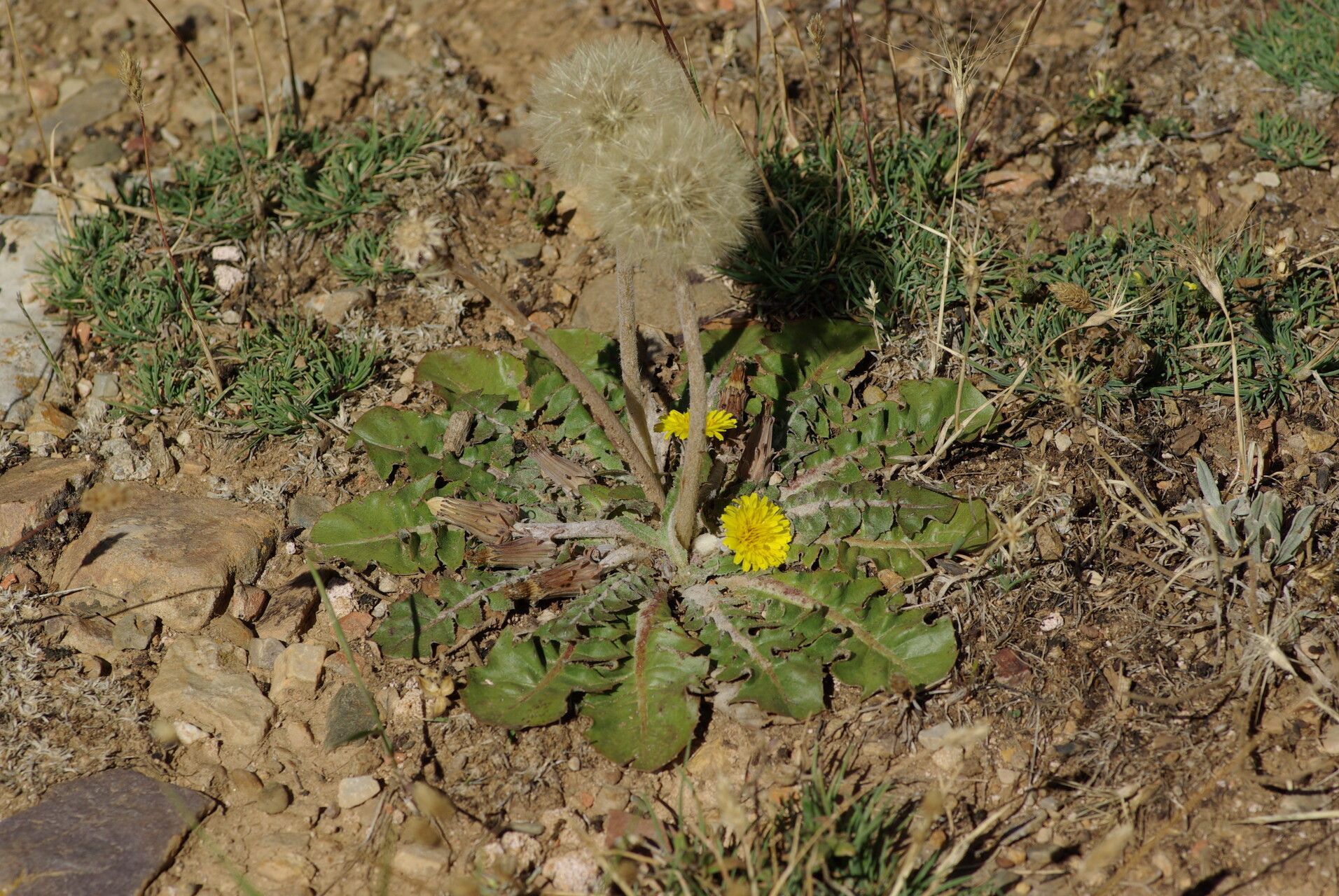
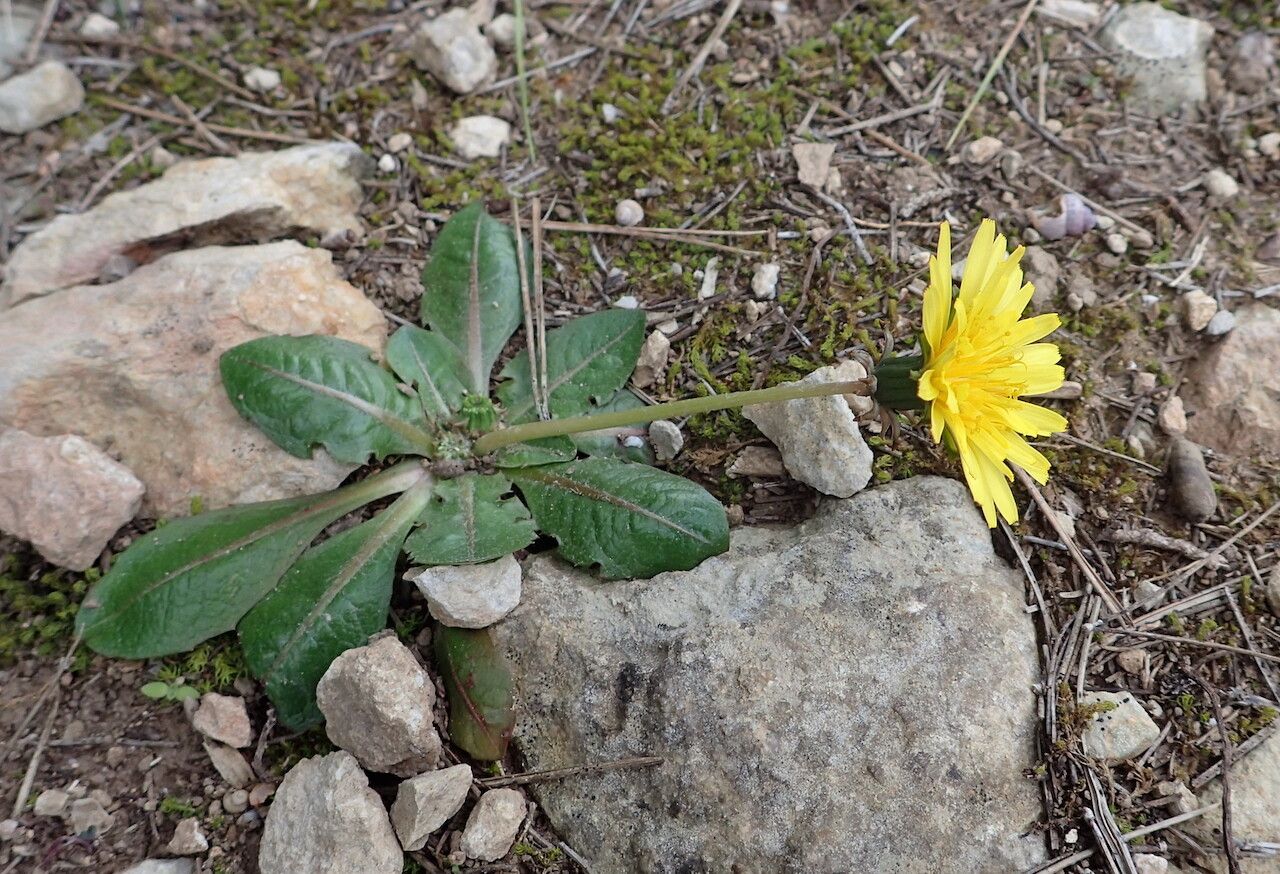
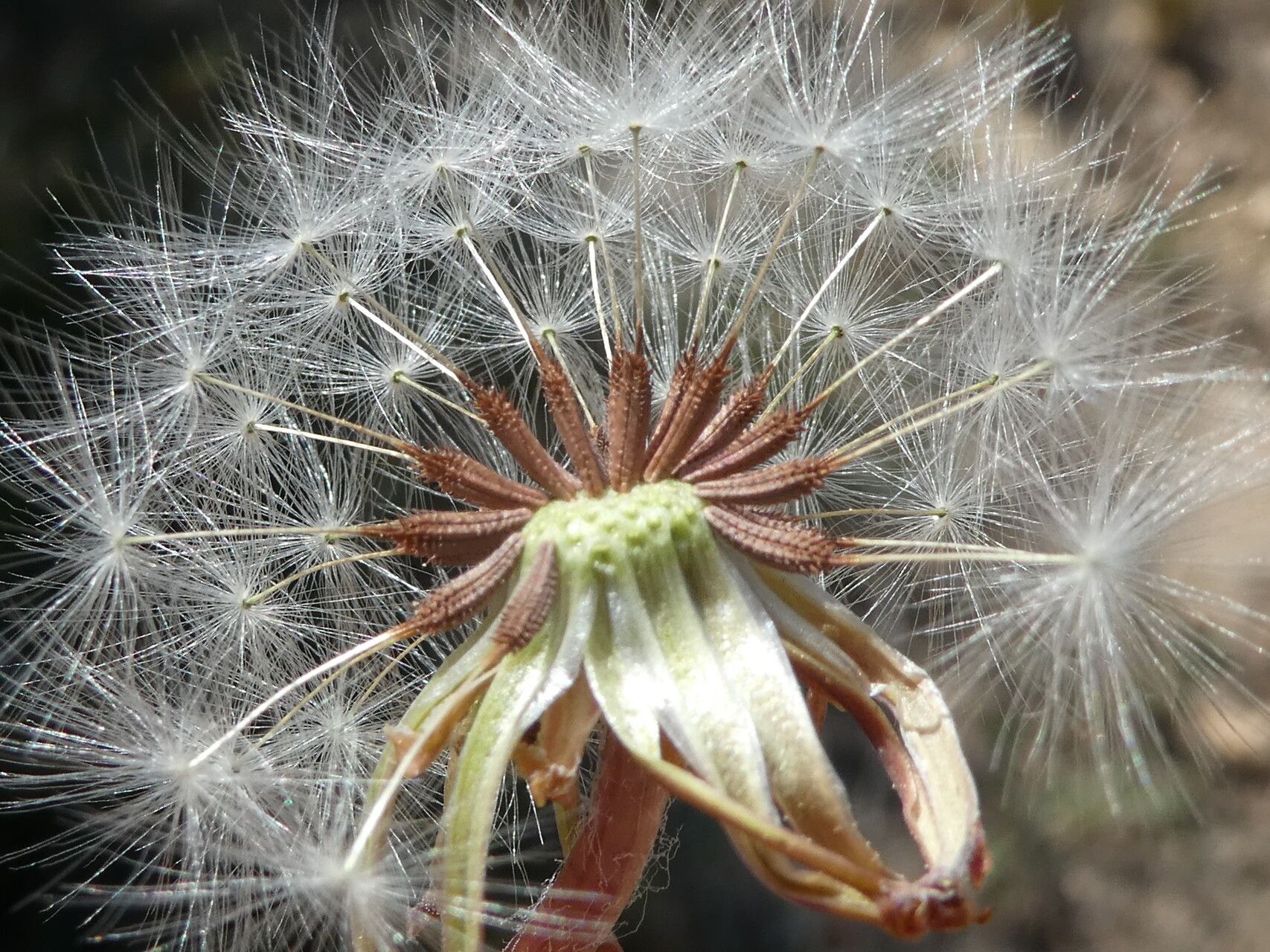
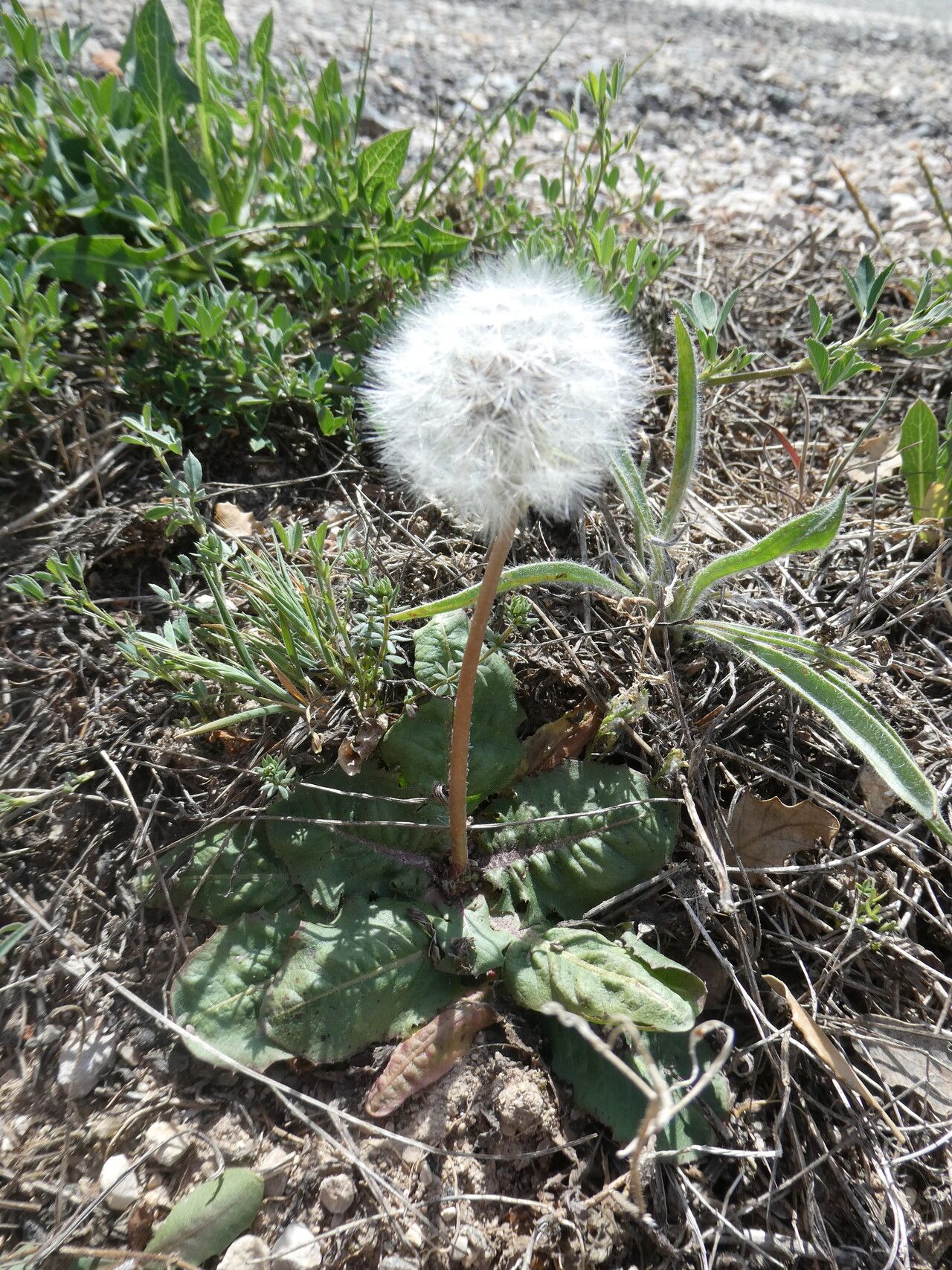
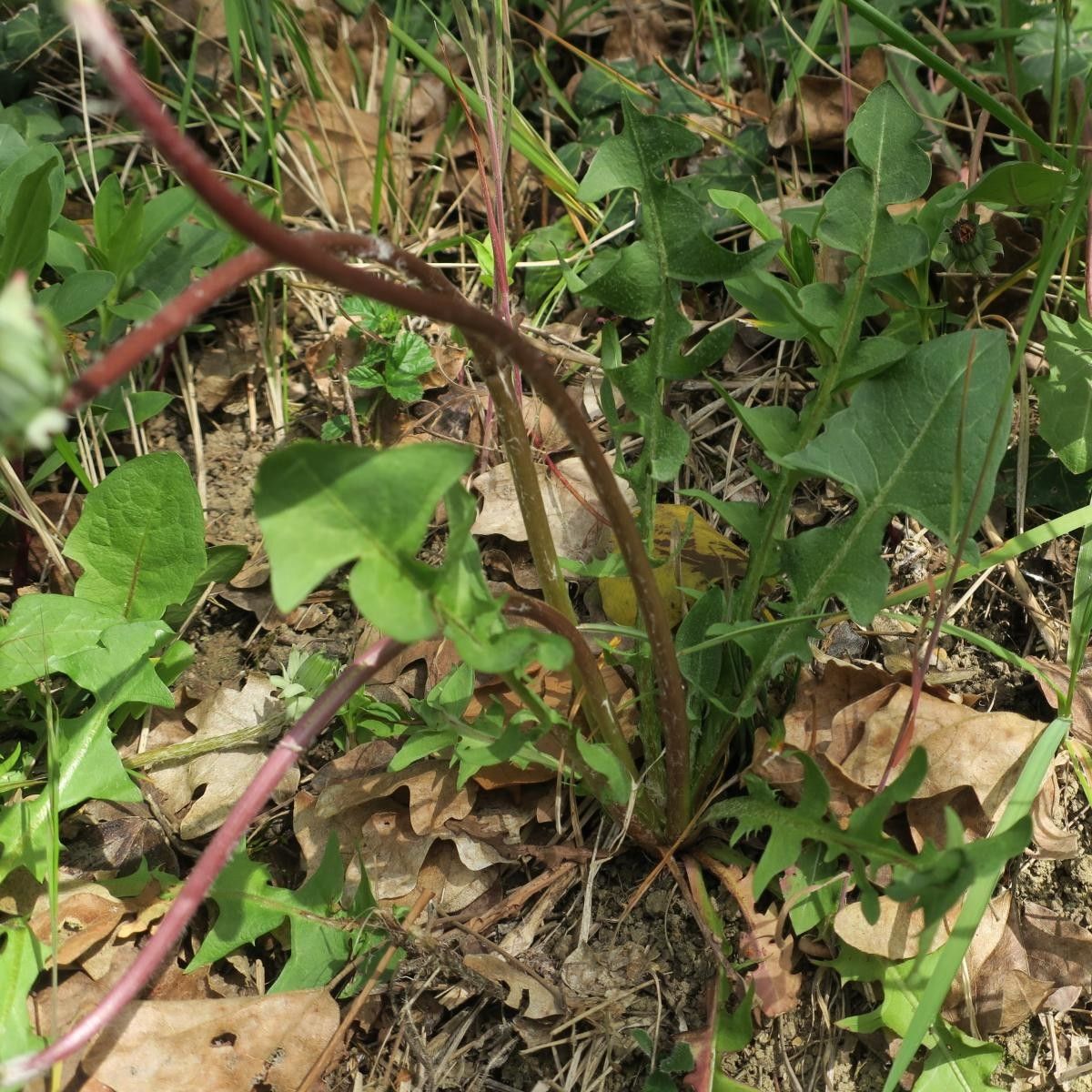
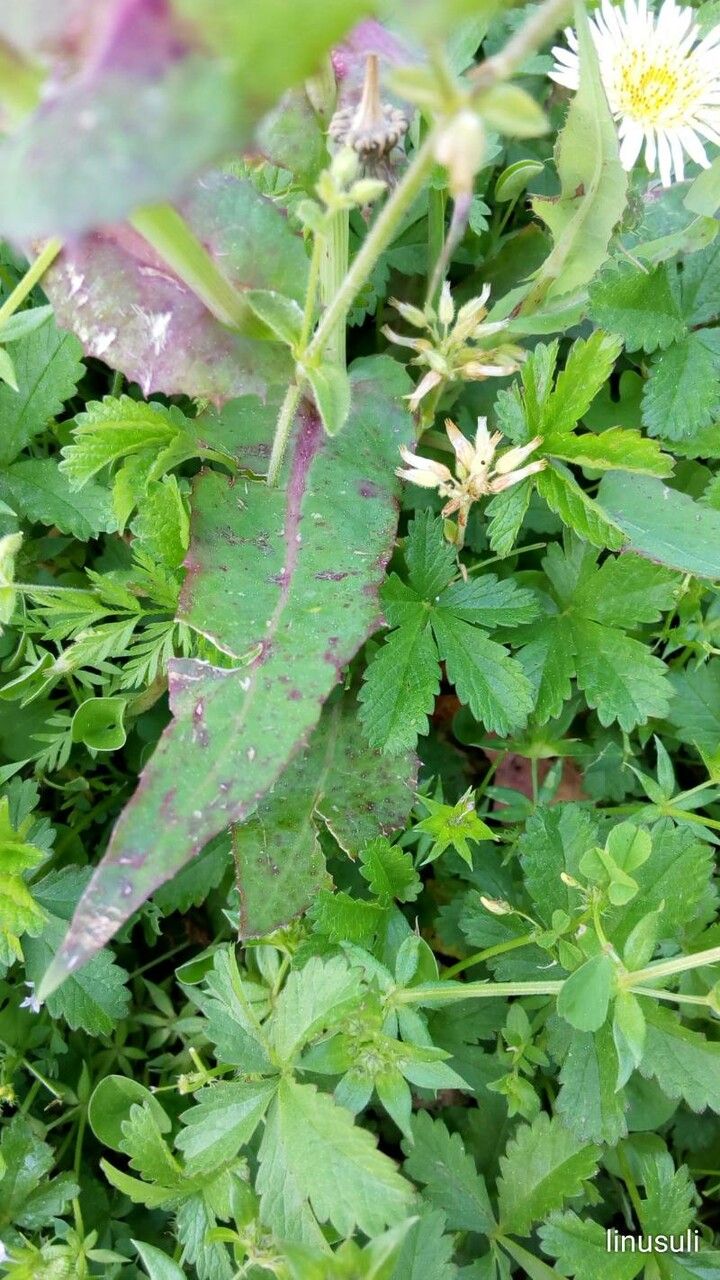
Taraxacum obovatum has moderate disease resistance and can be prone to conditions such as leaf spot. Its susceptibility to insect pests varies by variety, though most varieties are relatively less resistant to pests. For care, Taraxacum obovatum requires regular watering and fertilizing, along with frequent removal of yellow leaves. It is important to address pests and diseases as they appear and to harvest the plant promptly. Taraxacum obovatum is appropriate for people who can devote some time and energy to routine care.
How to keep Taraxacum Obovatum.
Light
Taraxacum obovatum comes from habitats that receive plenty of sunlight, such as open fields and sunlit meadows. It prefers full sun but can also tolerate partial sun.
Water
Taraxacum obovatum is well-suited to temperate regions and flourishes in consistently moist soil, though it can handle moderate drought. For optimal hydration, it benefits from weekly watering. Additionally, outdoor conditions promote its growth by taking advantage of natural rainfall during the growing season.
Temperature
Taraxacum obovatum prefers moderate temperatures, about the same range most people consider comfortable. It does best in conditions that are neither overly warm nor overly cool. The main problem with high temperatures is the potential for sunburn, so providing some shade in summer is recommended to avoid excessive heat. When temperatures fall, Taraxacum obovatum goes dormant. If you want it to keep growing continuously, you need to keep temperatures higher through the winter. Frost can damage the plant and should be avoided.
Fertilizer
To maximize Taraxacum obovatum yield and flavor, supply adequate nitrogen throughout the entire growth period, including before planting and at harvest. Plants kept well-watered and properly fertilized produce plentiful, healthy leaves and are less bitter. Before planting, amend the soil with organic matter such as compost or manure, ideally 2 to 8 weeks beforehand.
Pruning
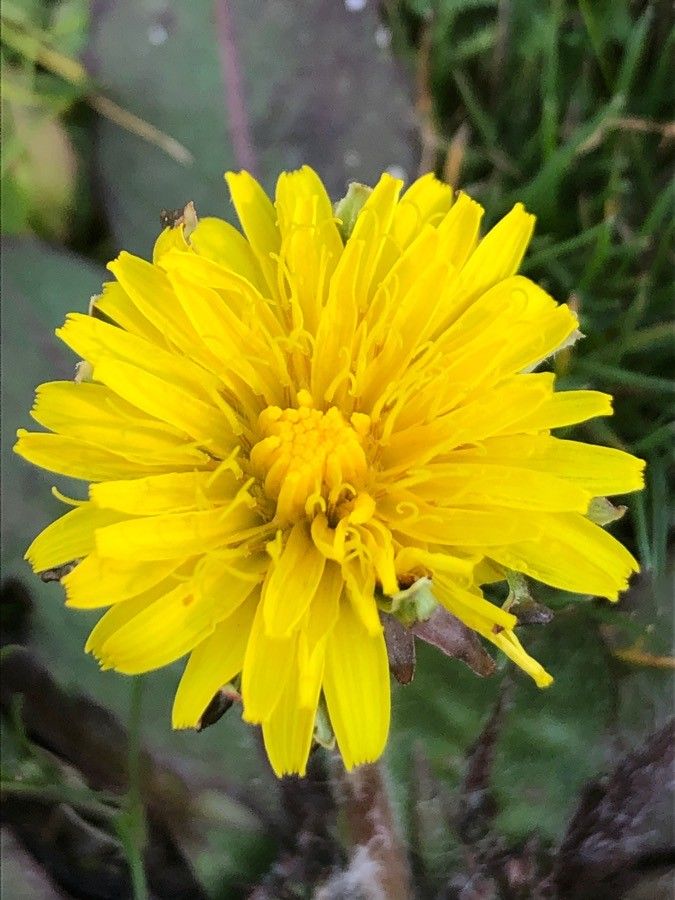
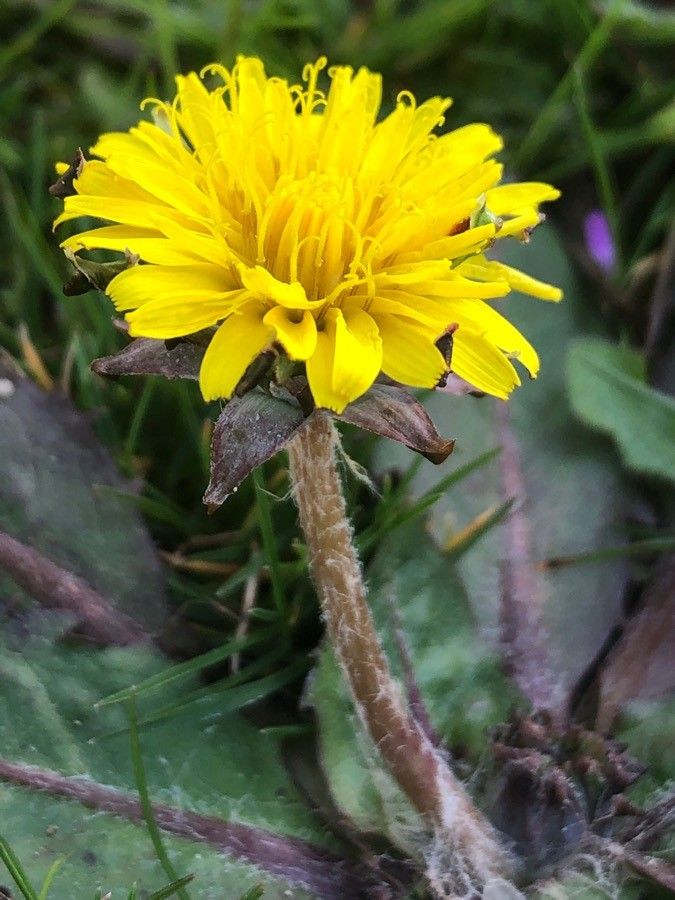
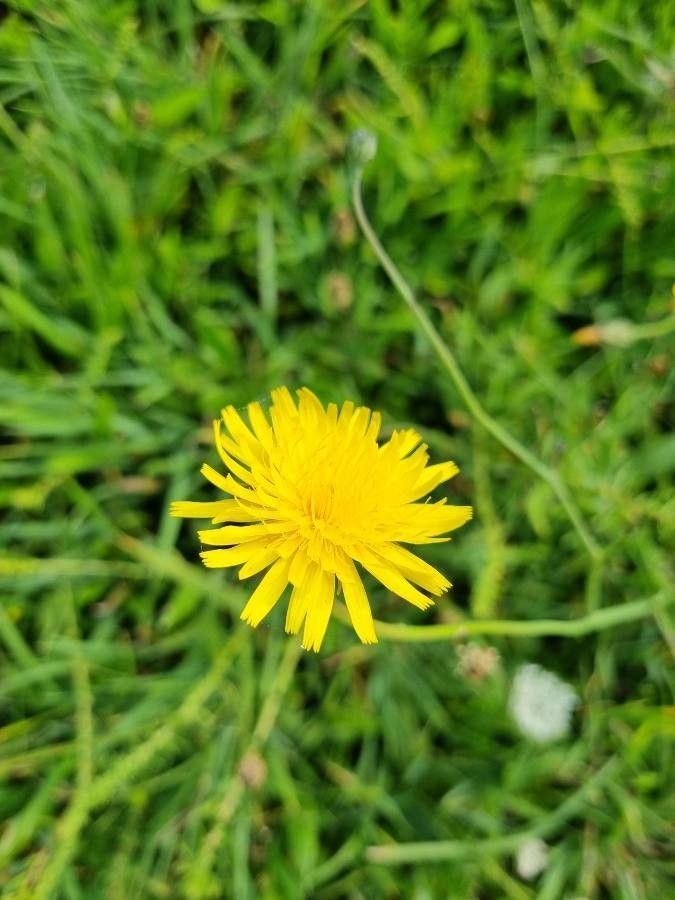
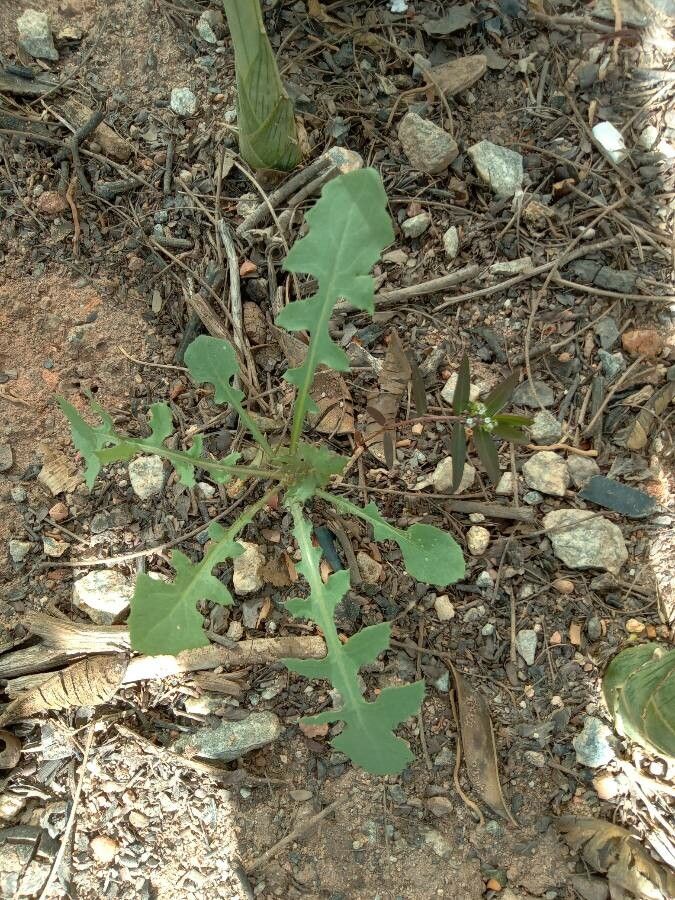
Taraxacum obovatum is known for its bright yellow flowers and broad, lobed leaves. To encourage healthy growth, it's best to prune in early spring. During this time, you should remove any dead foliage and thin out crowded areas to improve air circulation. Regular deadheading will help extend the blooming period. However, avoid heavy pruning during peak flowering to maintain its aesthetic appeal.
Pot & Repot
Taraxacum obovatum needs well-drained pots to thrive. Proper drainage prevents excess water from accumulating, which can cause root rot and other issues.
Botanical profile.
- Plant Type
- Herb
- Life Cycle
- Perennial
- Genus
- Taraxacum
- Family
- Asteraceae
- Hardiness Zone
- 3-9
- Mature Height
- 10 cm to 30 cm
- Mature Spread
- 15 cm to 25 cm
- Leaf Color
- Green, Dark Green
- Leaf Type
- Evergreen
- Flower Color
- Yellow
- Flower Size
- 3.05 cm to 5.08 cm
- Bloom Time
- Spring, Early summer
- Planting Time
- Spring, Summer, Autumn
- Harvest Time
- Mid spring, Late spring, Early summer, Mid summer
- Native Area
- Tunisia, Portugal, Italy, Spain, Algeria, Croatia, Morocco, France
Reader questions.
What are the sunlight requirements for Taraxacum obovatum?
Taraxacum obovatum requires full sun exposure, which means it needs to receive above 6 hours of sunlight daily. For those areas that cannot provide full sun, partial sun—about 3-6 hours of sunlight—can also be suitable. It's important to observe how sunlight moves through your garden to find spots that offer the right balance of light and shade, ensuring the plants thrive.