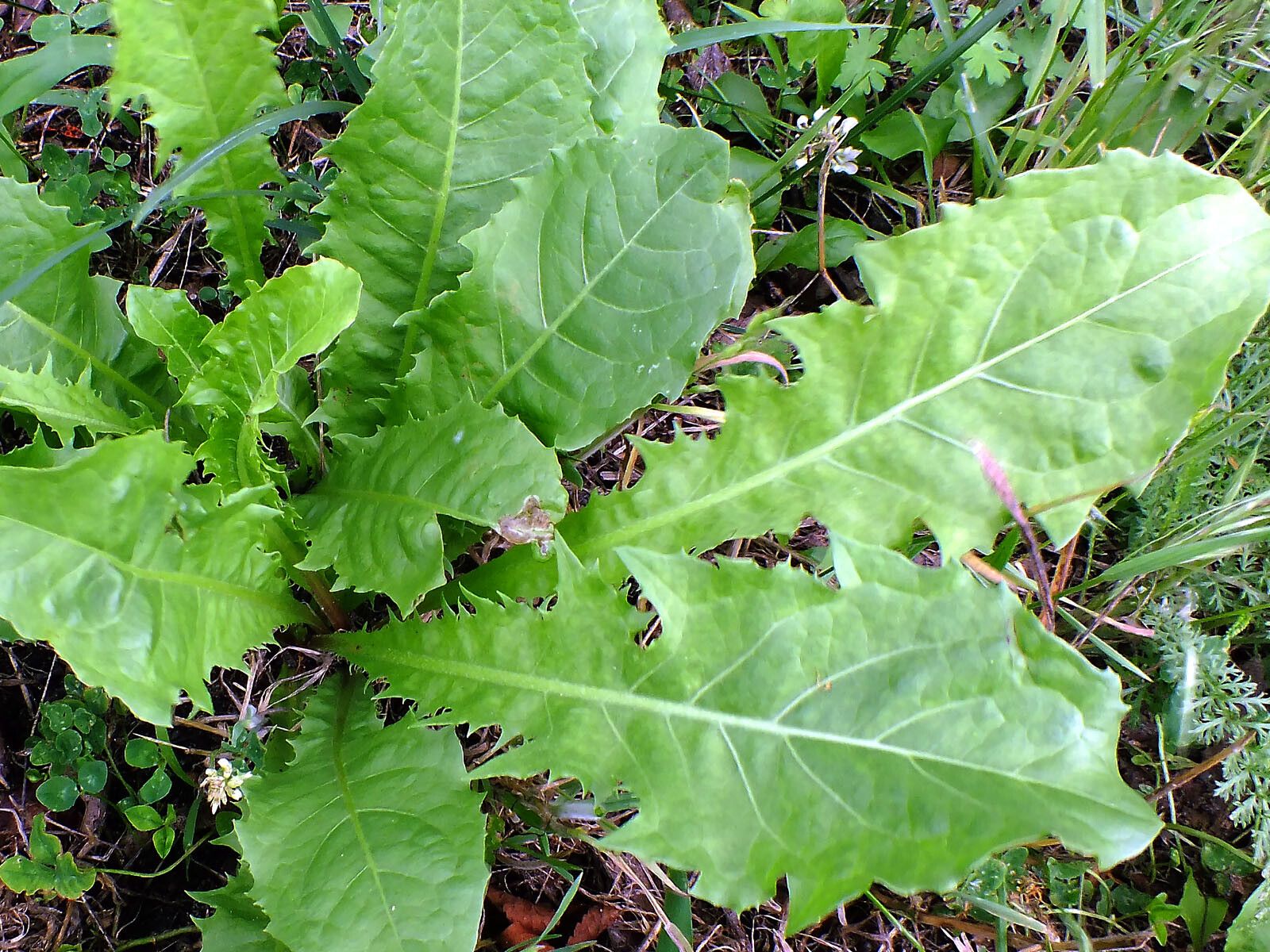
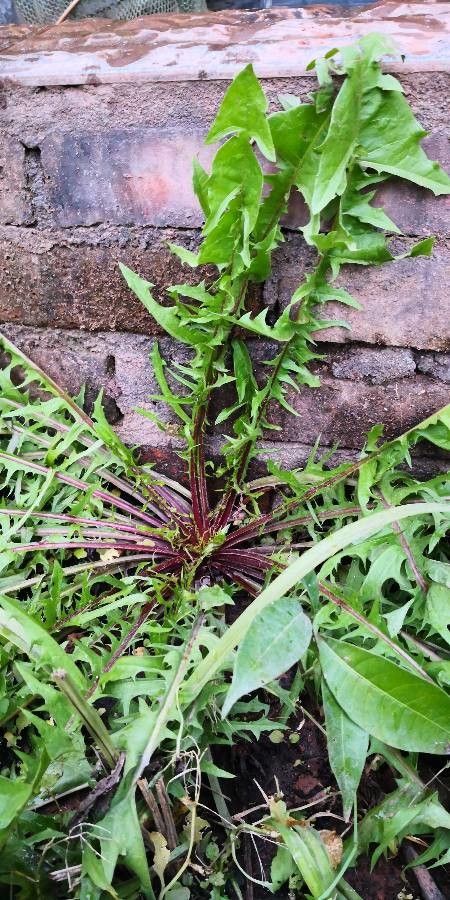
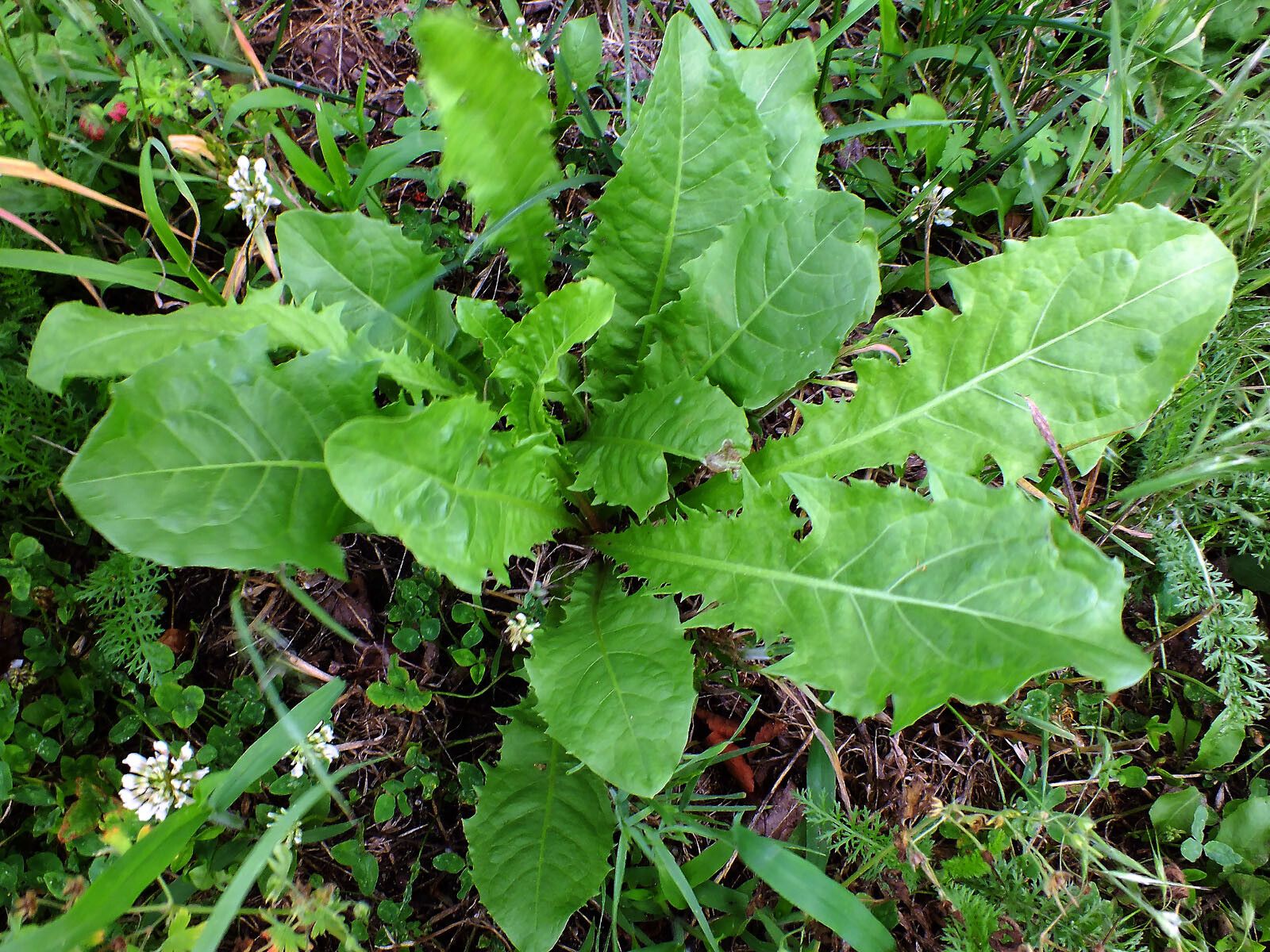
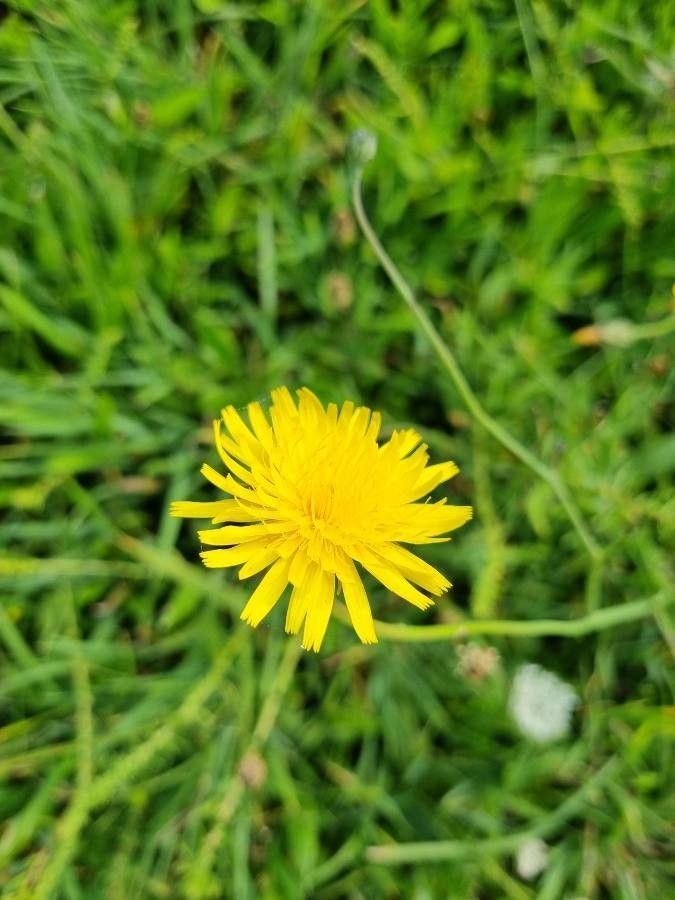
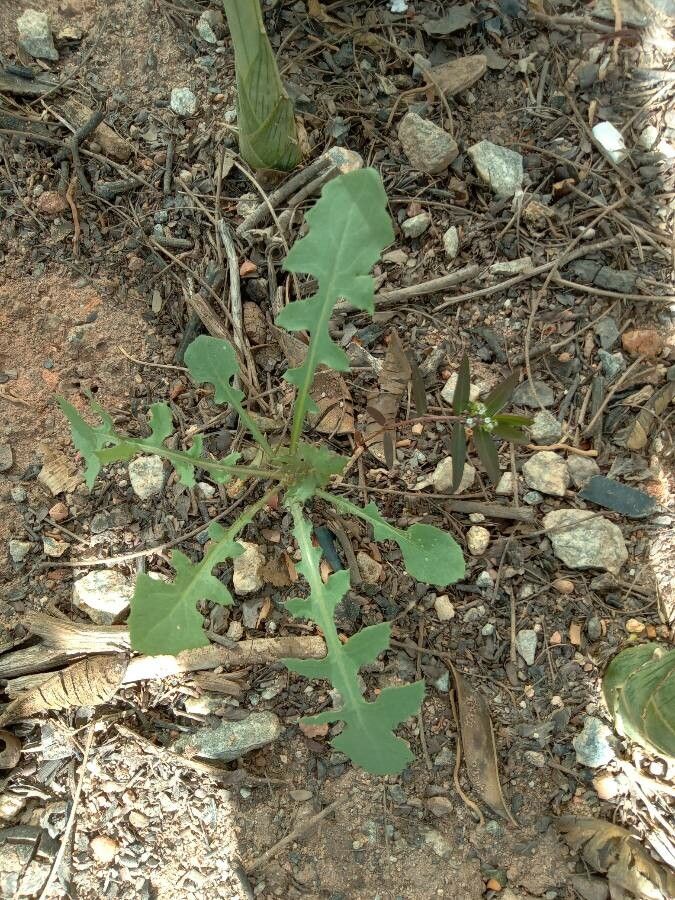
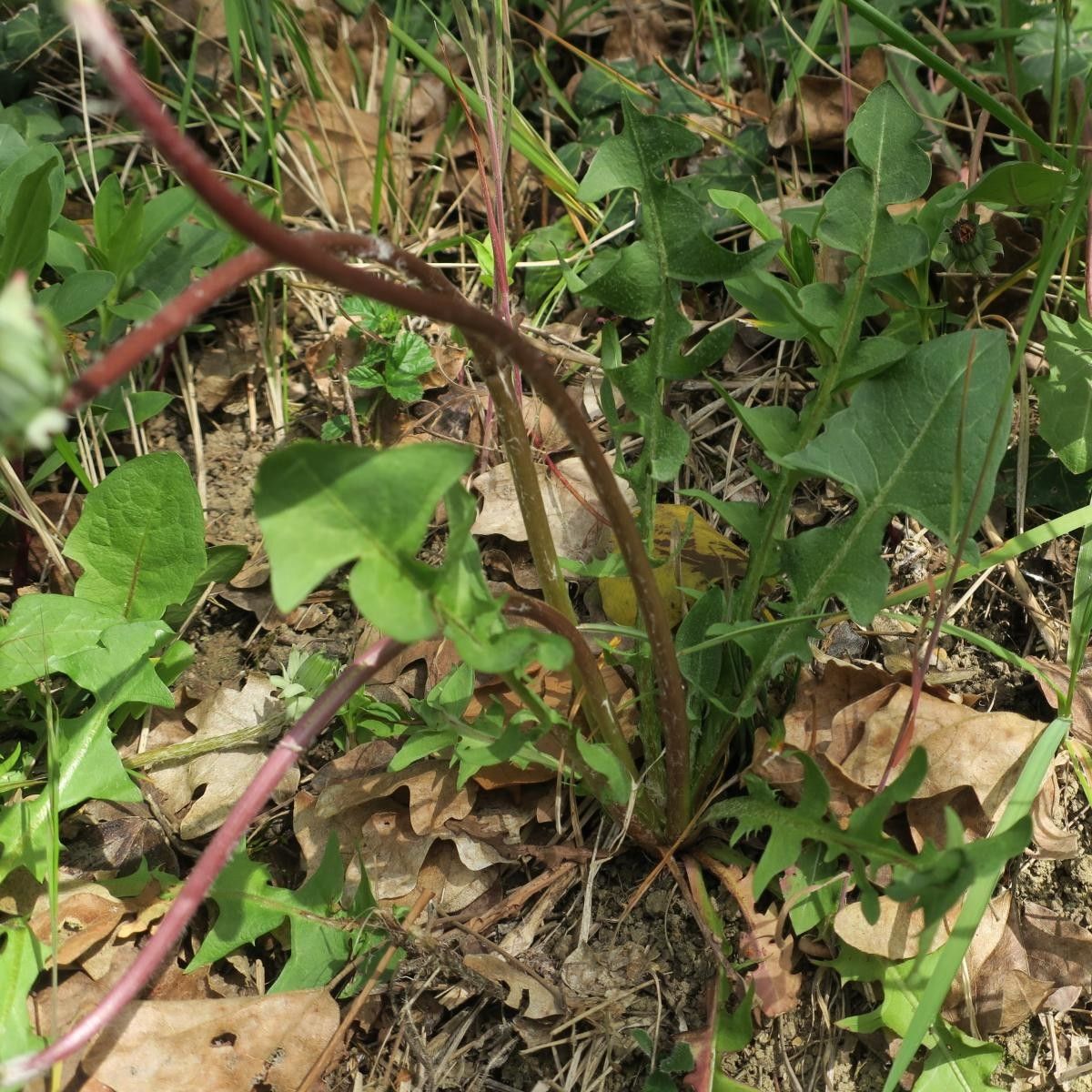
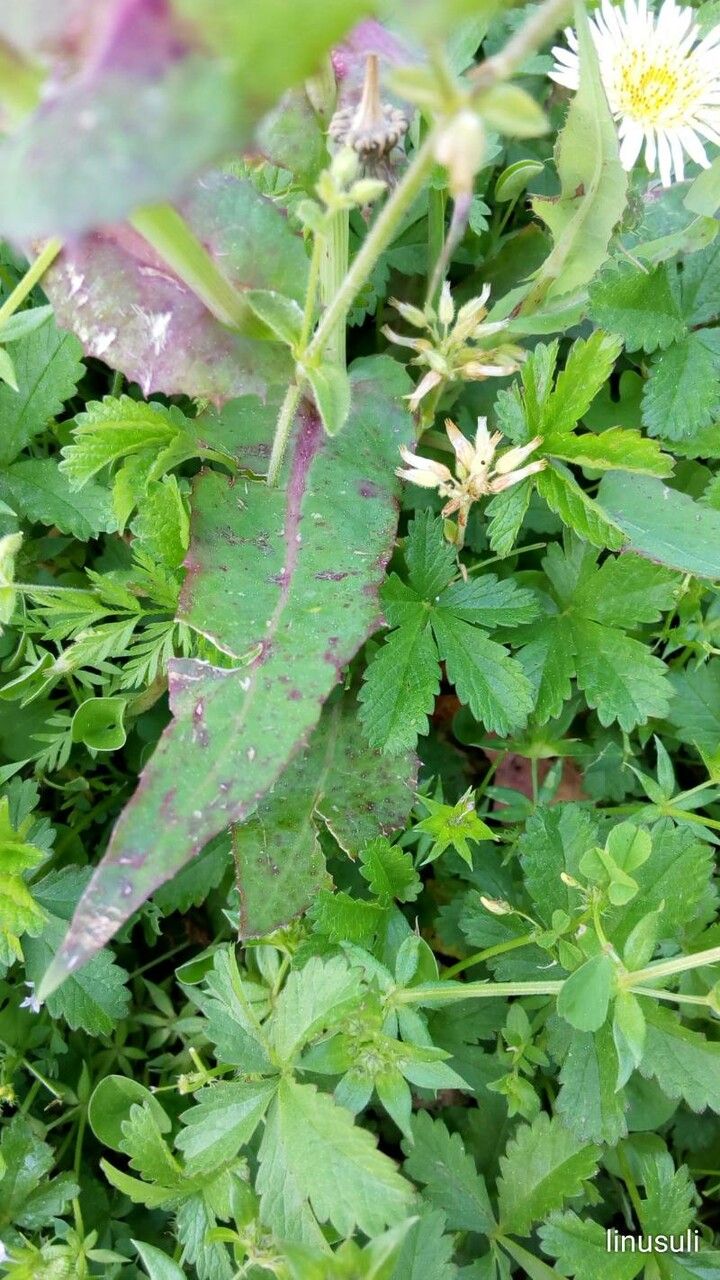
Taraxacum mongolicum, commonly known as Mongolian dandelion or Chinese dandelion, is a species of flowering plant in the family Asteraceae. It is a perennial herb native to temperate regions of East Asia, including China, Mongolia, Korea, Japan, Taiwan, and parts of eastern Russia. The plant typically grows between 8 and 25 cm tall, producing a basal rosette of lobed green leaves and solitary yellow flower heads on hollow, hairy stems. It is commonly found in disturbed habitats such as grasslands, roadsides, and cultivated areas, and reproduces primarily through agamospermy.
Dandelion has moderate resistance to disease but can be susceptible to conditions like leaf spot. Its vulnerability to insect pests varies by variety, though most are relatively less resistant to pests. Regarding care, Dandelion requires regular watering and fertilization, along with frequent removal of yellow leaves. It is important to manage pests and diseases as they arise and to harvest the plant promptly. Dandelion is suitable for people who can commit some time and energy to regular upkeep.
How to keep Taraxacum Mongolicum.
Light
Dandelions do best with abundant sun exposure for optimal growth. Sunlight is essential for photosynthesis and supports their healthy development. They are accustomed to strong light in their native habitat, which shows they can tolerate partial shade. Too little or too much light can limit growth, yet they demonstrate notable adaptability.
Water
Dandelions, native to temperate regions, thrive in moist conditions and can tolerate short dry spells. To keep them well-hydrated, it's important to water them weekly. As herbaceous perennials, dandelions are best grown outdoors, where they can take advantage of natural rainfall during the growing season.
Temperature
Dandelion is native to areas where temperatures commonly fall between 32 and 95 °F (0 and 35 °C). It tolerates seasonal temperature changes well, but for best growth a relatively cooler environment is recommended.
Fertilizer
To maximize the yield and flavor of Dandelion, provide sufficient nitrogen throughout the entire growth period, including before planting and at harvest. Plants that receive adequate water and fertilizer develop plentiful, healthy leaves and are less bitter. Before planting, amend the soil with organic material such as compost or manure, preferably 2 to 8 weeks beforehand.
Pruning
Dandelions are characterized by their bright yellow flowers and jagged leaves. To manage their size, encourage healthy growth, and prevent disease, it is best to prune dandelions from early to late spring. Regular pruning using clean, sharp tools helps to control their invasiveness and promotes overall plant health.
Pot & Repot
To thrive, dandelions need pots with excellent drainage. This ensures that excess water is removed, preventing root rot and promoting healthy growth.
Botanical profile.
- Plant Type
- Herb
- Life Cycle
- Perennial
- Genus
- Taraxacum
- Family
- Asteraceae
- Hardiness Zone
- 3-10
- Mature Height
- 20 cm
- Mature Spread
- 15 cm to 25 cm
- Leaf Color
- Green, Blue
- Leaf Type
- Semi-evergreen
- Flower Color
- Yellow
- Flower Size
- 1.02 cm to 5.08 cm
- Bloom Time
- Spring, Summer
- Planting Time
- Spring, Summer
- Harvest Time
- Mid spring, Late spring, Summer, Early fall
- Native Area
- Russia, Japan, Mongolia, Koppen, South Korea, China
Other names.
Reader questions.
What are the sunlight requirements for Dandelion?
Dandelion requires full sun exposure, which means it should receive above 6 hours of sunlight daily for optimal growth. It can also adapt to partial sun conditions, getting about 3-6 hours of sunlight. It's essential to observe the movement of sunlight in your garden, choosing spots that offer a balance of light and shade suitable for the plant's needs. Ample sunlight exposure is critical for Dandelion's growth and health, contributing to its ability to perform photosynthesis efficiently.
What are the ideal temperature conditions for growing Dandelion?
Dandelion, known botanically as Taraxacum mongolicum, thrives in temperatures ranging between 32 to 95 °F (0 to 35 °C). The plant has a strong cold resistance, making it adaptable to various seasonal temperature fluctuations. Although it can survive without special frost protection measures during winter, it is advised to provide extra cold protection in regions where temperatures may drop below -35°C by covering the plant with soil or straw. To help the plant through winter and early spring, watering it abundantly before the first freeze in autumn is recommended to keep the soil moist.
Can Dandelion grow under artificial lighting?
Yes, Dandelion can grow under artificial lighting, especially when natural sunlight is insufficient, such as during winter or in less sunny spaces. Artificial lights, including LED lights tailored to provide specific wavelengths, can support the plant's growth. For full sun plants like Dandelion, 30-50W/sq ft of artificial light is recommended. Ensure the light source is placed 12-36 inches above the plant and exposed for 8-12 hours daily to mimic natural daylight conditions.
How does low temperature affect Dandelion and what are the solutions?
Dandelion is quite cold-tolerant, best performing when temperatures remain above 0°C and ideally not dropping below -30°C during winter. When temperatures fall under -35°C, the plant may not show immediate damage, but a significant decrease in sprouting during spring or a complete lack of sprouting might be evident. The solution to this problem is to remove parts of the plant that have failed to sprout during spring, promoting healthier growth for the remainder of the plant.
What are the symptoms of light deficiency in Dandelion?
Symptoms of light deficiency in Dandelion include smaller new leaves, leggy or sparse growth, faster leaf drop, slower or no new growth, and lighter-colored new leaves. These signs indicate that the plant is struggling with insufficient light, affecting its ability to photosynthesize effectively. Additionally, excessive sunlight can cause chlorosis, sunscald, leaf curling, wilting, and leaf scorching, damaging the plant's health.
What impact does high temperature have on Dandelion and how can it be mitigated?
High temperatures, especially above 35°C during summer, can negatively affect the Dandelion. Excessive heat may cause the leaves to lighten in color, curl, and become prone to sunburn. In severe cases, the plant might wilt and dry out entirely. To alleviate these issues, it is recommended to trim away any sunburned or dried parts of the plant. Providing shade during the midday and afternoon or employing a shade cloth can protect the plant. Additionally, watering the Dandelion in the morning and evening helps keep the soil moist and supports the plant's well-being in high temperatures.
How can I address light-related issues with my Dandelion?
To address light-related issues with Dandelion, gradually increase its sun exposure to at least 6 hours of direct sunlight daily. If the plant is large or not easily movable, supplement with artificial light for at least 8 hours daily. For outdoor plants, move them gradually to sunnier locations, avoiding sudden changes in light intensity. Reduce obstructions like tree branches that block sunlight. Consider transplanting smaller plants to sunnier spots with good drainage during their dormant period for better growth.