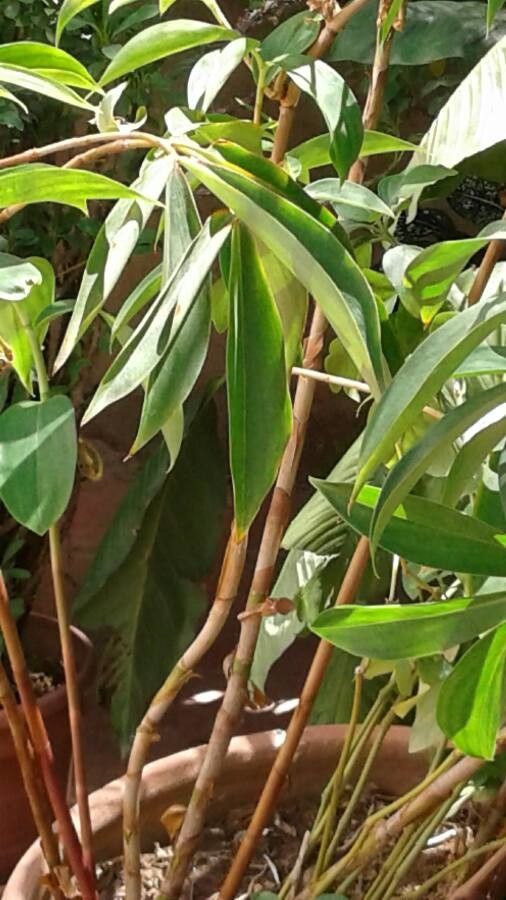
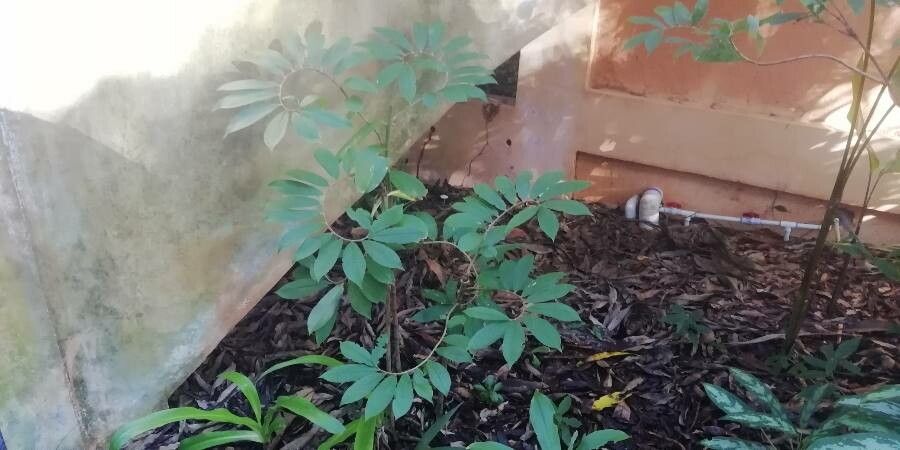
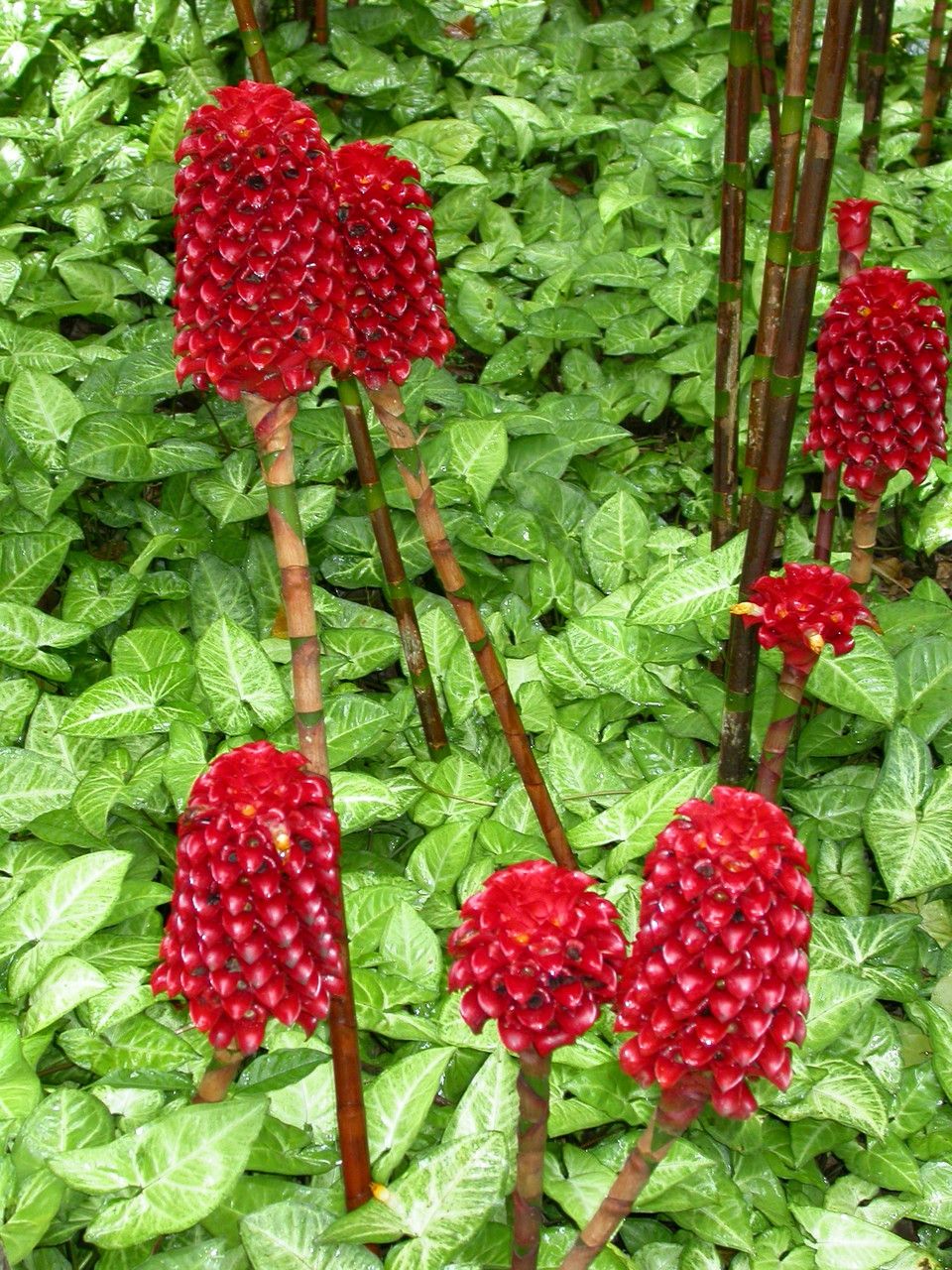
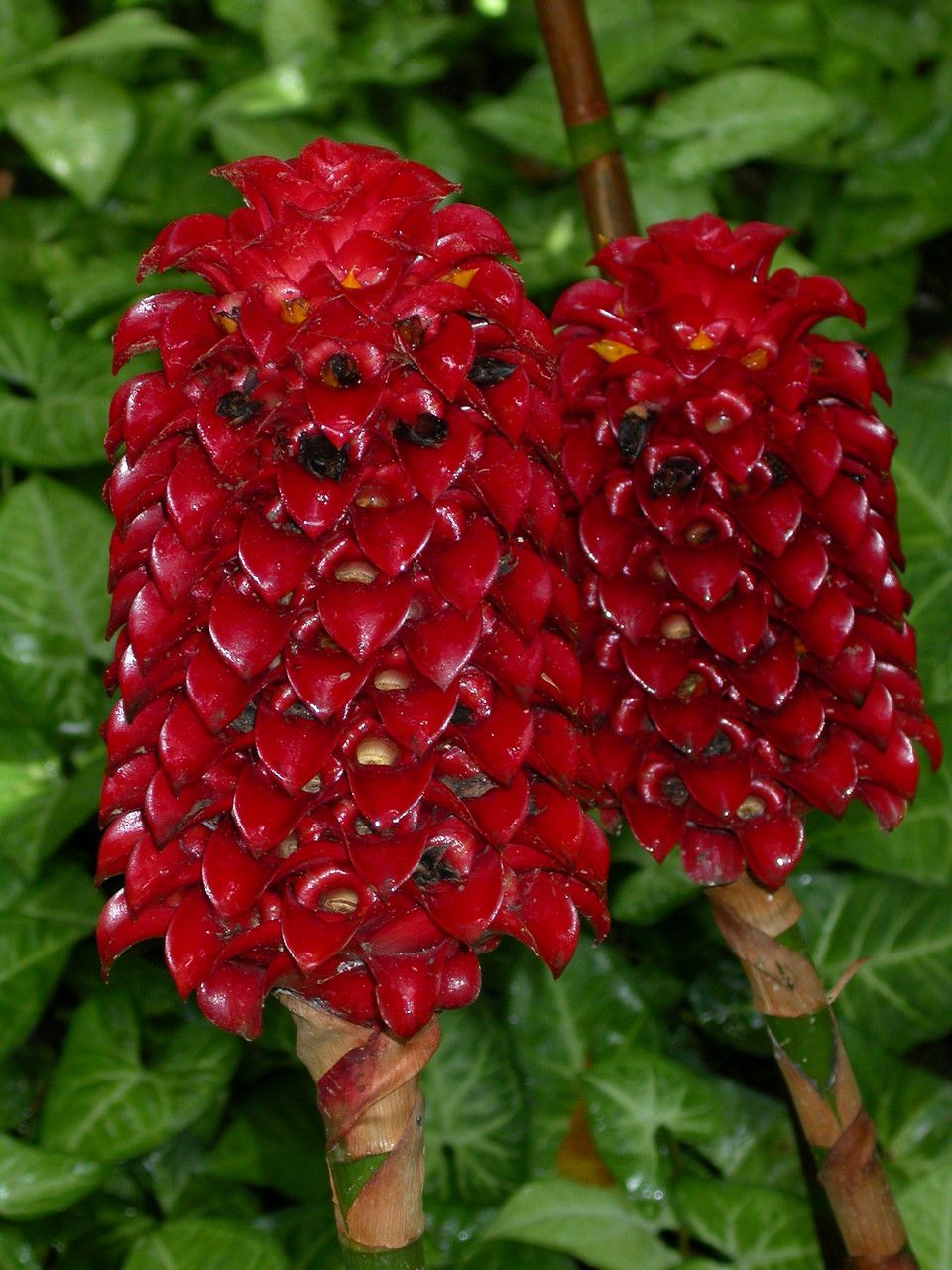
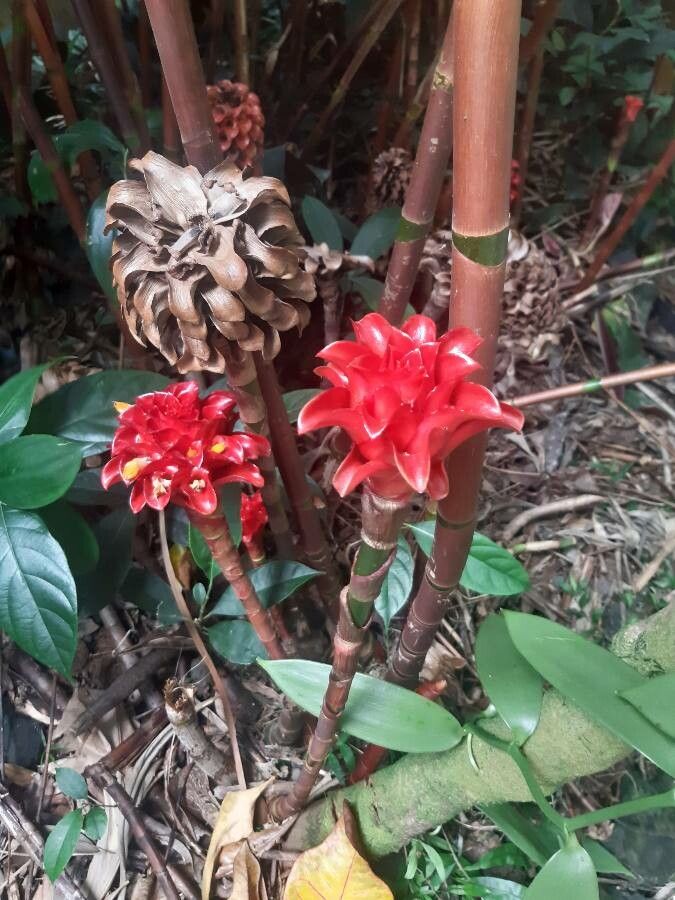
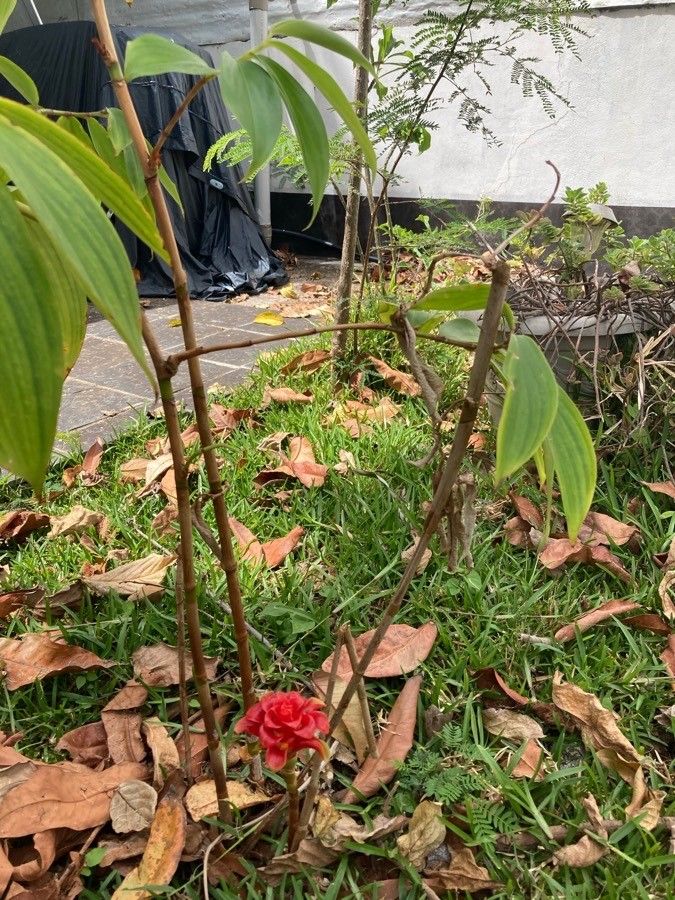
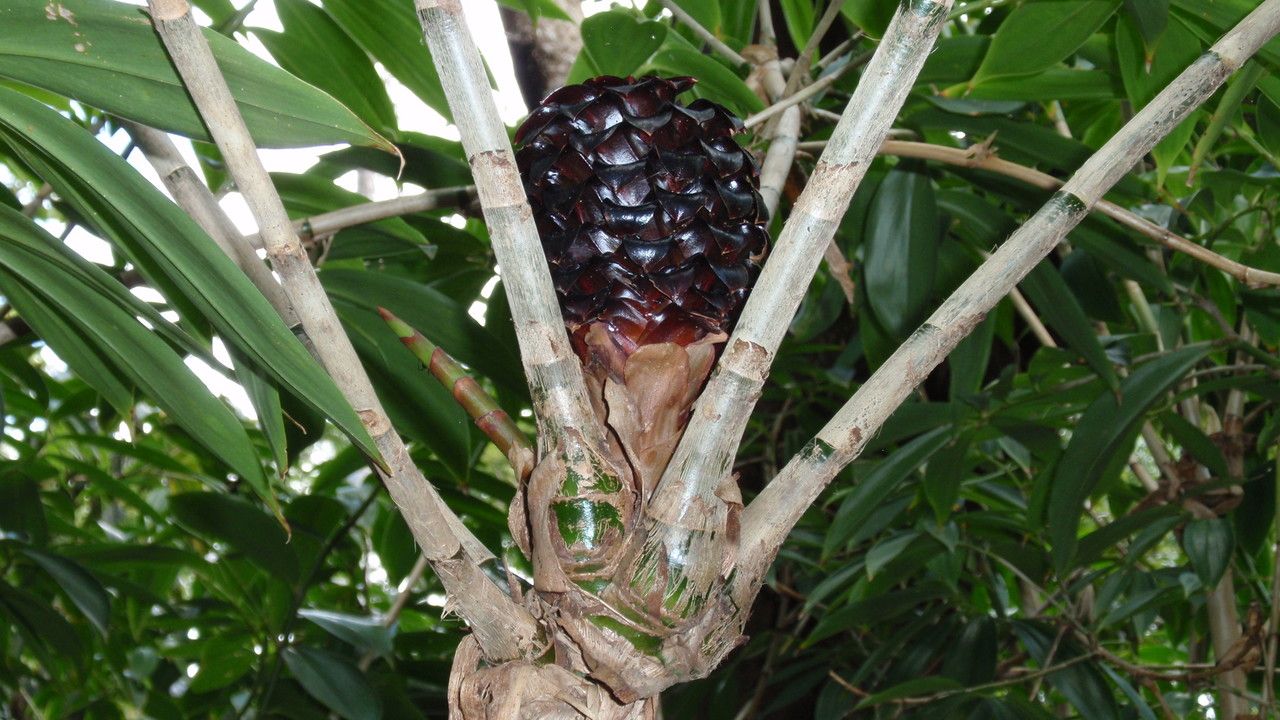
Tapeinochilos ananassae, also known as Indonesian wax ginger, Pineapple ginger, Red wax ginger, or Giant Spiral ginger, is an herb in the family Costaceae described as a species in 1866. It is native to Queensland, New Guinea, and the Indonesian Province of Maluku. It is perennial, with a physical height of 6-8 feet and a spread of 5-7 feet. It has evergreen leaves and yellow flowers within red bracts. As a greenhouse or indoor plant, their flowers are valued for their beauty.
Torch-ginger is relatively resistant to disease and usually not easily affected by illnesses. Still, it can be vulnerable to pests and diseases present in its environment. These problems are generally not serious. For care, the plant needs moderate maintenance. It should be pruned on a regular basis to preserve a neat appearance and support healthy growth. Fertilizing can also encourage it to flower. Torch-ginger is appropriate for anyone who has an outdoor area, like a garden or patio, and does not demand extensive gardening experience. It may need extra care when grown indoors.
How to keep Tapeinochilos Ananassae.
Light
The torch-ginger does best in places with moderate sunlight, reflecting its native setting where surrounding plants offered shade. Excessively strong light can burn the leaves, while insufficient light can impede its healthy growth. It can adjust to different sunlight levels as it grows.
Water
Torch ginger originates from tropical rainforests and thrives in warm, humid climates that mimic its native environment. For lush growth, it requires consistent moisture and benefits from being watered weekly. This evergreen plant also relies on regular rainfall to support its vibrant, year-round development.
Humidity
This plant will thrive in moderate humidity, which is probably the level in your home. However, misting it a few times a week can be very beneficial. Make sure the room has good ventilation.
Temperature
Torch-ginger comes from tropical areas, where the climate is generally warm and humid. Consequently, it is well suited to high temperatures and humidity. It does not tolerate sudden temperature changes and prefers a stable thermal environment, so avoiding temperature fluctuations indoors is important. It usually cannot withstand cold and requires higher temperatures for growth. If the surrounding temperature drops too low, the plant may stop growing or even die.
Fertilizer
Correct fertilization is vital for Torch-ginger's health and appearance. Fertilize Torch-ginger in summer, applying fertilizer once a month throughout the season. Nutrients drive growth and support the plant’s tissues. Fertilization boosts Torch-ginger's flower display, ensuring the best blooms.
Pruning
Torch-ginger, known for its stunning red flowers, benefits from pruning between late winter and early spring. To promote healthy growth and increase blooms, remove dead stems and spent flowers. Additionally, thinning out overcrowded areas can improve airflow. Regular pruning helps maintain the plant's size and enhances its ornamental appeal, contributing to a vibrant garden display.
Pot & Repot
Repot your torch-ginger every 2 to 3 years at the beginning of the warm season. Use a larger, sturdy pot to give the roots more room to grow. After repotting, ensure the plant is kept warm and humid, but be careful to avoid waterlogged soil. This will help reduce transplant shock and encourage healthy growth.
Botanical profile.
- Plant Type
- Herb
- Life Cycle
- Perennial
- Genus
- Tapeinochilos
- Family
- Costaceae
- Hardiness Zone
- 10-12
- Mature Height
- 1.83 m to 2.44 m
- Mature Spread
- 0.91 m to 1.52 m
- Leaf Color
- Dark Green
- Leaf Type
- Evergreen
- Flower Color
- Red
- Flower Size
- 5.08 cm to 7.62 cm
- Bloom Time
- All year round
- Planting Time
- Summer
- Harvest Time
- All year round
Other names.
Reader questions.
How should I water my Torch-ginger plant?
To properly water the Torch-ginger plant, it is recommended to use filtered water at room temperature. Tap water may contain harmful particles, making filtered water a better choice. Since the plant originates from a warm environment, it is important to avoid using cold water, as it can shock the plant. Additionally, overhead watering should be avoided to prevent foliage issues. Instead, water the plant by applying filtered room temperature water directly to the soil until it is completely soaked. This helps to moisten the roots and facilitates their spread in the soil, allowing them to absorb essential nutrients.
Why is it important to fertilize my Torch-ginger plant?
Fertilization is important for the Torch-ginger because it provides essential nutrients for the plant's growth. While the Torch-ginger has relatively low fertilization needs and can sometimes survive without it, annual fertilization is highly beneficial. Regular fertilization not only helps the plant stay alive but also encourages the production of better and longer-lasting flowers. Therefore, those who want their Torch-ginger to look its best should make sure to fertilize it every year.
What are the sunlight requirements for Torch-ginger?
Torch-ginger, or Tapeinochilos ananassae, thrives best in moderate levels of sunlight, ideally mimicking its native habitat where it was sheltered by vegetation. It requires about 3-6 hours of sunlight per day. Direct exposure to intense light might cause the leaves to burn, while insufficient light can hinder its growth. It's essential to observe the movement of sunlight through your garden to find spots that offer the right balance of light and shade to ensure the plants' happiness.
What do I do if I give my Torch-ginger plant too much or too little water?
Overwatering is a common issue for Torch-ginger plants and can cause wilting, yellowing leaves, and diseases like root rot, mold, and mildew. Underwatering is less common but can cause brittle and brown leaves. It's important to detect signs of overwatering early because some diseases may be irreversible if not addressed promptly. Reduce watering and improve soil drainage if overwatering is observed. If underwatering is suspected, simply increase watering until signs improve.
What is the best time to fertilize my Torch-ginger plant?
The best time to fertilize a Torch-ginger is in late winter to early spring when it is transitioning from its dormant phase to a phase of active growth. This helps promote healthy growth and gives the plant a good start for the season. While early spring is generally the most beneficial time, it is also acceptable to fertilize in the fall. However, it is not recommended to feed the Torch-ginger during summer or winter.
How does artificial lighting assist in the growth of indoor Torch-ginger plants?
For indoor Torch-ginger plants, when natural sunlight is insufficient, especially during winter or in less sunny spaces, artificial lighting becomes crucial for optimal growth. The right type of artificial light, such as LED lights customized to provide specific wavelengths, can promote faster and healthier growth. Depending on the plant's sunlight needs, artificial light intensity should range from 10-50W/sq ft, placed 12-36 inches above the plant for 8-12 hours per day to mimic natural sunlight conditions.
How frequently should I water my Torch-ginger plant?
If your Torch-ginger plant is in a pot, you can determine if it needs water by checking the moisture of the soil. Simply stick your finger into the soil and if you find that the top two to three inches are dry, then it's time to water. For Torch-ginger plants grown outdoors in the ground, you can use a similar method. Check the top few inches of the soil and if it has dried out, then it's time to water. Typically, during spring and early fall, watering once a week is sufficient using this method. However, during extremely hot weather, you may need to increase watering to twice or more per week. It's worth noting that mature, well-established Torch-ginger plants have the ability to tolerate drought conditions.
When is the best time to not use fertilizer on my Torch-ginger?
Fertilizing your Torch-ginger should only be done in late winter and early spring. This plant has minimal fertilization needs, so a single feeding each year is enough. Overfertilizing in spring, summer, and fall can cause complications, unless you missed fertilizing in spring, in which case it's okay to fertilize in fall. Additionally, there is no need to fertilize during winter when the Torch-ginger is in a dormant phase and not actively growing.
What are the symptoms of insufficient lighting for Torch-ginger and how can it affect its health?
Insufficient lighting can lead to several symptoms in Torch-ginger plants, including smaller new leaves, leggy or sparse growth, faster leaf drop, stunted growth or no new growth, lighter-colored or chlorotic leaves, sunscald, leaf curling, wilting, and leaf scorching. These symptoms indicate a lack of chlorophyll and essential nutrients or damage from excessive sunlight, affecting the plant's ability to photosynthesize and maintain overall health.
How much water does my Torch-ginger plant need?
To properly water your Torch-ginger, don't be afraid to give it a generous amount of water. Wait until the top few inches of soil are dry, then thoroughly soak the soil. Make sure the water reaches all the way through the soil and drains out of the pot's drainage holes. If you don't see any excess water draining, you might not have given enough water. However, be careful not to let water accumulate in the soil, as this can harm the plant. On the other hand, if water doesn't drain well through the pot, it's important to use well-draining soil to keep the plant healthy. If your plant is outdoors, about an inch of rain per week should be enough.
What kind of plant food does my Torch-ginger need?
For your Torch-ginger plant, you can use almost any general-purpose fertilizer that has a balanced amount of the three main plant nutrients. However, there are specific nutrient blends that may be even more beneficial. Some gardeners believe that higher levels of phosphorus lead to stronger roots and better flowers, so applying a fertilizer rich in phosphorus may be the best choice for your Torch-ginger. Whether you choose a granular or liquid fertilizer, make sure it contains plenty of nutrients. In addition to manufactured fertilizers, you can also improve the soil for your Torch-ginger by using organic materials like compost and manure. These materials can greatly enhance the quality of the growing medium for your Torch-ginger.
What solutions can be implemented to address Torch-ginger's lighting issues both indoors and outdoors?
To optimize Torch-ginger's growth in response to lighting issues, gradual adaptation to changing light conditions is key. For indoor plants needing more light, gradually shifting them to sunnier spots or using artificial lights such as desk, ceiling lamps, or professional grow lights for at least 8 hours daily can help. Outdoors, moving the plants to sunnier locations weekly avoids sudden changes that can cause sunburn. Reducing obstructions like pruning trees or transplanting to sunnier spots with good drainage can also aid in increasing sunlight exposure. Note that parts of the plant affected by insufficient light might not recover, but new growth will be healthy following these adjustments.