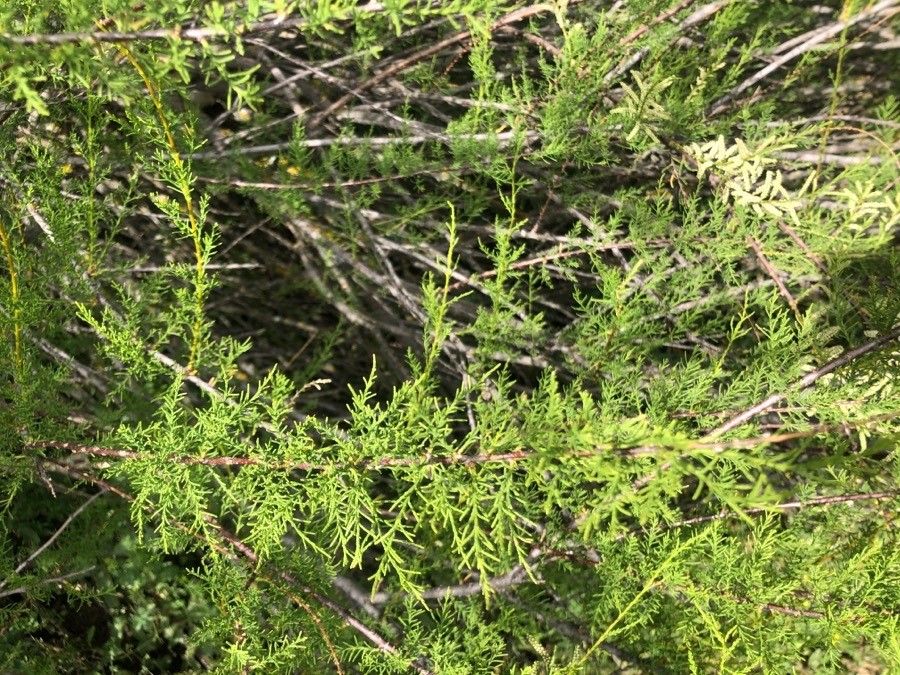
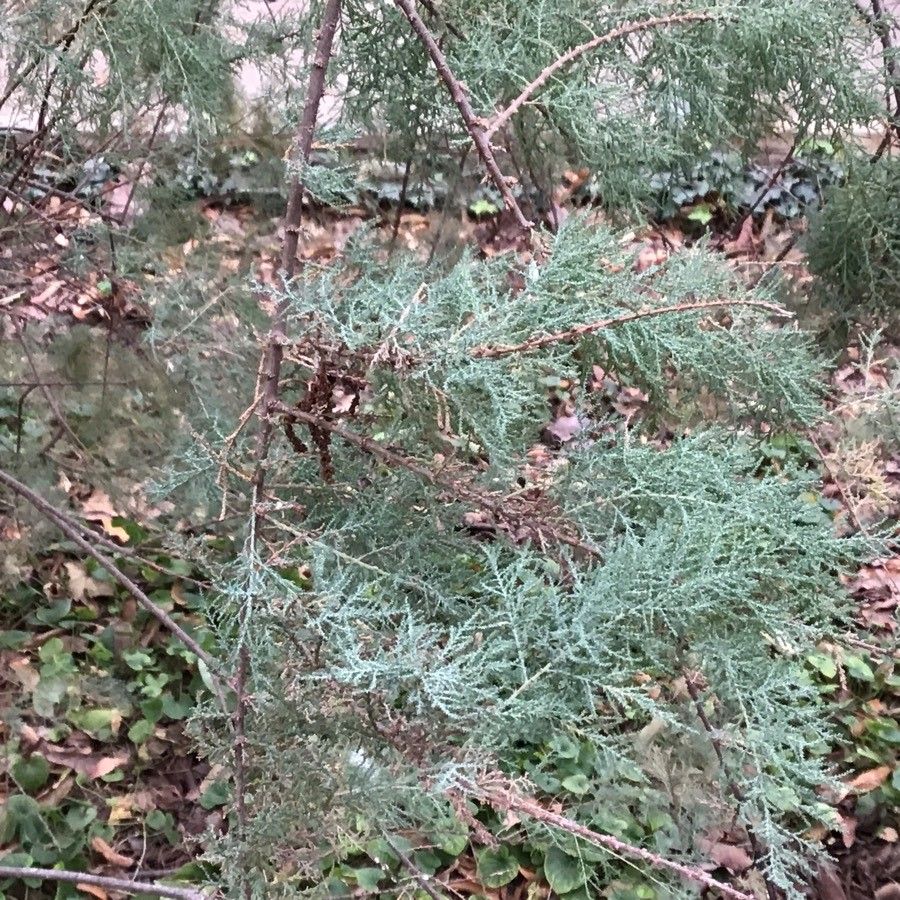
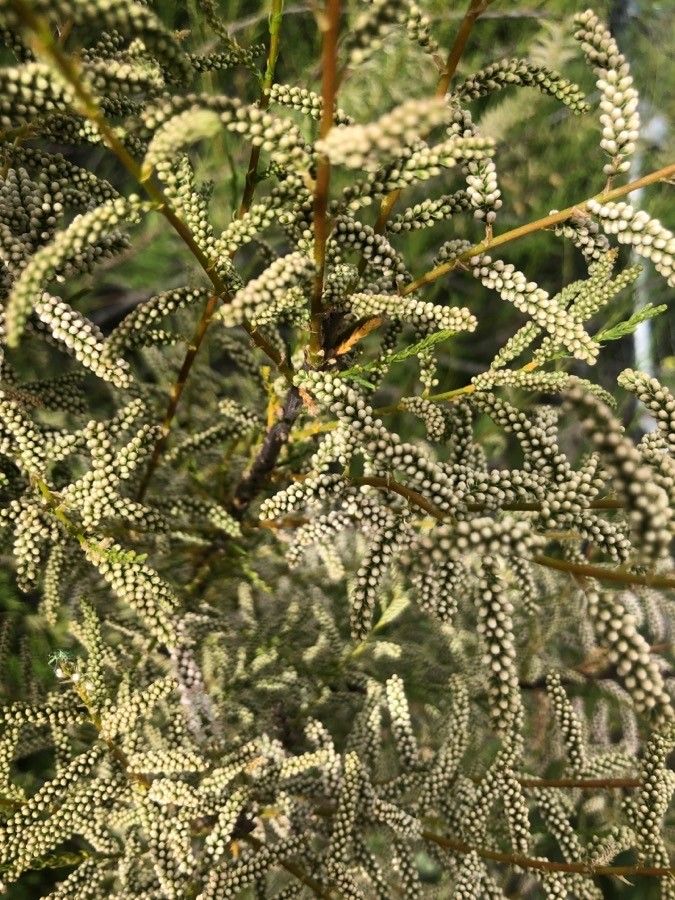
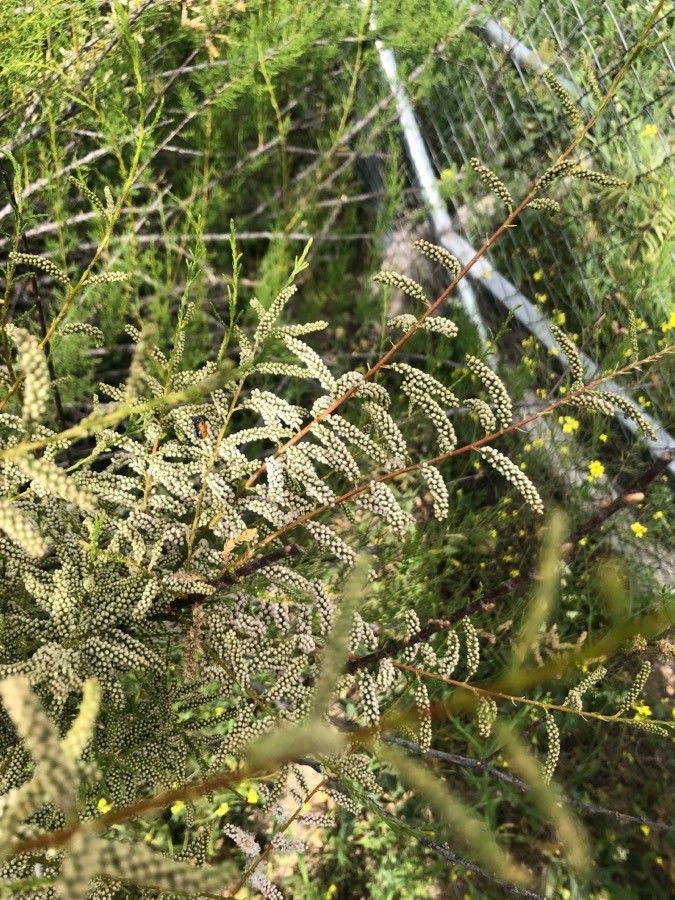
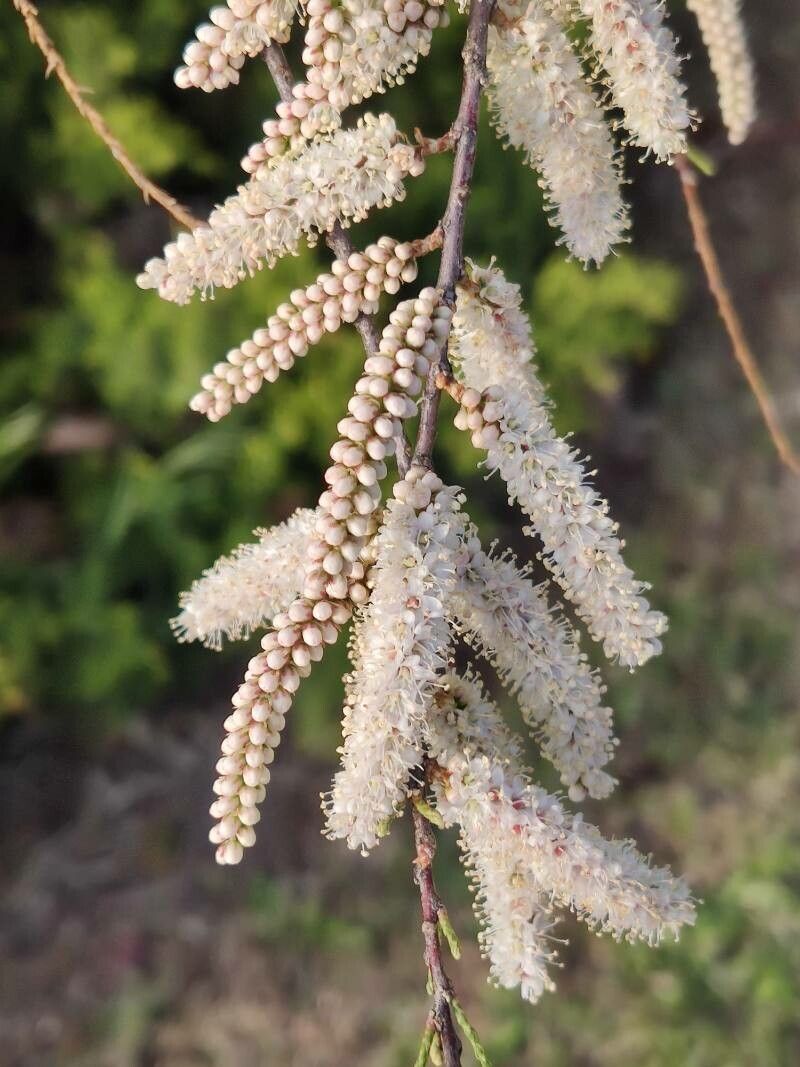
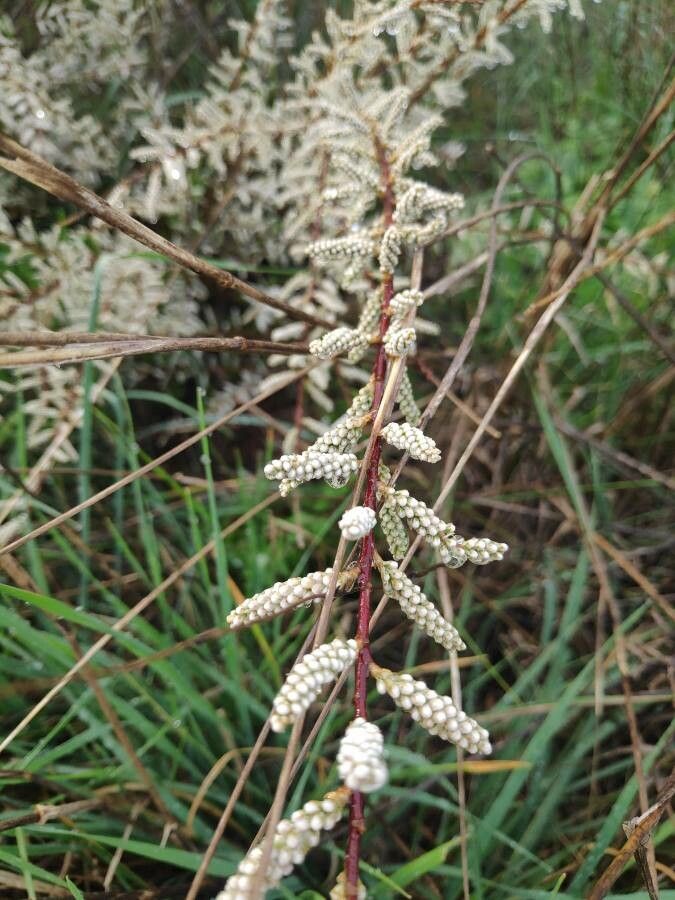
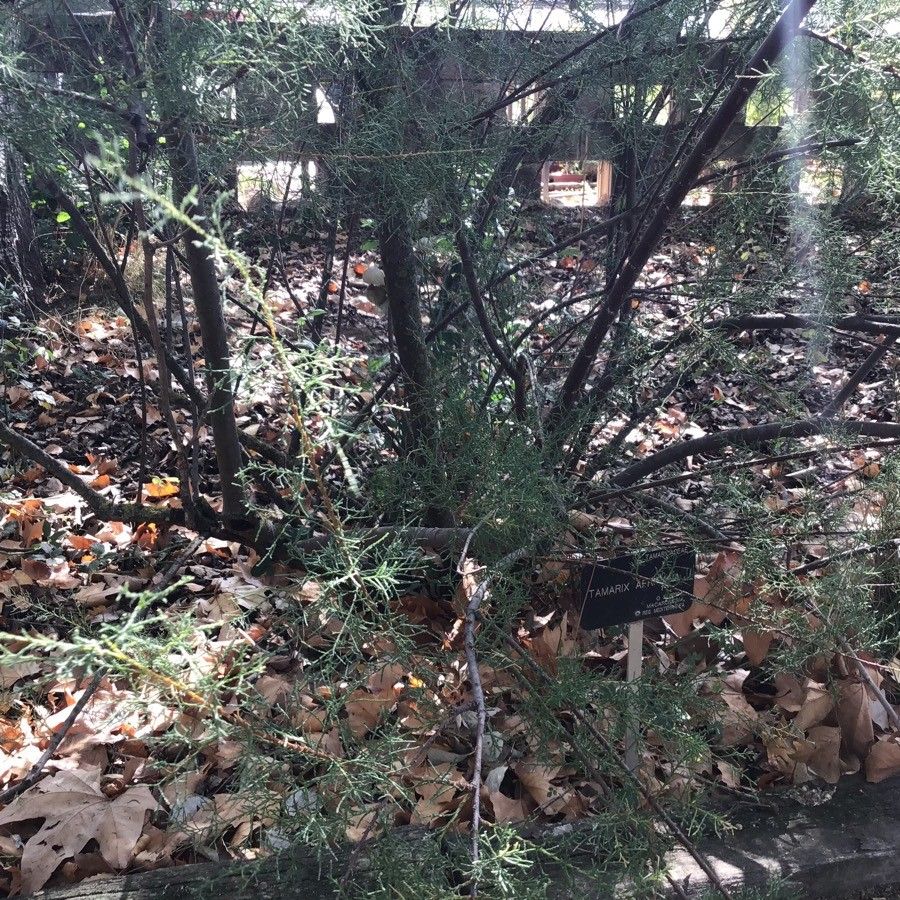
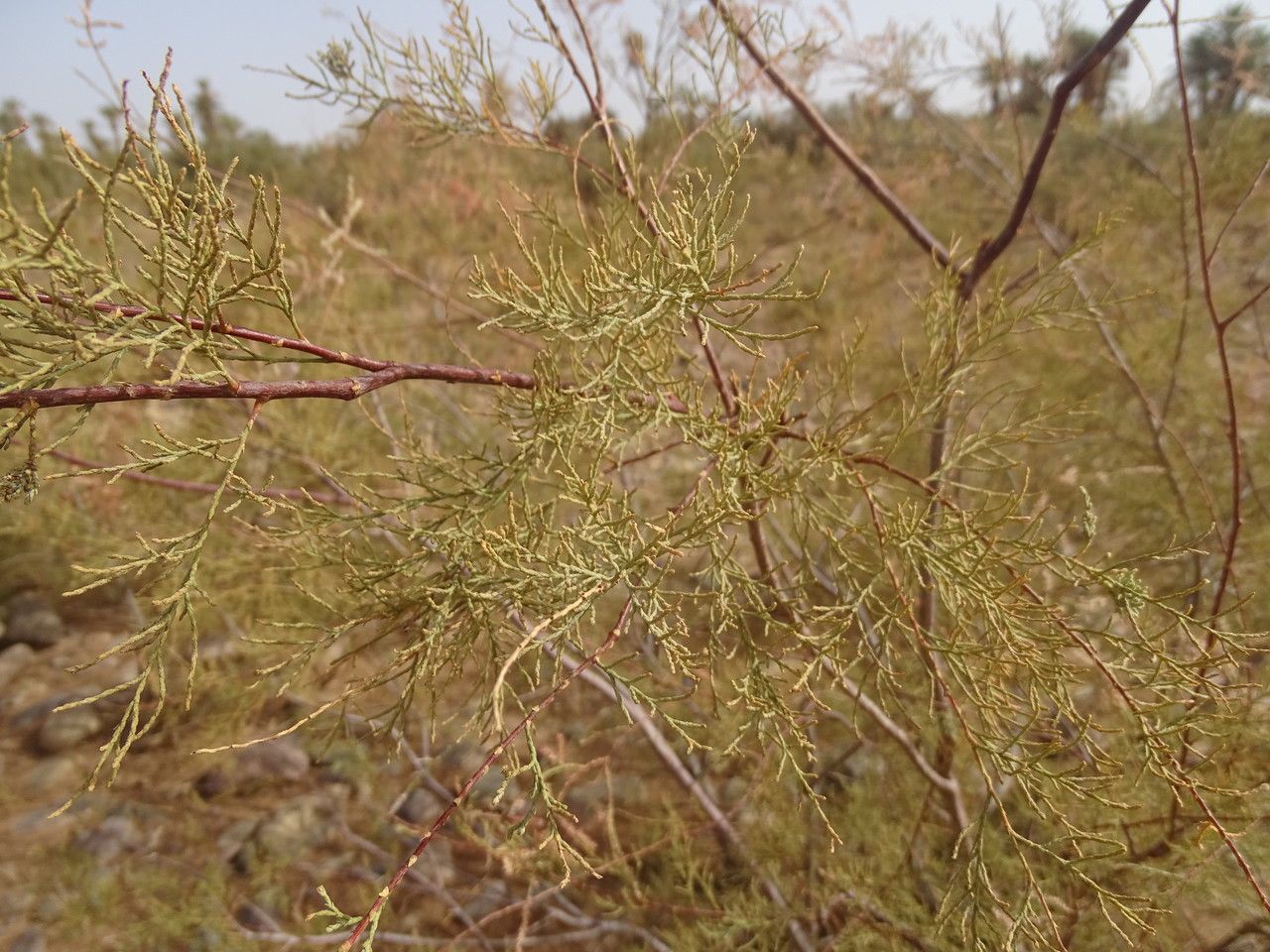
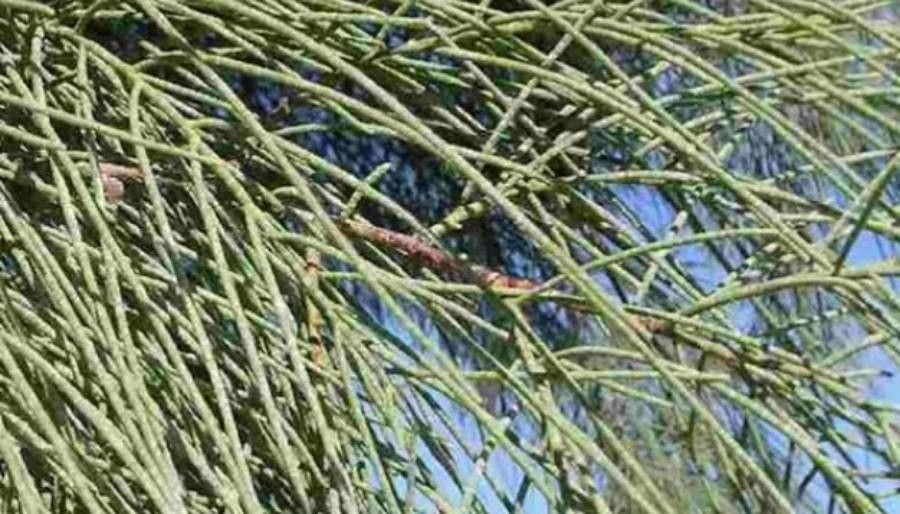
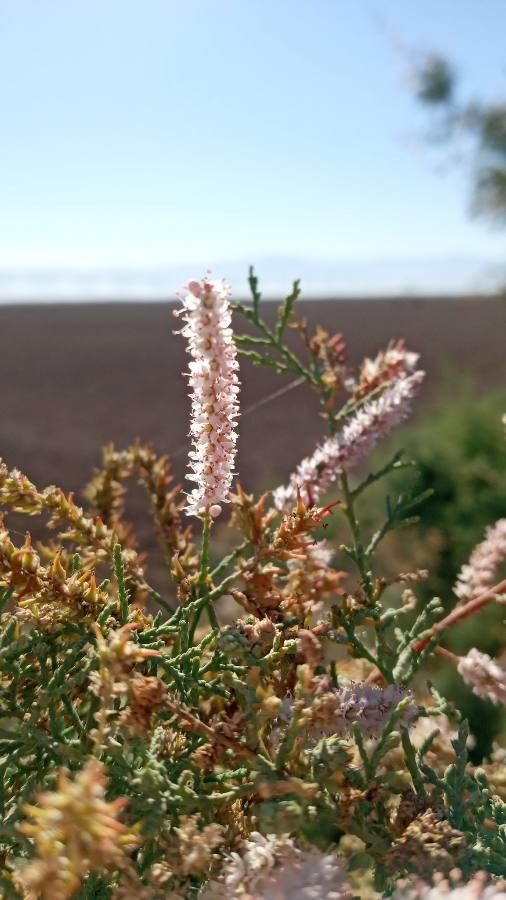
Tamarix canariensis is a species of flowering plant in the family Tamaricaceae. It is a shrub or small tree up to 4 m tall. It was previously said to be native to parts of Macaronesia, northern Africa and south-western Europe, but is now considered only to be found in the Canary Islands, the African and European species being Tamarix gallica. It was first described by Carl Ludwig Willdenow in 1816.
Canary islands tamarisk exhibits strong resistance to disease and is generally not prone to illness. Regarding care, this plant is fairly low-maintenance. When grown outdoors it needs little watering, and larger specimens typically do not require pruning. Smaller plants, however, should be pruned after they have finished blooming. Canary islands tamarisk is appropriate for anyone with an outdoor area, such as a garden or deck, and does not demand extensive plant-care experience.
How to keep Tamarix Canariensis.
Light
Canary islands tamarisk is native to open habitats, for example sunny meadows and forest edges, which offer plenty of light. It performs best in full sun but can also tolerate partial sun, adjusting well to different sunlight conditions.
Water
The Canary Islands tamarisk, native to the Canary Islands, thrives in dry conditions due to its high drought tolerance. To mimic its natural environment, it should be watered twice a week, simulating the sporadic rainfall it typically receives. It also benefits from occasional exposure to sea mist, which enhances its ability to adapt to saline conditions.
Temperature
Canary islands tamarisk demonstrates good heat tolerance, handling higher temperatures and wide temperature fluctuations. In hot conditions, attention should be paid to watering and providing suitable shade to prevent sunburn. Conversely, Canary islands tamarisk is relatively sensitive to low temperatures. While it can tolerate some cold, very low temperatures can cause frost damage.
Fertilizer
Proper timing is essential when fertilizing Canary islands tamarisk. Apply fertilizer in early spring and continue monthly through early summer. The fertilizer encourages attractive blooms and supplies energy during both dormant and active growth phases.
Pruning
The Canary Islands tamarisk, famous for its feathery foliage and salt tolerance, thrives with regular pruning in early spring. By removing dead and crossing branches, you promote healthy growth and help maintain the plant’s shape. Be sure to use clean, sharp tools to minimize damage and encourage quick healing.
Botanical profile.
- Plant Type
- Tree, Shrub
- Life Cycle
- Perennial
- Genus
- Tamarix
- Family
- Tamaricaceae
- Hardiness Zone
- 7-10
- Mature Height
- 3.05 m to 6.1 m
- Mature Spread
- 2.13 m to 3.96 m
- Leaf Color
- Light Green, Gray
- Leaf Type
- Deciduous
- Flower Color
- Pink
- Flower Size
- 0.20 cm to 0.25 cm
- Bloom Time
- Late spring, Summer
- Planting Time
- Spring, Summer, Autumn
- Harvest Time
- Late summer, Fall
- Native Area
- Libya, Tunisia, Portugal, Italy, Spain, France, Algeria, Morocco, Chad
Other names.
Reader questions.
What are the sunlight requirements for Canary Islands Tamarisk (Tamarix canariensis)?
The Canary Islands Tamarisk, or Tamarix canariensis, needs specific sunlight conditions to thrive. For full sun exposure, the plant requires above 6 hours of sunlight daily. Alternatively, for partial sun conditions, about 3-6 hours of sunlight per day is suitable. It’s important to observe the movement of sunlight through your garden to find spots that offer the ideal mix of light and shade, ensuring the best outcome for your plant's growth and health.
What is the Canary Islands Tamarisk?
The Canary Islands Tamarisk, known scientifically as Tamarix canariensis, is a species of plant. Unfortunately, the provided information does not include details about its essentials, symptoms of concern, or additional attributes. This makes it challenging to provide a comprehensive overview of its characteristics, uses, or care instructions.