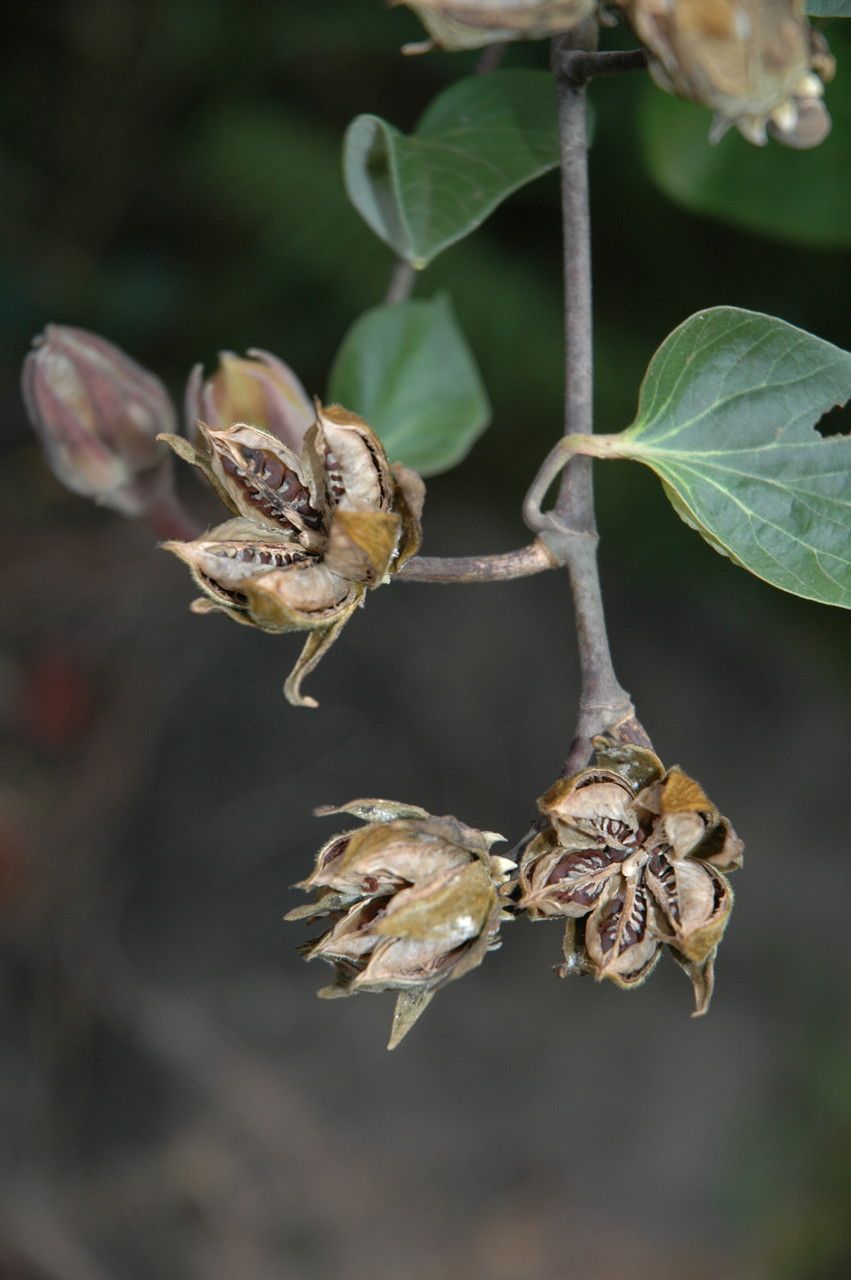
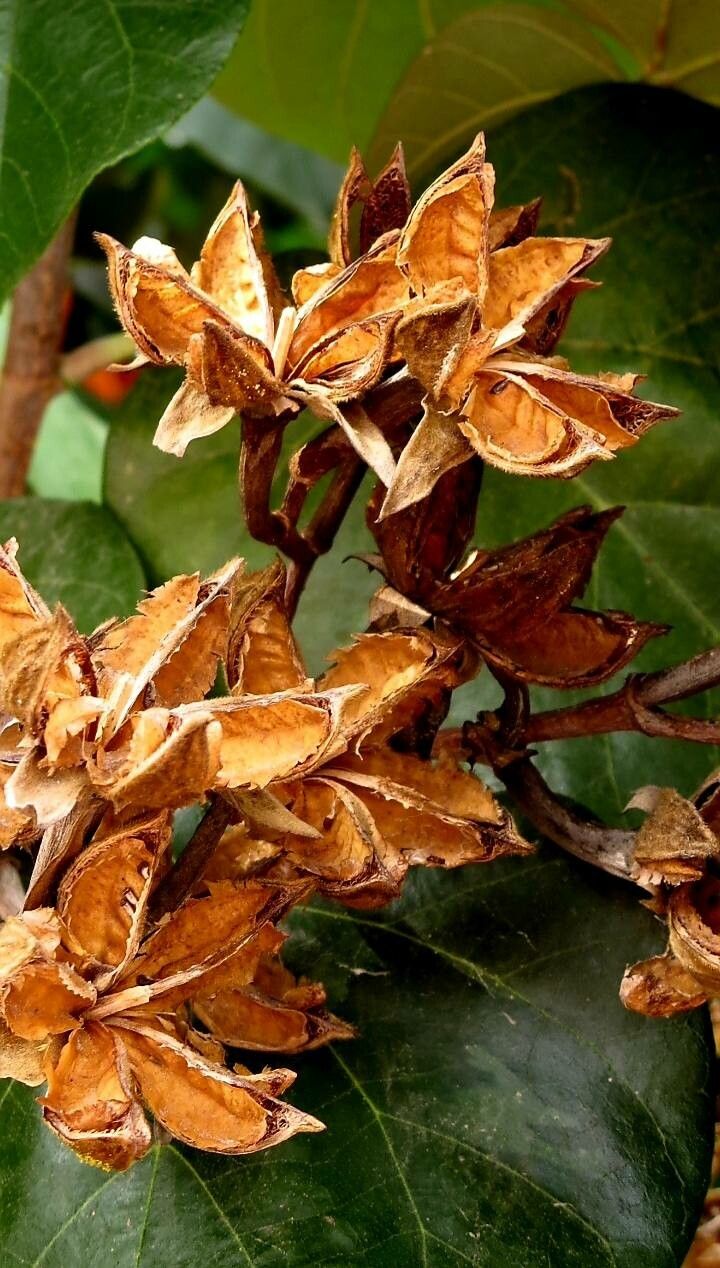
Talipariti tiliaceum, commonly known as the beach hibiscus or sea hibiscus, is a tropical tree or shrub that belongs to the Malvaceae family. It is indigenous to the coastal regions of the Caribbean, Central and South America, and Africa. This plant can reach heights of up to 10 meters, with a trunk diameter of up to 50 centimeters.
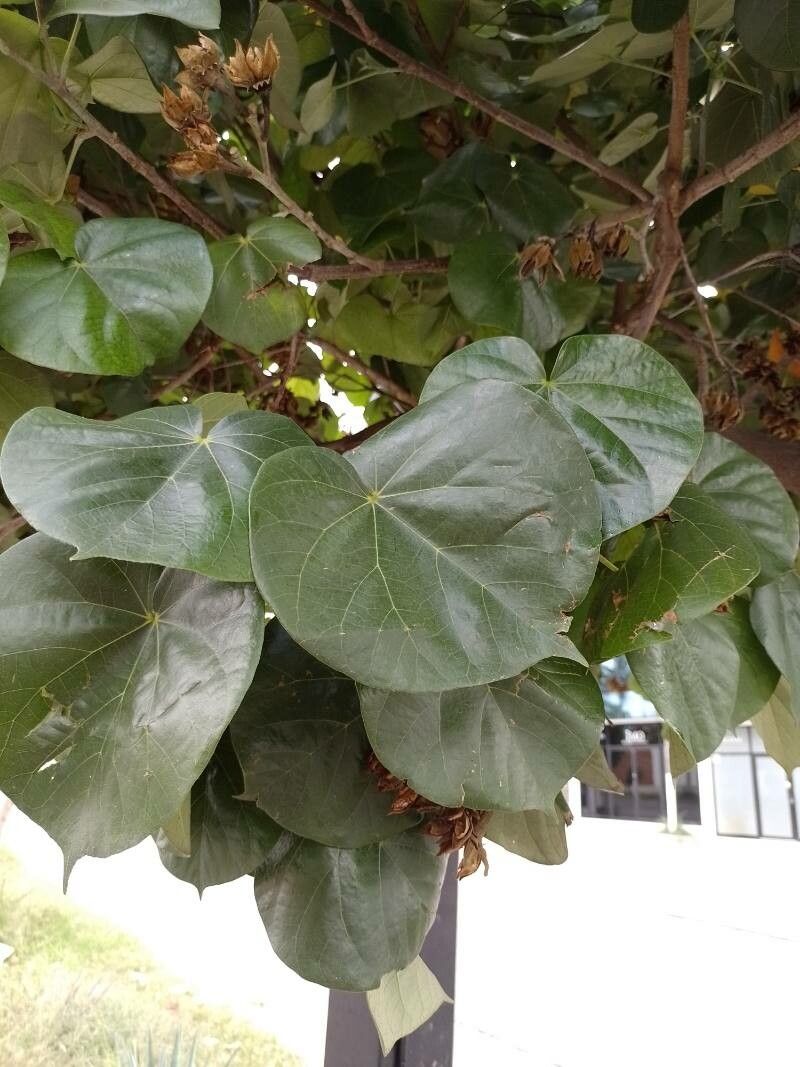
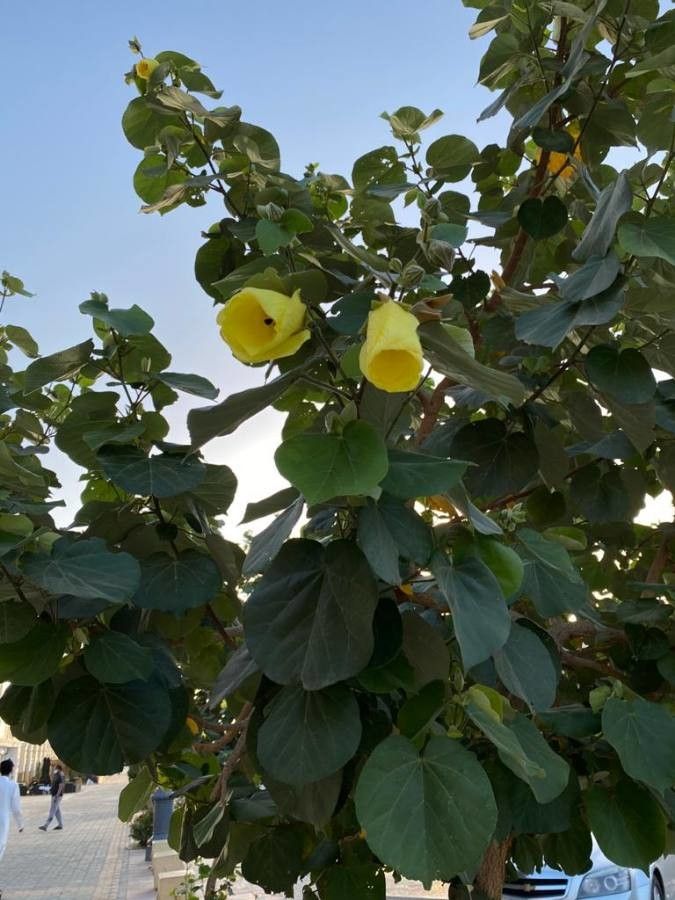
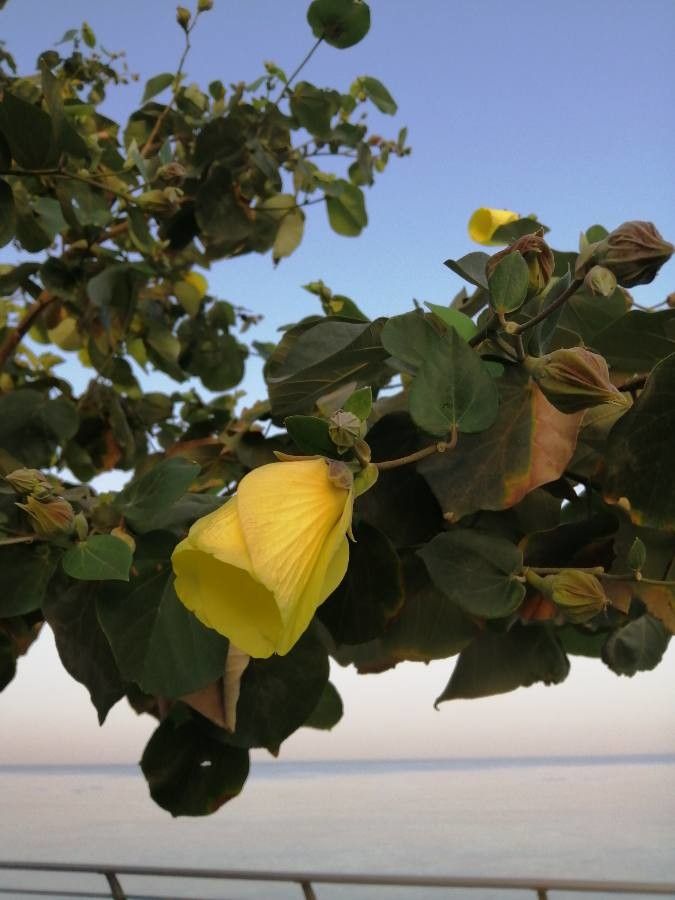
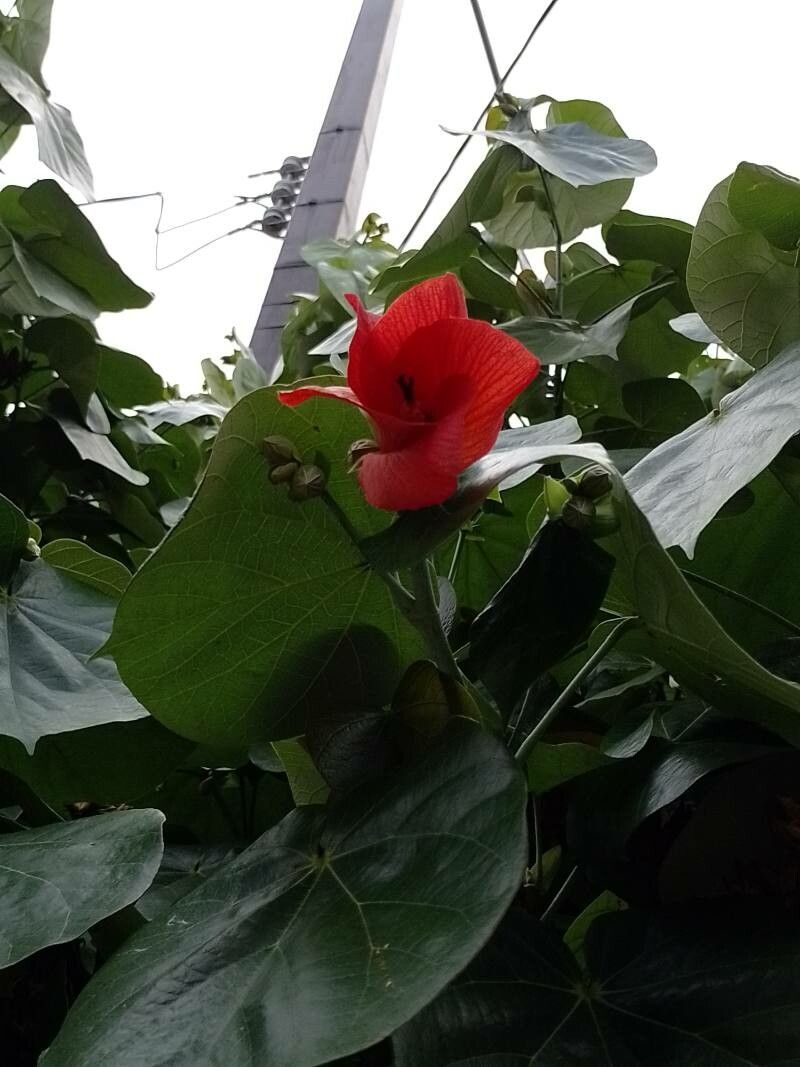
The leaves of Talipariti tiliaceum are large, heart-shaped, and have serrated edges. Its flowers are striking and prominent, featuring five petals that range in color from white to yellow or pinkish-red. These flowers bloom throughout the year in warm climates.
Traditionally, the plant is used for various medicinal purposes, including treating ailments such as fever, coughs, diarrhea, and skin infections. The bark fibers of Talipariti tiliaceum are also used to make rope, which is strong enough to be used in fishing nets.
Sea hibiscus is regarded as one of the most useful plants originating from the Pacific islands. For centuries, indigenous peoples have utilized its wood to construct canoes, outriggers, fishing-net floats, and roof trusses. The wood is also used as a fire starter. The bark can be transformed into rope, mats, and even cloth. The flowers of the sea hibiscus are edible, whether eaten raw or cooked, and the leaves can be pickled. FUN FACT · FROM THE LIBRARY
Talipariti tiliaceum prefers full sun exposure but can tolerate partial shade in hot climates. It thrives in sandy soils near coastal areas but can also be cultivated inland if it receives an adequate water supply.
Overall, Talipariti tiliaceum is an attractive ornamental plant that enhances the beauty of coastlines while offering various benefits, including medicinal uses and fiber production. As such, it holds significant cultural importance for many communities around the world.
The sea hibiscus is a type of hibiscus tree commonly found in tropical regions around the world, particularly in Southeast Asia and the surrounding islands. Known by names such as coastal hibiscus and beach hibiscus, this tree is well-suited to salty environments and is frequently found near coastlines within its natural habitat.
Botanical profile.
- Plant Type
- Tree, Shrub
- Life Cycle
- Perennial
- Genus
- Talipariti
- Family
- Malvaceae
- Hardiness Zone
- 9-12
- Mature Height
- 3.96 m to 10.06 m
- Mature Spread
- 10.06 m
- Leaf Color
- Green, Blue
- Leaf Type
- Evergreen
- Flower Color
- Yellow
- Flower Size
- 6.35 cm to 7.62 cm
- Bloom Time
- All year round
- Planting Time
- Spring, Autumn
- Harvest Time
- All year round
- Native Area
- Sri Lanka, India, Malaysia, Vanuatu, Madagascar, Nigeria, Australia, Fiji, Guinea-Bissau, Brunei, Indonesia, Cambodia, Equatorial Guinea, Liberia, Cameroon, Ghana, Congo, South Africa, Philippines, Bangladesh, Laos, Guinea, China, Vietnam, Japan, Myanmar, Senegal, Singapore, Côte d'Ivoire, Gambia, Congo (DRC), Thailand, Gabon
Other names.