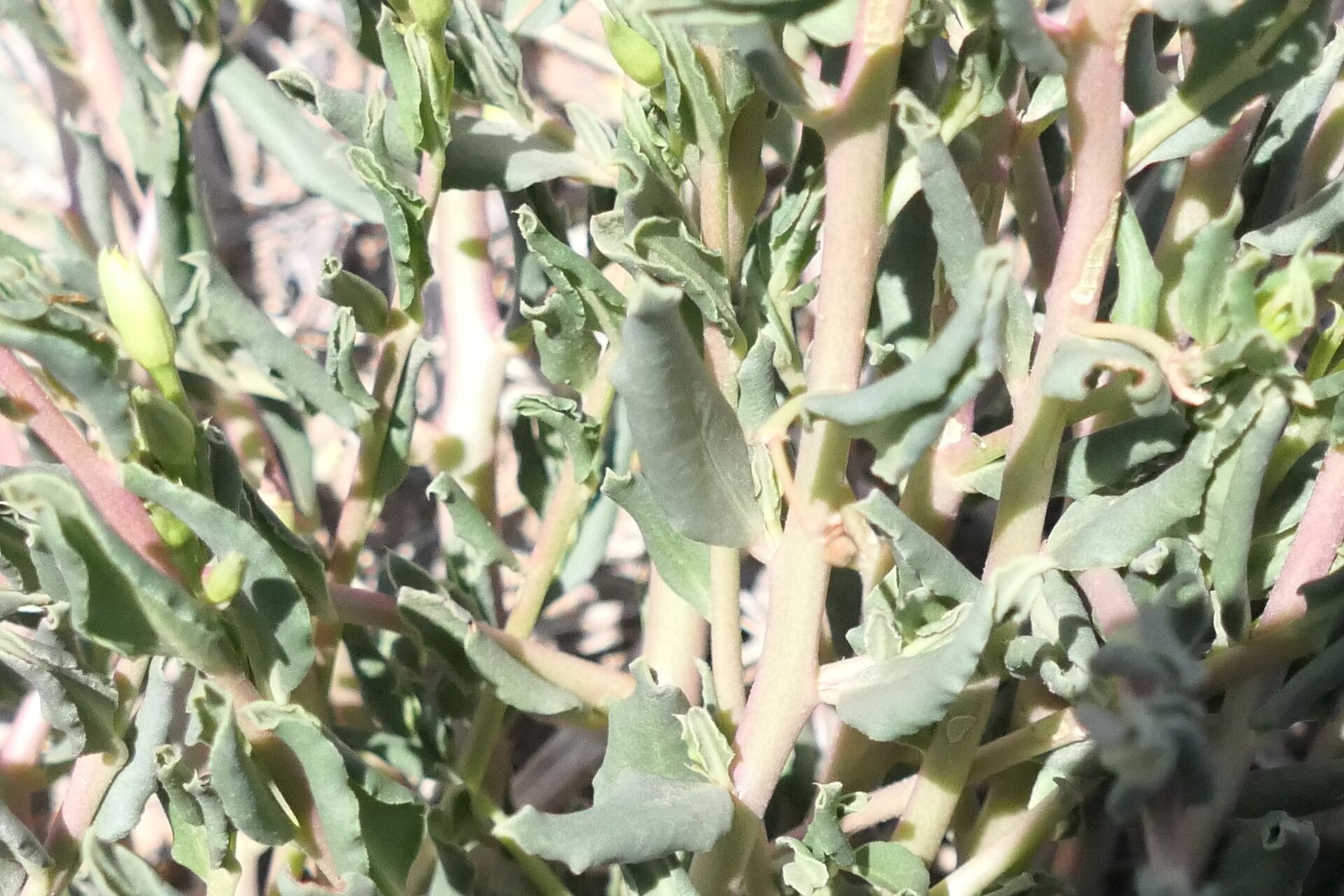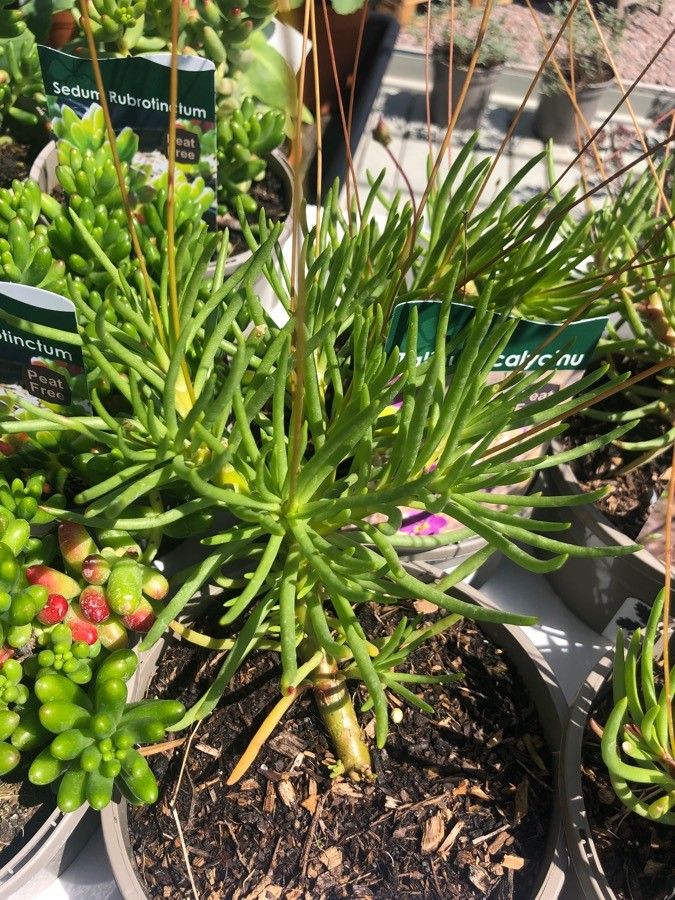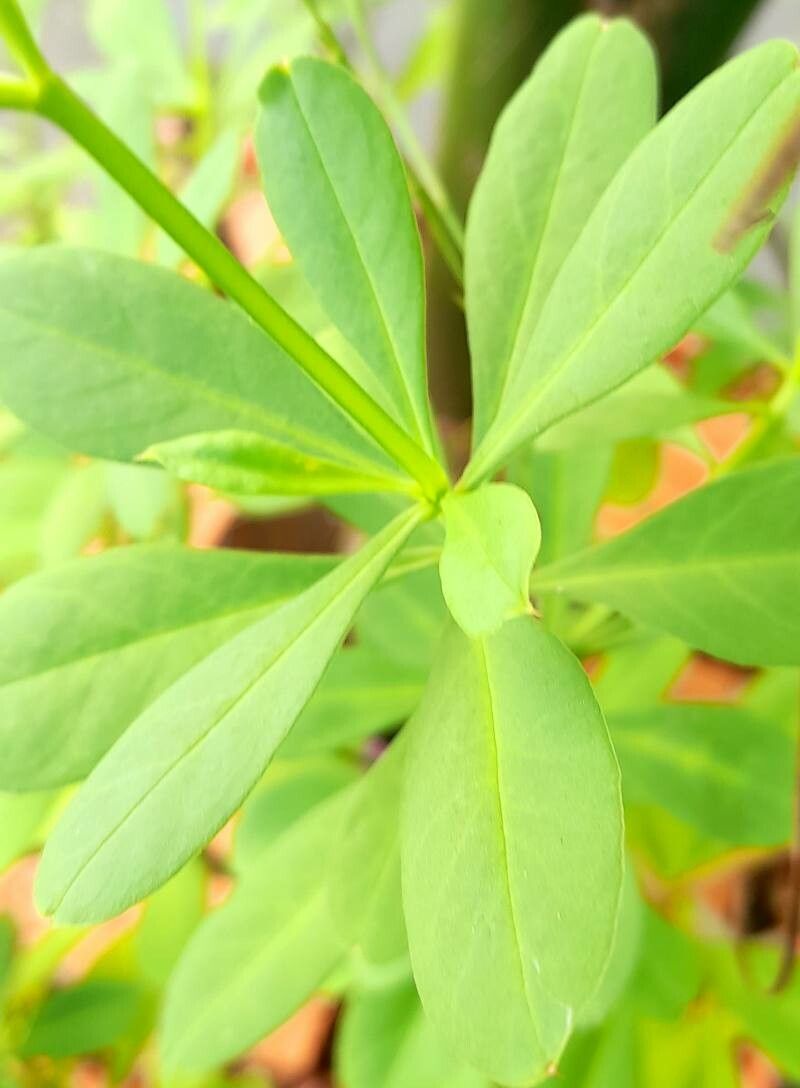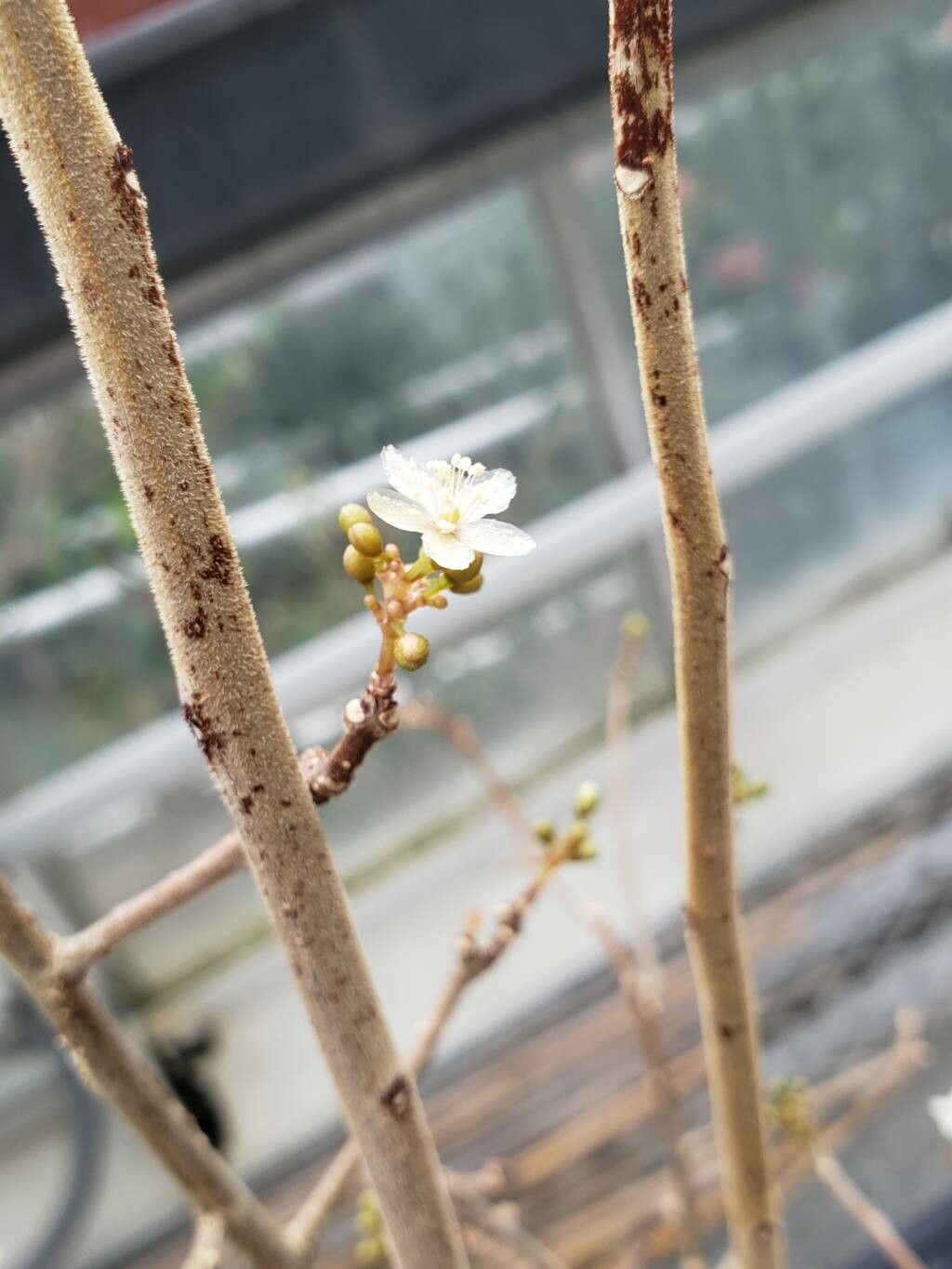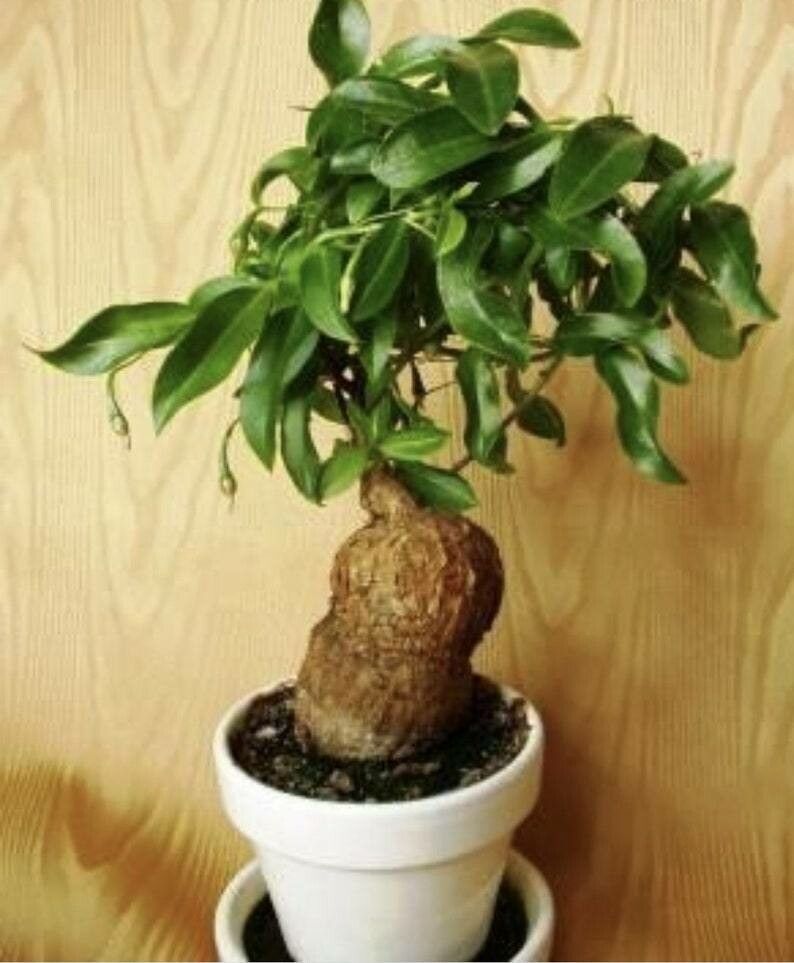
Flameflower is fairly disease-resistant and typically does not suffer from illnesses. Nonetheless, it can be vulnerable to pests and diseases present in its environment. Such infections are generally mild. In terms of care, the plant requires moderate maintenance. Regular pruning is necessary to preserve a neat appearance and support healthy growth. Fertilizing can also help encourage flowering. Flameflower is suitable for anyone with an outdoor area, such as a garden or patio, and does not demand extensive care experience. It may need more attention when grown indoors.
How to keep Talinum Caffrum.
Light
Flameflower naturally occurs in settings such as forest understories or rocky areas where natural shade exists. It prefers partial sun, yet it can adapt to both full sun and full shade, showing its versatile and hardy character.
Water
The Flameflower is well-suited to semi-arid environments, requiring minimal water. It is best to water it every three weeks. This plant also adapts well to indoor conditions with lower humidity and needs soil that drains well. During the growing season, you may need to water it more frequently to support its flowering.
Temperature
Flameflower comes from tropical regions, where the climate is generally warm and humid. As a result, it is well suited to high temperatures and humidity. It does not tolerate sudden temperature changes and prefers a steady temperature, so avoiding indoor temperature fluctuations is important. It typically cannot withstand cold and requires higher temperatures to grow. If the ambient temperature falls too low, the plant may stop growing or even die.
Fertilizer
Appropriate fertilization is vital for Flameflower's health and appearance. Fertilize Flameflower during the summer, repeating the application monthly throughout the season. Nutrients support growth and preserve the plant's parts. Fertilizing improves Flameflower's floral display, ensuring the best blooms.
Pruning
To help Flameflower thrive, it's important to prune it from early to late spring. This encourages bushy growth and improves the plant's health by removing any dead parts. Trimming back old stems also promotes new blooms and enhances air circulation, which lowers the risk of disease. With regular pruning, your garden will enjoy a flourishing Flameflower. Be sure to consult local guidelines for specific care instructions.
Botanical profile.
- Plant Type
- Herb
- Life Cycle
- Perennial
- Genus
- Talinum
- Family
- Talinaceae
- Hardiness Zone
- 9-11
- Mature Height
- 20 cm to 30 cm
- Mature Spread
- 30 cm to 40 cm
- Leaf Color
- Light Green, Dark Green
- Leaf Type
- Evergreen
- Flower Color
- Pink, White
- Flower Size
- 1.02 cm to 1.52 cm
- Bloom Time
- Summer, Early fall, Mid fall
- Planting Time
- Spring, Summer, Autumn
- Harvest Time
- Late summer, Fall, Early winter
- Native Area
- Lesotho, Angola, Mozambique, Chad, Tanzania, South Africa, Sudan, Eswatini, Rwanda, Namibia, Ethiopia, Eritrea, Kenya, Botswana, Zimbabwe
Other names.
Reader questions.
What are the sunlight requirements for a Flameflower (Talinum caffrum)?
The Flameflower (Talinum caffrum) needs specific sunlight conditions to thrive. It requires 'full sun' which means it should receive above 6 hours of sunlight daily. Alternatively, it can also grow in 'partial sun,' which is about 3-6 hours of sunlight daily. It's essential to watch how sunlight moves through your garden to find spots that provide the perfect balance of light and shade, ensuring your Flameflower's happiness and health.