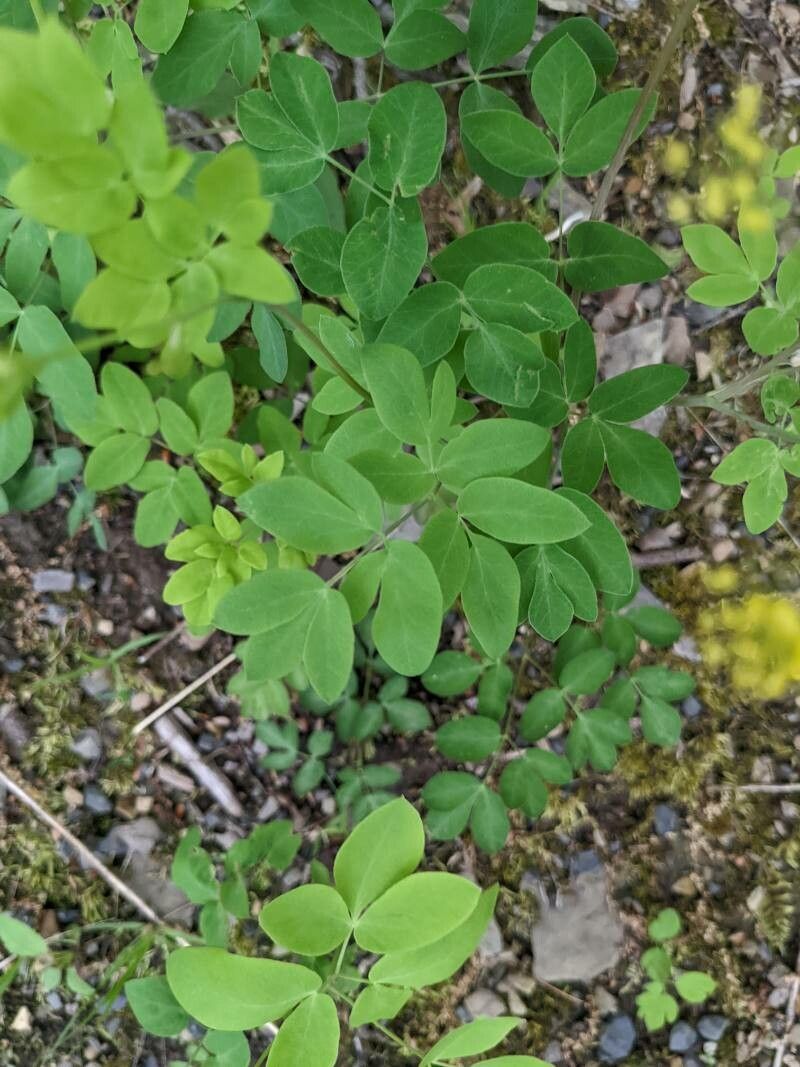
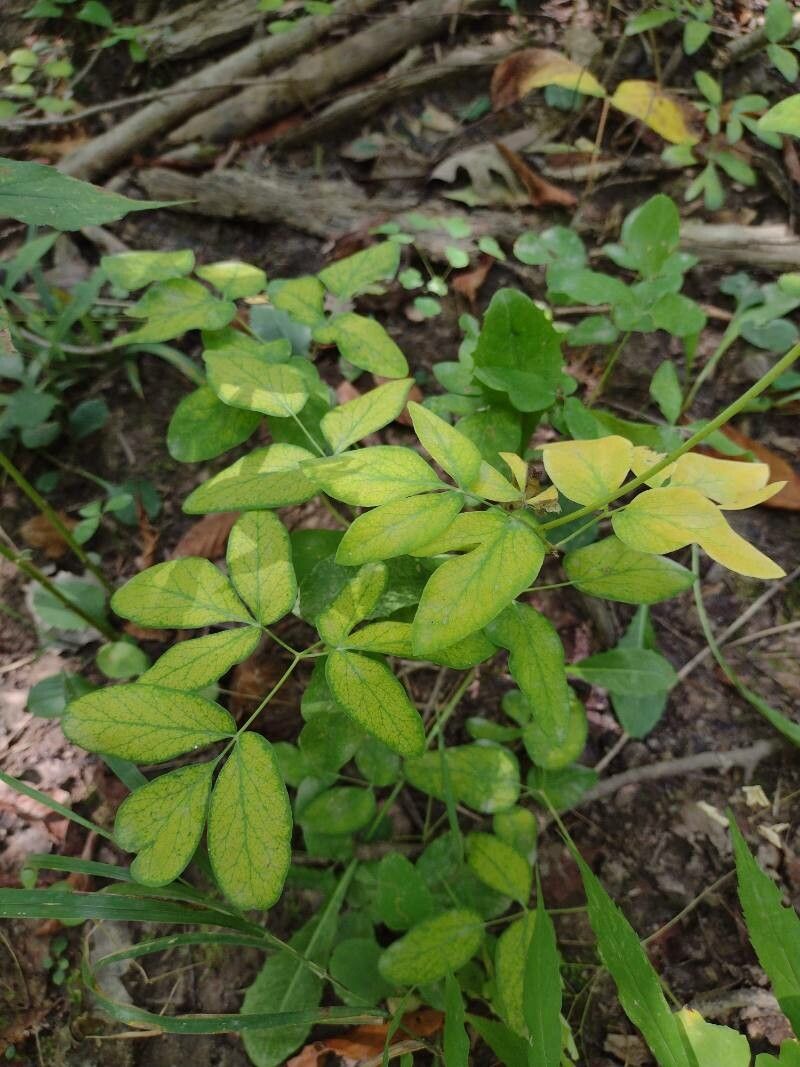
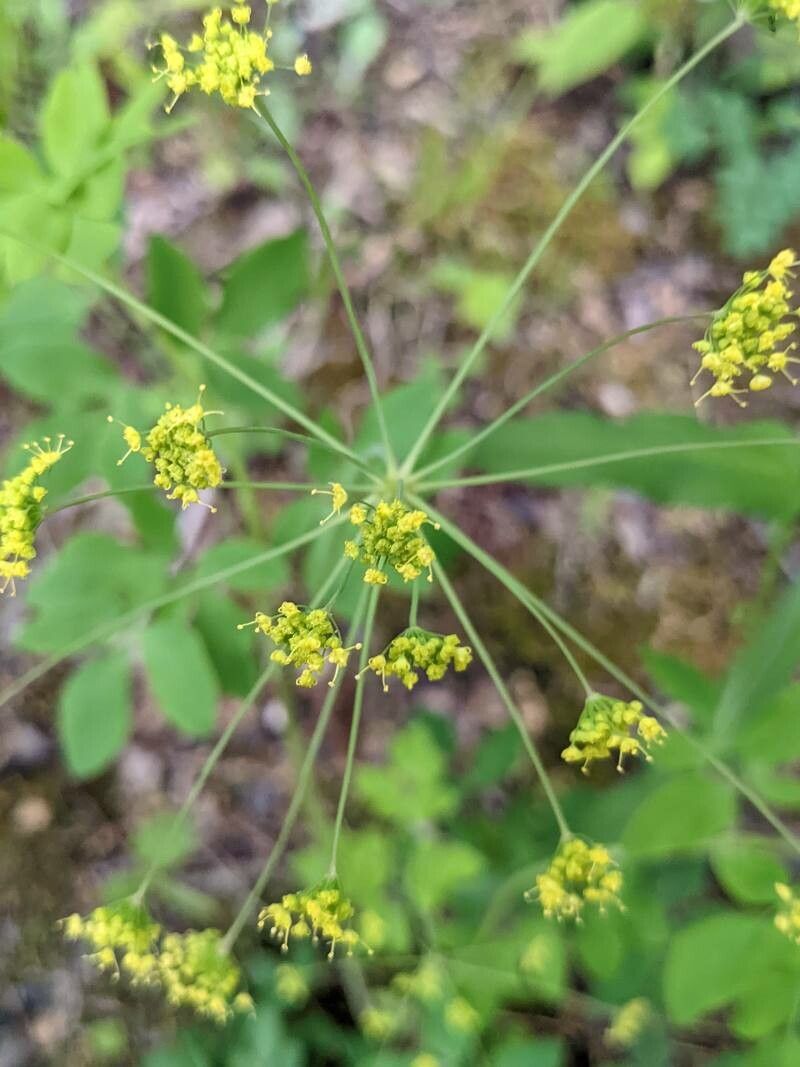
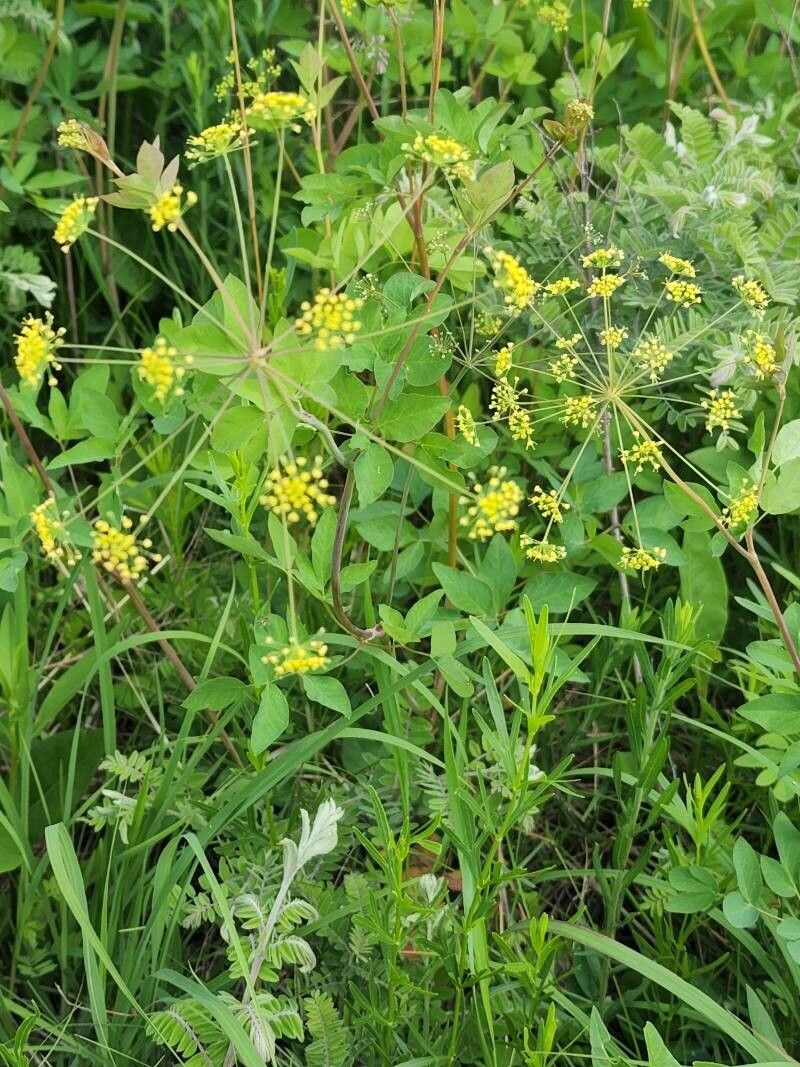
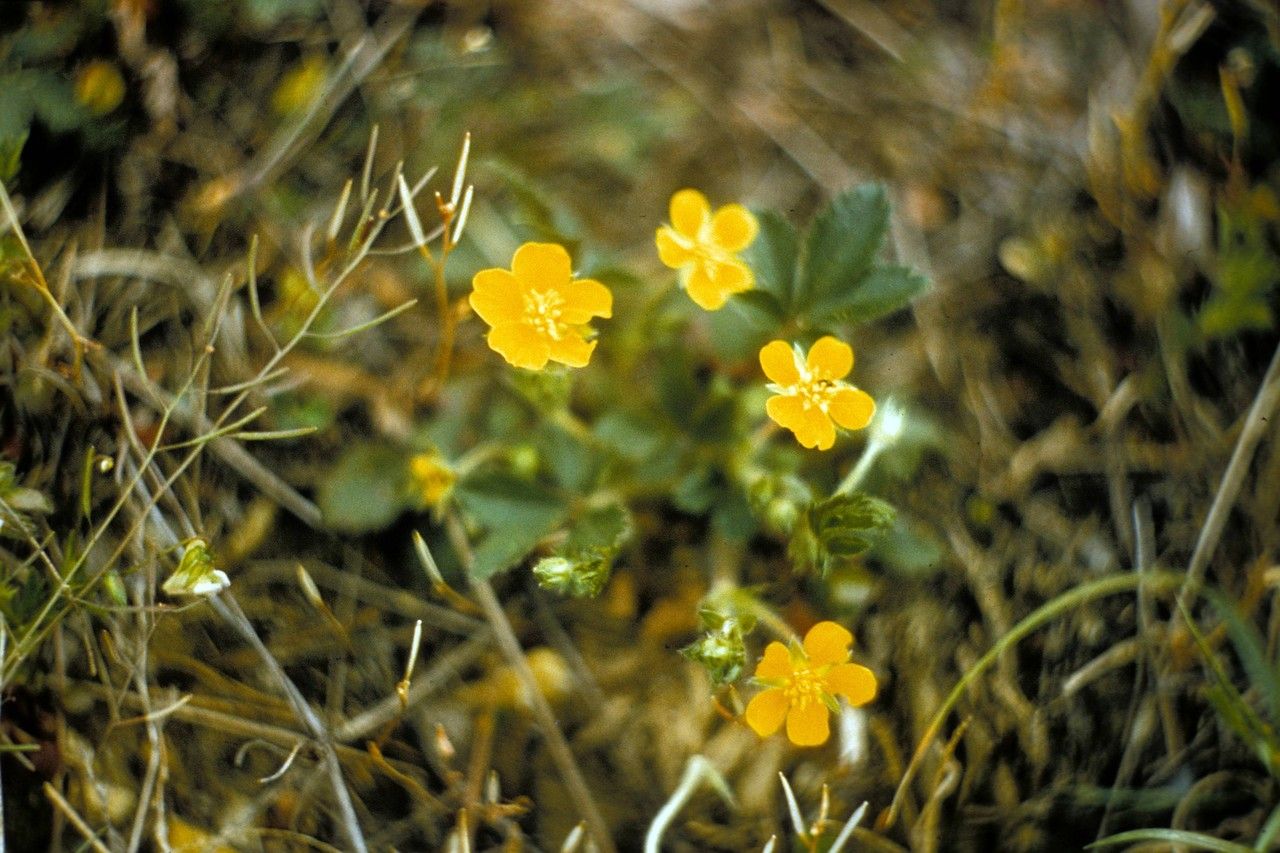
Taenidia integerrima, the yellow pimpernel, is an herbaceous plant in the parsley family. It is native to the eastern North America, where it is widespread. Its natural habitat is rocky prairies and woodlands, often over calcareous substrates. It is a perennial.
Yellow pimpernel is fairly resistant to disease and, in general, does not easily suffer from illnesses. That said, it can be vulnerable to pests and diseases present in its environment. Such infestations are typically mild. Regarding care, this plant needs moderate upkeep. It should be trimmed on a regular basis to preserve a neat appearance and encourage healthy growth. Applying fertilizer can also assist in boosting bloom production. Yellow pimpernel is well suited for people with outdoor areas like a garden or patio and does not demand extensive gardening experience. When cultivated indoors, it may need more attentive care.
How to keep Taenidia Integerrima.
Light
Yellow pimpernel mostly grows best in locations with moderate sunlight, although it can also do well under stronger sun. Its origin in regions with varied light conditions has increased its adaptability. However, excessively bright or very low light environments can hinder its robust health and growth.
Water
Yellow pimpernel thrives in its natural environment, where it requires consistent moisture. It prefers soil with moderate water retention and should be watered weekly to stay healthy. As an herbaceous plant, yellow pimpernel benefits from seasonal rainfall, which helps maintain adequate soil moisture during its active growing season.
Temperature
Yellow pimpernel is native to natural habitats where temperatures range from 41 to 77 °F (5 to 25 ℃). It grows best within that temperature range. Seasonal temperature changes should be made moderately to mimic its native habitat.
Fertilizer
The primary time to fertilize Yellow pimpernel is in early spring while the flowers are forming. The proper fertilizer promotes better blooms and helps Yellow pimpernel produce attractive flowers. Fertilizing in early spring ensures strong flowering throughout the season and supplies energy for dormant growth phases.
Pruning
The yellow pimpernel is known for its delicate yellow flowers and fine foliage. To maintain its health and appearance, prune it from early to late spring. Begin by removing any dead stems and thinning out crowded areas to improve air circulation. You can also shape the plant by trimming back any overgrown branches. It's best to use clean, sharp tools to make precise cuts just above a leaf node.
Botanical profile.
- Plant Type
- Herb
- Life Cycle
- Perennial
- Genus
- Taenidia
- Family
- Apiaceae
- Hardiness Zone
- 4-6
- Mature Height
- 61 cm to 91 cm
- Mature Spread
- 76 cm
- Leaf Color
- Green
- Leaf Type
- Deciduous
- Flower Color
- Yellow
- Flower Size
- 2.54 cm
- Bloom Time
- Early spring, Mid spring
- Planting Time
- Spring, Summer, Autumn
- Harvest Time
- Early summer, Mid summer
Other names.
Reader questions.
What are the sunlight requirements for Yellow Pimpernel?
Yellow Pimpernel thrives in areas that receive a moderate amount of sun, capable of flourishing under increased sun intensity due to its diverse light condition origins. It requires about 3-6 hours of sunlight (partial sun) and can also do well in conditions of more than 6 hours of sunlight (full sun). However, extremely bright or very dim conditions may negatively impact its health and growth. It's beneficial to observe how sunlight moves through your garden to find spots that offer a perfect balance of light and shade, ensuring the plant's well-being.
What is the ideal temperature range for growing Yellow Pimpernel?
Yellow Pimpernel (Taenidia integerrima) thrives best in natural environments where the temperature ranges between 41 to 77 °F (5 to 25 °C). It prospers optimally within this temperature range, and any seasonal temperature changes should be made gradually to mimic its native habitat conditions.
How does artificial lighting support Yellow Pimpernel's growth indoors?
For Yellow Pimpernel grown indoors, where natural sunlight might be lacking, especially during winter or in less sunny spaces, artificial lighting can be crucial. It supports optimal growth by compensating for the lack of sunlight. LED lights are recommended as they can be tailored to provide specific light wavelengths necessary for plant growth. Full sun plants require 30-50W/sq ft, partial sun plants 20-30W/sq ft, and full shade plants 10-20W/sq ft of artificial light. The light source should be placed 12-36 inches above the plant, mimicking natural sunlight, and should be on for 8-12 hours per day to emulate the natural daylight duration most plants need.
How should Yellow Pimpernel be cared for during winter?
Despite its high cold tolerance, caring for Yellow Pimpernel in winter involves watering the plant generously before the first freeze of autumn. This ensures the soil remains moist and enters a frozen state, which helps prevent drought and water scarcity for the plant during the colder months. There's no need for additional frost protection measures.
What symptoms indicate insufficient light for Yellow Pimpernel, and how can chlorosis and sunscald affect it?
When Yellow Pimpernel is grown indoors with insufficient light, symptoms such as smaller new leaves, leggy/sparsely grown leaves, faster leaf drop, slower or stunted growth, lighter-colored or yellowing leaves due to chlorosis, and sunscald may appear. Chlorosis is where leaves lose their green hue due to chlorophyll breakdown under excessive sunlight, impacting photosynthesis. Sunscald, caused by intense sunlight exposure, manifests as pale, bleached, or necrotic spots on plant tissue, weakening the plant's overall health.
What should be done if the Yellow Pimpernel experiences temperatures below -30°C?
If the temperature drops below -30°C, Yellow Pimpernel may not show immediate damage but it could lead to a decreased sprouting or even no sprouting come springtime. To manage this, any parts of the plant that have failed to sprout by spring should be removed.
How can you address light deficiency or overexposure issues in Yellow Pimpernel?
To address light deficiency in Yellow Pimpernel, gradually relocate the plant to sunnier spots each week until it gets 3-6 hours of direct sunlight daily, allowing it to adjust to changing light conditions. For plants that are large or hard to move, consider using artificial lights, keeping them on for at least 8 hours daily or investing in plant grow lights. On the other hand, to mitigate overexposure and its consequences like sunscald or chlorosis, ensure a gradual transition to sunnier locations, avoid drastic light intensity changes, and use artificial shading if necessary. Additionally, minimizing obstructions by pruning or transplanting can help in outdoor settings. Note, however, that parts of the plant affected by prior insufficient sunlight might not recover, but new growth should be healthy after adjusting light conditions.
How does Yellow Pimpernel react to high temperatures, and what are the recommended solutions?
Yellow Pimpernel is not tolerant to temperatures exceeding 25°C, leading to halted growth and increased susceptibility to rot. To mitigate this, it's advisable to trim away any sunburned and dried-up parts. Moreover, relocating the plant to a shaded area during midday and afternoon sun or utilizing a shade cloth helps. Maintaining soil moisture through watering in the morning and evening is also beneficial.