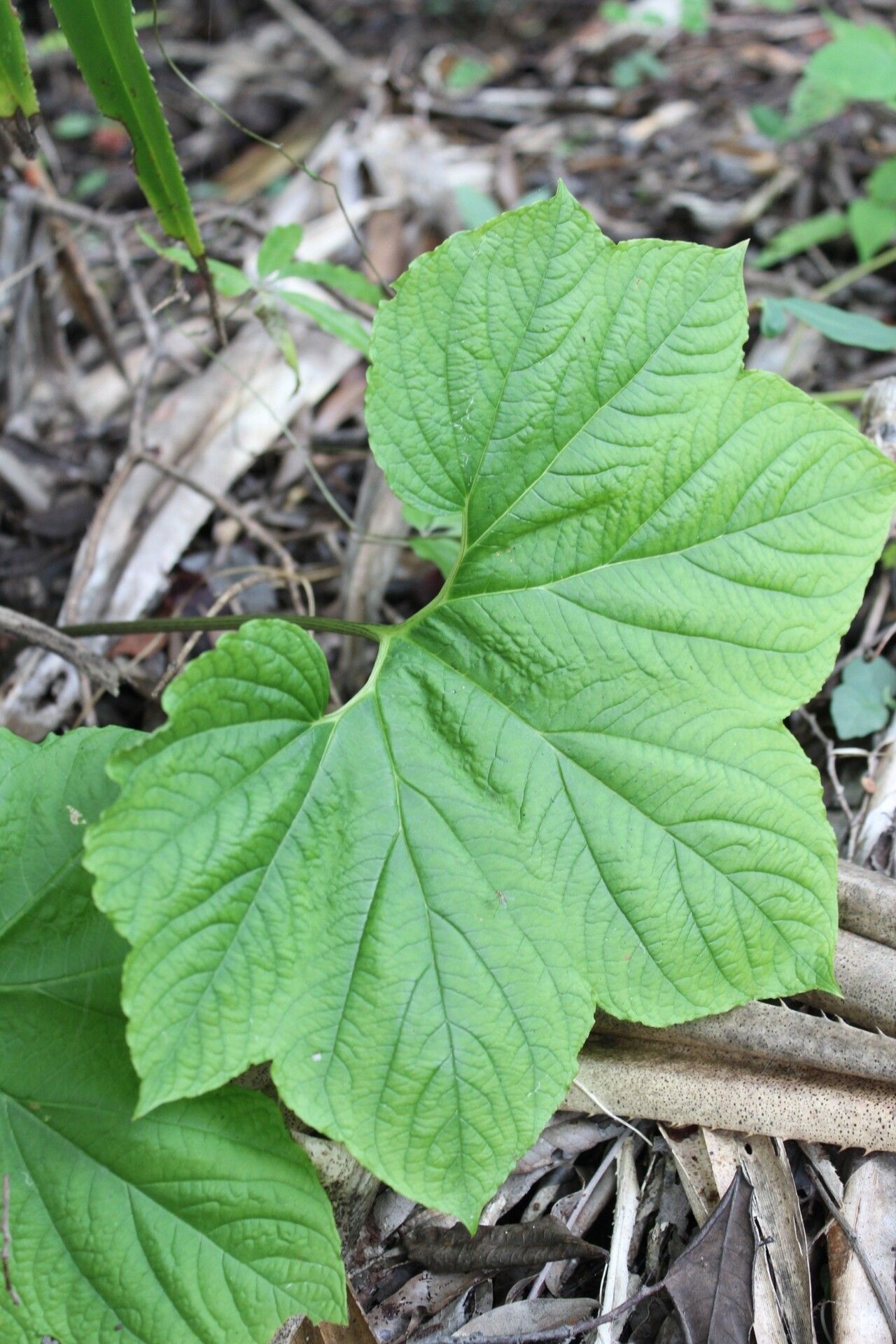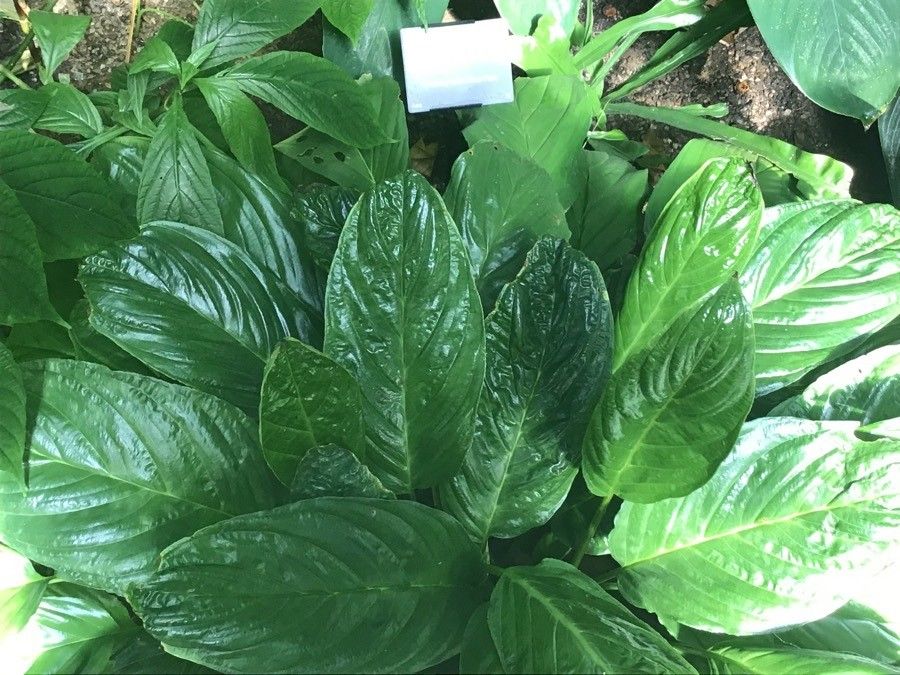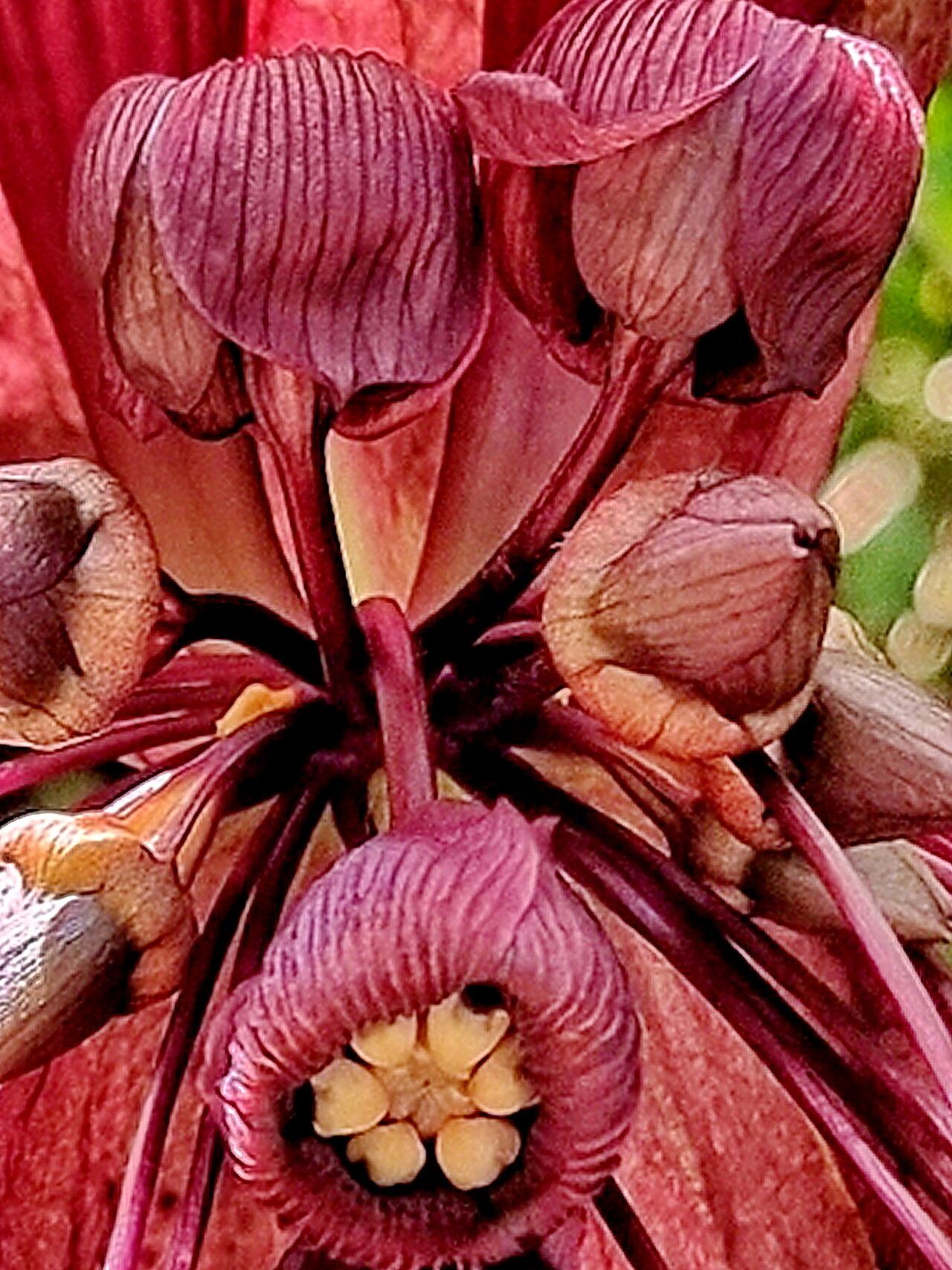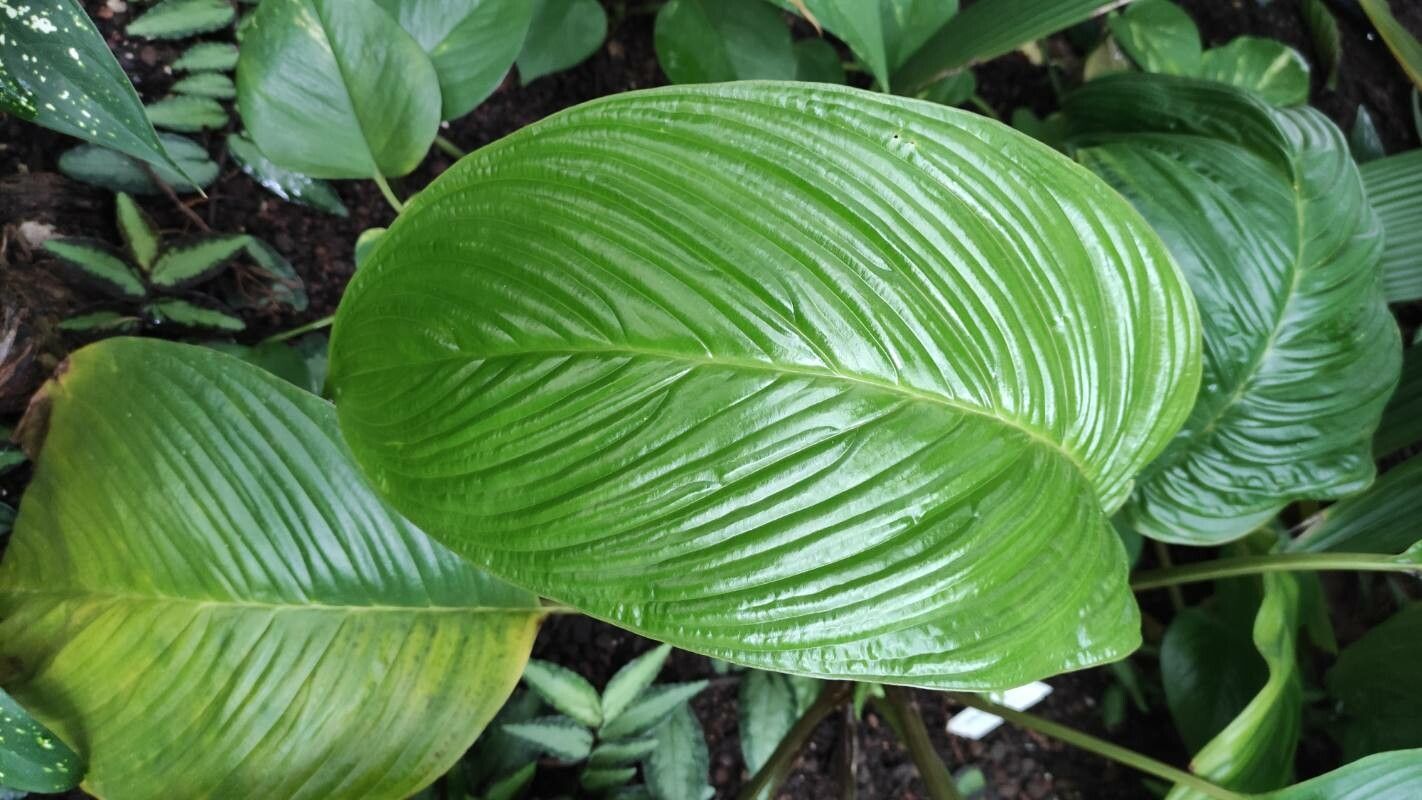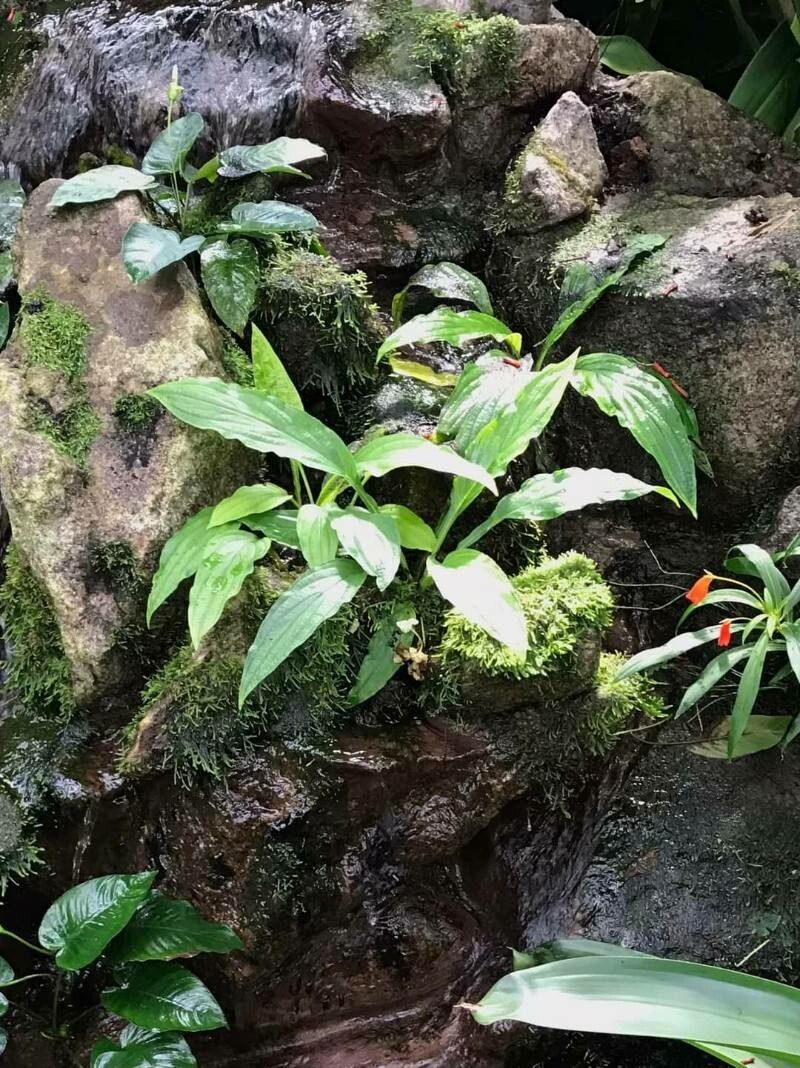
The green bat flower is fairly disease-resistant and usually does not suffer from many illnesses. However, it can be affected by pests and diseases present in its environment. Such infections are typically mild. In terms of care, the plant needs a moderate level of maintenance. Regular pruning is required to keep a good appearance and encourage healthy growth. Fertilizing can also help promote flowering. The green bat flower is suitable for anyone with outdoor space, like a garden or patio, and does not demand extensive care experience. It may need more attention when grown indoors.
How to keep Tacca Plantaginea.
Light
The green bat flower thrives under moderate light conditions, although excessive illumination may harm its development and vitality. Originating from dim and shadowy habitats, it's acclimated to prosper in areas with sparse light. Throughout its growing process, it's important to regulate light for ideal growth and to prevent harm from too much light.
Water
The green bat flower comes from tropical rainforests, where it thrives in high humidity and moist soil. It benefits from weekly watering to prevent waterlogging, maintaining a balance between drought tolerance and moisture needs. As an evergreen plant, the green bat flower requires consistent moisture to sustain its foliage and flowers, even when grown indoors.
Temperature
The green bat flower thrives in regions with mild temperatures, specifically within the range of 20 to 38 ℃ (68 to 100 °F). It favors a temperate climate and can adapt to colder temperatures provided the adjustment is done progressively. Ensure not to expose it to temperatures under 20°C.
Fertilizer
Correct fertilization is vital for the health and aesthetic of the Green bat flower. The Green bat flower should be fertilized in the summer, with monthly applications continuing throughout the season. These nutrients assist in growth and preserve the parts of the plant. By fertilizing, the flower display of the Green bat flower is improved, guaranteeing the most exceptional blooms.
Pruning
The green bat flower is known for its unique, bat-shaped blossoms and requires minimal pruning. For best results, prune the plant lightly in early spring, just before new growth begins. During pruning, remove any dead leaves and gently shape the plant, taking care not to prune too heavily to avoid stressing it. Regular, light pruning helps improve air circulation, reduces the risk of disease, and encourages more vigorous flowering.
Botanical profile.
- Plant Type
- Herb
- Life Cycle
- Perennial
- Genus
- Tacca
- Family
- Dioscoreaceae
- Hardiness Zone
- 10-12
- Mature Height
- 0.61 m to 1.22 m
- Mature Spread
- 30 cm to 49 cm
- Leaf Color
- Dark Green
- Leaf Type
- Evergreen
- Flower Color
- Purple, Brown, Yellow, Green
- Flower Size
- 5.08 cm to 7.62 cm
- Bloom Time
- Summer, Early fall, Mid fall
- Planting Time
- Spring, Autumn
- Harvest Time
- Fall
- Native Area
- Vietnam, Laos, Thailand, China
Reader questions.
What are the sunlight requirements for the Green bat flower?
The Green bat flower flourishes under partial sunlight, necessitating about 3-6 hours of sunlight daily to thrive. It's essential to monitor the sunlight's path through your garden, selecting areas that offer a harmonious balance of light and shade. This balance ensures the plants receive the optimal environment for growth, safeguarding their well-being. Remember, too much direct sunlight can harm the Green bat flower, which naturally prefers dimly lit conditions indicative of its shadowy, native habitats.
What is the native environment of the Green bat flower?
The Green bat flower, botanically known as Tacca plantaginea, thrives in environments with moderate temperatures, ideally between 68 to 100 °F (20 to 38 °C). It is native to temperate climates and prefers conditions that avoid temperatures below 20°C. This heat-loving plant requires careful acclimation to cooler temperatures if needed, but it's crucial to protect it from cold by maintaining temperatures above 20°C, especially during winter, to encourage growth. Any exposure to temperatures near 5°C can be detrimental.
What essentials should be considered for the growth of Green bat flowers?
To ensure optimal growth, Green bat flowers require controlled exposure to light. They originate from environments that are not heavily sunny, making them suitable for areas with moderate light. When natural sunlight isn't enough, especially during winter or in less sunlit areas, artificial lighting becomes crucial. LEDs are recommended for their ability to provide specific light wavelengths needed by the plants. Depending on the plant's sunlight requirement (full sun, partial sun, or full shade), the wattage per square foot and the light placement (12-36 inches above the plant) vary, as well as the duration the plant should be exposed to this light (8-12 hours per day).
How should the Green bat flower be cared for in the autumn and winter?
As autumn approaches and temperatures begin to drop, it's recommended to bring outdoor-grown Green bat flowers indoors to protect them from the cold. Placing them near a bright window helps ensure they receive ample sunlight, but they should be situated at a distance from heaters to avoid damage from excessive heat or dryness. Maintaining indoor temperatures above 20°C during winter is crucial for the health of the plant, avoiding any exposure to harmful cold temperatures.
What are some common symptoms of inadequate light exposure in Green bat flowers?
Symptoms of insufficient light in Green bat flowers include smaller new leaves, leggy or sparse growth, accelerated leaf drop, slower or halted growth, lighter-colored new leaves, and chlorosis, where leaves lose their green hue. Excessive light can lead to sunscald, leaf curling, wilting, and leaf scorching. These symptoms showcase the delicate balance required in managing light exposure for the Green bat flower, emphasizing the need to adapt light conditions to support their growth effectively.
What are the symptoms and solutions for frost damage in Green bat flowers?
Green bat flowers show distinct symptoms when affected by low temperatures. If the temperature drops below 1°C, the leaves may lighten in color, and after frost damage, they might turn brown or black, accompanied by wilting and drooping. The solution involves trimming off frost-damaged parts and moving the plant to a warm, indoor environment. Positioning the plant near a south-facing window ensures it receives enough sunlight, but it should also be kept away from heaters or air conditioning vents to avoid drying out.
How can I address light-related issues for indoor and outdoor Green bat flowers?
For indoor plants, gradually shift them to sunnier spots each week to achieve 3-6 hours of direct sunlight daily, allowing them to adapt to changing light conditions. If the plant is large or not easily moved, consider artificial lighting like desk, ceiling, or professional grow lights for at least 8 hours daily. For outdoor plants, also move them gradually to sunnier locations each week to prevent sunburn. Removing obstructions like tree branches can help increase sun exposure. If necessary, you can transplant smaller plants during their dormant period to a location with better light and drainage. It's important to note that parts of the plant damaged by insufficient sunlight may not recover, but new growth should be healthy with improved light conditions.
How can high temperatures affect Green bat flowers, and what are the solutions?
Green bat flowers can tolerate temperatures up to 38°C during the summer. However, exposure to temperatures above 43°C can lighten the color of the leaves and make the plant more susceptible to sunburn. To address high temperature stress, trim away the sunburned and dried parts of the plant. Then, move it to a shaded area, particularly to avoid the midday and afternoon sun. Watering in the morning and evening helps to keep the soil moist, aiding in the plant's recovery from heat exposure.