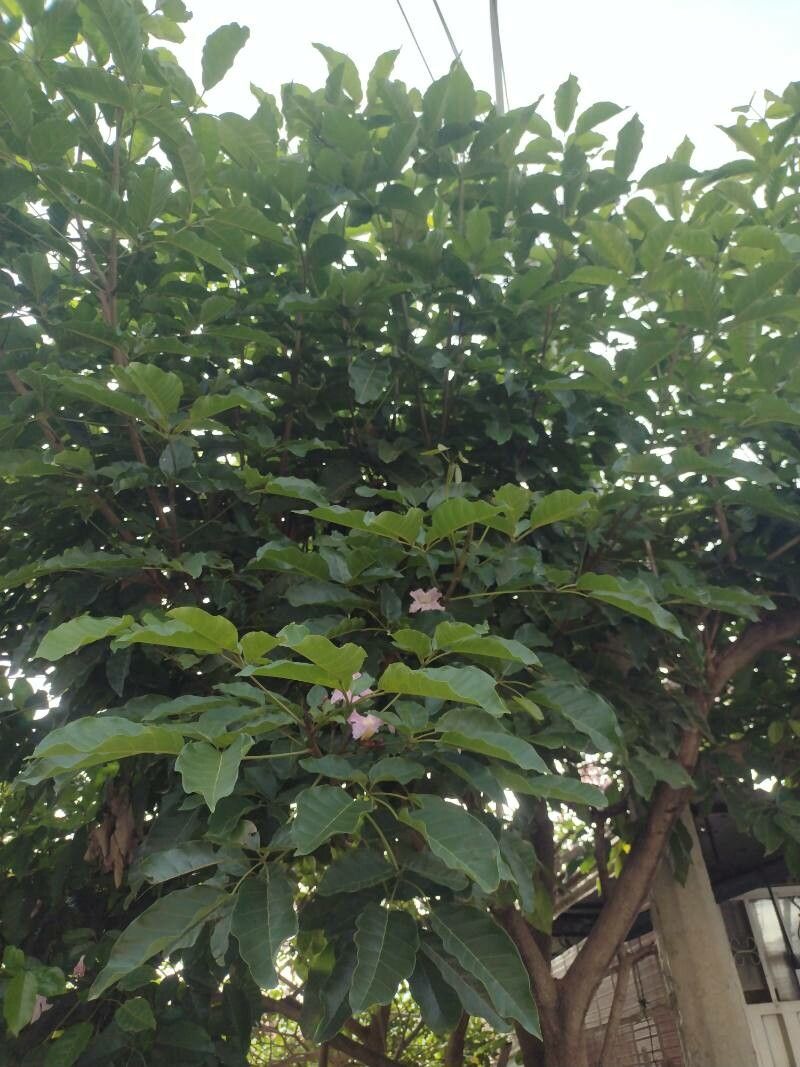
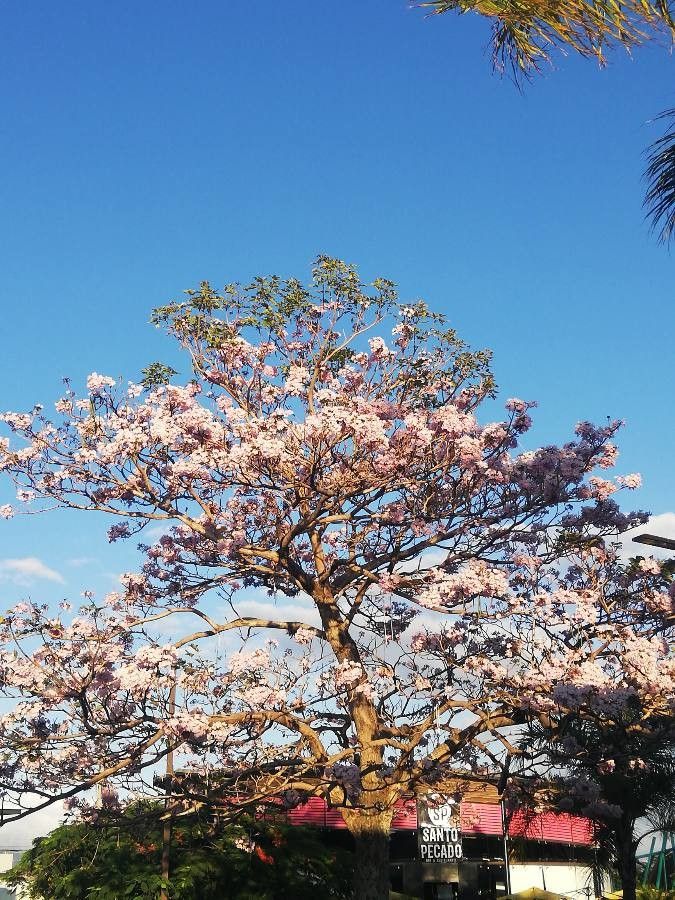
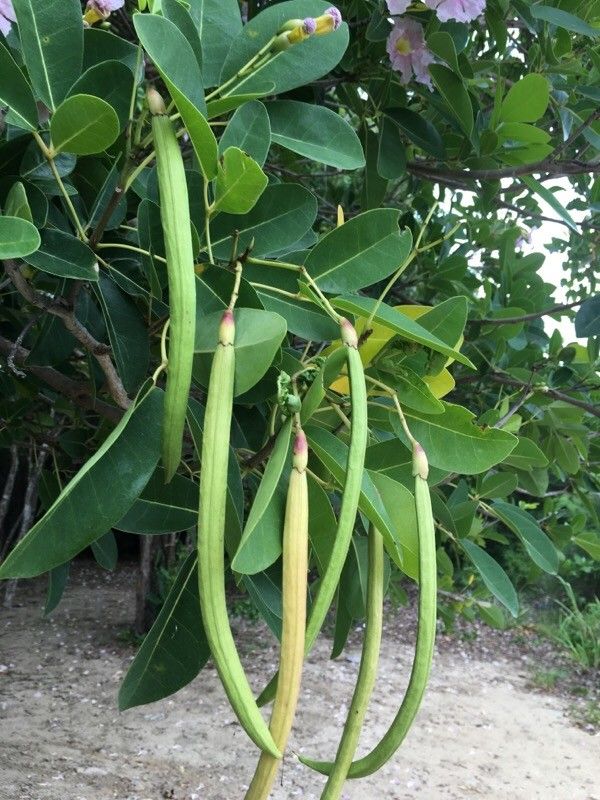
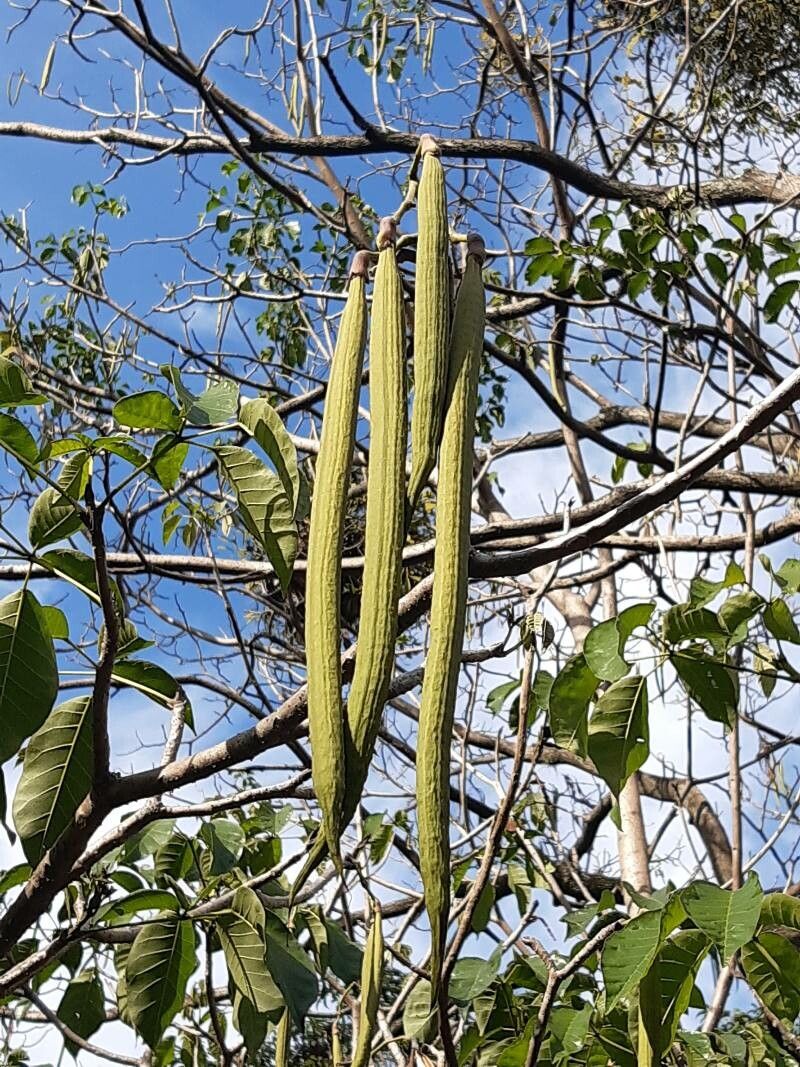
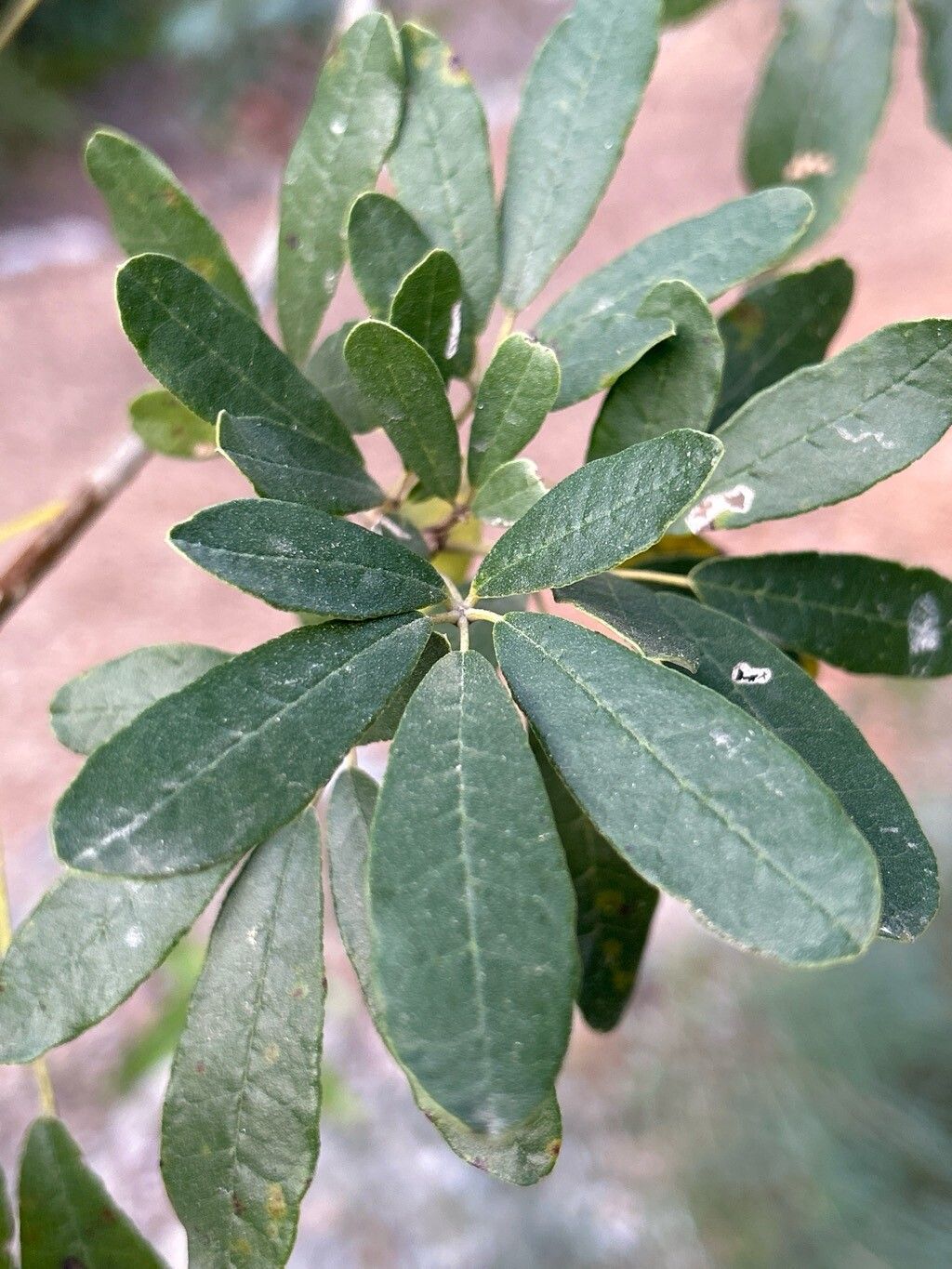
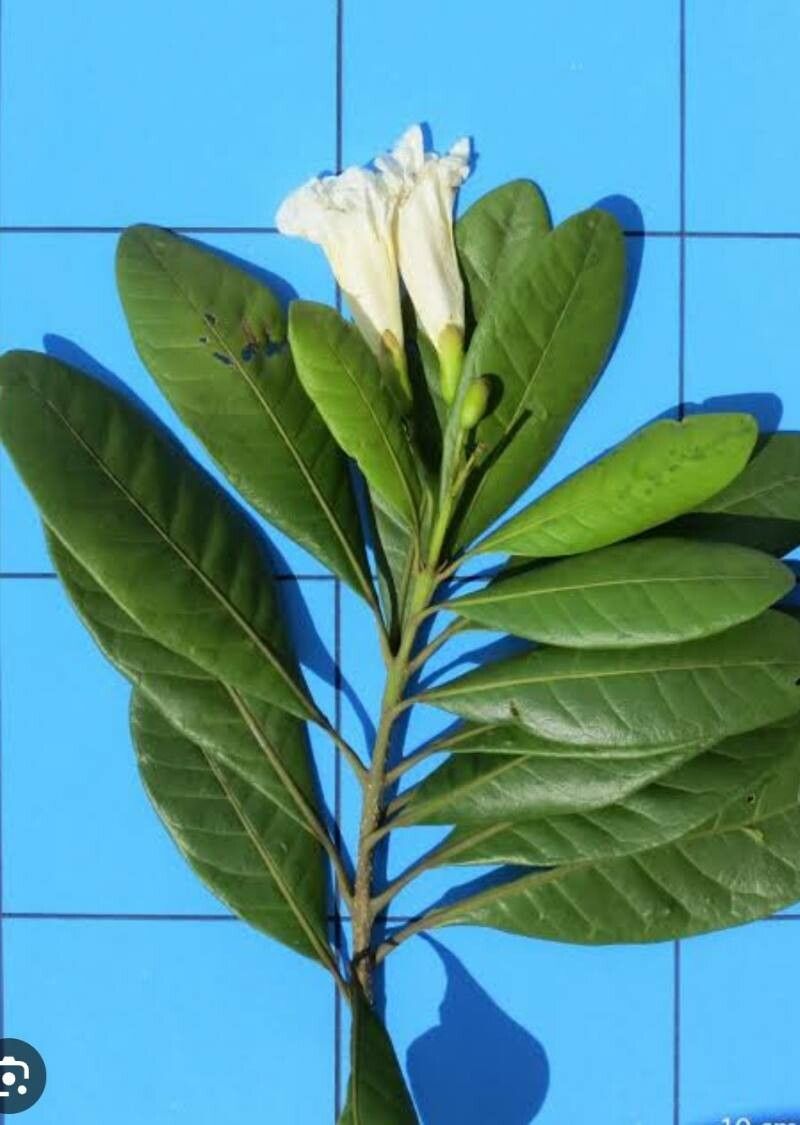
Tabebuia rosea, commonly known as the Pink Trumpet Tree or Rosy Trumpet Tree, is a flowering tree species native to Central and South America. This deciduous tree can grow up to 30 meters tall and features a wide-spreading canopy. It gets its name from its trumpet-shaped flowers, which bloom in shades ranging from pale pink to deep magenta. These flowers appear in clusters during the dry season when the tree has shed its leaves.
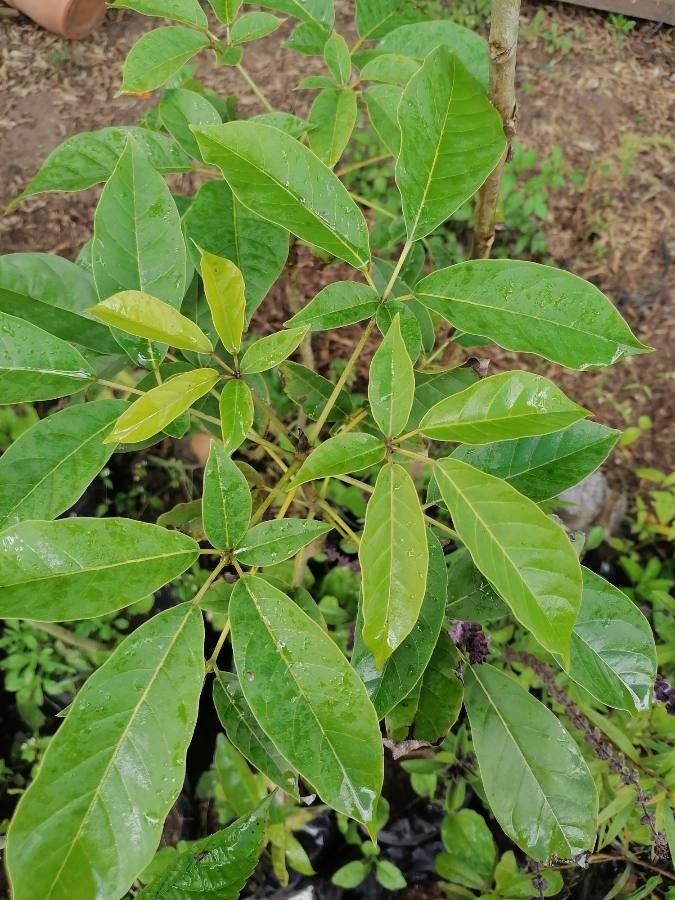
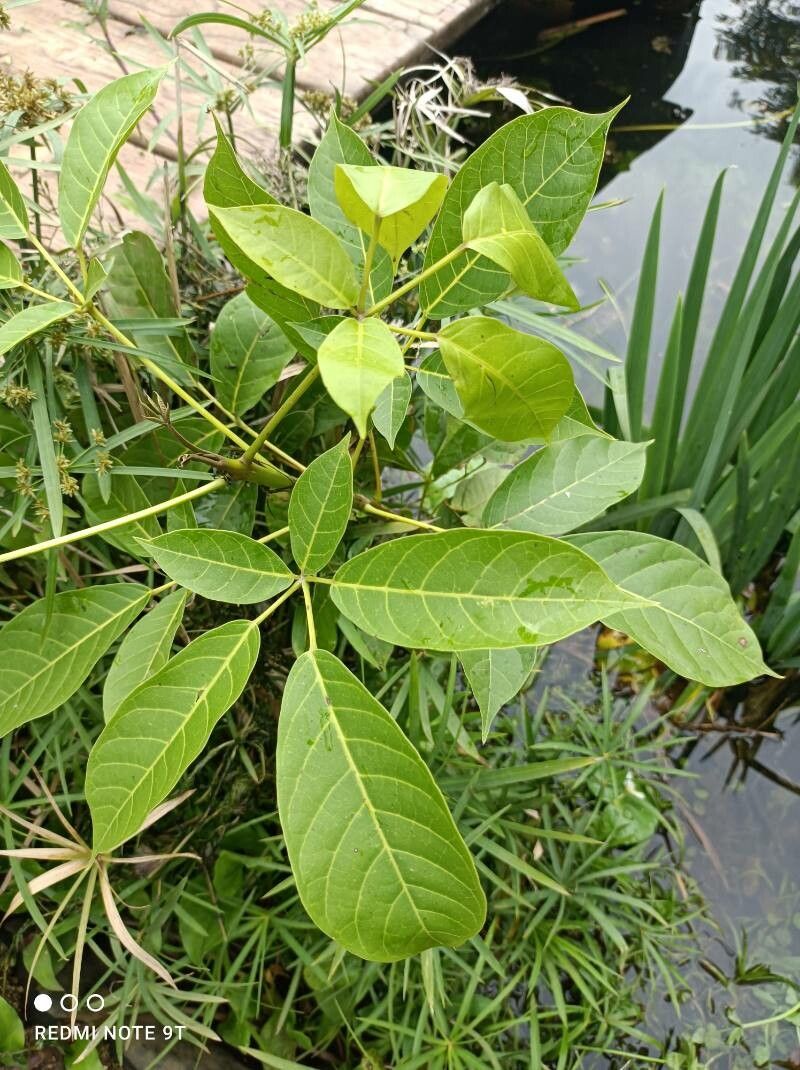
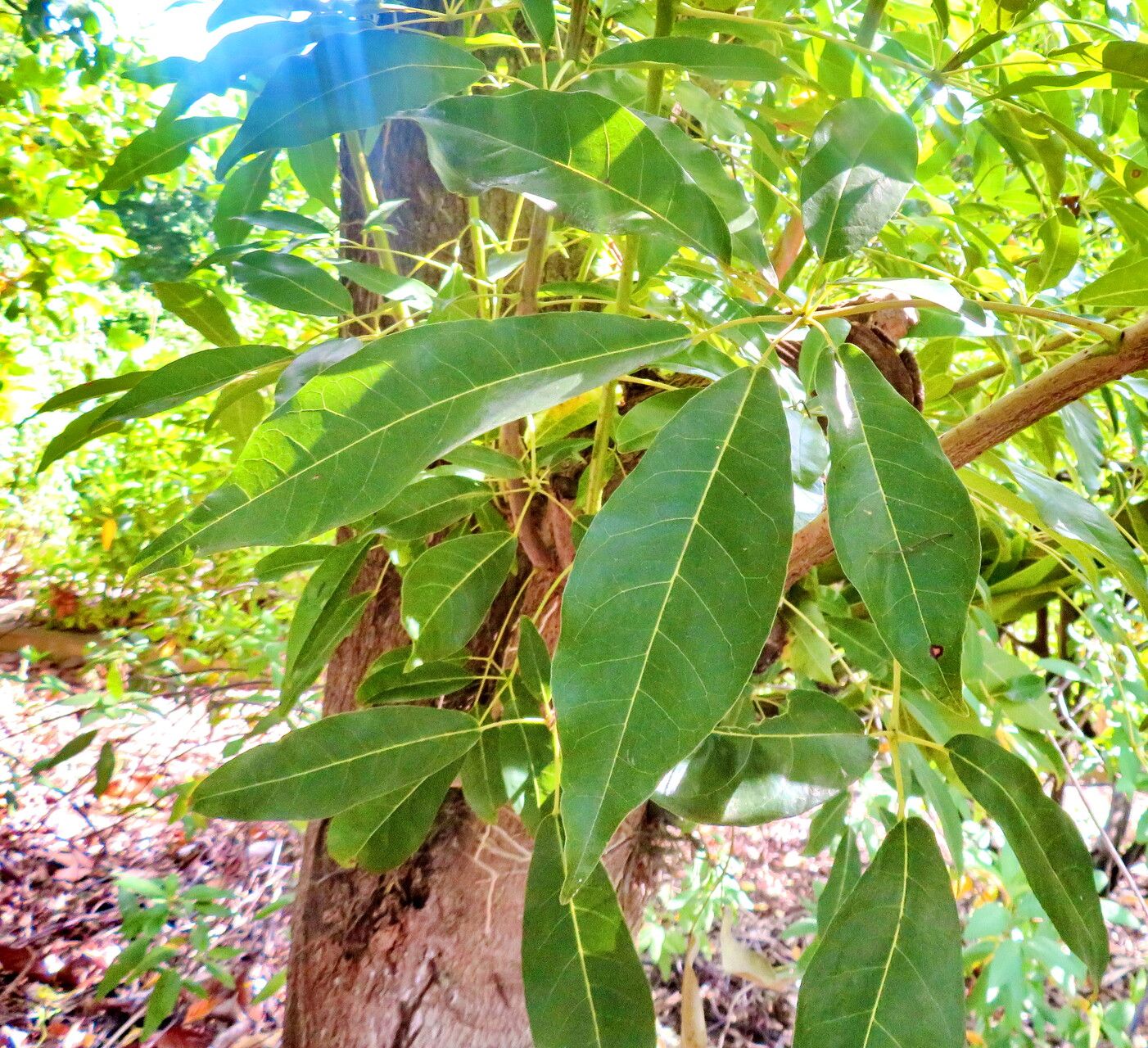
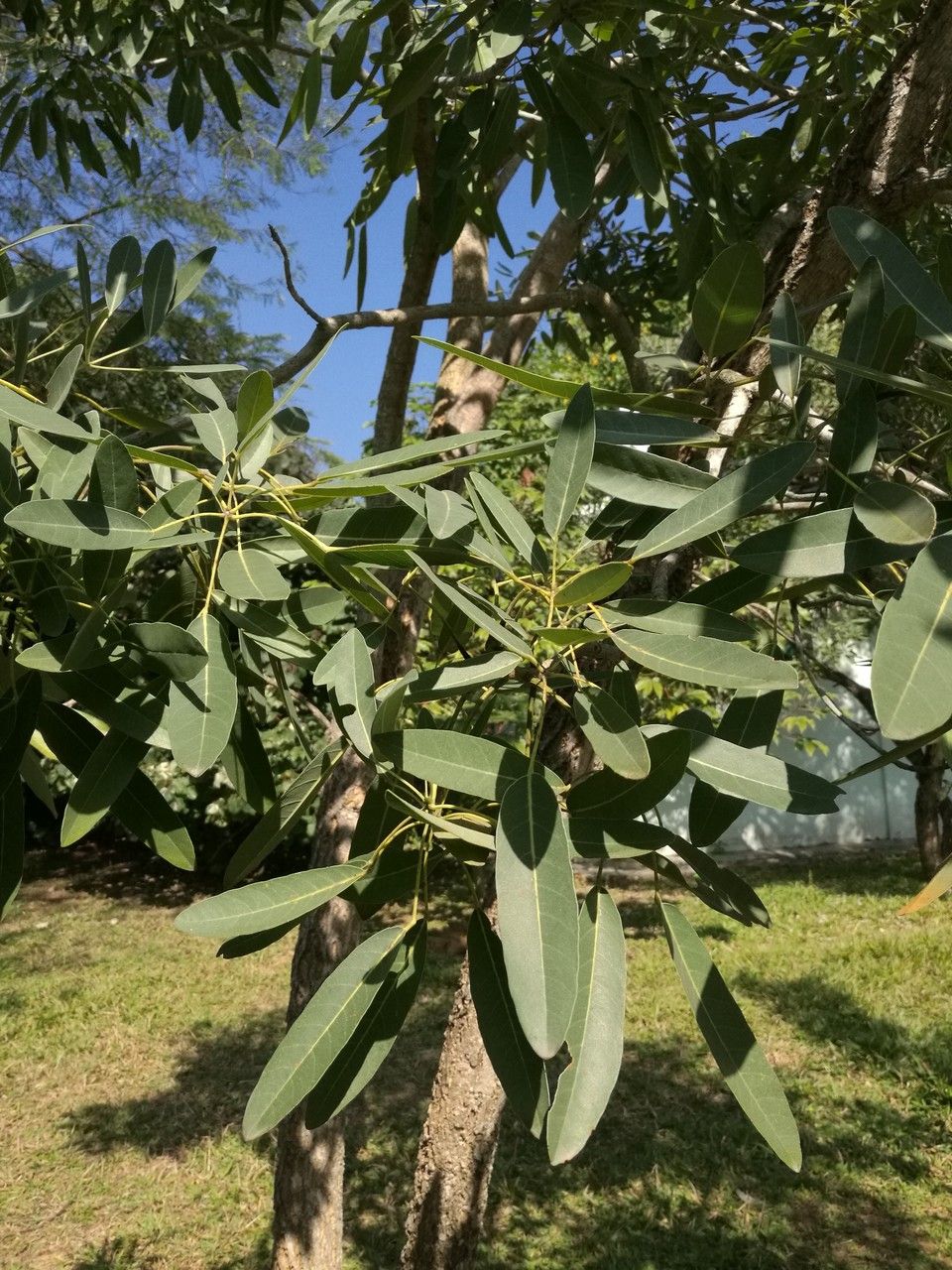
The leaves of Tabebuia rosea are compound and palmate, consisting of five leaflets arranged like the fingers of a hand. They are bright green and can grow up to 20 centimeters long.
The Pink Trumpet Tree is widely cultivated as an ornamental plant because of its beautiful flowers, which attract bees, butterflies, and hummingbirds. It prefers full sun exposure but can also tolerate partial shade.
In traditional Central American medicine, extracts from the bark of Tabebuia rosea have been used for their anti-inflammatory properties, treating ailments such as arthritis pain and respiratory infections.
Overall, Tabebuia rosea is an attractive ornamental plant known for its beautiful trumpet-shaped pink flowers that bloom during the dry season. Additionally, it possesses medicinal properties recognized by traditional medicine practitioners for treating various ailments, including arthritis pain relief and respiratory infections.
The pink trumpet tree is disease-resistant and typically not prone to illnesses. Care-wise, this plant is fairly low-maintenance. When grown outdoors it needs only minimal watering, and larger specimens usually do not require pruning. Smaller plants, however, should be pruned after they finish blooming. The pink trumpet tree is appropriate for anyone with outdoor space, such as a garden or deck, and does not demand much gardening experience.
How to keep Tabebuia Rosea.
Light
The pink trumpet tree needs ample light and does best in places where sunlight is abundant all day. It can tolerate sites with somewhat less light. Its origin in sun-drenched habitats explains this particular light preference. Too much or too little light can adversely affect its growth.
Water
Native to the tropical regions of Central and South America, the pink trumpet tree flourishes in environments with high humidity and regular rainfall. After it is well-established, it only needs watering every one to two weeks, with the soil allowed to dry out slightly between waterings. For the best growth outdoors, the pink trumpet tree requires plenty of sunlight and benefits from seasonal rains.
Temperature
The pink trumpet tree originates from tropical areas and favors temperatures between 68 and 105 ℉ (20 to 41 ℃). In colder months, it may benefit from being moved indoors or covered to protect it from frost. In hotter climates, providing partial shade can help prevent leaf scorching.
Fertilizer
The best time to fertilize a Pink trumpet tree is in early spring, as it breaks dormancy. This encourages overall growth and flower production. Fertilizing improves the foliage, stems, and branches and promotes flowers that are large, vivid, and long-lasting. It helps transport nutrients from the roots to the blooms and enhances the plant’s health and resistance to disease.
Pruning
The pink trumpet tree showcases large, trumpet-shaped pink flowers. To maintain its health and appearance, prune the tree from early to late winter. During pruning, remove any dead branches and thin out crowded areas to improve air circulation. This practice encourages vigorous growth in the spring, reduces the risk of fungal infections, and enhances flowering, resulting in a stronger and more resilient plant.
Pot & Repot
When repotting a Pink trumpet tree, pick a container 1–2 inches (2.5–5.1 cm) larger with ample drainage. Fill it with a well-draining potting mix. Repot during spring or fall, making sure the root ball sits slightly below the rim of the pot. Water thoroughly after repotting and place the pot in a warm spot with indirect sunlight.
Botanical profile.
- Plant Type
- Tree
- Life Cycle
- Perennial
- Genus
- Tabebuia
- Family
- Bignoniaceae
- Hardiness Zone
- 10-13
- Mature Height
- 29.87 m
- Mature Spread
- 9.14 m to 14.94 m
- Leaf Color
- Green
- Leaf Type
- Evergreen
- Flower Color
- Pink
- Flower Size
- 5.08 cm to 10.16 cm
- Bloom Time
- Mid spring, Late spring, Early summer
- Planting Time
- Spring, Autumn
- Harvest Time
- Mid summer
- Native Area
- Colombia, Belize, Honduras, Mexico, Guatemala, Venezuela, Brazil, El Salvador, Nicaragua, Ecuador, Costa Rica, Panama
Other names.
Reader questions.
How should I water my Pink trumpet tree?
Your Pink trumpet tree is not picky about how you water it. You can use any common watering tool, such as watering cans, hoses, or cups. When watering, it's best to apply the water directly to the soil and make sure all areas are moistened equally. Using filtered water is helpful as tap water may contain harmful particles. Water at or slightly above room temperature is ideal, as very cold or hot water can shock the tree. However, the Pink trumpet tree generally responds well to any type of water.
Why should I put fertilizer on my Pink trumpet tree?
Fertilization plays a crucial role in the overall health and well-being of a Pink trumpet tree. It provides the necessary energy and nutrients for the tree to develop healthy foliage, strong stems, and branches. However, the flowers of a Pink trumpet tree are particularly prized by gardeners. Fortunately, fertilization also helps in producing large, vibrant, and long-lasting flowers. This is because the right fertilizer aids in efficient transfer of fuel from the roots to the stems and then to the flowers. Proper fertilization also maintains the tree's overall health, making it more resistant to diseases.
What are the sun requirements for the Pink Trumpet Tree (Tabebuia rosea)?
The Pink Trumpet Tree thrives in conditions where it can bask in generous sunlight for the better part of the day. Ideally, it requires full sun exposure, which is defined as receiving more than 6 hours of direct sunlight per day. However, it can also grow well in partial sun, which means the plant gets around 3-6 hours of sunlight daily. It's important to monitor the movement of sunlight in your garden to ensure your Pink Trumpet Tree is planted in a spot that meets its light requirements, maintaining a balance that will keep your plant healthy and happy.
What is the native climate for the Pink trumpet tree?
The Pink trumpet tree, botanically known as Tabebuia rosea, thrives in tropical environments. It prefers a temperature range between 68 to 105°F (20 to 41°C). This tree loves heat and requires specific care during colder and hotter times of the year to protect it from frost and prevent leaf scorching, respectively.
What should I do if I give my Pink trumpet tree too much water or too little water?
Outdoor plants, especially newly planted ones or plant seedlings, are prone to lack of watering. It is important to ensure adequate watering for a few months when the tree is small or recently planted. Once the roots are established, Pink trumpet trees can usually rely on rainwater. When your Pink trumpet tree is planted in pots, overwatering is a common issue. If you accidentally overwater, take immediate action to address the situation. Stop watering the plant right away to minimize the impact of overwatering. Then, remove the Pink trumpet tree from its pot to inspect the roots. If you find no signs of root rot, you can safely return the plant to its container. However, if you discover root rot, trim away the affected roots and apply a fungicide to prevent further damage. Finally, repot the Pink trumpet tree in well-draining soil. On the other hand, underwatering is a simpler problem to solve. If you underwater, the plant's leaves will droop, dry out, and may even fall off. However, once you water the plant adequately, the leaves will quickly regain their fullness. Therefore, it is important to adjust your watering frequency if underwatering occurs.
When should I fertilize my Pink trumpet tree?
To give your Pink trumpet tree the best growth and flower development, it's recommended to fertilize during early spring as it exits the dormant phase and prepares to bloom. This provides the necessary energy. However, it's also beneficial to feed the tree again in the fall, although a smaller amount will suffice. Planting fertilization is optional.
What essentials should be considered for the growth of Pink Trumpet Trees indoors and outdoors?
For optimal growth, Pink Trumpet Trees need plenty of light, whether grown indoors or outdoors. Originating from sun-drenched habitats, they perform best when exposed to abundant light. Inadequate light affects their growth negatively. If natural sunlight is scarce, especially during winter or in less sunny indoor spaces, artificial lighting can be a great alternative. LED lights are recommended as they can be adjusted to provide specific light wavelengths needed by the plant. Full sun plants require 30-50W/sq ft of light, partial sun plants 20-30W/sq ft, and full shade plants 10-20W/sq ft. The light source should be placed 12-36 inches above the plant to mimic natural conditions, and the lighting duration should match the plant’s natural daylight hours need, which is usually 8-12 hours per day.
How should you care for a Pink trumpet tree during cold temperatures?
During colder months, it's crucial to protect the Pink trumpet tree from low temperatures, as it is not tolerant of the cold and thrives best above 68°F (20°C). To avoid any cold damage, the tree should be kept indoors during autumn and placed near a bright window, away from heaters to maintain an ideal temperature above 20°C. This precaution helps ensure the plant's continued growth throughout winter, avoiding temperatures nearing 5°C which can be detrimental.
How much water does my Pink trumpet tree require?
When watering your Pink trumpet tree, remember that it doesn't always require a lot of water. If only a few inches of soil have dried since the last watering, give it about five to ten ounces of water. You can also gauge the water volume based on soil moisture. Take note of how many inches of soil have dried between waterings. To ensure your Pink trumpet tree gets enough moisture, water enough to moisten all the dry soil layers. If more than half of the soil is dry, give it more water until you see excess water draining from the pot's drainage holes. If your tree is in a rainy area, it may not need additional watering. When it's young, make sure it gets 1-2 inches of rain per week. As it grows, it can rely on rainwater, but during hot weather with no rainfall for 2-3 weeks, consider giving it a full watering to prevent stress.
When is the best time to not put fertilizer on my Pink trumpet tree?
Pink trumpet trees, like many other plants, do not require fertilizer during the winter because they enter a dormant phase and do not need extra energy for growth. Fertilizing in the winter increases the risk of overfertilization, which has negative effects. The best times to feed a Pink trumpet tree are in early spring and fall. Therefore, fertilizer is not needed for most of the spring and summer. It is advisable to withhold feeding if the plant is exposed to extreme heat or drought.
What are the symptoms of light deficiency in Pink Trumpet Trees?
Pink Trumpet Trees show several symptoms when they do not receive sufficient light. These include the growth of smaller new leaves, leggy or sparse growth due to increased spacing between leaves or stems, early leaf drop to conserve resources, slowed or halted growth as the plant enters survival mode, development of lighter-colored or irregularly patterned new leaves, and chlorosis, where leaves lose their green color. Overexposure symptoms include sunscald, which damages plant tissue, leaf curling as a defense against water loss, wilting from excessive transpiration, and leaf scorching where leaf edges become brown and dry. Adjusting the plant’s exposure to natural or artificial light can address these issues.
What are the symptoms of low temperature exposure in Pink trumpet trees, and how can you manage them?
Exposure to low temperatures can cause the Pink trumpet tree's leaves to lighten in color, and following frost damage, leaves may turn brown or black, accompanied by wilting and drooping. To manage frost damage, you should trim off the frost-damaged parts and immediately move the tree indoors to a warm environment. Placing it near a south-facing window ensures ample sunlight, but it's important to keep it distanced from heaters or air conditioning vents to avoid air dryness.