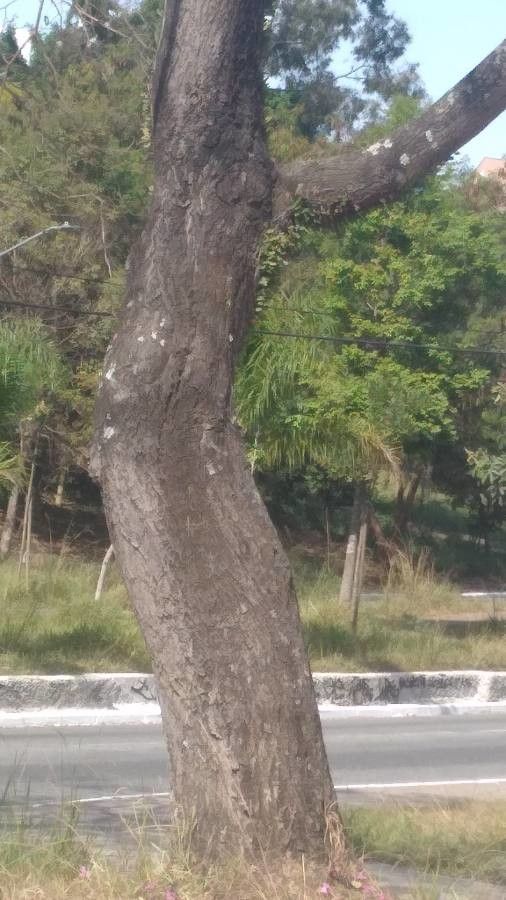
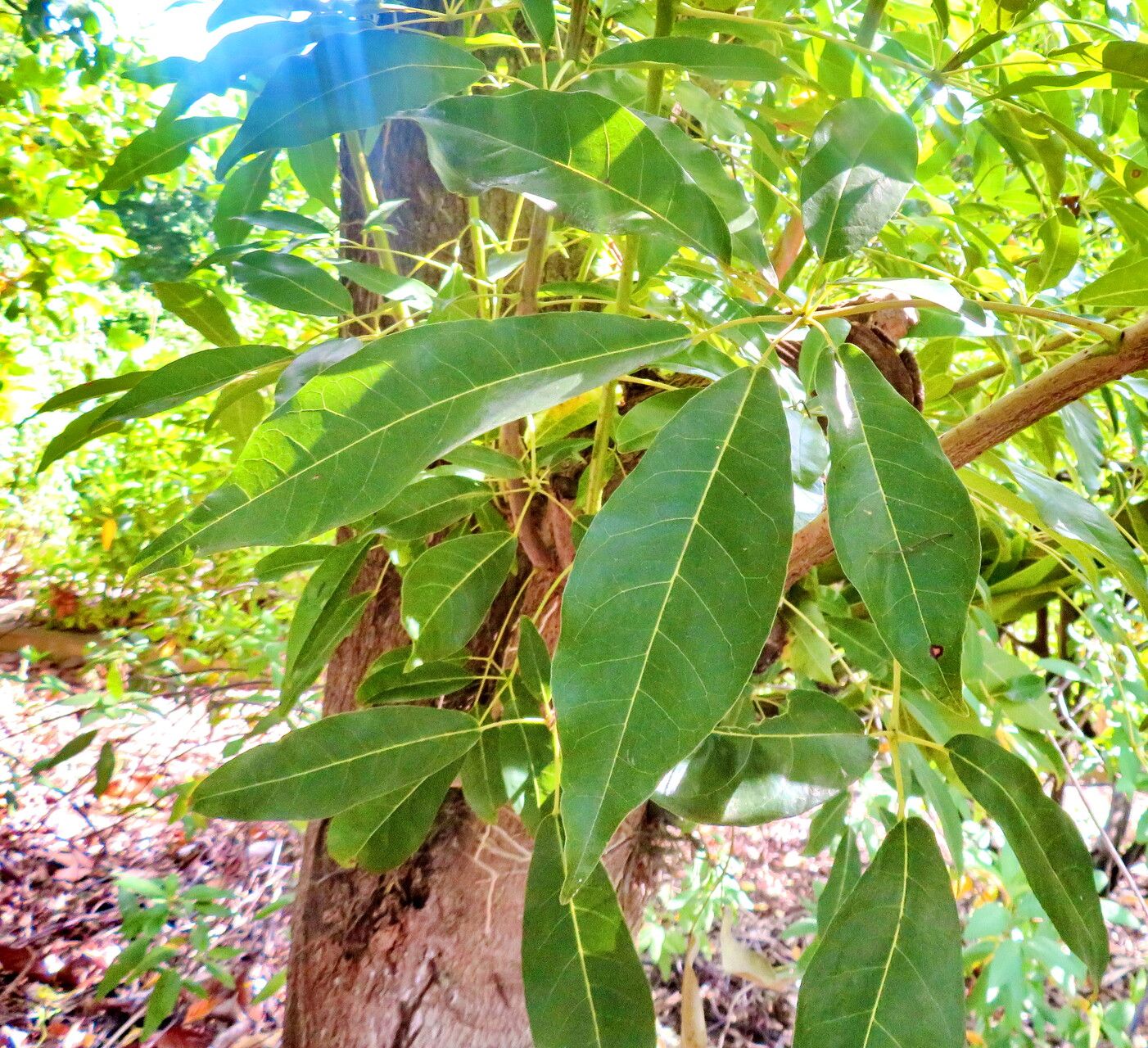
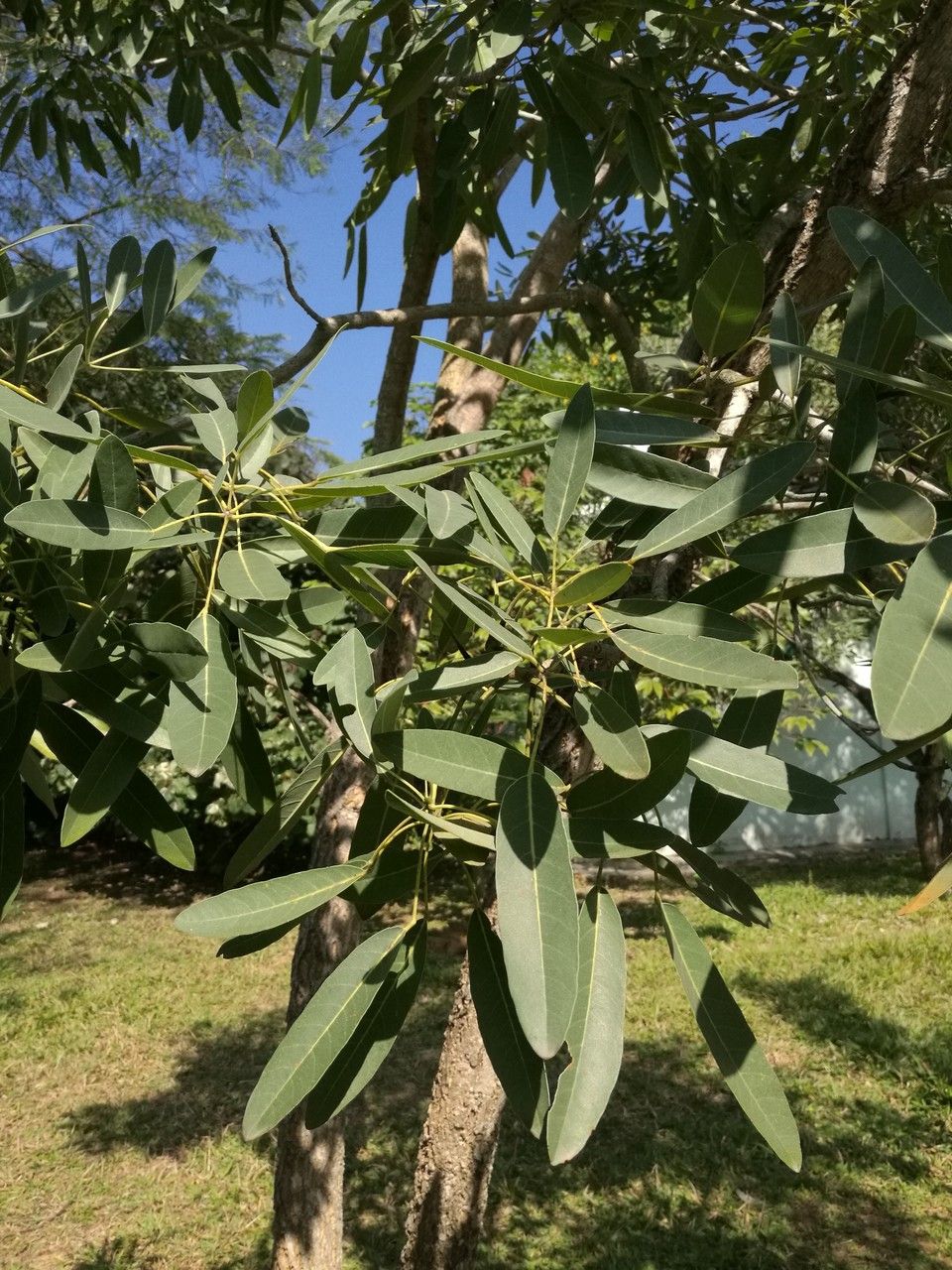
Tabebuia impetiginosa, commonly known as Pau d'Arco or Lapacho, is a tree species native to South America. It belongs to the Bignoniaceae family and can grow up to 30 meters tall. The tree features a straight trunk with a grayish-brown bark that is smooth when young and rough as it matures.
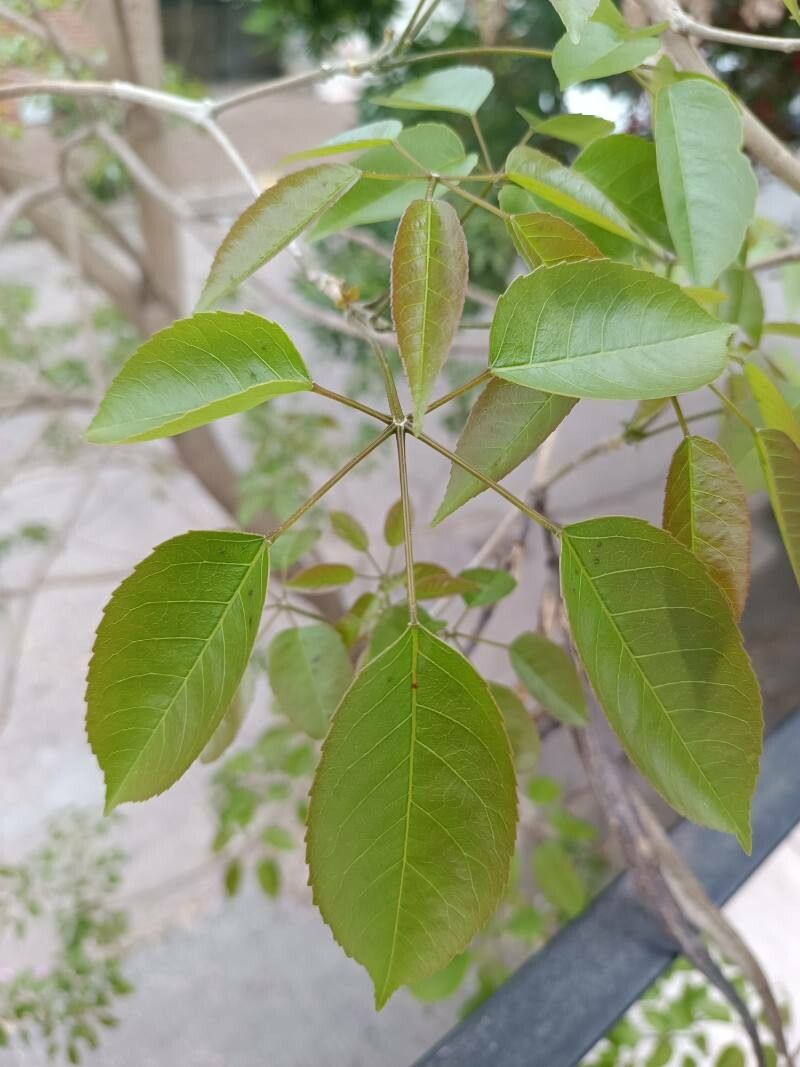
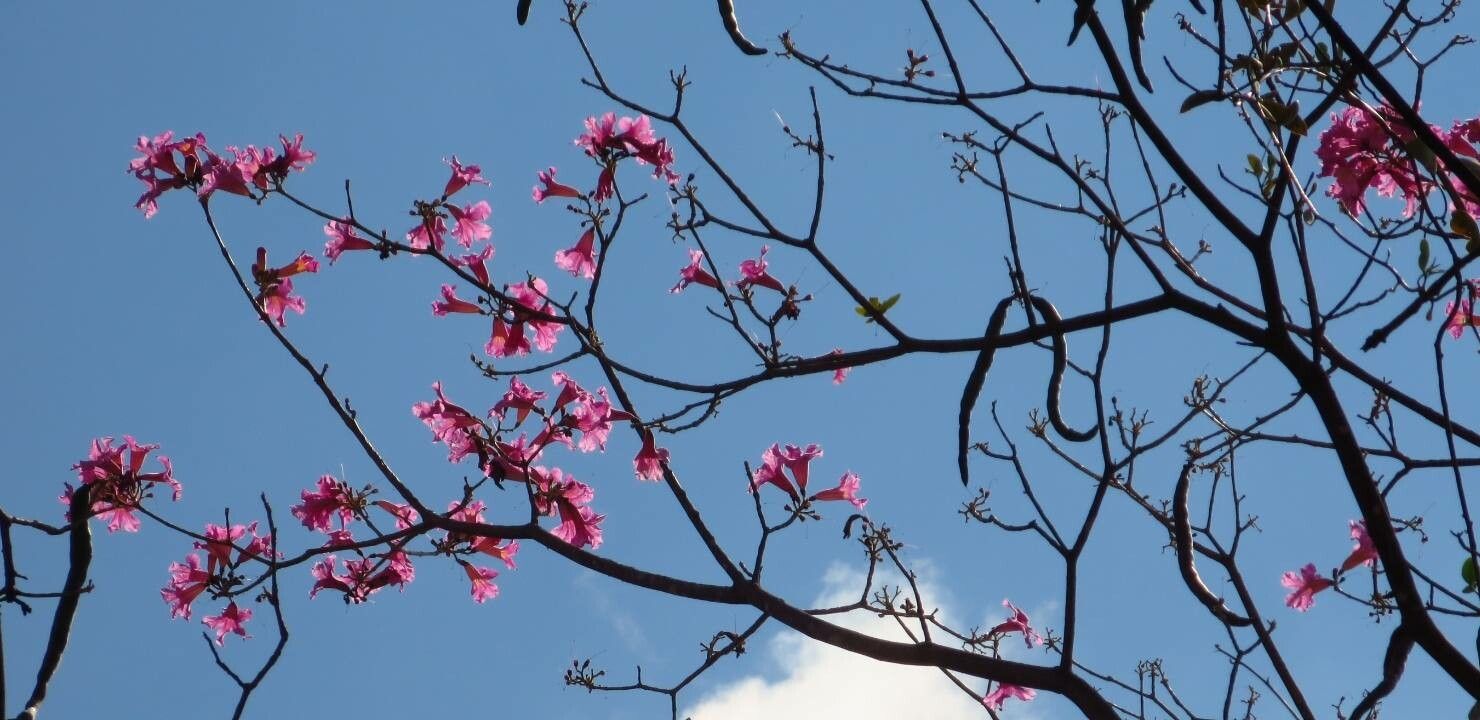
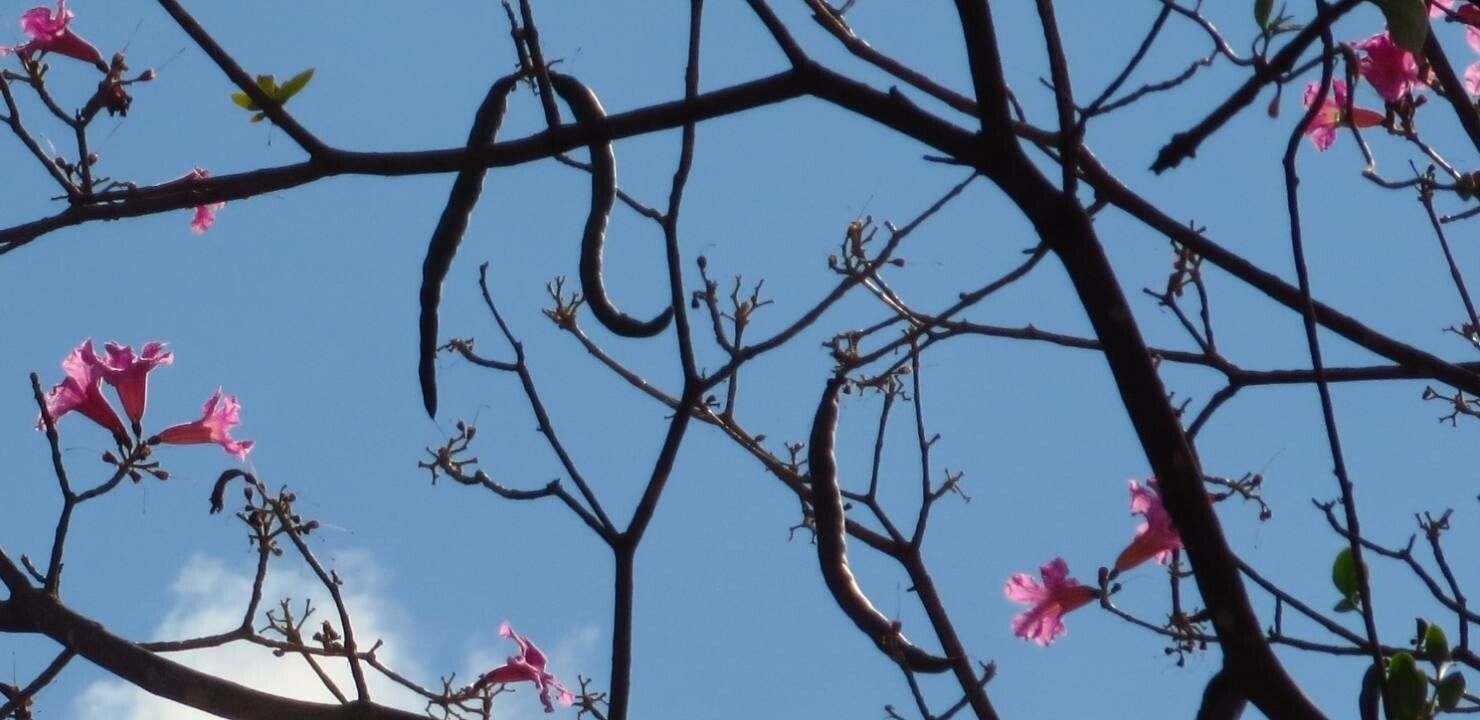
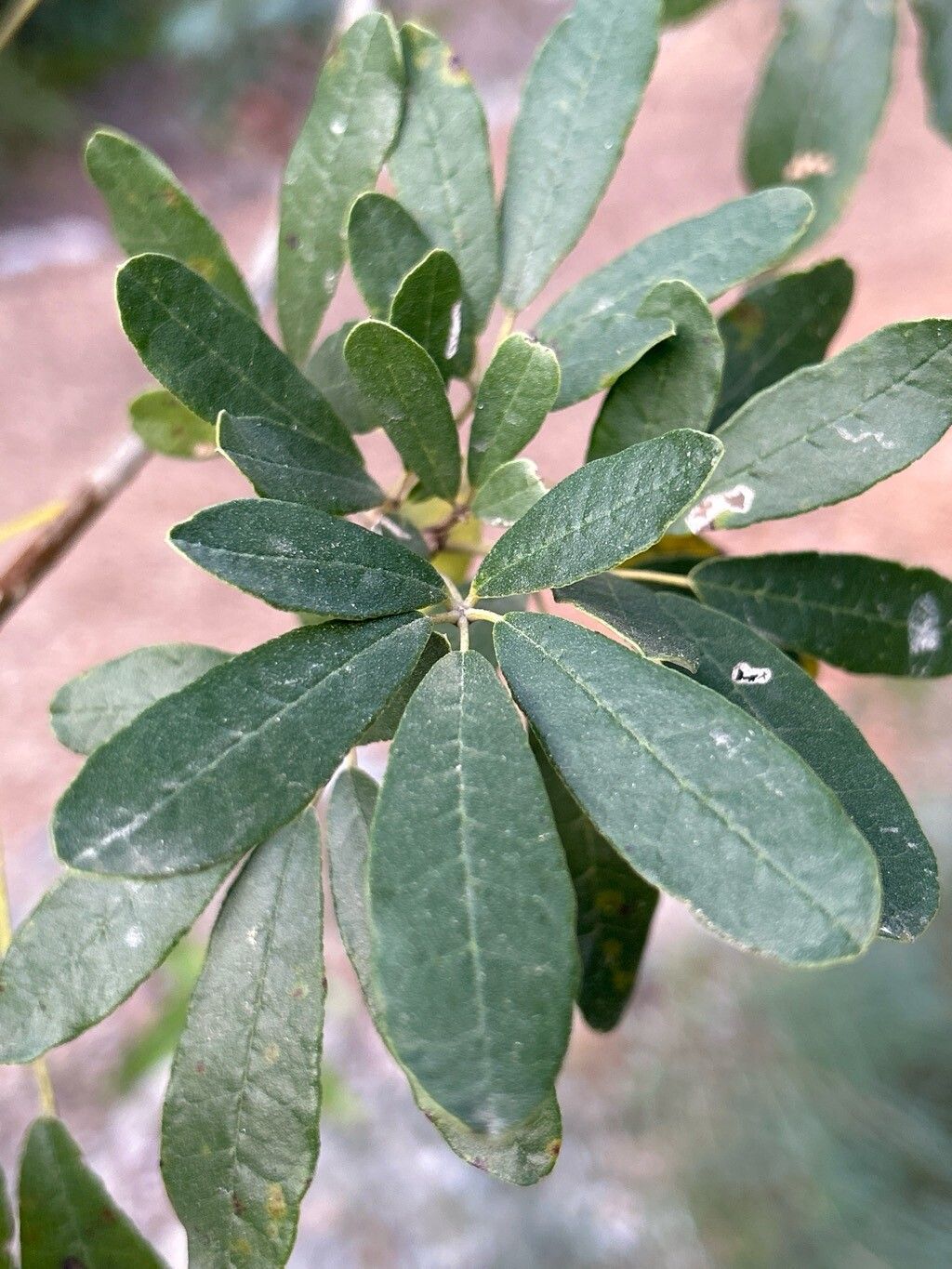
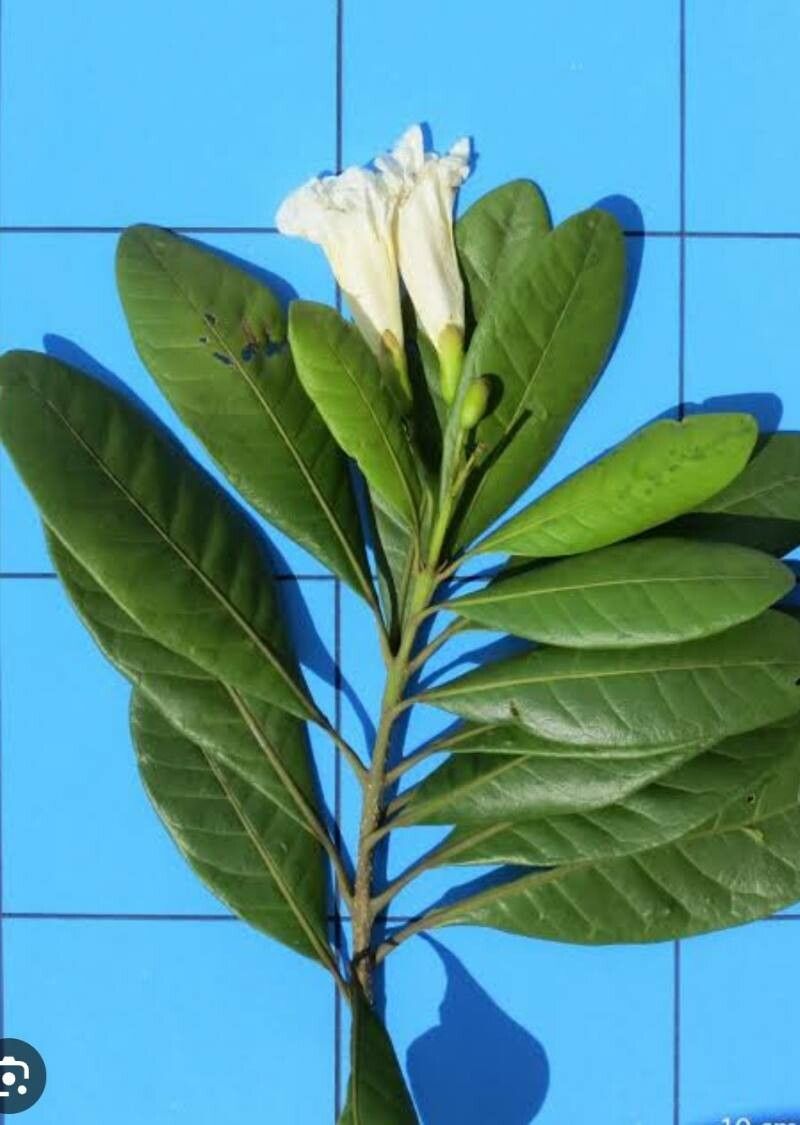
The leaves of Tabebuia impetiginosa are deciduous, meaning they fall off seasonally. They are pinnate, consisting of five lance-shaped leaflets with serrated edges. The tree's flowers bloom in spring or early summer before the leaves appear. These trumpet-shaped flowers have five petals and range in color from pink to purple.
For centuries, indigenous people of South America have used Tabebuia impetiginosa for medicinal purposes, owing to its anti-inflammatory, antifungal, and antibacterial properties, among other benefits. The tree contains compounds such as lapachol, which have been found effective against cancer cells.
The wood of Tabebuia impetiginosa is highly prized for its durability and resistance to insects and rot, making it suitable for construction purposes like flooring and decking.
In summary, Tabebuia impetiginosa is an important plant species due to its medicinal properties and economic value in the construction industry. Additionally, its beautiful flowers make it an attractive ornamental plant, contributing to biodiversity conservation efforts globally.
Botanical profile.
- Genus
- Tabebuia
- Family
- Bignoniaceae
Other names.