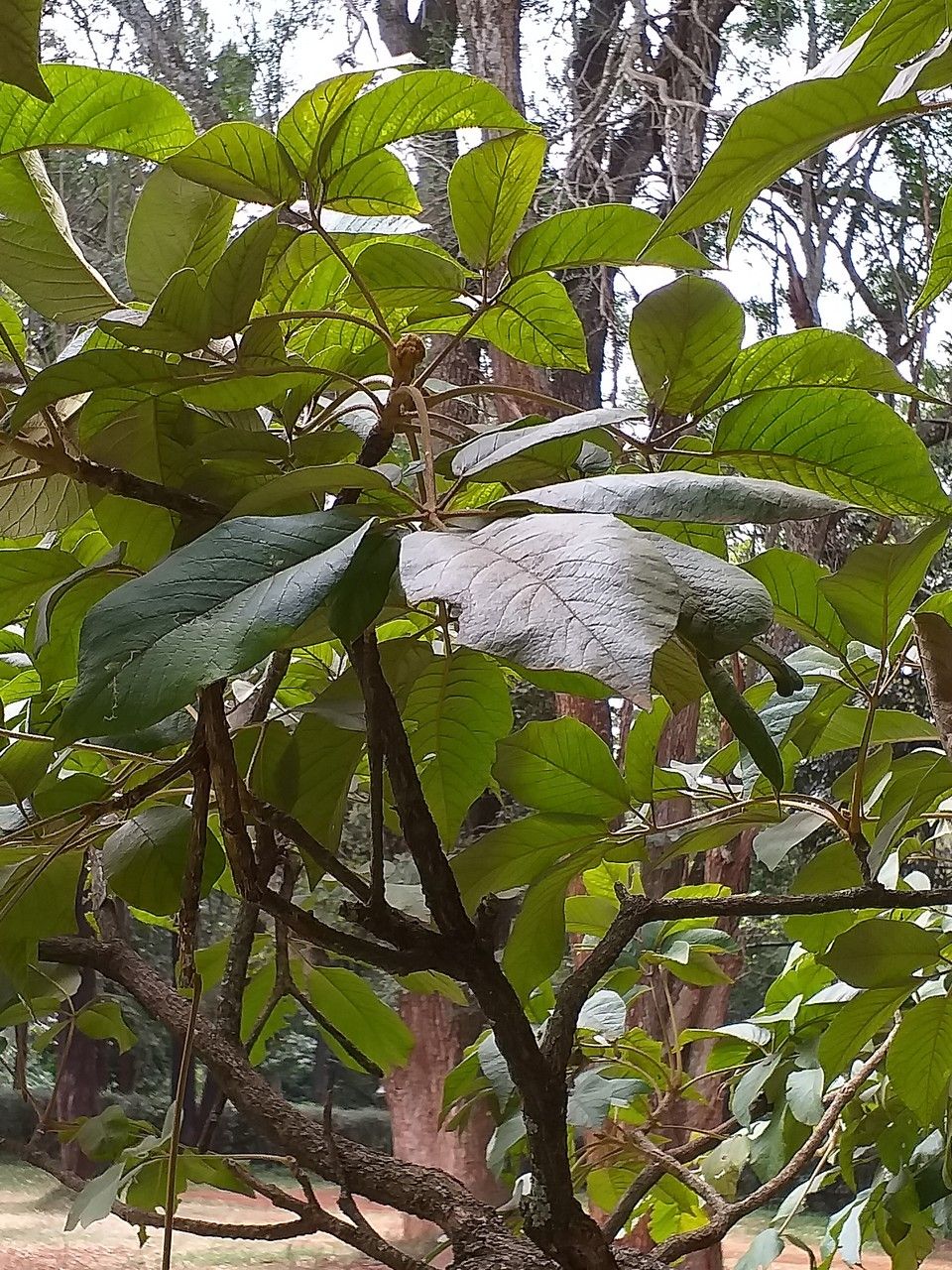
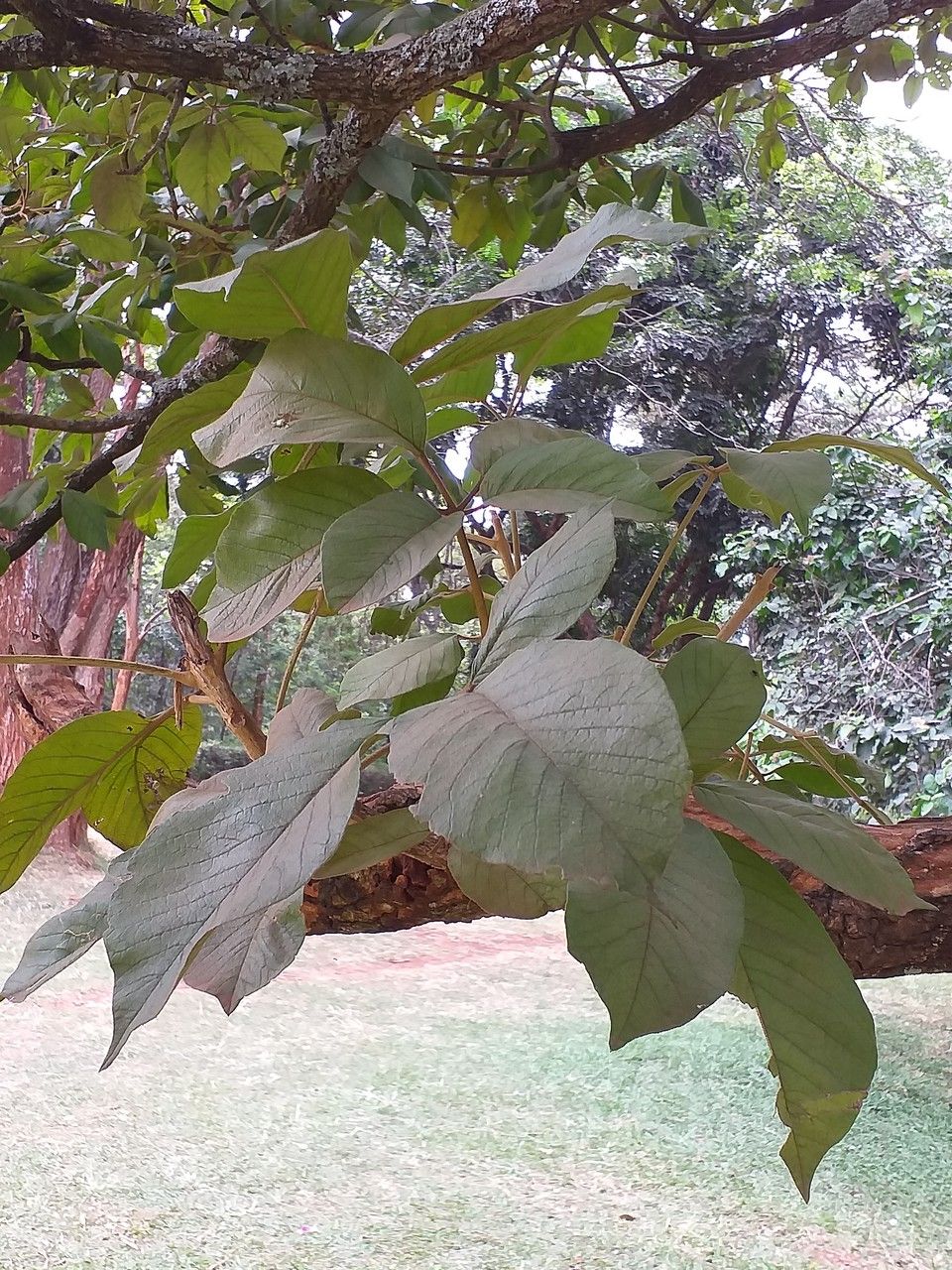
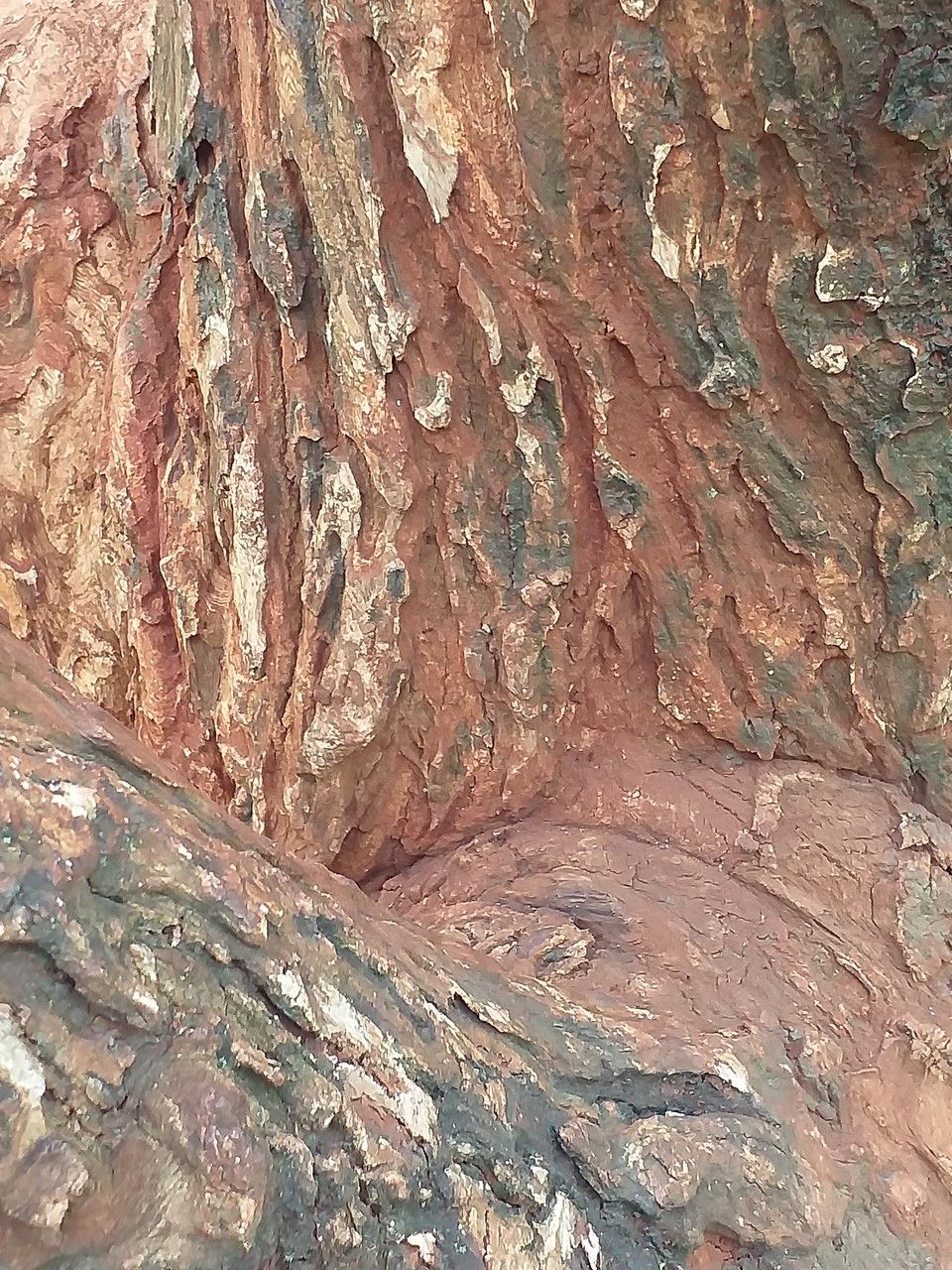
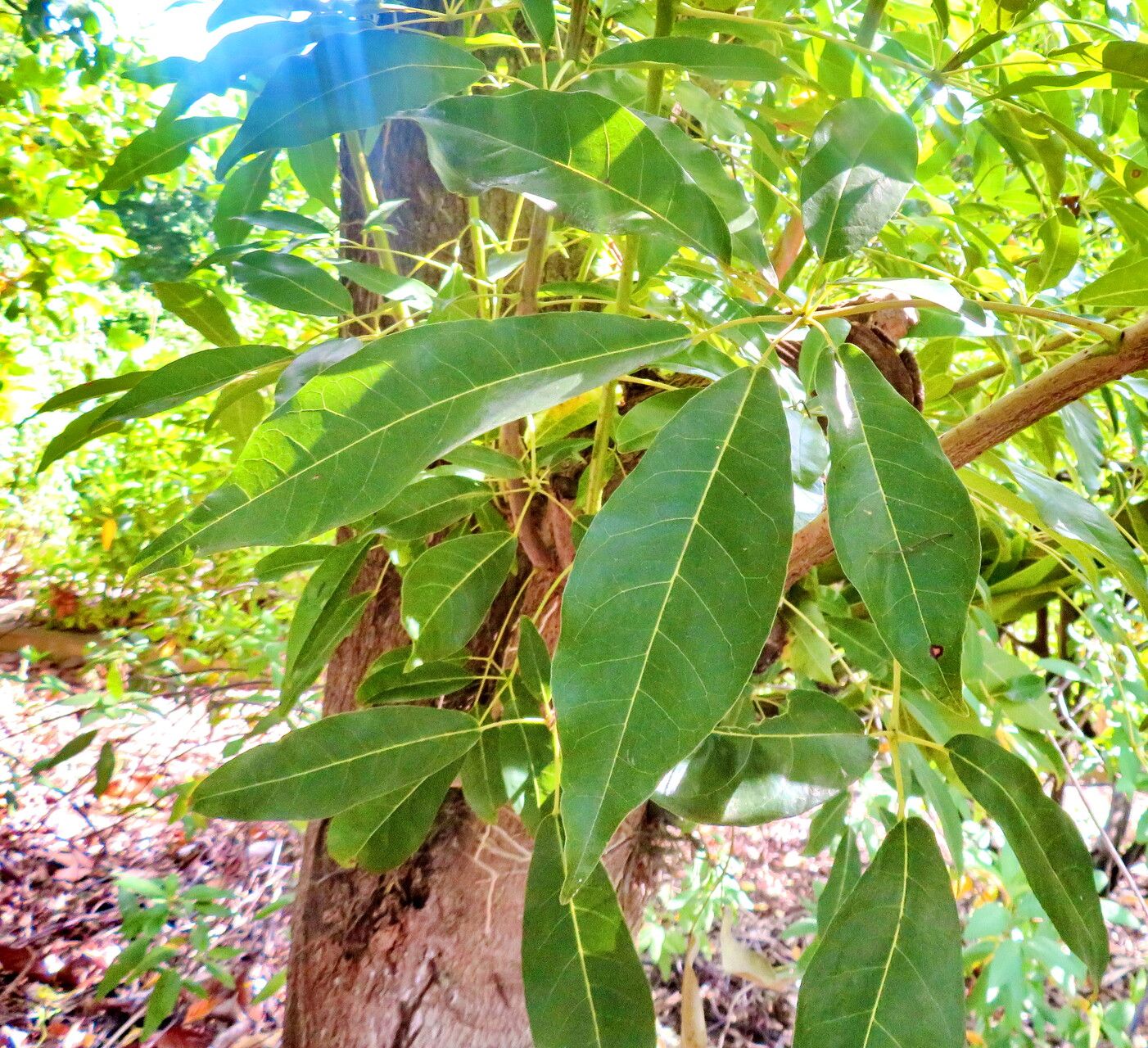
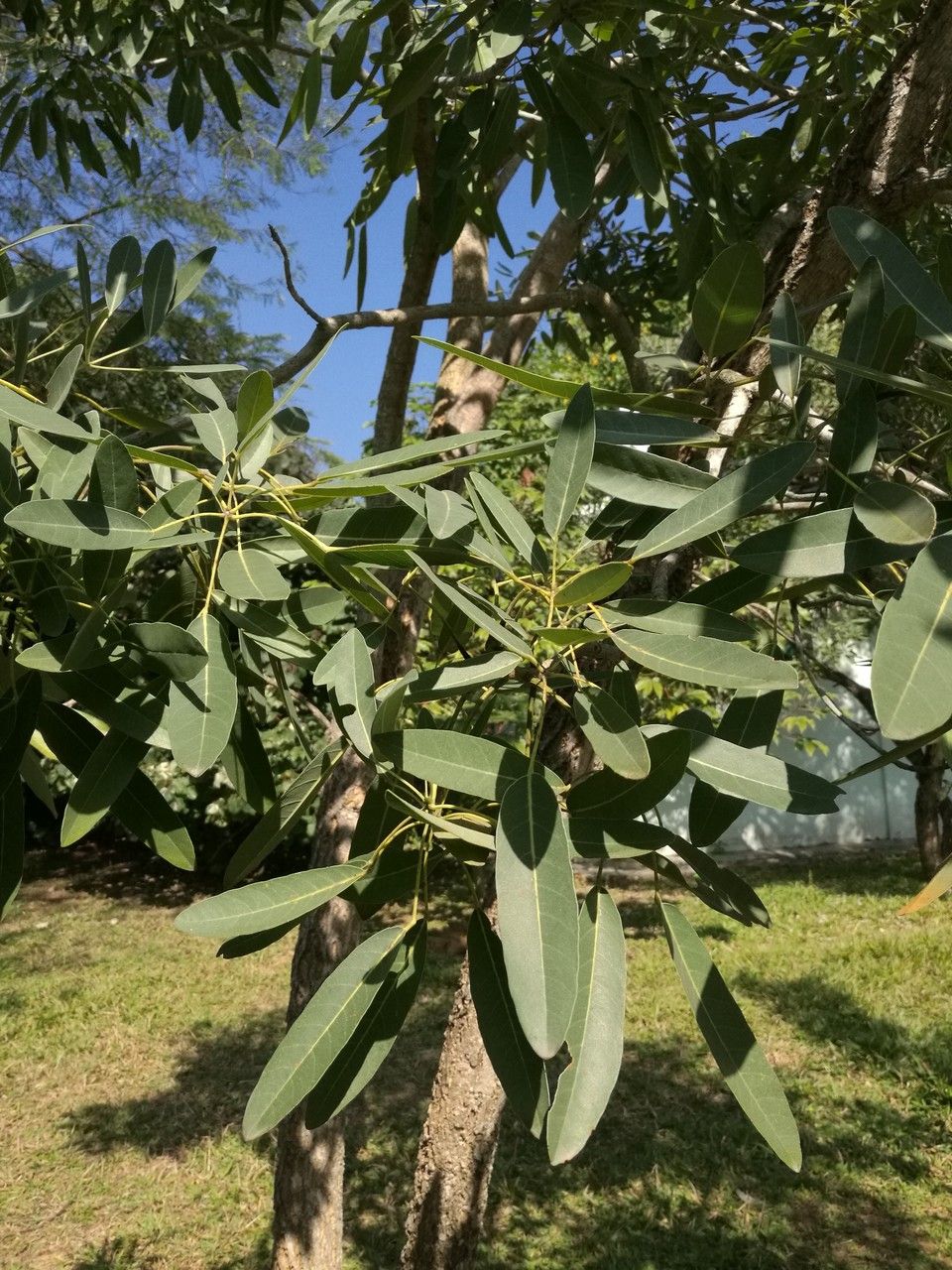
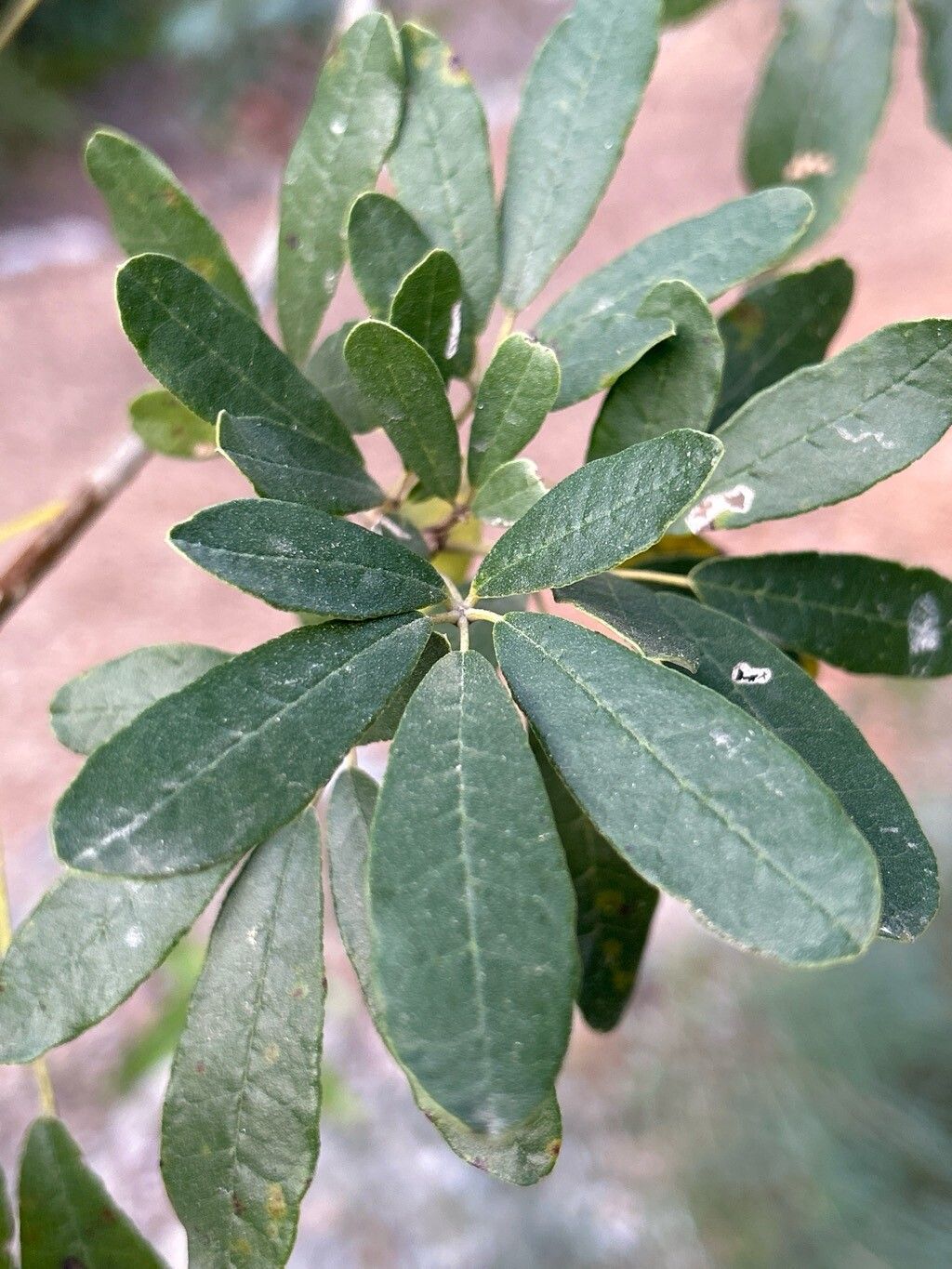
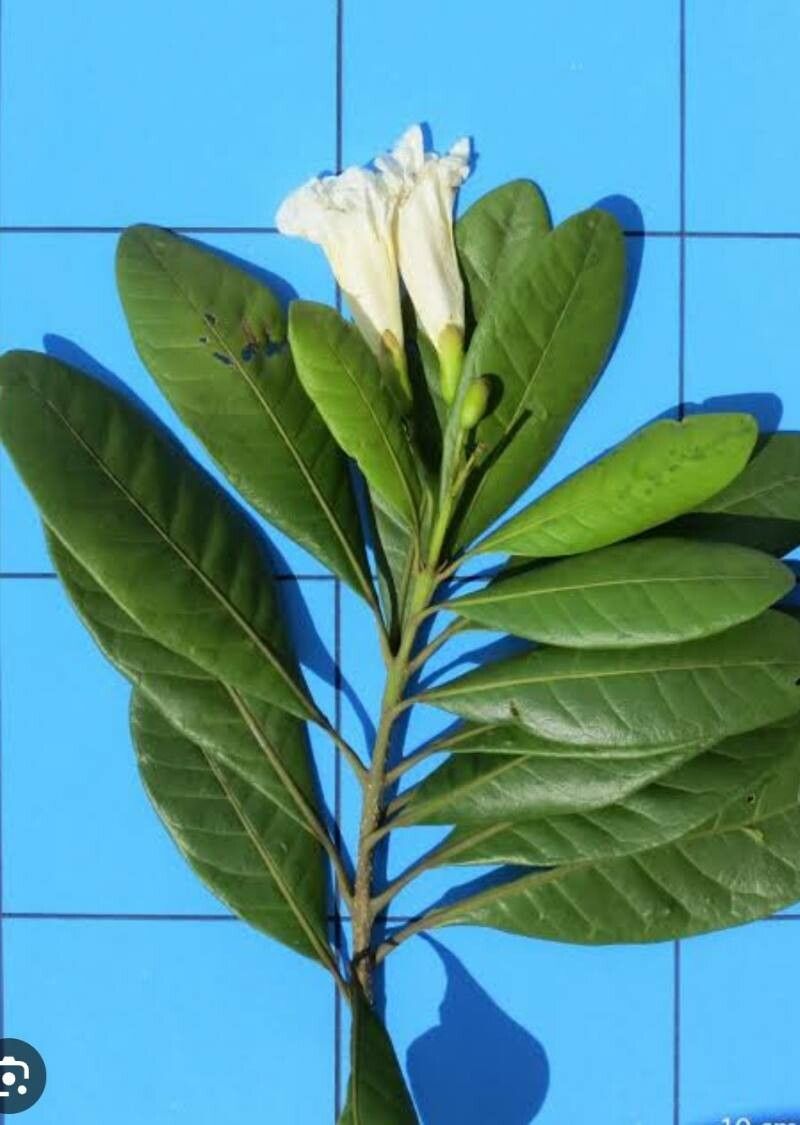
Handroanthus chrysanthus (araguaney or yellow ipê), formerly classified as Tabebuia chrysantha, also known as araguaney in Venezuela, as guayacán in Colombia, Panama, and Ecuador, as tajibo in Bolivia, and as ipê-amarelo in Brazil, is a native tree of the intertropical broadleaf deciduous forests of South America above the Tropic of Capricorn. On May 29, 1948, Handroanthus chrysanthus was declared the National Tree of Venezuela due to its status as an emblematic native species of extraordinary beauty. Its deep yellow resembles that of the Venezuelan flag.
The Golden Trumpet Tree has strong resistance to disease and is typically not susceptible to illnesses. Regarding upkeep, this species is fairly low-maintenance. When grown outdoors it needs only light watering, and mature specimens usually do not require pruning. Young or smaller plants, however, should be pruned after they finish flowering. The Golden Trumpet Tree is appropriate for anyone with outdoor space—such as a garden or a deck—and does not demand extensive plant-care experience.
How to keep Tabebuia Chrysantha.
Light
The Golden Trumpet Tree requires ample sunlight for healthy development, although it can also adapt to medium light surroundings. Its native habitat, rich in sunlight, fostered this particular preference. Excessive sunlight can burn the leaves, while insufficient light can hinder blossoming and result in retarded growth and scanty flowering.
Temperature
The Golden Trumpet Tree hails from environments where the temperature fluctuates between 68 and 95 °F (20 to 35 ℃). This species, due to its origins, has a preference for growing in regions with moderate climates. During colder periods, it is recommended to keep its surroundings above this lower limit.
Fertilizer
The best period to feed a Golden Trumpet Tree is at the beginning of spring, as it wakes up from its dormant state. This promotes holistic growth and the development of flowers. Fertilizing improves the leaves, stems, and branches and fosters the growth of big, colorful, and enduring blossoms. It also helps in moving nutrients from the roots to the flowers and boosts the tree's health and ability to fight diseases.
Botanical profile.
- Plant Type
- Tree
- Life Cycle
- Perennial
- Genus
- Tabebuia
- Family
- Bignoniaceae
- Hardiness Zone
- 10
- Mature Height
- 11.89 m
- Mature Spread
- 14.94 m
- Leaf Color
- Green, Dark Green
- Leaf Type
- Deciduous
- Flower Color
- Yellow, Gold
- Flower Size
- 5.08 cm to 6.35 cm
- Bloom Time
- Mid spring, Late spring, Early summer
- Planting Time
- Spring, Summer
- Harvest Time
- Mid summer
- Native Area
- Colombia, Belize, Honduras, Mexico, Guatemala, Bolivia, Venezuela, Peru, Guyana, El Salvador, Nicaragua, Ecuador, Costa Rica, Panama
Other names.