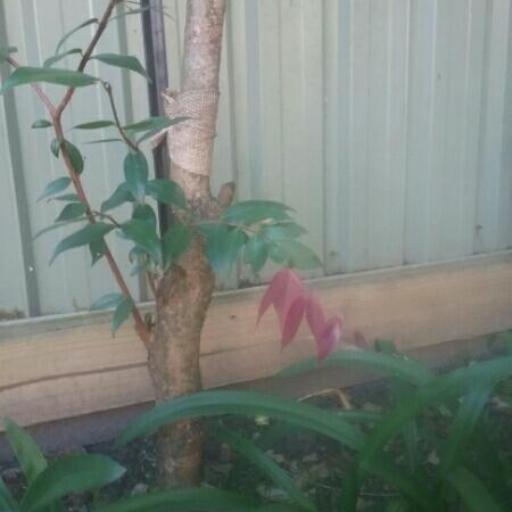
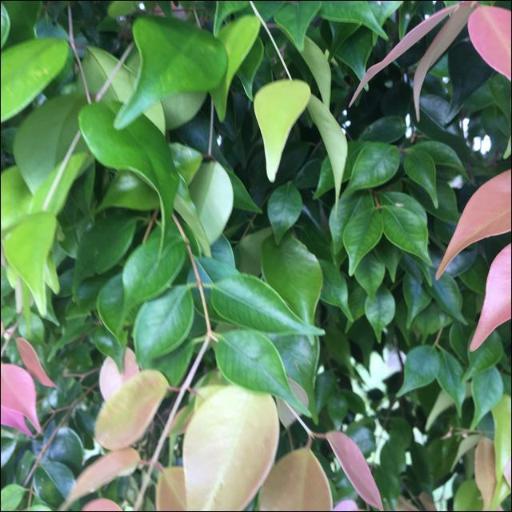
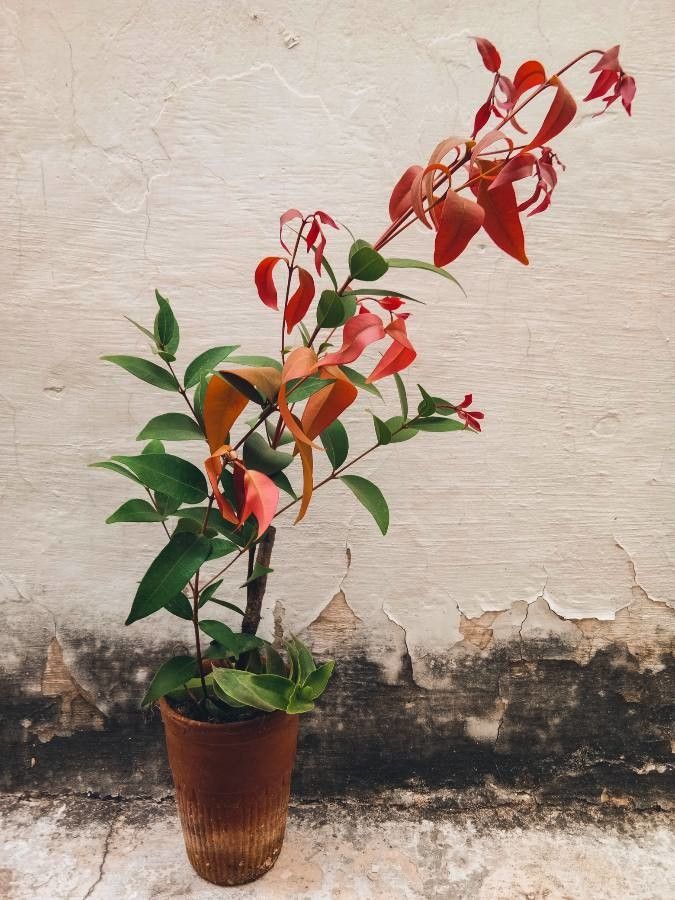
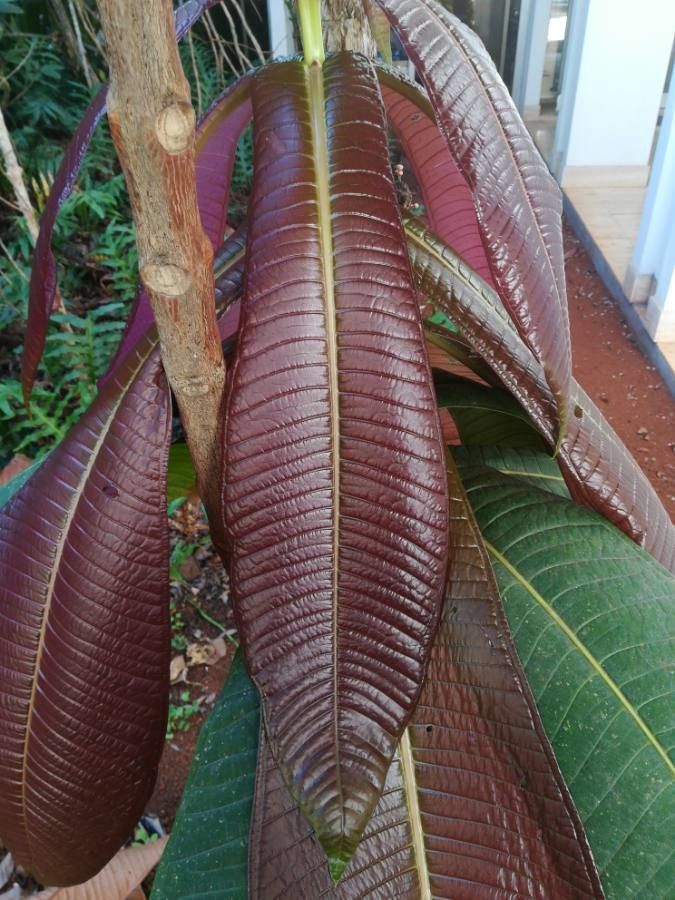
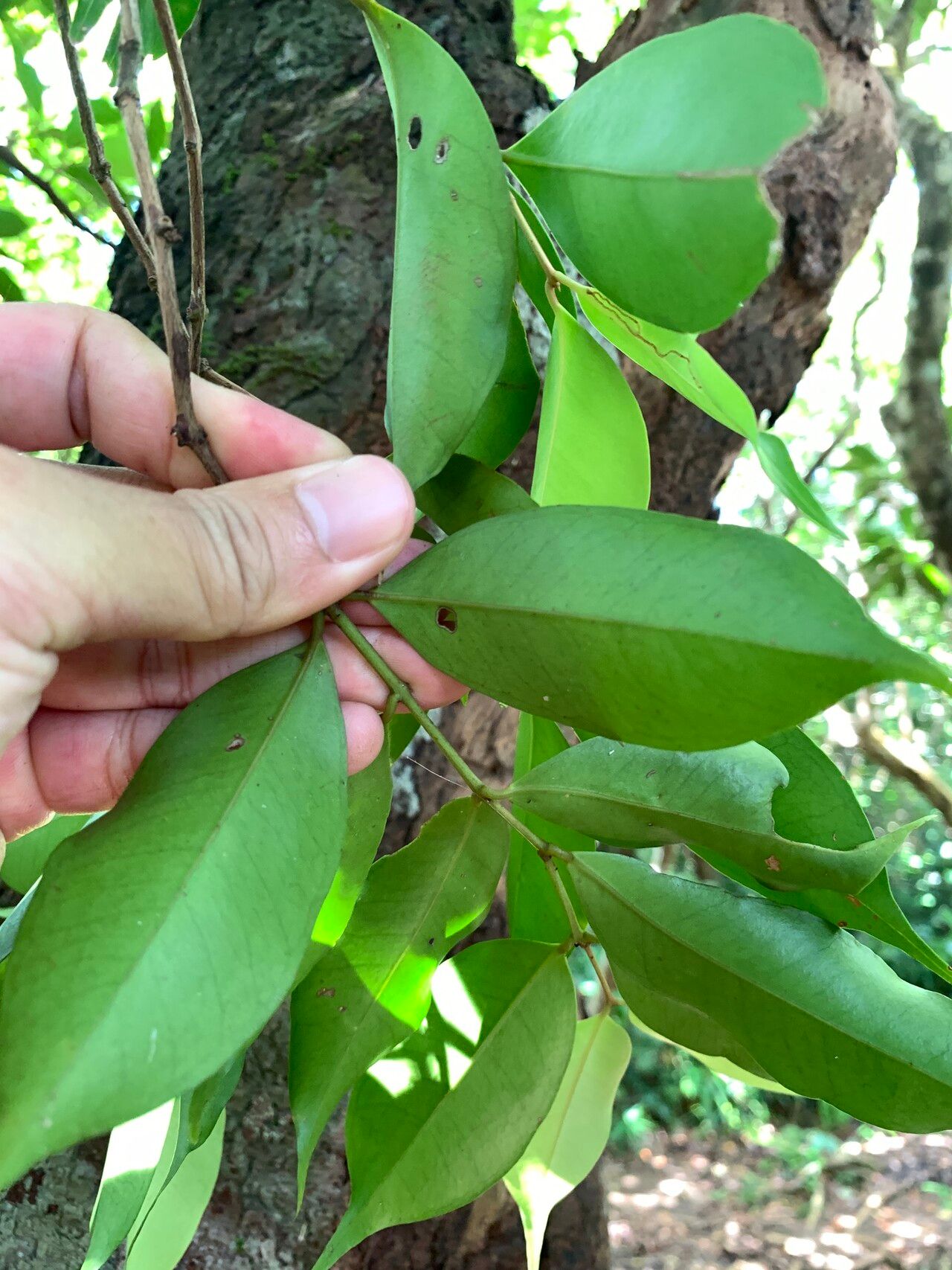
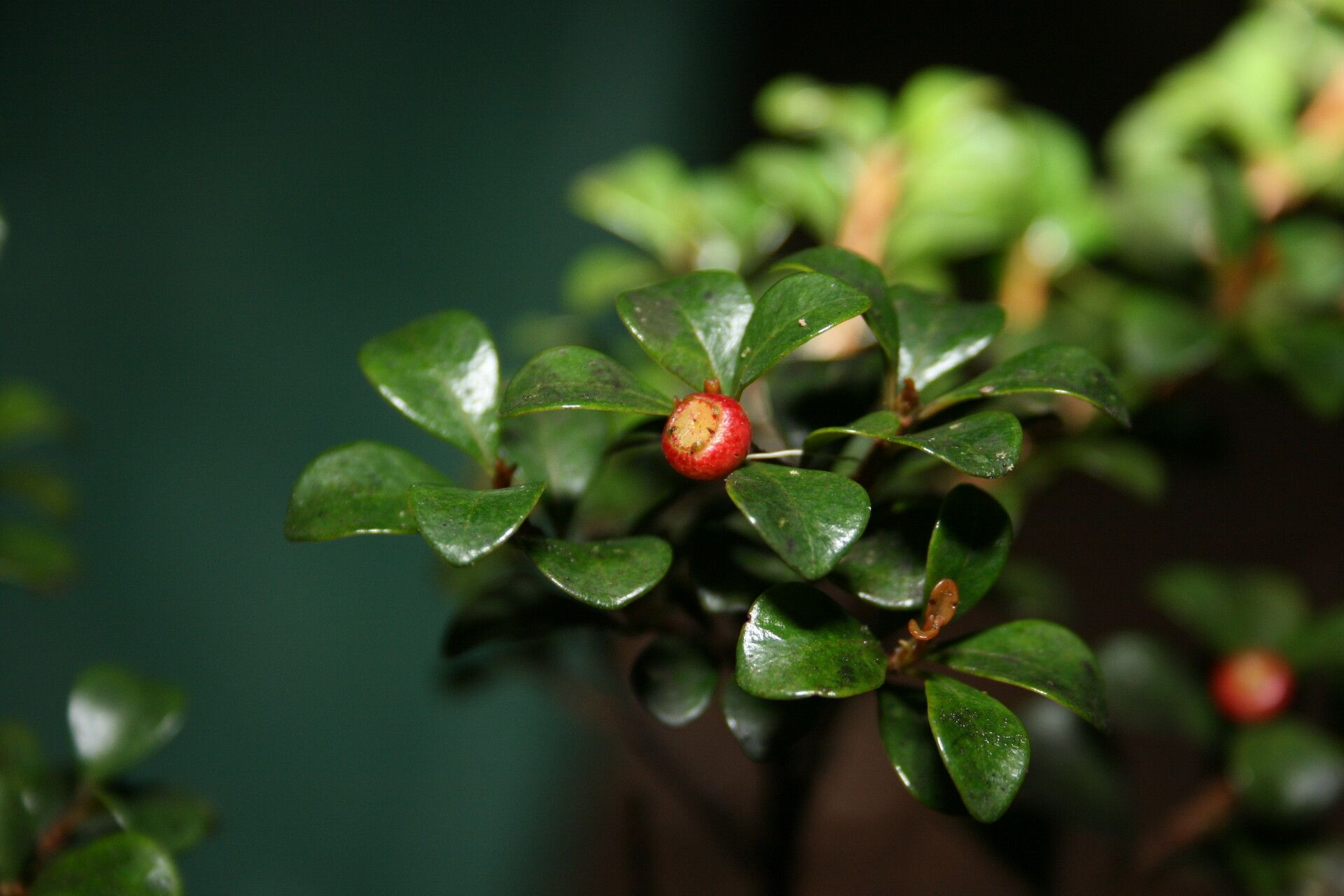
Syzygium luehmannii is a medium-sized coastal rainforest tree native to Australia. Common names include riberry, small leaved lilly pilly, cherry satinash, cherry alder, or clove lilli pilli. The habitat is Australian riverine, littoral, subtropical or tropical rainforest. It grows on volcanic soils or deep sandy soils between the Macleay River in New South Wales to near Cairns in tropical Queensland. It is commonly grown as an ornamental tree and for its fruit, known as a riberry.
Cherry alder is disease-resistant and is generally not susceptible to illnesses. Regarding care, this plant is fairly low-maintenance. Planted outdoors it needs only minimal watering, and larger specimens usually do not require pruning. Smaller plants, however, should be pruned after they have bloomed. Cherry alder is suitable for anyone with an outdoor area, such as a garden or deck, and does not call for extensive gardening experience.
How to keep Syzygium Luehmannii.
Light
Cherry alder does best when it consistently receives sunlight from morning until evening. A location with intermittent shade can also support its growth, but full sun encourages the best development. Changes in light levels can result in fewer flowers and slower growth.
Water
The Cherry Alder prospers with moderate watering, ideally every two weeks, mimicking the rainfall patterns of its native area. As an evergreen plant, it retains its leaves throughout the year, which helps conserve moisture during the colder months and enhances its overall health.
Temperature
Cherry alder is a plant that does best in its native growing environment when temperatures range from 68 to 100 °F (20 to 38 ℃). Small temperature adjustments may be necessary across seasons to keep the plant healthy.
Fertilizer
Select organic fertilizers (e.g., fish emulsion or compost) rather than chemical ones for Cherry alder. Supply young plants with increased nitrogen and phosphorus in spring. Incorporate compost or fertilizer into the soil before or after planting. For mature plants, apply a balanced fertilizer or one aimed at specific deficiencies in spring. Nutrient deficiency leads to small leaves, short branches, yellow or bronze leaves, acidic fruits, premature fruit fall, and splitting.
Pruning
Cherry alder is an evergreen tree known for its vibrant red berries and glossy leaves. To maintain its health and appearance, prune the cherry alder from early to late winter. This will help shape the tree, remove dead branches, and promote dense growth. Additionally, pruning helps create an open canopy, allowing for better light and air circulation. Moderate pruning also enhances fruit yield and overall tree health.
Botanical profile.
- Plant Type
- Tree
- Life Cycle
- Perennial
- Genus
- Syzygium
- Family
- Myrtaceae
- Hardiness Zone
- 9-12
- Mature Height
- 29.87 m
- Mature Spread
- 12.5 m
- Leaf Color
- Dark Green, Forest Green
- Leaf Type
- Evergreen
- Flower Color
- White
- Flower Size
- 1.02 cm to 2.03 cm
- Bloom Time
- Early summer, Mid summer
- Planting Time
- Spring, Summer, Autumn
- Harvest Time
- Late summer, Early fall, Mid fall
Other names.