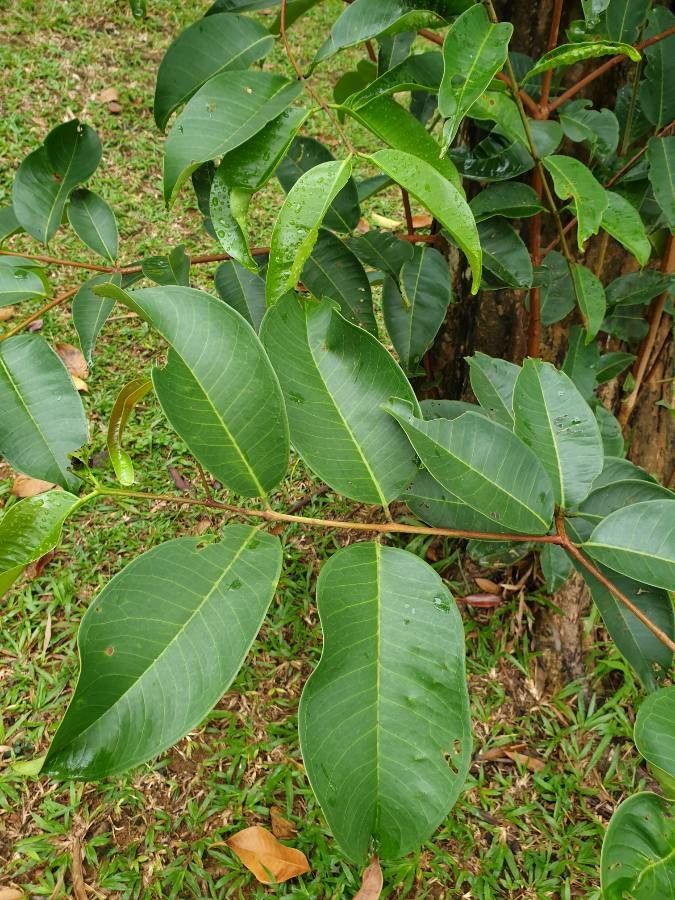
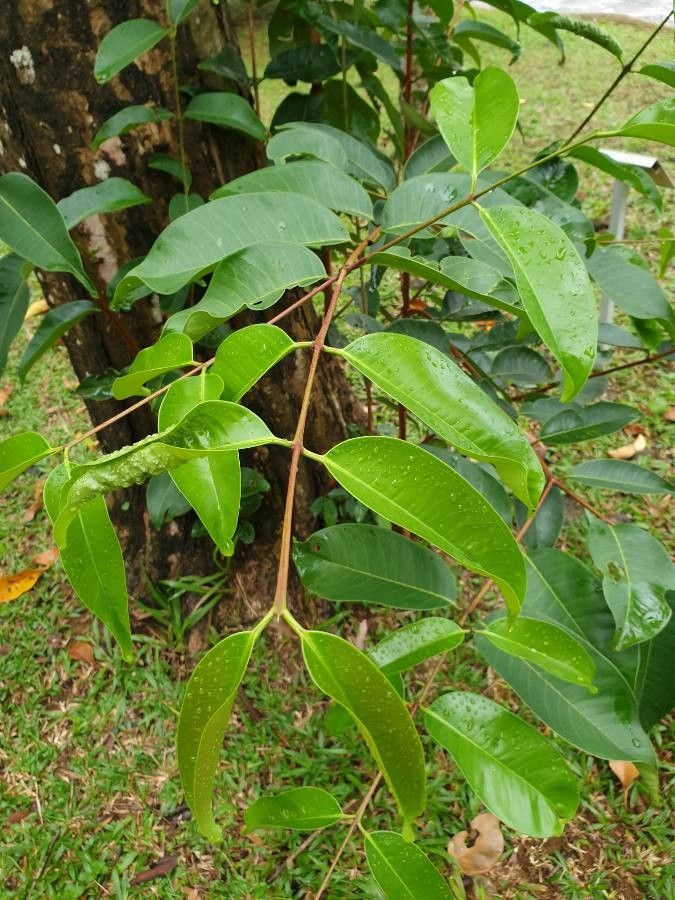
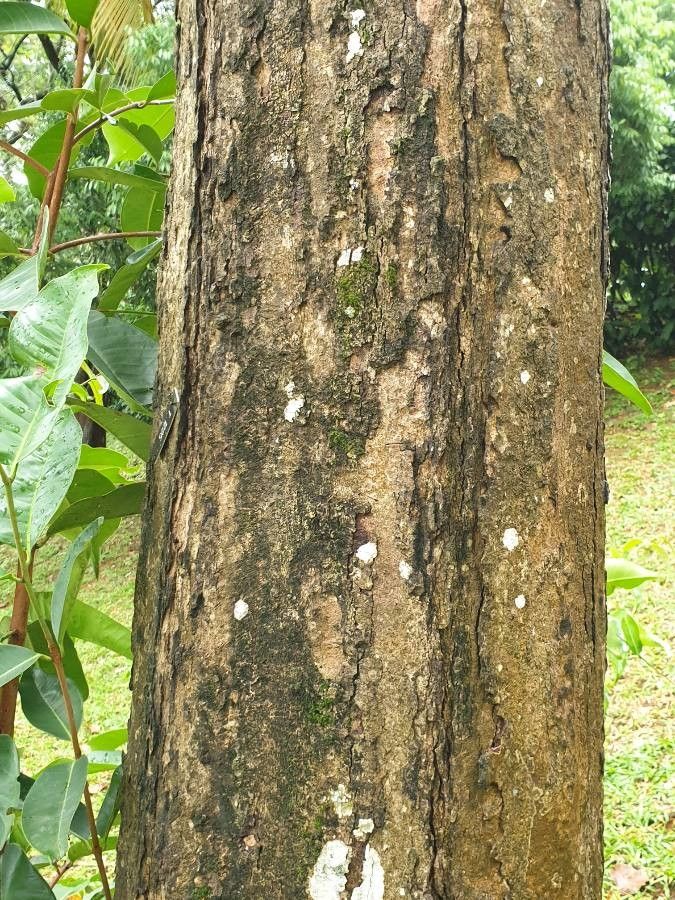
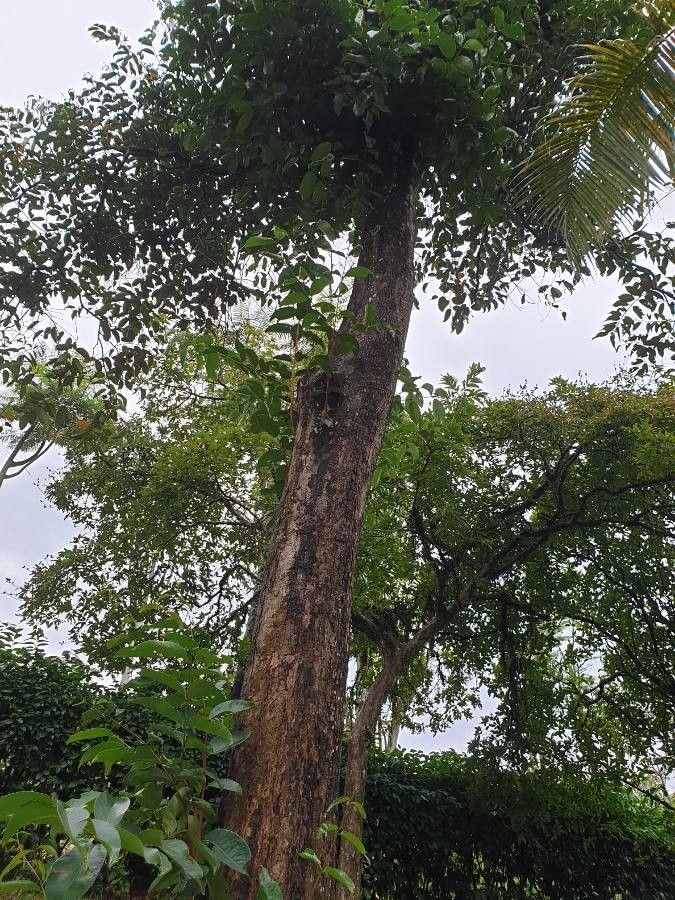
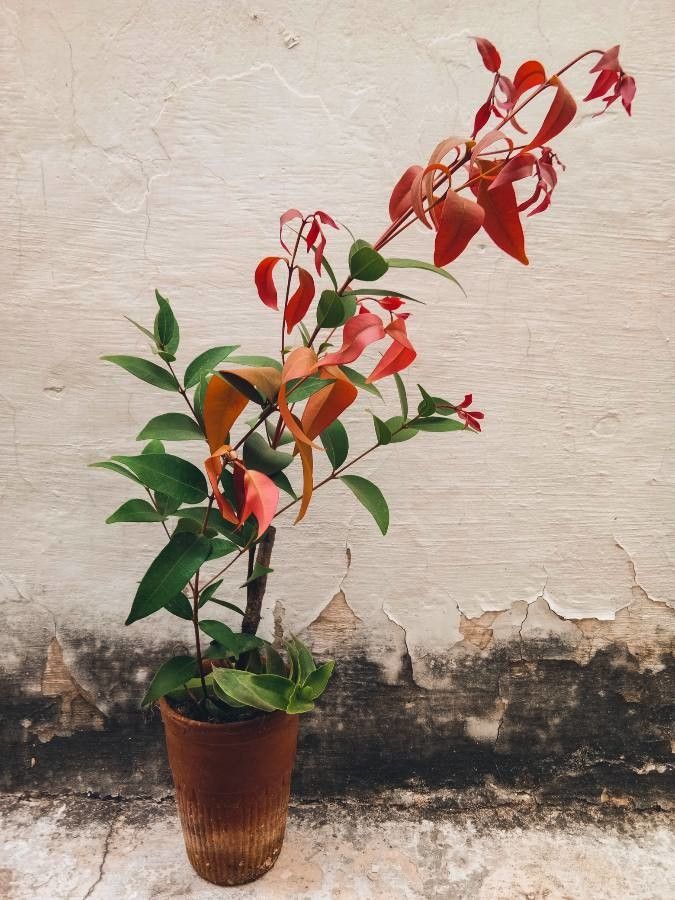
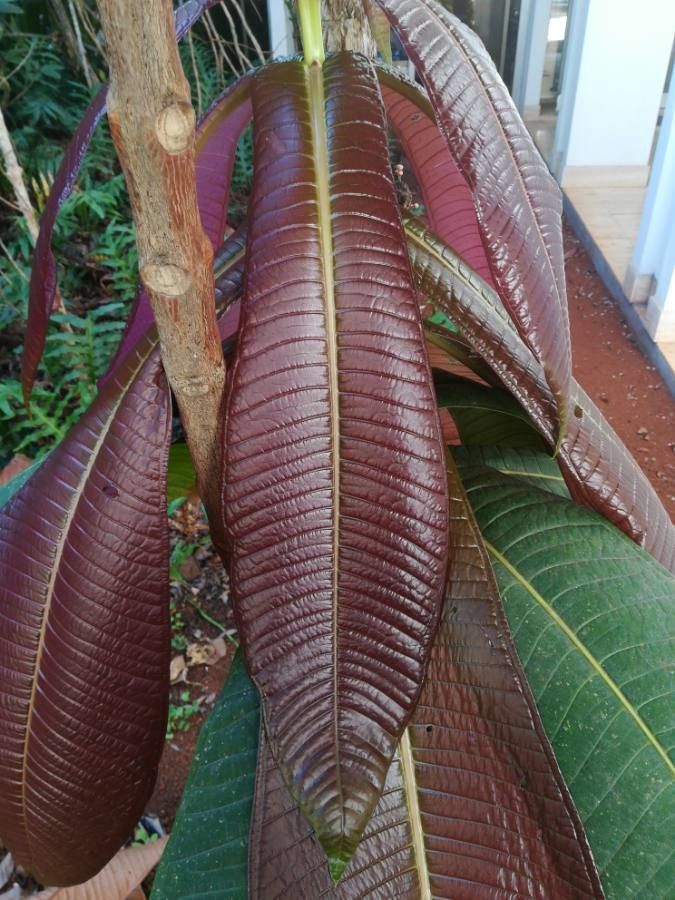
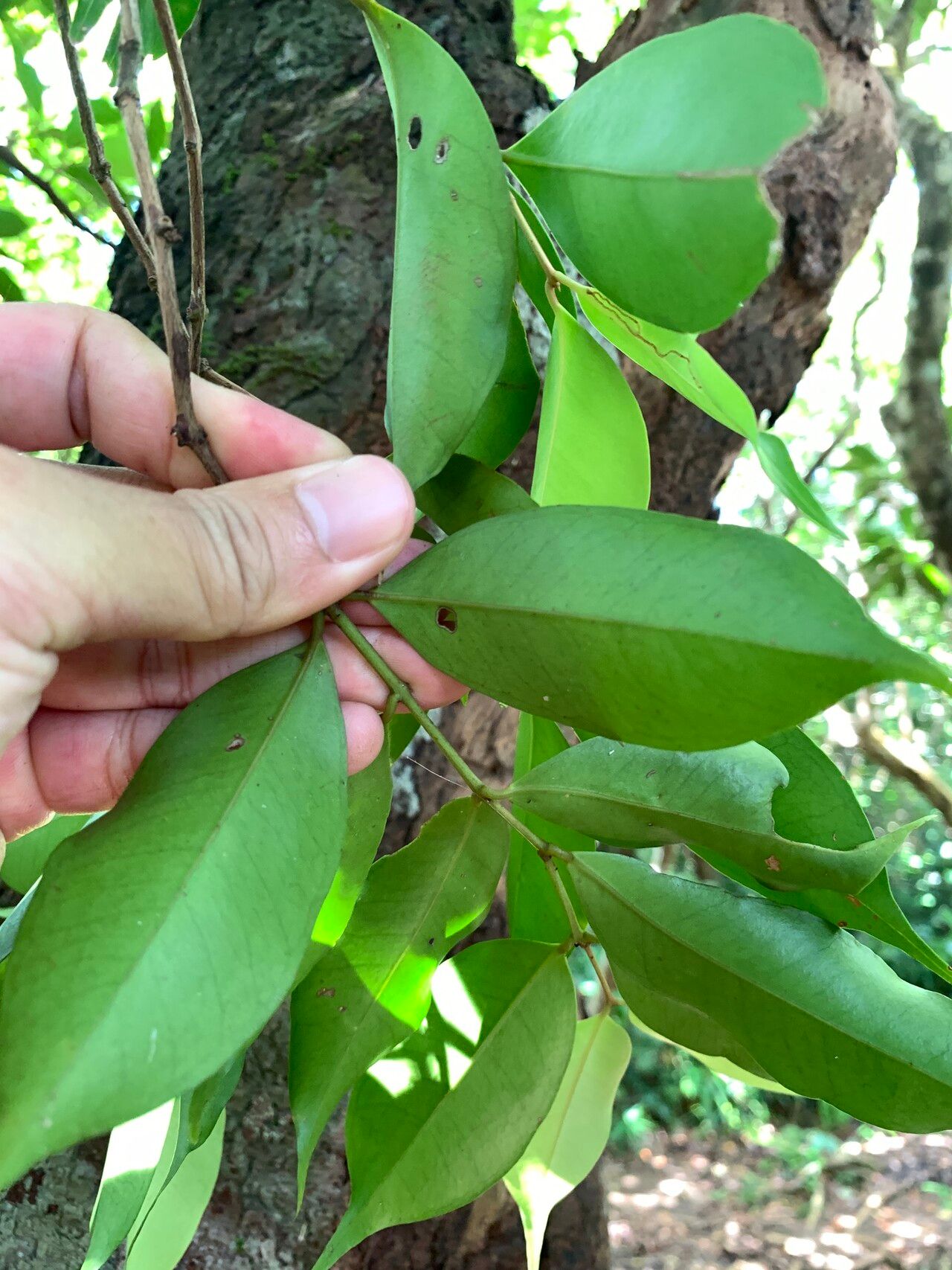
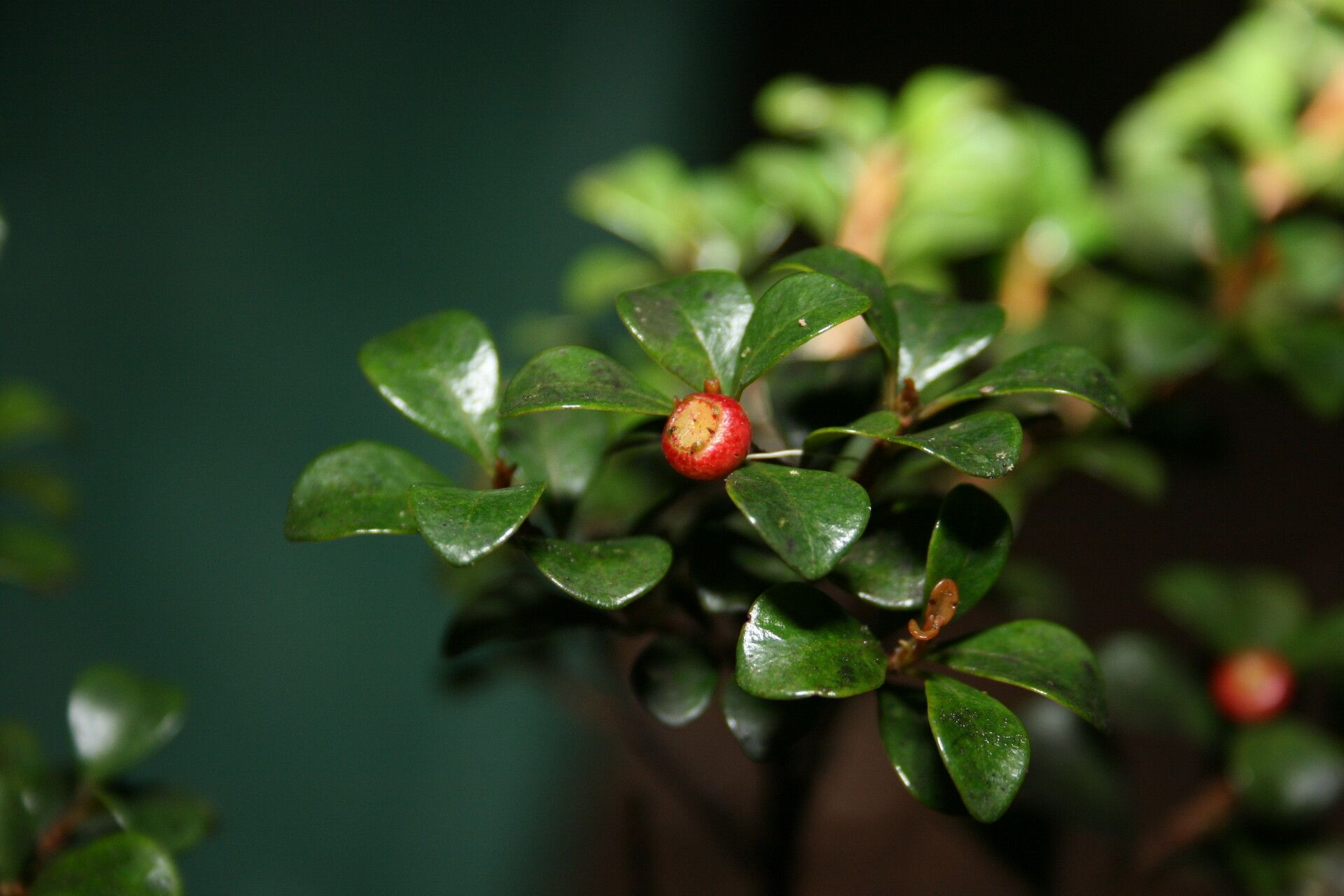
Syzygium grande or sea apple is a tall tree that can reach 30 m. The trees can be found along the coastal line of Southeast Asia. Its leaves are large with dark green color. The flowers are white and compact in clusters with strong scent. Fruits are oblong in shape and green.
Sea apple resists disease well and is typically not susceptible to illnesses. In terms of care, this plant is fairly low-maintenance. Planted outdoors, it needs minimal watering, and larger specimens usually do not require pruning. Smaller plants, however, should be pruned after they finish blooming. Sea apple is suitable for anyone with an outdoor area, such as a garden or deck, and does not demand a lot of gardening experience.
How to keep Syzygium Grande.
Light
The sea apple does best when it receives ample sunlight. Sunlight is crucial for its proper growth and development. Native to areas with abundant sun, it can endure a range of conditions, but reduced light can diminish its vitality. Too much or too little light may result in stunted growth or withering.
Water
The Sea Apple plant flourishes in high humidity and is ideal for tropical environments. It requires balanced watering, typically every 2 to 3 weeks. Being an evergreen, it needs consistent moisture to maintain its vibrant foliage all year round.
Temperature
Sea apple comes from tropical areas, where the climate is generally warm and humid. Consequently, it is well-suited to high temperatures and humid conditions. It does not tolerate sudden temperature shifts and prefers a stable thermal environment, so avoiding temperature fluctuations indoors is important. It typically cannot endure cold temperatures and needs warmer conditions to grow. If the surrounding temperature falls too low, the plant may stop growing or even die.
Fertilizer
The best time to feed a Sea apple is in early spring as it breaks dormancy. This encourages overall growth and flower formation. Fertilizing improves the foliage, stems, and branches, and encourages large, colorful, long-lasting blooms. It assists nutrient transfer from the roots to the flowers and strengthens the plant's health and resistance to disease.
Pruning
The sea apple has dense foliage and needs regular pruning to stay healthy. To achieve this, prune the plant from early to late winter when it is dormant. Focus on removing dead branches and thinning out overcrowded areas to improve air circulation, promote new growth, and enhance flowering.
Botanical profile.
- Plant Type
- Tree
- Life Cycle
- Perennial
- Genus
- Syzygium
- Family
- Myrtaceae
- Hardiness Zone
- 10-11
- Mature Height
- 29.87 m
- Mature Spread
- 10.06 m to 14.94 m
- Leaf Color
- Green
- Leaf Type
- Evergreen
- Flower Color
- White
- Flower Size
- 0.51 cm
- Bloom Time
- Summer
- Planting Time
- Spring, Summer
- Harvest Time
- Late summer, Early fall, Mid fall
- Native Area
- Sri Lanka, India, Malaysia, Indonesia, Cambodia, Vietnam, Myanmar, Philippines, Singapore, Bangladesh, Laos, Brunei, Thailand, China
Other names.
Reader questions.
What are the sunlight requirements for a Sea apple plant?
Sea apple plants thrive best when exposed to full sun, which means they require more than 6 hours of sunlight a day. It's important to observe the movement of sunlight through your garden to ensure that your plants receive a healthy balance of light and shade. This optimal exposure is crucial for their growth, vitality, and development, particularly since Sea apple plants originate from habitats where sunlight is abundant. Inadequate lighting may lead to stunted growth or even withering of the plant.
What is the botanical name of the Sea Apple?
The botanical name of the Sea Apple is Syzygium grande. This species is known for its significant characteristics and contributions to its natural habitat.
How can artificial lighting be used for Sea apple plants and what are the recommendations?
When natural sunlight is insufficient, especially during winter or in less sunny areas, artificial lighting can be a vital solution for maintaining the health and growth of Sea apple plants. Indoor plants benefit significantly from adequate lighting, which can be achieved through artificial lights like LEDs that are tailored to provide the necessary wavelengths of light. For full sun plants, 30-50W/sq ft of artificial light is recommended, 20-30W/sq ft for partial sun plants, and 10-20W/sq ft for full shade plants. The light source should be placed 12-36 inches above the plant and provided for 8-12 hours per day to mimic natural daylight conditions.
What are common symptoms of improper lighting in Sea apple plants?
Sea apple plants may exhibit various symptoms when the lighting conditions are not optimal. These include smaller leaves than usual, leggy or sparse growth, faster leaf drop, slower or stopped growth, pale or lighter-colored new leaves, chlorosis (leaves turning yellow), sunscald, leaf curling, wilting, and leaf scorching. These symptoms can indicate that the plant is not receiving the appropriate amount of sunlight it requires, affecting its overall health.
What solutions can be implemented for Sea apple plants experiencing light-related issues?
To address light-related issues in Sea apple plants, there are several strategies you can implement, depending on whether the plant is indoors, outdoors, or in the ground. Indoors, gradually move plants to sunnier locations until they receive at least 6 hours of direct sunlight daily or use artificial lighting for at least 8 hours daily. Outdoors, move plants to better sunlight spots gradually to prevent sunburn. If dealing with ground plants, reduce obstructions like overhanging branches and consider transplanting to a more suitable location during the plant's dormant period. Remember, parts of the plant affected by insufficient sunlight may not recover, but new growth will be healthy with improved light conditions.