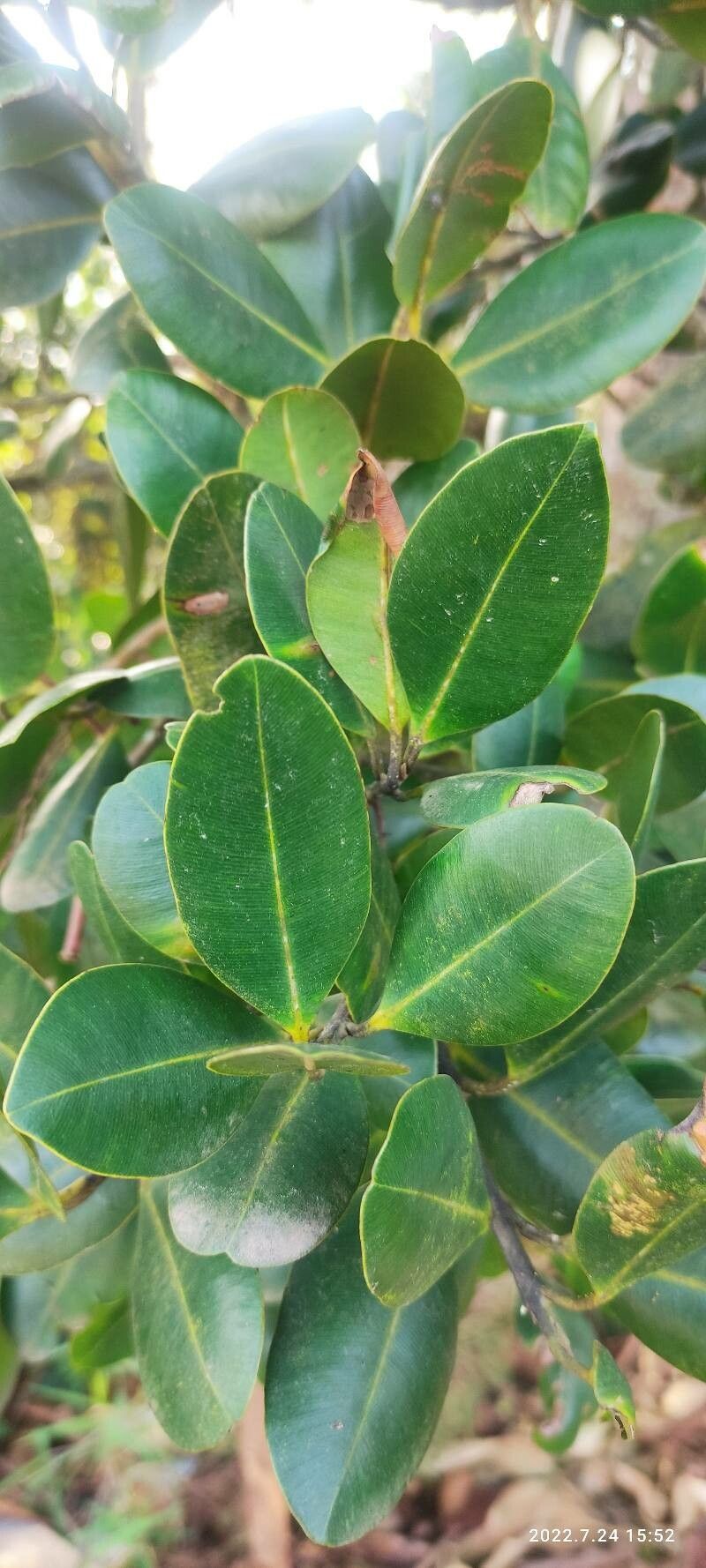
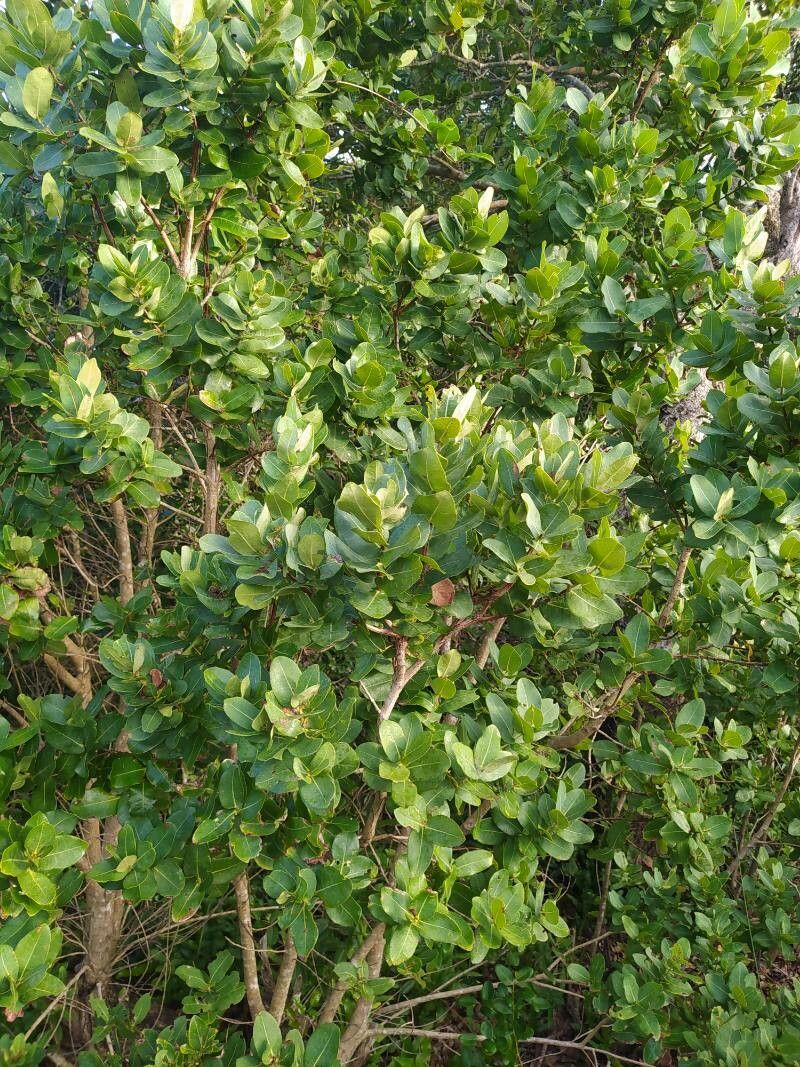
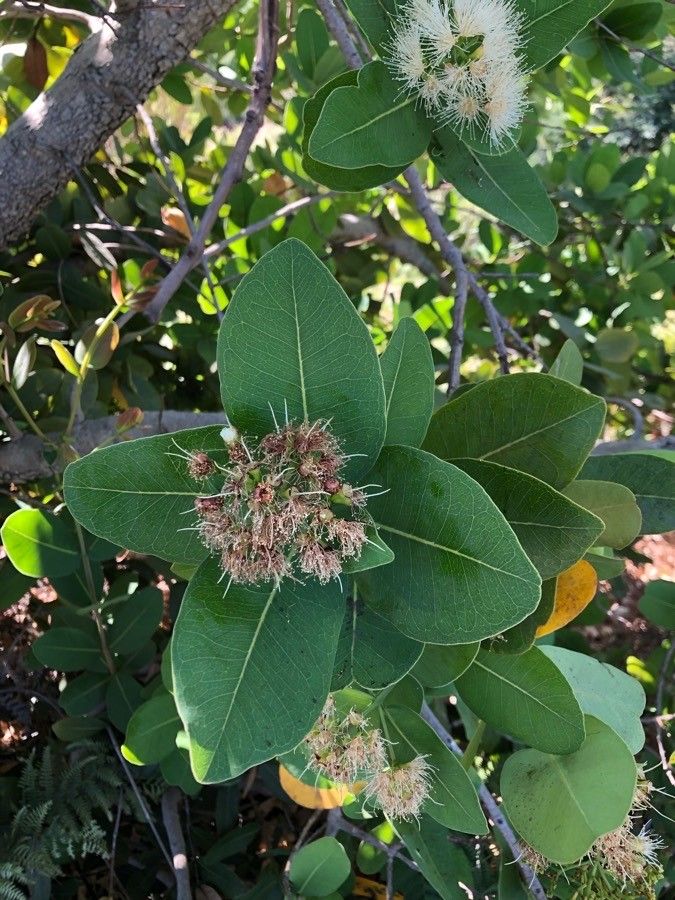
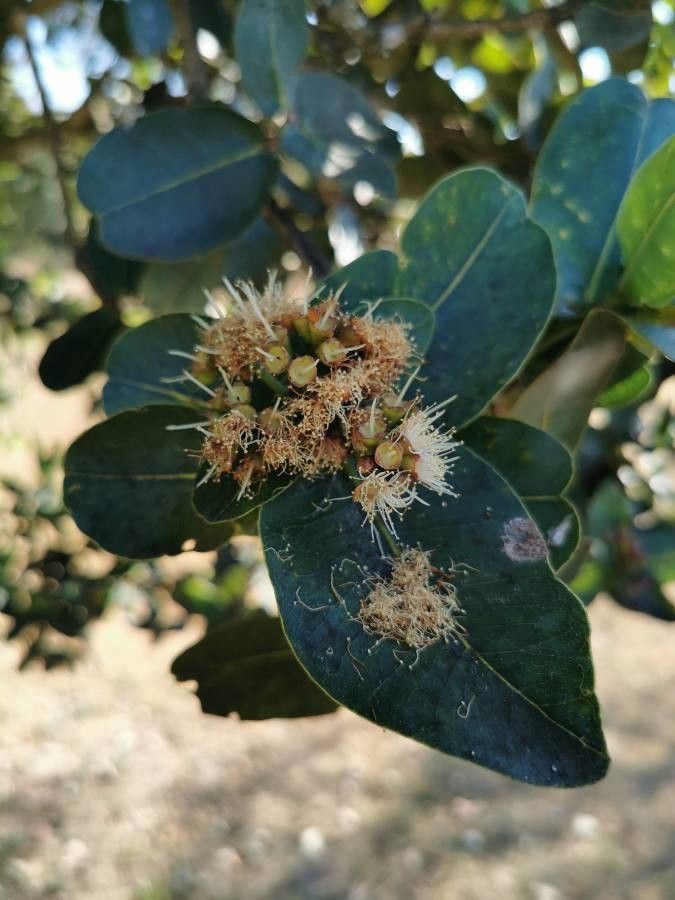
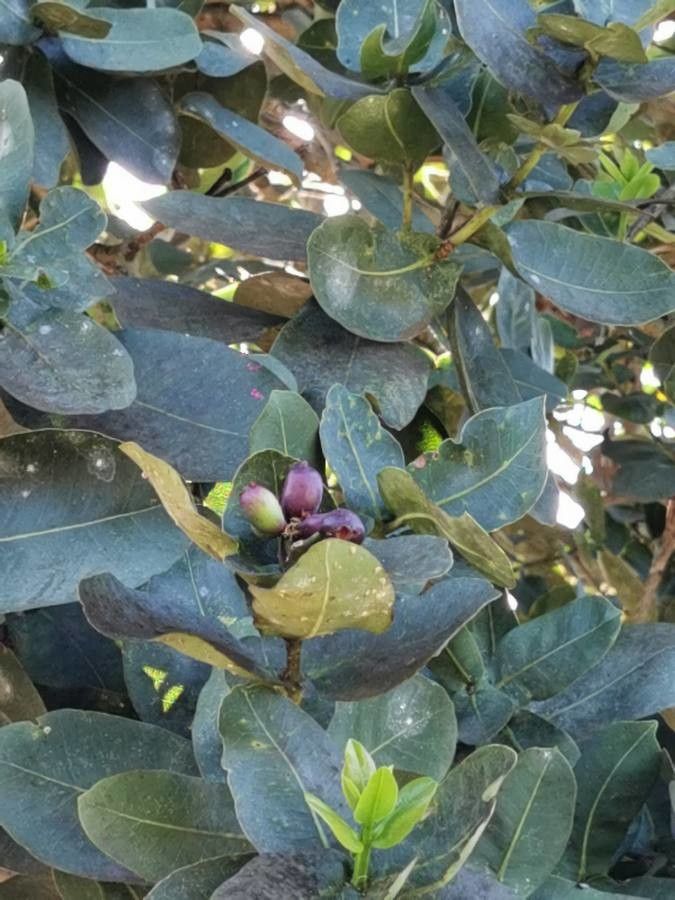
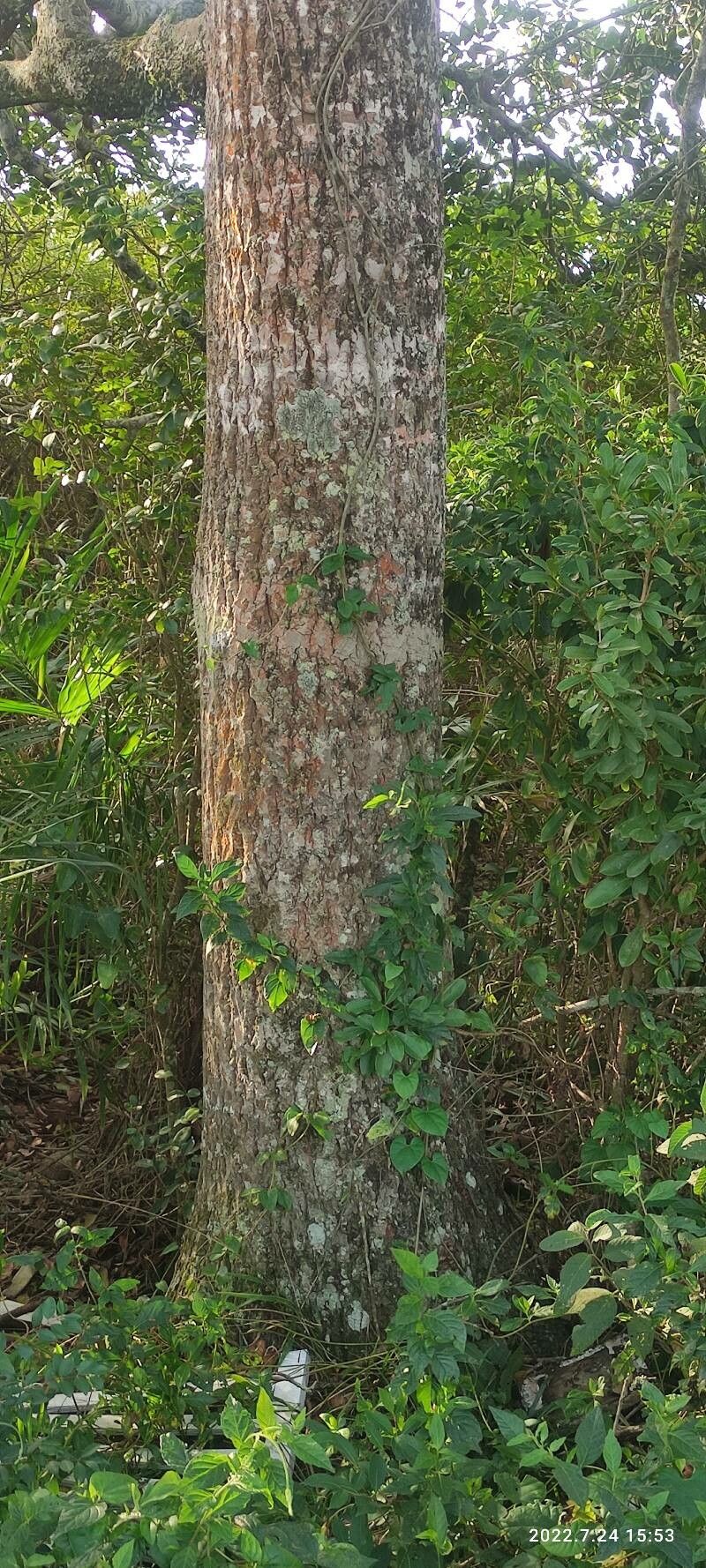
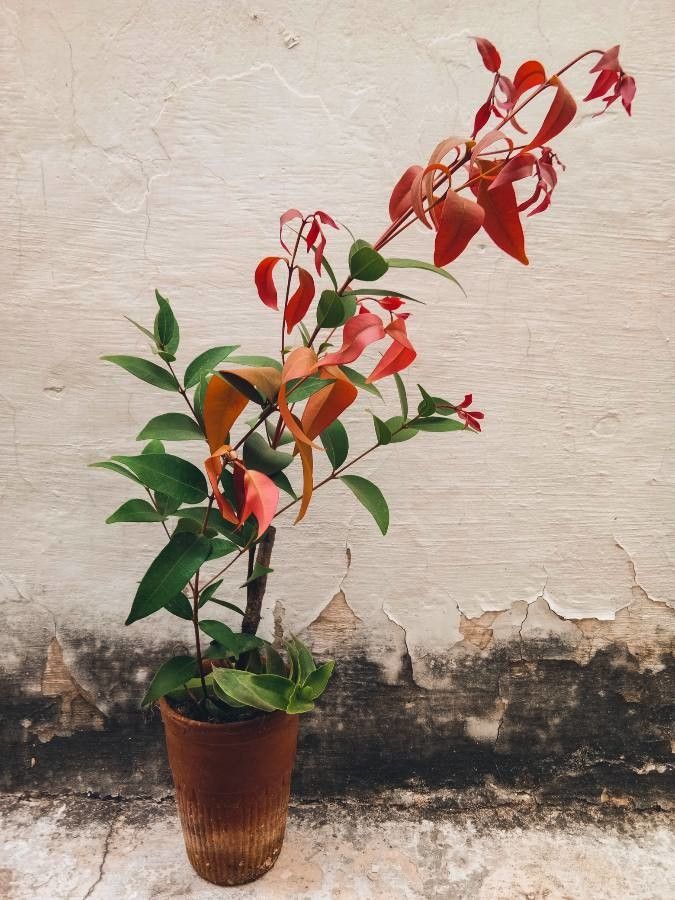
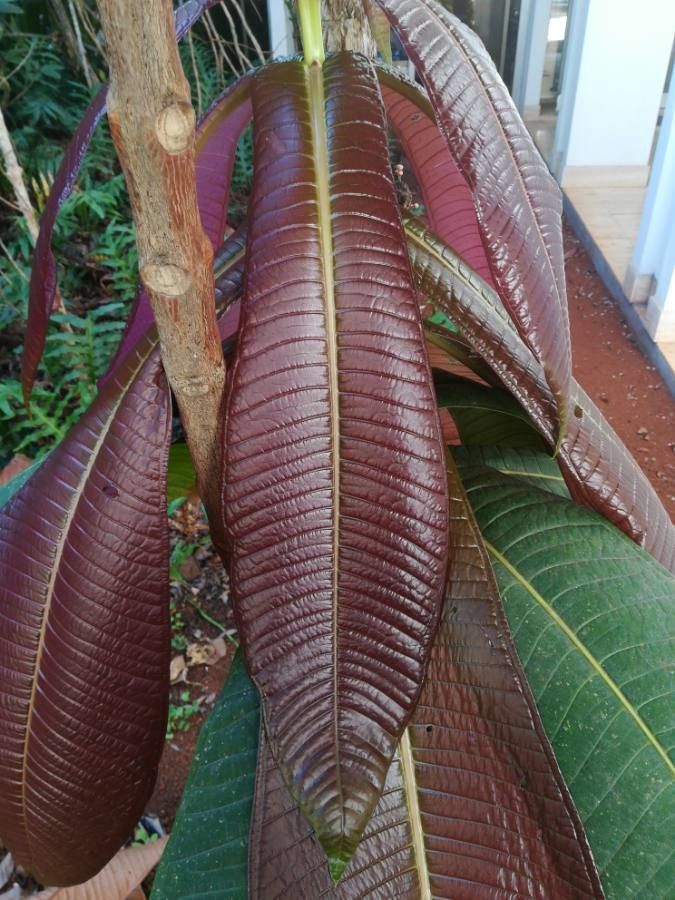
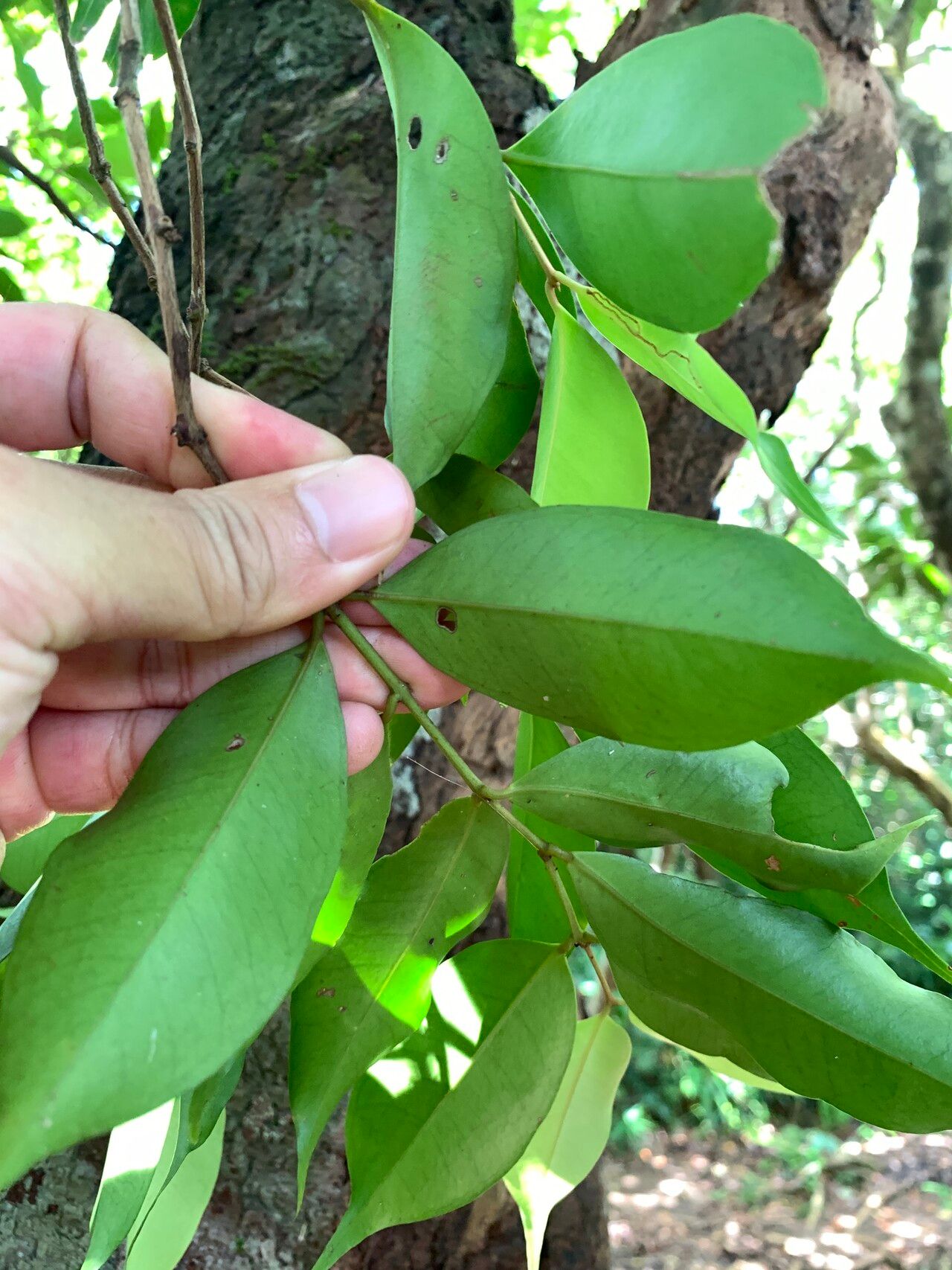
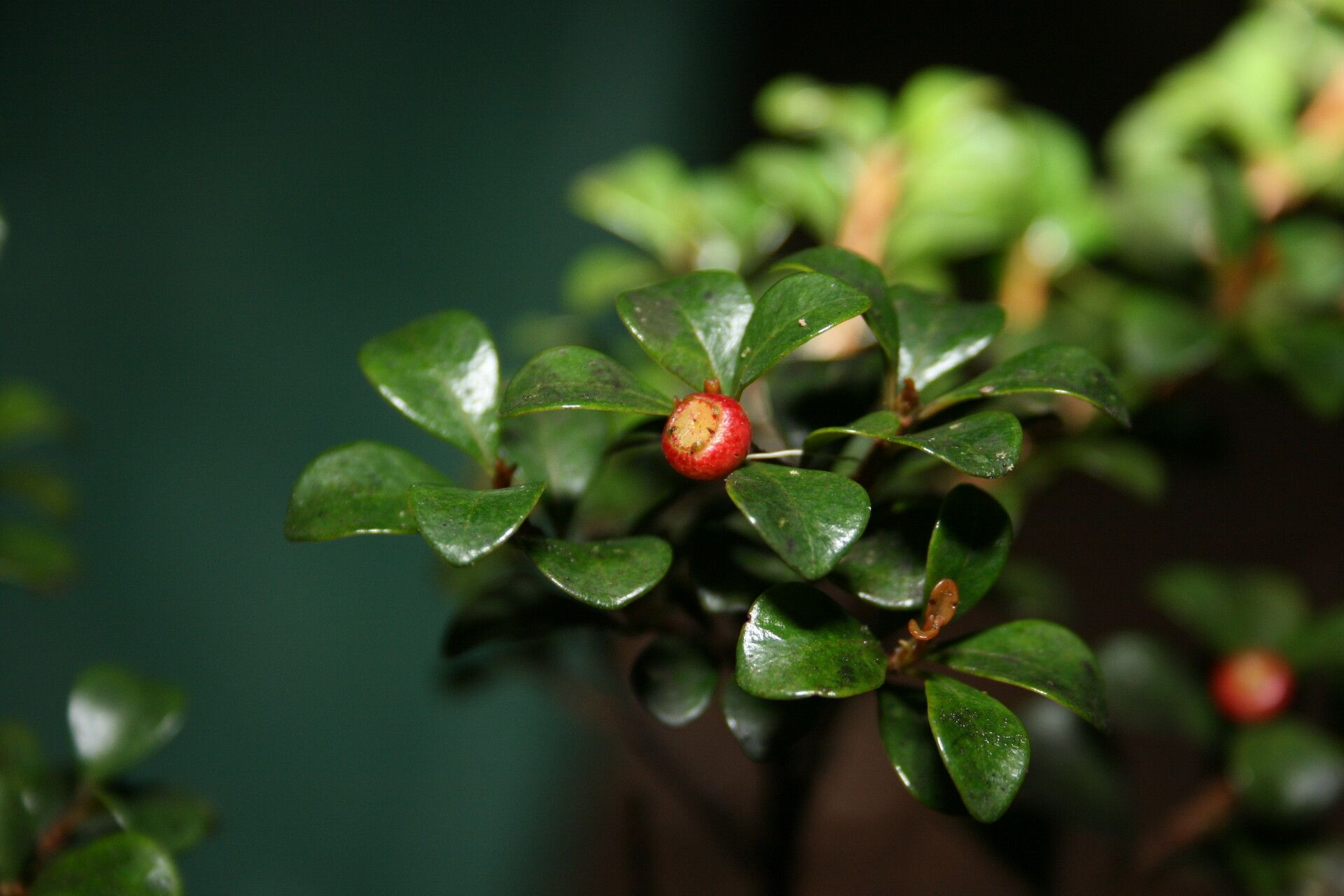
Syzygium cordatum, commonly known as the Waterberry or Umdoni tree, is an evergreen tree native to southern Africa. Belonging to the Myrtaceae family, it can reach heights of up to 20 meters. The Waterberry tree features a dense crown of glossy, oval-shaped green leaves with a leathery texture, and its bark is smooth and greyish-brown. The Waterberry produces small white flowers that are followed by edible red or purple berries, which attract birds and other wildlife. These berries have a sweet taste with an acidic tang, making them popular for making jams, jellies, and sauces. Commonly found in coastal forests, the Waterberry tree can also thrive in riverine forests and on rocky hillsides. It prefers well-drained soils with plenty of moisture but can tolerate drought conditions once established. In traditional African medicine, various parts of the Waterberry tree have been used for their medicinal properties to treat ailments such as diarrhea, stomach issues, and respiratory infections. Overall, Syzygium cordatum is an important plant species due to its ecological significance, providing food for wildlife, and its longstanding use in traditional medicine across Africa.
How to keep Syzygium Cordatum.
Water
The water berry plant flourishes in tropical regions where there is consistent moisture and high humidity. It thrives best with weekly watering, which keeps the soil moist without causing it to become waterlogged. As an evergreen, the water berry retains its foliage throughout the year, making it ideal for outdoor cultivation in areas that benefit from natural rainfall.
Fertilizer
Water berry plants thrive when provided with balanced nutrition, particularly benefiting from high-nitrogen fertilizers during their vegetative growth stages. For optimal results, apply a slow-release fertilizer in both spring and summer. Additionally, use a diluted high-nitrogen solution every 4 to 6 weeks. It's important to water the plants both before and after fertilizing to prevent root burn. As the seasons change, be sure to adjust the frequency of feedings accordingly.
Pruning
Prune water berry plants during their dormant period, from early to late winter, to remove any dead or crossing branches. This practice improves airflow and light penetration, encouraging healthy growth and fruit production. Be mindful while shaping the water berry to maintain its size, ensuring optimal foliage health and enhanced aesthetics.
Botanical profile.
Other names.