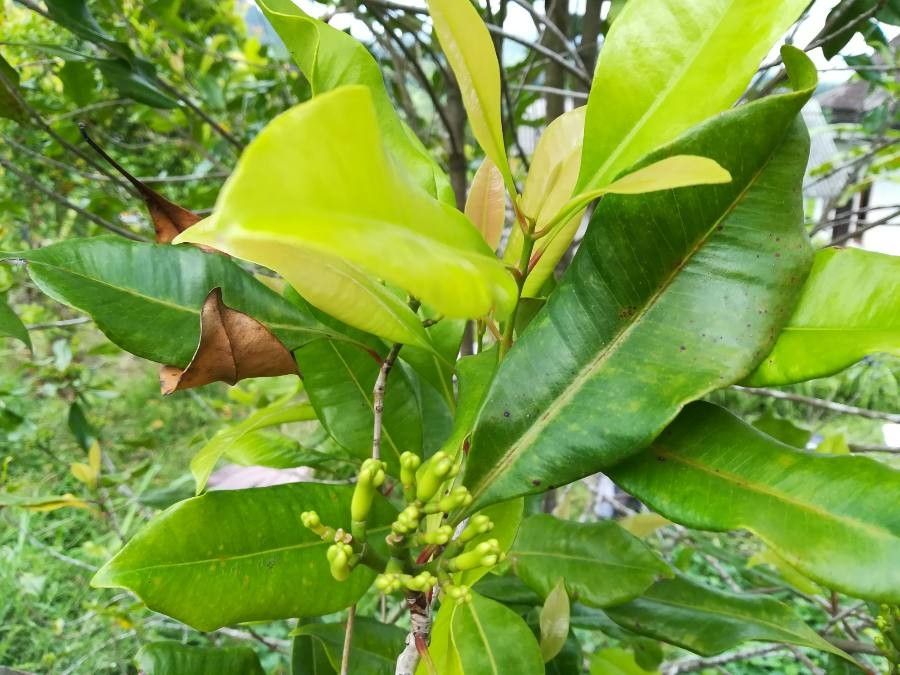
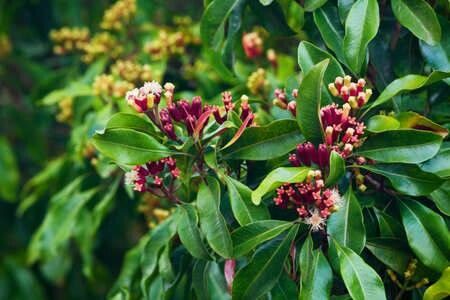
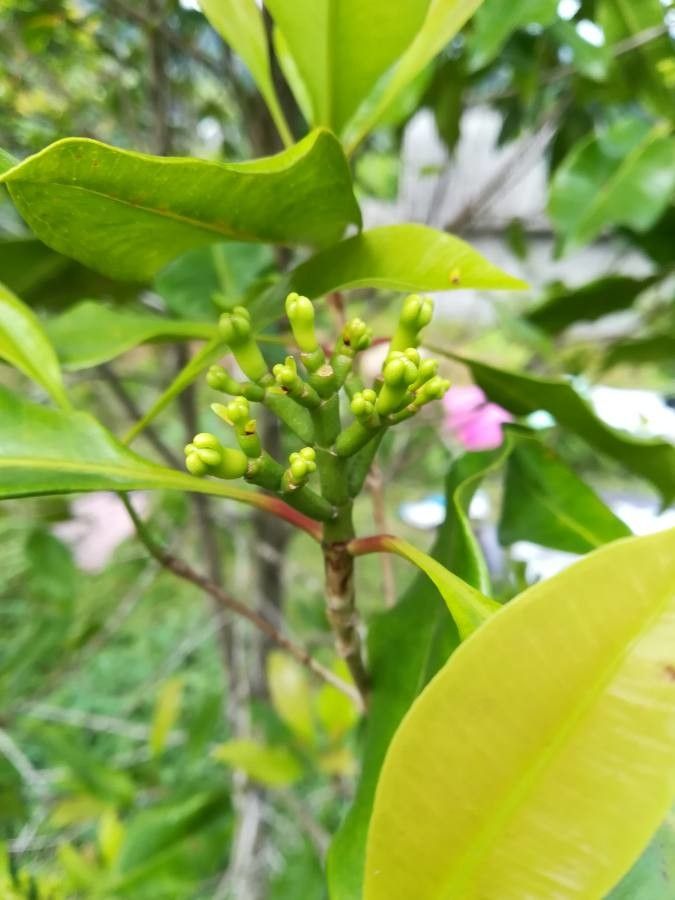
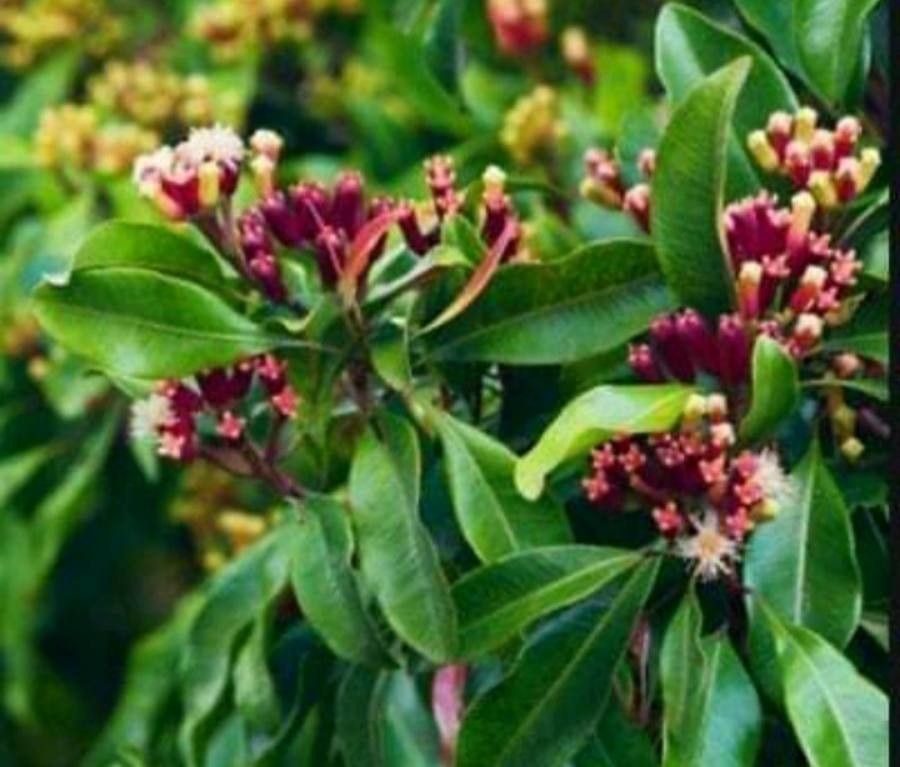
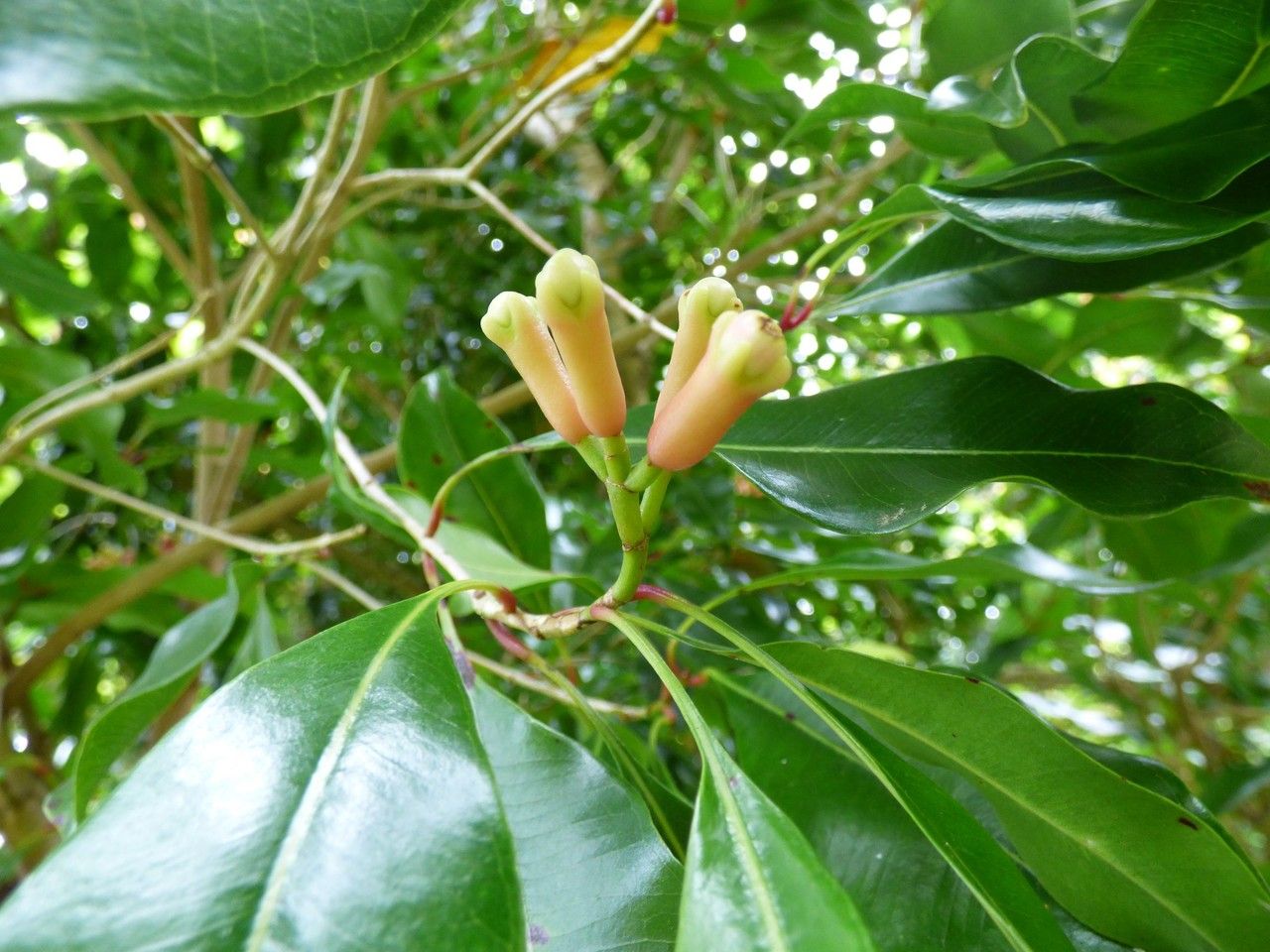
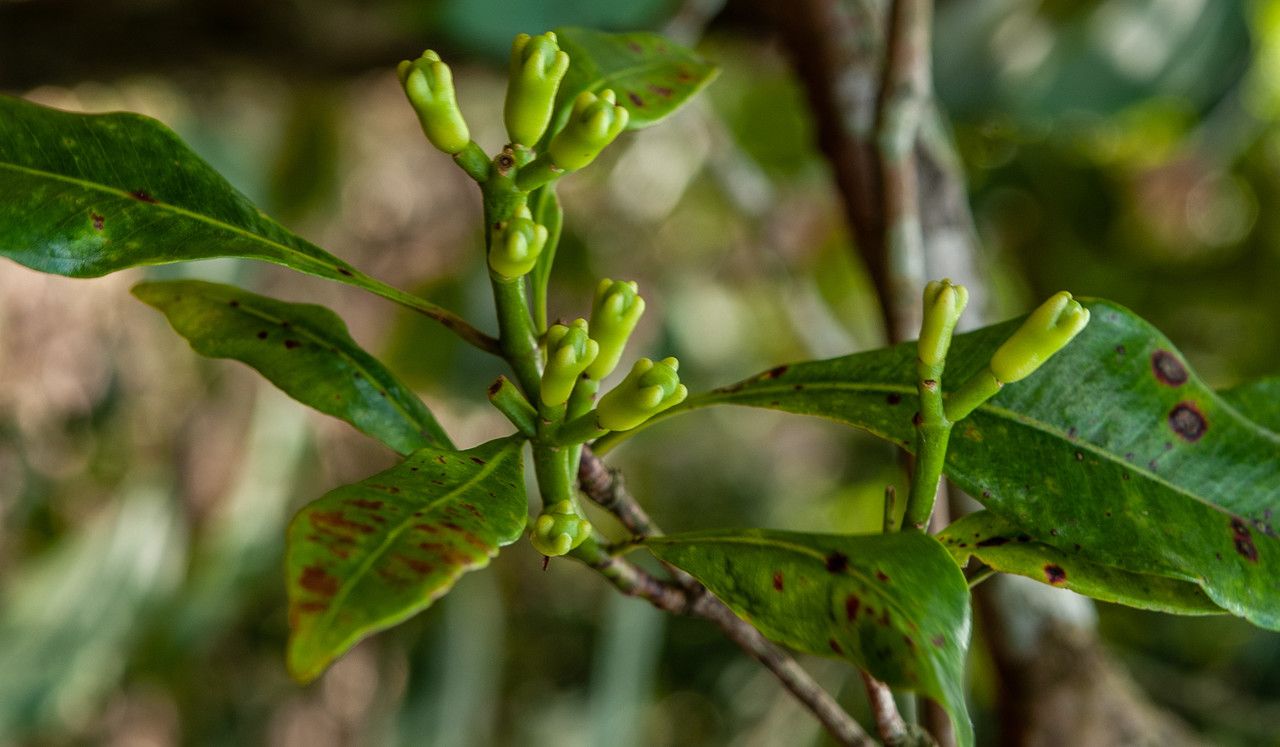
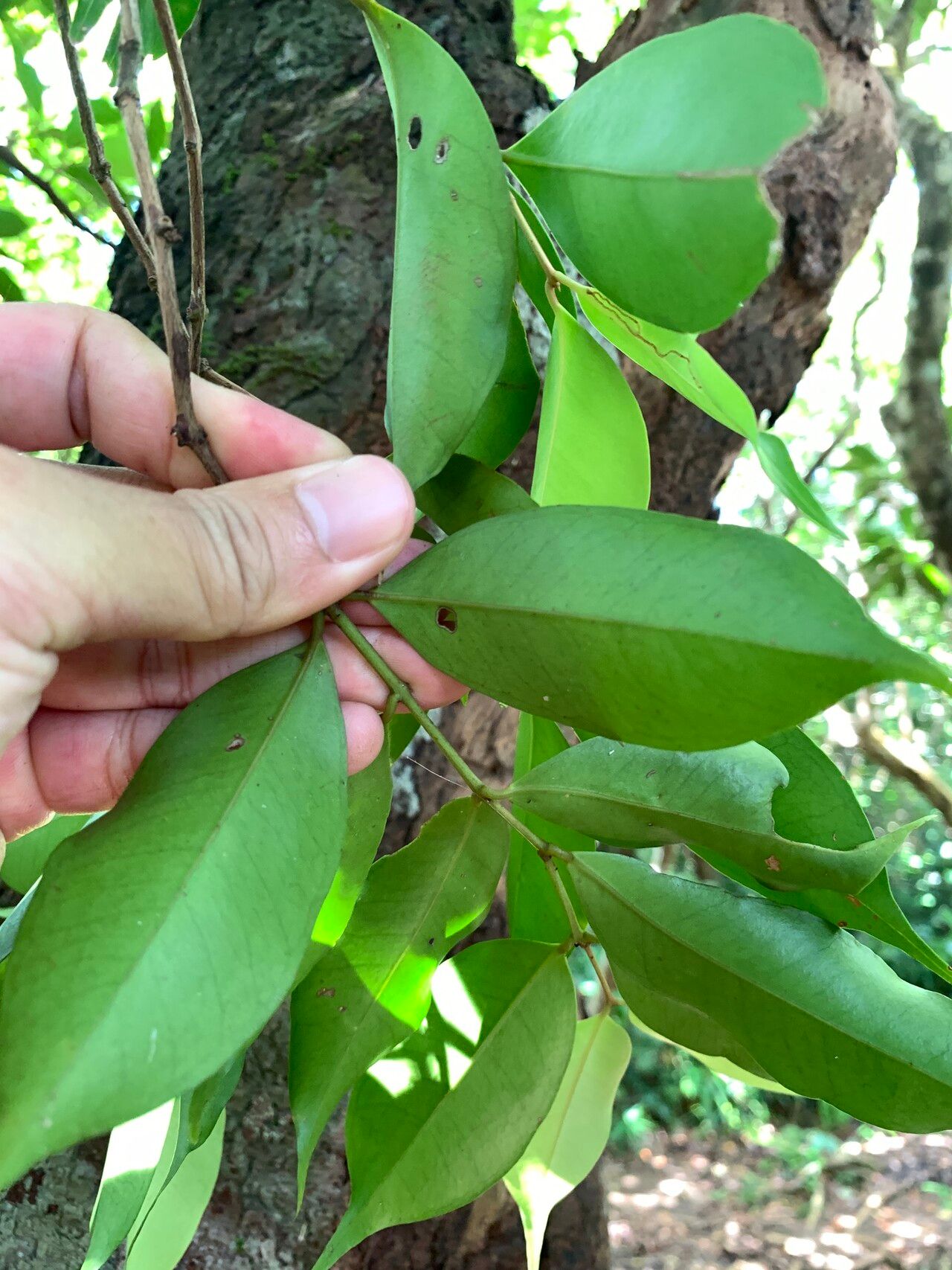
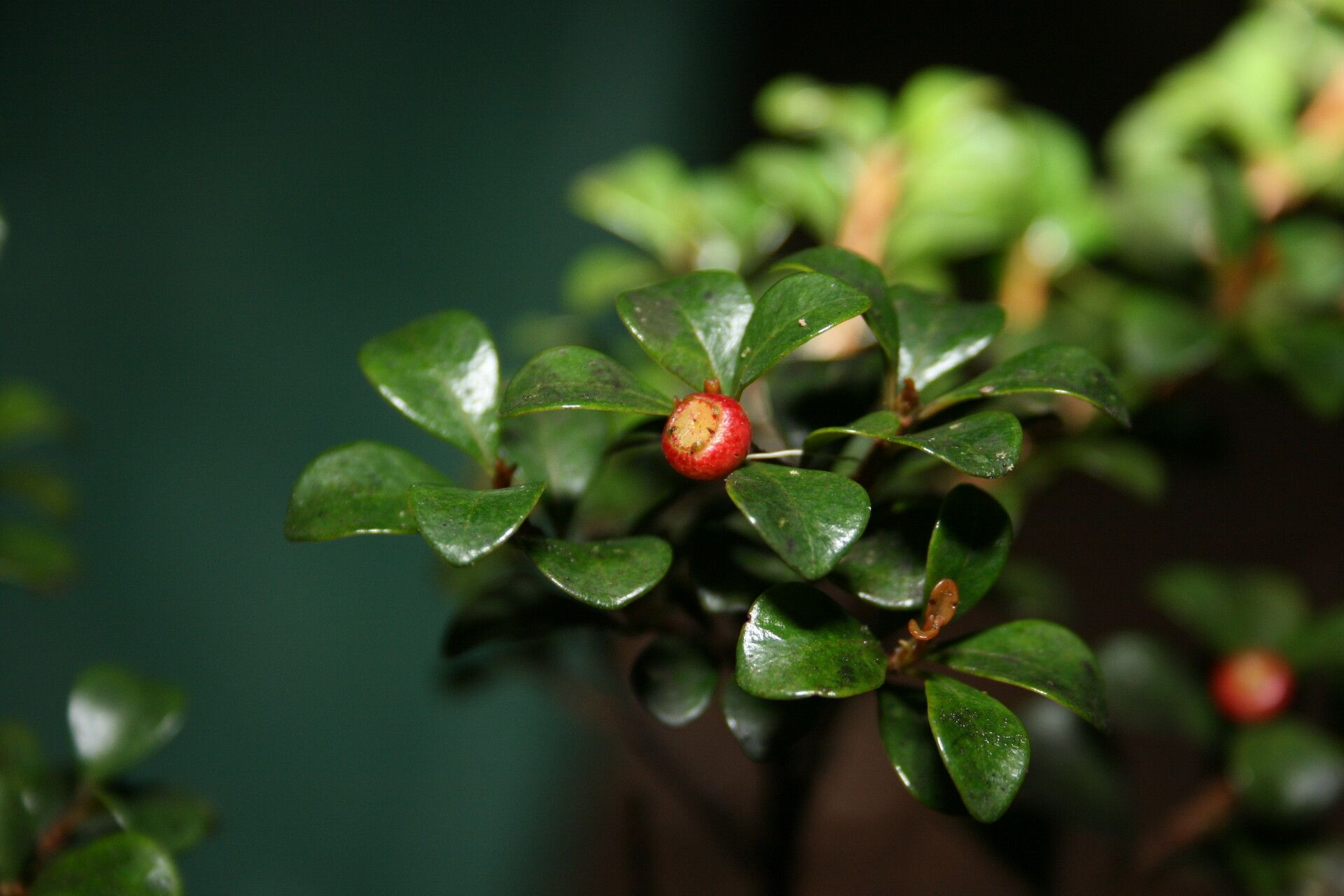
Cloves are the aromatic flower buds of a tree in the family Myrtaceae, Syzygium aromaticum. They are native to the Maluku Islands (or Moluccas) in Indonesia, and are commonly used as a spice, flavoring or fragrance in consumer products, such as toothpaste, soaps, or cosmetics. Cloves are available throughout the year owing to different harvest seasons across various countries.
Clove is disease-resistant and generally not susceptible to illnesses. In terms of care, this plant is fairly low-maintenance. When grown outdoors it needs only light watering, and larger plants typically do not require pruning. Smaller plants, however, should be pruned after they have finished blooming. Clovet is appropriate for anyone with an outdoor area, such as a garden or deck, and does not demand much care experience.
How to keep Syzygium Aromaticum.
Light
Clove comes from open habitats like sunny meadows and the edges of forests, which offer abundant light. It performs best in Full Sun but can also tolerate Partial Sun, adapting well to a range of sunlight conditions.
Water
These plants require constant watering. For the best results, some gardeners prefer a drip irrigation system, especially during the summer months when the plants may require additional watering. Just make sure the soil doesn't become waterlogged or too wet, as this can lead to root rot. In its first three to four years of growth, the clove tree will require the most frequent watering. You must strike a delicate balance. If your environment does not match the humidity of the clove plant's native tropical conditions, light watering and frequent misting are recommended treatment options.
Temperature
Clove comes from tropical areas, where the climate is generally warm and humid. Consequently, it is well suited to high temperatures and humidity. It does not tolerate sudden temperature shifts and prefers a steady thermal environment, so avoiding indoor temperature fluctuations is important. It usually cannot withstand cold and needs higher temperatures to grow. If the surrounding temperature falls too low, the plant may stop growing or even die.
Fertilizer
The best time to fertilize a Clove is in early spring, as it breaks dormancy. This encourages overall growth and supports flower development. Fertilization improves the foliage, stems, and branches while encouraging large, vibrant, and long-lasting flowers. It helps move nutrients from the roots to the flowers and enhances the plant's health and resistance to disease.
Pruning
The clove tree does not require extensive pruning, but after harvesting, its branches can be cut back to the desired height.
Botanical profile.
- Plant Type
- Tree
- Life Cycle
- Perennial
- Genus
- Syzygium
- Family
- Myrtaceae
- Hardiness Zone
- 10-12
- Mature Height
- 10.06 m to 14.94 m
- Mature Spread
- 3.96 m to 6.1 m
- Leaf Color
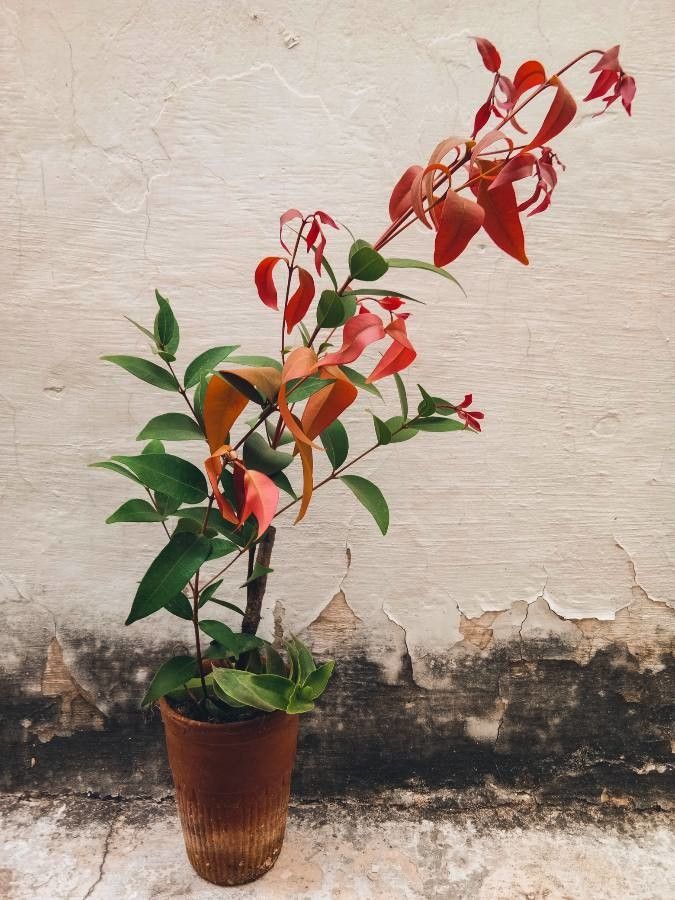
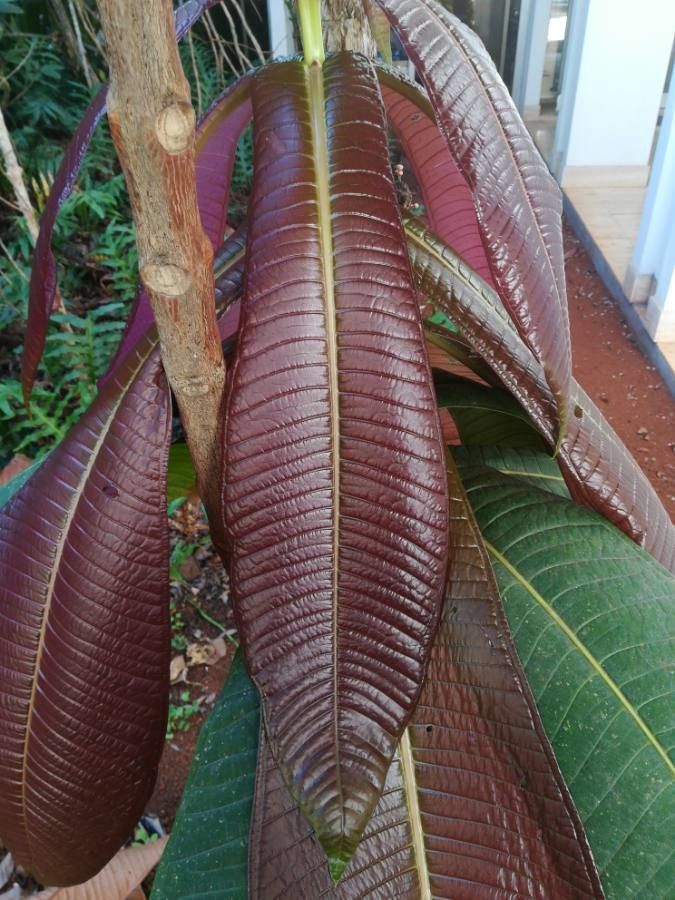
- Dark Green, Olive Drab
- Leaf Type
- Evergreen
- Flower Color
- Pink
- Flower Size
- 1.02 cm to 2.03 cm
- Bloom Time
- Summer
- Planting Time
- Summer
- Harvest Time
- Late summer, Early fall, Mid fall
- Native Area
- Spice Islands/Moluccas (Indonesia)
Other names.