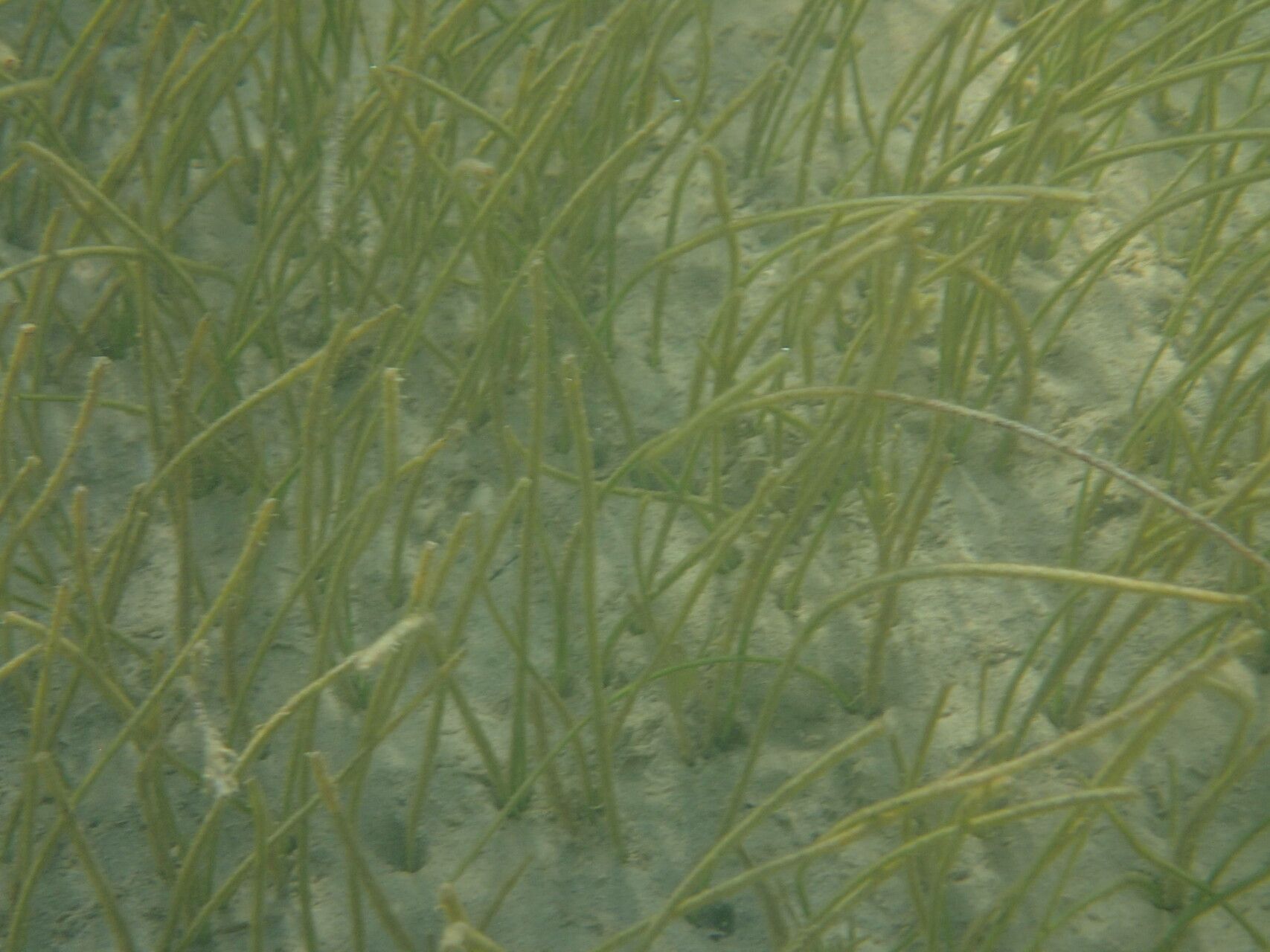
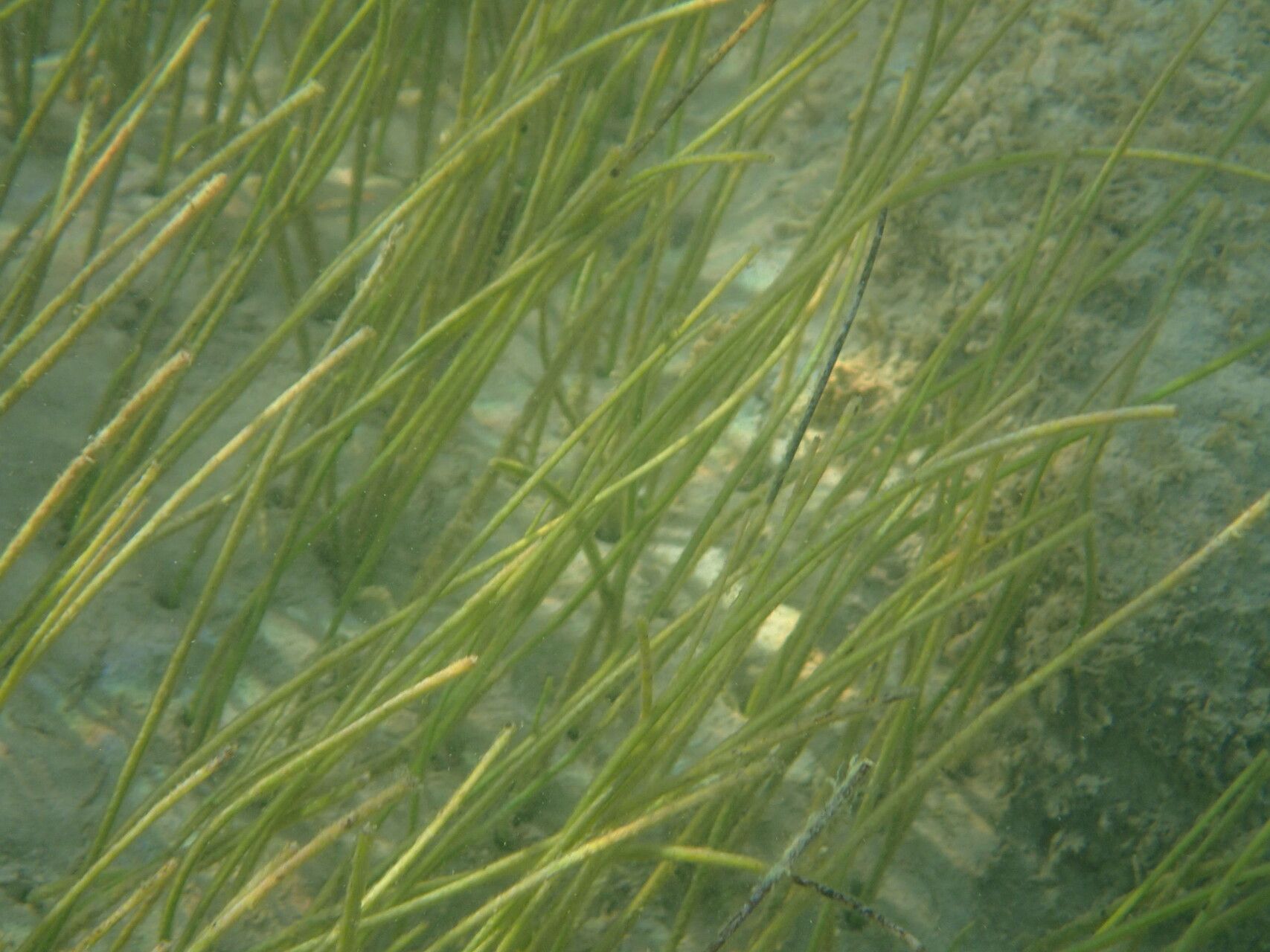
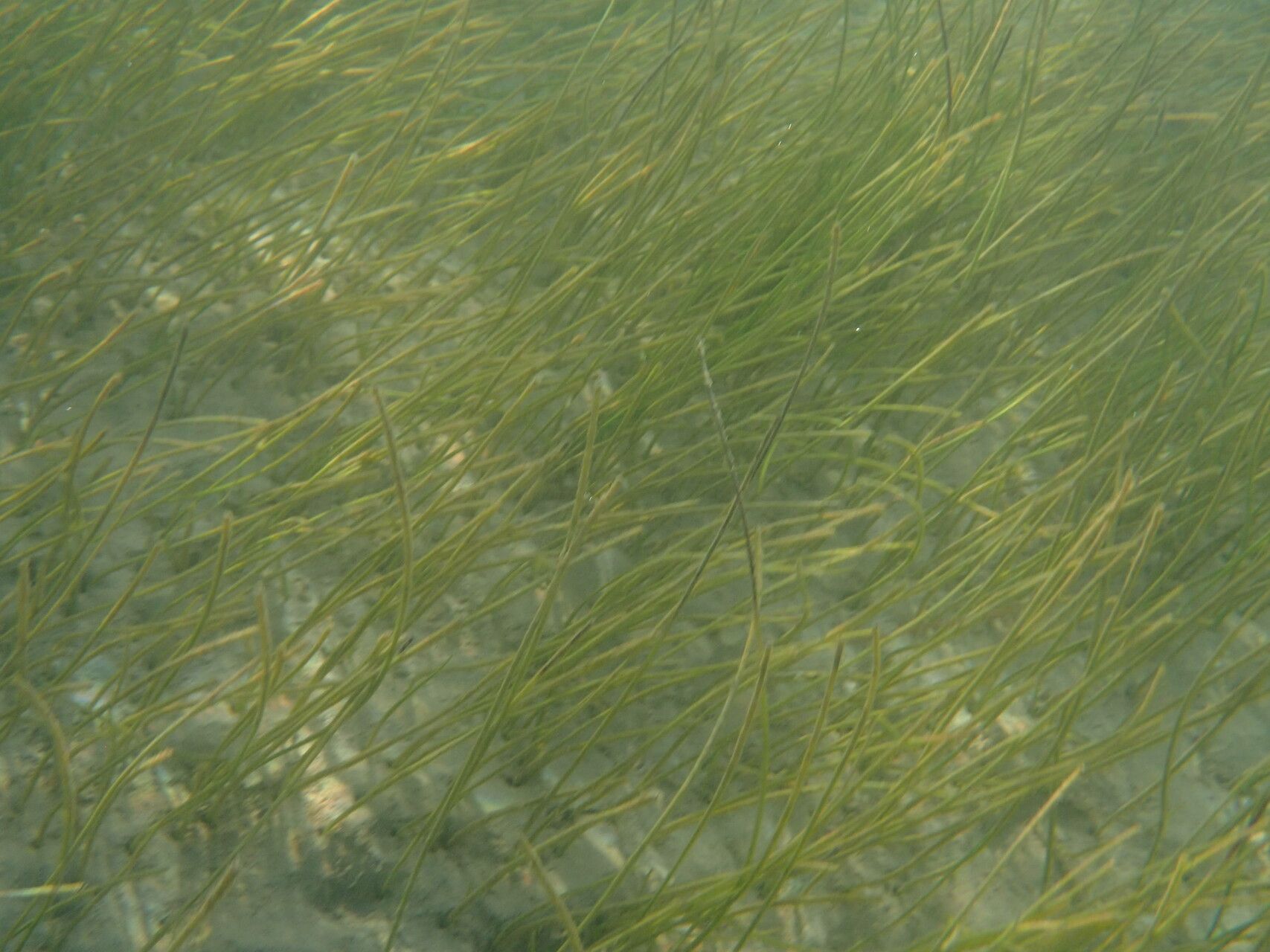
Syringodium filiforme, commonly known as manatee grass, is a species of marine seagrass. It forms meadows in shallow sandy or muddy locations in the Caribbean Sea and the Gulf of Mexico, and is also found in the Bahamas and Bermuda. It occurs to a depth of about 20 m (66 ft), and even deeper where water is very clear.
Manatee grass has strong resistance to disease and generally does not get sick easily. Still, it can be affected by pests and diseases present in the nearby environment. Such infections are generally mild. Care-wise, this plant needs moderate maintenance. It should be pruned regularly to maintain a neat appearance and support healthy growth. Applying fertilizer can also help encourage flowering. Manatee grass is appropriate for anyone who has an outdoor area, like a garden or patio, and does not demand extensive plant-care experience. It may need extra attention if grown indoors.
How to keep Syringodium Filiforme.
Light
Manatee grass is found in sunny habitats, such as the shallow margins of ponds and lakes. It prefers full sun, although it can tolerate partial sun.
Water
Manatee grass flourishes in coastal marine environments, where it needs consistent moisture, much like its natural oceanic habitat. To mimic its native conditions, water it weekly to ensure it remains hydrated. While it can endure short periods of drought, its growth and reproduction are influenced by changes in water temperature, which affect its vigor and seasonal life cycle.
Temperature
Manatee grass comes from tropical areas, where the climate is usually warm and humid. Consequently, it is adapted to high heat and humidity. It is sensitive to sudden temperature changes and prefers a consistent temperature, so avoiding temperature fluctuations indoors is important. It generally cannot tolerate cold and needs warmer conditions to grow. If the surrounding temperature falls too low, the plant may stop growing or even die.
Pruning
Manatee grass is a marine plant characterized by its slender, cylindrical leaves. To encourage growth, it is best to prune it from early to late spring, removing any damaged leaves close to the base. However, be careful not to over-prune, as this can disrupt the ecosystem’s natural balance. With proper care, manatee grass will not only thrive but also enhance the resilience and beauty of the underwater habitat.
Botanical profile.
- Plant Type
- Herb
- Life Cycle
- Perennial
- Genus
- Syringodium
- Family
- Cymodoceaceae
- Hardiness Zone
- 9-11
- Mature Height
- 30 cm to 61 cm
- Mature Spread
- 20 cm to 40 cm
- Leaf Color
- Sea Green
- Leaf Type
- Semi-evergreen
- Bloom Time
- Late spring, Summer
- Planting Time
- Spring
- Harvest Time
- Late summer, Fall
- Native Area
- Colombia, Bahamas, Belize, Cuba, Honduras, Mexico, Venezuela, Nicaragua, Costa Rica, Panama, Jamaica
Other names.