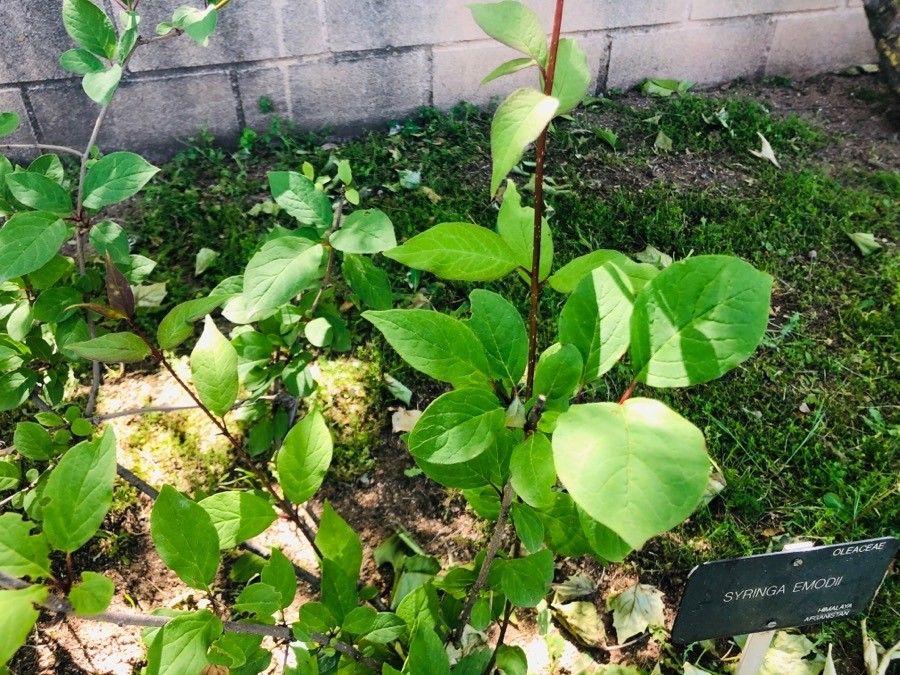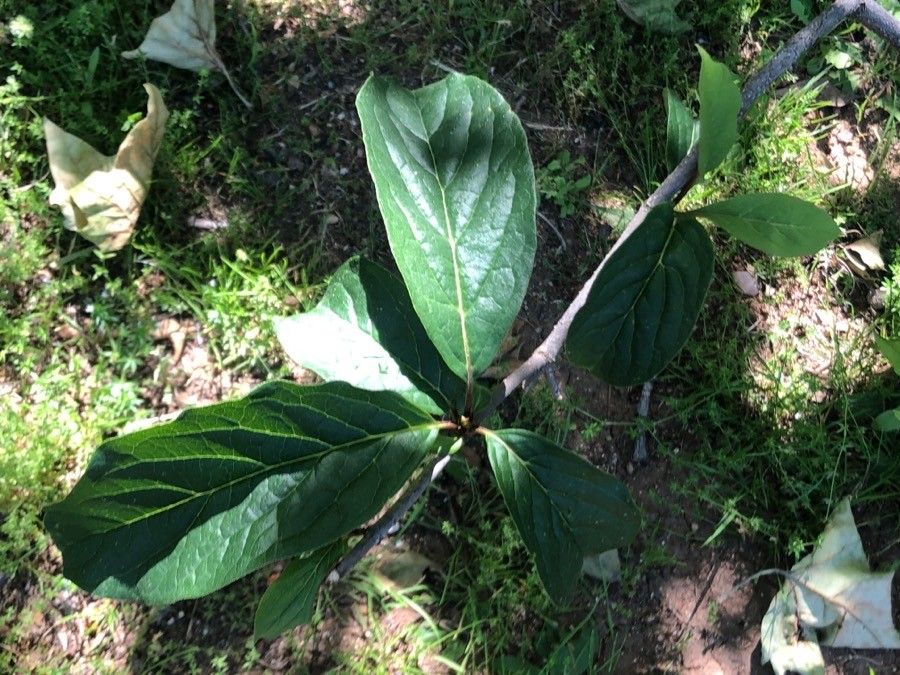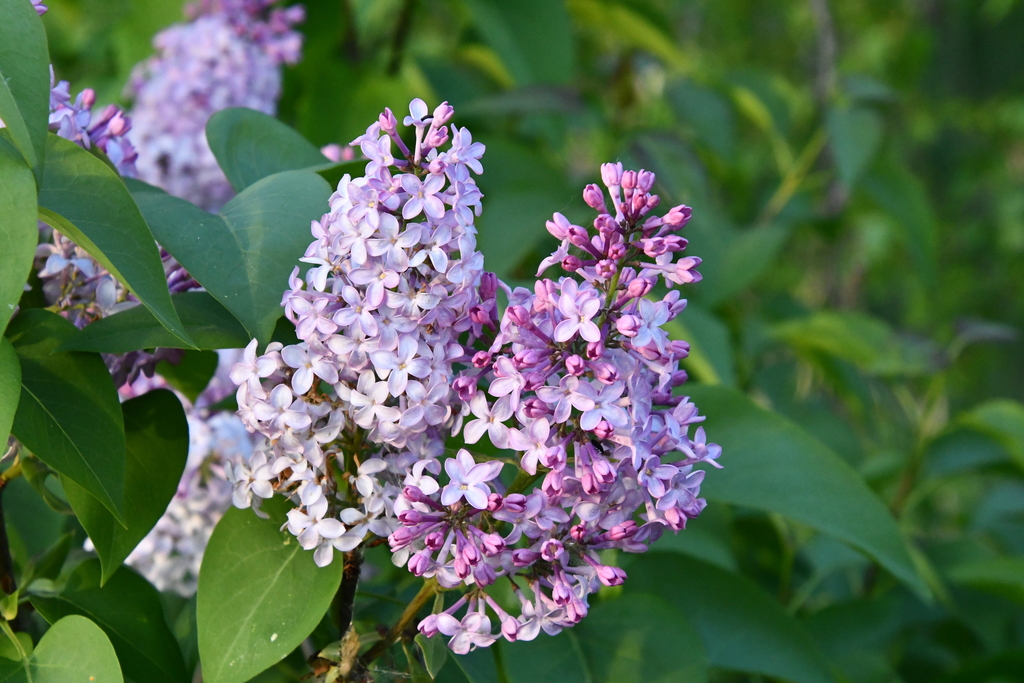
Syringa, commonly known as Lilac, is a genus of flowering plants in the olive family. Native to Europe and Asia, these plants have been widely cultivated in gardens and parks worldwide for their fragrant flowers. Lilacs typically grow as shrubs or small trees with deciduous leaves arranged oppositely on the stem.
The flowers of Syringa usually appear in large panicles or clusters, displaying colors that range from white to pink, purple, or blue-violet, depending on the species. They bloom from late spring to early summer and emit a sweet fragrance that attracts bees, butterflies, and other pollinators.
Syringa plants prefer well-drained soil with full sun exposure but can tolerate partial shade. They are relatively low-maintenance but require regular pruning to maintain their shape and promote healthy growth.
Apart from their ornamental value, Syringa plants have historically been used for medicinal purposes. The leaves were traditionally applied as an antiseptic, while extracts from the bark were used to treat fevers.
Overall, Syringa is an attractive plant with beautiful, fragrant flowers that make it a popular choice for gardens worldwide.
The common lilac has strong resistance to disease and is generally not prone to ailments. In terms of care, this plant is fairly low-maintenance. When grown outdoors it needs only minimal watering, and larger specimens usually do not require pruning. Smaller plants, however, should be pruned after they have finished blooming. Common lilac is well suited for anyone with an outdoor area, such as a garden or a deck, and does not demand extensive plant-care experience.
How to keep Syringa Vulgaris.
Light
Common lilac grows best with abundant sunlight, though it can tolerate some shade. It shows its healthiest growth in spots that get light for most of the day. Its native habitat is characterized by such bright conditions. Too much sun can scorch the leaves, while too much shade can hinder flowering.
Water
Common lilacs do well with moderate moisture and consistent watering. They should be watered every 1-2 weeks, ensuring the top layer of soil dries out between waterings. Although somewhat drought-tolerant, their water requirements rise in the spring and early summer to support flowering during their active growth period.
Humidity
This plant will thrive in moderate humidity, which is probably the level in your home. However, misting it a few times a week can be very beneficial. Make sure the room has good ventilation.
Temperature
Common lilac is a woody plant from temperate zones that grows best in a temperature range of 41 to 95 °F (5 to 35 °C). Native to temperate areas, it tolerates cold winters but can have trouble in hot climates. To cope with seasonal shifts, provide adequate moisture and some shade during hot summers.
Fertilizer
Proper timing is important for fertilizing Common lilac. Apply fertilizer in early spring and continue monthly until early summer. Fertilizer promotes attractive blooms and supplies energy during both dormant and active growth periods.
Pruning
The common lilac is a deciduous shrub known for its fragrant blooms. To keep it healthy, prune it in late spring right after it finishes flowering. Start by removing any dead wood, and then thin out some of the older stems to encourage new growth. If your lilac is overgrown, you can rejuvenate it by cutting back one-third of the oldest stems each year. This process improves air circulation, helps prevent disease, and enhances flowering.
Pot & Repot
To thrive and avoid root rot, common lilacs need excellent drainage when grown in pots. To ensure optimal growth and health, it is crucial to use the right soil composition and pot design.
Toxicity
Lilac trees (Syringa spp.) are a feast for the eyes and nose with their large bouquets of beautiful, fragrant flowers. If pets want to taste the forest again, don't be afraid - plants are not poisonous to animals and are not toxic to humans.
Further reading →
The toxicity and danger assessments provided are for reference only. We do not assure their accuracy, so it's crucial not to depend on them. Seek professional advice when necessary for accurate guidance.
Botanical profile.
- Plant Type
- Shrub, Tree
- Life Cycle
- Perennial
- Genus
- Syringa
- Family
- Oleaceae
- Hardiness Zone
- 5-9
- Mature Height
- 6.1 m to 7.01 m
- Mature Spread
- 1.83 m to 3.66 m
- Leaf Color
- Green
- Leaf Type
- Deciduous
- Flower Color
- Lavender, Purple, White
- Flower Size
- 0.51 cm to 1.02 cm
- Bloom Time
- Mid spring, Late spring
- Planting Time
- Spring, Autumn
- Harvest Time
- Early summer, Mid summer
- Native Area
- Romania, Bulgaria, Montenegro, Albania, Greece, Croatia, Slovenia, Serbia
Other names.
Reader questions.
How much water does my Common lilac need?
The Common lilac typically requires around a gallon of water on a regular basis. For potted plants, water them deeply until you notice water dripping from the pot, then let the soil dry before watering again. To determine the amount of water given in a week, you can use a water calculator or moisture meter. During the flowering period, provide plenty of water but allow the soil to dry out to prevent root rot. If the Common lilac is planted outdoors and receives adequate rainfall, it may not need extra watering. However, when the Common lilac is young or newly planted, ensure it receives 1-2 inches of rain per week. As the Common lilac grows, it can rely on rainfall alone. Only when the weather is very hot or there is no rain for 2-3 weeks, should you consider giving the Common lilac a thorough watering during the cooler part of the day to prevent heat damage. Additional watering will be necessary during extended periods of dry weather.
Why should I put fertilizer on my Common lilac plant?
Fertilizing a Common lilac is crucial for multiple reasons. Firstly, it enhances the production of beautiful blooms. By fertilizing in early spring, you can ensure that your Common lilac will have excellent flowers during that season. Additionally, fertilizer provides the necessary energy for the lilac to store in the ground during its dormant growth phases. This is especially beneficial when adding nutrients during the fall planting or late spring, as it allows the lilac to accumulate more energy for use when active growth resumes.
What are the sun requirements for common lilac?
Common lilac thrives best in locations that offer robust exposure to sunlight, favoring areas that are bathed in light for most of the day. This aligns with its origin habitat, which is accustomed to luminous environments. The plant requires more than 6 hours of sunlight daily to be considered in full sun, whereas partial sun is about 3-6 hours of sunlight. Too much exposure can lead to leaf scorching, whereas insufficient light can impact blooming negatively. It's essential to observe how sunlight moves through your garden, choosing spots that ensure a harmonious balance of light and shade for the wellbeing of your plants.
What is the optimal temperature range for common lilac growth?
Common lilac (Syringa vulgaris) thrives best within a temperature range of 41 to 95°F (5 to 35°C). Native to temperate regions, this woody plant is adapted to handle cold winter temperatures but may find hot climates challenging. During the hot summer months, it's important to ensure the plant receives adequate moisture and partial shade to cope with seasonal changes. While common lilac has strong cold resistance and usually doesn't require special frost protection measures, it's advisable to provide extra care if winter temperatures are expected to drop below the plant's cold tolerance limit.
How should I water my Common lilac plant to keep it healthy?
To promote excellent root development for your plants, it's best to place a garden hose at the base of the plant. Avoid spraying the leaves directly, as this can be detrimental. If your plants are outdoors and exposed to direct sunlight, you'll need to provide more water for the leaves. Using bubblers that can be attached to each plant is a great way to keep the roots moist. Additionally, soaker hoses that cover the entire garden or bed are useful for deeply watering the roots when adding or removing plants. Make sure to drain any excess water and allow the soil to dry before watering again. Watering at ground level is important to prevent diseases. On a sunny day, it may be beneficial to spray the entire bush with water. Whether your plants are potted or in the ground, it's important to remember that Common lilacs prefer deep watering rather than light sprinkling.
When should I fertilize my Common lilac?
To make the fertilizing process for Common lilacs easier, timing is crucial. It's important to avoid using fertilizer too early when the plant is still dormant, as it won't be effective and will just be washed away by rainwater, causing waste and pollution. The recommended timing for the first application of fertilizer is early spring. After that, continue to fertilize once a month until early summer.
What artificial lighting conditions do indoor common lilacs require?
Indoor common lilacs require adequate lighting to sustain optimal growth, especially when natural sunlight is limited. During winter or in less sunny spaces, artificial lighting becomes crucial. LED lights, being able to provide specific wavelengths, are a popular choice, ideally providing 30-50W/sq ft for full sun plants, 20-30W/sq ft for partial sun plants, and 10-20W/sq ft for full shade plants. The light source should be placed 12-36 inches above the plant, mimicking natural sunlight conditions, and kept on for 8-12 hours per day to simulate the length of natural daylight hours specific to the plant species.
How should I protect common lilac in winter?
To protect common lilac during harsh winter conditions, especially if temperatures are expected to drop below its tolerance limit, it's recommended to wrap the trunk and branches with non-woven fabric or cloth. This provides additional insulation against the cold. Additionally, before the onset of the first freeze in autumn, water the plant thoroughly to ensure the soil is moist going into the frozen state. This helps in preventing winter drought and ensures the plant has access to adequate moisture during early spring.
What should I do if I give too much/not enough water to the Common lilac?
A Common lilac that is overwatered may have yellow leaves that drop off and wilt. The plant will also appear dull and unhealthy, with mushy stems. If you notice these signs, try to adjust your watering schedule if possible. Wilting can also be a sign of under watering, in which case the leaves may become crispy and dry. If the soil is dry and watering alone is not enough, give the plant a thorough watering. This will help the Common lilac recover, but the plant may still have dry and yellow leaves for a few days due to damage to the root system. Once the plant returns to normal, the yellowing of the leaves will stop. When keeping a Common lilac indoors, always check the moisture levels in the pot and avoid overwatering. Look out for signs of black spots, and if present, let the soil dry out by withholding water for a few days. Overwatering can cause root rot, so if you notice discolored and slimy roots, consider transferring the plant to a different pot. To prevent root rot, ensure the soil does not become too soggy. When planting a Common lilac outdoors, dig a little deeper and if the soil feels too dry with your fingers, it could indicate underwatering. Adequate watering is necessary for the plant to recover.
When is a bad time to add fertilizer to my Common lilac?
To ensure optimal blooming, it is important to avoid using a fertilizer with excessive nitrogen for Common lilac. Such fertilizers can promote leaf growth without the desired amount of blooms. Instead, choose a fertilizer with a lower nitrogen content compared to other nutrients. Additionally, refrain from fertilizing after early autumn, as this can cause excessive growth right before winter. Similarly, avoid fertilizing Common lilac during hot and dry periods, as dry soil does not effectively deliver the nutrients and can also stimulate growth, which requires additional water that may not be available. It is best to apply fertilizer earlier in the season when temperatures are cooler. Lastly, be aware that Common lilac can absorb fertilizer from nearby plants or lawns, so be cautious not to accidentally give the tree or shrub a double-dose of fertilizer.
What are the symptoms of inadequate light in common lilacs?
Common lilacs suffering from inadequate light exposure may exhibit several symptoms reflecting light deficiency, such as smaller new leaves, leggy or sparse growth, accelerated leaf drop, slowed or halted new growth, paler new leaves, chlorosis, sunscald, leaf curling, wilting, and leaf scorching. These symptoms range from physical deformities due to poor light to conditions like chlorosis and sunscald, where the plant shows a loss of green color or damage from intense light exposure. Addressing these light issues is essential for the health and appearance of the plant.
What are the symptoms of low temperature damage in common lilac?
Common lilac displays strong cold tolerance but may exhibit signs of stress when temperatures fall below its minimum growth threshold. Though the plant remains resilient during winter, excessively low temperatures can lead to brittle and dry branches by spring, with no new shoots emerging. This indicates that the plant has been subjected to temperatures lower than what it can withstand.