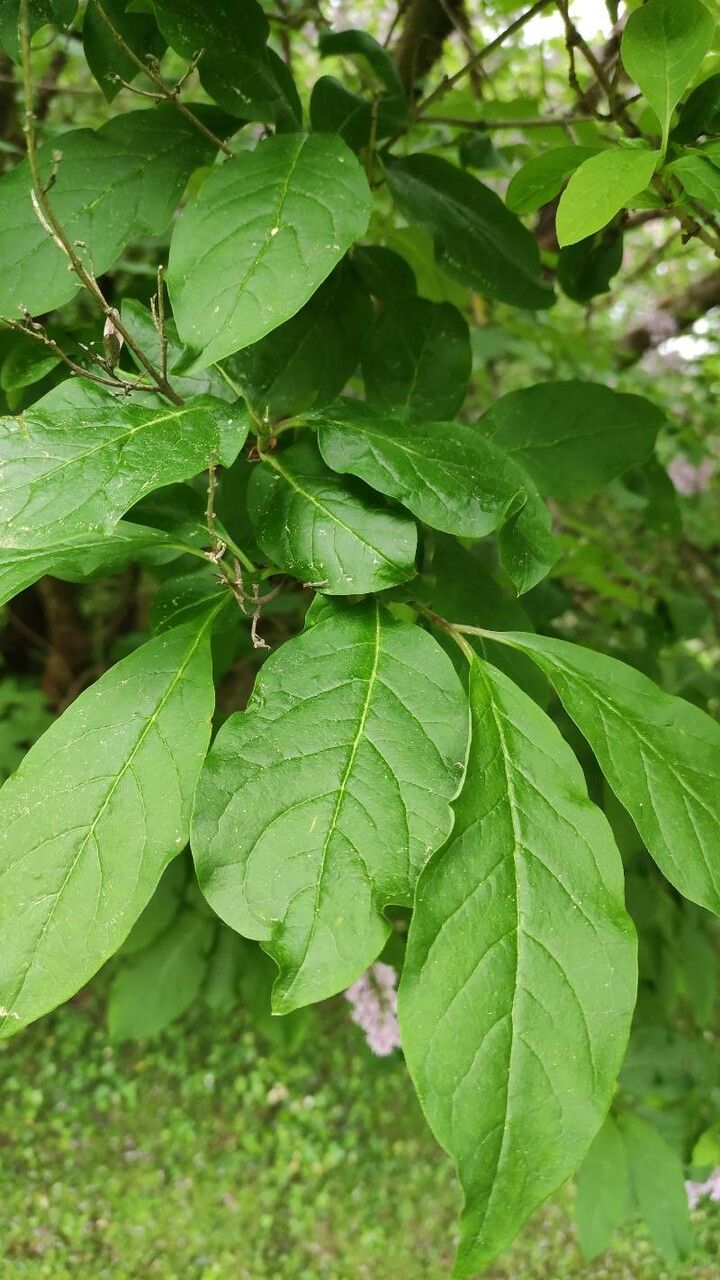
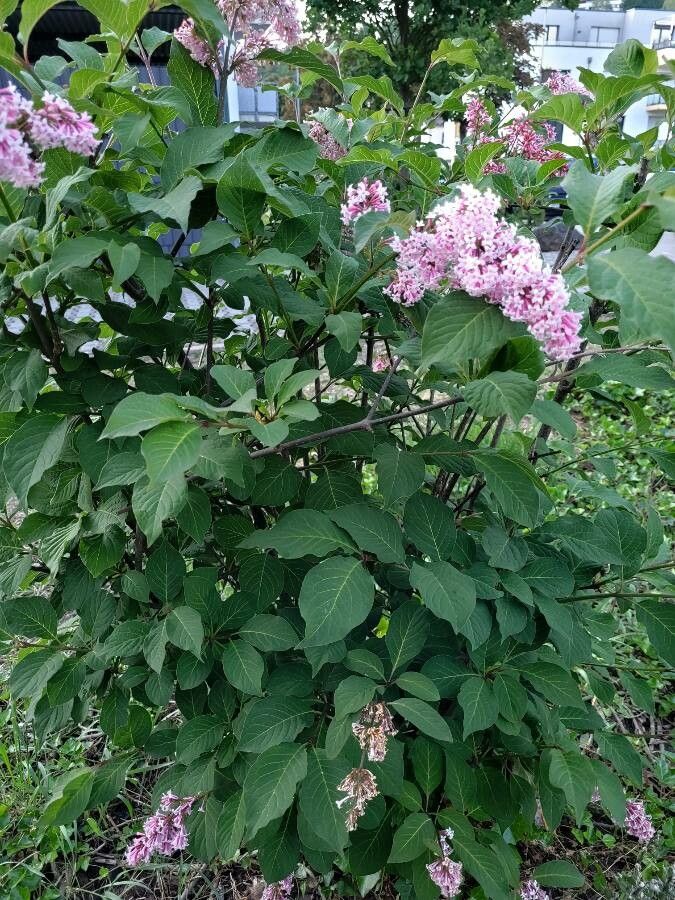
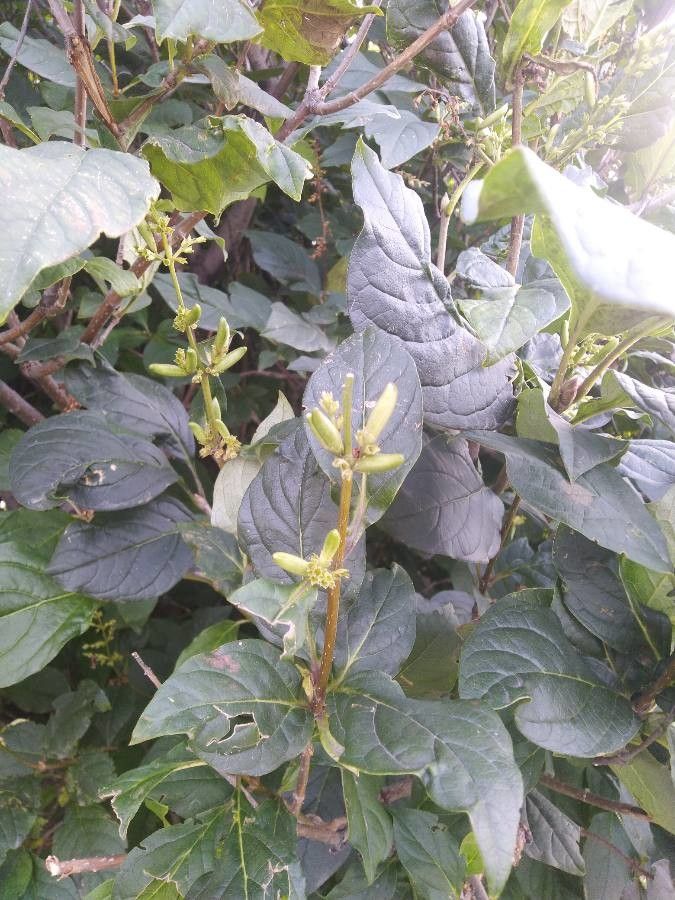
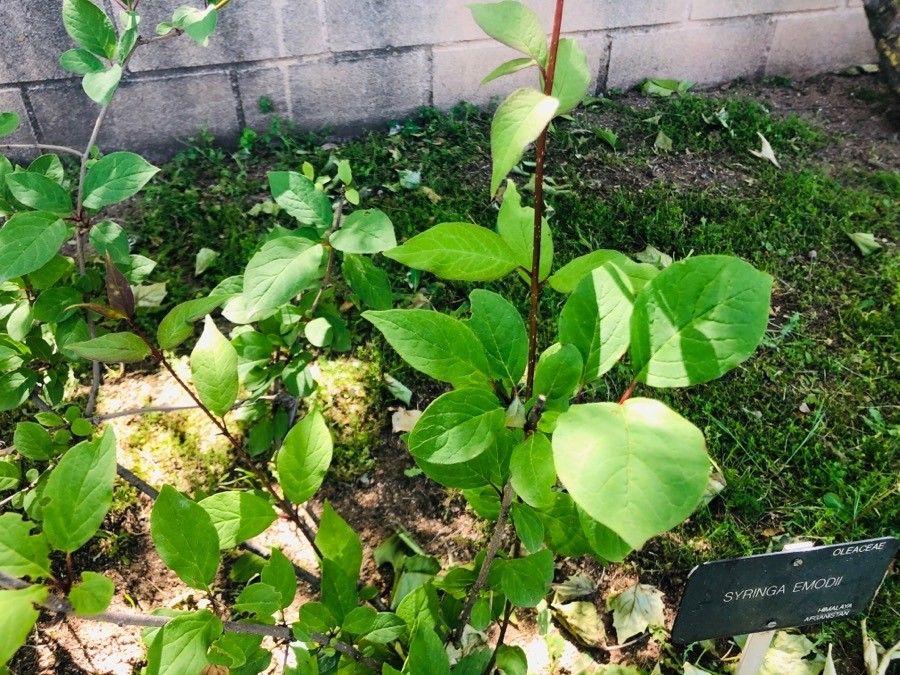
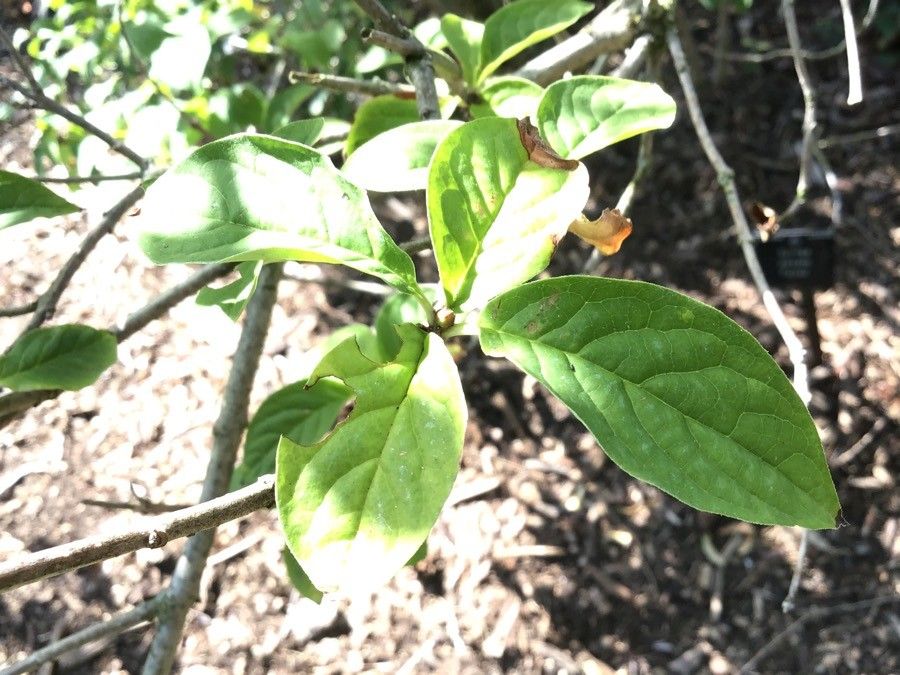
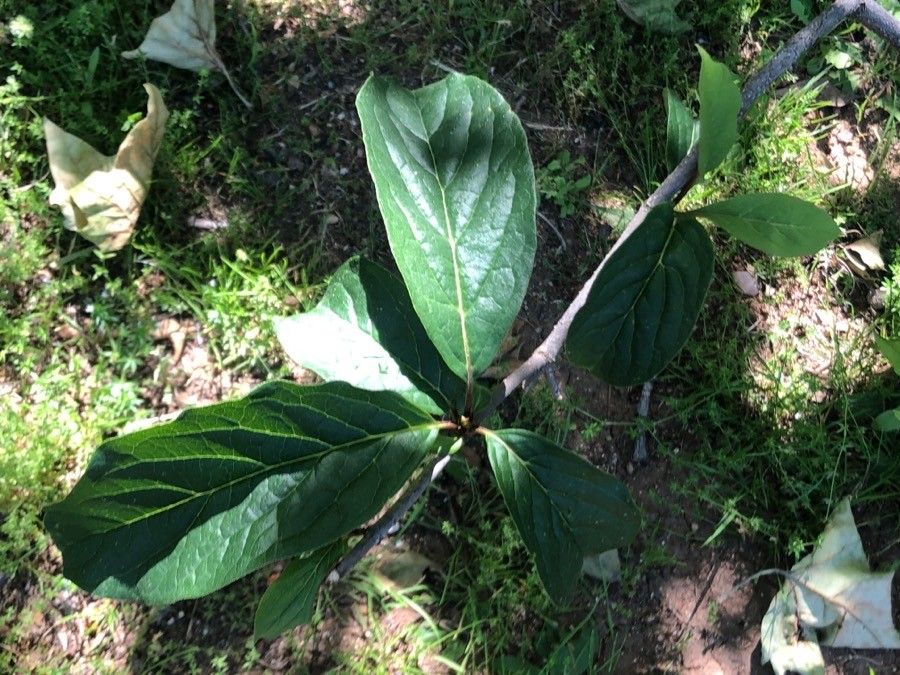
Syringa villosa, the villous lilac, is a shrub native to Korea, the southern part of the Russian Far East (Primorye) and northern China. There are two subspecies currently recognized (April 2014); these are regarded as separate species in Flora of China. Combining the ranges for the two taxa yields a range within China of Hebei, Shanxi, Heilongjiang, Jilin, and Liaoning. Syringa villosa is a shrub up to 4 m tall, with red, white, pink or purple flowers.
Late Lilac has strong disease resistance and is generally unlikely to develop illnesses. Regarding care, the plant is fairly low-maintenance. When grown outdoors it needs little watering, and larger specimens typically do not require pruning. Smaller plants, however, should be pruned after they have bloomed. Late Lilact is suitable for anyone with an outdoor area, such as a garden or deck, and does not demand much prior plant-care experience.
How to keep Syringa Villosa.
Light
Late Lilac prospers with abundant daylight, which supports its healthy growth and development. Originating in groves and woodlands, it tolerates varying light conditions, yet it predominantly prefers full illumination. Reduced light can hamper its vibrant flowering, resulting in a lackluster appearance.
Water
The Late Lilac thrives in evenly moist, well-drained soil and needs to be watered weekly. While it can endure short periods of drought, it prefers moderate moisture. Adding mulch helps retain moisture, which reduces the need for frequent watering, particularly during its active growing season. Native to temperate climates, the Late Lilac is ideal for garden settings.
Temperature
The late Lilac plant does best in temperatures of 50 to 95 ℉ (10 to 35 ℃) and can endure a broad range of temperatures, but it cannot withstand temperatures below 23 ℉ (-5 ℃). It comes from mountainous areas with cool summers and cold winters, implying it can acclimate to somewhat cooler winter temperatures. In cold winters, protecting the plant’s roots with mulch or other protective material is necessary to prevent frost damage.
Fertilizer
Fertilize your Late Lilac in early spring to encourage healthy growth. Regular feeding boosts overall health, producing vigorous growth, greater tolerance of harsh conditions, and improved resistance to pests and diseases. Keep to a specific fertilization schedule to maintain vibrant foliage with deep color and a lush appearance.
Pruning
Late Lilac is a deciduous shrub known for its fragrant flowers that bloom later in the season. To maintain the plant's health and appearance, prune it after the blooming period in late spring. During pruning, remove any dead or overcrowded branches to improve air circulation. For rejuvenation pruning, cut one-third of the old branches down to the base. Always use clean tools to prevent the spread of diseases.
Pot & Repot
When repotting a Late Lilac, select a pot 1-2 inches (2.5–5.1 cm) larger that has good drainage. Use a well-draining potting mix. Repot in spring or fall, making sure the root ball sits slightly below the rim of the pot. Water thoroughly after repotting and place it in a warm spot with indirect sunlight.
Botanical profile.
- Plant Type
- Shrub
- Life Cycle
- Perennial
- Genus
- Syringa
- Family
- Oleaceae
- Hardiness Zone
- 6-9
- Mature Height
- 1.83 m to 3.05 m
- Mature Spread
- 1.83 m to 3.05 m
- Leaf Color
- Green, Blue
- Leaf Type
- Deciduous
- Flower Color
- Lavender
- Flower Size
- 2.54 cm
- Bloom Time
- Late spring, Early summer
- Planting Time
- Spring, Autumn
- Harvest Time
- Mid summer
Other names.
Reader questions.
How should I water my Late Lilac plant?
To ensure excellent root development, place a garden hose at the base of your plant. Avoid spraying the leaves directly, as this can cause issues. If your plants are outdoors and in direct sunlight, the leaves will require more watering. Consider using bubblers or soaker hoses to keep the roots moisturized. When adding or removing plants, use soaker hoses that cover the entire garden or bed to encourage deep root growth. After watering, drain any excess water and allow the soil to dry before watering again. To prevent diseases, water at ground level. On a sunny day, it may be beneficial to spray the entire bush with water. Whether in pots or in the ground, remember that Late Lilacs require deep watering rather than light sprinkling.
Why should I add fertilizer to my Late Lilac plant?
No matter the type of Late Lilac you have, regular fertilization can greatly improve its overall health. By providing the necessary nutrients, your Late Lilac will experience stronger growth, making it more resistant to tough conditions and better equipped to ward off diseases and pests. The foliage of your Late Lilac is particularly beautiful, so it's important to maintain its health. This involves following a specific fertilization schedule for your Late Lilac, which will result in vibrant leaves and a lush appearance.
What are the sunlight requirements for Late Lilac?
Late Lilac, or Syringa villosa, thrives best in conditions where it can receive abundant daylight. It originates from groves and woodlands where it is accustomed to a range of light conditions, but it flourishes most under full sun exposure, which is defined as more than 6 hours of sunlight daily. Partial sun, or about 3-6 hours of sunlight, is also acceptable but may impact the plant's vibrant flowering, leading to a less vivid appearance. It's important to observe the movement of sunlight through your garden to find spots that offer a good balance of light and shade, ensuring optimal growth and happiness of your plants.
What are the ideal temperature conditions for Late Lilac plants?
Late Lilac plants prefer temperatures ranging between 50°F to 95°F (10°C to 35°C). Originally from mountainous regions with cool summers and cold winters, they can withstand a wide range of temperatures but cannot tolerate temperatures below 23°F (-5°C). During winter, while they have strong cold resistance, temperatures dropping below -25°C require cold protection efforts, such as wrapping the plant’s trunk and branches with non-woven fabric or cloth to prevent frost damage.
What should I do if I give Late Lilac too much or too little water?
If you notice that your Late Lilac is overwatered, you may see yellowing, wilting, and dropping leaves. The plant may also appear dull and unhealthy, with mushy stems. In this case, it's important to adjust your watering schedule. On the other hand, wilting can also be a sign of under watering, which is characterized by crispy, dry leaves. If the soil is dry and regular watering isn't enough, give the plant a thorough watering. However, even with enough water, the Late Lilac may still have dry and yellow leaves due to root damage. Once the plant returns to its normal state, the yellowing of the leaves will cease. When taking care of your Late Lilac indoors, always check the moisture levels in the pot and avoid overwatering. Look out for black spots, and if present, allow the soil to dry out by refraining from watering for a few days. Overwatering can lead to root rot, so it's important to prevent this by not letting the soil become too soggy. If you notice discolored and slimy roots, consider transferring the plant to a different pot. When planting your Late Lilac outdoors, dig a little deeper and check if the soil is too dry. If it is, make sure to provide adequate watering to help the plant recover.
When should I fertilize my Late Lilac bush?
To ensure healthy growth, fertilize your Late Lilac during late winter or early spring. This will provide the necessary nutrients for it to thrive when the weather warms up. If you live in a warm climate region, it is recommended to give your Late Lilac an extra fertilizer feeding in early fall. This will not only add nutrients for the following growing season but also make your Late Lilac more resilient to winter cold and prevent foliage damage. Fertilizing earlier will also allow new branches enough time to grow and withstand the cold winter.
How does artificial lighting support Late Lilac's growth indoors?
For indoor Late Lilacs, adequate lighting is crucial, especially when natural sunlight is insufficient, such as during winter or in less sunny spaces. Artificial lights can be a vital solution, promoting faster, healthier growth. LED lights are recommended because they can be customized to provide specific wavelengths that plants need. Full sun plants require 30-50W/sq ft of artificial light, partial sun plants need 20-30W/sq ft, and shade plants need 10-20W/sq ft. The light source should be placed 12-36 inches above the plant, mimicking natural sunlight as closely as possible, and most plants will benefit from 8-12 hours of light daily.
How should I protect Late Lilac plants during cold winters?
To protect Late Lilac plants in cold winters, especially if temperatures are expected to fall below -25°C, you should take special measures to protect them from frost. This includes wrapping the plant’s trunk and branches with materials like non-woven fabric or cloth. Additionally, before the first freeze of autumn, it is recommended to water the plant abundantly to keep the soil moist, which helps prevent drought and water scarcity during winter and early spring. Applying mulch or other protective materials around the plant’s roots can also help minimize frost damage.
How often do I need to water my Late Lilac plant?
The Late Lilac plant prefers deep and infrequent watering, especially when planted in pots. Pots have limited water storage, so the soil dries out faster. In cold regions, water every 3 to 5 days, preferably in the morning when the soil is dry. Check the soil inside the pot - if the top 2-3 inches are dry, it's time to water. During hot days, check moisture daily as the heat can quickly dry out the soil. If you have a garden, irrigation is necessary. In hot climates, water once a week if the soil is 2-3 inches dry. Consider rainfall before watering to prevent root rot. Late Lilac usually grows in spring and fall. Use mulch to conserve water when the plants are outdoors. Sandy soil requires more frequent watering, while clay soil requires less. You can mark watering dates on a calendar and watch for drooping leaves as a sign that water is needed.
When is not a good time to add fertilizer to my Late Lilac?
There are certain times of the year when you should avoid fertilizing your Late Lilac. One of these times is during the early and mid-winter months when the plant is dormant and does not require any nutrients. Another time to avoid fertilization is during late spring and throughout summer when the weather is typically hotter and drier. These conditions can have a negative impact on the plant's response to fertilization. To prevent any issues, it is best to only fertilize your Late Lilac during early spring and early fall.
What are some common symptoms of light deficiency or overexposure in Late Lilac?
Late Lilac may exhibit various symptoms when faced with suboptimal lighting conditions. Light deficiency can lead to smaller new leaves, leggy or sparse growth, faster leaf drop, slower or no new growth, and lighter-colored new leaves, indicating insufficient sunlight and lack of essential nutrients. Overexposure to sunlight can cause chlorosis (leaves turning yellow), sunscald (damage from intense sunlight exposure), leaf curling (as a defense to reduce exposed surface area), wilting (from excessive water loss due to transpiration), and leaf scorching (brown, dry edges on leaves due to excessive sunlight). These symptoms help in diagnosing and addressing the plant's exposure to sunlight.
What are the symptoms of temperature stress in Late Lilac plants, and how can they be addressed?
Temperature stress in Late Lilac plants manifests differently under low and high temperature conditions. In low temperatures, particularly below -25°C, the branches may become brittle and dry by spring, leading to a lack of new shoots. The solution to this is pruning away any dead branches that failed to produce new leaves in the spring. For high temperatures above 38°C, the plant’s leaves may lighten in color and the tips may become dry and withered, making the plant more susceptible to sunburn. In such cases, sunburned and dried parts should be trimmed away, and the plant should be moved to a shaded location or protected with a shade cloth. Additionally, the soil should be kept moist by watering in the morning and evening.