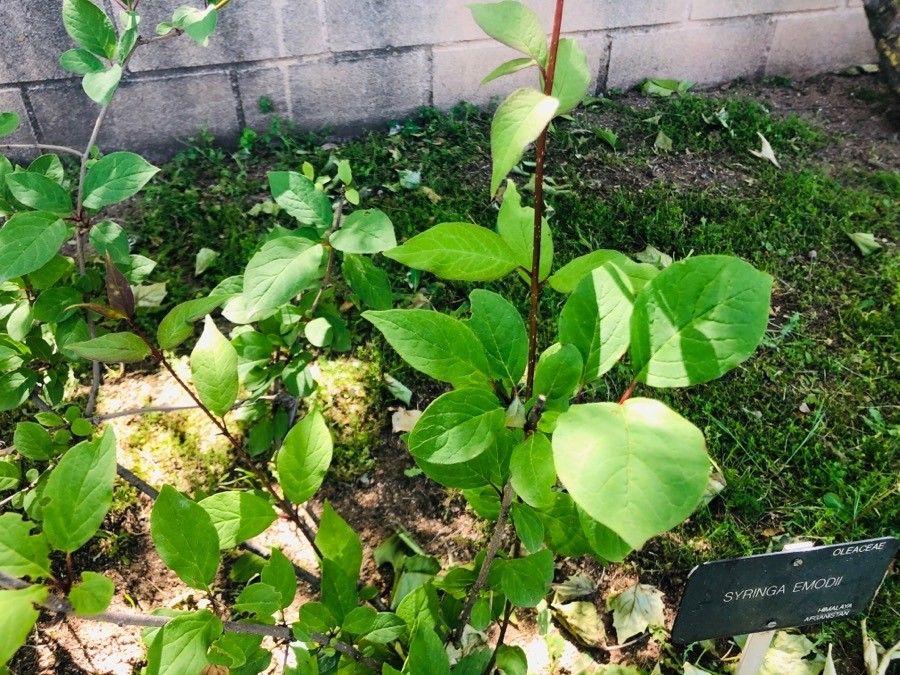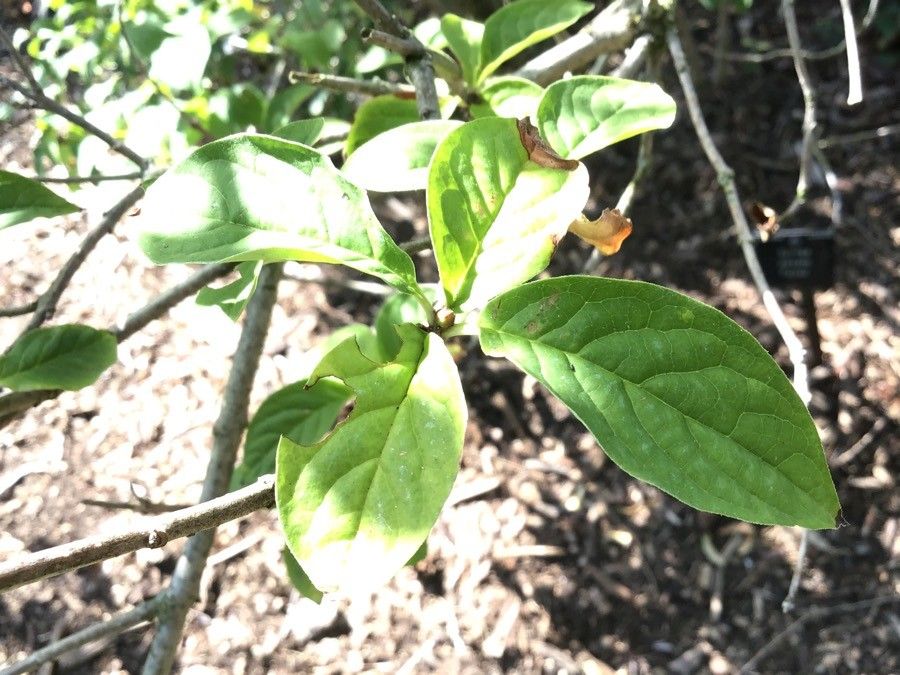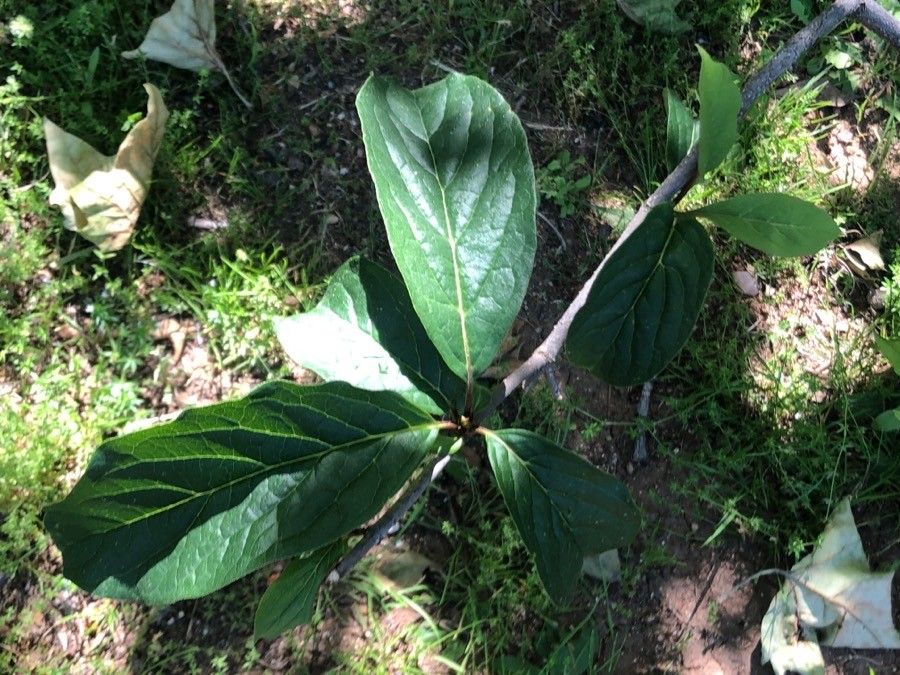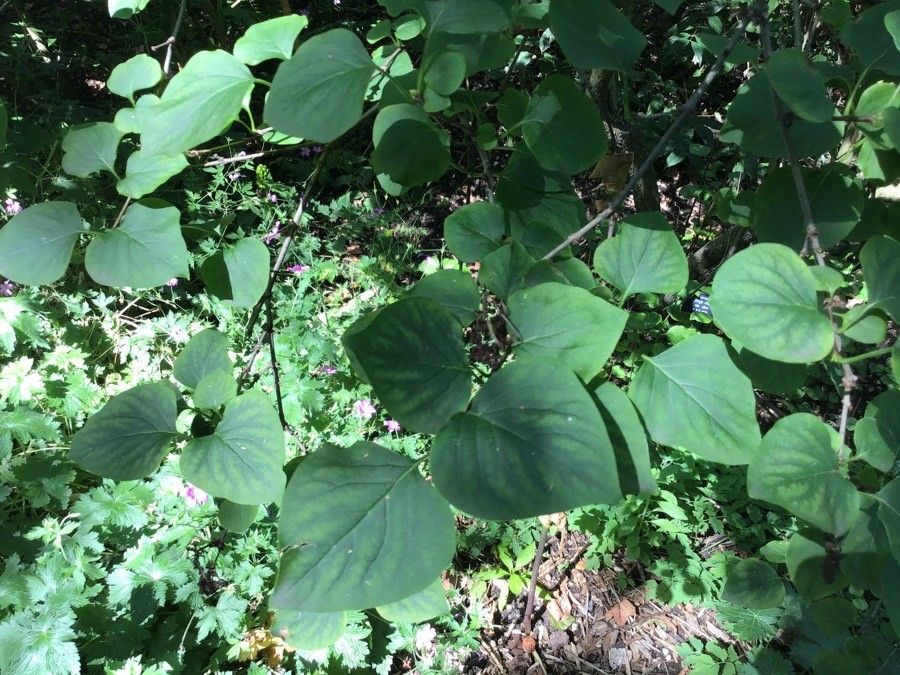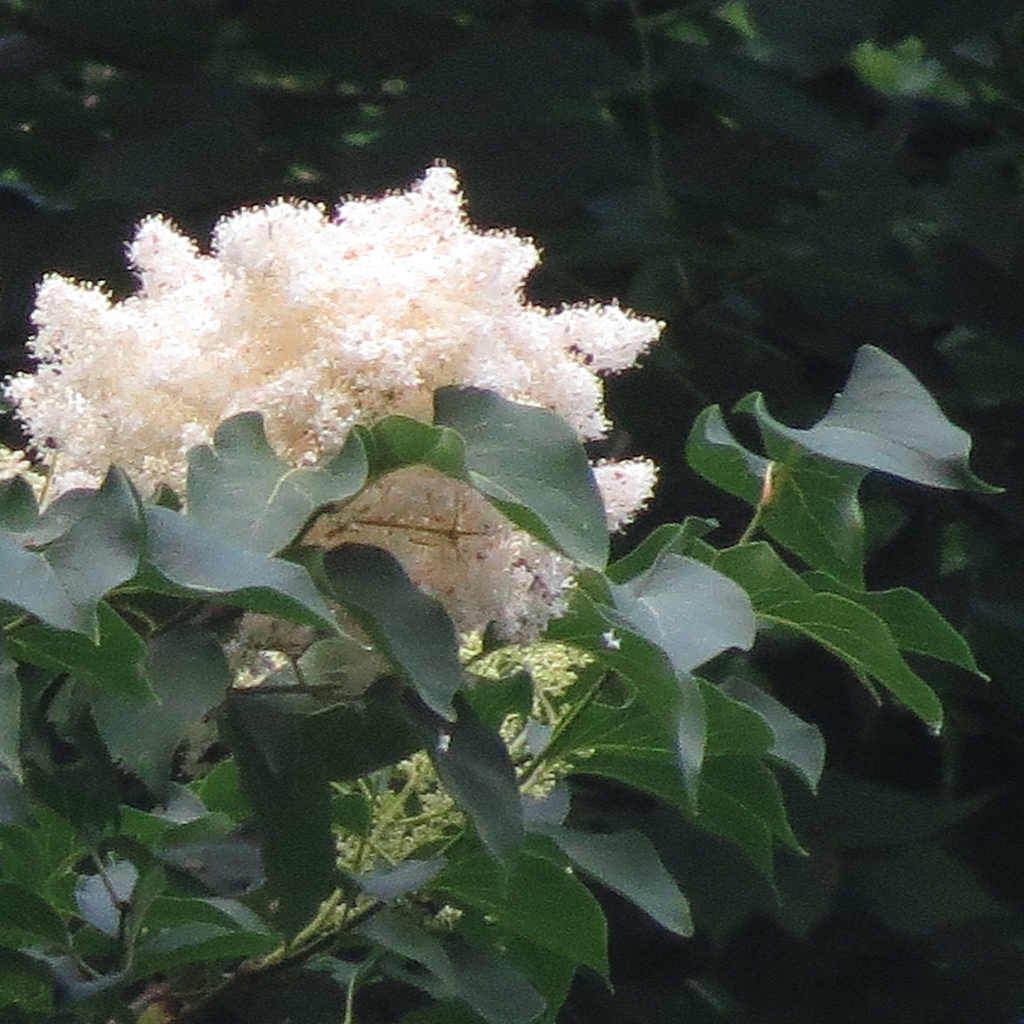
Syringa reticulata, commonly known as Japanese tree lilac, is a deciduous tree belonging to the olive family. Native to Japan and Korea, it has been widely cultivated around the world for its attractive flowers and ornamental value. The tree can grow to a height of 10-15 meters with a spread of 6-8 meters.
The leaves of Syringa reticulata are dark green, glossy, and ovate-shaped with pointed tips. Its creamy white or pale yellow flowers appear in large panicles that can reach up to 30 centimeters in length. These flowers bloom in late spring or early summer and last for about two weeks.
The bark of Syringa reticulata is grayish-brown with prominent lenticels, giving it an appealing texture. While the wood is hardy, it is not particularly durable.
The Japanese tree lilac is often called the "flower of heaven" due to its noble and cherished fragrance, revered since ancient times. The language of lilacs embodies the splendor suggested by this nickname. It is said that those born under the blessing of this flower are favored by God and destined for a life of glory. However, their intelligence often leads them to seek shortcuts on their journey. It's important for them not to lose sight of their ultimate goals. In France, purple lilacs symbolize first love. FUN FACT · FROM THE LIBRARY
Syringa reticulata thrives in well-drained soil but can tolerate various soil types as long as they are not waterlogged. It requires full sun exposure for optimal growth but can also tolerate partial shade.
This plant serves many purposes, including ornamental uses such as landscaping and street planting due to its beautiful flowers that attract bees, butterflies, and hummingbirds, making it an excellent choice for pollinator gardens. Additionally, its bark extract has been traditionally used by herbalists for its anti-inflammatory properties, which help reduce swelling caused by arthritis and other conditions.
Overall, Syringa reticulata is an excellent addition to any garden due to its stunning blooms in the spring and summer seasons, and its low maintenance requirements make it an easy-care option.
The Japanese tree lilac is quite resistant to disease and typically does not suffer from illnesses. In terms of maintenance, this plant is relatively low-maintenance. When grown outdoors it needs little watering, and larger specimens generally do not require pruning. Smaller plants, however, should be pruned after they have finished blooming. The Japanese tree lilac is suitable for anyone with outdoor space, such as a garden or deck, and does not demand much plant-care experience.
How to keep Syringa Reticulata.
Light
The Japanese tree lilac performs best with continuous sun exposure, which encourages vigorous growth and abundant flowering. Its native habitat provides plenty of sunlight, and the species has adapted to those conditions. That said, it can tolerate sites with only moderate sunlight, though its growth and flowering may be reduced. Both too much and too little sunlight can negatively affect the plant’s health and productivity.
Water
The Japanese tree lilac thrives in moderately moist soil and adapts well to seasonal droughts, especially in areas with higher humidity. To keep it healthy, water the plant every three weeks, allowing the soil to dry out slightly between waterings. Using mulch outdoors can help retain moisture, mimicking the lilac's natural habitat and supporting its hydration during active growth periods.
Temperature
Japanese tree lilac is native to regions with seasonal climates, where typical temperatures range from 32 to 90 °F (0 to 32 °C). It prefers these moderate conditions and may require temperature adjustments when exposed to extreme heat or cold during different seasons.
Fertilizer
The timing of fertilizing Japanese tree lilac is important. Apply fertilizer in early spring and continue monthly until early summer. Fertilizer encourages attractive blooms and supplies energy during both dormant and active growth periods.
Pruning
The Japanese tree lilac, known for its white blooms and attractive bark, benefits from early spring pruning. To improve air circulation and maintain its shape, remove any damaged branches after the tree has finished flowering. Proper pruning encourages healthy growth and helps preserve the tree's aesthetic appeal. Be sure to use clean, sharp tools to prevent disease.
Pot & Repot
The Japanese tree lilac is not well-suited for growing in pots, as its specific growing conditions and needs are difficult to meet in a container. This plant thrives in well-drained soil and requires ample space for its root system to develop properly.
Toxicity
Lilacs do not contain any poisonous or irritating substances that can harm animals or humans. Nontoxic is the classification. While lilac bushes are unlikely to be poisonous to dogs, any ingestion of plants or their parts might cause stomach and digestion problems in animals.
Further reading →
The toxicity and danger assessments provided are for reference only. We do not assure their accuracy, so it's crucial not to depend on them. Seek professional advice when necessary for accurate guidance.
Botanical profile.
- Plant Type
- Tree, Shrub
- Life Cycle
- Perennial
- Genus
- Syringa
- Family
- Oleaceae
- Hardiness Zone
- 3-7
- Mature Height
- 6.1 m to 9.14 m
- Mature Spread
- 4.57 m to 6.1 m
- Leaf Color
- Green
- Leaf Type
- Deciduous
- Flower Color
- White
- Flower Size
- 1.02 cm to 2.03 cm
- Bloom Time
- Early summer, Mid summer
- Planting Time
- Winter, Spring
- Harvest Time
- Late summer, Early fall, Mid fall
- Native Area
- East Asia
Other names.
Reader questions.
How should I water my Japanese tree lilac to keep it healthy?
To promote excellent root development, place a garden hose at the base of the plant. Avoid spraying the leaves directly and keep in mind that outdoor plants in direct sunlight will need more water for their leaves. For moistening the roots, you can use bubblers for each plant, or soaker hoses to cover the entire garden or flower bed. When adding or removing plants, use soaker hoses to ensure deep root watering. After watering, drain any excess water and let the soil dry before watering again. To prevent diseases, water at ground level. On a sunny day, it may be beneficial to spray the entire bush with water. Whether potted or in the ground, remember that Japanese tree lilacs prefer deep watering rather than light sprinkling.
Do I have to put fertilizer on my Japanese tree lilac?
Fertilizing a Japanese tree lilac is important for several reasons. The first and most obvious reason is that it helps the tree produce beautiful blooms. Fertilizing in early spring is particularly effective for ensuring a vibrant display of flowers. Additionally, fertilizer provides the tree with ample energy, which can be stored in the ground during periods of dormant growth. By providing extra nutrients during fall planting or late spring, the tree can store more energy to use when growth resumes.
What are the sunlight requirements for a Japanese tree lilac?
The Japanese tree lilac requires full sun exposure, thriving in conditions where it can receive more than 6 hours of sunlight a day. It can also manage in partial sun, with about 3-6 hours of sunlight, but its growth and blooming might be impacted. It's crucial to watch how sunlight moves through your garden, choosing spots that provide a balance of light and shade to ensure the plants' well-being. Originally from habitats with abundant sunlight, the Japanese tree lilac has adapted well to these conditions but excessive or insufficient sunlight can affect its health and productivity.
What is the native climate for Japanese tree lilac?
Japanese tree lilac, or Syringa reticulata, is indigenous to areas that experience seasonal climates, with temperatures typically ranging from 32 to 90°F (0 to 32°C). It thrives in these moderate temperatures and may require adjustments when facing extreme heat or cold throughout the seasons.
If I give the Japanese tree lilac too much or too little water, what should I do?
When a Japanese tree lilac is overwatered, it can display various signs such as yellow leaves, leaf drop, wilting, and a generally unhealthy appearance. Mushy stems may also be present. In such cases, adjusting your watering schedule is advised. On the other hand, wilting can also occur due to under watering, which is characterized by crispy and dry leaves. It's important to check the soil moisture level regularly and provide proper watering when needed. Although sufficient watering will help the Japanese tree lilac recover, the plant may still exhibit dryness and yellowing leaves for a few days due to potential root damage. Once the plant returns to normal, the yellowing of leaves will cease. When keeping the Japanese tree lilac indoors, always monitor the moisture levels and avoid overwatering. If you notice black spots, allow the soil in the pot to dry out for a few days before watering again. Overwatering can lead to root rot, so it's crucial to prevent this by ensuring the soil does not become too soggy. When planting the Japanese tree lilac outdoors, dig a little deeper and if the soil feels too dry, it may indicate underwatering, in which case adequate watering is needed to aid the plant's recovery.
When should I fertilize my Japanese tree lilac?
To effectively fertilize Japanese tree lilacs, timing is crucial. Applying fertilizer too early when the tree is still dormant would be ineffective as it would be washed away by rainwater, leading to waste and pollution. Instead, the first application of fertilizer should be made in early spring, followed by monthly applications until early summer.
How can artificial lighting be used for indoor Japanese tree lilacs?
Artificial lighting is vital for indoor Japanese tree lilacs when natural sunlight is insufficient, especially during winter or in less sunny spaces. LED lights, which can be customized to provide specific wavelengths, are a popular choice. Full sun plants require 30-50W per square foot, partial sun plants need 20-30W per square foot, and full shade plants about 10-20W per square foot. The light source should be placed 12-36 inches above the plant, and most plants will need 8-12 hours of light per day to mimic natural daylight hours.
How cold-tolerant is the Japanese tree lilac?
The Japanese tree lilac is highly cold-tolerant, capable of enduring winter without needing additional frost protection measures. However, it's advisable to water the plant generously before the first freeze in autumn to ensure the soil remains moist and enters a frozen state. This helps prevent the plant from experiencing drought and water scarcity during winter and early spring.
How many times a week should I water my Japanese tree lilac?
The Japanese tree lilac prefers deep and infrequent watering. When they are in pots, it is important to soak them in a gallon of water each time, as the soil dries out faster in pots. In cold regions, they should be watered every 3 to 5 days. Watering should be done early in the morning when the soil is dry, and you can check if watering is needed by examining the top 2-3 inches of soil. During hot days, moisture levels should be checked daily to prevent the soil from drying out. If you have a garden, irrigation is necessary, especially in hot climates where watering once a week is recommended. Take into consideration the rainfall on the plant and avoid overwatering to prevent root rot. Adding mulch about 3 to 4 inches deep can help conserve water when the plants are outdoors. Sandy soil requires more frequent watering, while clay soil can go 2-3 days without water to avoid root rot. Marking the watering dates on a calendar can help ensure timely irrigation. Keep an eye on drooping leaves as a sign that watering may be needed soon.
When is it best to not fertilize my Japanese tree lilac?
When fertilizing Japanese tree lilac, be cautious about using too much nitrogen as it can result in excessive leaf growth but limited blooms. It is recommended to choose a fertilizer with a lower nitrogen content compared to other nutrients. Additionally, avoid fertilizing after early autumn as it may cause excessive growth before winter. Similarly, refrain from fertilizing the tree during hot and dry periods, as dry soil is not as effective in delivering fertilizer, and excess growth may further strain the limited water supply. It is best to apply fertilizer earlier in the cooler season. Lastly, keep in mind that Japanese tree lilac can absorb fertilizer applied to nearby plants or lawns, so be careful not to unintentionally overdose the tree with fertilizer.
What symptoms indicate a Japanese tree lilac is not getting enough light?
Symptoms of insufficient light in Japanese tree lilacs include smaller new leaves, leggy or sparse growth, faster leaf drop, slower or ceased growth, and lighter-colored new leaves. These signs suggest the plant is in survival mode due to poor lighting, affecting its chlorophyll production and nutrient absorption. Conversely, symptoms of too much light include chlorosis, sunscald, leaf curling, wilting, and leaf scorching, as excessive sunlight can damage the plant's tissue and hinder its ability to photosynthesize and maintain hydration.
What should I do if the winter temperature drops below -35°C for my Japanese tree lilac?
If the winter temperature drops below -35°C, the Japanese tree lilac remains incredibly cold-tolerant. Although there may not be any noticeable changes to the plant during the winter, the branches can become brittle and dry by spring, and new shoots may fail to emerge. In such cases, it's recommended to prune away any dead branches that have not produced new leaves come spring.