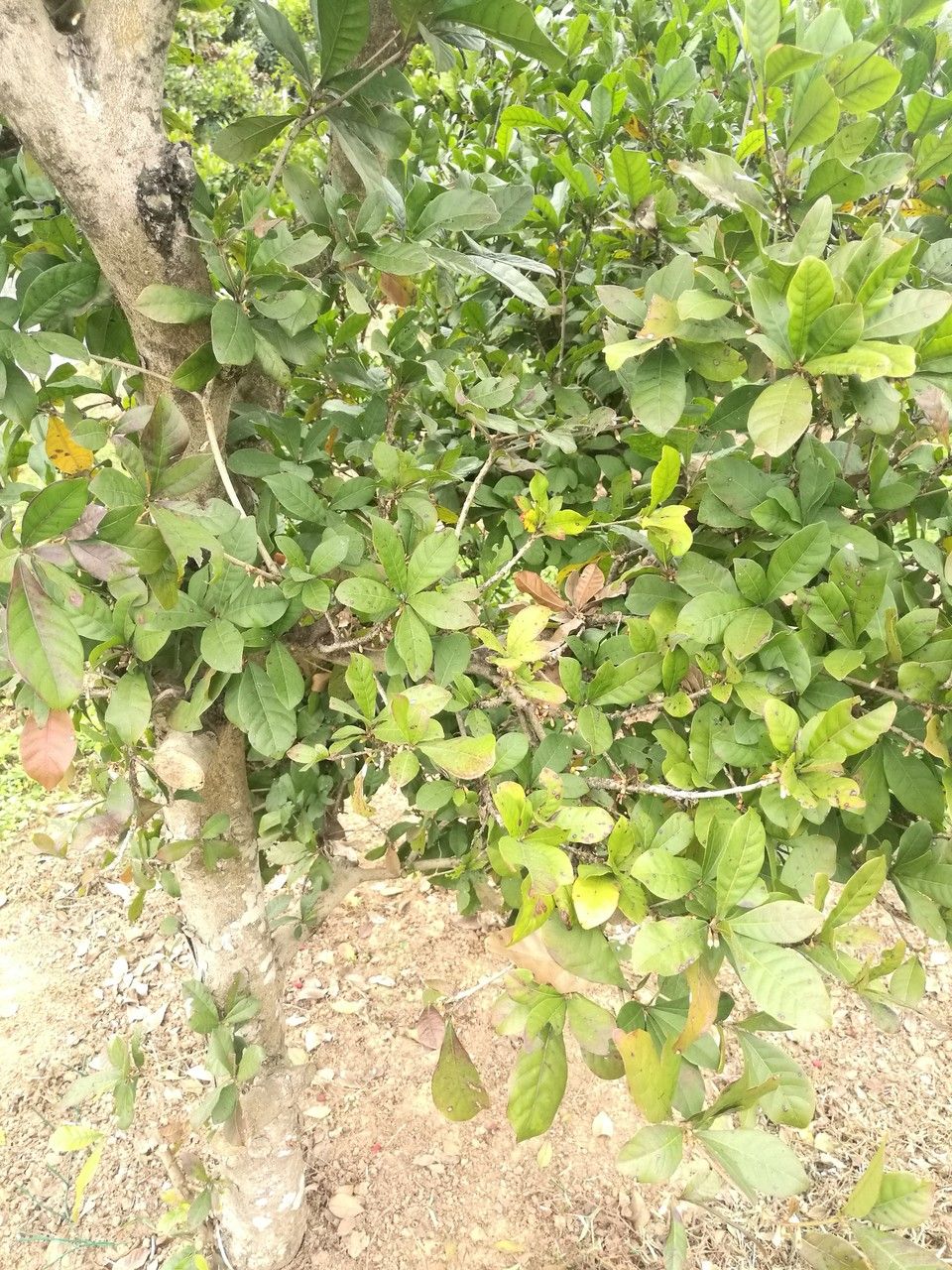
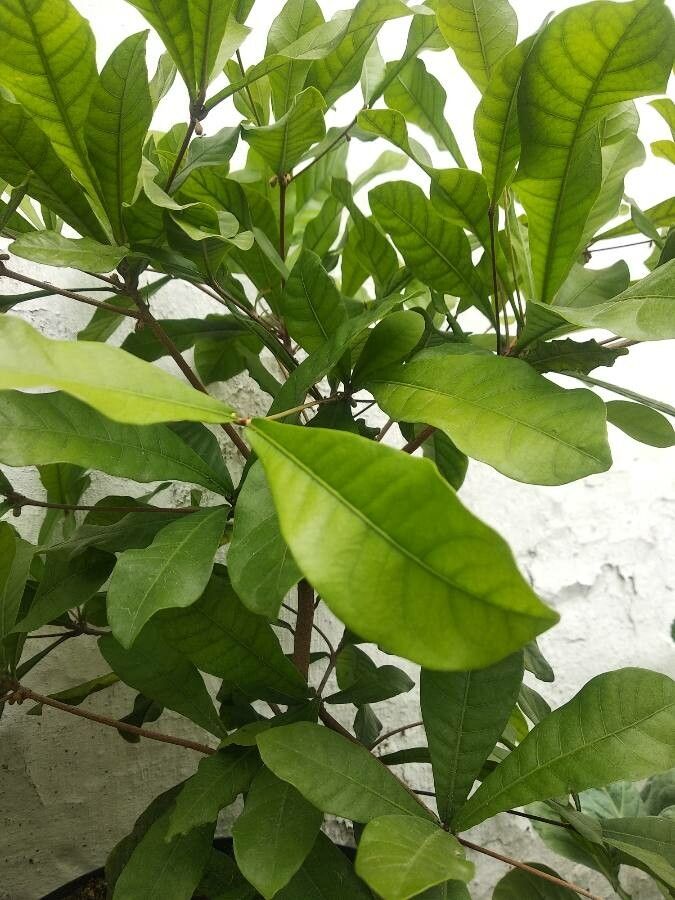
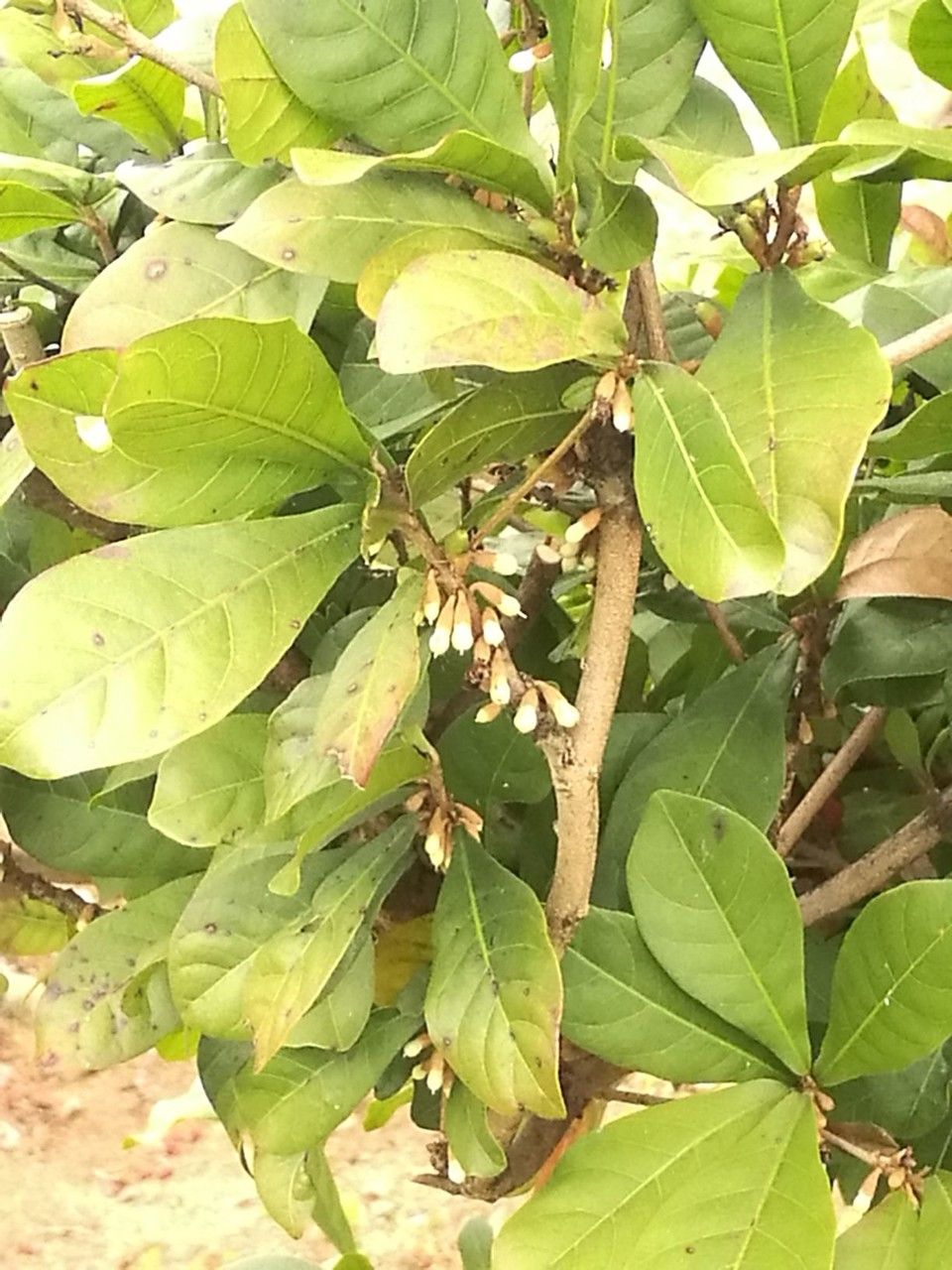
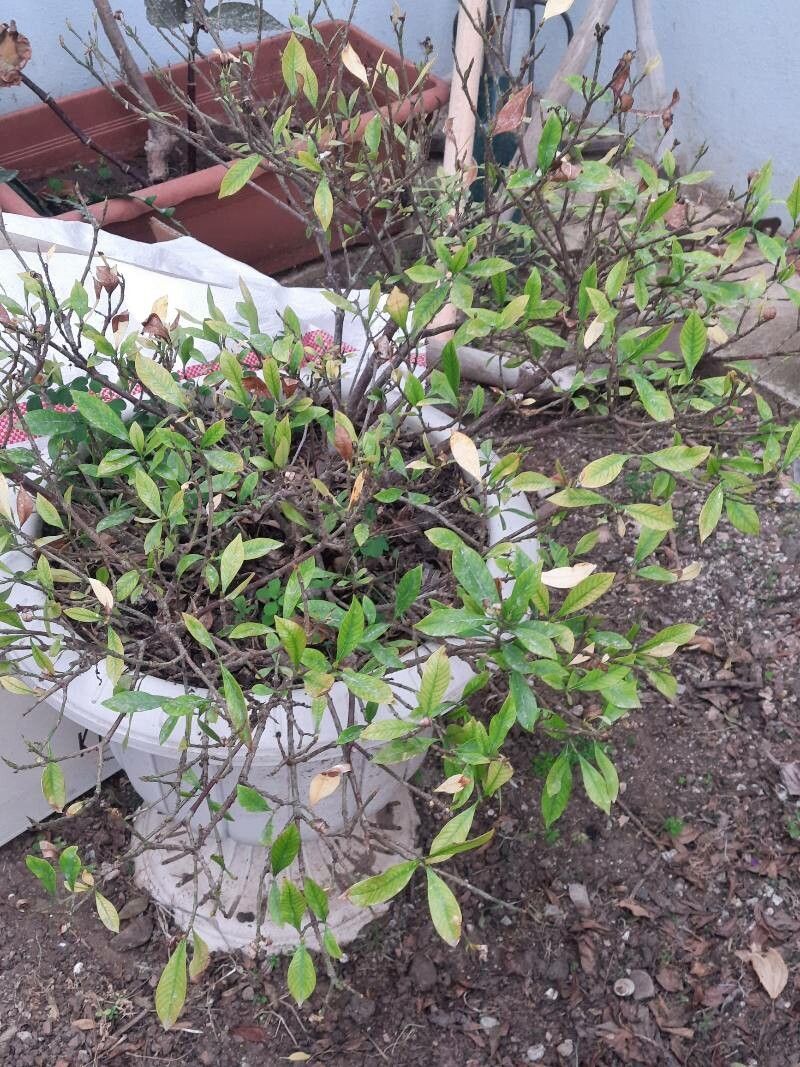
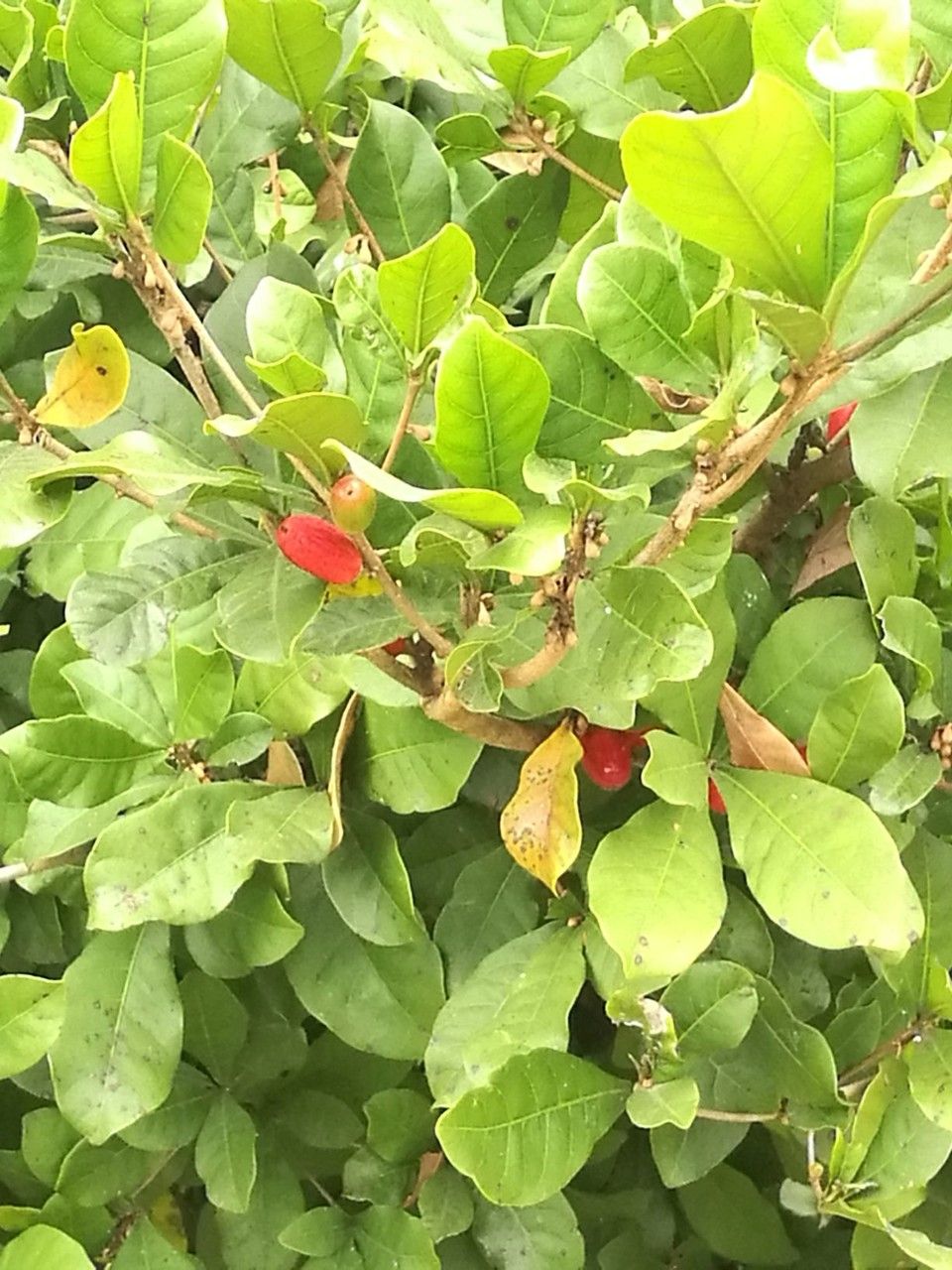
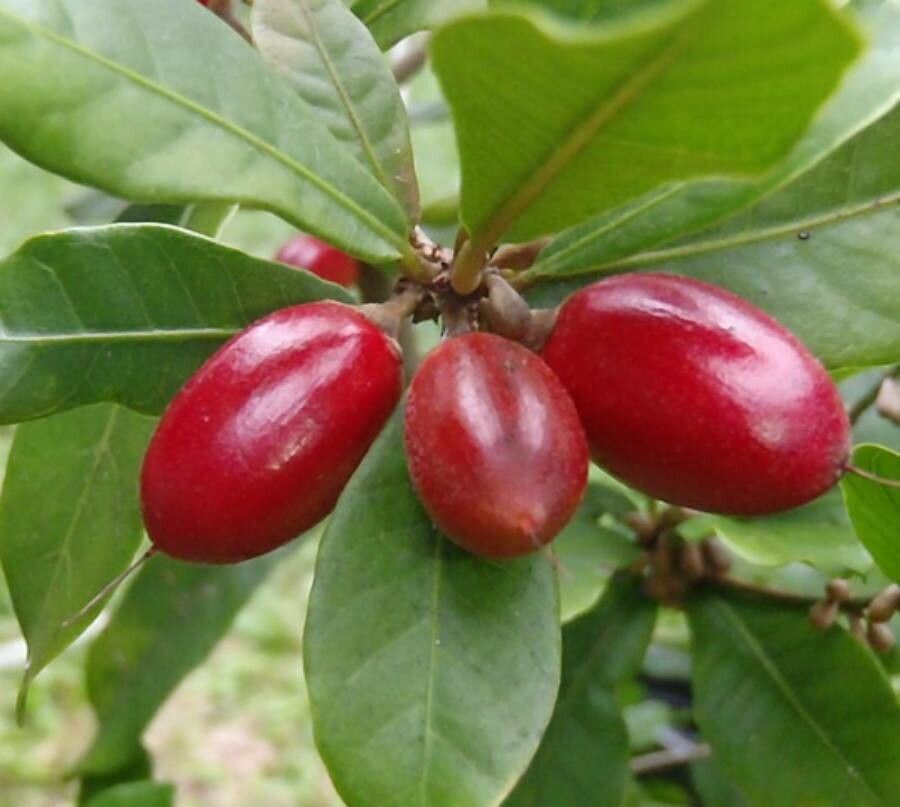
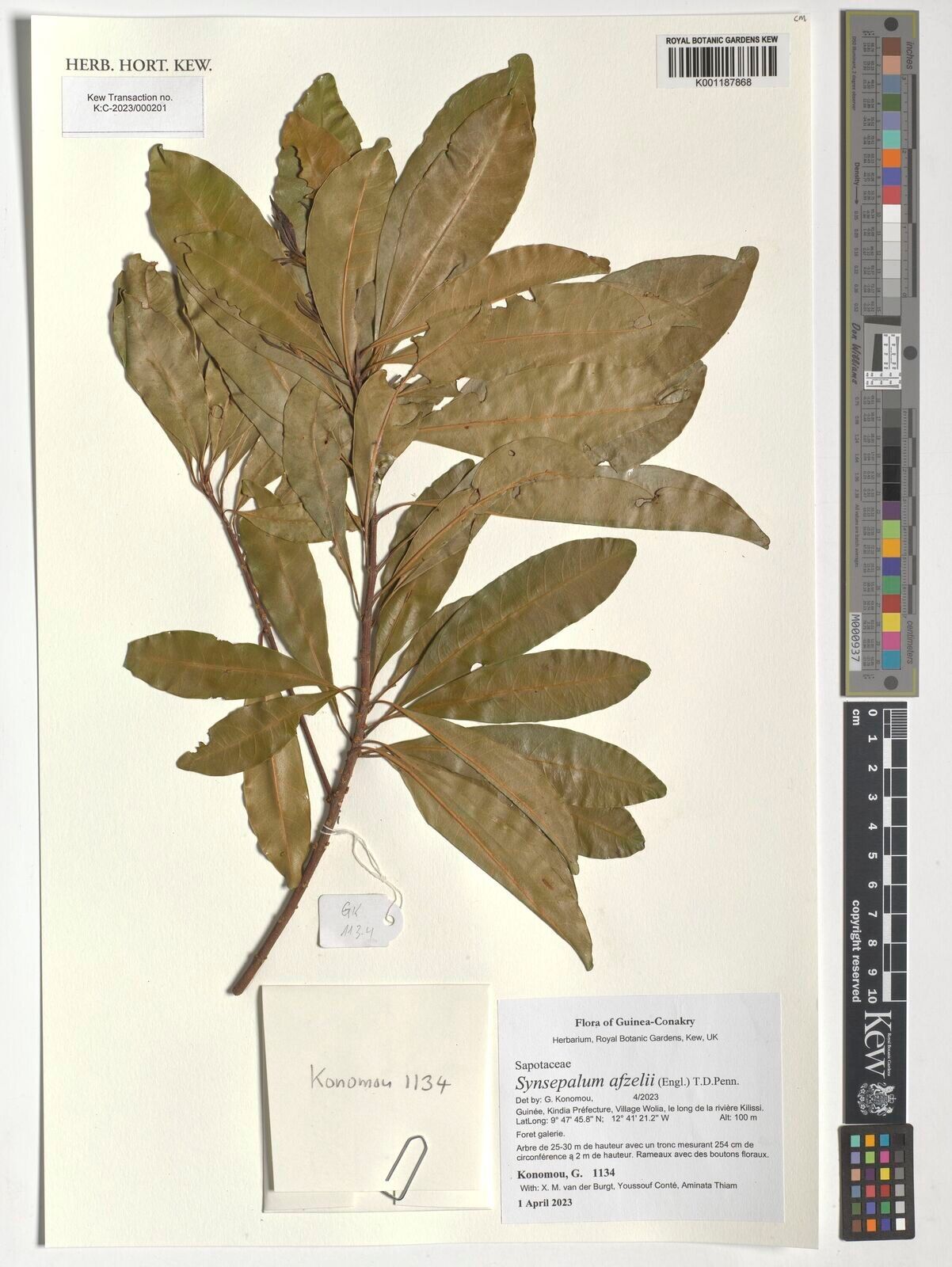
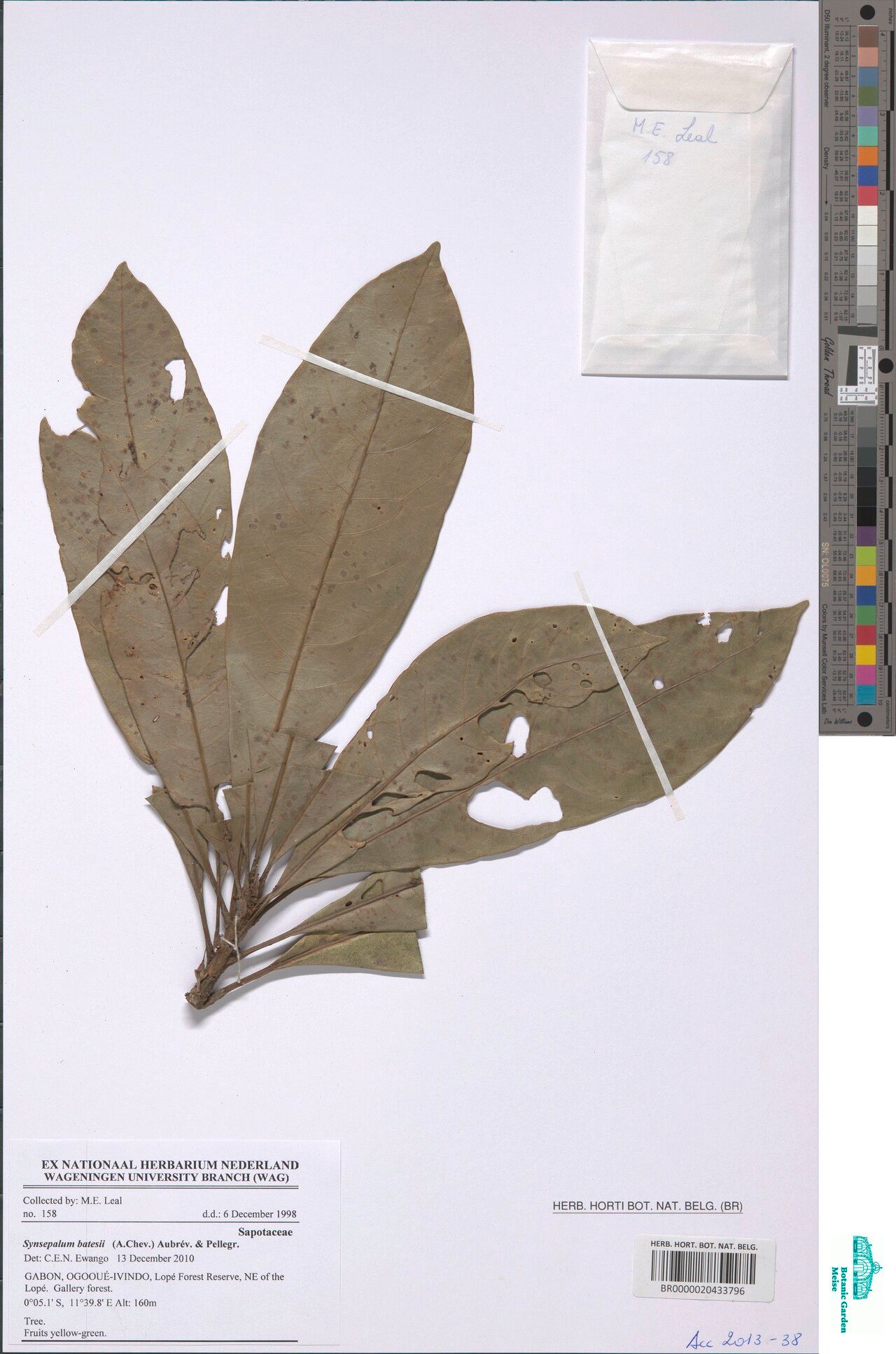
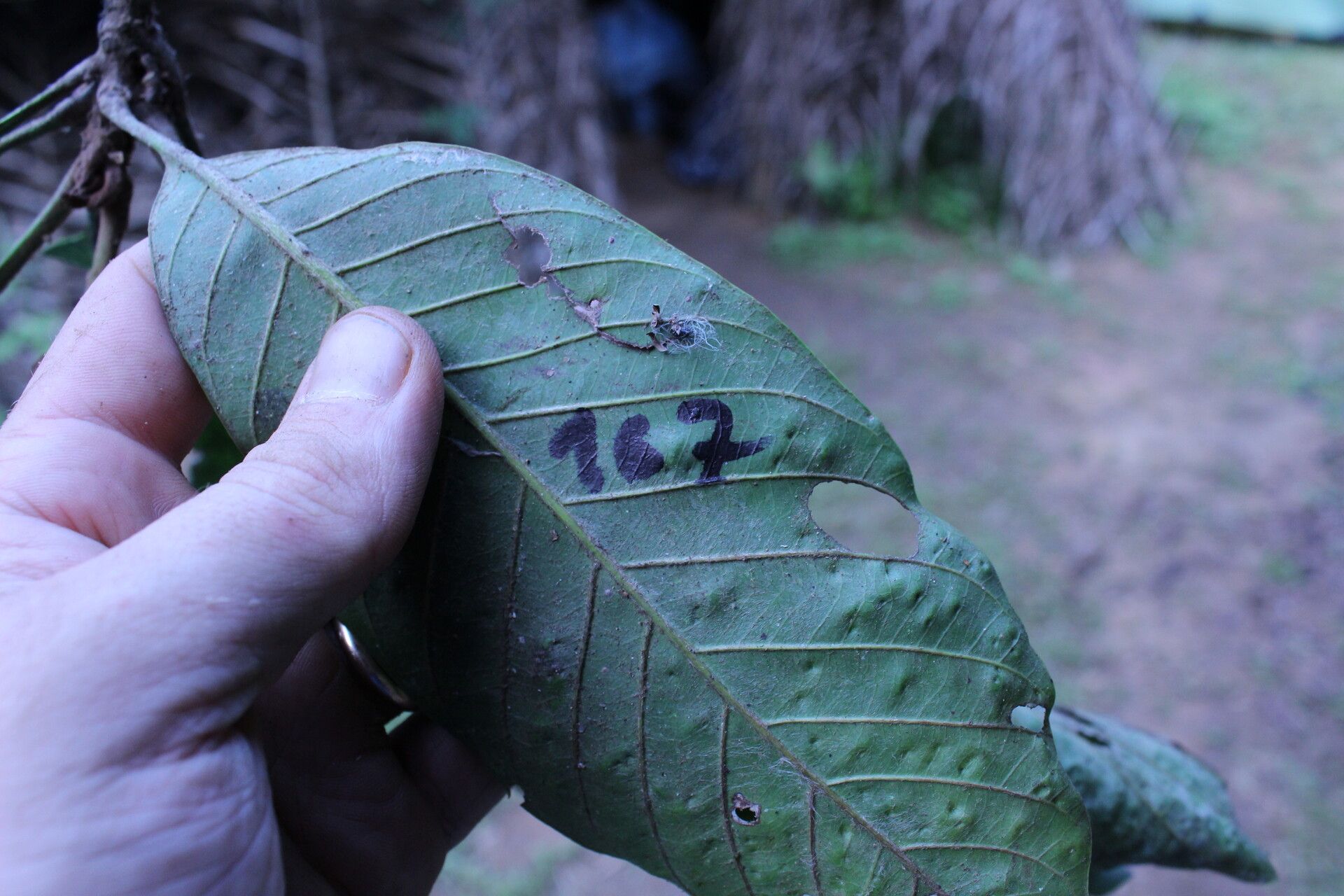
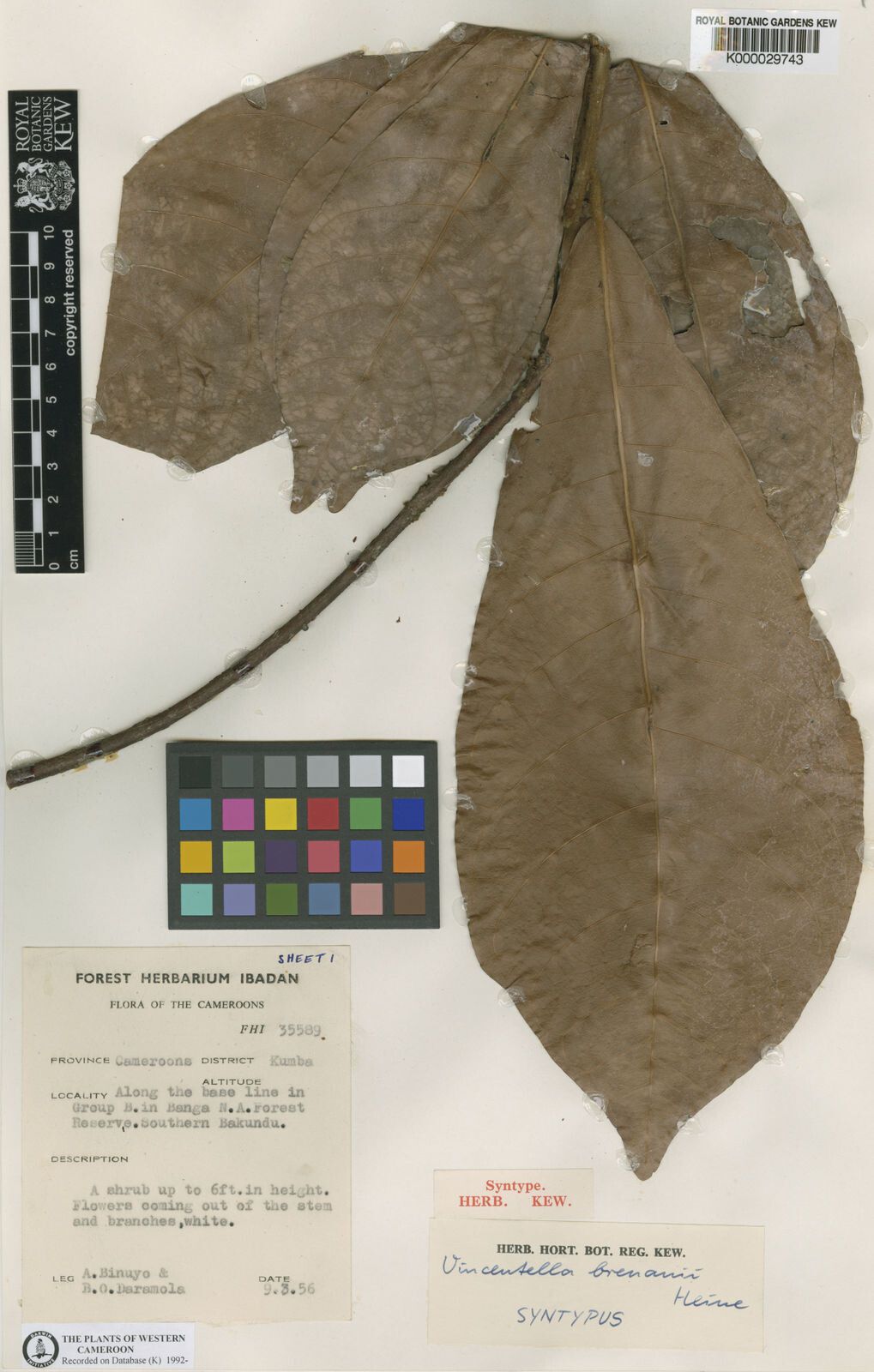
Synsepalum dulcificum, commonly known as the miracle fruit, is a small tropical plant native to West Africa. It produces small red berries that contain a unique glycoprotein called miraculin. When consumed, miraculin binds to the taste buds on the tongue and alters taste perception. Sour and acidic foods that would normally be unpleasant become sweet and enjoyable for up to an hour after consuming the fruit.
West African tribes have used miracle fruit for centuries as a natural sweetener and flavor enhancer. Recently, it has gained popularity worldwide as an alternative to artificial sweeteners.
The plant is relatively easy to grow in warm climates with well-draining soil and ample sunlight. It can be cultivated indoors in containers or outdoors in tropical regions.
In addition to its culinary uses, some studies suggest that miraculin may offer potential health benefits, such as reducing blood sugar levels and aiding in weight loss efforts.
Overall, Synsepalum dulcificum is a fascinating plant with unique properties, making it an interesting addition to any garden or kitchen.
Miraculous berry has strong disease resistance and is usually not susceptible to illnesses. Regarding care, this plant is fairly low-maintenance. When grown outdoors it needs only minimal watering, and larger plants typically do not require pruning. Smaller plants, however, should be pruned after they have finished blooming. Miraculous berry is appropriate for anyone with outdoor space, such as a garden or a deck, and does not demand much prior care experience.
How to keep Synsepalum Dulcificum.
Light
Miraculous berry prefers moderate to strong sunlight, which encourages robust growth. Coming from an environment with dappled sun, it readily adjusts to somewhat higher light levels. Care should be taken regarding too little or too much sun, since either can restrict growth or cause scorching.
Water
The miraculous berry, native to tropical regions, flourishes in humid environments and requires weekly watering to simulate natural rainfall. Sensitive to drought, it needs consistent hydration for optimal leaf and fruit production. Indoors, higher humidity levels promote growth, ensuring healthy cycles and a good berry yield.
Humidity
This plant needs special care because it loves high humidity levels of 60-80% or more. The best way to achieve this is by placing a humidifier near the plant. Daily misting is also essential! Make sure the room has good ventilation.
Temperature
Miraculous berry originates from tropical habitats and does best in temperatures ranging from 68 to 100 °F (20 to 38 ℃). It favors a consistently warm environment, though temperature adjustments may be required in winter.
Fertilizer
Use organic fertilizers (e.g., fish emulsion, compost) instead of chemical ones for Miraculous berry. Give young plants higher levels of nitrogen and phosphorus during spring. Mix compost or fertilizer into the soil before or after planting. For mature plants, add a balanced fertilizer or one aimed at specific deficiencies in spring. Nutrient deficiency leads to small leaves, short branches, yellow or bronze foliage, acidic fruits, premature fruit drop, and splitting.
Pruning
The miraculous berry benefits greatly from regular pruning, particularly in early spring. Key techniques for pruning include removing dead branches, thinning out dense growth, and shaping the plant. This process enhances both fruit production and overall plant health. To prevent infection, always use clean tools, and be careful to avoid heavy pruning to minimize stress on the plant.
Botanical profile.
- Plant Type
- Shrub
- Life Cycle
- Perennial
- Genus
- Synsepalum
- Family
- Sapotaceae
- Hardiness Zone
- 10-11
- Mature Height
- 1.83 m to 5.49 m
- Mature Spread
- 61 cm
- Leaf Color
- Green
- Leaf Type
- Evergreen
- Flower Color
- White
- Flower Size
- 2.54 cm
- Bloom Time
- All year round
- Planting Time
- Spring, Summer
- Harvest Time
- All year round
- Native Area
- Benin, Cameroon, Ghana, Nigeria, Congo, Congo (DRC), Central African Republic, Gabon
Other names.
Reader questions.
How should I water my Miraculous berry plant?
Your Miraculous berry is not picky about how you water it. You can use any common watering tool like watering cans, hoses, or even cups. It's important to water the soil directly, making sure to moisten all areas equally to supply water to the entire root system. Filtered water is recommended to remove harmful particles, and using water at or slightly above room temperature is preferable to avoid shocking the plant. However, the Miraculous berry generally responds well to any water you use.
Why do I have to put fertilizer on my Miraculous berry plant?
If the soil in your area is rich, you may not need to fertilize. But if the soil lacks nutrients, a Miraculous berry won't produce enough leaves, flowers, and fruits. To find out which nutrients are abundant and which are lacking, a soil test is the best option. Nutrient deficiency in Miraculous berry can lead to small leaves, short branches, yellow or bronze leaves, and less tasty fruits that are more acidic. Certain nutrient deficiencies can also cause early fruit drop or splitting.
What are the sunlight requirements for the Miraculous berry plant?
The Miraculous berry, scientifically known as Synsepalum dulcificum, thrives under moderate to intense levels of sunlight. Originating from sun-dappled conditions, it prefers partial sun, about 3-6 hours of sunlight daily, but can also adapt to full sun, which is above 6 hours of sunlight. However, it's essential to be mindful of the plant's light exposure, as insufficient or excessive sun can lead to growth issues or scorching. It's recommended to observe how sunlight moves through your garden to find spots that offer a balance of light and shade, ensuring the plant's wellbeing.
What is the native environment of the Miraculous berry?
The Miraculous berry, botanically known as Synsepalum dulcificum, is native to tropical environments where the temperature ranges between 68 to 100°F (20 to 38°C). It thrives in consistently warm climates and requires temperature management during the cooler winter season to ensure its growth and survival.
What should I do if I give my Miraculous berry too much or too little water?
For outdoor plants, especially newly planted ones or seedlings, there is a risk of them not getting enough water. It is important to water them consistently for a few months while they are still small or recently planted. Once the roots are established, they can usually rely on rainwater. When your Miraculous berry is planted in pots, overwatering is more likely to happen. If you accidentally overwater your plant, you need to address the situation immediately. First, stop watering the plant to minimize the impact of overwatering. Then, take the plant out of its pot and check the roots for any signs of root rot. If there is no root rot, you can put the plant back in its pot. However, if you find root rot, trim away the affected roots and consider using a fungicide to prevent further damage. Finally, repot the Miraculous berry in well-draining soil. In the case of underwatering, simply water the Miraculous berry plant more frequently. It is usually an easy problem to fix, as the leaves will droop, dry out, and fall off when underwatered, but they will quickly regain fullness after sufficient watering. It is important to correct your watering frequency as soon as you notice signs of underwatering.
When should I fertilize my Miraculous berry for the best results?
To ensure strong leaf and root development, it is recommended to provide young Miraculous berry plants with higher nitrogen and phosphorus fertilizer. This is best done during the spring of the first growing season, preferably by incorporating compost or another fertilizer into the soil before or immediately after planting. For mature plants, supplementing every few years as needed during spring and summer with a balanced fertilizer or one that addresses specific soil deficiencies in your area is advisable. It is important to avoid fertilizing Miraculous berry plants during the autumn or winter.
How can artificial lighting be used for Miraculous berry indoor plants?
When natural sunlight is not sufficient, especially during winter or in less sunny spaces, artificial lighting provides a crucial alternative for Miraculous berry indoor plants. Optimal growth is achieved with adequate lighting, and utilizing artificial lights can promote faster, healthier growth. LED lights are recommended because they can be tailored to the specific light wavelengths needed by the plant. Depending on the plant's light requirements, the intensity of artificial light should be adjusted accordingly: full sun plants need 30-50W/sq ft, partial sun plants 20-30W/sq ft, and full shade plants 10-20W/sq ft. The light source should be placed 12-36 inches above the plant to mimic natural sunlight, and the duration should mimic natural daylight hours, typically 8-12 hours per day.
How should Miraculous berry be cared for in cold temperatures?
Miraculous berry is sensitive to low temperatures and prefers to be kept in warm conditions, specifically above 20°C. During winter, or when temperatures approach 5°C, it is vital to bring outdoor-grown plants indoors, placing them near a bright window but away from direct contact with heaters to maintain a suitable environment. If exposed to temperatures below 1°C, the plant's leaves may discolor, turning light before eventually becoming brown or black with signs of wilting and drooping. Affected parts should be trimmed off, and the plant should be moved to a warmer spot indoors, ideally near a south-facing window, to ensure it receives ample sunlight while avoiding excessive dryness from heating systems.
How frequently should I water my Miraculous berry plant?
Most plants can survive with natural rainfall, but if your area lacks rain, you should water your plants every 2 weeks during the spring and fall. In the summer, you'll need to water more frequently. In the winter, when plants grow slower and need less water, you can water sparingly or not at all. However, if your Miraculous berry is young or newly planted, water it more frequently to help it establish and become more adaptable to drought. For potted plants, there are two ways to determine how often to water your Miraculous berry. The first is to follow a set watering schedule, such as once a week or every other week. However, this may not always be accurate as it doesn't consider the specific conditions of your plant's environment. Another option is to check the soil moisture before watering. Wait until the top two to four inches of soil have completely dried out before giving more water.
When is it best to not fertilize my Miraculous berry plant?
To ensure the well-being of the Miraculous berry plant, it is important to refrain from fertilizing it after pruning, when it is affected by disease or insects, or when it is undergoing any other form of stress. Fertilizer is only effective in addressing insufficient soil nutrients and cannot resolve other problems that may arise in the Miraculous berry. It is therefore necessary to accurately identify the issue before applying fertilizer, as the problem may be caused by factors unrelated to nutrient deficiency. Additionally, it is advisable to avoid fertilizing the Miraculous berry plant during winter or in extremely hot and dry summer periods.
What are the symptoms of incorrect light exposure in Miraculous berry plants?
Miraculous berry plants show several symptoms when they experience incorrect light exposure. Insufficient light can lead to smaller leaves, leggy or sparse growth, faster leaf drop, slower or no new growth, and lighter-colored new leaves due to a lack of chlorophyll. Excessive sunlight can cause chlorosis, sunscald, leaf curling, wilting, and leaf scorching. These symptoms reflect the plant's struggle with adaptation to its light environment, either trying to conserve resources or protect itself from damage. It's crucial to adjust the plant's exposure to light to mitigate these issues and encourage healthy growth.
What is the ideal temperature range for growing Miraculous berry?
The ideal temperature range for growing Miraculous berry falls between 68 to 100°F (20 to 38°C). This range ensures optimal growth and health of the plant. It is particularly important to maintain temperatures above 20°C, especially during colder months, to prevent damage. Furthermore, temperatures reaching near or below 5°C can be detrimental to the plant, necessitating protective measures such as moving the plant indoors and providing sufficient warmth and light.