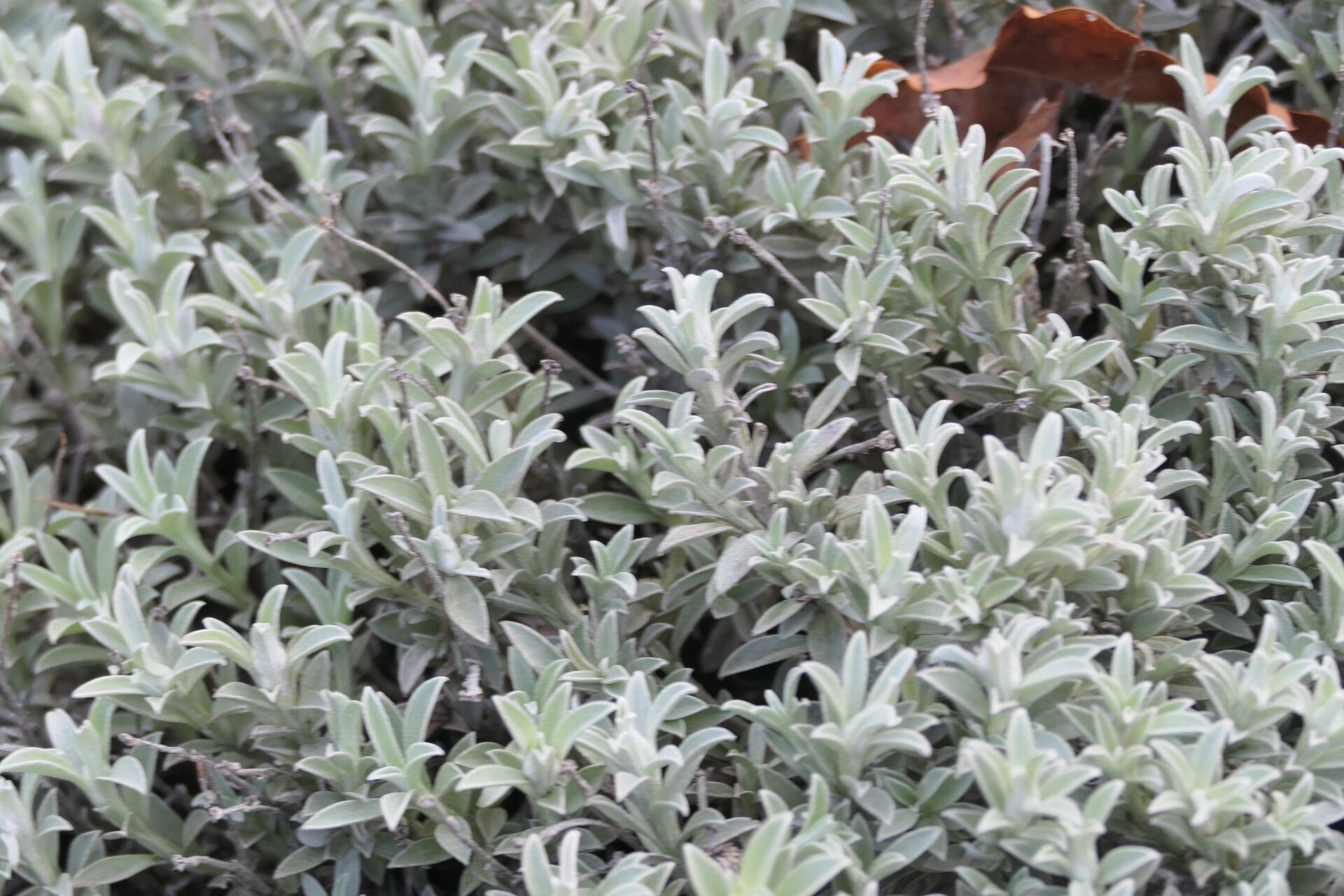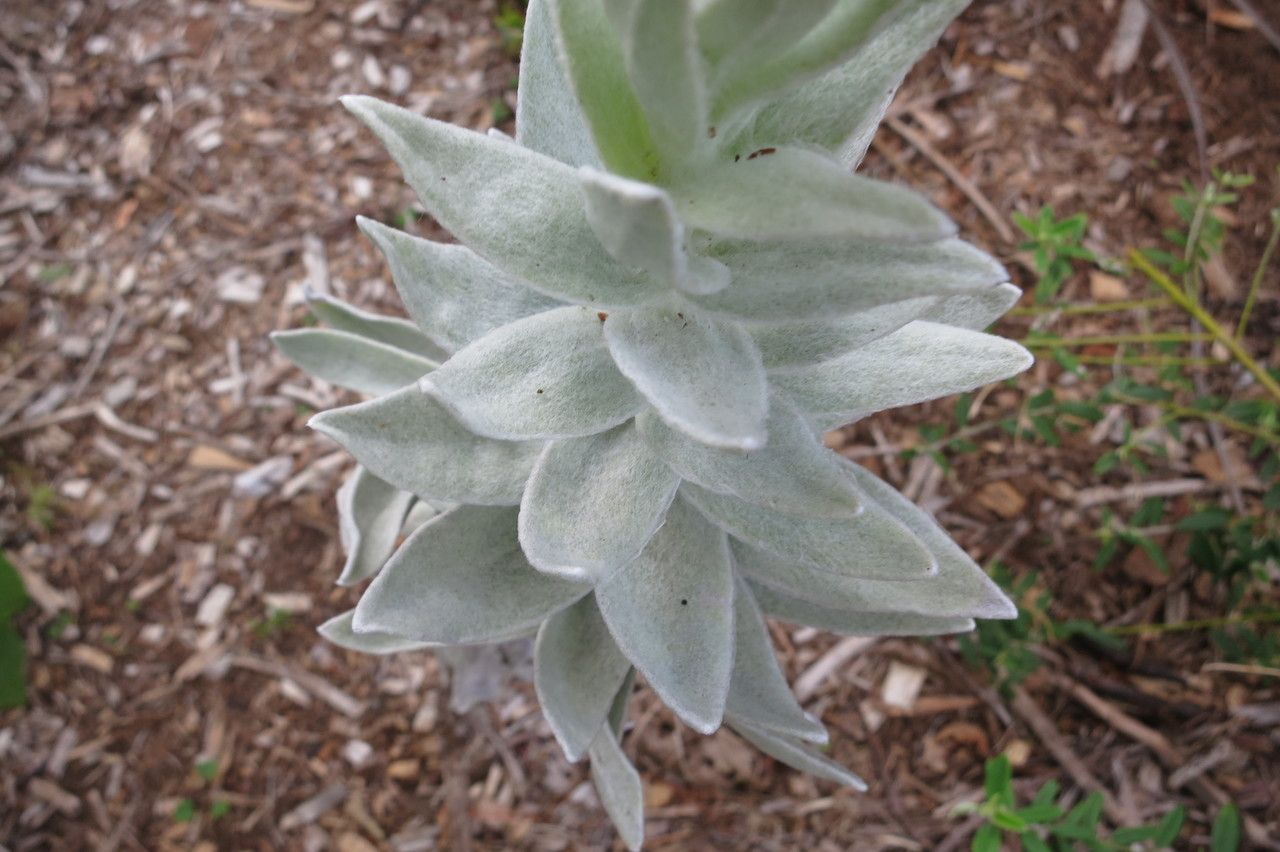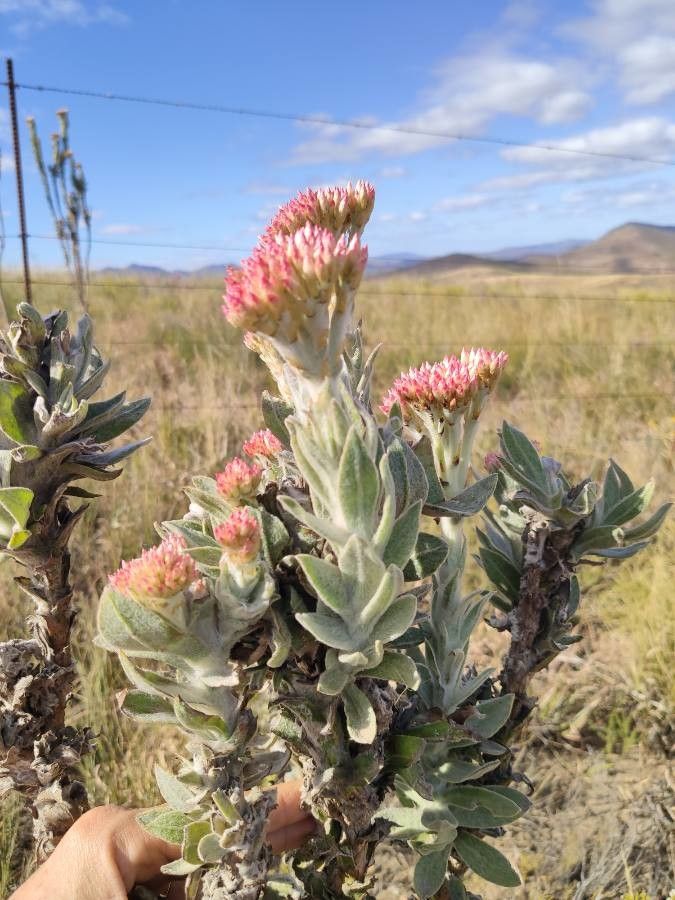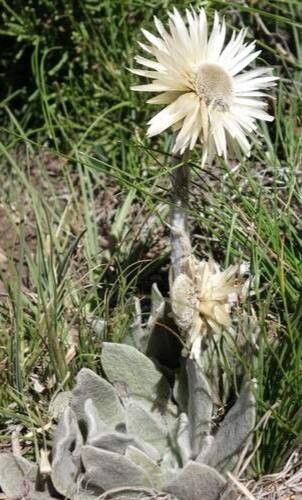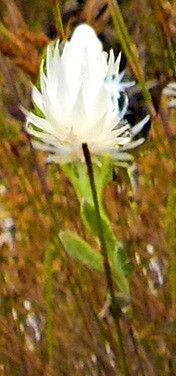
Syncarpha vestita is a species of flowering plant. It belongs to the genus Syncarpha, and family Asteraceae. It is endemic to the Cape Provinces of South Africa.
Cape snow has strong disease resistance and is generally not susceptible to illnesses. As for maintenance, this plant is fairly low maintenance. Planted outdoors, it needs only minimal watering, and larger specimens usually do not require pruning. Smaller plants, however, should be pruned after they finish blooming. Cape snowt is suitable for anyone who has an outdoor area, such as a garden or a deck, and it does not demand extensive care experience.
How to keep Syncarpha Vestita.
Light
The Cape snow plant thrives in regions where it is bathed in sunlight for the majority of the day. This is vital for its healthy development. In its natural habitat, this plant is usually found in open areas where it gets extensive light exposure. Limited sunlight might lead to suboptimal growth, whereas too much exposure is not harmful.
Temperature
Cape snow thrives in temperate climates and requires a temperature range of 68 to 100 °F (20 to 38 ℃) to grow properly. To ensure continuous growth, it might be necessary to make periodic adjustments to keep the temperature within this range.
Fertilizer
The optimal period to feed a Cape snow is at the onset of spring when it's just coming out of dormancy. This enhances its overall growth and the development of flowers. Enrichment with fertilizer improves the leaves, stems, and branches, as well as encourages the production of big, bright, and durable blooms. It helps in moving nutrients from the roots up to the flowers and bolsters the plant's wellness and ability to resist disease.
Botanical profile.
- Plant Type
- Shrub
- Life Cycle
- Perennial
- Hardiness Zone
- 9-11
- Mature Height
- 91 cm
- Mature Spread
- 15 cm to 30 cm
- Leaf Color
- Silver, Gray
- Leaf Type
- Semi-evergreen
- Flower Color
- Yellow, Gold
- Flower Size
- 2.03 cm
- Bloom Time
- Fall
- Planting Time
- Spring, Summer, Autumn
- Harvest Time
- Late fall, Early winter, Mid winter
- Native Area
- South Africa