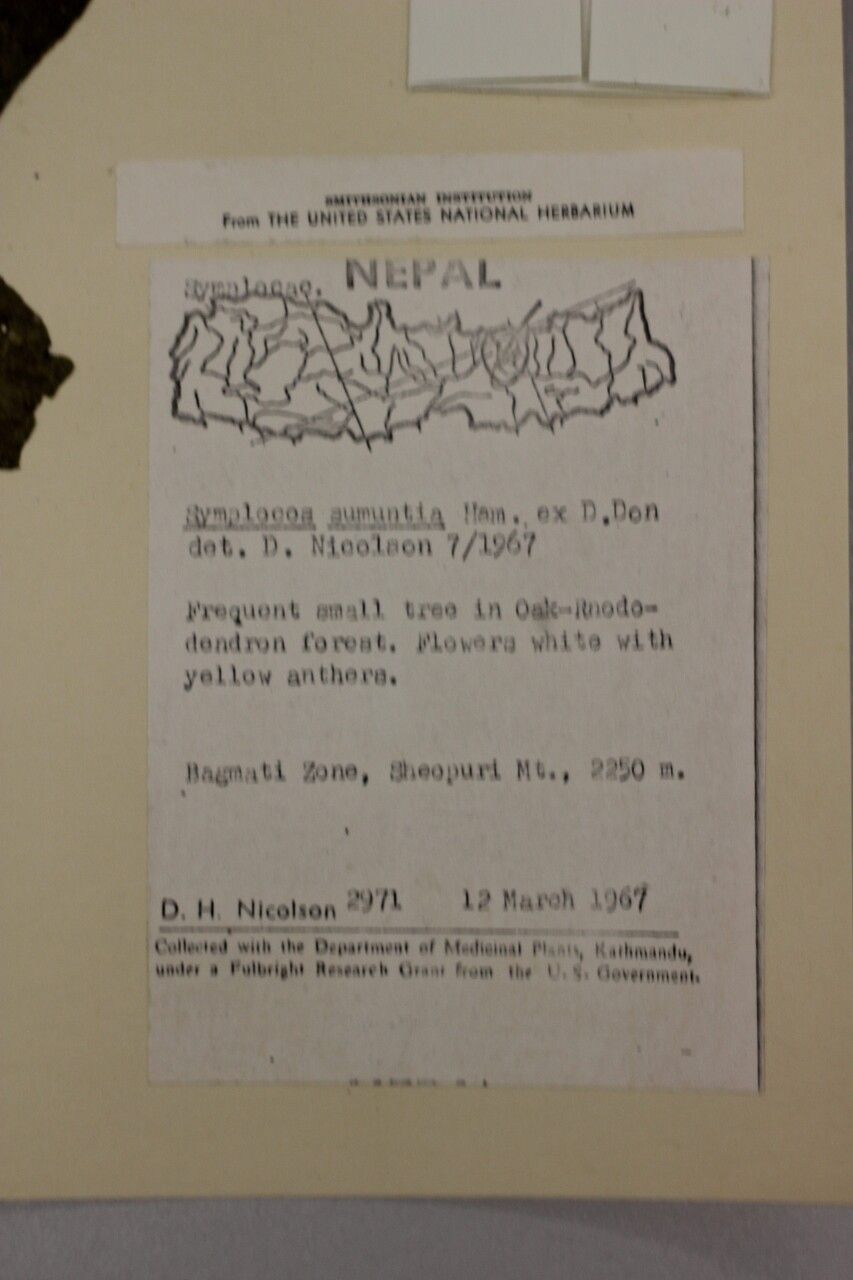
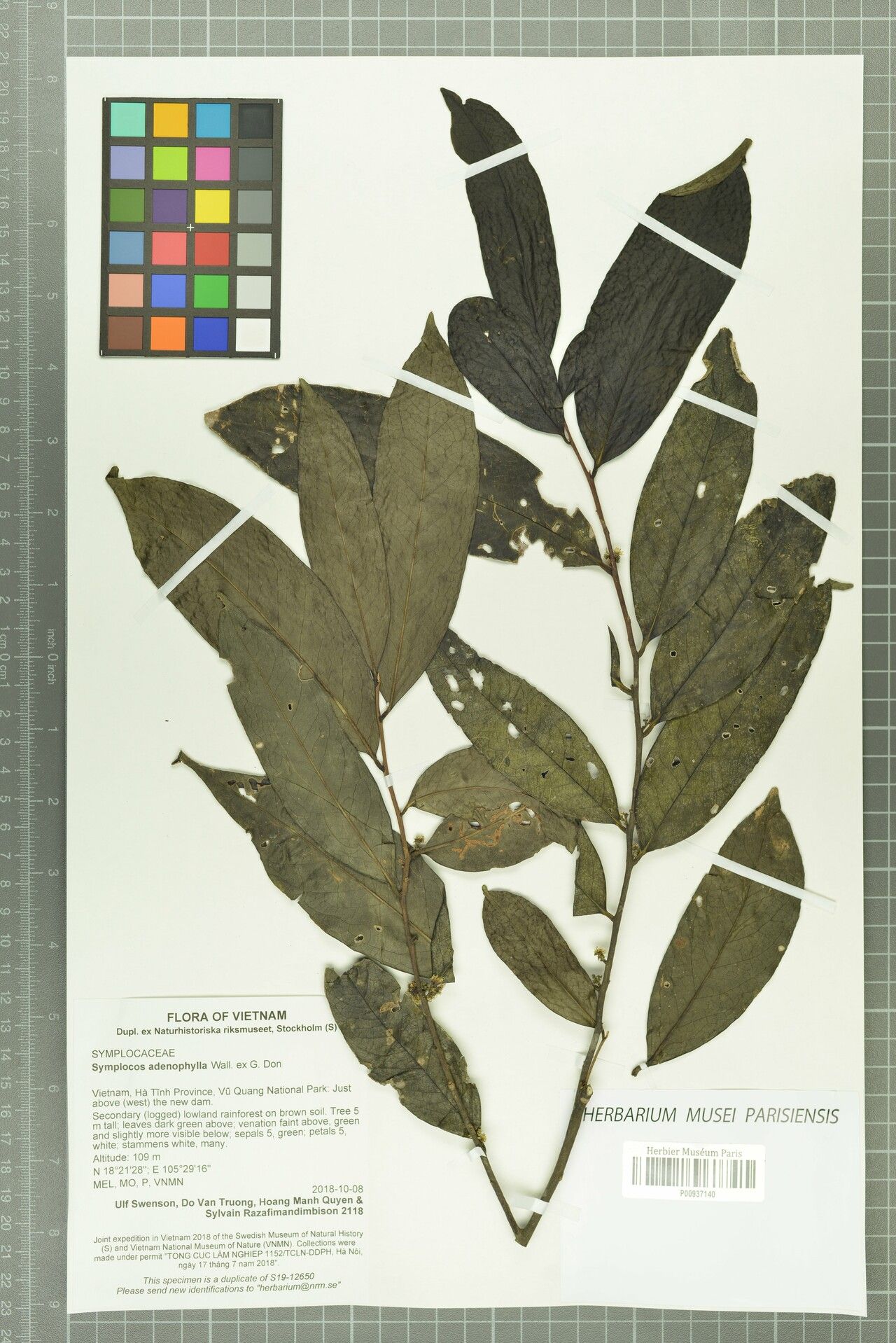
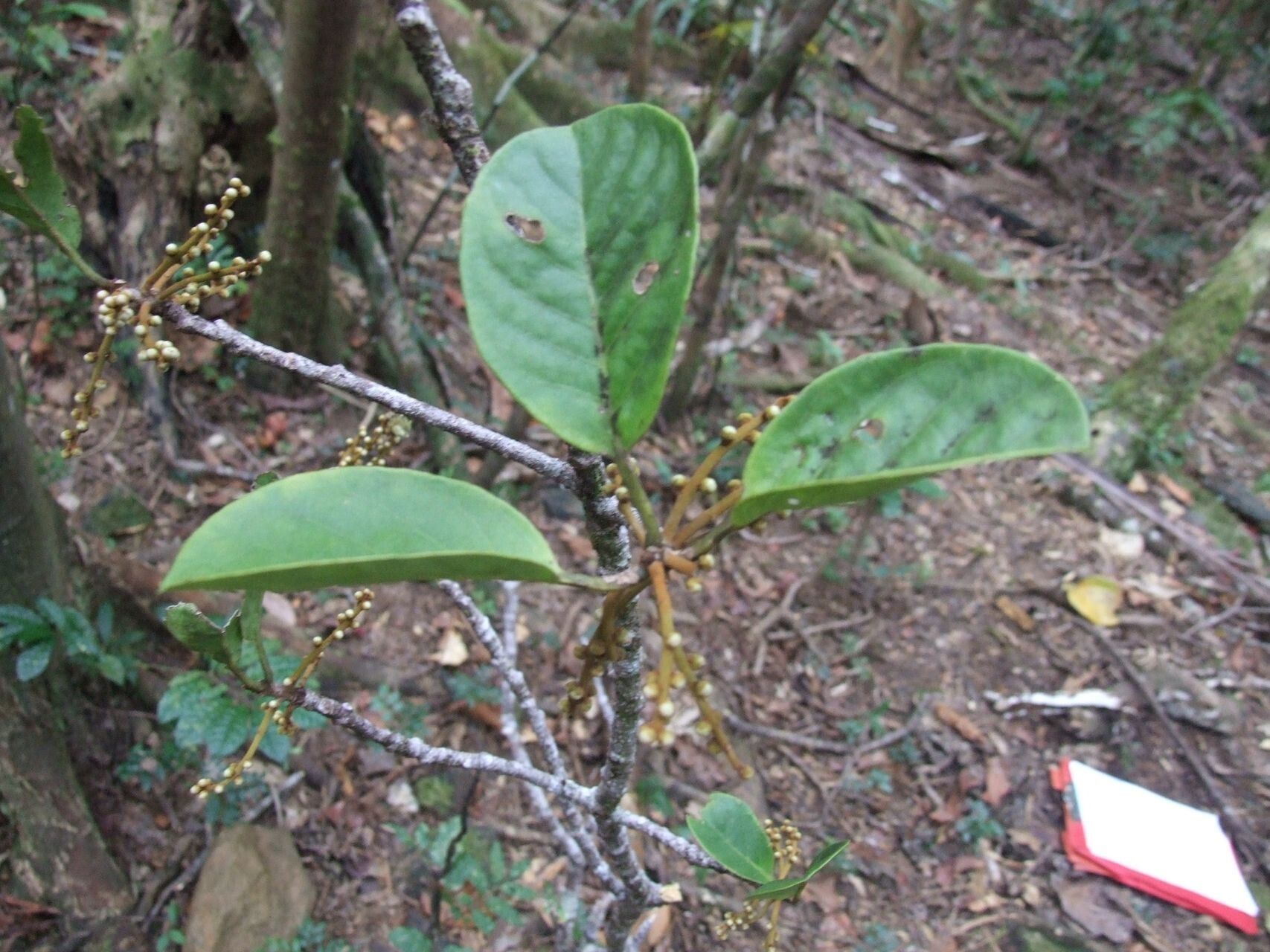
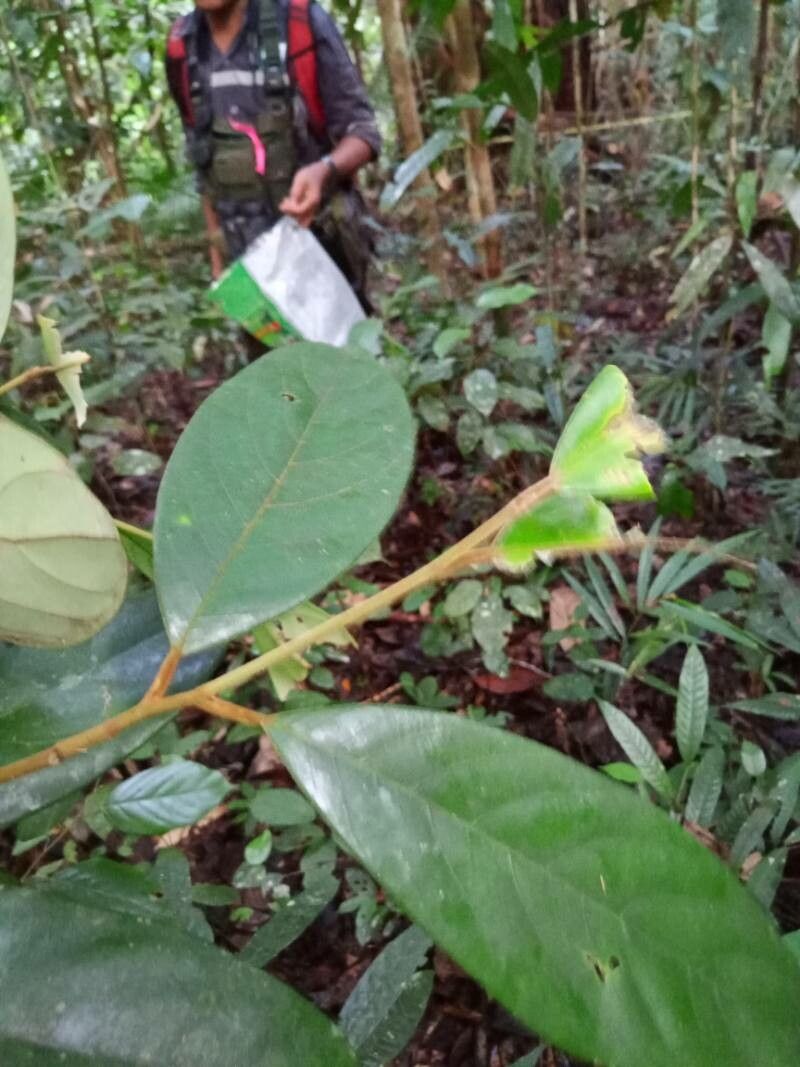
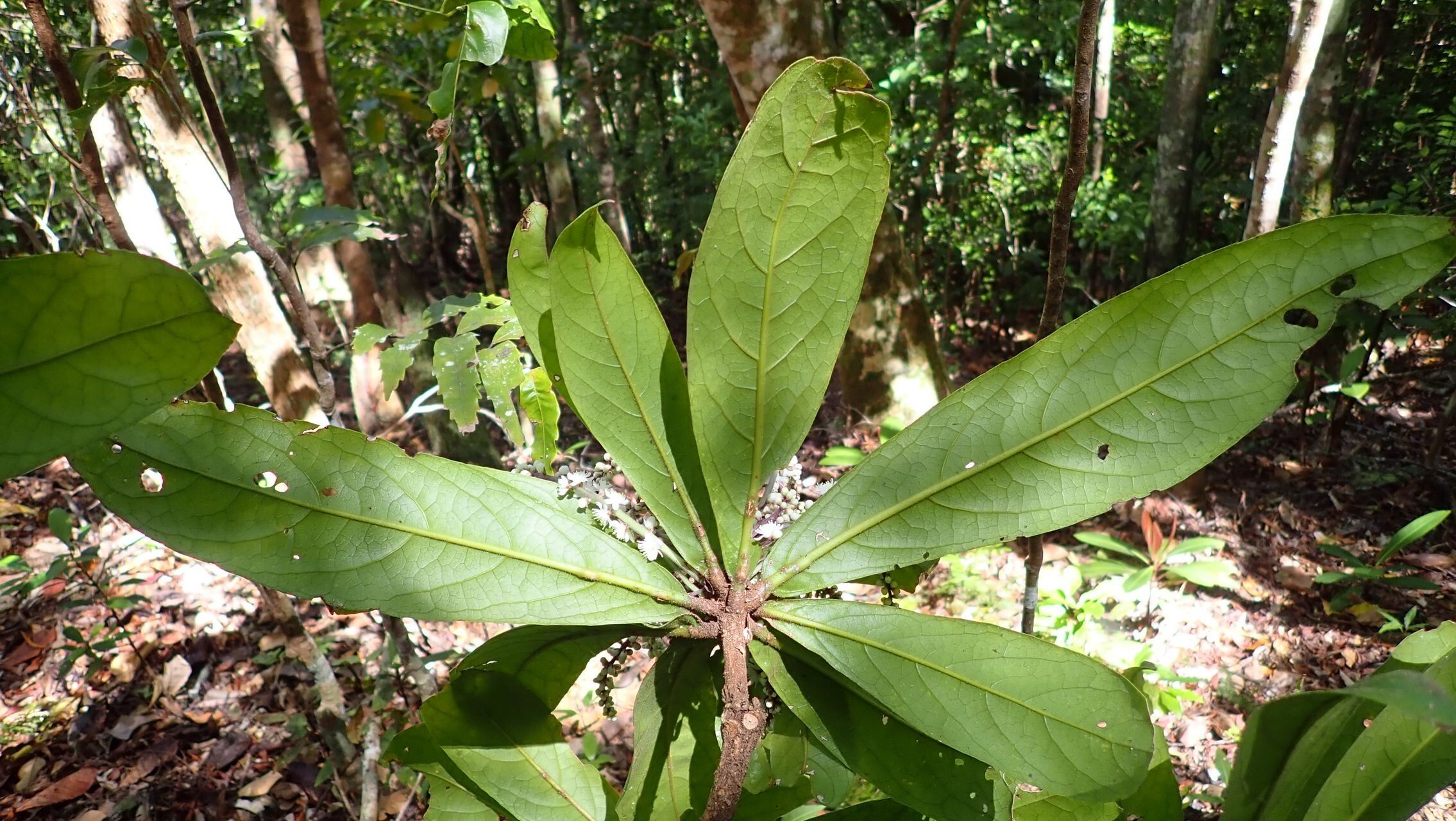
Symplocos sumuntia has strong resistance to disease and is usually not susceptible to illnesses. In terms of upkeep, this plant is fairly low-maintenance. When planted outdoors it needs only minimal watering, and larger plants typically do not require pruning. Smaller plants, however, should be pruned after they have bloomed. Symplocos sumuntiat is suitable for anyone with outdoor space, such as a garden or deck, and does not demand much gardening experience.
How to keep Symplocos Sumuntia.
Light
Symplocos sumuntia thrives naturally in settings like woodland undergrowth or stony regions, where it is naturally shaded. While it has a preference for partially sunny conditions, it can adjust to completely sunny or completely shaded environments, thereby showing its adaptable and robust characteristics.
Water
Symplocos sumuntia is well-suited to areas with limited rainfall, as it demonstrates excellent drought tolerance. Because of its ability to store water, it only needs to be watered every 2-3 weeks. Primarily found in temperate zones, Symplocos sumuntia maximizes water uptake during the growing season to withstand drier conditions.
Temperature
Symplocos sumuntia comes from regions with a tropical climate, characterized by heat and humidity. This makes it naturally suited to hot and damp conditions. It isn't fond of abrupt changes of temperature and prefers a consistent temperature setting, so it's necessary to prevent indoor temperature swings. It generally can't withstand cold climates and needs warmer temperatures to flourish. If the ambient temperature gets too chilly, the plant might stop growing or even perish.
Fertilizer
The optimal period to apply fertilizer to a Symplocos sumuntia is at the beginning of spring, when it starts to awake from its dormant state. This promotes the plant's general growth and facilitates the growth of flowers. The addition of fertilizer expands the foliage, stems, and branches; it encourages the production of sizeable, lively, and enduring flowers. By helping in the movement of nutrients from the roots to the flowers, it also strengthens the plant's overall health and its ability to resist diseases.
Pruning
Symplocos sumuntia is known for its vibrant foliage and attractive growth. To maintain its health and appearance, there are a few key pruning techniques to follow. These include removing dead branches, thinning to improve air circulation, and shaping the plant for aesthetic purposes. The optimal time for pruning is from early to late winter, as this promotes healthy growth and reduces the risk of disease.
Botanical profile.
- Plant Type
- Tree
- Life Cycle
- Perennial
- Genus
- Symplocos
- Family
- Symplocaceae
- Hardiness Zone
- 8-11
- Mature Height
- 6.1 m
- Mature Spread
- 2.13 m to 3.96 m
- Leaf Color
- Dark Green, Forest Green
- Leaf Type
- Evergreen
- Flower Color
- White
- Flower Size
- 0.51 cm to 0.76 cm
- Bloom Time
- Mid spring, Late spring
- Planting Time
- Spring, Summer, Autumn
- Harvest Time
- Late summer, Early fall, Mid fall
- Native Area
- Nepal, India, Malaysia, Cambodia, Vietnam, Myanmar, Japan, Bhutan, Bangladesh, Laos, South Korea, Thailand, China
Reader questions.
What amount of sunlight is required for Symplocos sumuntia?
Symplocos sumuntia thrives in partial sun, which refers to about 3-6 hours of sunlight per day. It is native to environments like forest understories or rocky areas, experiencing natural shade. This versatility allows it to also tolerate full shade, making it adaptable to various lighting conditions. It’s important to watch how sunlight moves through your garden to find spots that provide the perfect balance of light and shade, ensuring the plants' happiness.
How can artificial lighting be used for indoor Symplocos sumuntia plants?
For indoor Symplocos sumuntia plants, artificial lighting can be vital, especially in situations where natural sunlight is insufficient such as during winter or in less sunny spaces. LED lights are recommended due to their ability to be customized to provide specific wavelengths needed by plants. The general guidance is full sun plants require 30-50W/sq ft of artificial light, partial sun plants need 20-30W/sq ft, and full shade plants need 10-20W/sq ft. The light source should be placed 12-36 inches above the plant to mimic natural sunlight, and most plants benefit from 8-12 hours of artificial light per day to mimic the length of natural daylight hours.
What are common symptoms of poor lighting conditions in Symplocos sumuntia?
When Symplocos sumuntia is grown under poor lighting conditions, several symptoms may manifest including smaller new leaves, leggy or sparse growth, faster leaf drop, and slower or no new growth. Insufficient sunlight can lead to leaves developing irregular color patterns or appearing lighter, and in the case of excessive sunlight, symptoms such as chlorosis, sunscald, leaf curling, wilting, and leaf scorching can occur. These signs indicate the plant's struggle with adapting to light conditions outside its preference.
How can lighting conditions for Symplocos sumuntia be optimized?
To optimize lighting conditions for Symplocos sumuntia, gradually introduce the plant to sunnier spots until it receives the desired 3-6 hours of direct sun daily. This gradual adaptation helps minimize shock from sudden changes in light intensity. For indoor plants that are large or immobile, artificial lighting can be a solution, keeping a desk or ceiling lamp on for at least 8 hours daily or investing in professional plant grow lights. Outdoors, ensure the plant is moved progressively to sunnier locations. Additionally, minimize obstructions like overhanging trees by pruning and consider transplanting smaller plants to sunnier spots during their dormant period for optimal growth.