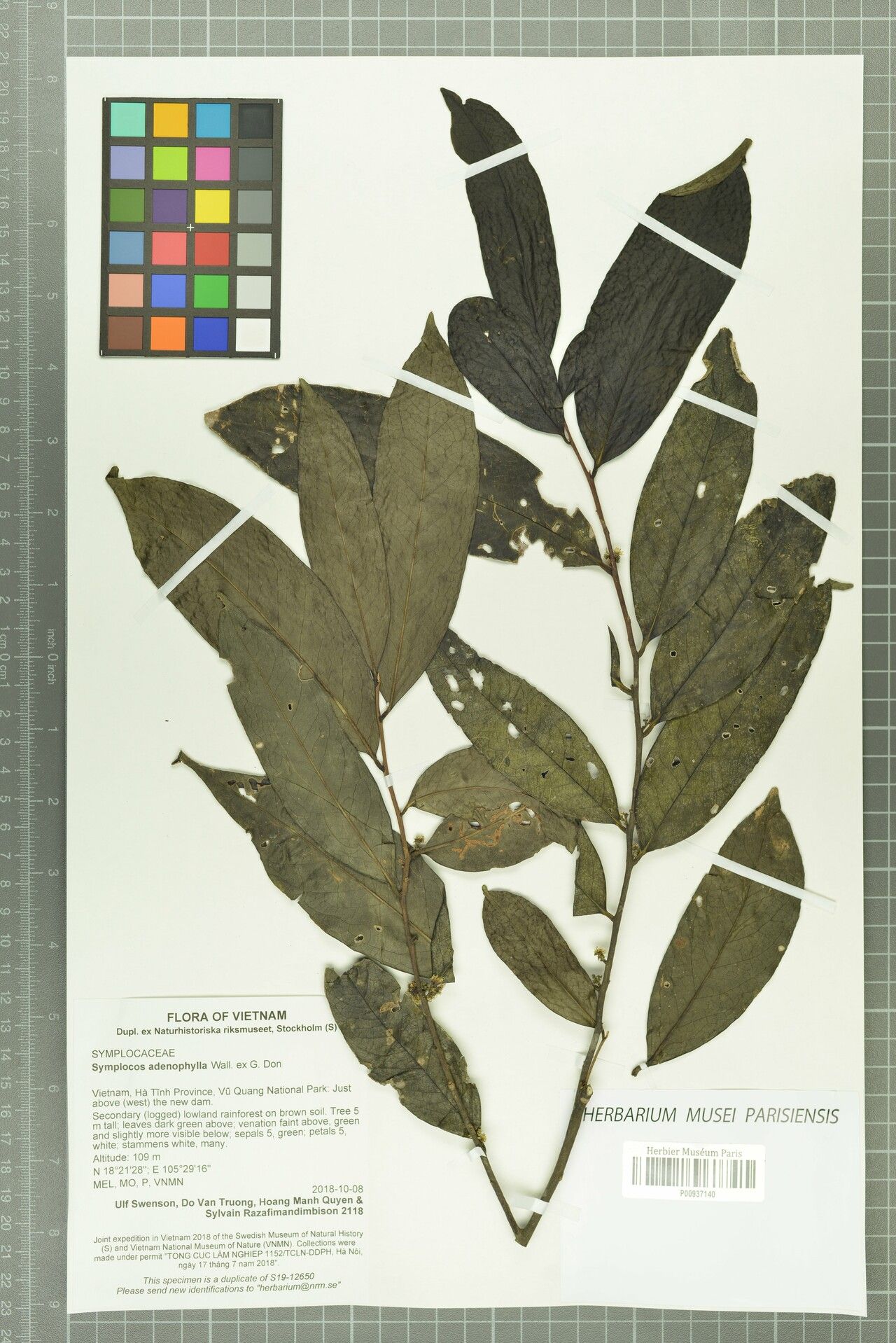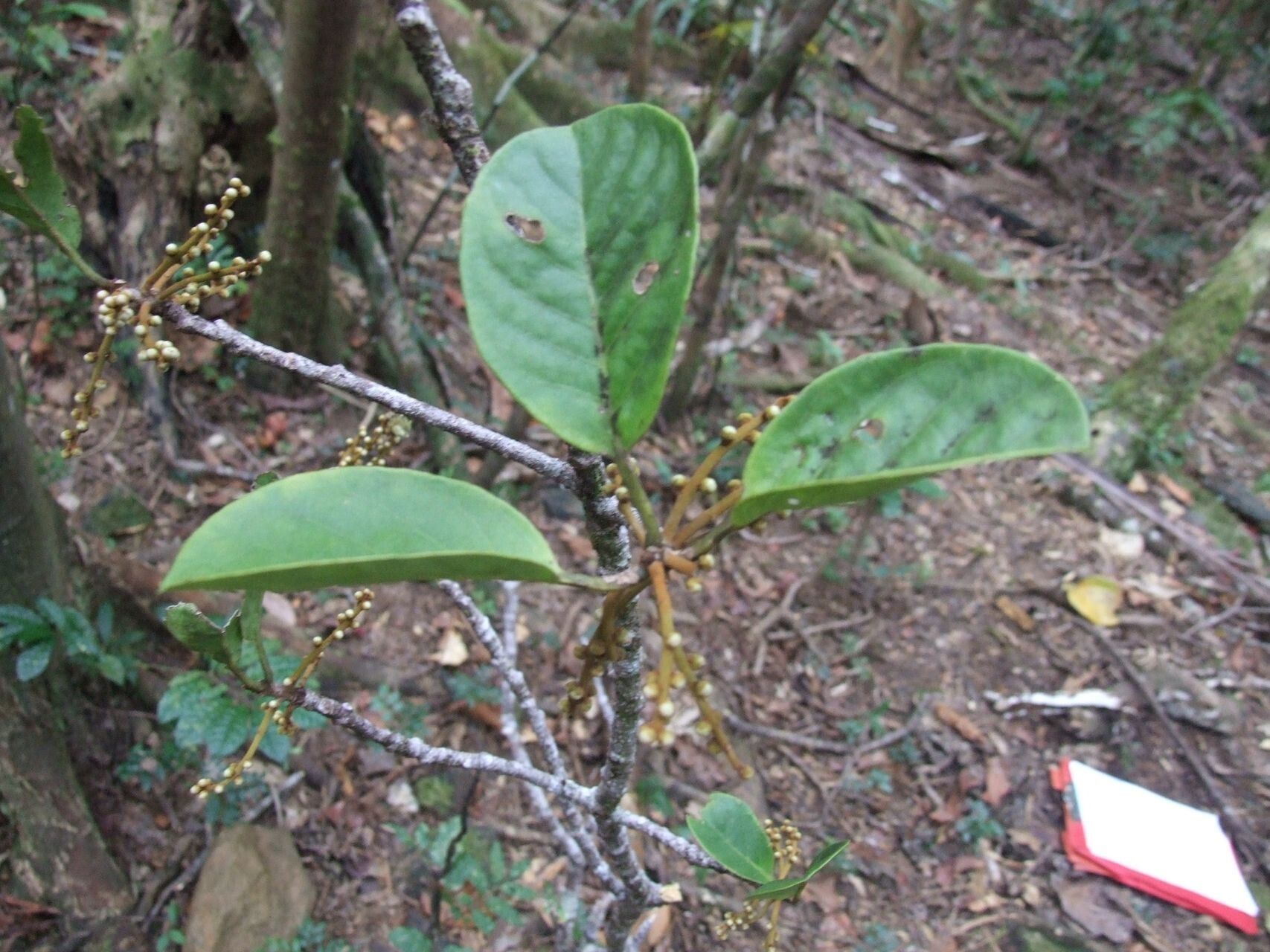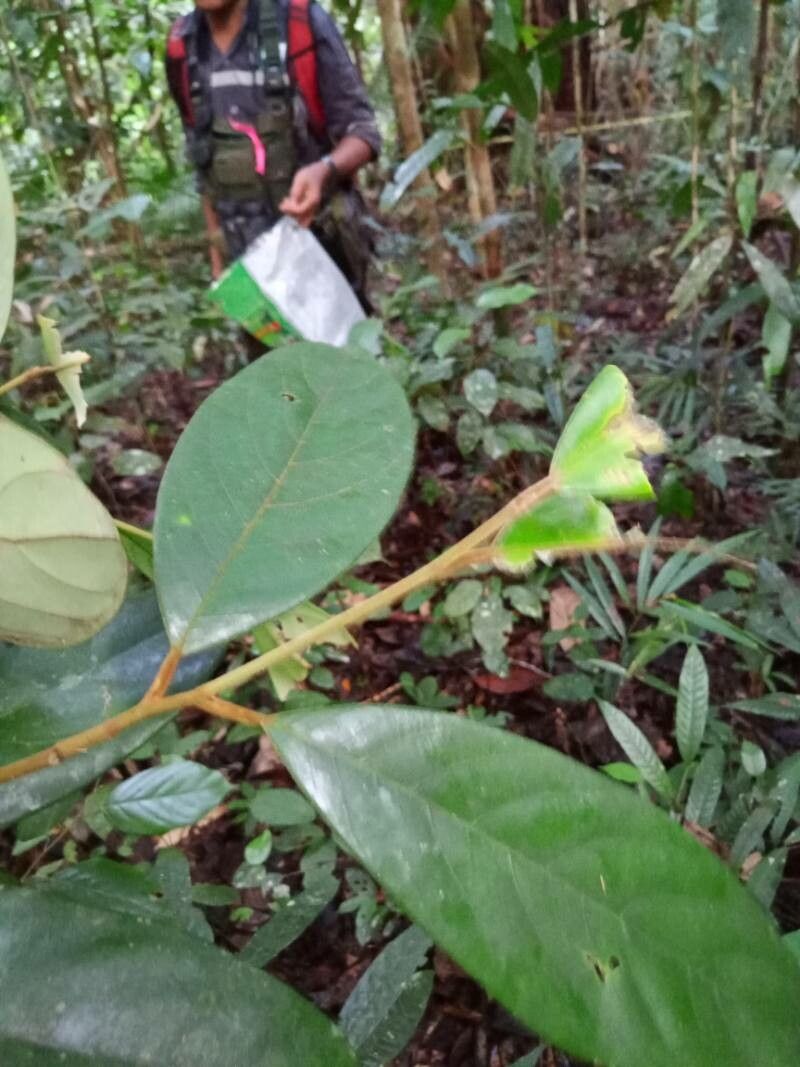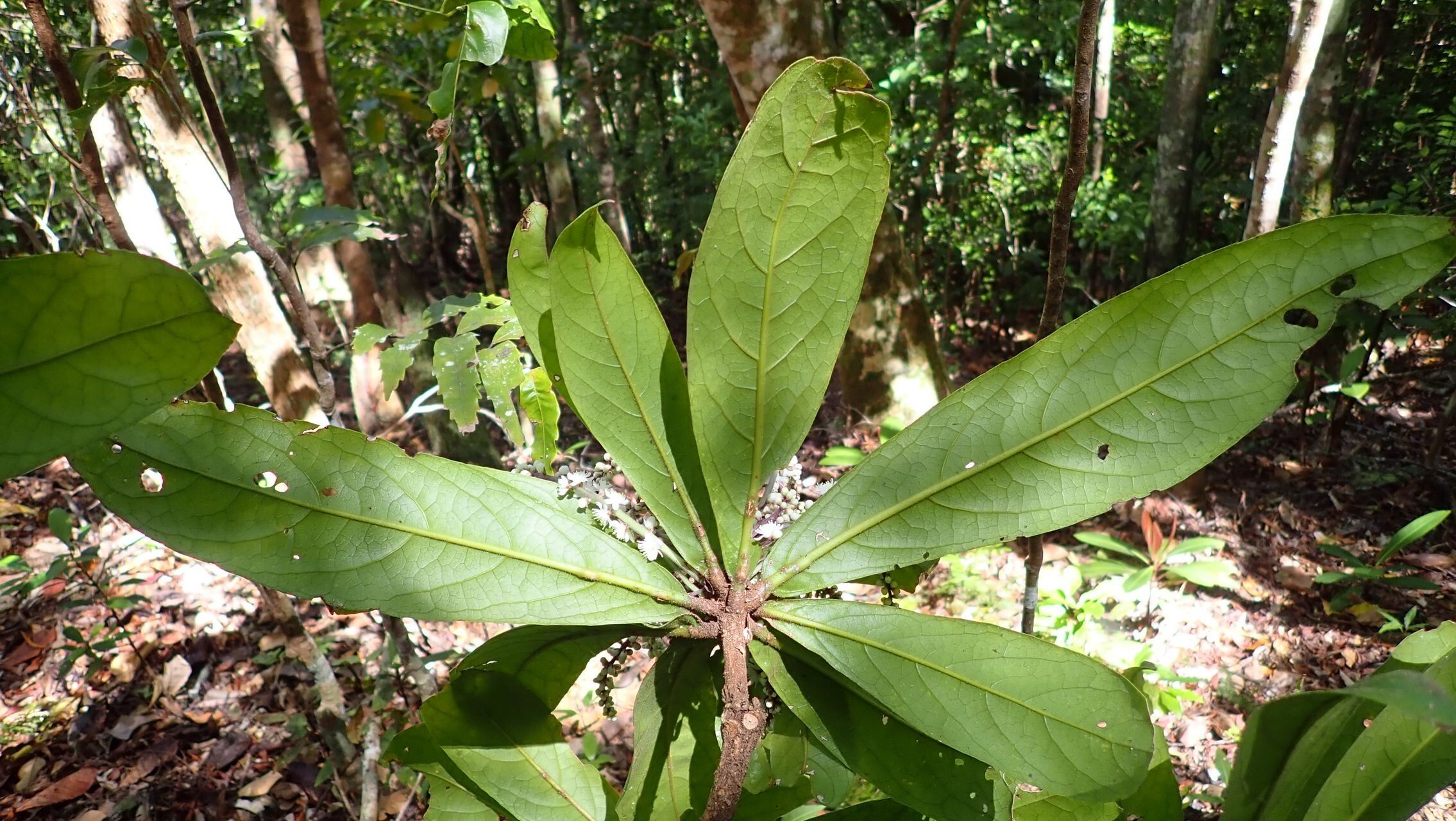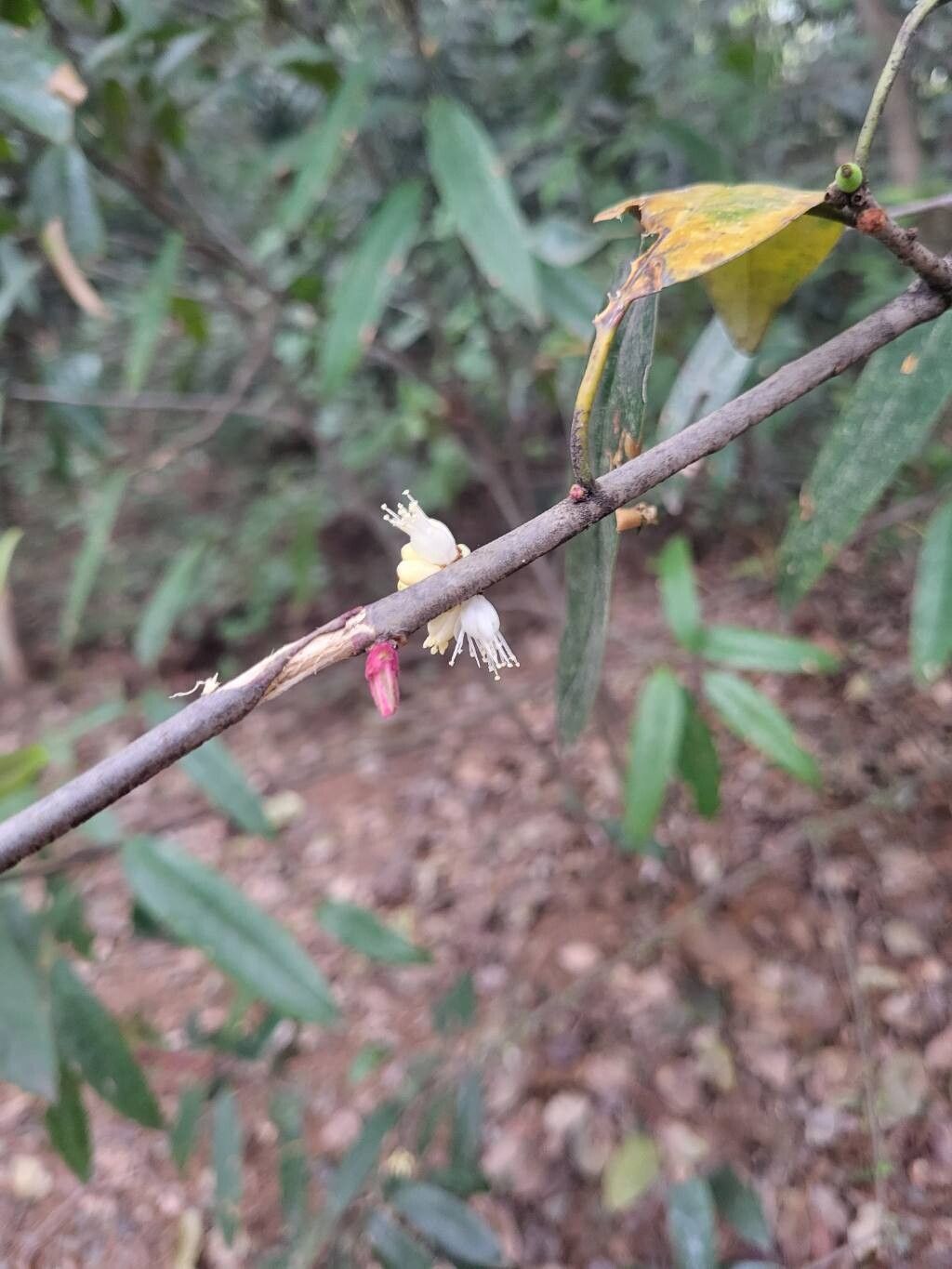
Loquat-leaf symplocos has good disease resistance and is generally not prone to diseases. Regarding care, this plant is relatively low maintenance. When grown outdoors it needs only minimal watering, and larger plants typically do not require pruning. Smaller plants, however, should be pruned after they finish blooming. Loquat-leaf symplocost is suitable for anyone with an outdoor area, such as a garden or a deck, and does not demand much care experience.
How to keep Symplocos Stellaris.
Light
Symplocos with loquat leaves naturally thrives in habitats like forest understories or rocky regions, where it commonly resides under natural shade. Although it prefers conditions with partial sunlight, it is also capable of adjusting to complete sunlight or total shade, indicating its adaptive and robust characteristics.
Temperature
The Loquat-leaf symplocos exhibits strong resilience to heat, able to withstand high temperatures and wide temperature fluctuations. During periods of high heat, it is crucial to ensure adequate watering and suitable shading to avoid sun damage. Conversely, the Loquat-leaf symplocos has a somewhat weaker resistance to cold temperatures. While it can handle a certain amount of cold, frost damage may occur in extremely cold conditions.
Fertilizer
Fertilizing Loquat-leaf symplocos at the right time is key. Start to fertilize at the beginning of spring and continue once per month until the start of summer. The use of fertilizer aids in creating beautiful flowers and supplies the necessary energy during both dormant and active growth periods.
Botanical profile.
- Plant Type
- Tree
- Life Cycle
- Perennial
- Hardiness Zone
- 9-11
- Mature Height
- 4.88 m to 10.06 m
- Mature Spread
- 3.05 m to 4.88 m
- Leaf Color
- Dark Green, Forest Green
- Leaf Type
- Evergreen
- Flower Color
- White
- Flower Size
- 0.51 cm to 0.76 cm
- Bloom Time
- Mid spring, Late spring
- Planting Time
- Spring, Summer, Autumn
- Harvest Time
- Mid summer, Late summer, Early fall
- Native Area
- Japan, China