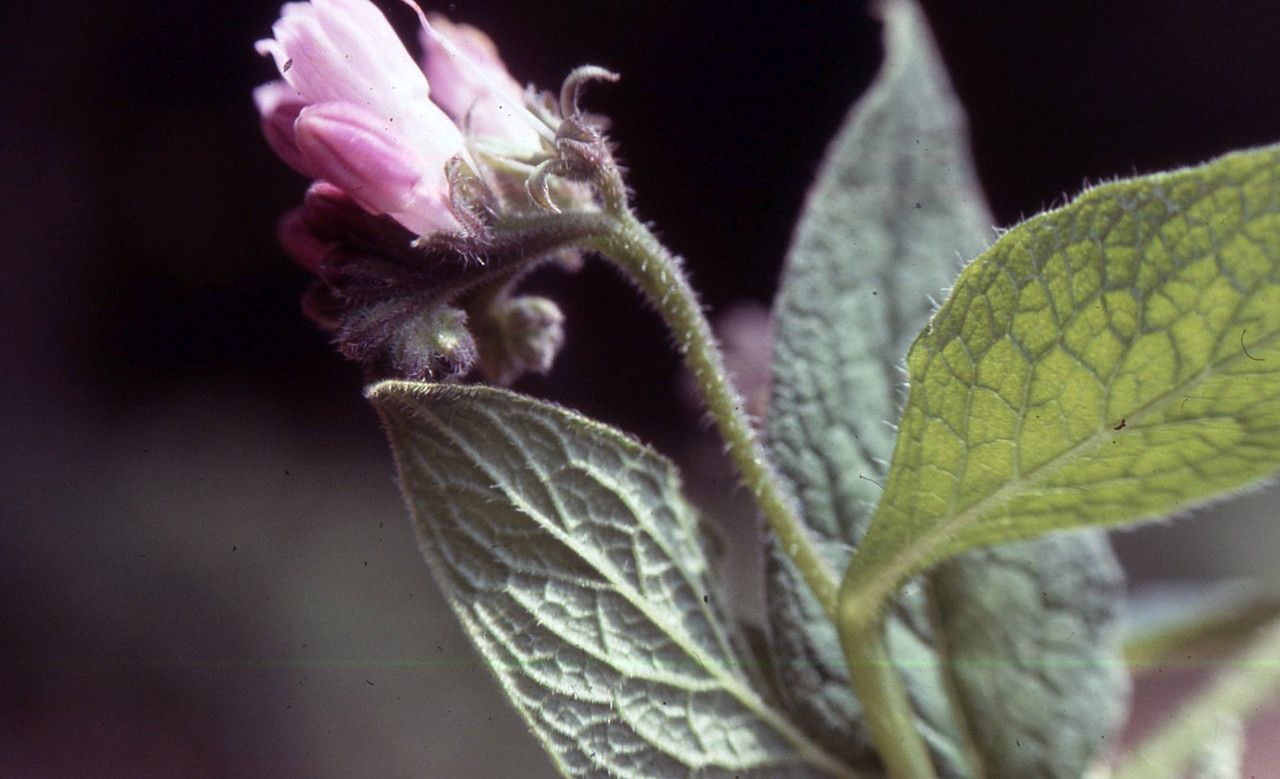
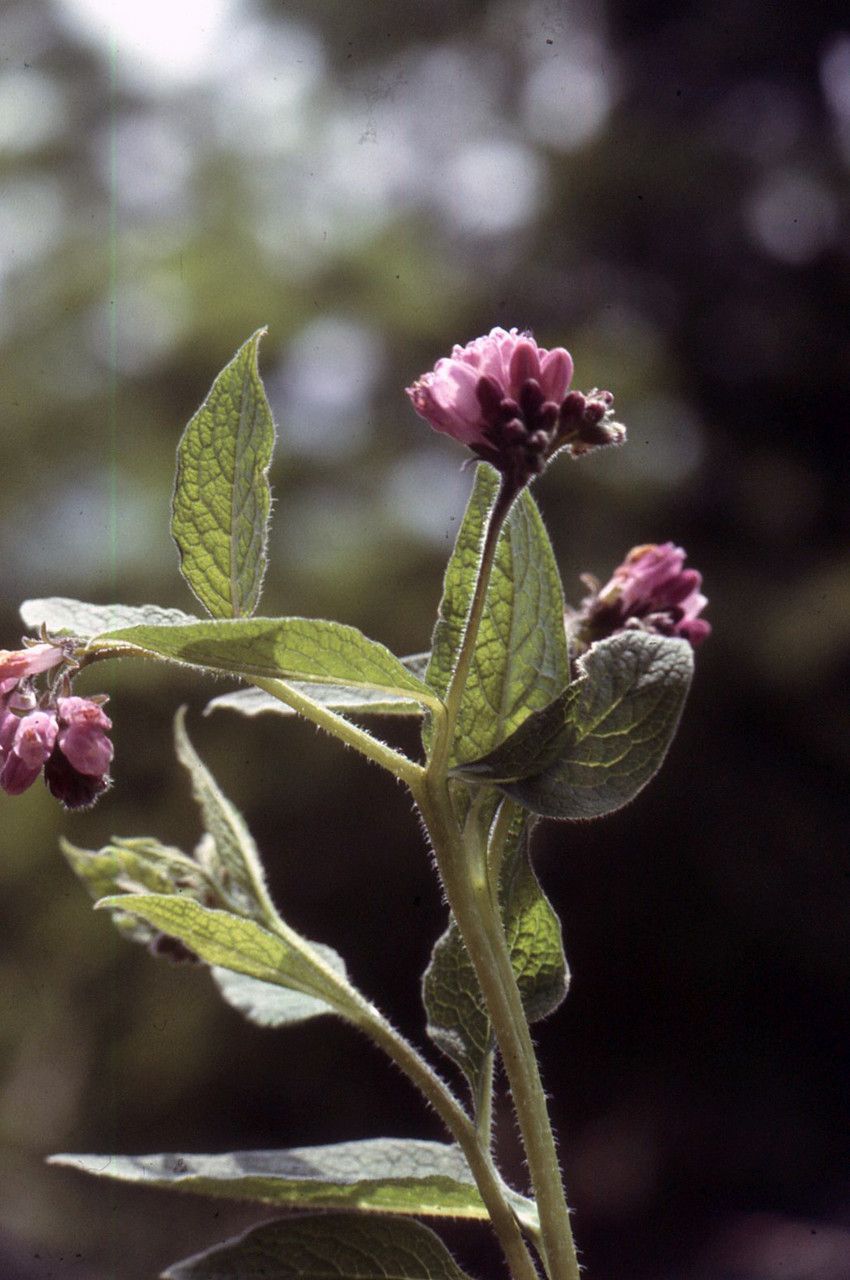
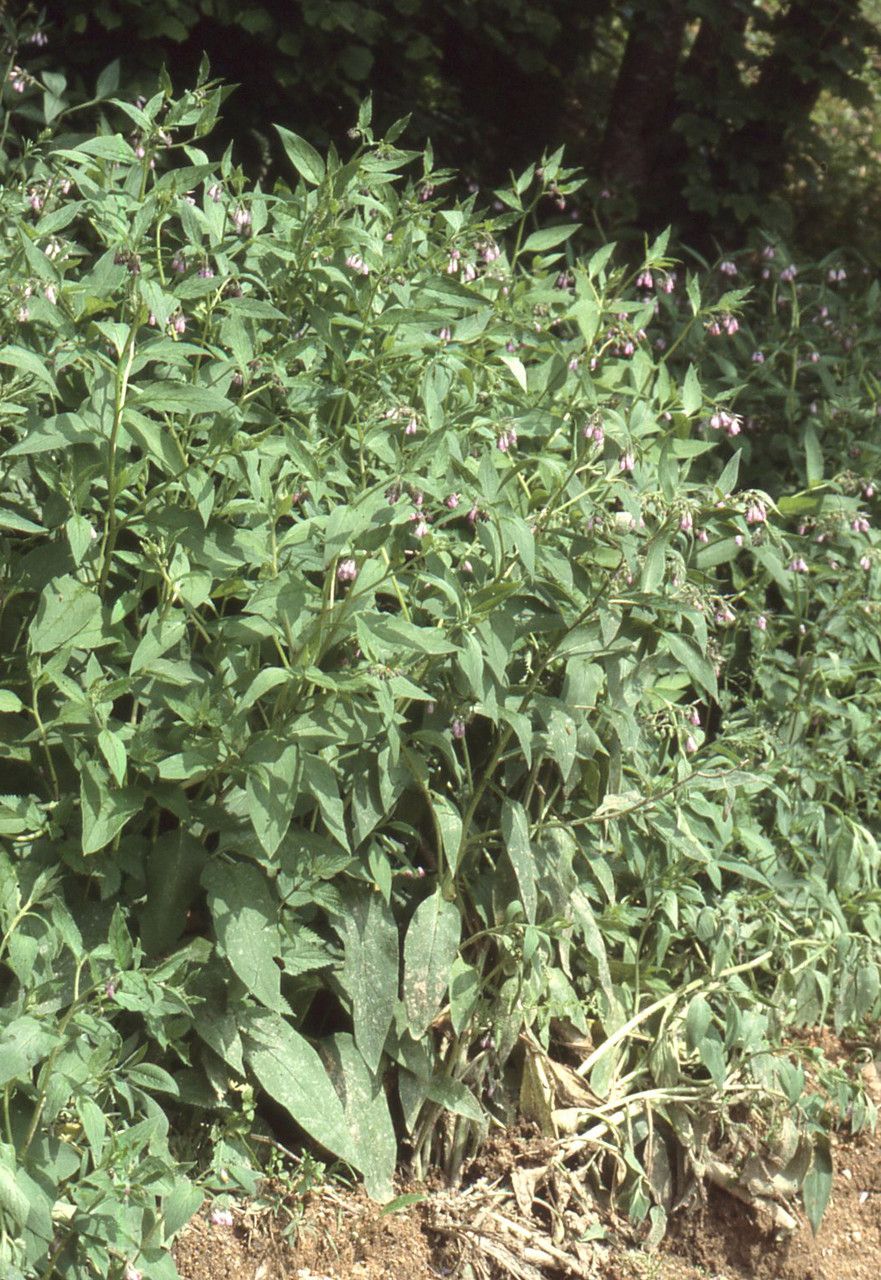
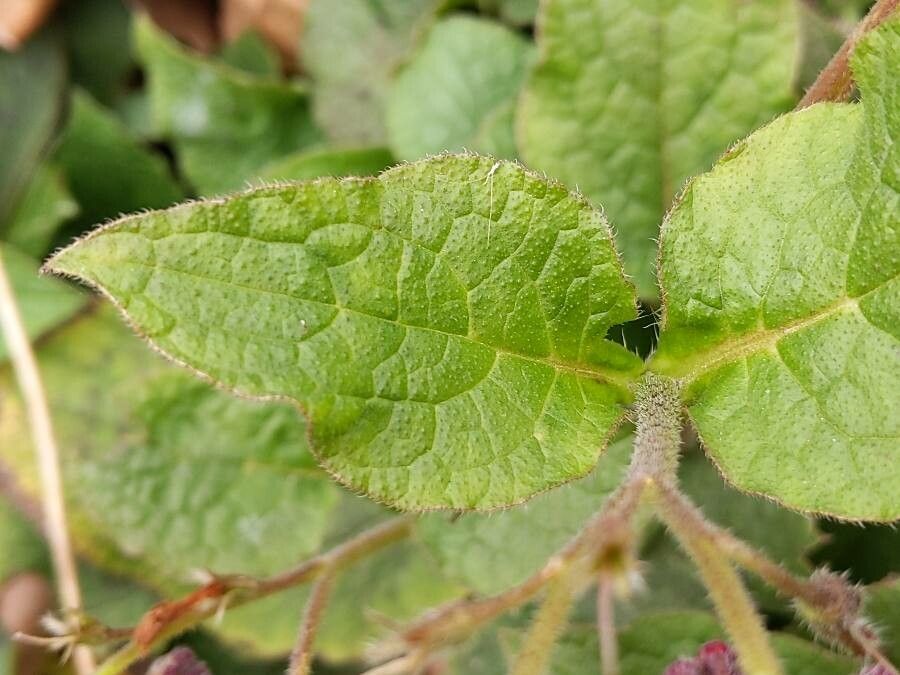
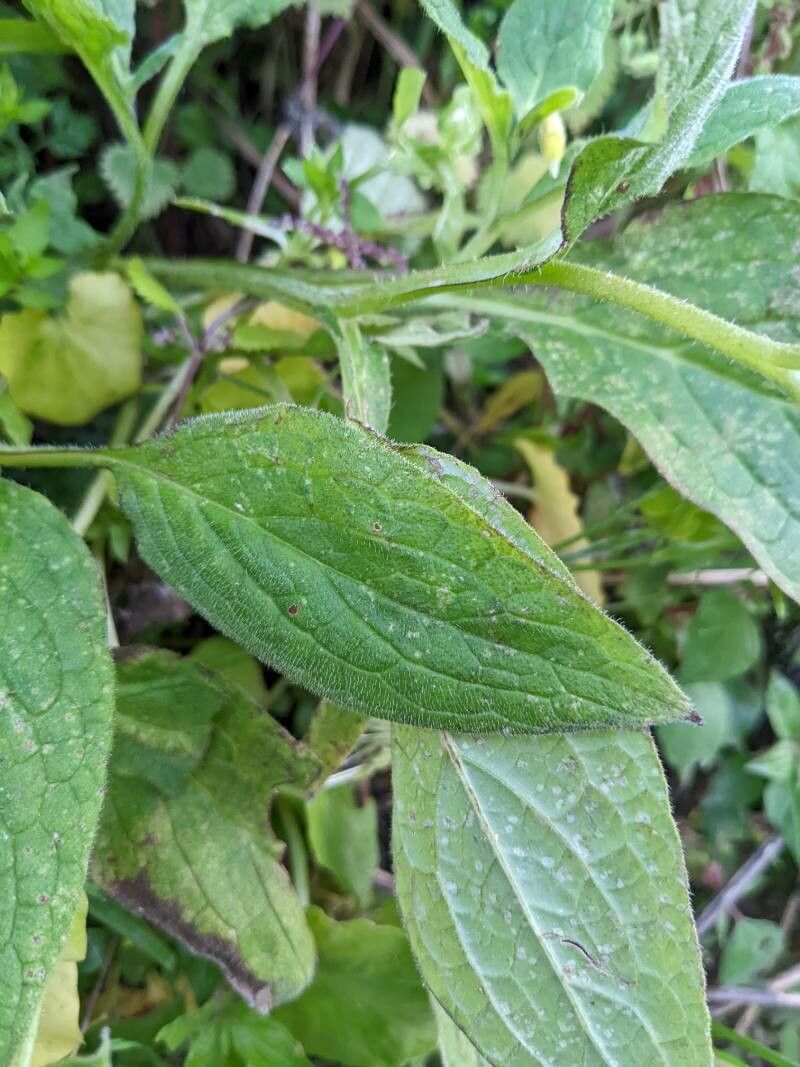
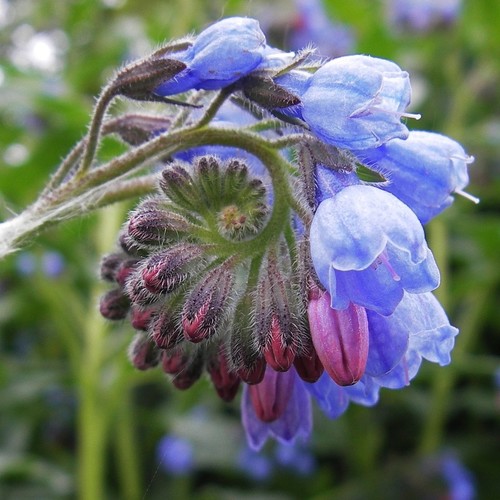
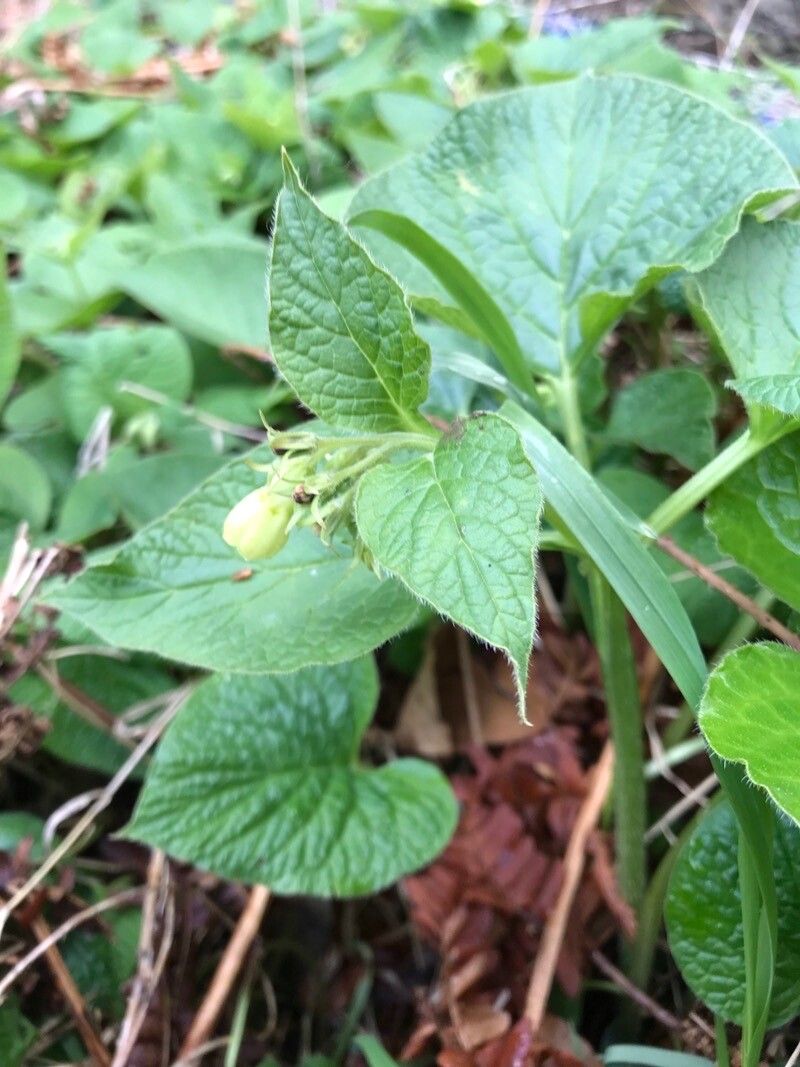
Symphytum peregrinum may refer to the following comfrey species:Symphytum peregrinum auct.: Symphytum × uplandicum, the Russian or Quaker comfrey Symphytum peregrinum Ledeb.: Symphytum officinale subsp. officinale
Prickly comfrey has good disease resistance and is generally not prone to illnesses. However, it can be affected by pests and diseases present in its environment. These infections are typically not severe. Regarding care, this plant requires moderate maintenance. It should be pruned regularly to preserve a neat appearance and promote healthy growth. Fertilizing can also help encourage flowering. Prickly comfrey is suitable for people with outdoor spaces, such as a garden or patio, and does not require much care experience. It may need more attention when grown indoors.
How to keep Symphytum Peregrinum.
Temperature
Prickly comfrey is capable of adjusting to a diverse array of thermal conditions, though particular combinations of heat and water could nonetheless restrict its spread. The plant flourishes optimally in warm climates during the summer, provided there is sufficient rainfall or irrigation. Extended times of overcast, rainy weather or sustained high temperatures could enhance the risk of the prickly comfrey perishing. During winter, the chances of the plant surviving are heightened by the provision of adequate safeguards against the cold.
Fertilizer
The optimal period to fertilize a Prickly comfrey is during the early spring, as it transitions from a dormant state to a period of active growth. Providing fertilization supplies crucial nutrients required for vigorous growth. Even though the Prickly comfrey doesn't demand a lot of fertilization, fertilizing it annually can boost its longevity and foster superior, more durable blossoms.
Botanical profile.
- Plant Type
- Herb
- Life Cycle
- Perennial
- Genus
- Symphytum
- Family
- Boraginaceae
- Hardiness Zone
- 4-8
- Mature Height
- 0.61 m to 1.22 m
- Mature Spread
- 61 cm to 91 cm
- Leaf Color
- Green
- Leaf Type
- Evergreen
- Flower Color
- Blue, Purple
- Flower Size
- 1.02 cm to 2.03 cm
- Bloom Time
- Mid spring, Late spring, Early summer
- Planting Time
- Spring, Autumn
- Harvest Time
- Summer
- Native Area
- Azerbaijan, Iran, Armenia, Turkey
Other names.