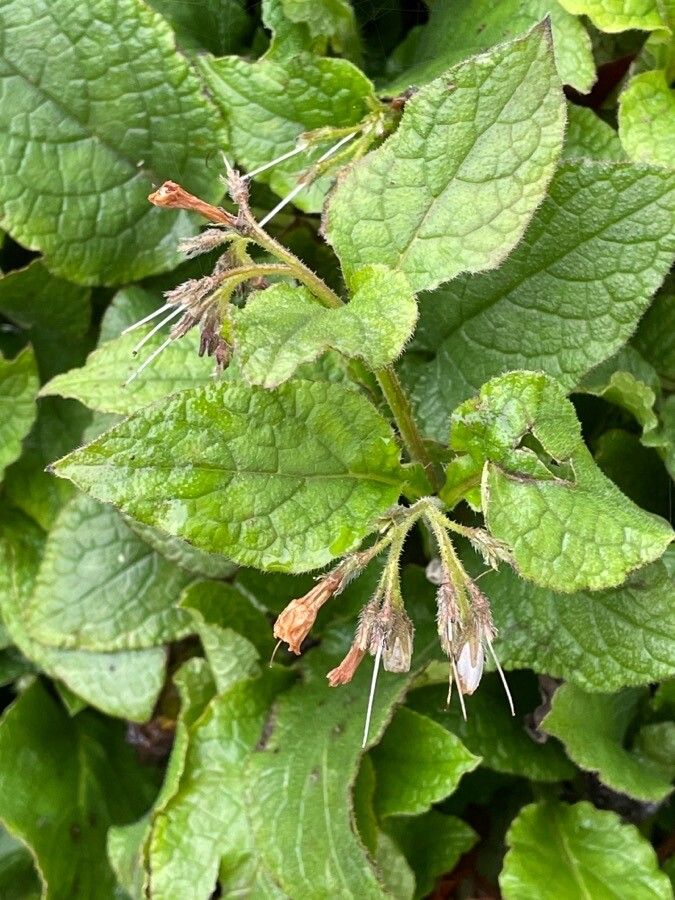
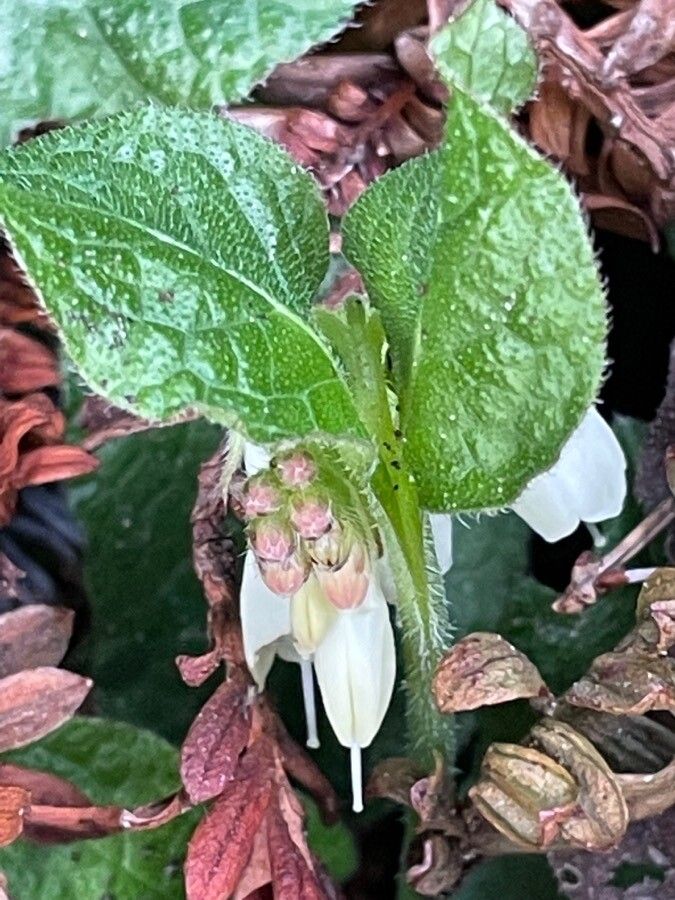
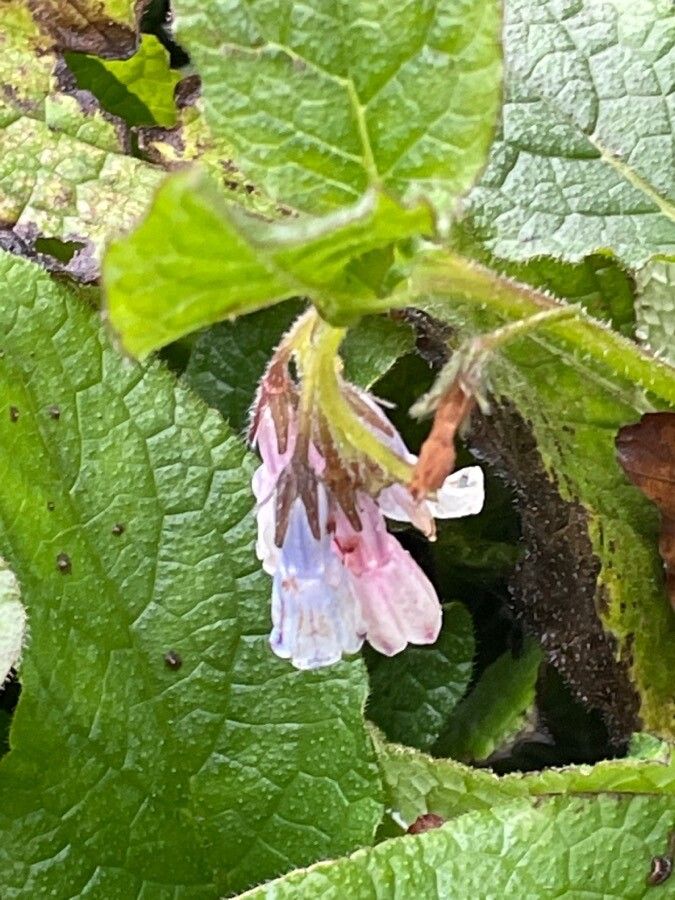
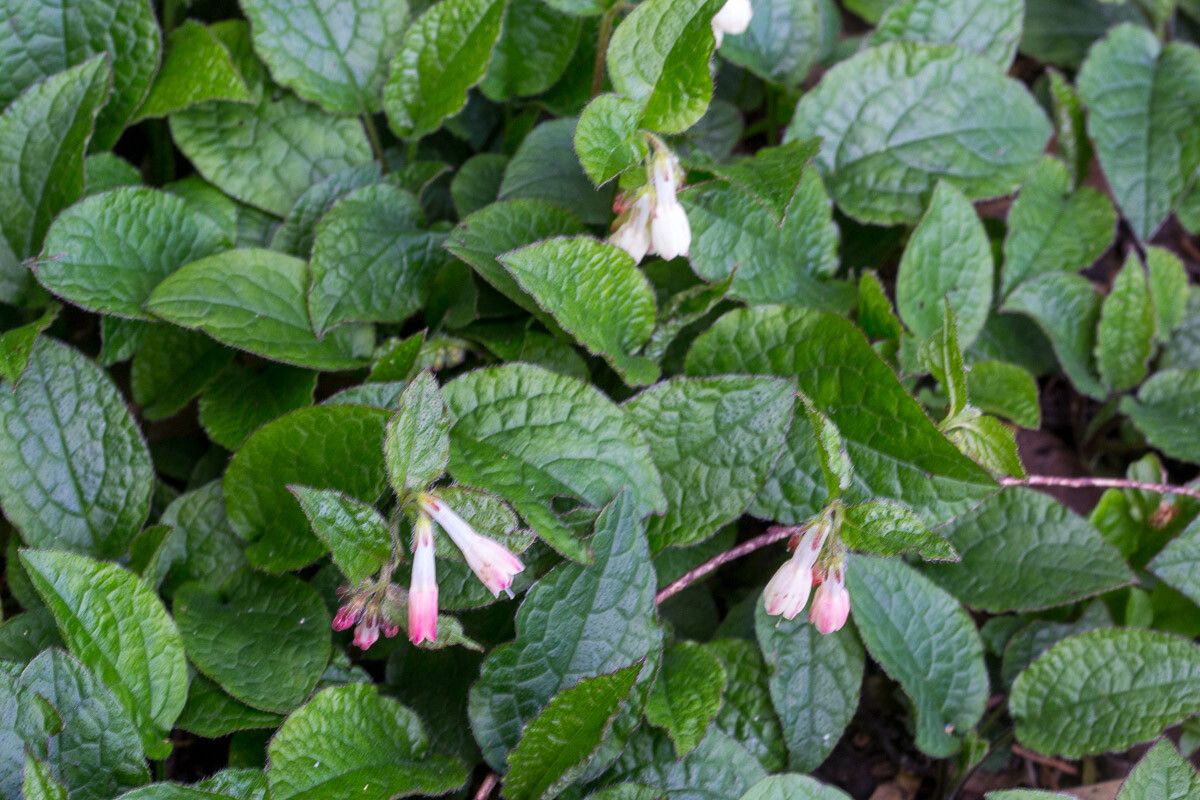
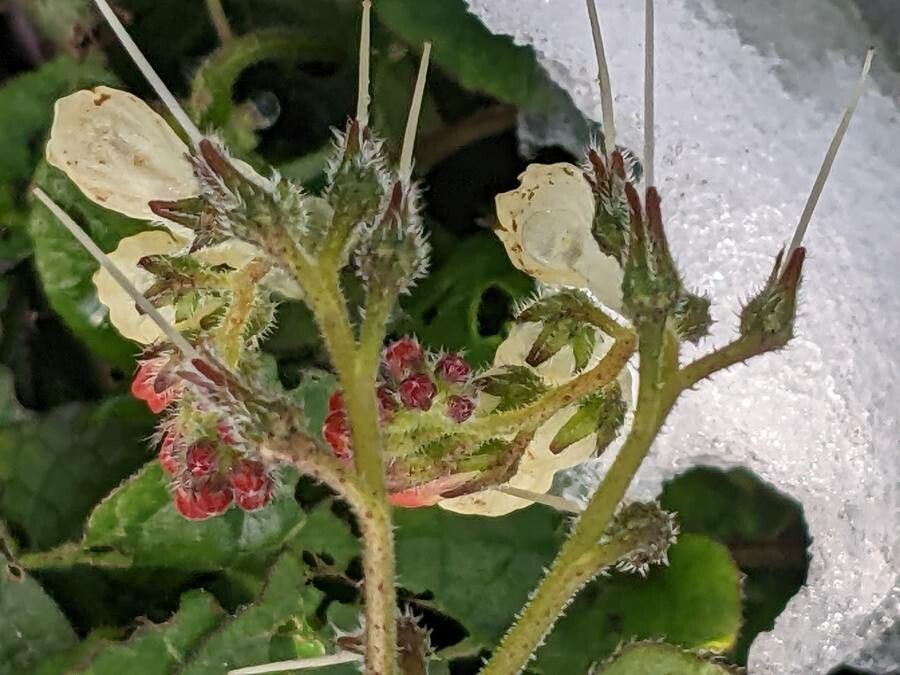
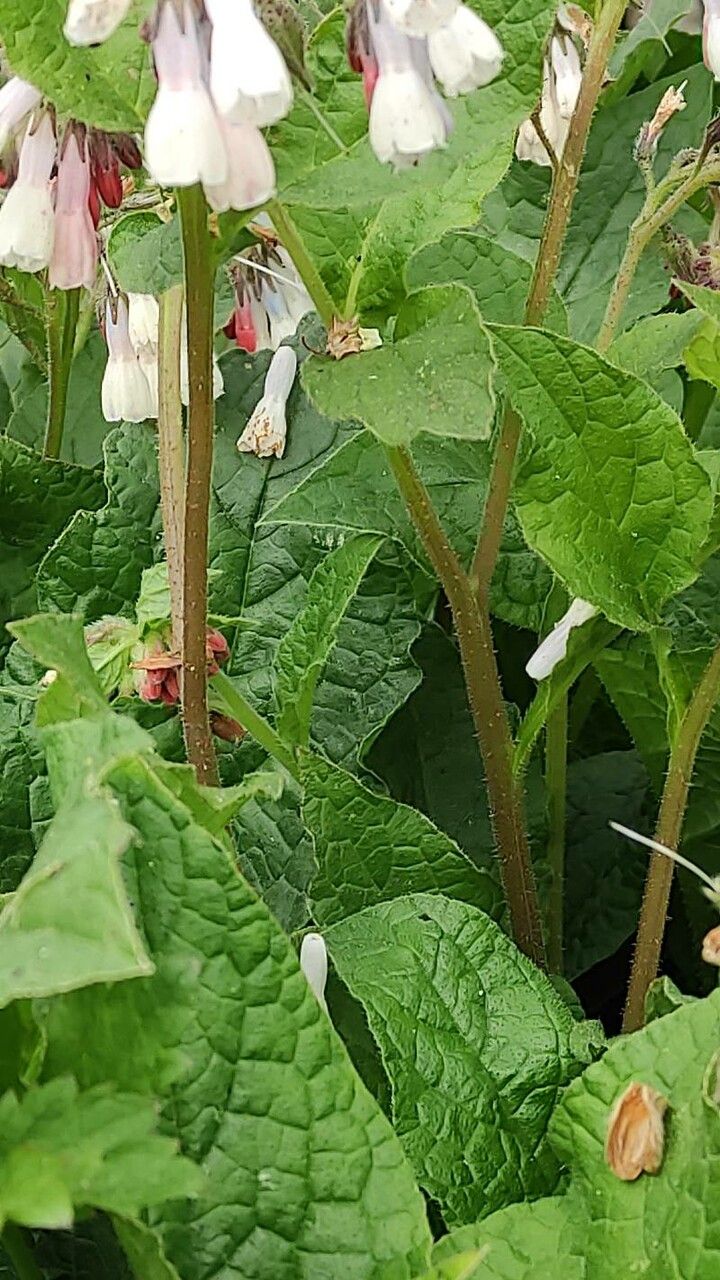
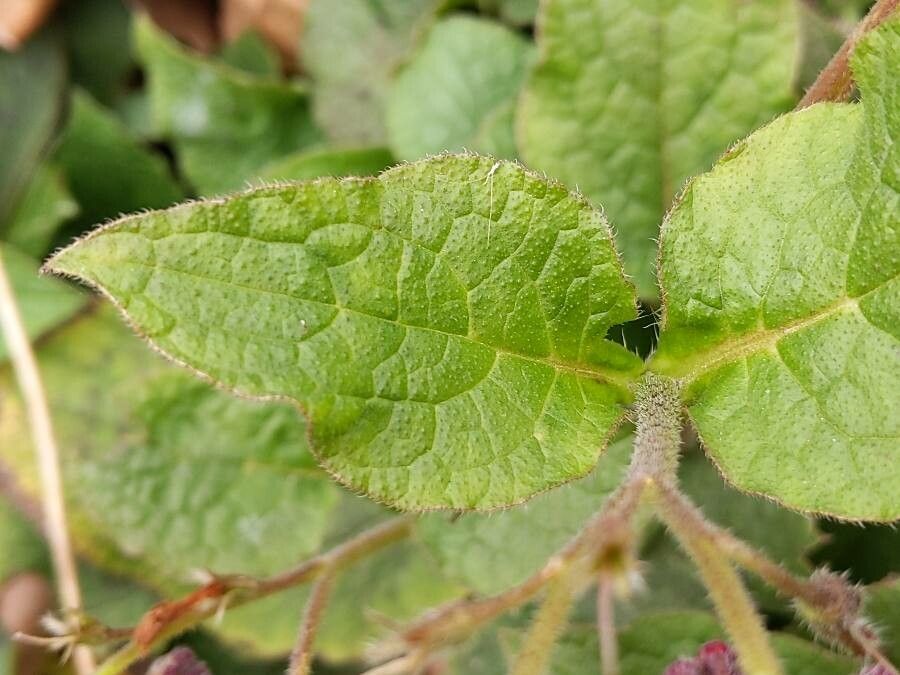
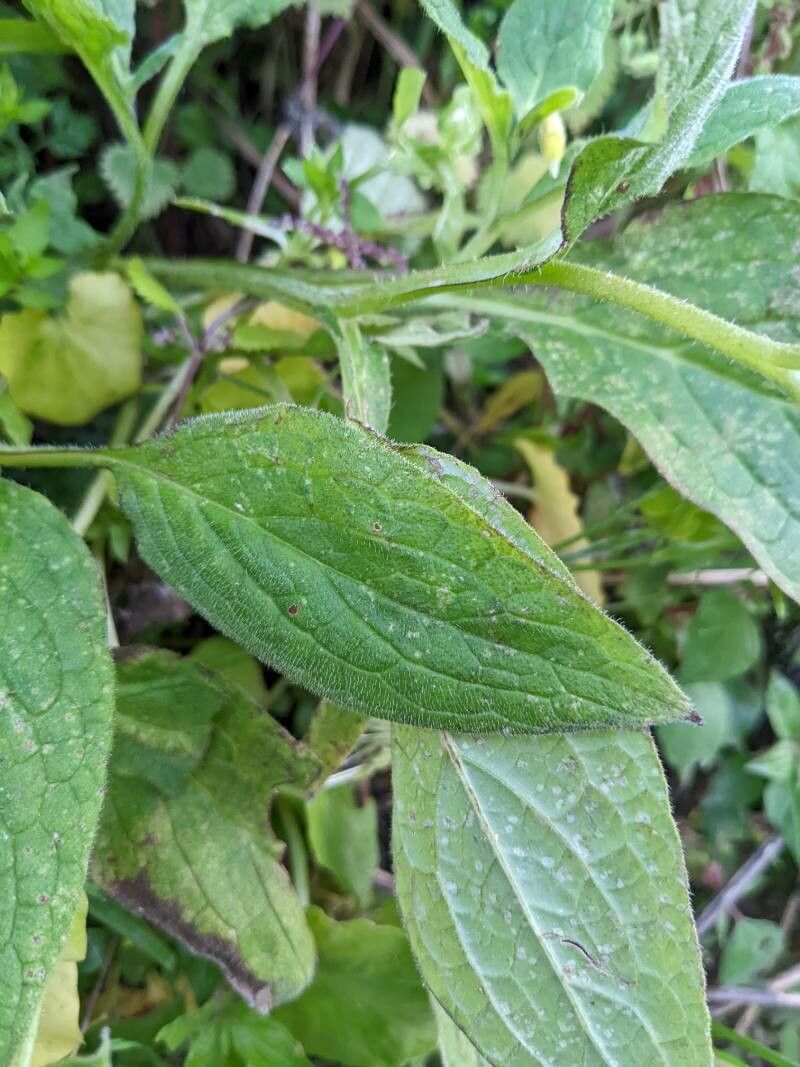
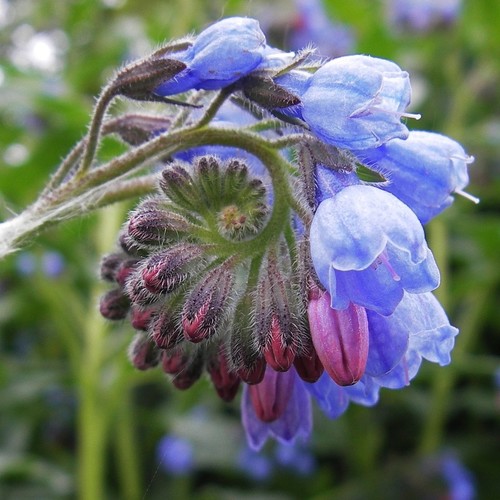
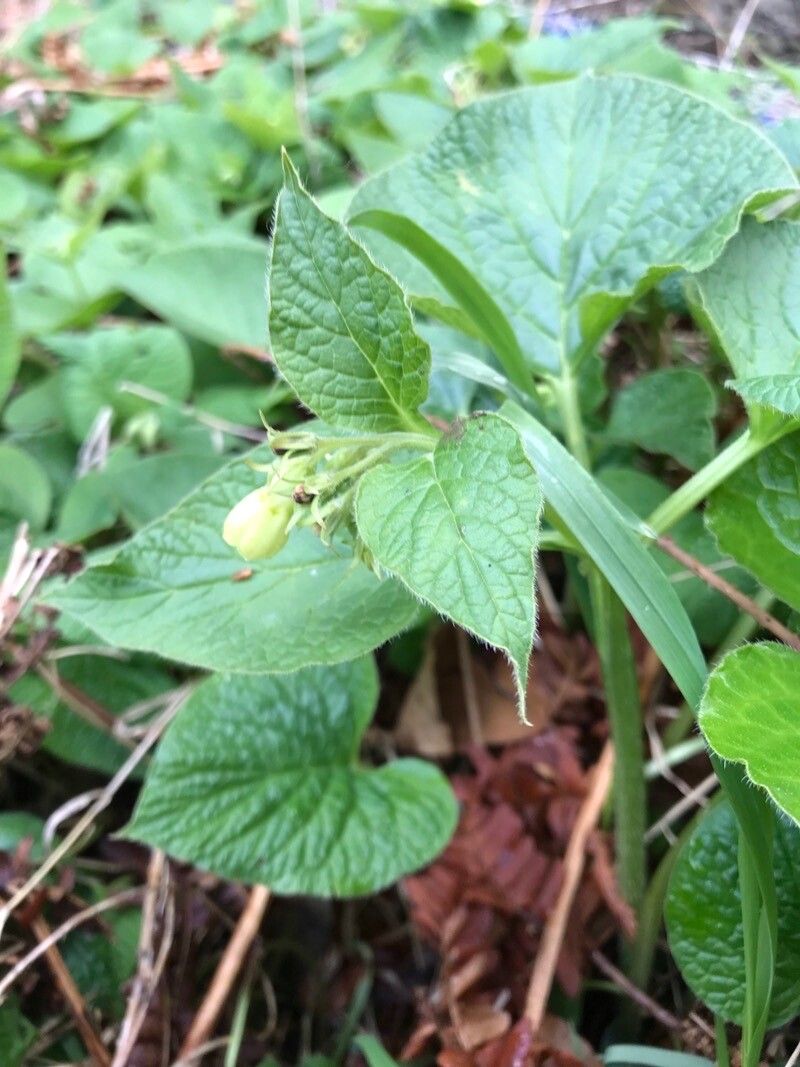
Symphytum grandiflorum, commonly known as large-flowered comfrey, is a perennial herbaceous plant in the Boraginaceae family. Native to Europe and western Asia, it has also been introduced to North America as an ornamental plant. The plant can grow up to 60 cm tall and features large, hairy leaves that are lance-shaped with pointed tips. Its bell-shaped flowers, consisting of five petals, range in color from pinkish-purple to blue-violet.
Large-flowered comfrey thrives in moist soils and can grow in both partial shade and full sun. You can often find it in meadows, along streams or rivers, and on the edges of forests. The plant is renowned for its medicinal properties due to the presence of allantoin, which promotes cell growth and regeneration, making it useful for treating wounds.
Traditionally, it has also been used to treat respiratory problems such as coughs and bronchitis because of its expectorant properties. However, caution is advised when using this herb internally, as it can be potentially toxic.
Overall, Symphytum grandiflorum is an attractive ornamental plant with notable medicinal properties, making it a valuable addition to gardens around the world both for its beauty and its potential health benefits.
Comfrey has moderate disease resistance but can be susceptible to issues like leaf spot. Its vulnerability to insect pests depends on the variety, although most varieties are less resistant to pests. Concerning care, comfrey requires regular watering and fertilization, and yellow leaves should be pruned often. It is important to control pests and diseases when they appear and to harvest the plant in a timely manner. Comfrey is suitable for people who can devote some time and energy to regular care.
How to keep Symphytum Grandiflorum.
Light
Comfrey originates in habitats such as forest understories or rocky places that provide natural shade. It prefers partial sunlight but can also tolerate full sun when necessary. This flexibility enables it to do well under a range of sunlight conditions.
Temperature
Comfrey does best in moderate temperatures—about the same range people usually find comfortable. It flourishes in conditions that are neither overly hot nor overly cold. The principal problem with high temperatures is the danger of sunburn, so providing some shade in summer is recommended to avoid excessive heat. When temperatures fall, Comfrey becomes dormant. If you want it to grow continuously, you need to keep winter temperatures higher. Frost can injure the plant and should be avoided.
Fertilizer
To maximize comfrey's yield and flavor, supply ample nitrogen throughout the entire growth cycle, from pre-planting through harvest. Plants that are consistently well watered and fertilized develop plentiful, healthy leaves and are less bitter. Before planting, boost the soil with organic matter such as compost or manure, ideally applied 2 to 8 weeks ahead.
Pruning
To keep your comfrey healthy, prune it in early spring. Start by removing old leaves and cutting back the flower stems after they have bloomed. This will encourage new growth, improve air circulation, and prevent overcrowding, thereby reducing the risk of pests and diseases. Following these steps will give your garden a vibrant appearance.
Botanical profile.
- Plant Type
- Herb
- Life Cycle
- Perennial
- Genus
- Symphytum
- Family
- Boraginaceae
- Hardiness Zone
- 4-9
- Mature Height
- 30 cm to 46 cm
- Mature Spread
- 61 cm
- Leaf Color
- Green
- Leaf Type
- Semi-evergreen
- Flower Color
- Pink, White
- Flower Size
- 1.02 cm to 2.03 cm
- Bloom Time
- Spring
- Planting Time
- Spring, Summer, Autumn
- Harvest Time
- Early summer, Mid summer
- Native Area
- Turkey
Other names.