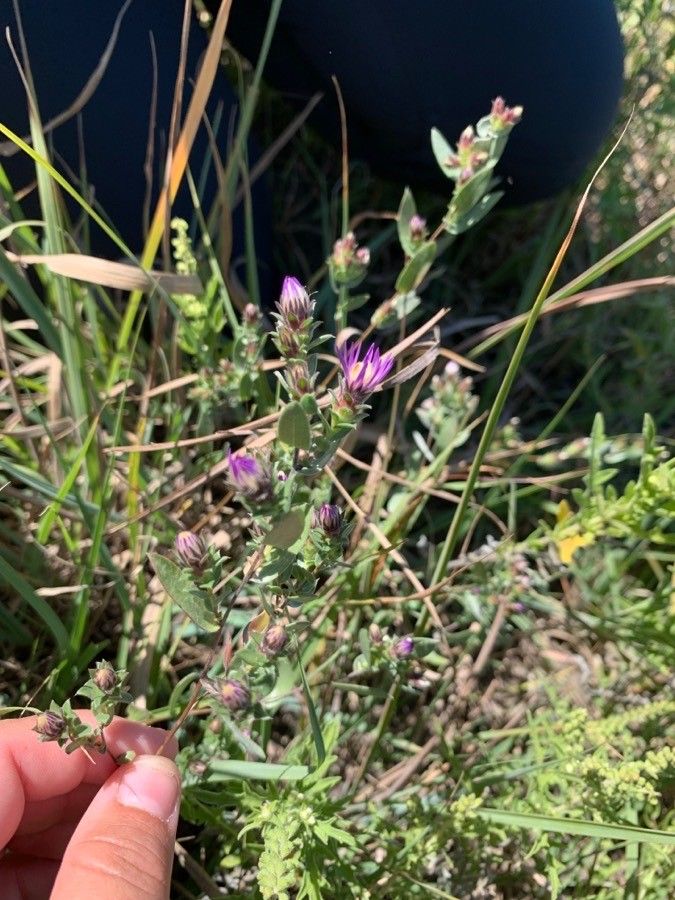
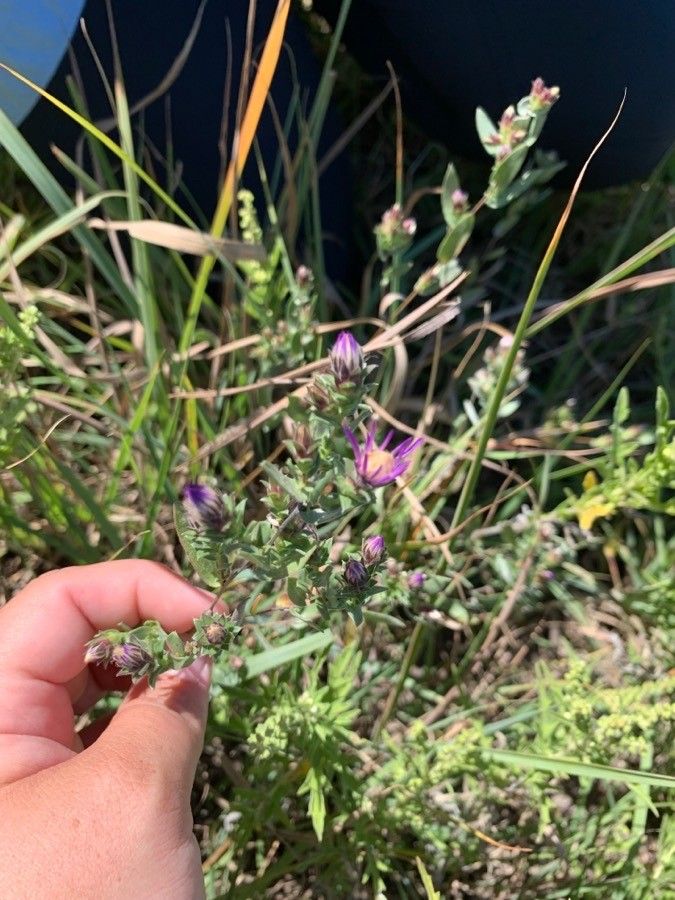
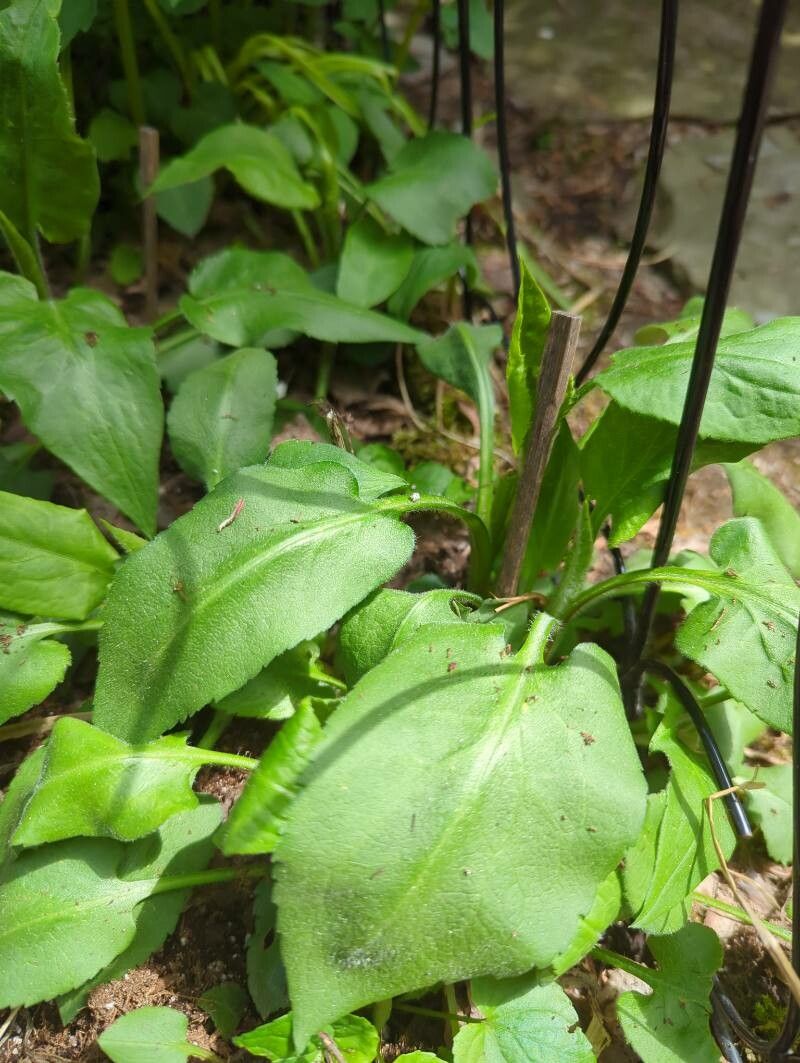
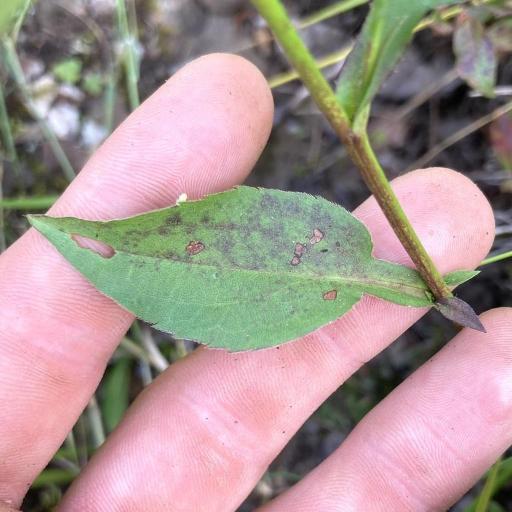
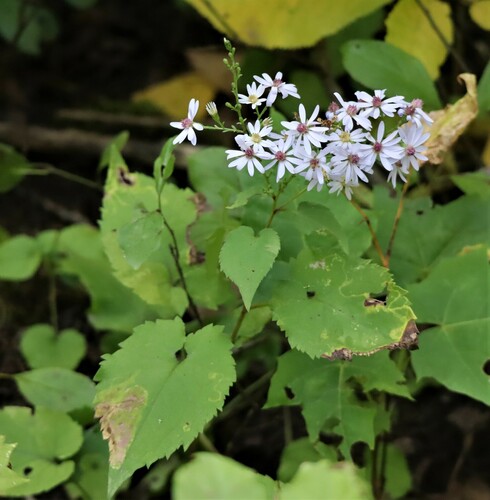
Symphyotrichum sericeum (formerly Aster sericeus) is a species of flowering plant in the family Asteraceae native to central North America. Commonly known as western silver aster, western silvery aster, and silky aster, it is a perennial, herbaceous plant that may reach 70 centimeters (2+1⁄4 feet) tall. Its flowers have purple ray florets and pink then purple disk florets, and its leaves are firm and silvery-green.
Western silver aster is fairly resistant to disease and is generally not prone to illnesses. However, it can be vulnerable to pests and diseases present in its surroundings, and these infections are usually not severe. In terms of care, this plant requires moderate maintenance. It needs regular pruning to keep a good appearance and support healthy growth. Fertilizing can also help encourage flowering. Western silver aster is suitable for anyone with outdoor space, such as a garden or patio, and does not demand extensive care experience. It may need more attention when grown indoors.
How to keep Symphyotrichum Sericeum.
Light
Western silver aster does best when it receives a substantial amount of daylight for most of the day. It can tolerate moderate sun, but plenty of light promotes healthier growth. Too little or too much light can result in poor plant health.
Water
The Western silver aster is well-suited for prairie habitats, where it thrives due to its adaptability to drought conditions while still preferring balanced moisture levels. Its roots can withstand both heavy rains and dry spells, but it requires weekly watering to maintain optimal health. In temperate regions, this outdoor plant is particularly efficient at absorbing water during its active growing season.
Temperature
Western silver aster naturally grows in areas with temperatures between 32 and 95°F (0 to 35℃). It prefers a moderate, steady climate. If temperatures drop sharply, consider covering the plant to keep it warm.
Fertilizer
The best time to fertilize a Western silver aster is in early spring, as it comes out of dormancy and begins active growth. Fertilization supplies essential nutrients for healthy development. While the Western silver aster has relatively low fertilizer requirements, feeding it once a year can improve its survival and encourage better, longer-lasting blooms.
Pruning
The Western silver aster is a perennial plant known for its silvery leaves and purple flowers. To promote healthy growth, it requires pruning from early to late spring. Cut the stems back to one-third of their height, and be sure to remove any dead branches. Always clean your tools to prevent the spread of disease, and consult gardening guides for specific pruning techniques.
Pot & Repot
The western silver aster needs excellent drainage in pots to thrive.
Botanical profile.
- Plant Type
- Herb
- Life Cycle
- Perennial
- Genus
- Symphyotrichum
- Family
- Asteraceae
- Hardiness Zone
- 3-9
- Mature Height
- 30 cm to 91 cm
- Mature Spread
- 30 cm to 61 cm
- Leaf Color
- Silver, Gray
- Leaf Type
- Deciduous
- Flower Color
- Purple, Lavender
- Flower Size
- 2.54 cm to 5.08 cm
- Bloom Time
- Late summer, Early fall, Mid fall
- Planting Time
- Spring, Autumn
- Harvest Time
- Fall
Other names.
Reader questions.
What are the sunlight requirements for Western Silver Aster?
Western Silver Aster requires full sun exposure of more than 6 hours of sunlight daily to thrive best, but it can also manage with partial sun exposure of about 3-6 hours of sunlight. It's vital to observe how sunlight moves through your garden and choose spots that provide the perfect balance of light and shade for your plants, ensuring their health and happiness. This plant thrives in conditions where it can soak up a generous amount of daylight for the majority of the day, with an abundant amount of sunlight being more conducive to its healthy growth.
What is the native environment temperature range for Western silver aster?
The Western silver aster, botanically known as Symphyotrichum sericeum, thrives in environments where temperatures range between 32 to 95°F (0 to 35°C). It enjoys a moderate and consistent climate the most. Special attention should be given when temperatures drop significantly, as covering the plant might be required to maintain its warmth.
Can I use artificial lighting for Western Silver Aster?
Yes, artificial lighting can be used for Western Silver Aster, especially when natural sunlight is insufficient, such as in winter or less sunny spaces. LED lights are popular for indoor plant lighting as they can be customized to provide specific wavelengths needed by your plants. Full sun plants require 30-50W/sq ft of artificial light, partial sun plants need 20-30W/sq ft, and full shade plants need 10-20W/sq ft. The light source should be placed 12-36 inches above the plant to mimic natural sunlight, and most plants need 8-12 hours of light per day.
Does Western silver aster require frost protection measures?
Western silver aster exhibits strong cold resistance, typically negating the need for special frost protection measures during winter. However, in instances where winter temperatures are anticipated to plunge below -35°C, taking steps to protect the plant from cold is advisable. This can involve covering the plant with soil, straw, or similar protective materials. Additionally, watering the plant abundantly before the first autumn freeze to ensure the soil remains moist and enters a frozen state is recommended. This practice aids in preventing drought and water scarcity for the plant throughout winter and the onset of spring.
What signs indicate inadequate lighting for Western Silver Aster?
Signs of inadequate lighting for Western Silver Aster include symptoms such as small new leaves, leggy or sparse growth, faster leaf drop, slower or no new growth, lighter-colored new leaves, chlorosis, sunscald, leaf curling, wilting, and leaf scorching. These symptoms suggest that the plant is not receiving enough sunlight or is exposed to excessive sunlight, affecting its health and growth.
How does Western silver aster react to low temperatures?
The Western silver aster possesses a notable cold tolerance, performing optimally when temperatures remain above 0°C. Throughout the winter season, the plant should ideally not be exposed to temperatures dropping below -30°C. Exposure to temperatures below -35°C might not visibly affect the plant during winter, but could lead to a reduced sprouting rate or a complete lack of sprouting come springtime. In such cases, it's advisable in spring to remove any parts of the plant that have failed to sprout.
How can I address lighting issues for Western Silver Aster?
To address lighting issues for Western Silver Aster, gradually move plants to a sunnier location each week, ensuring they receive at least 6 hours of direct sunlight daily. Utilize a south-facing window and keep curtains open during the day for maximum sunlight exposure. If the plant is large or not easily movable, consider using a desk or ceiling lamp for at least 8 hours daily, or invest in professional plant grow lights. Outdoors, avoid sudden changes in light intensity to prevent sunburn. Minimize obstructions by pruning branches or leaves of surrounding trees, or consider transplanting smaller plants during their dormant period to a location with ample sunlight and good drainage.
What should be done if the Western silver aster experiences high temperatures?
During the summer months, it's essential to ensure that the temperature surrounding the Western silver aster does not exceed 35°C. Should the temperature rise above 38°C, the plant's leaves may start showing signs of distress, such as becoming lighter in color, curling, and becoming prone to sunburn, which in severe cases can lead to the entire plant wilting and drying out. To mitigate these issues, it's recommended to trim away the sunburnt and dried parts, relocate the plant to a cooler area that offers shade, especially from midday and afternoon sun, or utilize a shade cloth to provide necessary shade. Watering the plant during the cooler hours of the morning and evening can also help maintain the required soil moisture levels.