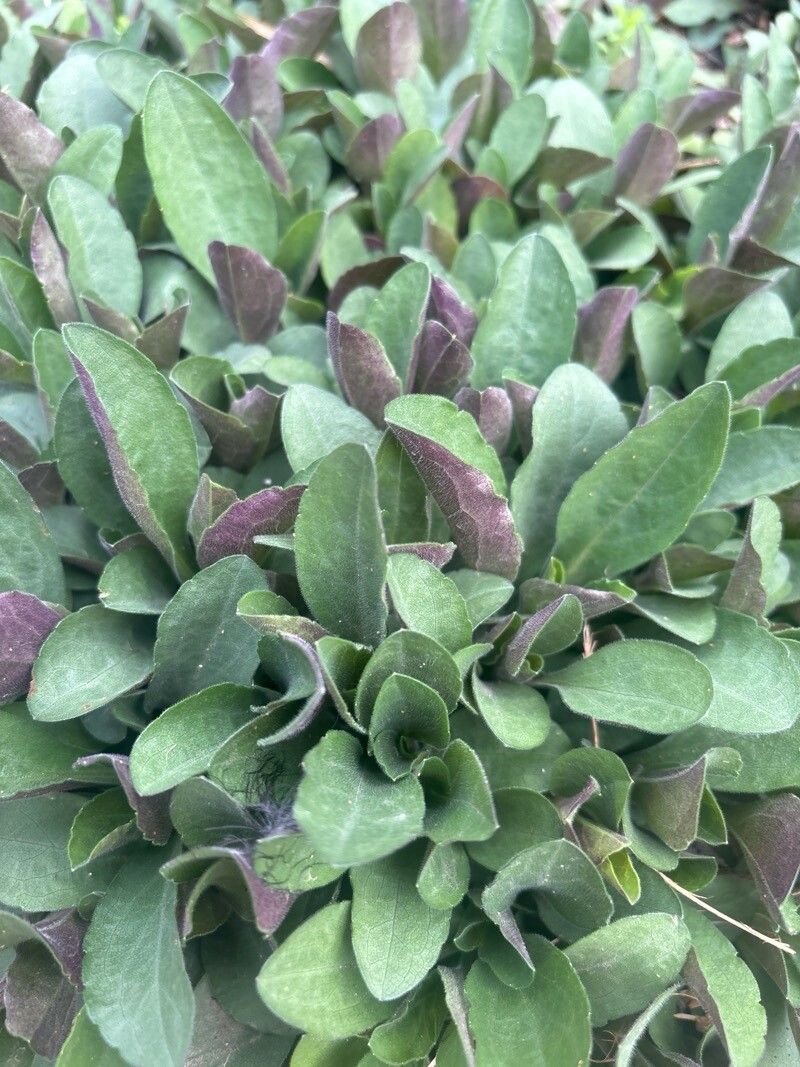
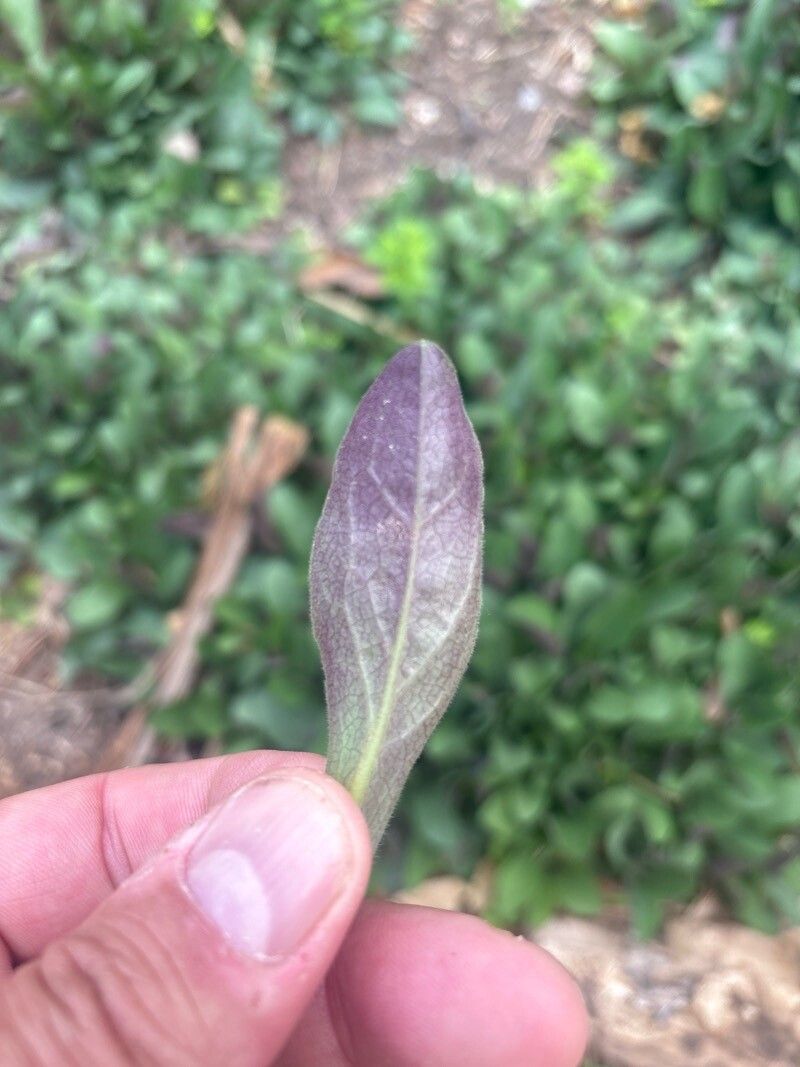
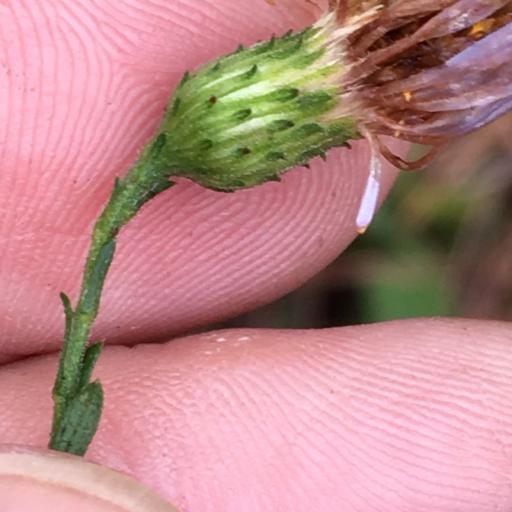
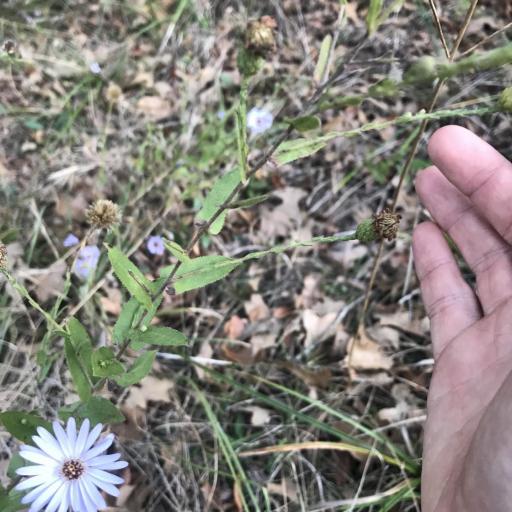
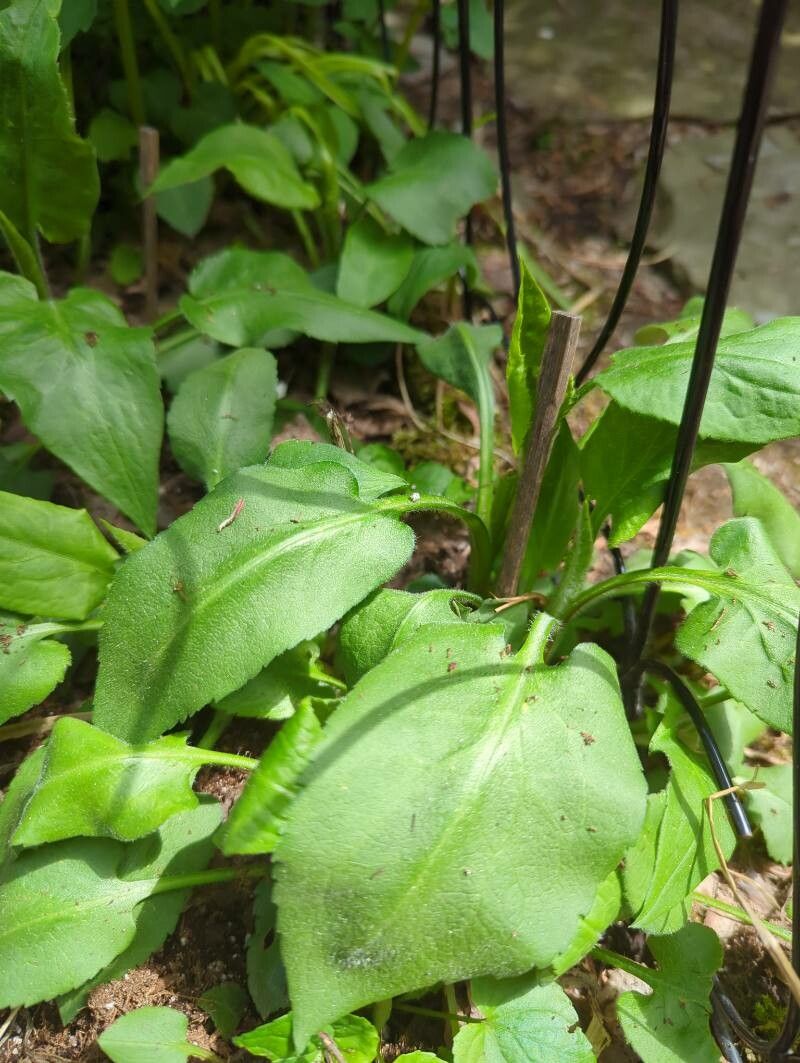
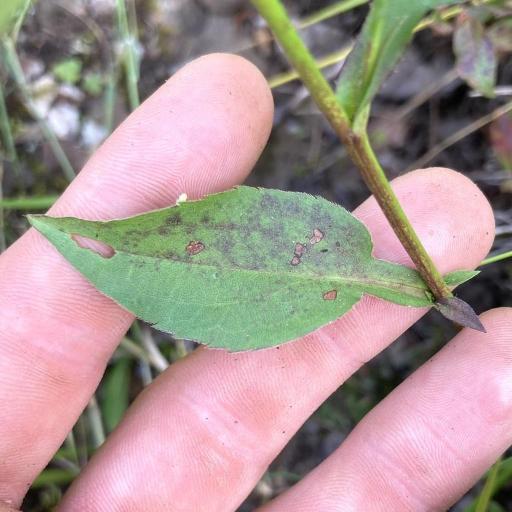
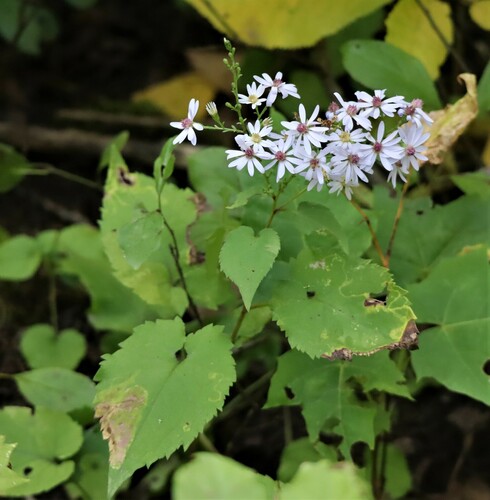
Symphyotrichum patens, commonly known as late purple aster or spreading aster, is a perennial wildflower found in the eastern United States.
The late purple aster displays strong disease resistance and is usually not prone to illnesses. Still, it can be vulnerable to pests and diseases present in its environment. These problems are typically mild. Regarding care, this plant needs moderate maintenance. It should be pruned regularly to maintain an attractive appearance and healthy growth. Fertilizing can also encourage flowering. The late purple aster is suitable for anyone with outdoor space, such as a garden or patio, and does not demand extensive care experience. It may need more attention if grown indoors.
How to keep Symphyotrichum Patens.
Light
The late purple aster does best when warmed by plentiful sunlight, though it can tolerate reduced exposure if necessary. This preference stems from its native habitat, which receives ample sun. Too much light can stress the plant, while too little light undermines its vigorous growth.
Water
The late purple aster requires consistent moisture and prefers soil that is evenly moist but not waterlogged. To maintain this balance, water it weekly. It grows best outdoors, where it can benefit from natural rainfall during the growing season, which aligns with its water needs.
Temperature
Late purple aster prefers temperate climates, thriving at temperatures between 41 and 89.6°F (5 to 32℃). It is native to an environment that requires seasonal temperature adjustments. Tend it carefully in harsh conditions.
Fertilizer
The best time to fertilize a Late purple aster is in early spring, as it comes out of dormancy and starts active growth. Fertilizing supplies essential nutrients for healthy growth. Although the Late purple aster has relatively low fertilizer needs, fertilizing annually can improve its survival and encourage better, longer-lasting flowers.
Pruning
The late purple aster produces vibrant purple flowers during the fall. To encourage growth and improve its shape, prune the plant in the spring after the last frost. Removing old blooms can extend the flowering period, while regular light pruning helps maintain the plant's health and enhances its ornamental appeal.
Botanical profile.
- Plant Type
- Herb
- Life Cycle
- Perennial
- Genus
- Symphyotrichum
- Family
- Asteraceae
- Hardiness Zone
- 4-8
- Mature Height
- 61 cm to 91 cm
- Mature Spread
- 46 cm to 61 cm
- Leaf Color
- Green, Black
- Leaf Type
- Semi-evergreen
- Flower Color
- Purple, Lavender
- Flower Size
- 2.54 cm
- Bloom Time
- Late summer, Early fall, Mid fall
- Planting Time
- Spring, Summer
- Harvest Time
- Fall
Other names.