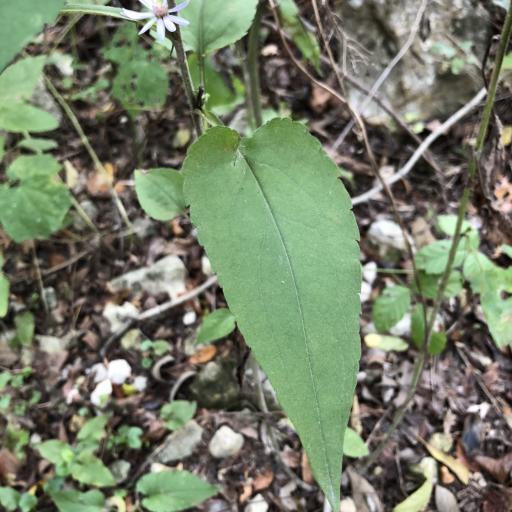
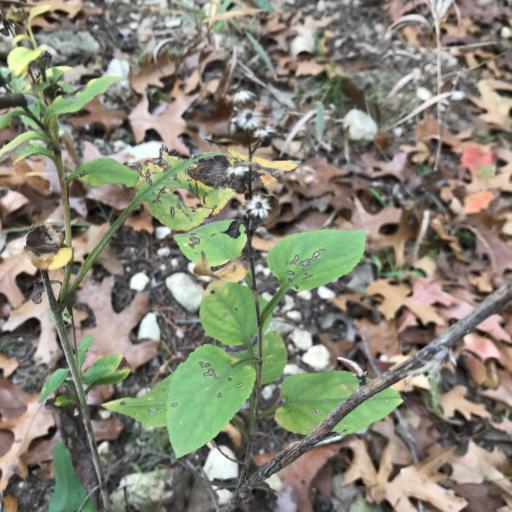
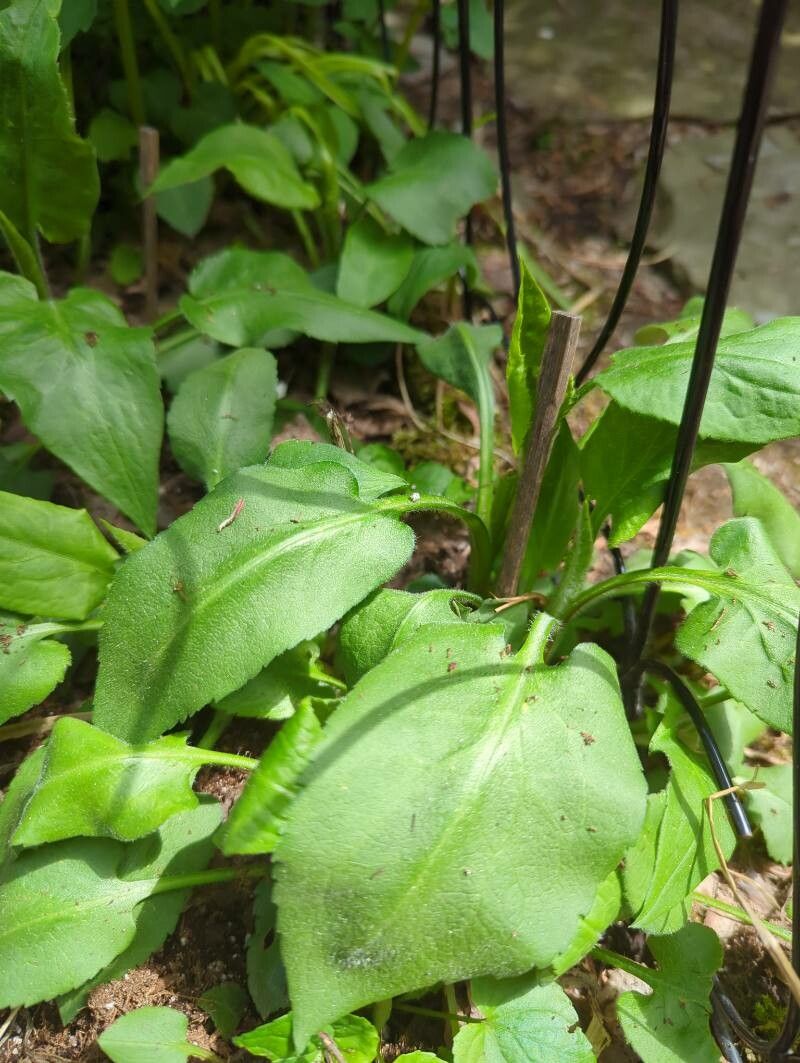
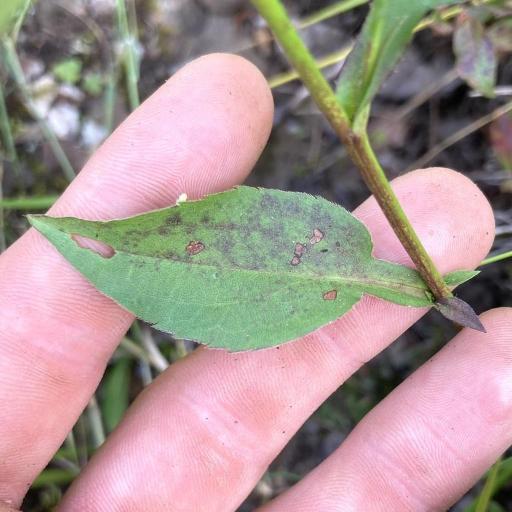
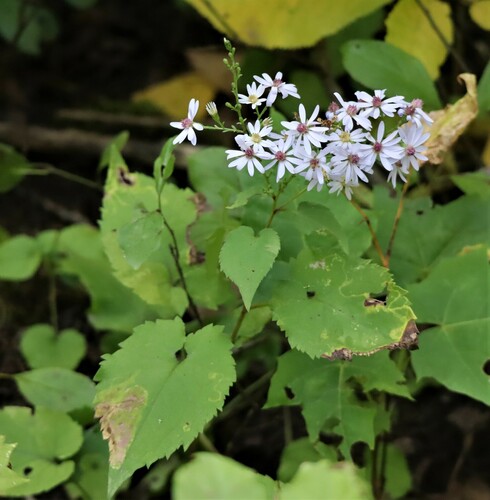
Symphyotrichum drummondii (formerly Aster drummondii) is a species of flowering plant of the aster family (Asteraceae) native to eastern and central North America. Commonly known as Drummond's aster, it is a perennial, herbaceous plant that may reach 120 centimetres (4 feet) high. As composite flowers, each flower head has many tiny florets put together into what appear as one, as do all plants in the family Asteraceae.
Drummond's Aster is fairly resistant to disease and generally not susceptible to illnesses. However, it can be affected by pests and diseases present in its surroundings. These problems are usually minor. In terms of care, the plant requires moderate maintenance. It should be pruned regularly to maintain a neat appearance and healthy growth. Fertilizing can also help encourage flowering. Drummond's Aster is suitable for anyone with outdoor space, such as a garden or patio, and does not demand extensive care experience. It may need more attention when grown indoors.
How to keep Symphyotrichum Drummondii.
Light
Drummond's Aster performs best with plenty of sunshine, although it will tolerate some shade. It displays more vigorous growth and healthier foliage when given abundant sun. Its natural habitat is marked by ample light. However, both insufficient and excessive light can cause poor flowering and possible sun damage.
Water
Drummond's Aster thrives in moist environments and requires consistent moisture, although it can tolerate periods of drought. For optimal growth and vigor, it is best to water it weekly. When grown outdoors, this plant attracts pollinators. Regular watering during the growing season helps mimic natural rainfall and promotes healthy development.
Temperature
Drummond's Aster grows in its native habitat where average temperatures range from 10℉ (-12.2℃) to 88℉ (31.1℃). Year-round it prefers temperatures between 41℉ (5℃) and 90℉ (32.2℃). During winter it favors a cooler range of 32℉ (0℃) to 59℉ (15℃), and in summer it can tolerate warmer conditions of 68℉ (20℃) to 90℉ (32.2℃).
Fertilizer
A single spring application of fertilizer is generally adequate for Drummond's Aster, though repeated feedings can boost growth. Apply fertilizer every one to one and a half months. Fertilizing improves leaf appearance and function, helping maintain uniform color and a healthy texture. It also encourages root development and better nutrient uptake for long-term plant health.
Pruning
To ensure Drummond's Aster thrives, it's important to prune it properly from early to late spring. Start by trimming away any dead stems to encourage more blooms and control the plant's growth. Additionally, deadhead spent flowers to improve appearance and extend the flowering period. Regular pruning helps maintain a healthy and vigorous structure for Drummond's Aster.
Botanical profile.
- Plant Type
- Herb
- Life Cycle
- Perennial
- Genus
- Symphyotrichum
- Family
- Asteraceae
- Hardiness Zone
- 5-8
- Mature Height
- 0.91 m to 1.22 m
- Mature Spread
- 91 cm
- Leaf Color
- Green
- Leaf Type
- Semi-evergreen
- Flower Color
- White, Yellow, Purple, Pink, Blue, Red
- Flower Size
- 2.03 cm
- Bloom Time
- Mid summer, Late summer, Early fall
- Planting Time
- Spring
- Harvest Time
- Fall
- Native Area
- Mexico
Other names.