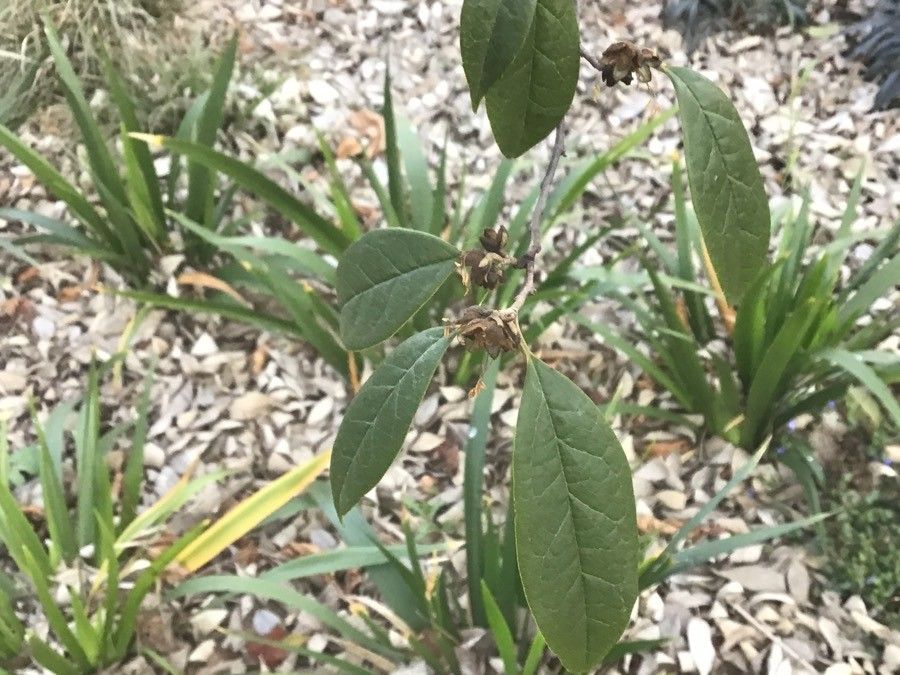
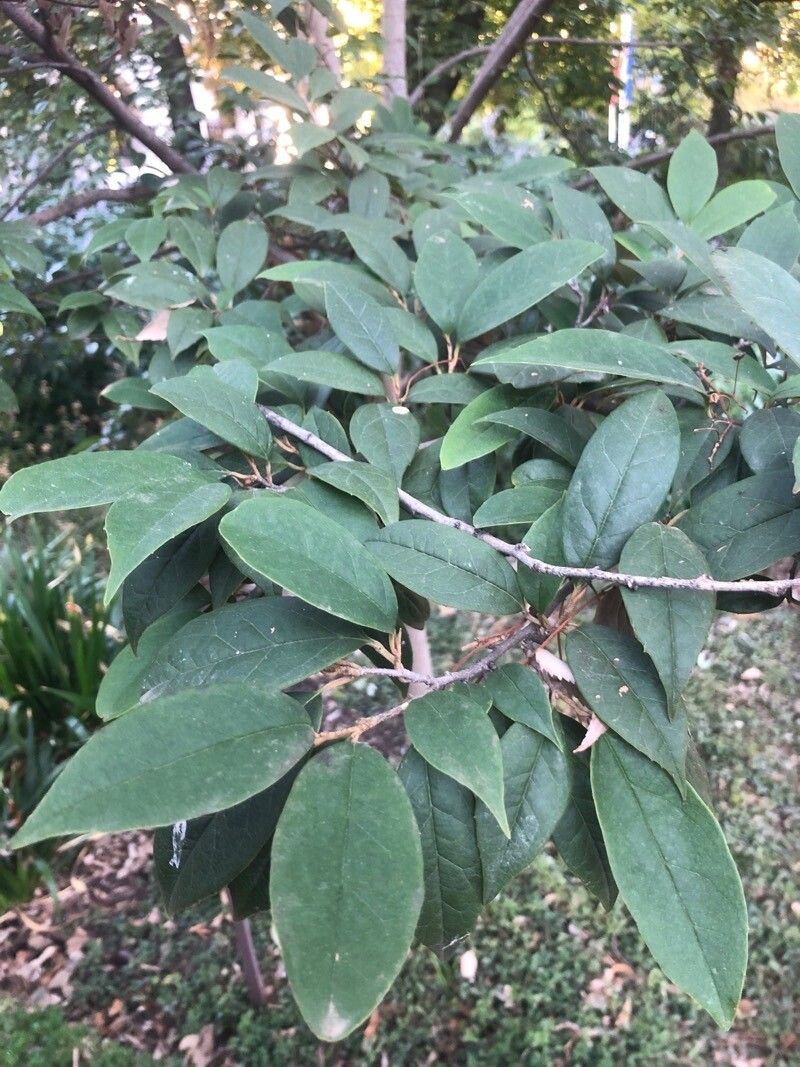
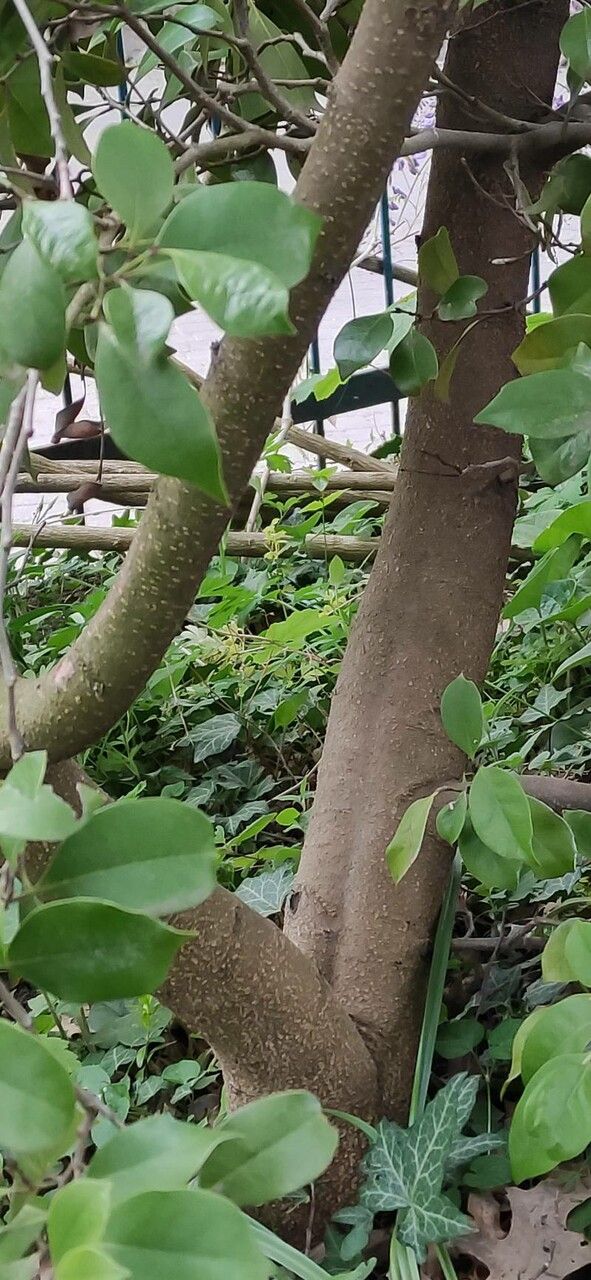
Sycopsis sinensis is a deciduous shrub belonging to the family Fagaceae, native to China. It can grow up to 6 meters in height. The plant features alternate, simple, ovate leaves with serrated margins that turn dark green in summer and transition to vibrant yellow or red in the fall.
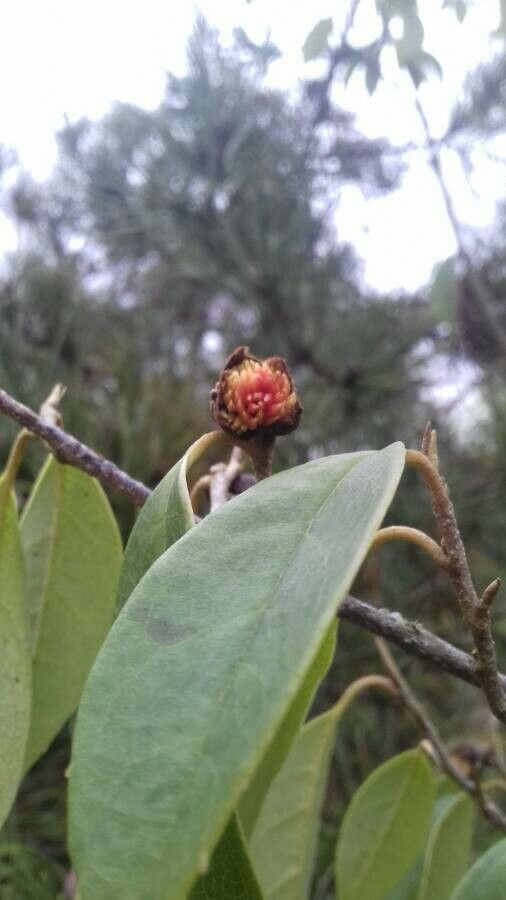
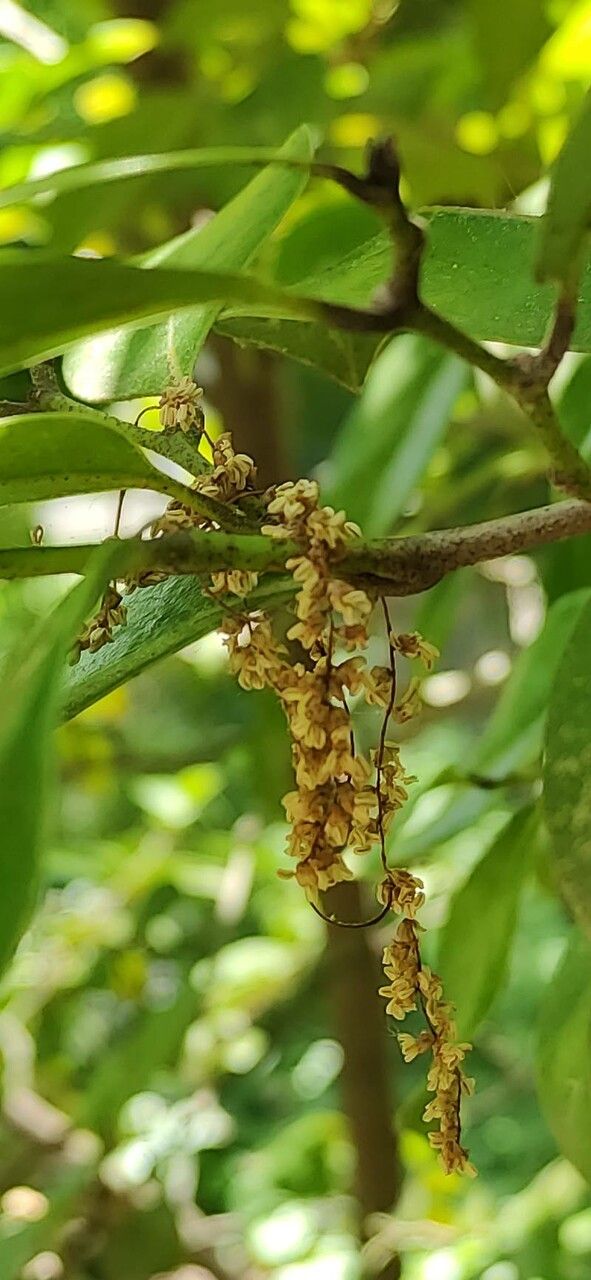
The small, yellow-green flowers of Sycopsis sinensis bloom in early spring before the leaves emerge. They are borne on long stalks that dangle from the branches. The shrub produces a small nut encased in a woody cupule as its fruit.
This plant thrives in moist, well-drained soil but can tolerate periods of drought once established. It prefers partial shade but can also adapt to full sun exposure.
Sycopsis sinensis is valued ornamentally for its striking foliage and early spring blooms, making it an excellent choice for landscaping, gardens, and parks.
In traditional Chinese medicine, Sycopsis sinensis has been used as an herbal remedy for various ailments including coughs, asthma, bronchitis, and diarrhea, thanks to its anti-inflammatory properties.
Overall, Sycopsis sinensis is a beautiful ornamental shrub that offers both aesthetic and medicinal benefits, making it a valuable addition to any garden or landscape design project.
Chinese fighazel is disease-resistant and typically not susceptible to illnesses. Regarding care, this plant is fairly low-maintenance. When grown outdoors, it needs little watering, and larger plants usually do not require pruning. However, smaller plants should be pruned after they have finished blooming. Chinese fighazelt is appropriate for anyone with an outdoor area, such as a garden or deck, and does not need extensive care experience.
How to keep Sycopsis Sinensis.
Light
Chinese fighazel prefers consistent light to grow healthily. This preference stems from its native environment, where it is accustomed to constant sun exposure. It can tolerate weaker light, but that may lessen the plant's overall vigor. Both excessive and insufficient light can harm its health.
Water
The Chinese fig hazel is a drought-tolerant plant that prefers moderate humidity. It needs watering every 2-3 weeks, allowing the soil to dry out between sessions. When grown outdoors, it can depend on sufficient rainfall during its growing season, depending on the climate zone.
Temperature
Chinese fighazel originates from climates with average temperatures ranging from 59 to 95 °F (15 to 35 ℃). It prefers temperate conditions and tolerates moderate temperatures well. During winter, keep Chinese fighazel in a warmer area, preferably above 59 °F (15 ℃).
Fertilizer
Proper timing is essential when fertilizing Chinese fighazel. Apply fertilizer in early spring and continue once a month until early summer. Fertilizer promotes lovely blooms and supplies energy during both dormant and active growth phases.
Pruning
The Chinese fighazel is an evergreen shrub known for its leathery leaves and fragrant flowers. To promote healthy growth and maintain its attractive shape, it is best to prune this shrub from early to late winter. During this time, you can shape the plant and remove any dead or crossing branches to improve air circulation. This careful pruning encourages healthy development, better light penetration, and vibrant new growth.
Botanical profile.
- Plant Type
- Tree
- Life Cycle
- Perennial
- Genus
- Sycopsis
- Family
- Hamamelidaceae
- Hardiness Zone
- 8-10
- Mature Height
- 3.05 m to 4.57 m
- Mature Spread
- 1.52 m to 3.05 m
- Leaf Color
- Green
- Leaf Type
- Evergreen
- Flower Color
- Yellow, Red, Brown
- Flower Size
- 1.52 cm
- Bloom Time
- Late winter, Early spring
- Planting Time
- Spring, Summer, Autumn
- Harvest Time
- Late summer, Early fall, Mid fall
- Native Area
- China
Other names.
Reader questions.
What are the sunlight requirements for Chinese fighazel?
Chinese fighazel thrives best in conditions where it can receive full sun, which is above 6 hours of direct sunlight daily, but it can also endure partial sun, about 3-6 hours of sunlight. It’s crucial to observe how sunlight moves through your garden to ensure the plants get a balanced exposure. The natural habitat of Chinese fighazel, which is accustomed to constant exposure to the sun, suggests its strong preference for sustained illumination. However, exposure levels lower than its natural environment might impact its vitality. Overexposure or underexposure to light can lead to adverse health effects.
What is the ideal temperature range for Chinese fighazel?
Chinese fighazel thrives in environments where the average temperatures are between 59 to 95 °F (15 to 35 °C). It prefers a temperate climate and can tolerate moderate temperatures well. During the winter season, it's important to keep the plant in a warmer space, ideally above 59 °F (15 °C) to ensure its health and growth. Chinese fighazel has some cold tolerance, generally not requiring additional cold protection measures if the temperature stays above -5°C. However, when temperatures are expected to plummet below -5°C, it's necessary to employ temporary protective measures such as wrapping the plant with plastic film, fabric, or other materials to shield it from the cold. These coverings should be removed once the temperature rises to prevent any potential damage.
How can artificial lighting supplement sunlight for Chinese fighazel indoors?
Indoor Chinese fighazel plants require adequate lighting for optimal growth, especially when natural sunlight is insufficient, such as during winter or in less sunny spaces. Artificial lighting is an effective solution to promote healthier, faster growth. LEDs are popular as they can be tailored to provide specific light wavelengths needed by plants. Full sun plants need artificial light of 30-50W/sq ft, partial sun plants require 20-30W/sq ft, and full shade plants should have 10-20W/sq ft. The light source should be 12-36 inches above the plant to mimic the sun and kept on for 8-12 hours daily to emulate natural daylight hours.
How does Chinese fighazel react to low temperatures and how can it be protected?
Chinese fighazel has a moderate tolerance to low temperatures and fares best when temperatures remain above 15°C. It should be kept above -5°C during winter. Should temperatures dip below -10°C, you may notice the leaves beginning to droop; they can recover in mild cases, but severe cold may cause the leaves to wilt and fall off. To protect Chinese fighazel from frost damage, trim off the frost-damaged parts of the plant. Before exposing the plant to low temperatures again, wrap it with protective materials like non-woven fabric or cloth and establish a wind barrier to guard against cold winds, ensuring the plant's survival through colder conditions.
What are the symptoms of improper lighting for Chinese fighazel?
Improper lighting can cause several symptoms in Chinese fighazel, including smaller new leaves, leggy or sparse growth, faster leaf drop, slower or stopped growth, paler new leaves, and conditions like chlorosis (leaves turning yellow), sunscald, leaf curling, wilting, and leaf scorching. These symptoms indicate whether the plant is receiving too much or not enough light, impacting its health significantly.
How does Chinese fighazel handle high temperatures, and what measures should be taken for its care?
During the hotter months, it's essential to keep Chinese fighazel's exposure to temperatures below 35°C. Exposure to temperatures above 41°C can result in lighter leaf colors, dry and withered leaf tips, leaf curling, and an increased susceptibility to sunburn. To care for a Chinese fighazel that has suffered from excessive heat, trim away the sunburned and dried parts of the plant. Relocate the plant to an area that is shielded from the intense midday and afternoon sun, or use a shade cloth to offer some protection. Watering the plant in the early morning and late evening will help keep the soil adequately moist, reducing the stress on the plant during high temperatures.
What are the solutions for correcting light exposure for Chinese fighazel?
To optimize growth, gradually move Chinese fighazel plants to sunnier locations until they receive at least 6 hours of direct sunlight, especially for indoor plants using a south-facing window. For large or immobile plants, consider artificial lighting with desk or ceiling lamps on for 8 hours daily or invest in grow lights. Outdoors, gradually adapt plants to sunnier spots to prevent sunburn. If sunlight is blocked by obstructions like trees, pruning to let sunlight through is advised. For smaller plants that can be moved, transplant them during their dormant period, usually late winter or early spring, to a location with ample sunlight and good drainage. Note that parts of the plant already affected by insufficient sunlight may not recover, but new growth should be healthy with improved light exposure.