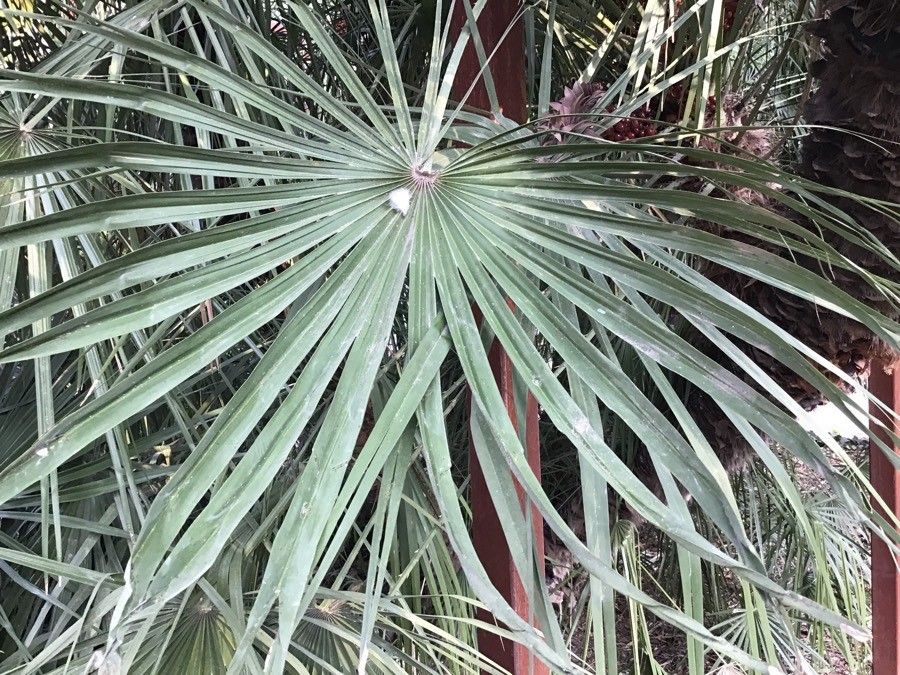
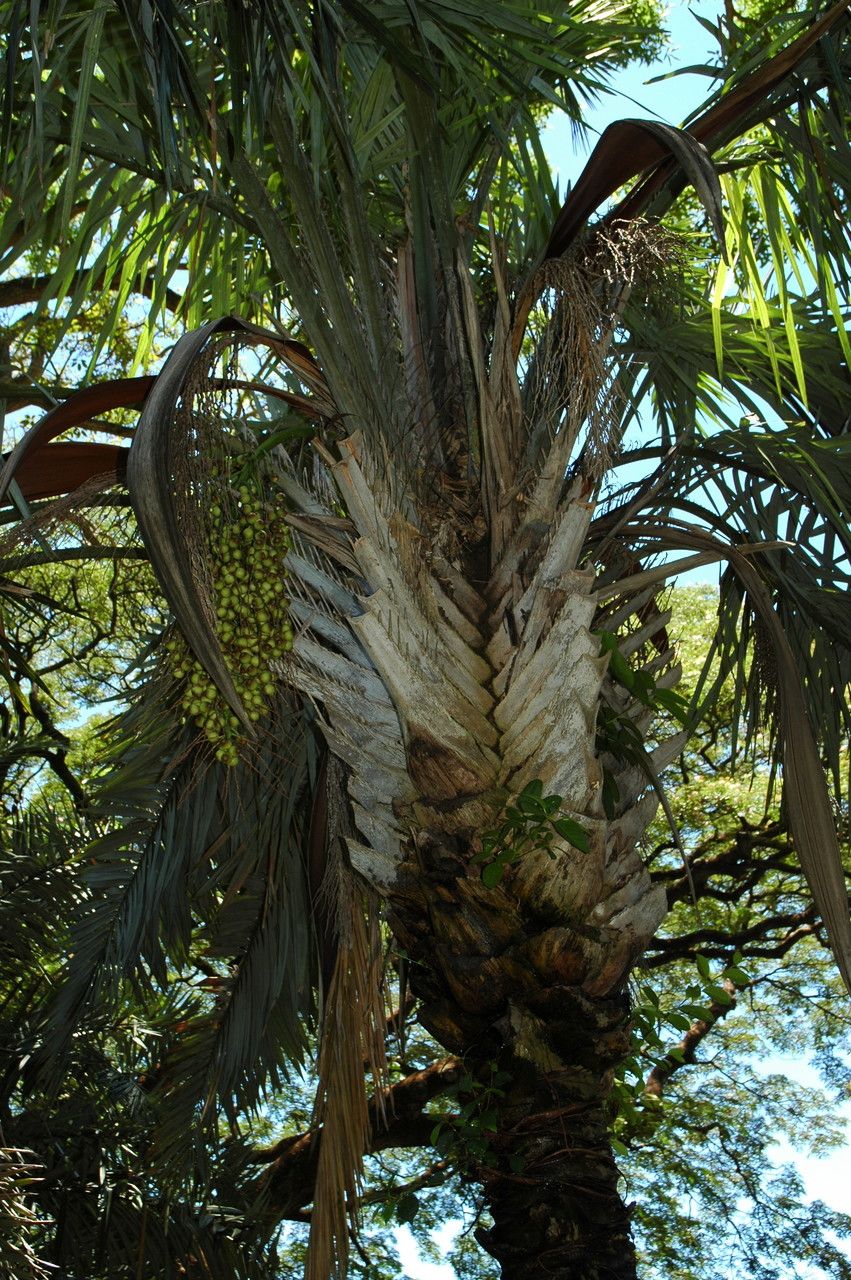
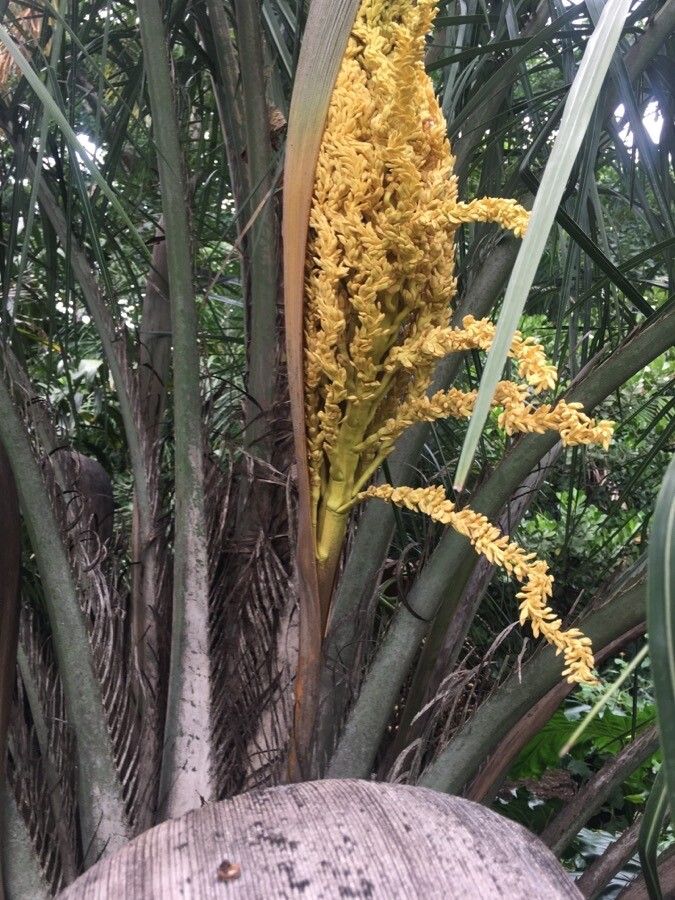
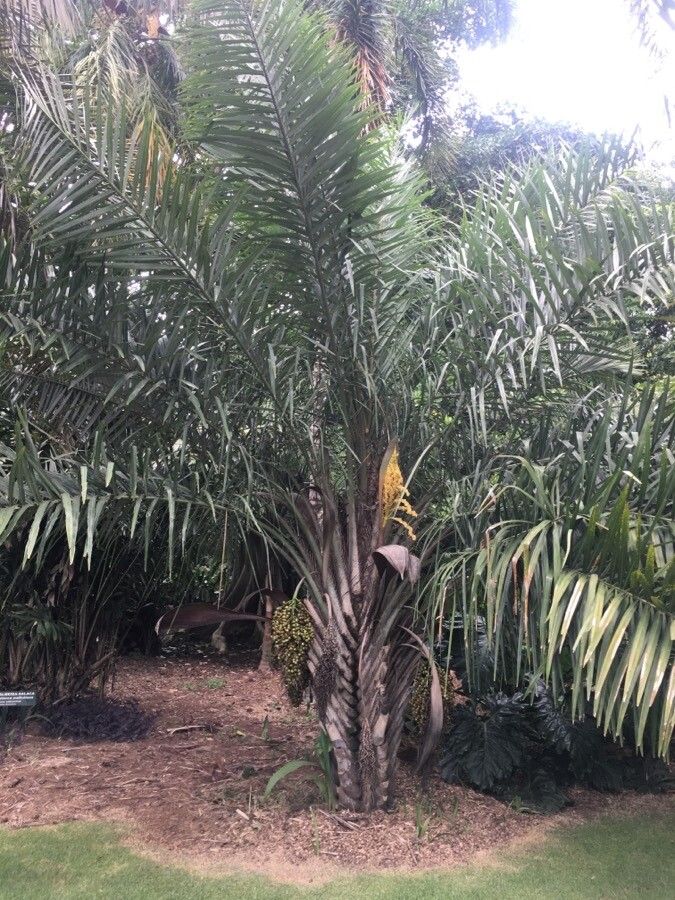
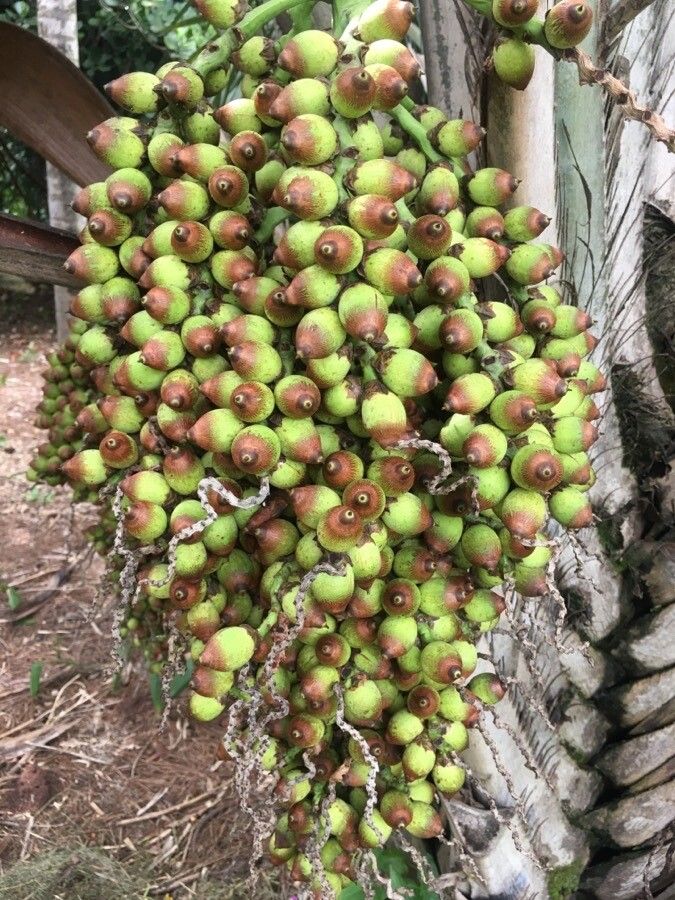
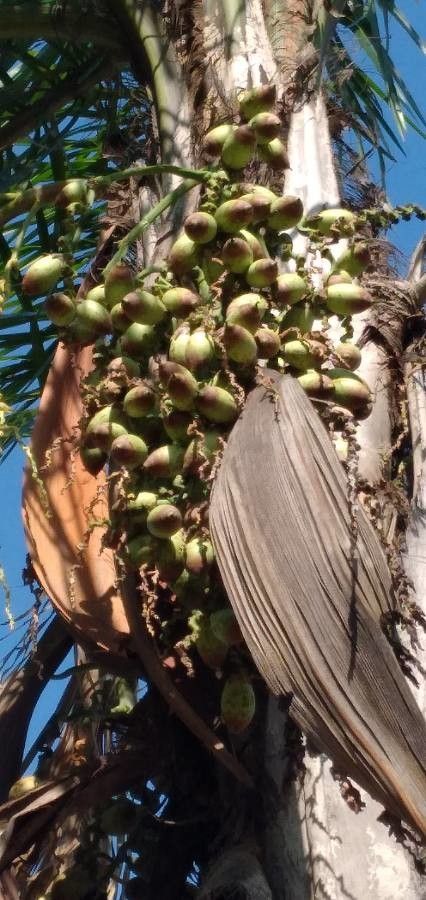
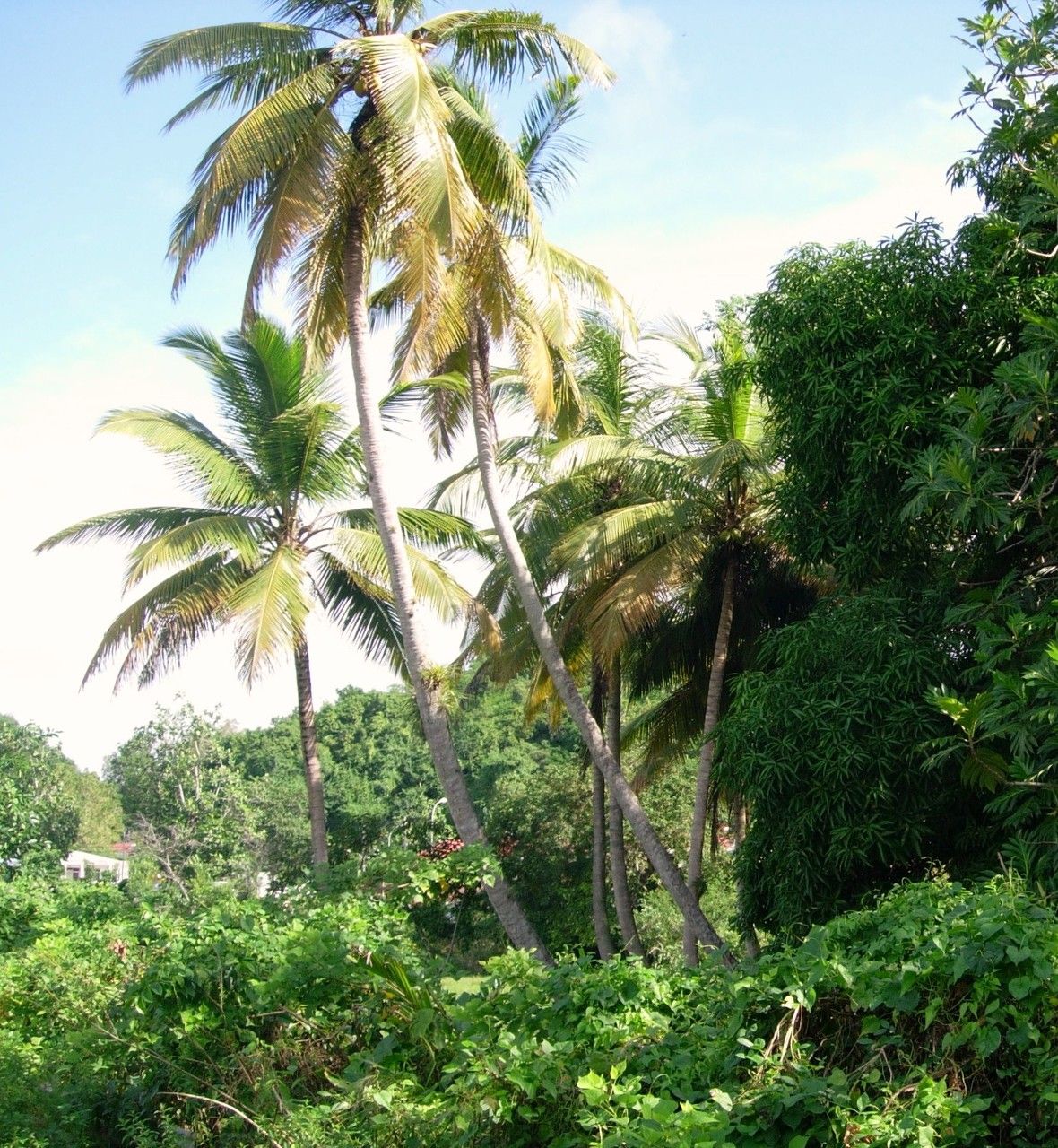
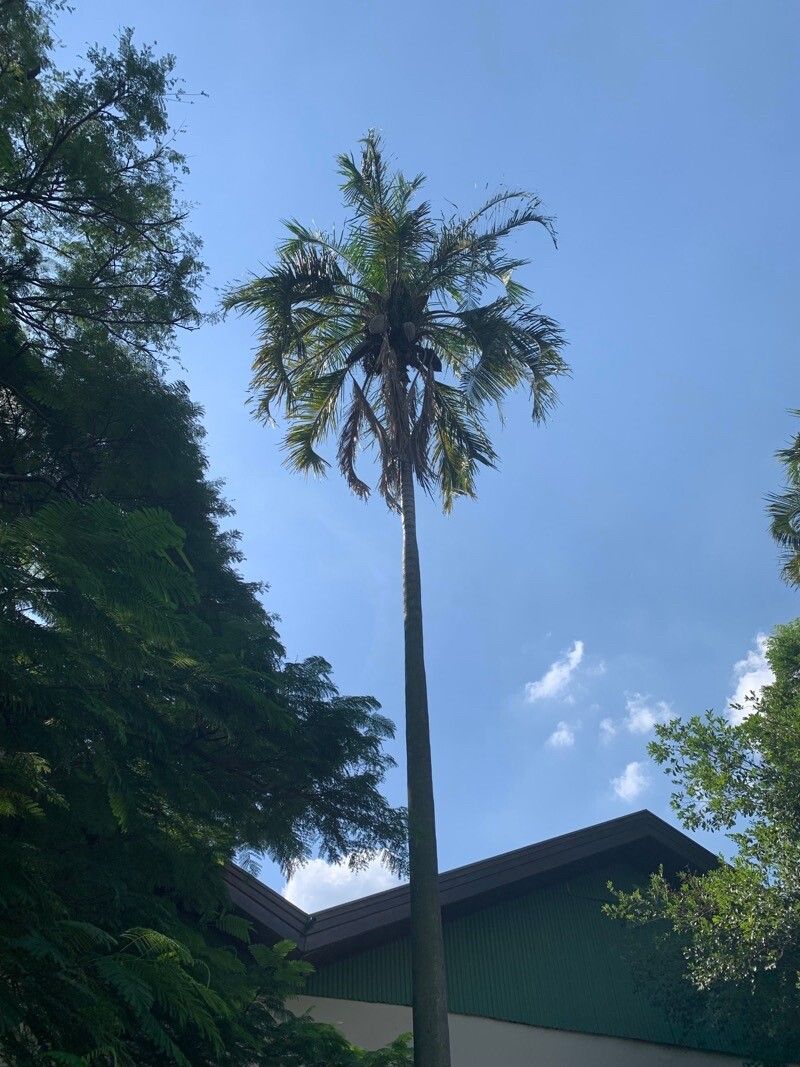
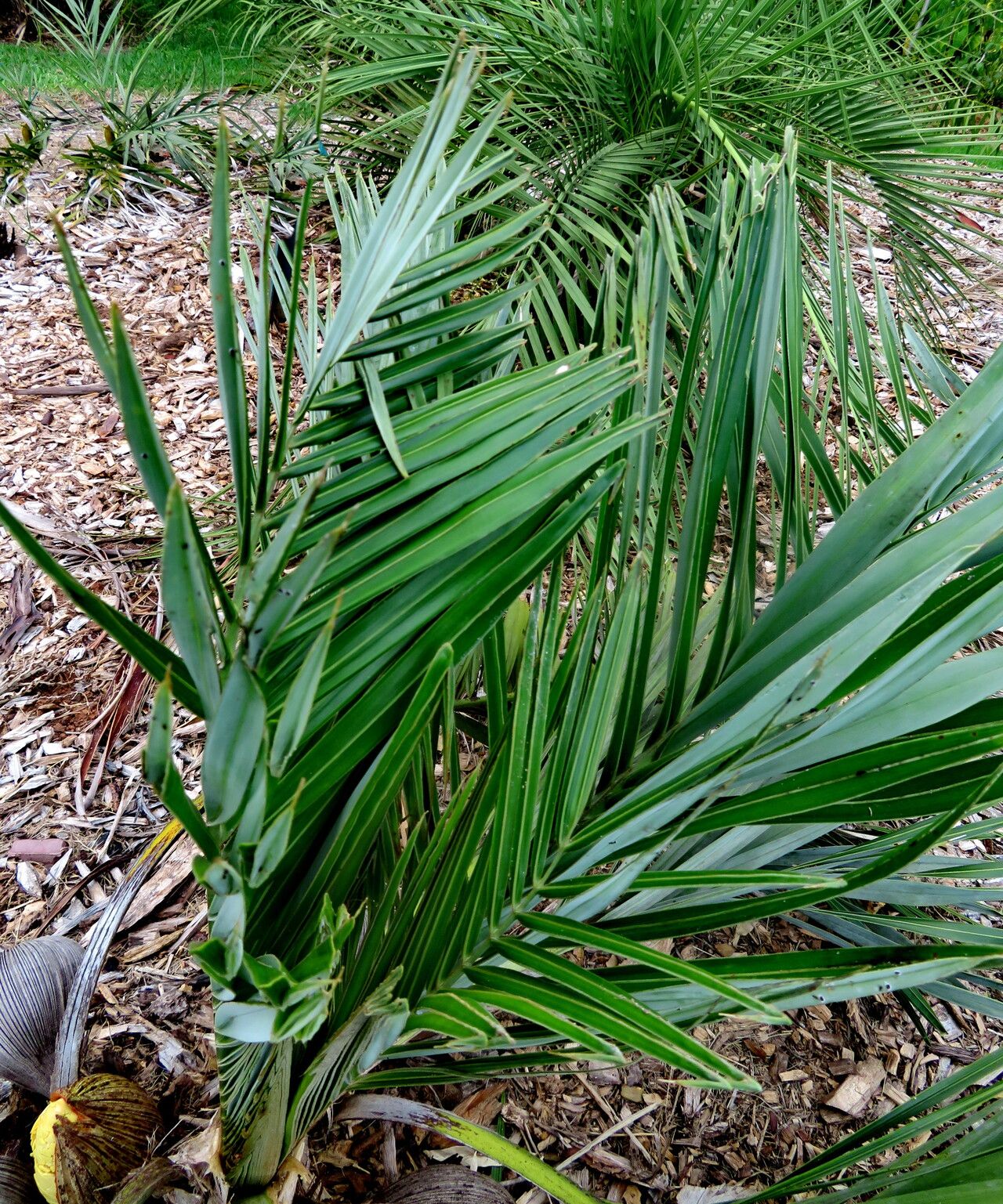
Syagrus coronata, commonly known as the Licuri Palm, is a species of palm tree native to Brazil. This medium-sized palm can grow up to 15 meters tall, with a slender trunk that can reach up to 30 centimeters in diameter. The Licuri Palm's leaves are pinnate and can extend up to three meters long, with numerous leaflets arranged in an arching pattern.
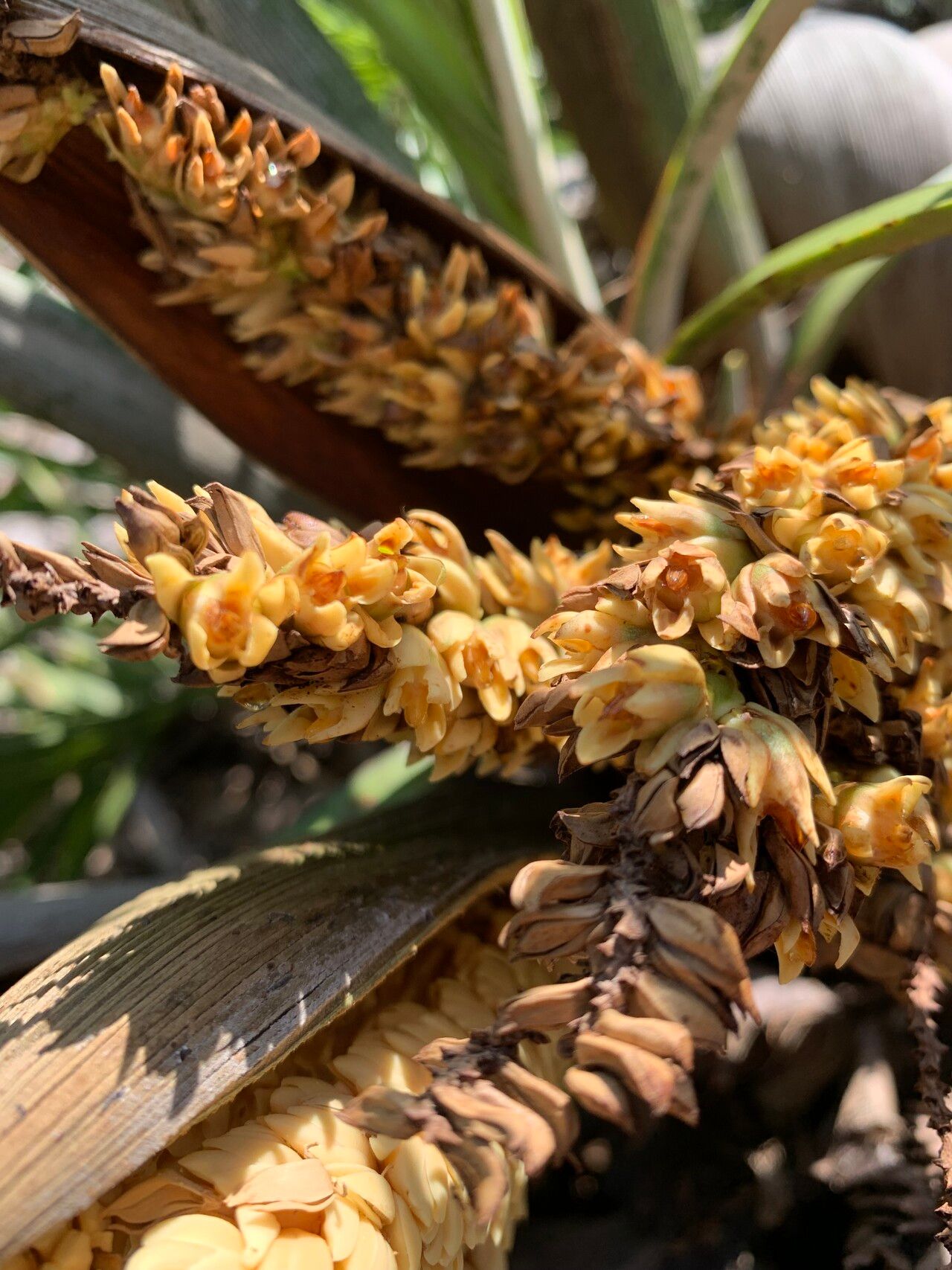
The Licuri Palm produces small yellow flowers, which are followed by small black fruits. These edible fruits have been an important food source for indigenous people in Brazil for centuries. Additionally, the tree provides habitat for various species of birds and animals.
Local communities highly value the Licuri Palm for its various products, including oil, fiber, wood, and food. However, deforestation caused by agricultural expansion and logging activities over the years has led to the palm becoming endangered.
Efforts have been made to conserve the Licuri Palm through planting programs aimed at restoring degraded areas with this species. These programs not only help preserve its genetic diversity but also provide economic benefits through sustainable practices. For instance, agroforestry systems that combine crops with trees like Syagrus coronata offer shade, improve soil fertility, and promote biodiversity conservation while simultaneously supporting local livelihoods.
The Ouricury palm has strong resistance to disease and is generally not prone to illnesses. In terms of care, this plant is fairly low-maintenance. When grown outdoors it needs minimal watering, and larger specimens typically do not require pruning. Smaller plants, however, should be pruned after they have finished blooming. The Ouricury palm is appropriate for anyone with outdoor space, such as a garden or a deck, and does not demand extensive care experience.
How to keep Syagrus Coronata.
Light
The Ouricury palm comes from open habitats, such as sunlit meadows and forest margins, which offer abundant light. It does best in full sun but can also tolerate partial sun, adapting to different light conditions.
Water
To ensure the health of your Ouricury Palm, it's important to provide deep, slow watering that reaches 1 to 1.5 meters below the trunk. During the summer, water the palm every two weeks. In the winter, reduce watering to every six to eight weeks. Make sure to adjust these guidelines based on local rainfall to prevent under-watering or over-watering, both of which can harm the plant.
Temperature
Ouricury palm comes from tropical areas, where the climate is generally warm and humid. Consequently, it is well suited to high temperatures and moisture. It is sensitive to sudden temperature changes and prefers a stable thermal environment, so avoiding temperature fluctuations indoors is important. It usually cannot tolerate cold and requires higher temperatures to grow. If the ambient temperature falls too low, the plant may stop growing or even die.
Fertilizer
Fertilize your Ouricury palm in early spring to encourage healthy growth. Regular feeding improves the plant’s overall health, producing vigorous growth, increased resilience to harsh conditions, and enhanced resistance to diseases and pests. Follow a defined fertilization schedule for your Ouricury palm to keep the foliage vibrant with deep color and a lush appearance.
Pruning
The Ouricury palm is characterized by its distinctive fan-shaped leaves and sturdy trunk. To promote healthy development, it should be pruned in early spring. This allows you to remove dead fronds and improve air circulation. Be careful not to cut the green fronds, as they are essential for the palm's growth. To prevent the spread of disease, always sterilize your pruning tools before use. Regular pruning not only helps keep pests at bay but also supports the overall vigor of the plant.
Botanical profile.
- Plant Type
- Palm
- Life Cycle
- Perennial
- Genus
- Syagrus
- Family
- Arecaceae
- Hardiness Zone
- 9-11
- Mature Height
- 6.1 m to 10.06 m
- Mature Spread
- 3.05 m to 4.88 m
- Leaf Color
- Green, Dark Green
- Leaf Type
- Evergreen
- Flower Size
- 0.25 cm to 0.51 cm
- Bloom Time
- All year round
- Planting Time
- Spring, Summer
- Harvest Time
- All year round
- Native Area
- Brazil
Other names.
Reader questions.
What are the sunlight requirements for the Ouricury palm?
The Ouricury palm, with its botanical name Syagrus coronata, thrives in conditions that meet its sunlight needs accurately. The plant requires 'Full sun,' which means it should receive above 6 hours of sunlight daily, to grow happily. However, it can also adapt to 'Partial sun' conditions, where it gets about 3-6 hours of sunlight per day. It's important to observe the pattern of sunlight moving through your garden, to ensure that you find a location that provides an ideal mix of light and shade, fulfilling the plant's requirements for optimal growth and health.