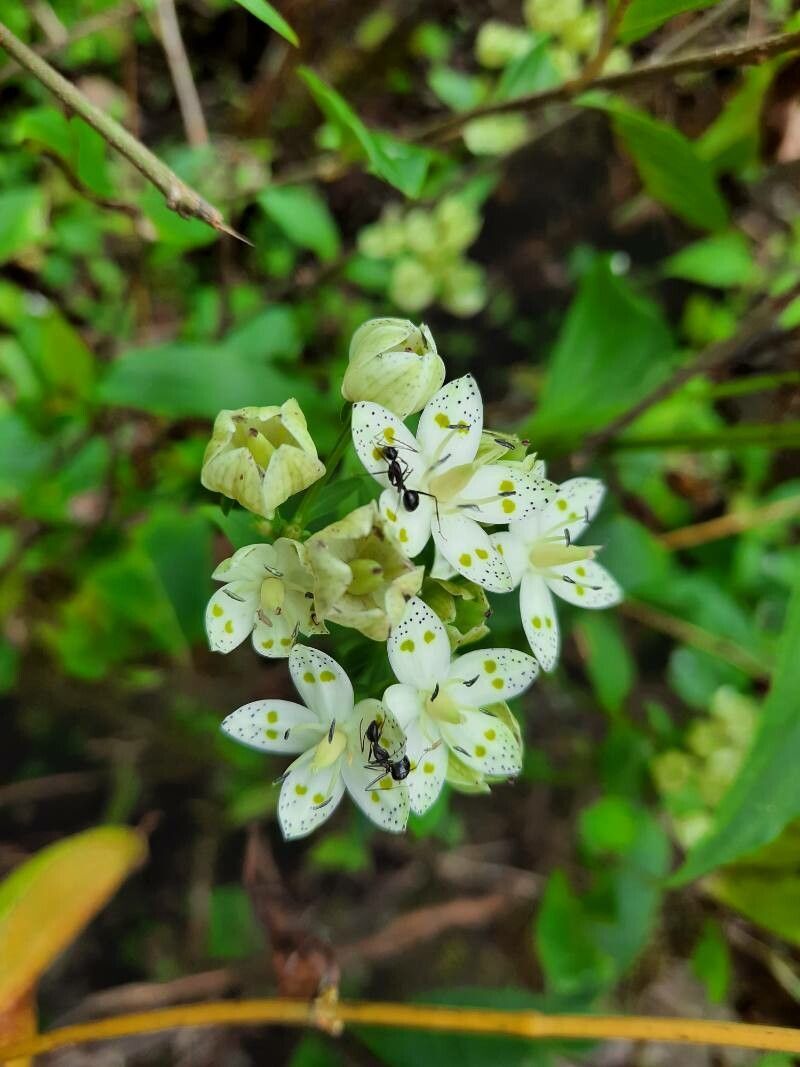
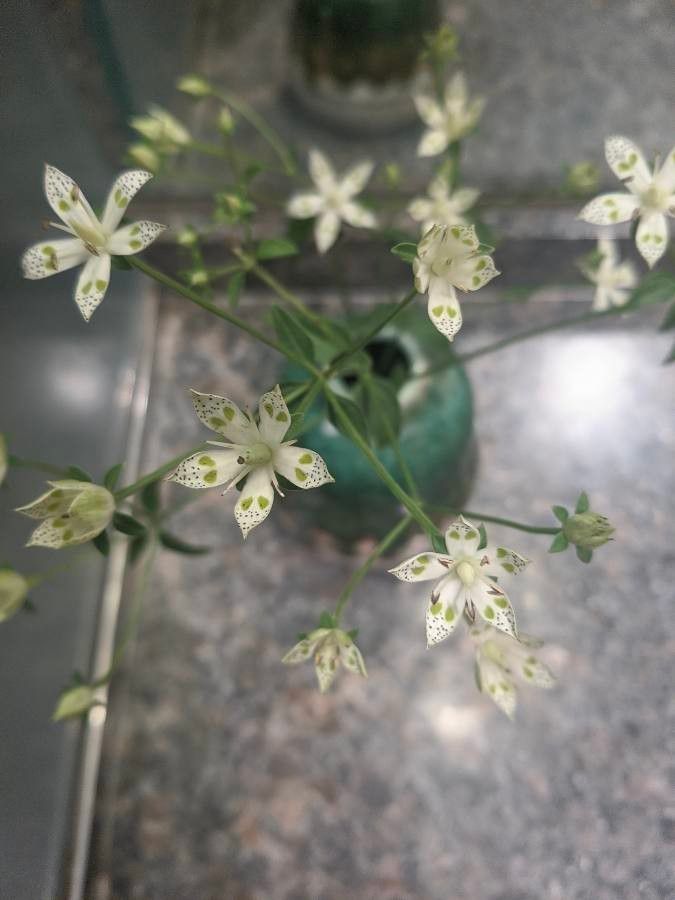
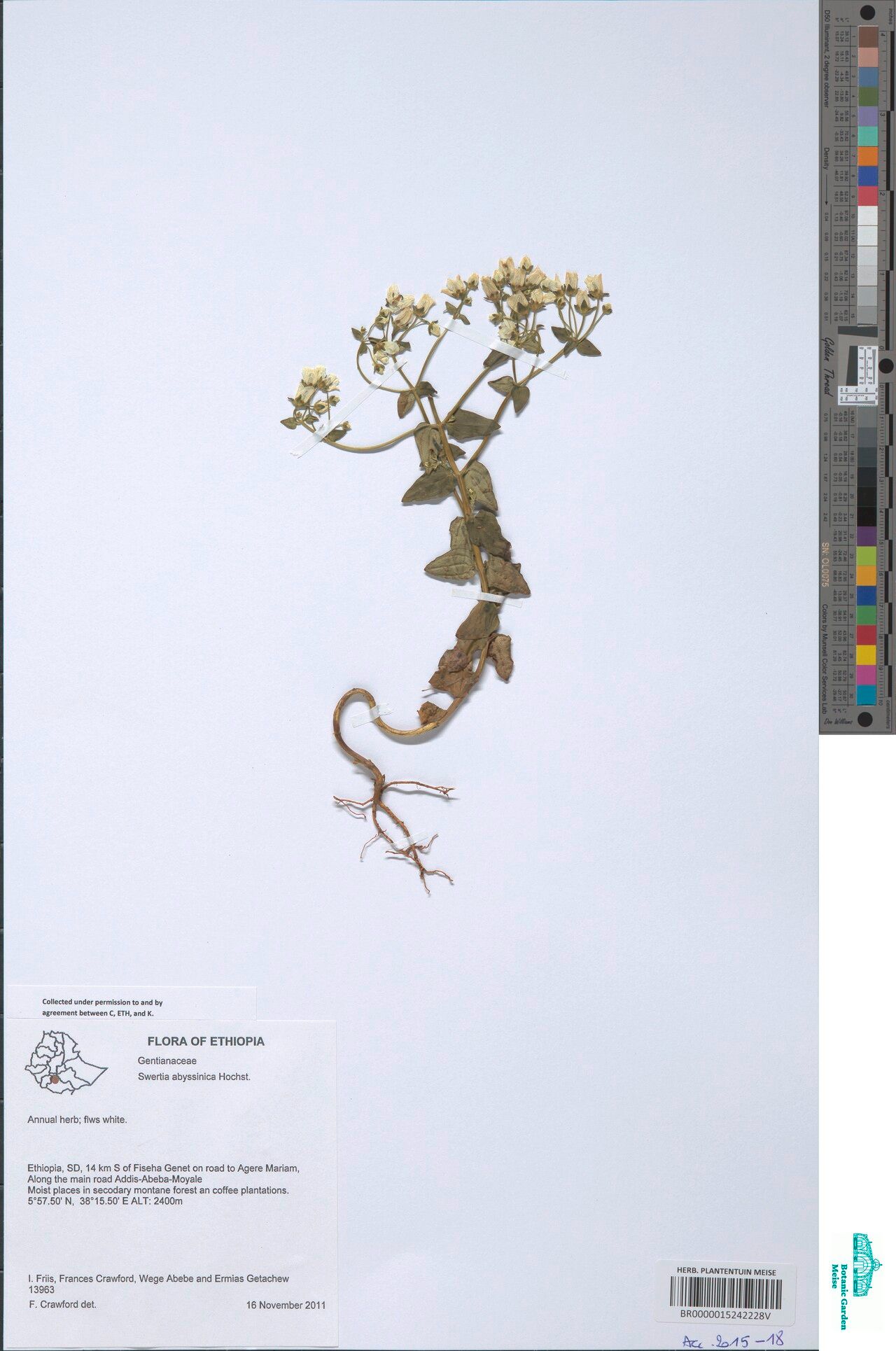
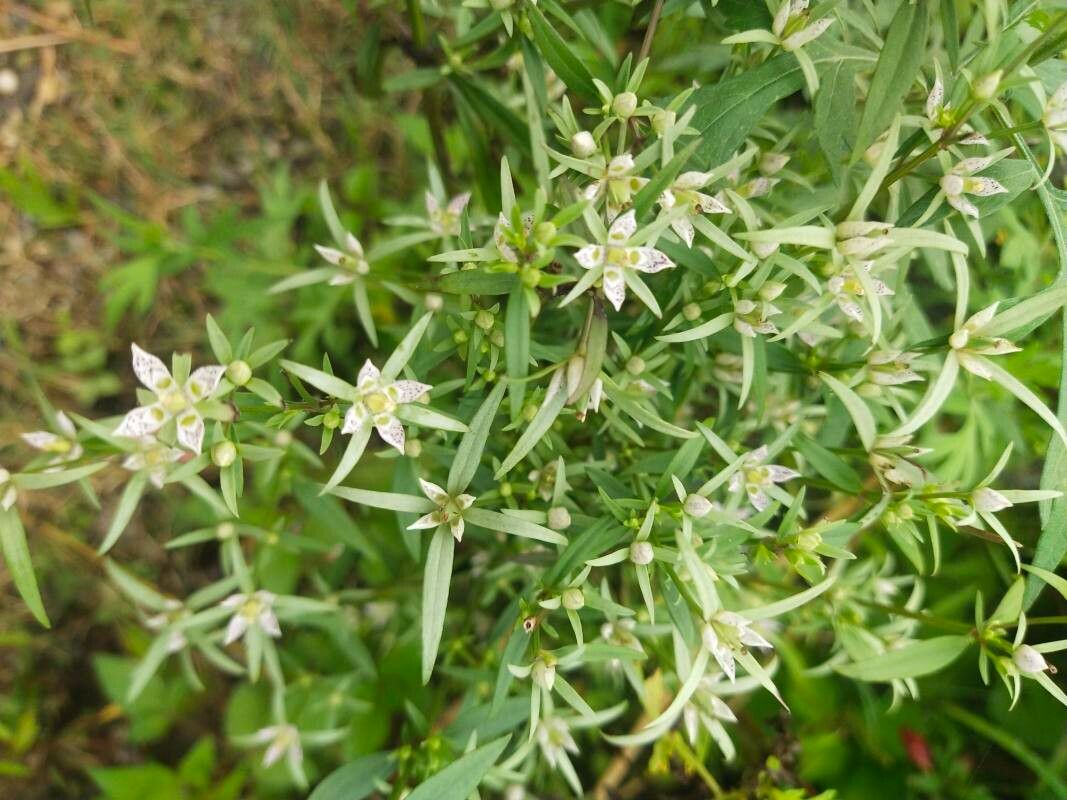
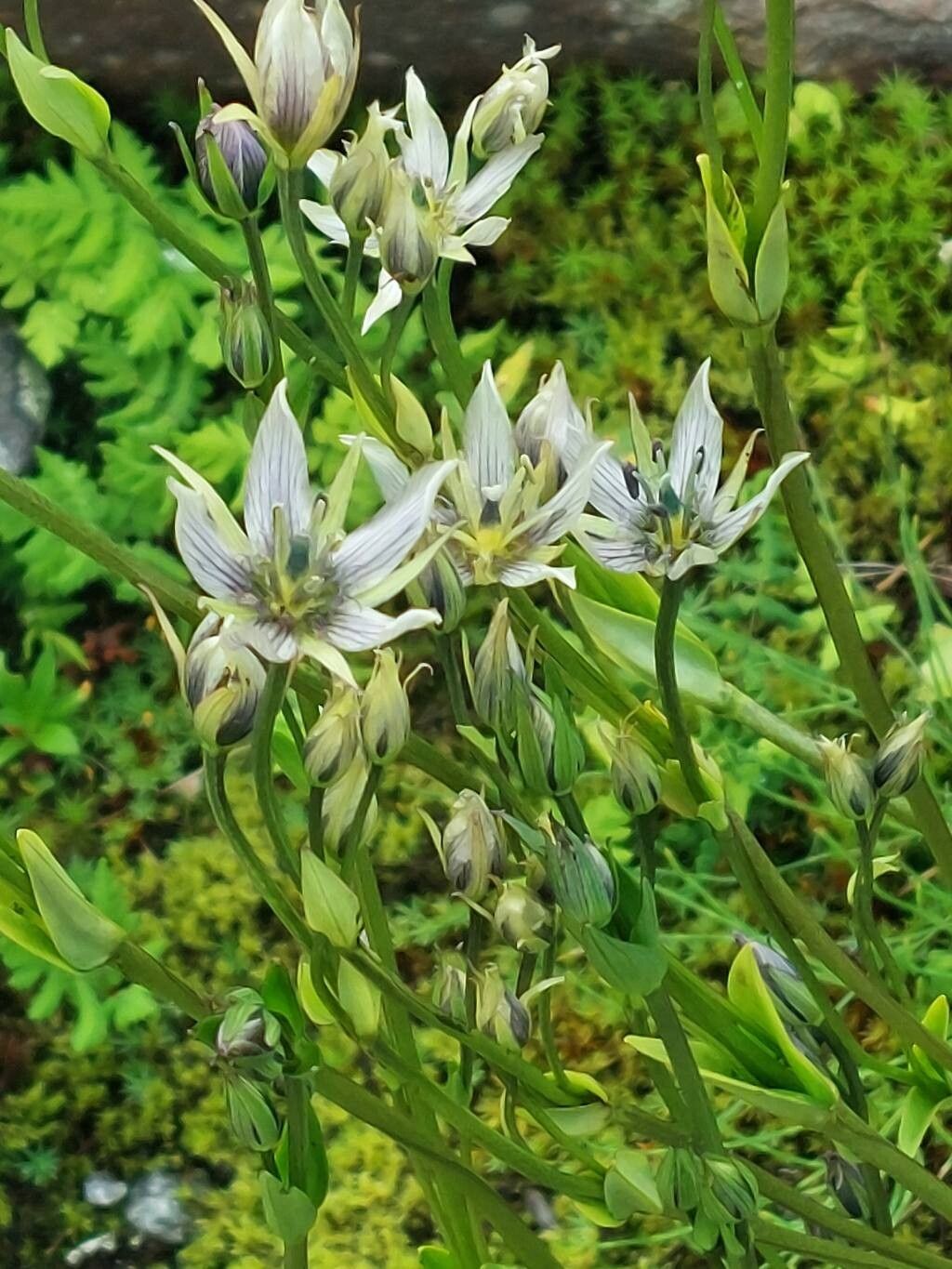
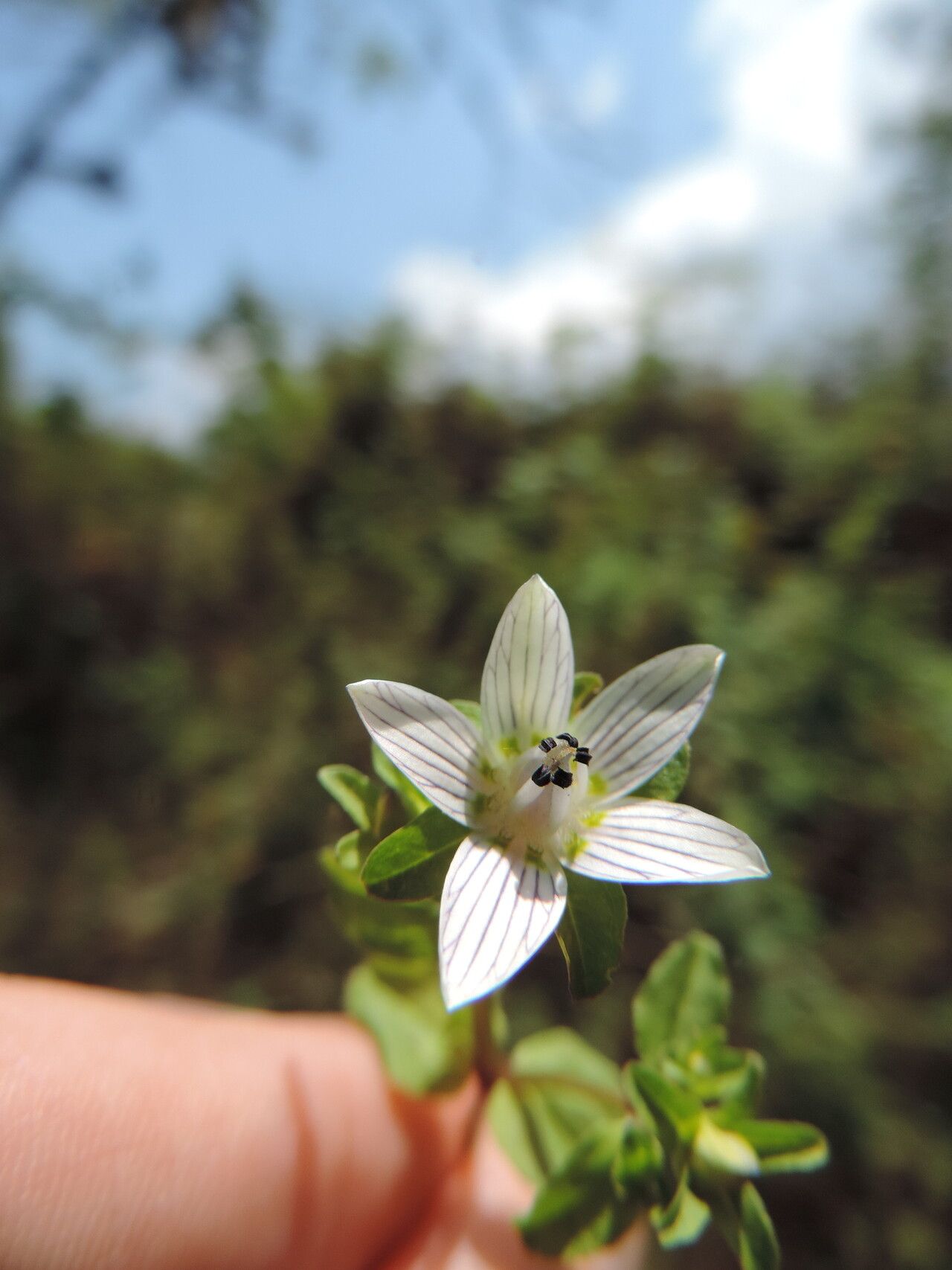
Swertia bimaculata is a plant species in the family Gentianaceae.
Annual swertia is fairly disease-resistant and generally not easily affected by illnesses. Nevertheless, it can be vulnerable to pests and diseases present in its environment, though such infections are normally mild. For care, this plant needs moderate maintenance. It should be pruned regularly to keep a neat appearance and support healthy growth. Using fertilizer can also encourage flowering. Annual swertia is well suited for anyone with outdoor space like a garden or patio and does not demand extensive gardening experience. It may need more attention if grown indoors.
How to keep Swertia Bimaculata.
Light
Annual swertia grows best in locations that get plenty of sun for most of the day. It can tolerate some shade, though that may reduce its growth rate. Originating from sunny habitats makes it inclined to prefer those conditions. Both too much and too little light can lead to growth problems or discoloration.
Temperature
Annual swertia commonly grows in habitats with average temperatures of 68 to 95 °F (20 to 35 ℃). To promote healthy growth, that preferred temperature range should be maintained, especially during seasonal weather changes.
Fertilizer
Once Annual swertia has opened most of its blooms to full size, it is time to resume fertilizing. Around the period when blooms are at peak output, begin fertilizing again once every three to four weeks, as weather permits. Then, when Annual swertia starts to produce fewer new blooms, stop fertilizing; there is no need to fertilize when the plant can no longer produce more blooms.
Pruning
Annual swertia, known for its small, star-shaped flowers, benefits from pruning from early to late spring. Essential techniques include removing dead stems to promote new growth, improving airflow, and tidying any unruly branches. Regular pruning not only enhances flowering but also boosts the plant's vigor, ensuring it remains healthy and attractive throughout the growing season.
Botanical profile.
- Plant Type
- Herb
- Life Cycle
- Annual, Biennial
- Genus
- Swertia
- Family
- Gentianaceae
- Hardiness Zone
- 6-9
- Mature Height
- 0.3 m to 2.13 m
- Mature Spread
- 40 cm
- Leaf Color
- Green, Dark Green
- Leaf Type
- Deciduous
- Flower Color
- White
- Flower Size
- 2.54 cm
- Bloom Time
- Late summer, Early fall
- Planting Time
- Spring, Autumn, Winter
- Harvest Time
- Mid fall, Late fall
Reader questions.
What are the sunlight requirements for Annual Swertia?
Annual Swertia thrives under conditions where it receives abundant sunlight for most of the day, requiring full sun, which is above 6 hours of sunlight, or partial sun, about 3-6 hours of sunlight. Its origins from sunny habitats predispose it to prefer ample light. However, it can still manage in locations with some degree of shade, although this might impact its growth rate negatively. It's crucial to watch how sunlight moves through your garden to choose the best spots that offer the right balance of light for your plants, ensuring their growth and health.
What is the ideal temperature range for the growth of Annual swertia?
Annual swertia, known botanically as Swertia bimaculata, thrives in environments where the average temperature ranges from 68 to 95°F (20 to 35°C). Maintaining this temperature range is crucial for the healthy growth of the plant, especially during seasonal changes. Although Annual swertia possesses strong cold resistance, allowing it to endure most winter conditions without special frost protection measures, it is important to provide additional protection if winter temperatures are expected to fall below -25°C. This can involve covering the plant with materials like soil or straw. Additionally, before the onset of the first autumn freeze, it is advisable to water the plant abundantly to ensure the soil remains moist and enters a frozen state, helping to prevent drought and water scarcity during the winter and early spring.
How can artificial lighting benefit indoor plants and what types are recommended?
Indoor plants, including Annual Swertia, require adequate lighting, especially when natural sunlight is insufficient, like during winter or in less sunny spaces. Artificial lighting provides a vital solution, promoting faster and healthier growth. LED lights are popular for indoor plant lighting because they can be customized to offer specific wavelengths needed by plants. The requirements vary depending on the type of plant: full sun plants need 30-50W per square foot, partial sun plants 20-30W per square foot, and full shade plants 10-20W per square foot. It's essential to place lights 12-36 inches above the plant and mimic natural daylight hours, generally 8-12 hours per day, to ensure optimal growth.
How does low temperature affect Annual swertia and what solutions are recommended?
Annual swertia is a cold-tolerant plant best maintained above 0°C during winter, optimally thriving when temperatures are above 20°C. If temperatures drop below -25°C, while there may not be any noticeable changes during the winter, a decrease in sprouting or a lack of sprouting altogether may occur in the spring. The recommended solution for dealing with any parts of the plant that have failed to sprout in the spring due to low winter temperatures is to remove these unsuccessful sprouts, thereby promoting the health and aesthetics of the plant.
What symptoms indicate inadequate light for Annual Swertia?
Annual Swertia shows several symptoms when suffering from inadequate light. These include smaller new leaves, leggy or sparse growth, faster leaf drop, slower or no new growth, lighter-colored new leaves indicating a lack of chlorophyll and essential nutrients, chlorosis (leaves turning yellow), sunscald (damaged plant tissues from intense light), leaf curling as a defense mechanism against excessive light, wilting due to overexposure and increased water loss, and leaf scorching characterized by brown, dry, and crispy leaf edges.
What are the effects of high temperatures on Annual swertia and how can they be mitigated?
Annual swertia should ideally be kept below 35°C during the summer. Exceeding temperatures of 38°C can cause adverse effects such as lighter leaf colors, leaf curling, susceptibility to sunburn, and in severe cases, the entire plant may wilt and dry out. To mitigate these effects, it is recommended to trim away the sunburned and dried parts of the plant. Relocating the plant to a shaded area or using a shade cloth to protect it from the midday and afternoon sun can be beneficial. Additionally, watering the plant in the morning and evening will help keep the soil moist and support the plant's health during high temperature conditions.
What are effective solutions for Annual Swertia facing light-related issues?
To address light-related issues in Annual Swertia, implement the following solutions based on the plant's setting: For indoor plants, gradually move them to sunnier locations each week until achieving at least 6 hours of direct sunlight daily. Utilize south-facing windows and keep curtains open. For larger or non-movable plants, consider artificial lights, keeping them on for a minimum of 8 hours daily. For outdoor plants, similarly, transition them to sunnier spots gradually to prevent sunburn. Note that parts of the plant damaged by insufficient light may not recover, but new growth will be healthy post-adjustment. For general ground-level care, minimize obstructions by pruning and consider transplanting smaller plants to sunnier locations during their dormant period for optimal growth and sunlight exposure.