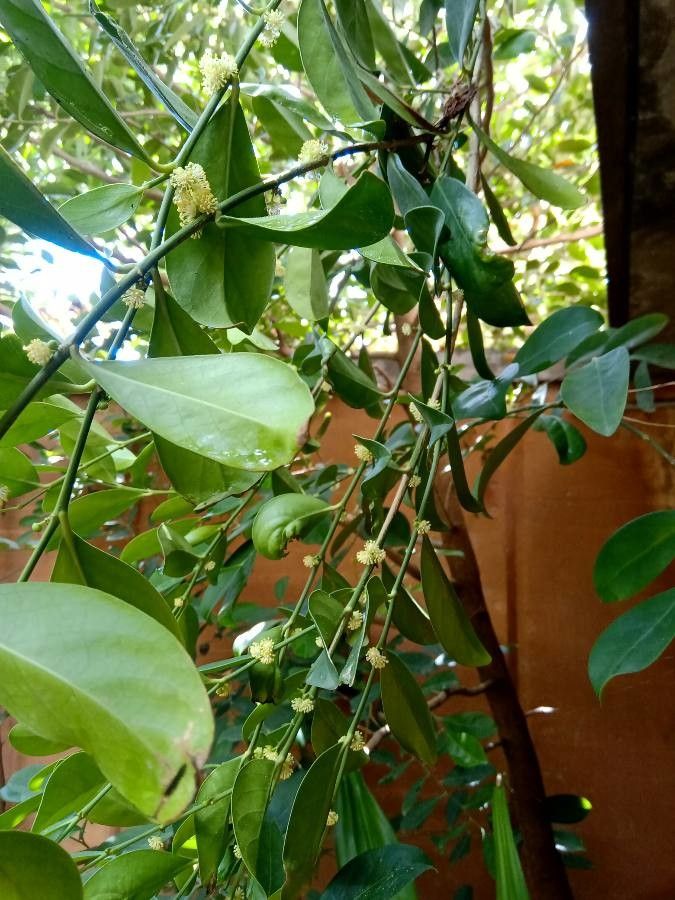
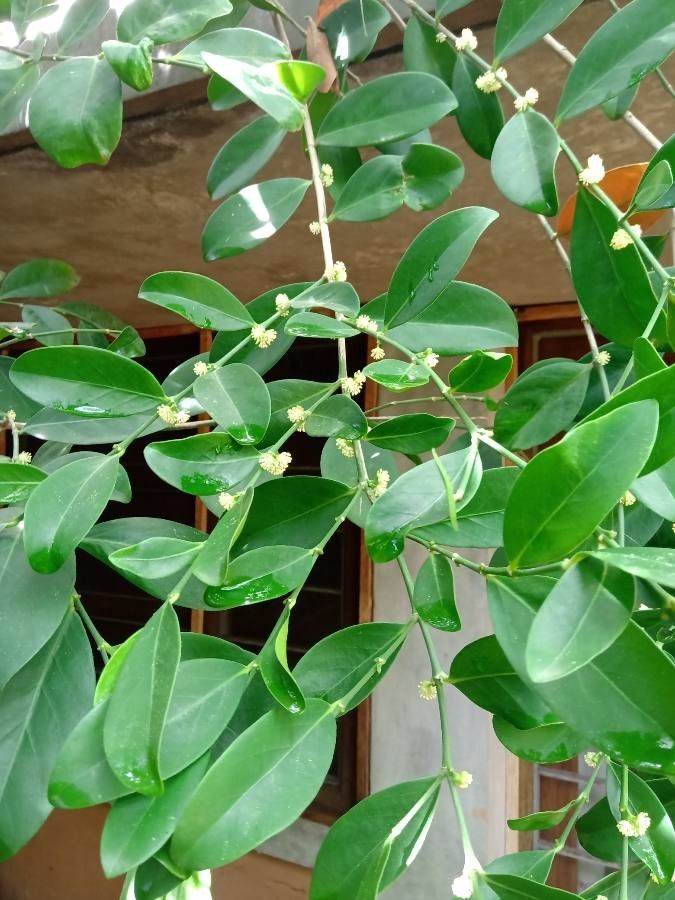
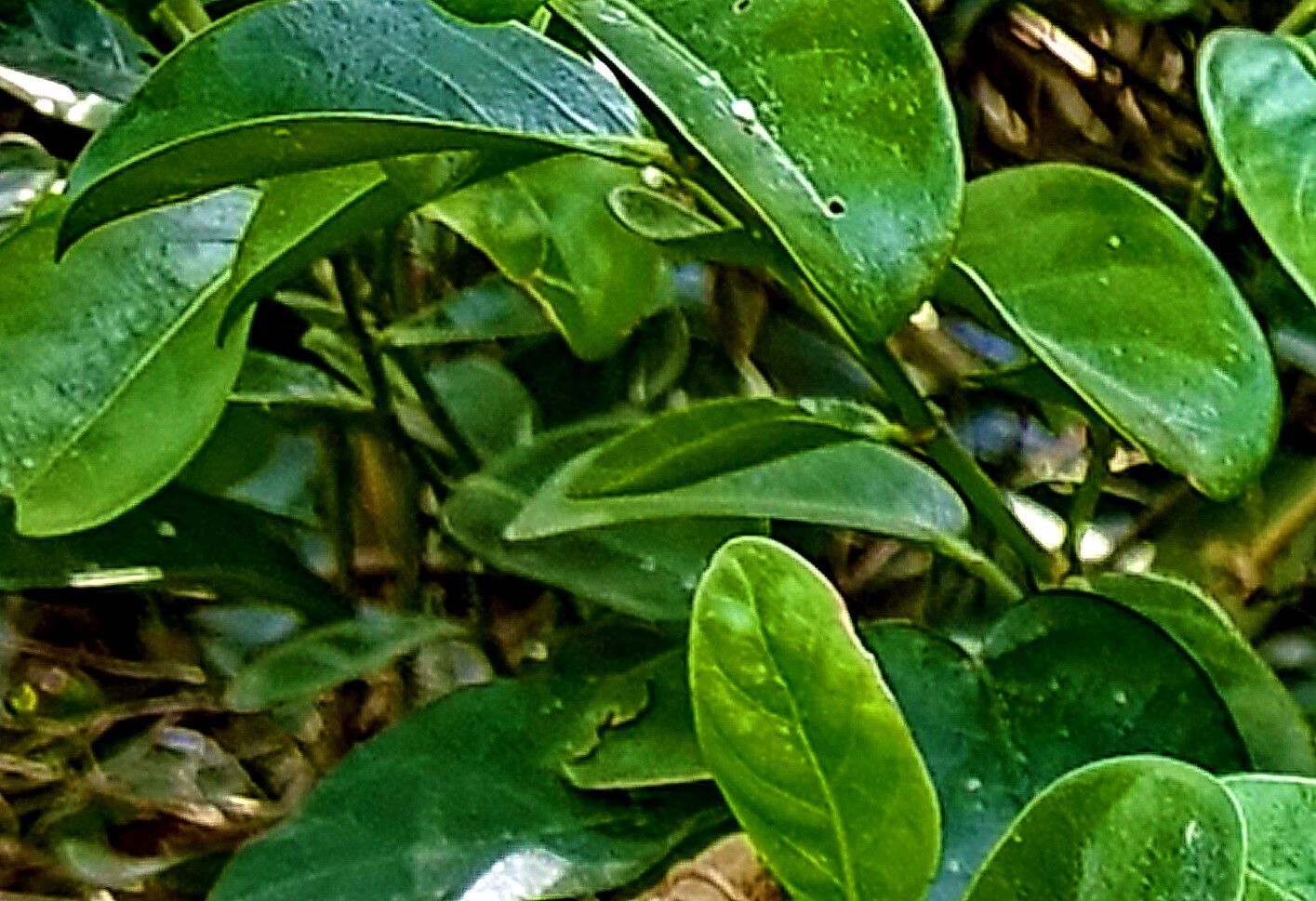
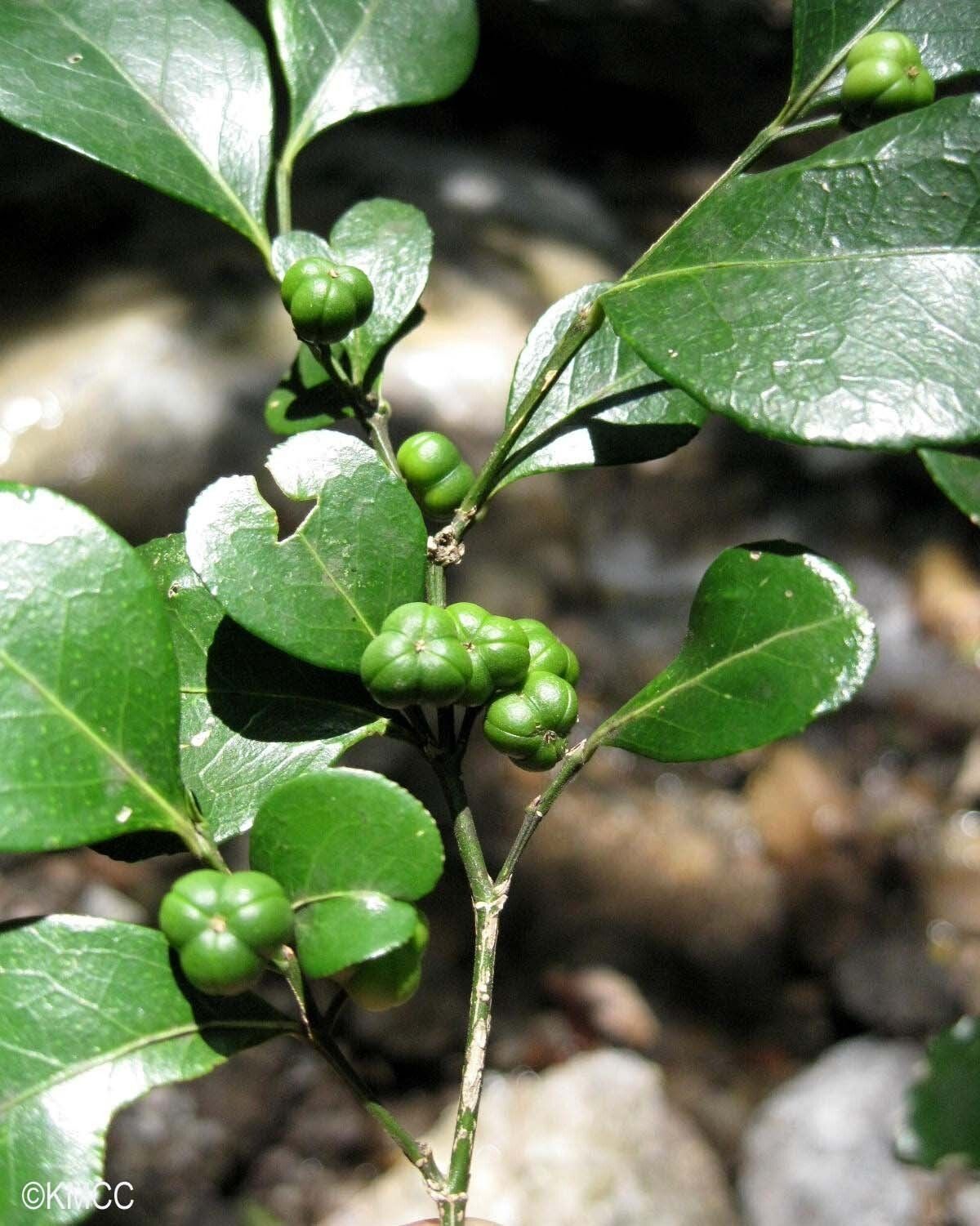
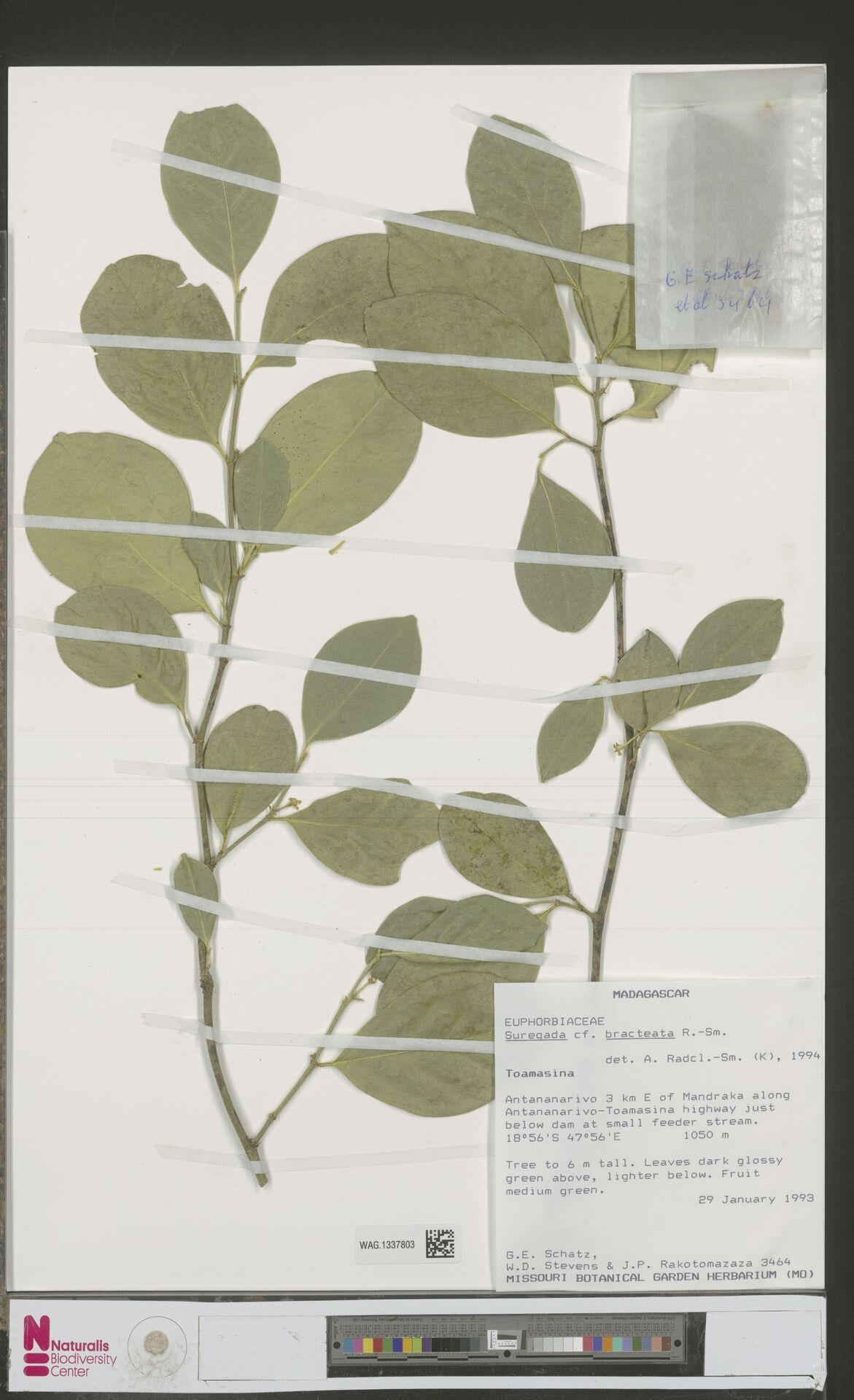
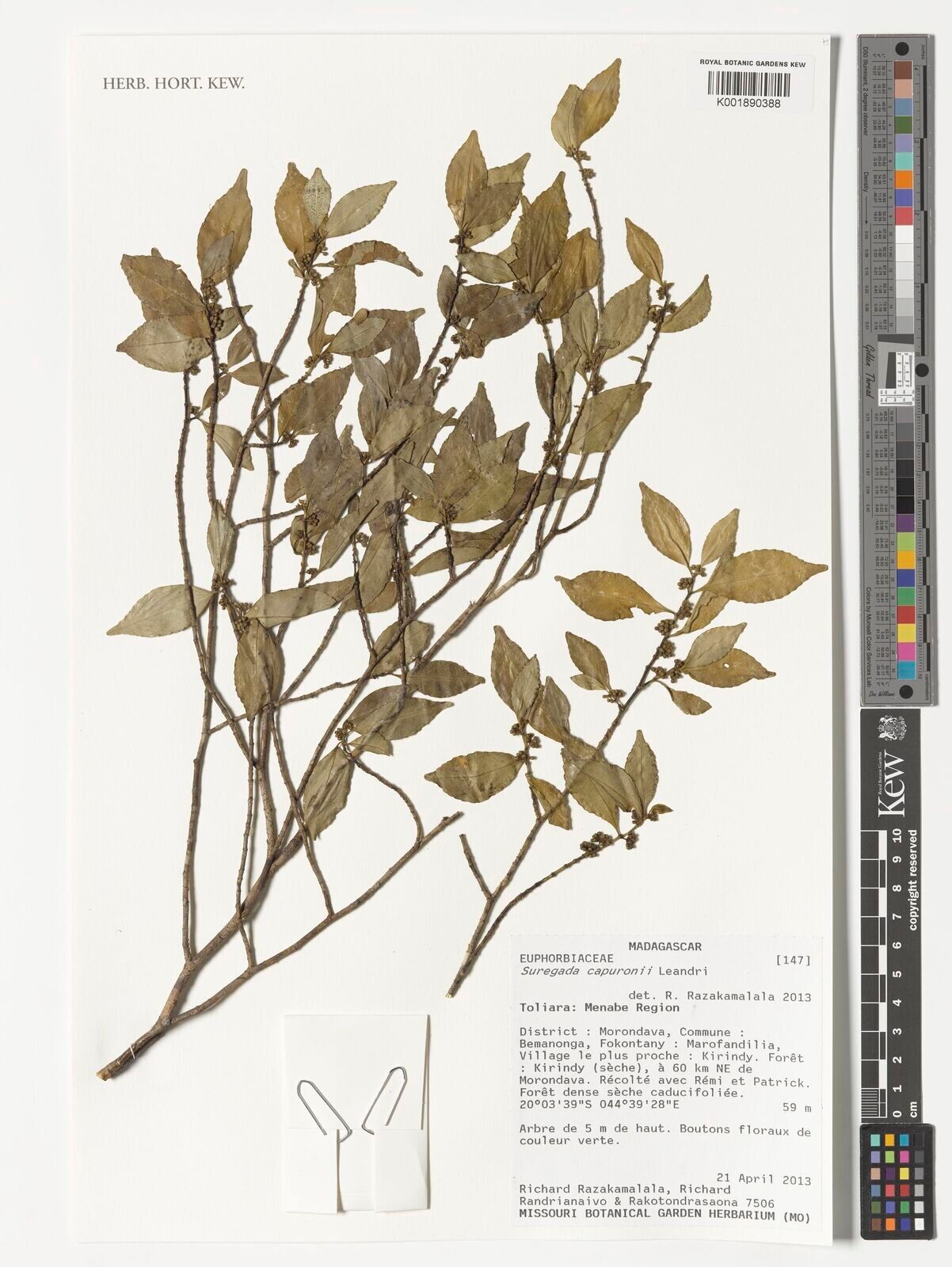
Suregada multiflora, sometimes called the "false lime tree", is a species in the family Euphorbiaceae. The Catalogue of Life lists no subspecies. It is found in tropical Asia: names include kén or mân mây in Viet Nam.
The false lime tree is resistant to disease and is generally unlikely to develop illnesses. In terms of care, this plant is fairly low-maintenance. When grown outdoors it needs only light watering, and larger specimens usually do not require pruning. Smaller plants, however, should be trimmed after they finish blooming. The false lime tree is suitable for anyone who has an outdoor area, such as a garden or deck, and it does not demand extensive care experience.
How to keep Suregada Multiflora.
Light
The false lime tree originates in open habitats, such as sunny meadows and forest edges, which supply abundant light. It does best in full sun but can also tolerate partial sun, adapting well to various sunlight conditions.
Water
The false lime tree thrives in environments with moderate humidity and balanced water requirements. Water it every 2 to 3 weeks, making sure the soil drains well. This tree prefers outdoor settings and grows best in climates with consistent rainfall, mirroring its native habitat.
Temperature
The false lime tree comes from tropical areas, where the climate is generally warm and humid. As a result, it is adapted to high heat and moisture. It does not tolerate sudden temperature shifts and prefers a steady thermal environment, so it is important to avoid temperature fluctuations indoors. It usually cannot withstand cold and requires relatively high temperatures to grow. If the ambient temperature falls too low, the plant may stop growing or even die.
Fertilizer
Fertilization is essential to the care of the False lime tree. Regular feeding during the growing season maintains the energy required for its showy leaves and supports overall growth. Failing to fertilize can lead to unhealthy foliage, reduced ornamental appeal, and stunted or weak growth that is more likely to break.
Pruning
The false lime tree is known for its dense foliage and vigorous growth. To maintain its health, prune it in early spring. This involves removing dead branches and thinning crowded areas to improve airflow. Clean cuts help prevent disease. Selective pruning not only shapes the plant and enhances its aesthetic appeal but also supports healthy growth and flowering.
Botanical profile.
- Plant Type
- Tree, Shrub
- Life Cycle
- Perennial
- Genus
- Suregada
- Family
- Euphorbiaceae
- Hardiness Zone
- 10-12
- Mature Height
- 2.13 m to 13.11 m
- Mature Spread
- 2.13 m to 3.05 m
- Leaf Color
- Dark Green
- Leaf Type
- Deciduous
- Flower Color
- White
- Flower Size
- 0.25 cm to 0.51 cm
- Bloom Time
- Late spring, Summer
- Planting Time
- Spring, Autumn
- Harvest Time
- Late summer, Fall
- Native Area
- India, Malaysia, Indonesia, Cambodia, Vietnam, Myanmar, Singapore, Bangladesh, Laos, Thailand
Other names.
Reader questions.
What are the sunlight requirements for a False Lime Tree?
The False Lime Tree, or Suregada multiflora, thrives best in locations that offer Full Sun, which is defined as more than 6 hours of sunlight per day, but it can also adapt to Partial Sun conditions, receiving about 3-6 hours of sunlight. It's essential to observe how sunlight moves through your garden to ensure spots provide a balanced environment for your plants, with the right mix of light and shade.
What is the False lime tree?
The False lime tree, known botanically as Suregada multiflora, is a plant species. Unfortunately, specific details about its characteristics, such as essential features and symptoms of its condition, are not provided in the available information.
How does the False Lime Tree adapt to indoor environments, and what artificial lighting does it require?
Originating from sunny and open environments, the False Lime Tree can adapt to indoor conditions with proper care. When natural sunlight is insufficient, especially during winter or in less sunny spaces, artificial lighting becomes crucial. LED lights, which can be customized to provide the specific wavelengths needed by plants, are recommended. For optimal growth, Full Sun plants need 30-50W/sq ft of artificial light, Partial Sun plants 20-30W/sq ft, and Full Shade plants 10-20W/sq ft. The light source should be placed 12-36 inches above the plant, and plants typically require 8-12 hours of light per day.
What are the signs of light deficiency in False Lime Trees?
When False Lime Trees don't receive adequate sunlight, they may show several symptoms, including smaller new leaves, leggy or sparse growth, faster leaf drop, and a halt in new growth indicating the plant is in survival mode. Leaves may develop lighter colors, showing a lack of chlorophyll and nutrients. Other signs include chlorosis, where leaves turn yellow due to chlorophyll breakdown, sunscald with damaged plant tissues, leaf curling as a defense against excessive sunlight, wilting from significant water loss, and leaf scorching marked by brown, dry edges.
How can you address sunlight deficiencies for False Lime Trees both indoors and outdoors?
To address sunlight deficiencies, gradually expose your False Lime Tree to more direct sunlight, aiming for at least 6 hours daily. For indoor plants that are large or not easily movable, using artificial light such as desk or ceiling lamps for at least 8 hours a day, or investing in professional plant grow lights, can provide additional light. For outdoor plants, move them gradually to sunnier spots to prevent sunburn. If trees block sunlight, consider pruning to allow more light to reach your plants. For smaller plants, transplanting during their dormant period in a location with ample sunlight and good drainage is advisable. While parts of the plant that suffered from low light might not recover, new growth should be healthy with improved light exposure.