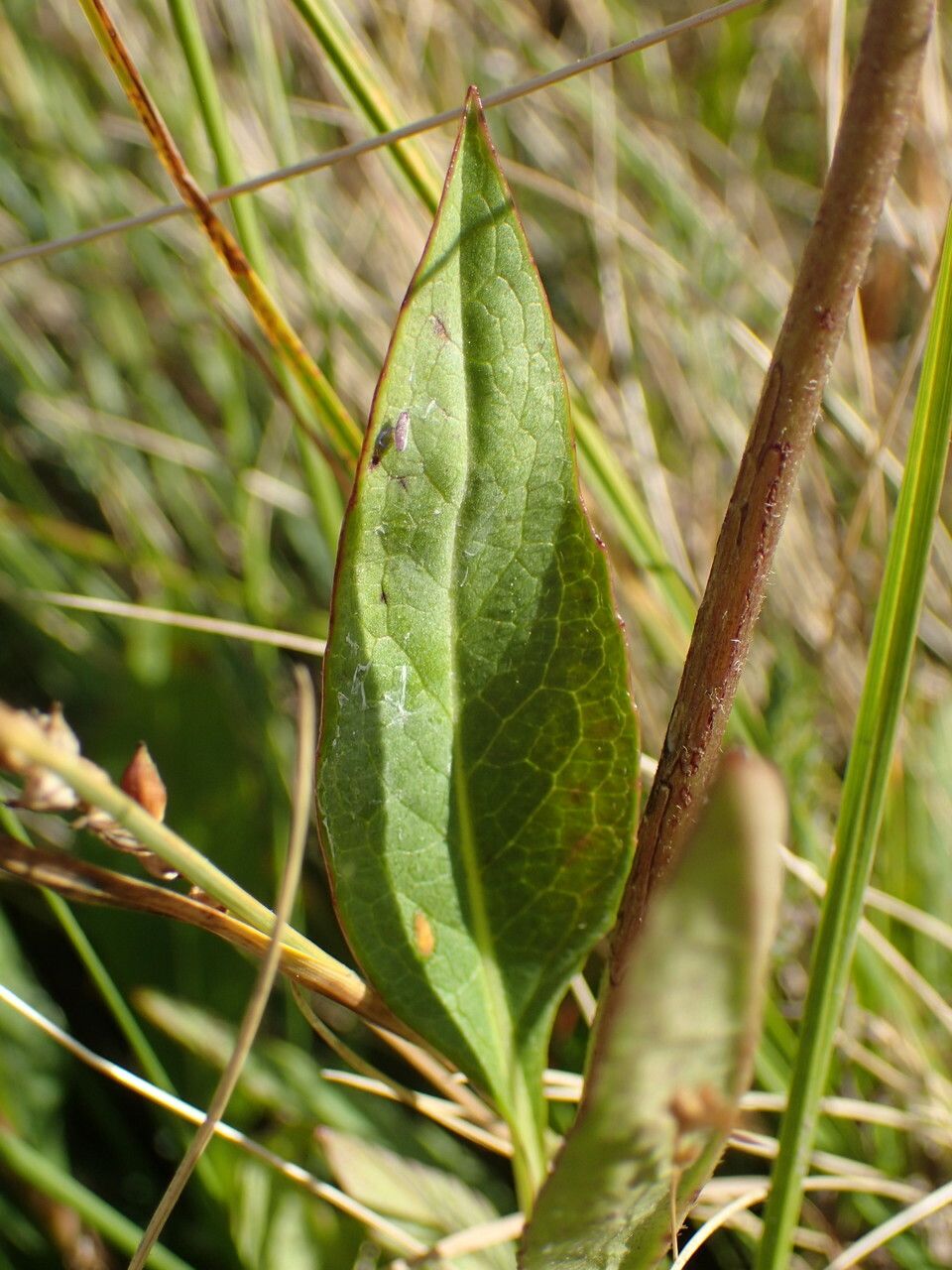
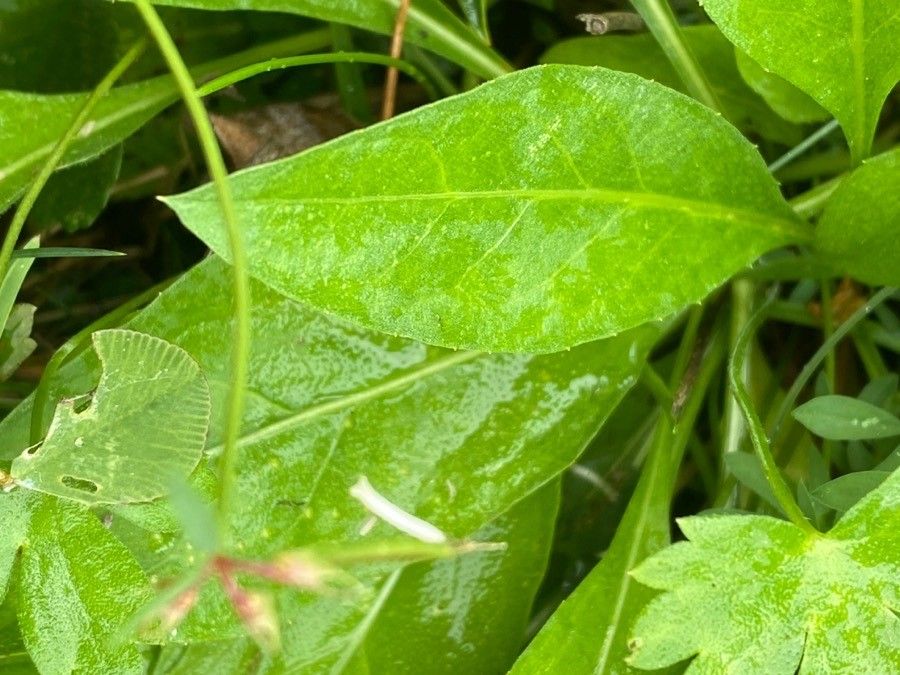
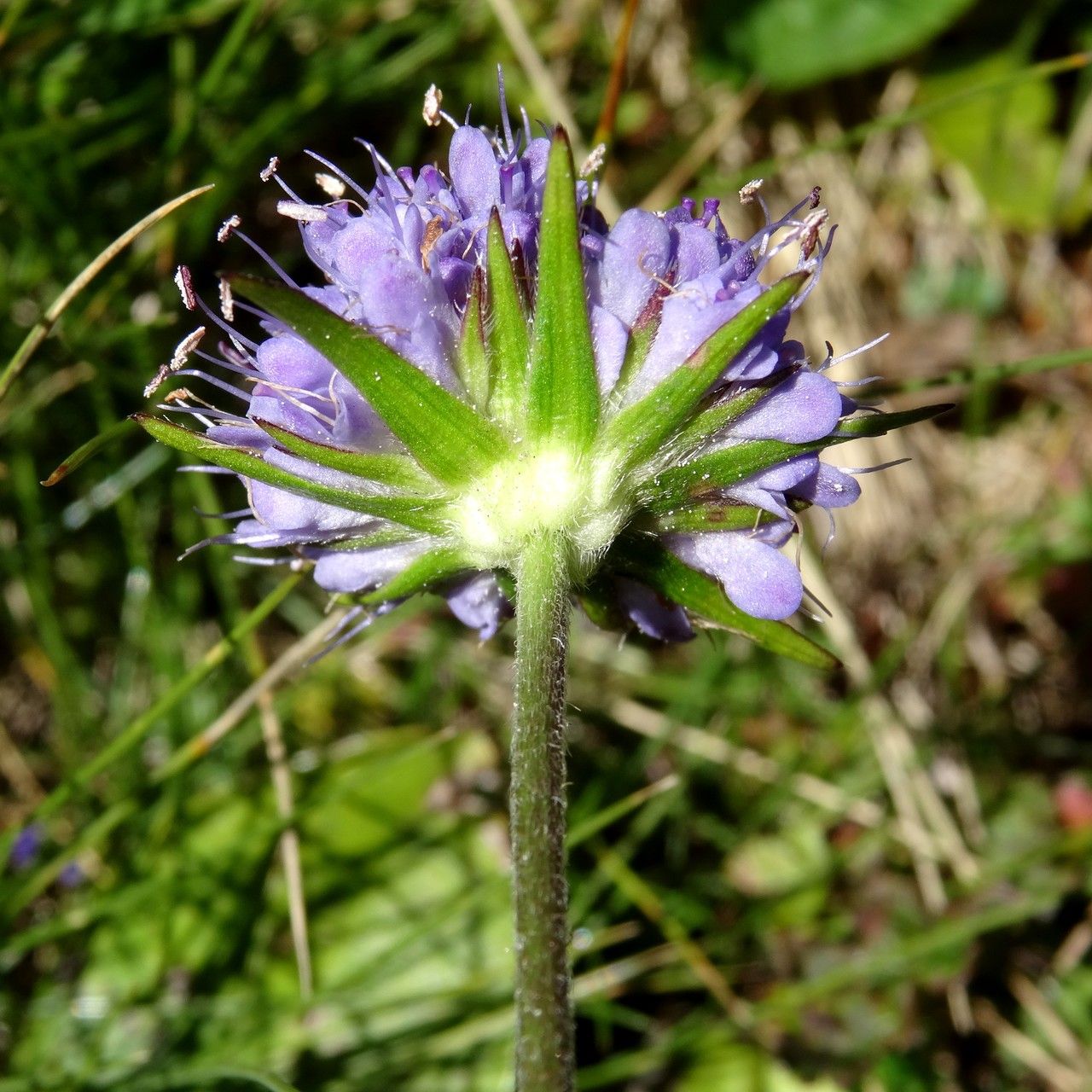
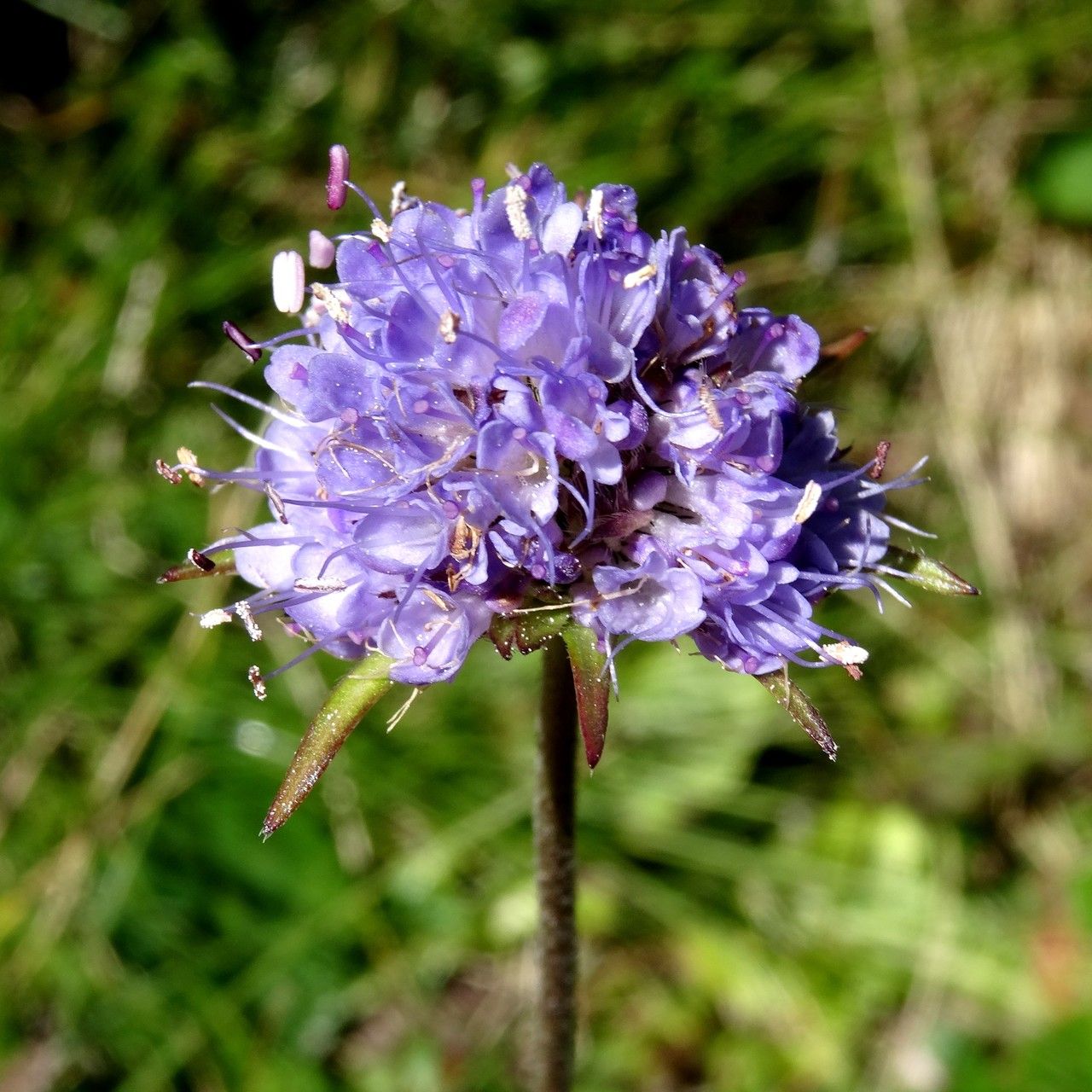
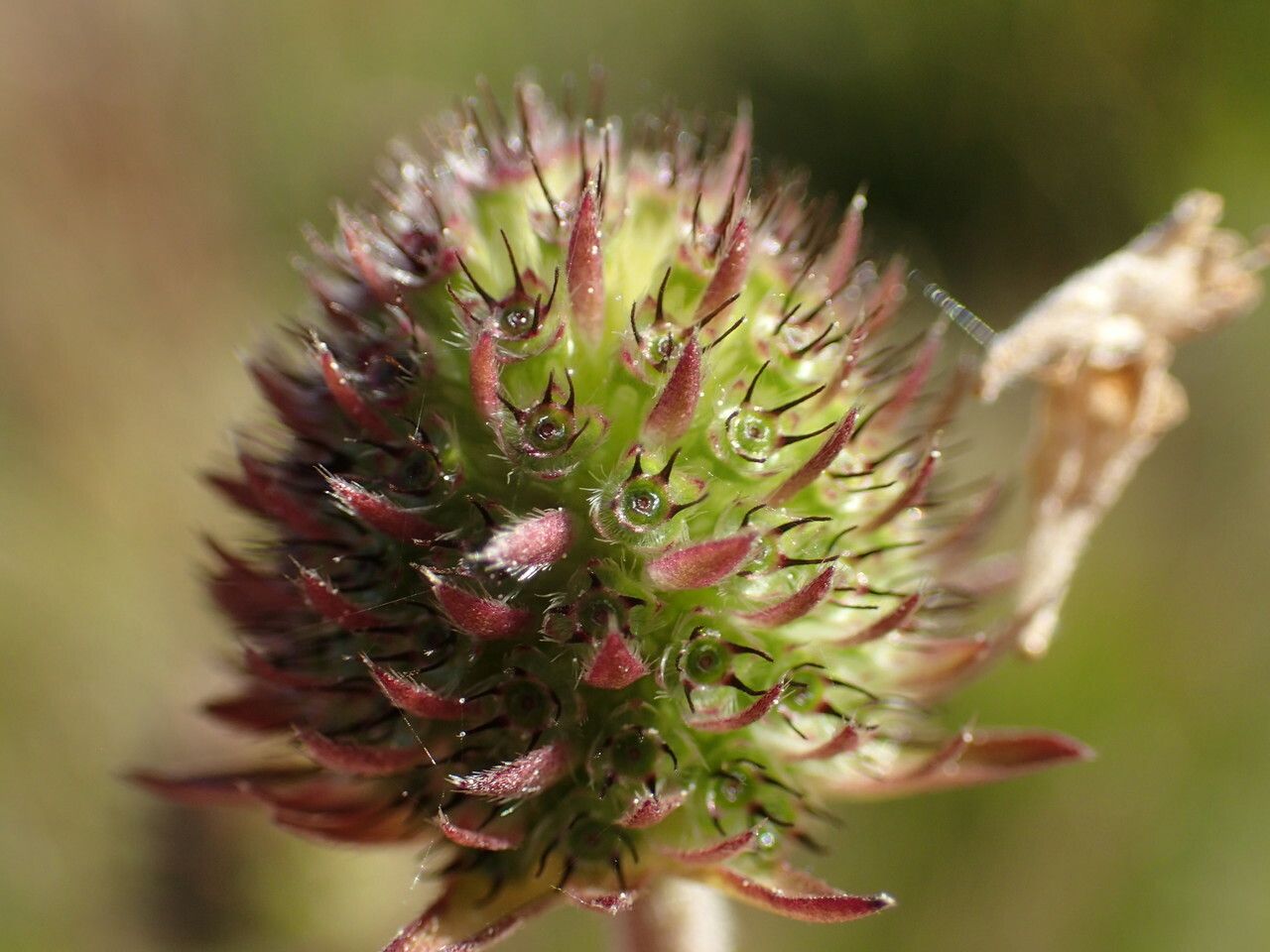
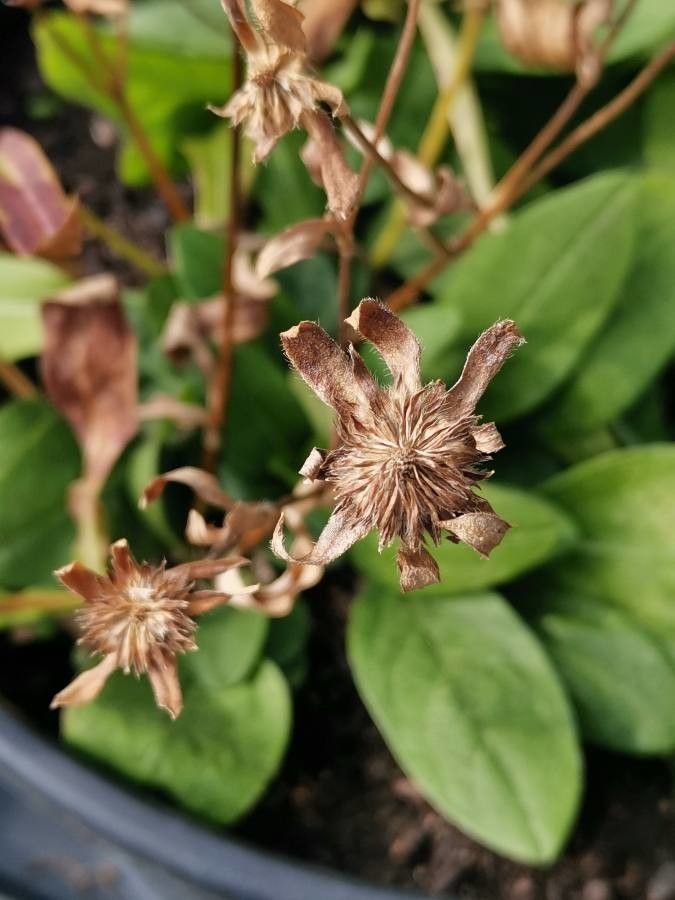
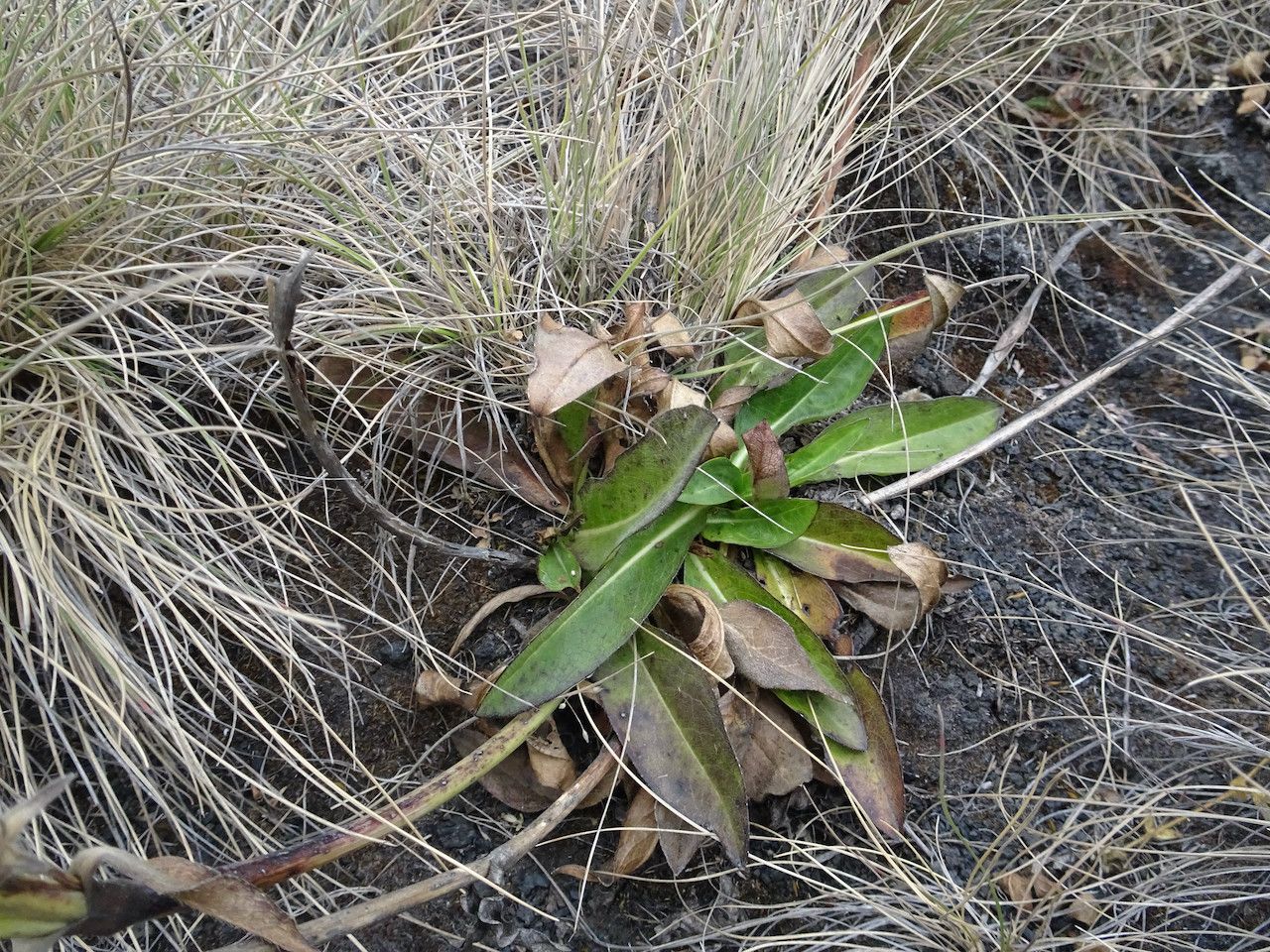
Succisa pratensis, commonly known as Devil's-bit Scabious, is a perennial herbaceous plant belonging to the honeysuckle family. Native to Europe, it typically thrives in damp meadows, marshes, and along riverbanks. The plant can grow up to 60 cm tall and features a basal rosette of lance-shaped leaves with toothed edges. Its erect stem bears smaller, opposite leaves.
From July to September, Succisa pratensis produces dense clusters of distinctive blue-violet flowers at the top of the stem. Each flower has four petals fused together into a tube shape, attracting various pollinators such as bees, butterflies, and moths.
The root system of Succisa pratensis has been prized for centuries for its medicinal properties, particularly its anti-inflammatory effects, which can help alleviate skin conditions like eczema and psoriasis.
Succisa pratensis significantly supports biodiversity by providing essential food sources for insects, including butterflies and moths, which depend on it during various life cycle stages.
Overall, Succisa pratensis is a vital herbaceous perennial plant species. Its ecological importance and medicinal properties make it an essential component of various ecosystems across Europe.
Devilsbit has strong resistance to disease and is generally not prone to illness. However, it can be vulnerable to pests and diseases present in its surroundings. These problems are typically not severe. As for care, this plant needs moderate maintenance. It should be pruned regularly to keep a good appearance and healthy growth. Fertilizing can also help encourage flowering. Devilsbit is suitable for anyone with an outdoor area, such as a garden or patio, and does not demand extensive care experience. It may need more attention when cultivated indoors.
How to keep Succisa Pratensis.
Light
Devilsbit prefers full sun for optimal growth but can also tolerate spots with moderate sunlight. Plenty of light supports vigorous growth, while too little may hinder its development. Interestingly, it evolved in an environment with high light exposure.
Water
Devilsbit is a plant that naturally grows in moist meadows. It likes consistent moisture but doesn't do well if the soil gets too waterlogged, and it can handle moderate drought. To keep it healthy, it's important to water it weekly. As a herbaceous perennial, devilsbit thrives outdoors, where it can benefit from natural rainfall that matches its growth cycles.
Temperature
Devilsbit is a plant native to regions where seasonal temperatures range from 68 to 95 °F (20 to 35 °C). It favors warmer climates, and if local temperatures fall, a more controlled indoor environment may help its growth year-round.
Fertilizer
The best time to fertilize a Devilsbit is in early spring, when it is coming out of dormancy and starting active growth. Fertilization supplies essential nutrients for healthy development. Although Devilsbit has relatively low fertilizer needs, applying it annually can improve its survival and encourage better, longer-lasting flowers.
Pruning
Pruning devilsbit during early to late spring encourages new growth and helps maintain its appearance. By trimming dead stems and removing spent flower stalks, you can enhance blooming, prevent disease, and improve air circulation. Annual pruning is essential for maintaining the plant's vigor and aesthetic appeal, which are crucial for healthy growth and vibrant displays.
Botanical profile.
- Plant Type
- Herb
- Life Cycle
- Perennial, Annual
- Genus
- Succisa
- Family
- Caprifoliaceae
- Hardiness Zone
- 4-8
- Mature Height
- 91 cm
- Mature Spread
- 30 cm to 40 cm
- Leaf Color
- Green
- Leaf Type
- Deciduous
- Flower Color
- Lavender
- Flower Size
- 2.03 cm to 3.05 cm
- Bloom Time
- Early summer, Mid summer
- Planting Time
- Spring, Summer, Autumn
- Harvest Time
- Mid summer
- Native Area
- Turkey, Sweden, Austria, Slovakia, Montenegro, Slovenia, Croatia, Belarus, Russia, Germany, Iceland, Estonia, Romania, Latvia, Belgium, Portugal, Netherlands, France, Tunisia, Czech Republic, Bulgaria, Poland, Greece, Ukraine, Serbia, Lithuania, Norway, Italy, Kazakhstan, Spain, Switzerland, Denmark, Finland, Albania, Ireland, United Kingdom, Hungary, Algeria
Other names.
Reader questions.
How should I water my Devilsbit?
To properly water the Devilsbit plant, it is recommended to use filtered water at room temperature. Tap water may contain harmful particles, so filtered water is preferable. Since the Devilsbit plant originates from a warm environment, it is best to use water that is at or slightly warmer than room temperature to minimize any shock to its system. It is also important to avoid overhead watering, as this can lead to problems with the foliage. Instead, gently water the soil with filtered room temperature water until it is fully soaked. This is beneficial for the plant as it provides moisture to the roots, allowing them to spread through the soil and access the necessary nutrients.
Why do I have to put fertilizer on my Devilsbit?
The main structure of the Devilsbit is made up of its leaves. Fertilization is key to ensuring that the leaves look great and function properly. It helps the plant maintain consistent leaf color and texture. Fertilization also promotes root growth and helps the plant absorb soil nutrients effectively. So, fertilizing your Devilsbit not only keeps it healthy now but also improves its long-term nutrient absorption ability.
What are the sunlight requirements for Devilsbit?
Devilsbit requires full to partial sunlight to thrive optimally. For full sun exposure, the plant needs over 6 hours of sunlight, while partial sun refers to about 3-6 hours of sunlight. It's vital to observe how sunlight moves through your garden to place your Devilsbit in spots that provide the right balance of light and shade, ensuring the plant's growth and health.
What is Devilsbit and where is it native to?
Devilsbit, also known by its botanical name Succisa pratensis, is a plant native to environments that experience seasonal temperatures fluctuating between 68 to 95 °F (20 to 35 °C). It thrives in warmer climates and can benefit from being moved to a controlled indoor setting if local temperatures drop significantly.
What should I do if I give my Devilsbit plant too much or too little water?
When caring for your Devilsbit, both overwatering and underwatering can harm its health. However, overwatering is a more common issue. If your plant receives too much water, its stems and leaves may wilt and turn yellow. Overwatering for a long time can also lead to diseases like root rot, mold, and mildew, which can be fatal. Underwatering is less common since the Devilsbit can tolerate drought. But it's still possible, and you'll notice brittle, brown leaves if it happens. To care for your Devilsbit properly, it's important to spot overwatering signs quickly. Some diseases caused by overwatering, like root rot, may be irreversible if you wait too long. If you notice early signs, reduce your watering immediately. Also, check the soil quality. If it doesn't drain well, replace it with a loose, well-draining potting mix. On the other hand, if you notice signs of too little water, simply water more regularly until those signs go away.
When should I fertilize my Devilsbit plant?
If you grow your Devilsbit outdoors, it will start growing new leaves in early spring. This is a signal to begin fertilizing for the year. Usually, a single application of fertilizer in spring is enough for your Devilsbit to thrive. But if you want to maximize its growth, you can feed it multiple times throughout spring and early summer. In this case, you would feed your Devilsbit about once every month to a month and a half.
Can Devilsbit grow with artificial lighting?
Yes, Devilsbit can grow with artificial lighting, especially when natural sunlight is insufficient, such as in winter or less sunny spaces. Indoor plants benefit from proper lighting, promoting faster, more robust growth. For effective growth under artificial lighting, consider LED lights for their customizability to specific plant needs, with full sun plants requiring 30-50W/sq ft, partial sun plants needing 20-30W/sq ft, and full shade plants 10-20W/sq ft. The light source should be placed 12-36 inches above the plant, mimicking natural sunlight conditions, and provided for 8-12 hours per day.
Does Devilsbit require special frost protection measures?
Devilsbit has strong cold resistance and usually does not require special frost protection measures during the winter. However, if winter temperatures are expected to drop below -30°C, it's important to provide cold protection by covering the plant with materials such as soil or straw. Additionally, watering the plant abundantly before the first freeze in autumn to ensure the soil remains moist can help prevent drought and water scarcity during winter and early spring.
How frequently do I need to water my Devilsbit?
If your Devilsbit plant is in a pot, the most accurate way to determine if it needs water is by sticking your finger into the soil. If you find that the top two to three inches of soil are dry, then it's time to water it. For Devilsbit plants grown outdoors in the ground, you can use a similar method to test the soil. Once again, if the top few inches of soil have dried out, it's time to water the plant. In the spring and early fall, you will usually need to water once a week using this method. However, during particularly hot weather, you may need to increase your watering frequency to twice or more per week. Nevertheless, mature and well-established Devilsbit plants have an impressive ability to tolerate drought.
When is it not a good idea to use fertilizer on my Devilsbit?
During the late fall and winter, your Devilsbit will not grow and enter a dormant phase. It is important to refrain from fertilizing it during this time. In spring and summer, if you choose to fertilize, start reducing the amount as summer progresses because the growth rate of your Devilsbit will slow down. Overall, avoid fertilizing your Devilsbit when the weather is unusually hot or the soil is very dry, as doing so can stress the plant and cause it to die prematurely.
What are the symptoms of inadequate lighting in Devilsbit?
Inadequate lighting can lead to several symptoms in Devilsbit, including smaller new leaves, leggy or sparse growth, faster leaf drop, slower or halted new growth, and lighter-colored new leaves. Chlorosis, sunscald, leaf curling, wilting, and leaf scorching are other signs that indicate issues with light exposure. These symptoms suggest the plant is not receiving the optimal amount of sunlight for its needs, leading to poor health and growth.
How does low temperature affect Devilsbit and what are the solutions?
Devilsbit is cold-tolerant and thrives best when temperatures are above 20°C. During winter, it should be kept above 0°C to avoid damage. If temperatures fall below -30°C, there may not be noticeable changes during winter, but there could be a decrease in sprouting or even no sprouting during springtime. The solution for affected plants in spring is to remove any parts that have failed to sprout.