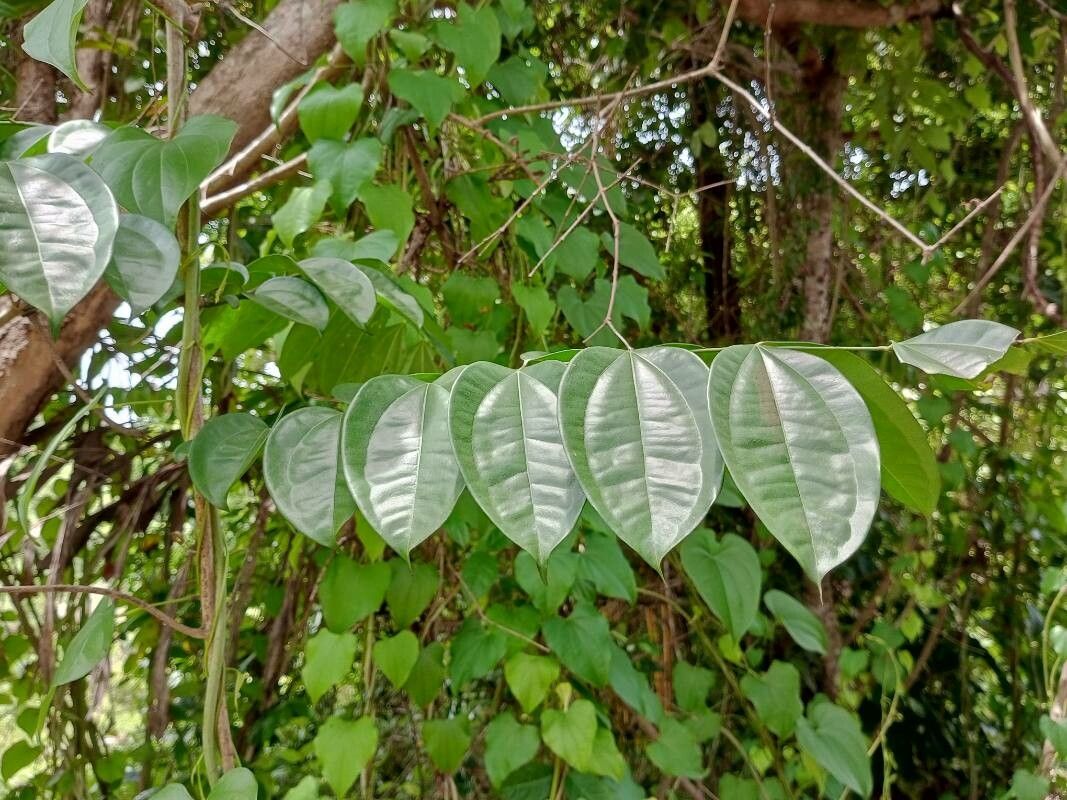
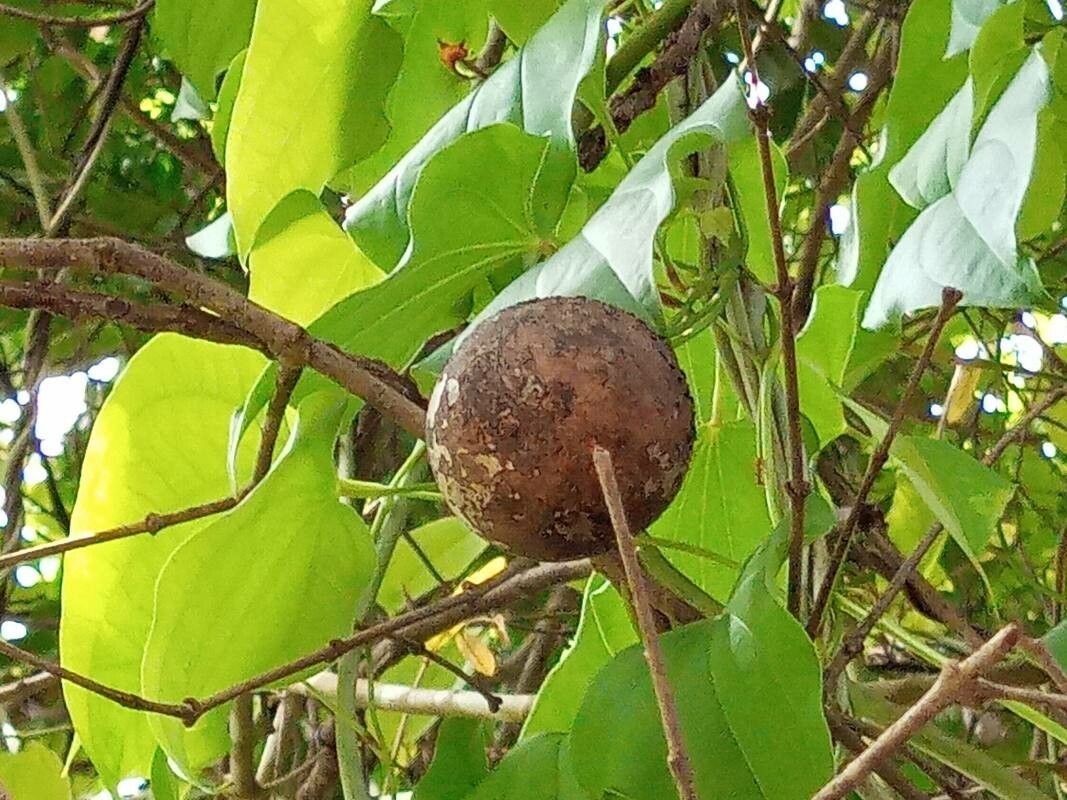
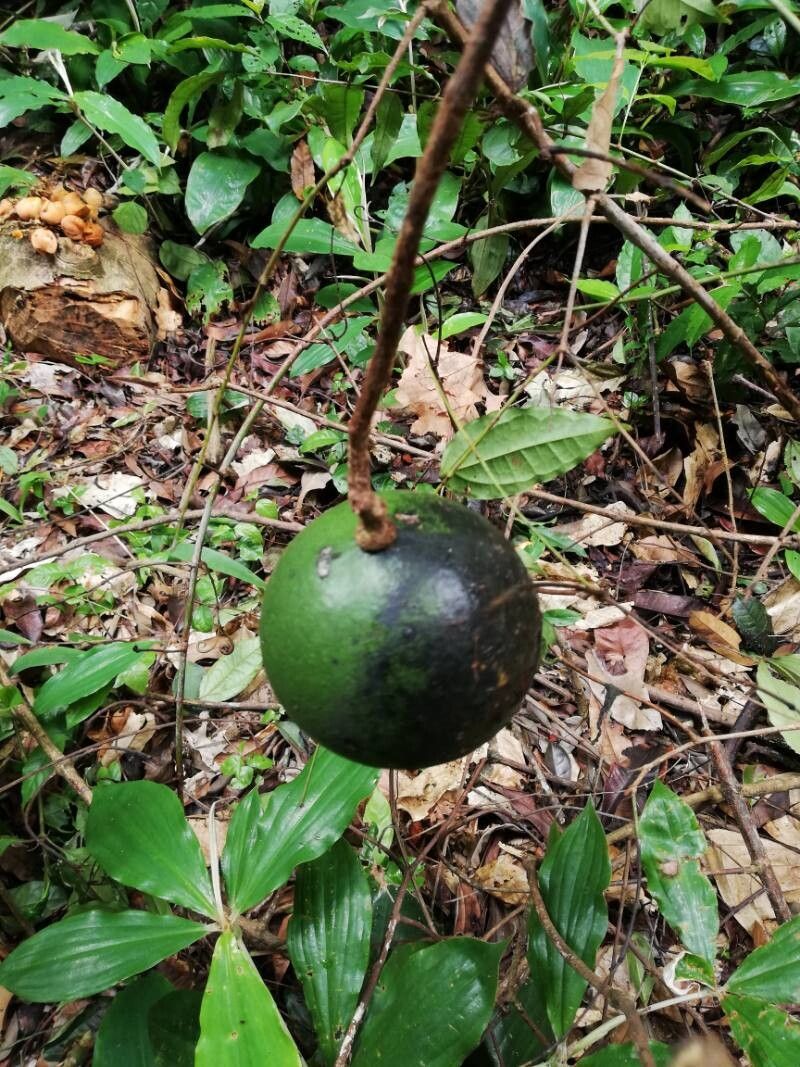
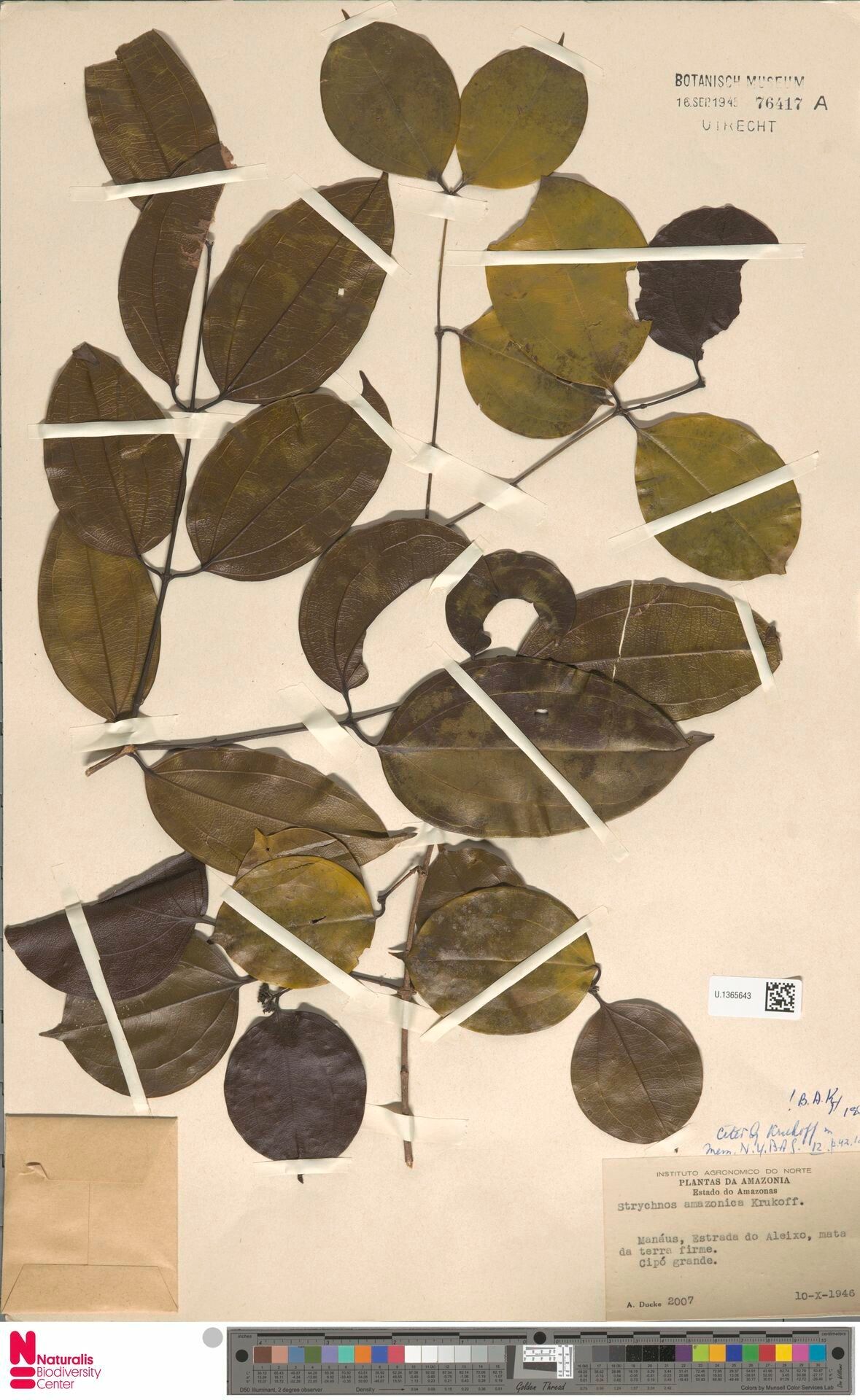
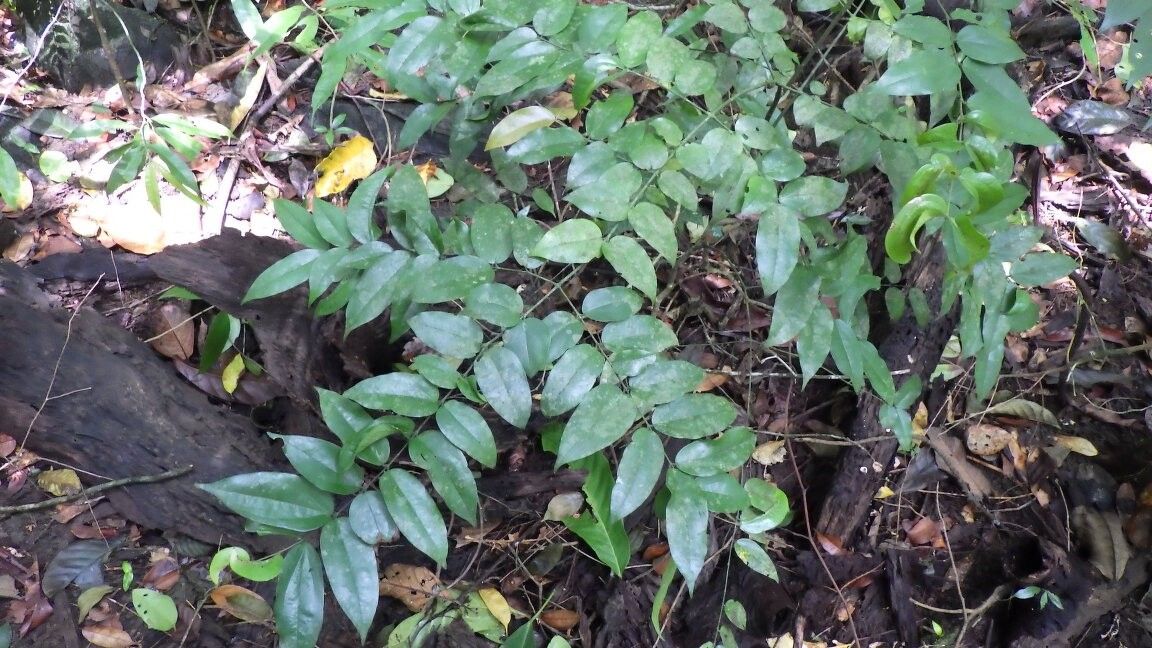
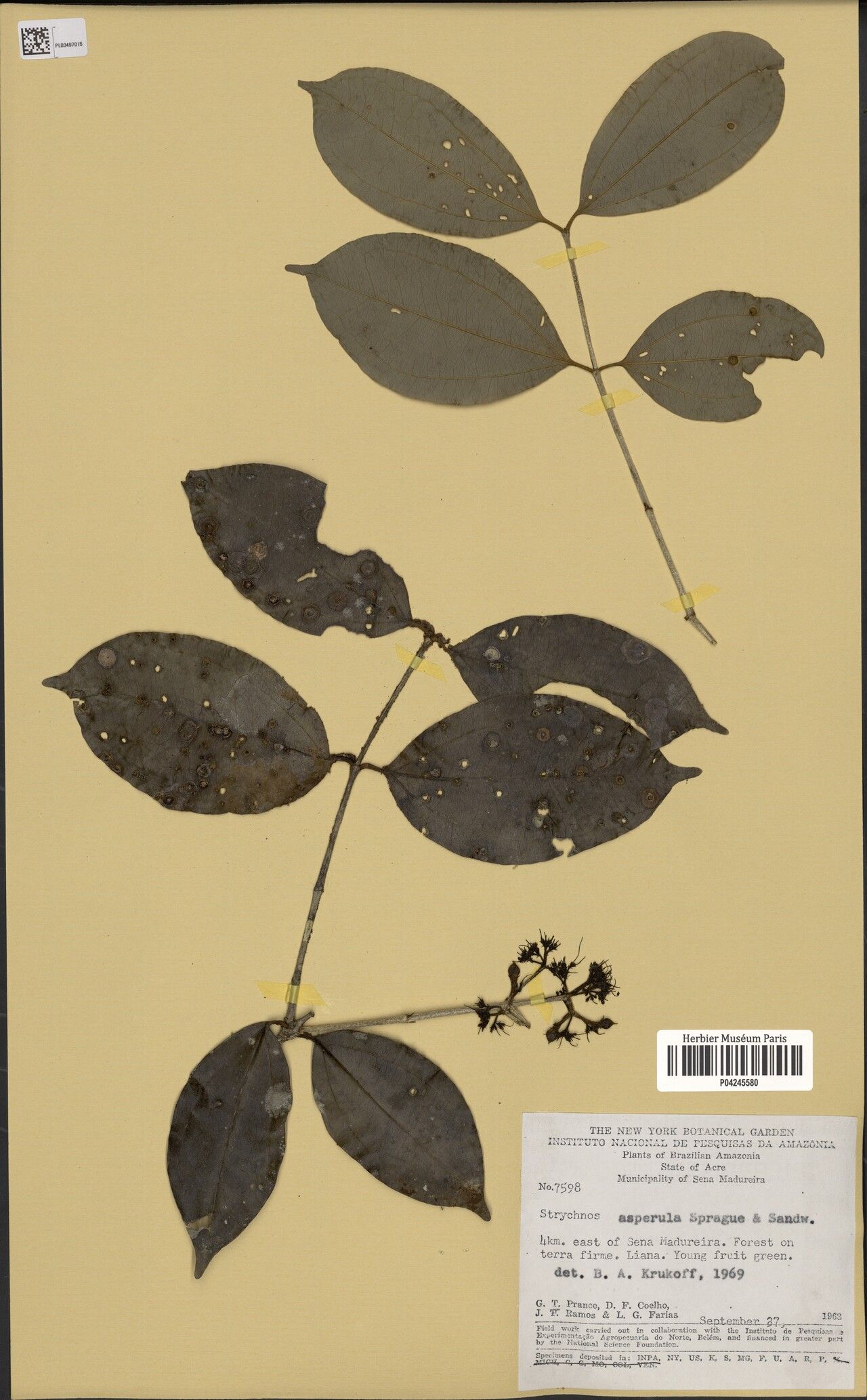
Venom orange has strong resistance to disease and is generally not susceptible to illnesses. Regarding care, this plant is fairly low-maintenance. When grown outdoors it needs little watering, and larger specimens typically do not require pruning. Smaller plants, however, should be pruned after they finish blooming. Venom oranget is suitable for anyone with an outdoor area, such as a garden or a deck, and does not demand much prior care experience.
How to keep Strychnos Wallichiana.
Light
Venom orange prefers abundant sunlight to encourage vigorous growth, though it can tolerate moderate levels. Its origin suggests it is adapted to strong sun exposure. Excessive light may burn the leaves, while insufficient light can hinder growth and stress the plant.
Water
Strychnos wallichiana flourishes in tropical rainforest environments where high humidity and moisture levels prevail. It favors consistently moist soil and typically needs watering twice a week. As an evergreen plant grown outdoors, it benefits from the water retention in its foliage, which helps it withstand fluctuations in rainfall patterns.
Temperature
Venom orange comes from tropical areas, where the weather is usually warm and humid. Consequently, it is adapted to high heat and moisture. It does not tolerate sudden temperature shifts and prefers a steady temperature, so avoiding indoor temperature fluctuations is important. It generally cannot endure cold and needs warmer conditions to grow. If the ambient temperature falls too far, the plant may stop growing or even die.
Fertilizer
Fertilization is essential for the care of Venom orange. Regular feeding during the growing season helps maintain the energy needed for its showy leaves and supports overall growth. Failing to fertilize can lead to unhealthy leaves, reduced ornamental value, and stunted or weak growth that is more likely to break.
Pruning
Strychnos wallichiana is characterized by its woody stems and dense foliage. For optimal results, pruning should be carried out in early spring. This involves removing any damaged branches and shaping the plant for aesthetic purposes, which in turn encourages new growth. Pruning also improves air circulation, reduces the risk of disease, and boosts the plant's overall vitality. Be sure to use sharp, sterilized tools to make clean cuts, ensuring healthy regrowth.
Botanical profile.
- Plant Type
- Tree
- Life Cycle
- Perennial
- Genus
- Strychnos
- Family
- Loganiaceae
- Hardiness Zone
- 10-12
- Mature Height
- 6.1 m to 12.19 m
- Mature Spread
- 4.88 m to 7.92 m
- Leaf Color
- Dark Green
- Leaf Type
- Deciduous
- Flower Color
- Green, Yellow
- Flower Size
- 3.05 cm to 6.35 cm
- Bloom Time
- Mid spring, Late spring
- Planting Time
- Spring, Summer
- Harvest Time
- Late summer, Early fall, Mid fall
- Native Area
- Nepal, Sri Lanka, India, Malaysia, Indonesia, Cambodia, Vietnam, Myanmar, Laos, Thailand