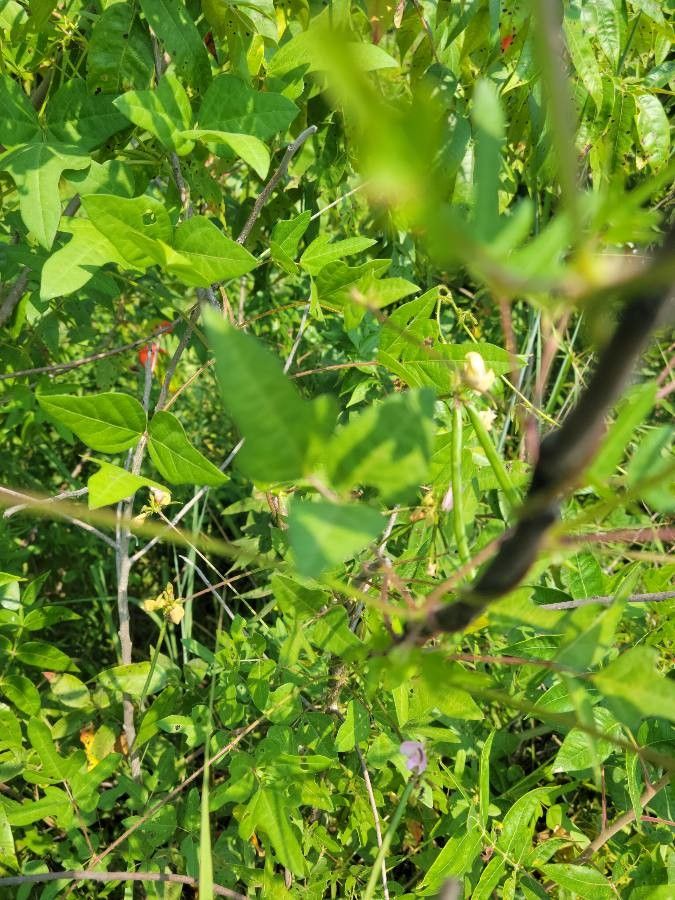
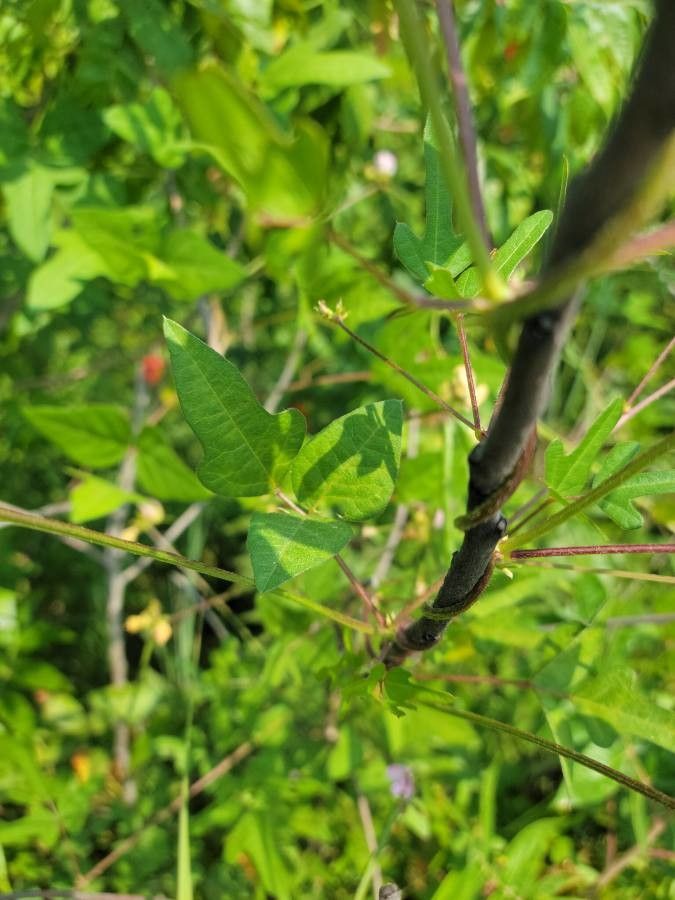
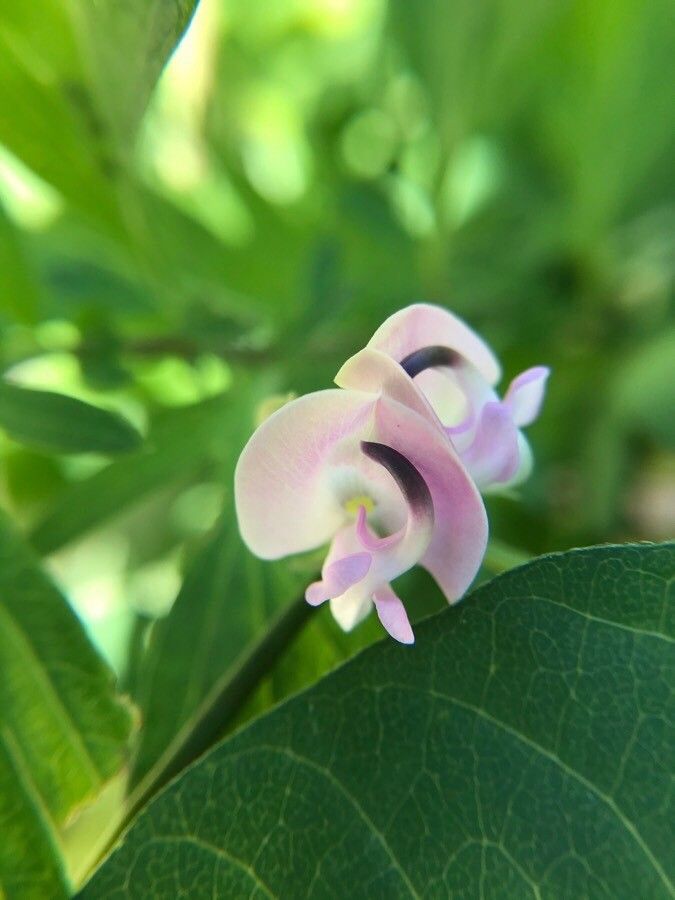
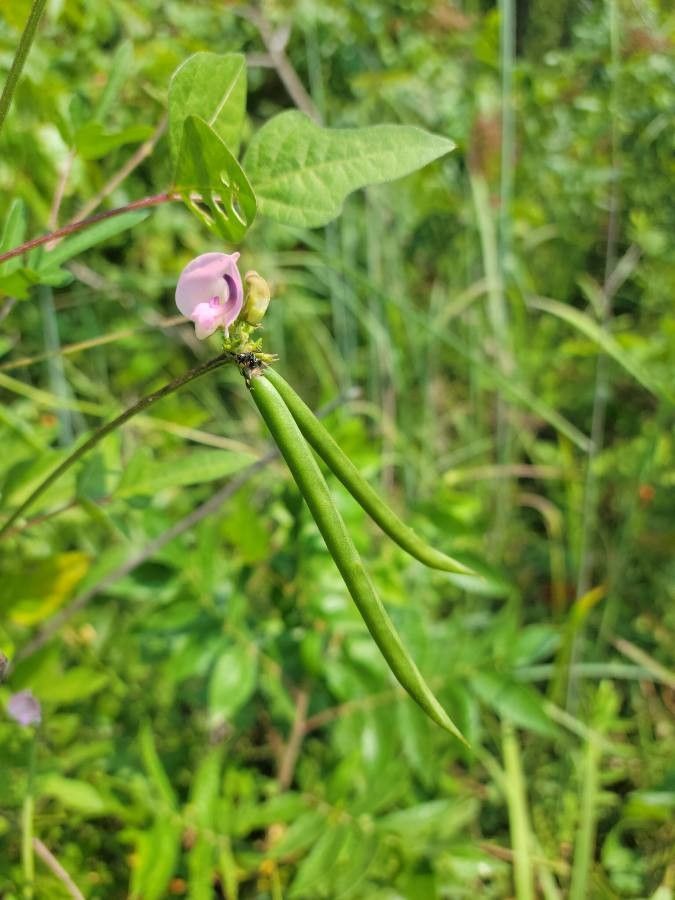
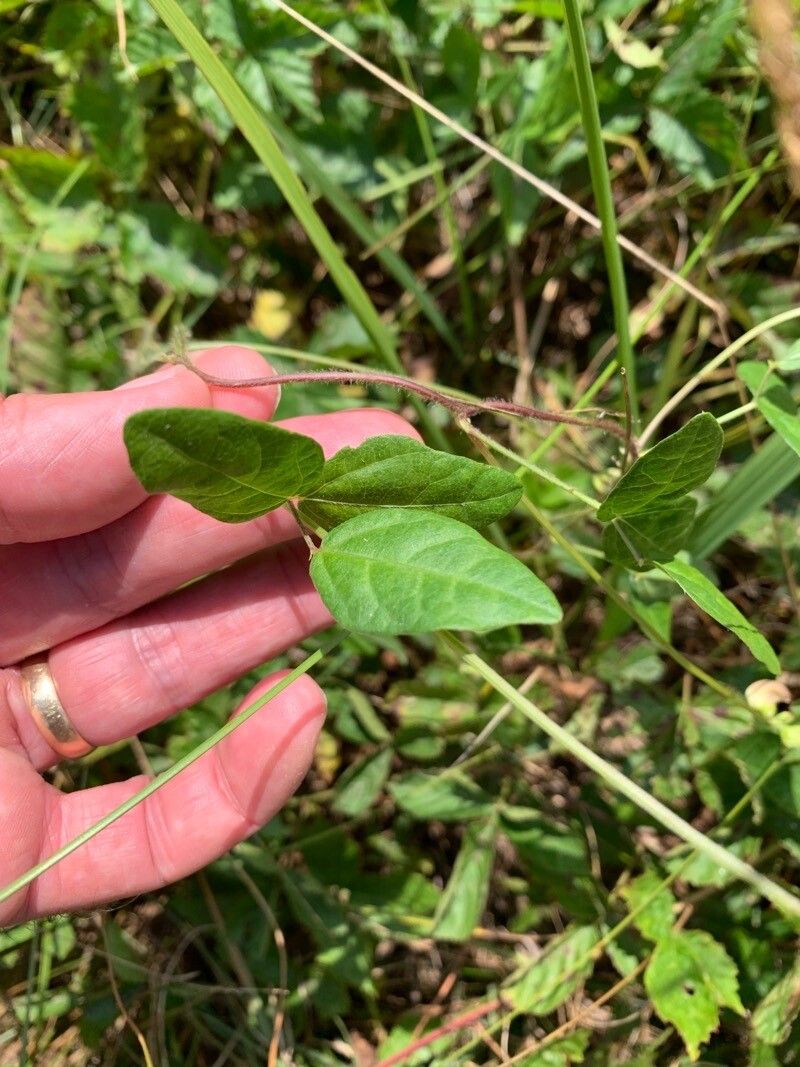
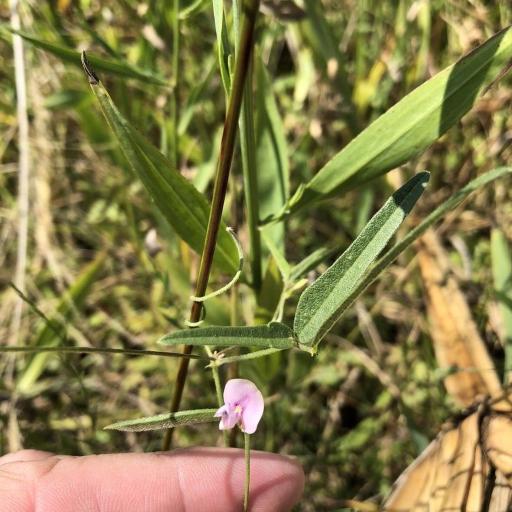
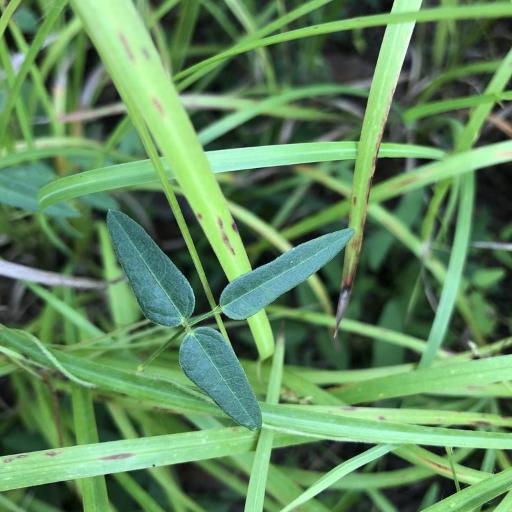
Strophostyles helvola, commonly called amberique-bean, annual sand bean, or trailing fuzzybean is a species of flowering plant in the legume family. It is native to eastern Canada and the eastern United States.
Amberique-bean has strong resistance to disease and is generally not easily affected by illnesses. That said, it can be vulnerable to pests and diseases present in its surroundings. Such infections are generally mild. Regarding care, this plant needs moderate maintenance. It should be pruned regularly to keep an attractive appearance and promote healthy growth. Applying fertilizer can also encourage flowering. Amberique-bean is appropriate for anyone with outdoor space, like a garden or patio, and does not demand extensive plant-care experience. It may need extra attention when cultivated indoors.
How to keep Strophostyles Helvula.
Light
Amberique-bean comes from bright, open habitats where it does best in full sun. It will tolerate partial sun but favors direct sunlight for optimal growth. This annual or biennial plant is noted for its sun-loving nature.
Temperature
Amberique-bean is native to habitats with moderate temperatures. It ideally prefers a temperature range of 68 to 95 °F (20 to 35 ℃). In colder seasons, adjusting the atmosphere to that range would greatly aid its health.
Fertilizer
Amberique-bean benefits from regular, light applications of fertilizer to encourage healthy leaf development. Apply fertilizer to Amberique-bean about once a month during the summer. Nitrogen is essential for foliage, and adding nitrogen-rich sources helps Amberique-bean thrive.
Pruning
Prune amberique-bean plants in early to late spring, concentrating on removing dead stems to encourage healthy growth. Trim away excess foliage to improve air circulation and light penetration. Regular pruning not only enhances blooming but also reduces the risk of disease. Always use clean, sharp tools to make precise cuts and maintain the plant's health.
Botanical profile.
- Plant Type
- Herb, Vine
- Life Cycle
- Annual, Biennial, Perennial
- Genus
- Strophostyles
- Family
- Leguminosae
- Hardiness Zone
- 9
- Mature Height
- 2.13 m
- Mature Spread
- 0.49 m to 1.52 m
- Leaf Color
- Green, Dark Green
- Leaf Type
- Deciduous
- Flower Color
- Pink, Purple
- Flower Size
- 1.02 cm to 2.03 cm
- Bloom Time
- Summer
- Planting Time
- Spring, Summer
- Harvest Time
- Late summer, Early fall, Mid fall
Other names.
Reader questions.
What are the sunlight requirements for Amberique-bean?
Amberique-bean thrives in conditions with full sun, requiring over 6 hours of sunlight daily for optimal growth. It can tolerate partial sun, defined as about 3-6 hours of sunlight daily, but it truly prefers being in direct sunlight. When planting, observe your garden throughout the day to identify locations that offer a good mix of light and shade, ensuring your Amberique-bean's health and happiness.
What is the ideal temperature range for growing Amberique-bean?
The Amberique-bean, botanically known as Strophostyles helvula, thrives in environments with moderate temperatures, preferring a range between 68 and 95 °F (20 to 35 °C). Keeping the atmosphere within this temperature range during the colder seasons is beneficial for its health.
How does artificial lighting support Amberique-bean growth indoors?
When natural sunlight isn't enough, especially during winter or in less sunny locations, artificial lighting becomes essential for Amberique-bean's indoor growth. Adequate lighting encourages healthier, faster development. LED lights are recommended due to their ability to provide specific wavelengths needed by plants. For full sun plants like Amberique-bean, 30-50W per square foot of artificial light is suggested, placed 12-36 inches above the plant to mimic natural sunlight and provided for 8-12 hours per day.
Does Amberique-bean have any cold tolerance?
Amberique-bean has a moderate tolerance to cold and generally does not require additional cold protection measures when temperatures are above 0°C. However, if temperatures are expected to drop below 0°C, it's necessary to temporarily protect the plant with plastic film, fabric, or other materials for cold protection, removing these as soon as temperatures rise again.
What are the symptoms of inadequate light for indoor Amberique-bean plants?
Amberique-bean plants displaying insufficient light when grown indoors might show several symptoms: smaller new leaves, leggy or sparse growth, premature leaf drop, halted growth, pale new leaves, chlorosis (yellowing leaves due to chlorophyll breakdown), sunscald (damage from intense sun), leaf curling, wilting from excessive water loss, and leaf scorching. These signs indicate the plant isn't receiving enough light for healthy development.
How should Amberique-bean be cared for in low temperatures?
Amberique-bean has moderate tolerance to low temperatures and functions best when the temperature remains above 20°C. Throughout the winter, it's important to ensure the temperature stays above 0°C to avoid frost damage. If temperatures fall below -5°C, leaves may droop or, in severe cases, wilt and fall off. In such cases, the frost-damaged parts should be trimmed off, and the plant should be wrapped with layers like non-woven fabric or cloth, along with a constructed wind barrier to protect against cold winds.
How can I improve my Amberique-bean plant's light exposure?
For indoor Amberique-bean plants lacking light, gradually shift them to sunnier spots until they receive at least 6 hours of direct sun daily, using south-facing windows and keeping curtains open. If moving the plant isn't feasible, artificial lighting, such as desk or ceiling lamps or professional grow lights, can be used for at least 8 hours a day. For outdoor plants, adjust their location gradually to prevent sunburn. Addressing obstructions like trees by pruning can enhance sunlight exposure. Transplanting smaller plants during their dormant period to sunnier spots with good drainage is also effective.
What are the effects of high temperatures on Amberique-bean and how can they be mitigated?
When summer temperatures exceed 35°C, Amberique-bean may exhibit signs of stress, such as lighter leaf color, dry and withered leaf tips, curled leaves, and increased susceptibility to sunburn. To mitigate these effects, trim away sunburnt and dried parts, relocate the plant to shade during the midday and afternoon sun or use a shade cloth. Additionally, watering the plant in the morning and evening will help keep the soil moist and reduce stress.