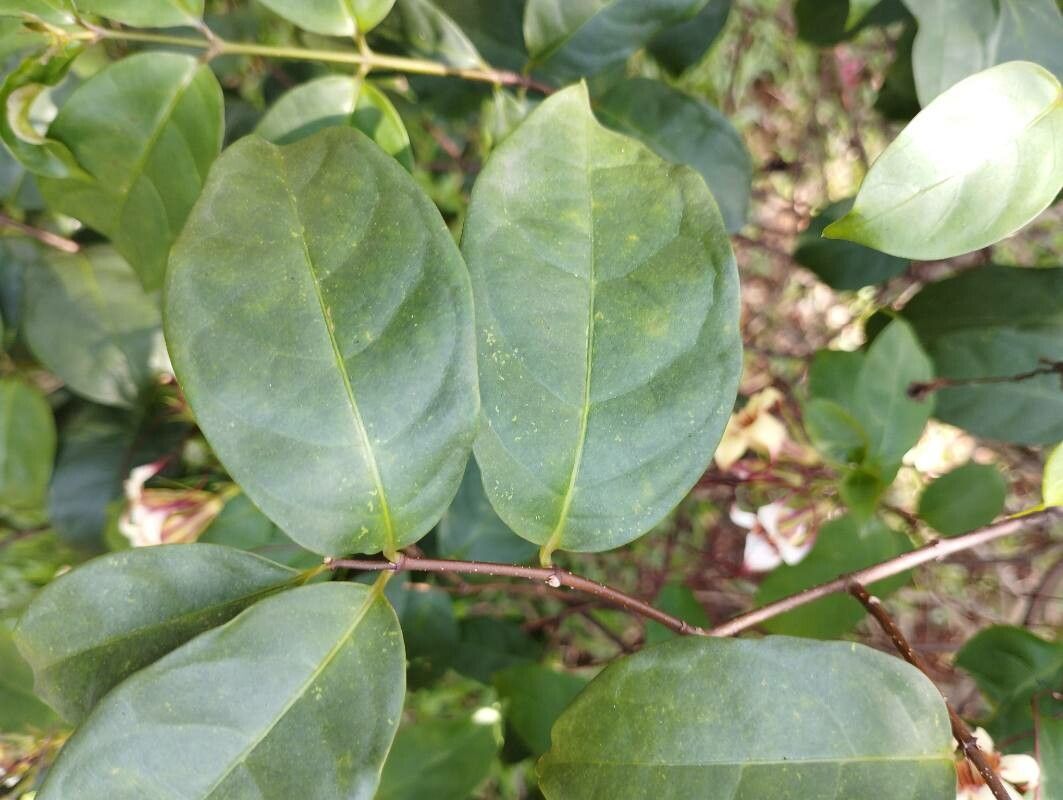
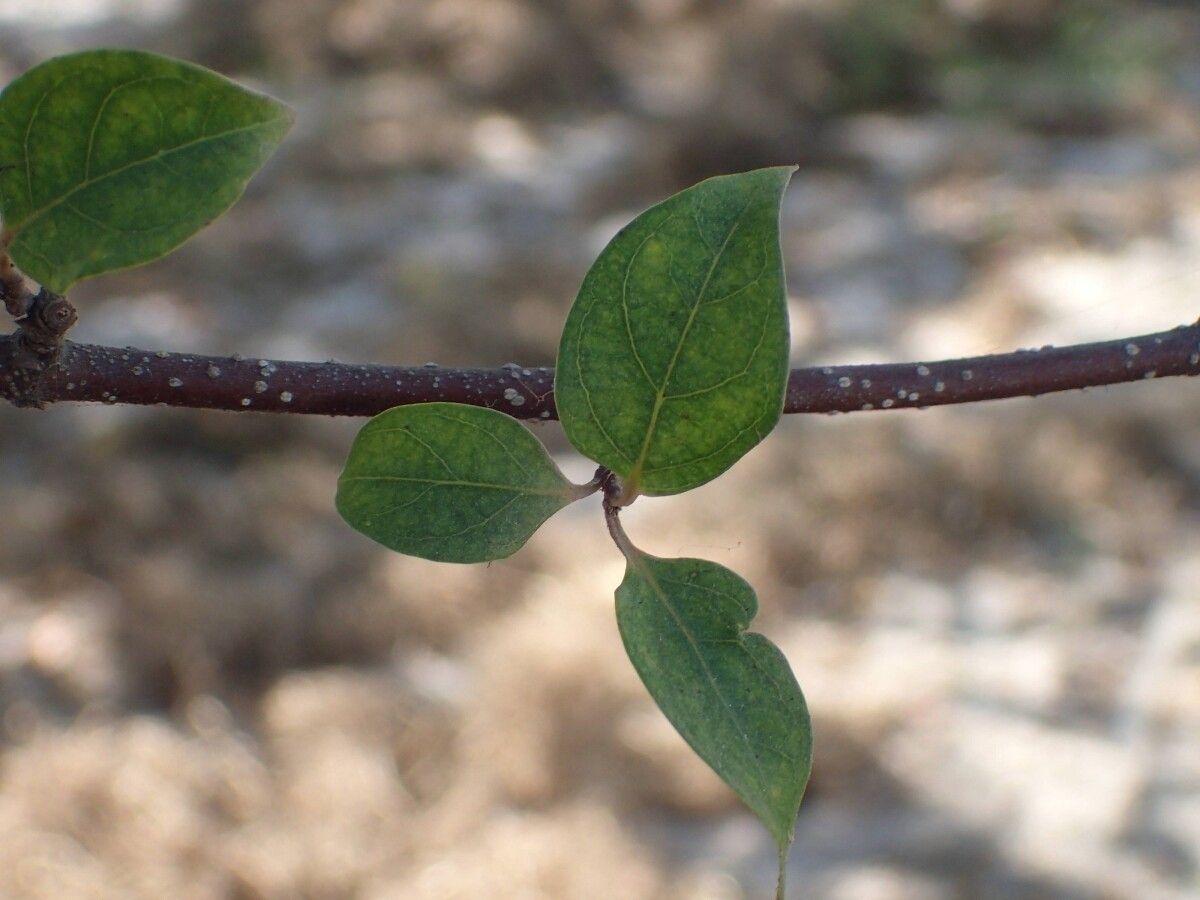
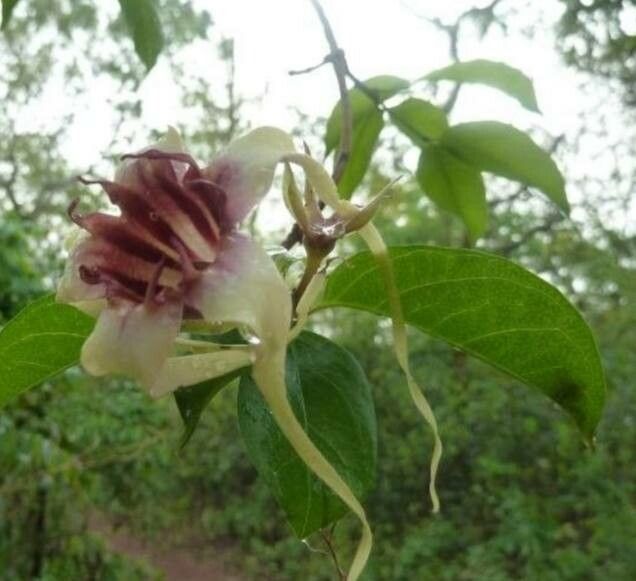
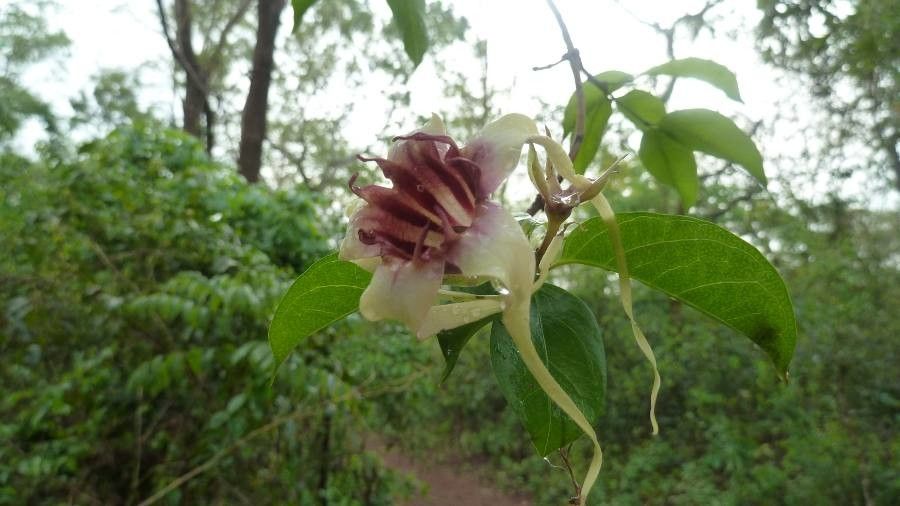
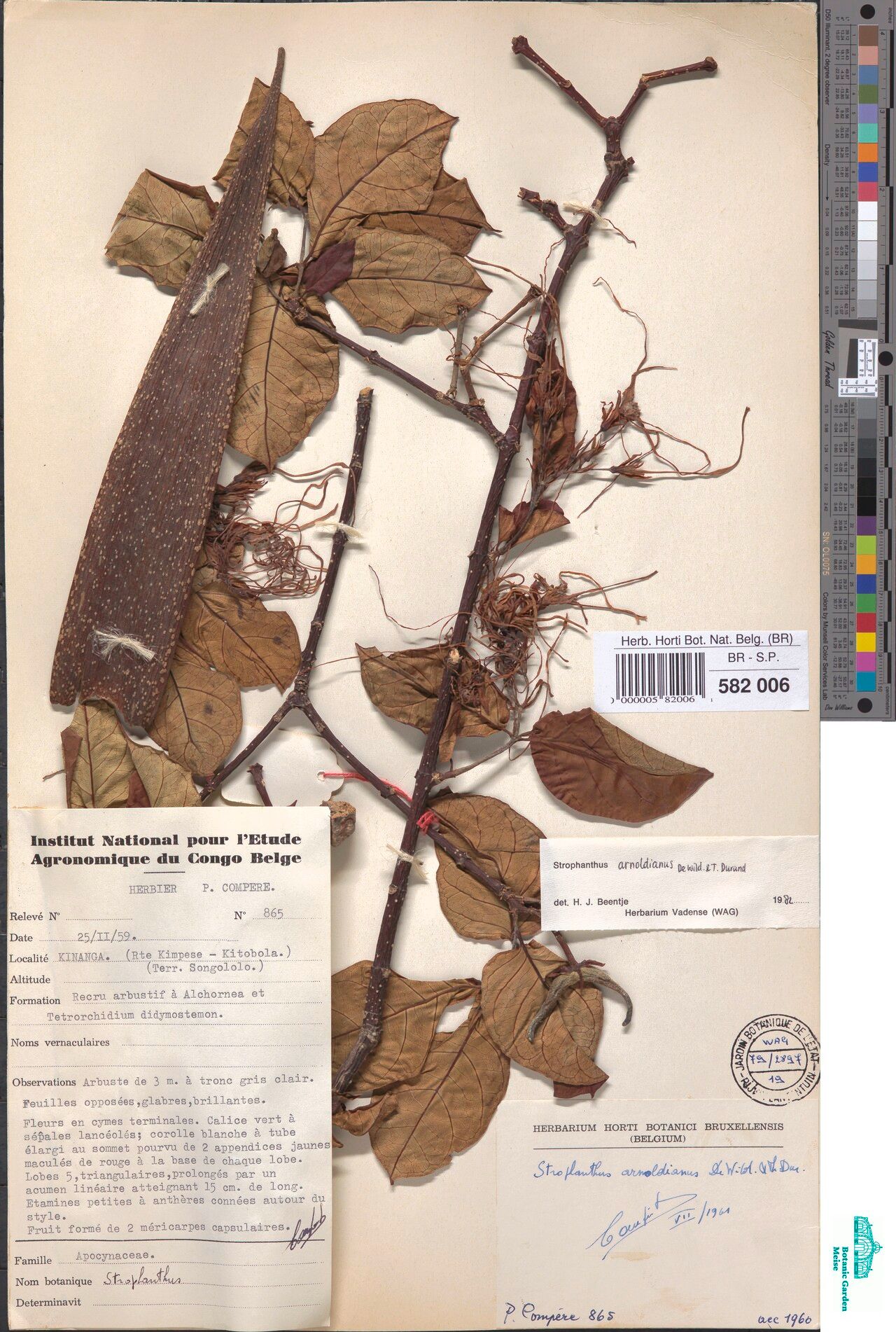
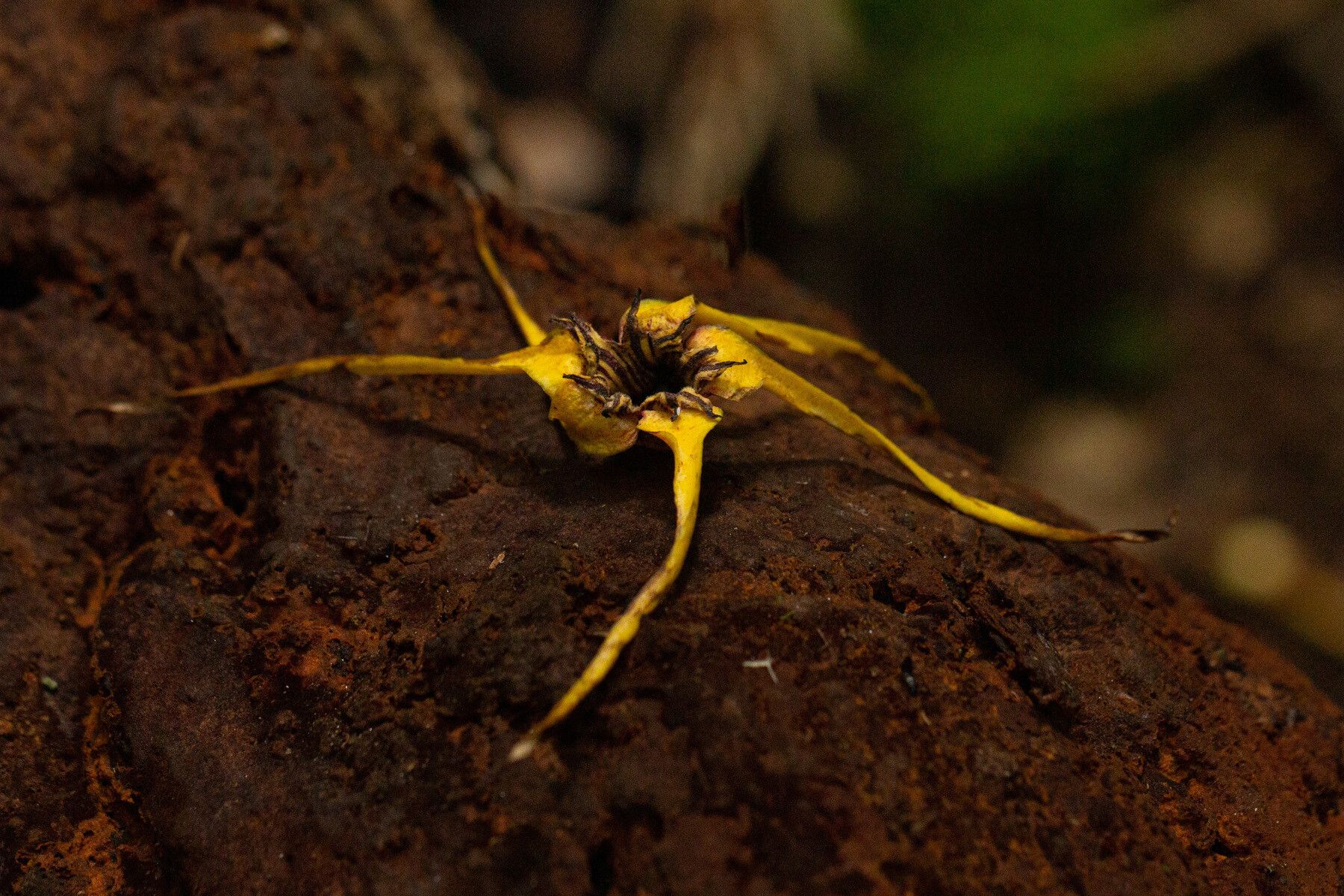
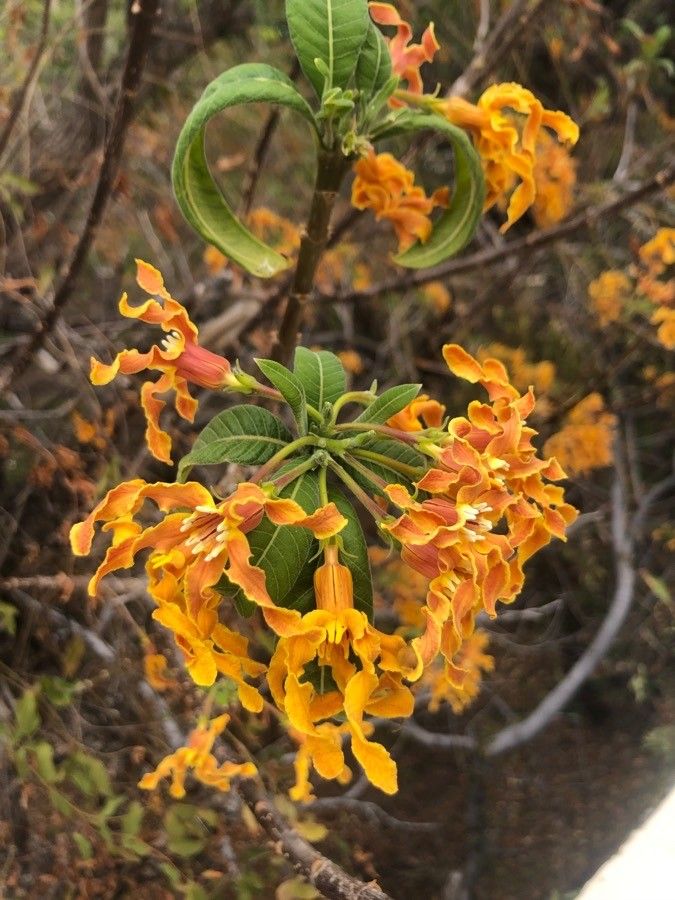
Strophanthus sarmentosus is a woody climbing plant belonging to the Apocynaceae family. Native to tropical regions of Africa, this plant is found in countries such as Cameroon, Gabon, and Congo. It features long, slender stems that can reach up to 10 meters in length, with glossy green, oval-shaped leaves that have pointed tips.
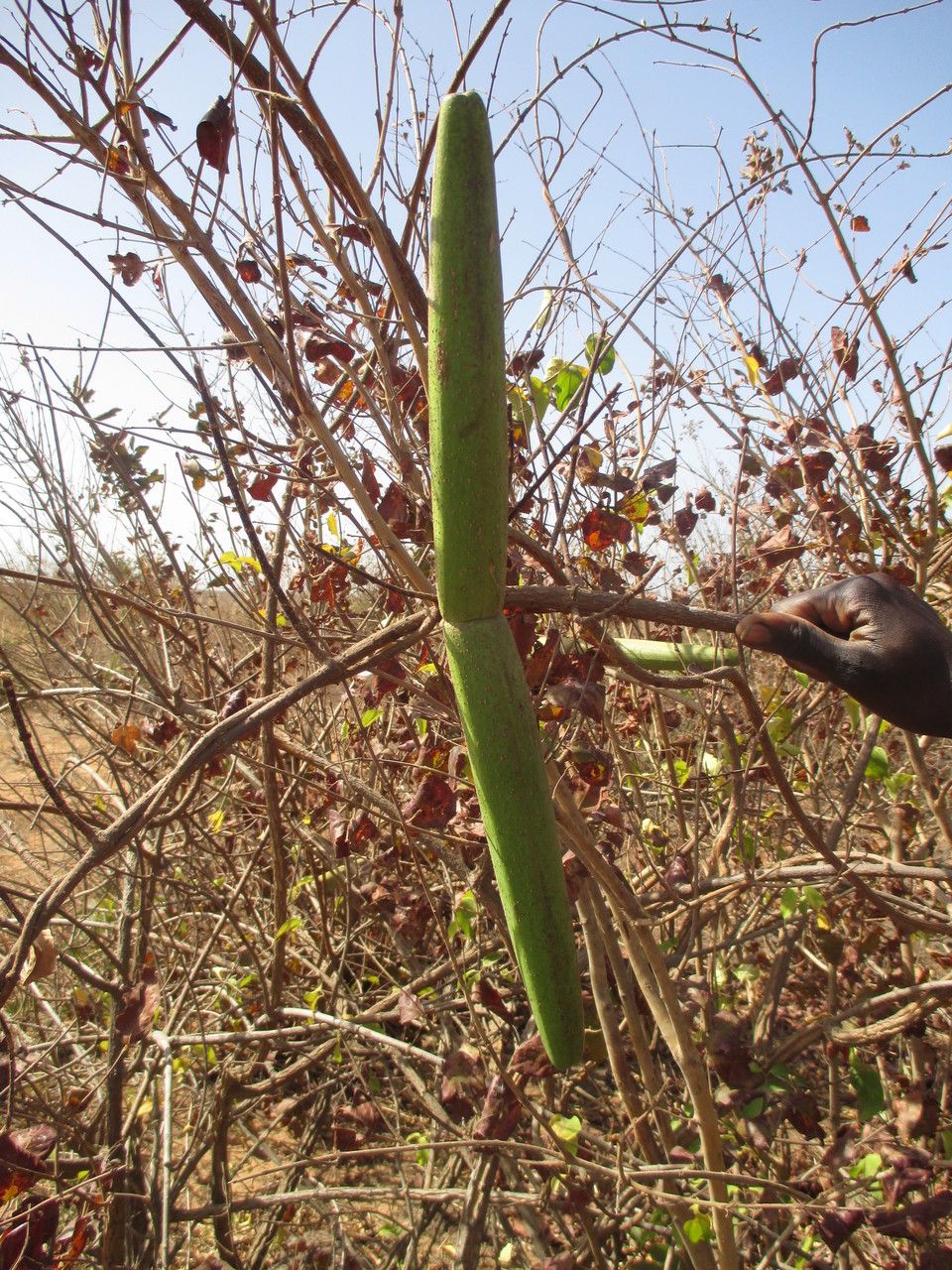
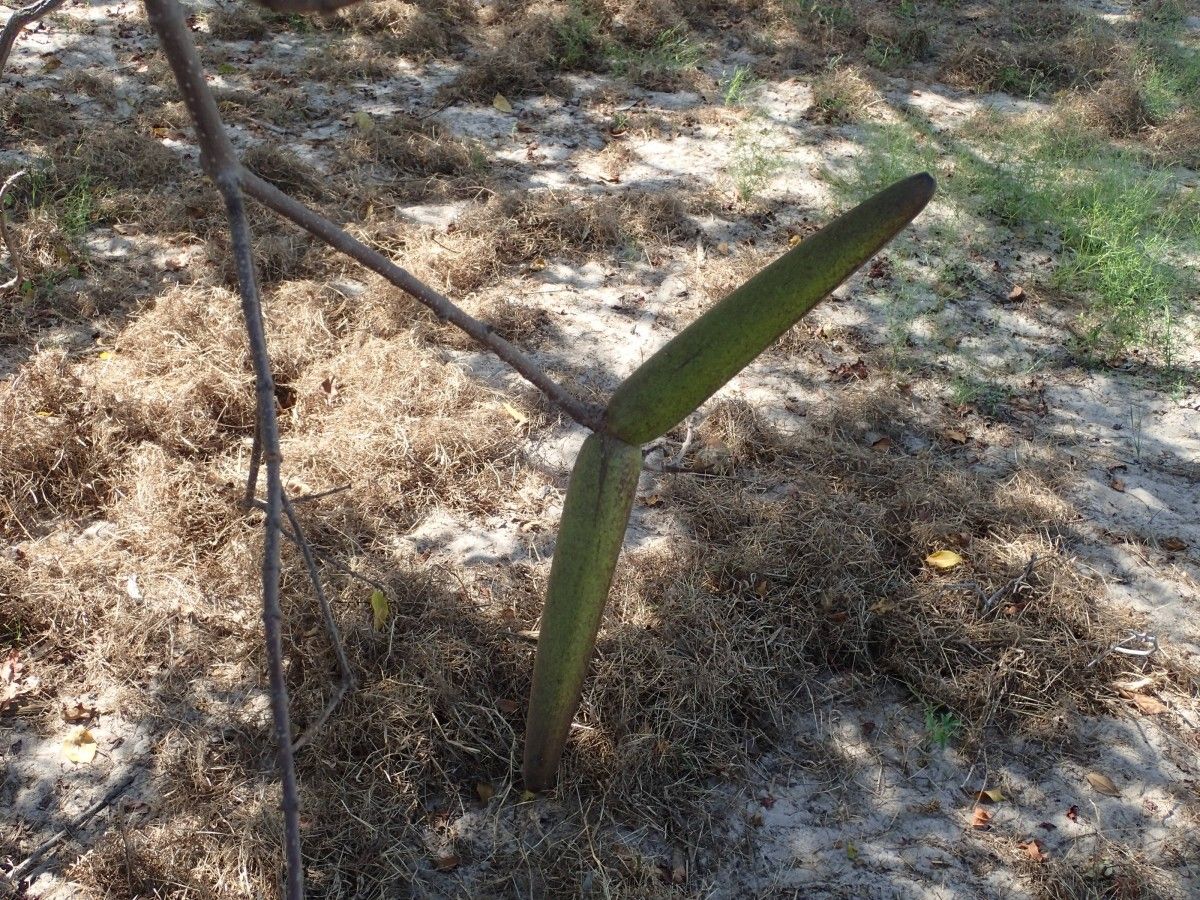
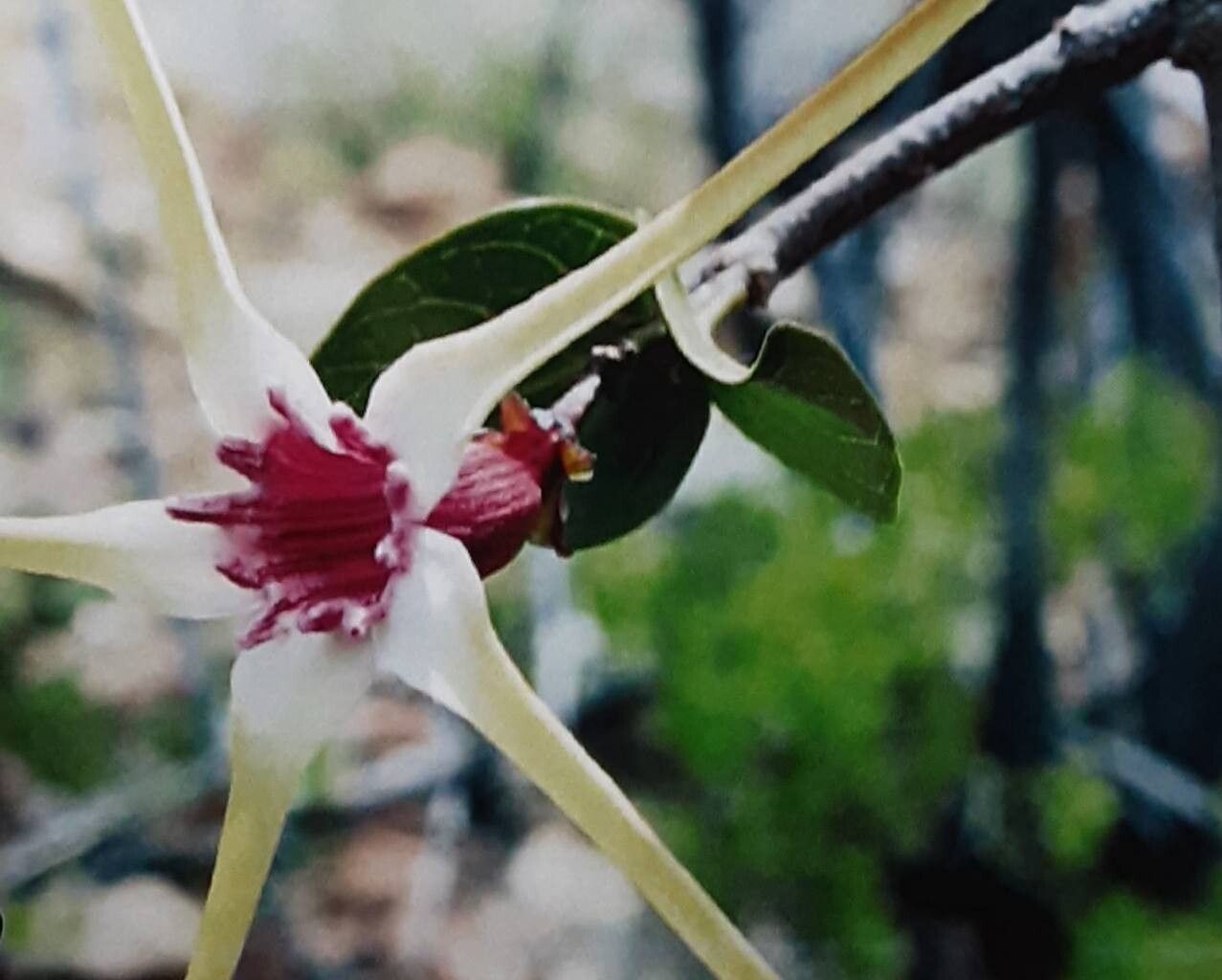
The flowers of Strophanthus sarmentosus are small, white, and have a yellow center. They bloom in clusters at the ends of the stems from late spring through summer. The plant produces long pods containing numerous seeds.
Traditionally, indigenous people in Africa have used Strophanthus sarmentosus for medicinal purposes, treating a variety of ailments such as fever, malaria, snake bites, and heart diseases. This is largely due to the presence of cardiac glycosides in the plant.
For optimal growth, Strophanthus sarmentosus requires well-drained soil and plenty of sunlight. While it can be propagated through stem cuttings or seeds, careful handling is necessary due to its toxicity.
Overall, Strophanthus sarmentosus is a fascinating climbing plant known for its medicinal properties and ornamental value. Its attractive flowers make it an excellent addition to any garden or landscape design project, provided it thrives under suitable conditions, whether natural or assisted by human intervention.
How to keep Strophanthus Sarmentosus.
Pruning
Strophanthus is a plant known for its twining growth and attractive flowers. To encourage healthier growth and more abundant blooms, it is beneficial to prune it in early spring. Use sharp, sterilized tools for this task. Be cautious when handling the plant, as its sap is toxic. Lightly prune new shoots to promote fullness and maintain the plant's overall health. For more detailed care instructions, consult horticultural guides.
Botanical profile.
- Plant Type
- Vine
- Genus
- Strophanthus
- Family
- Apocynaceae
Other names.