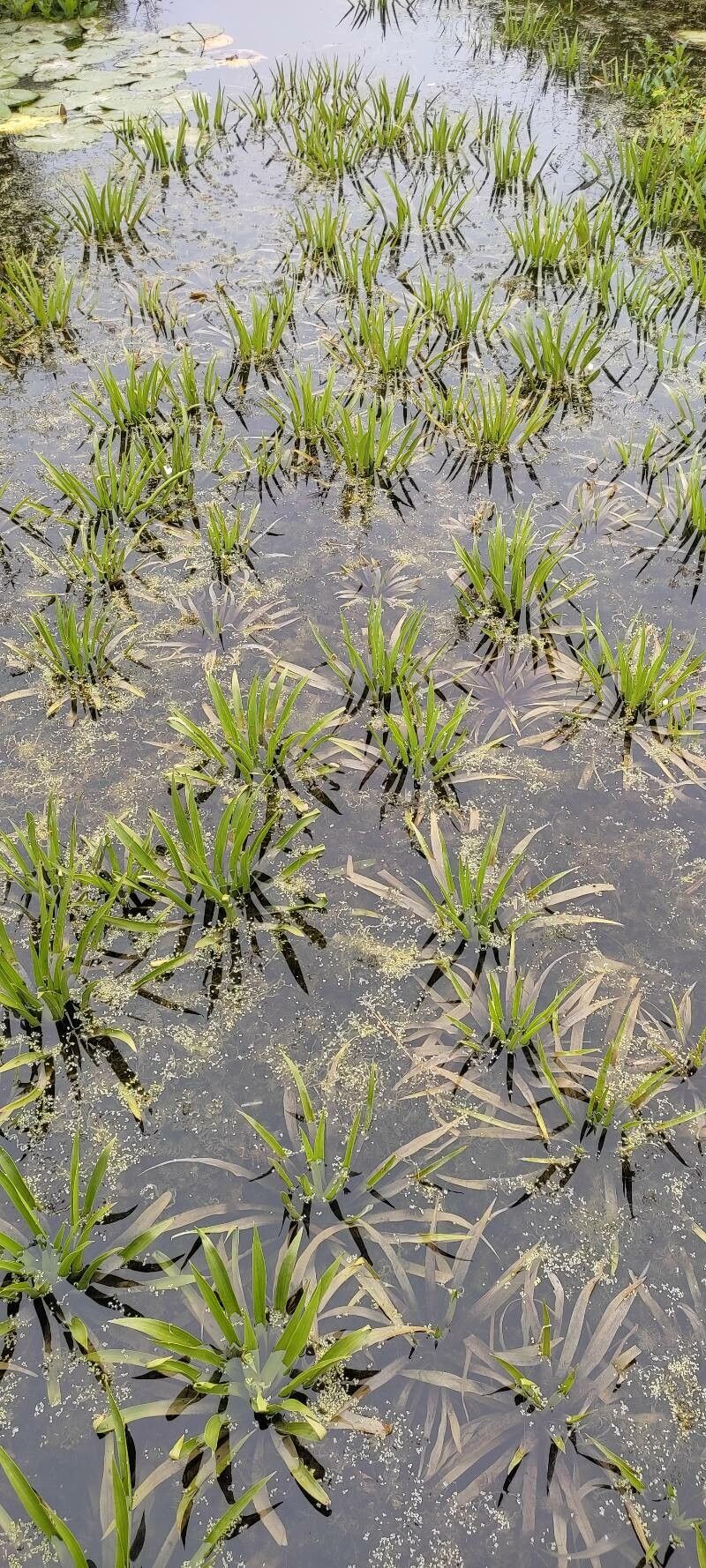
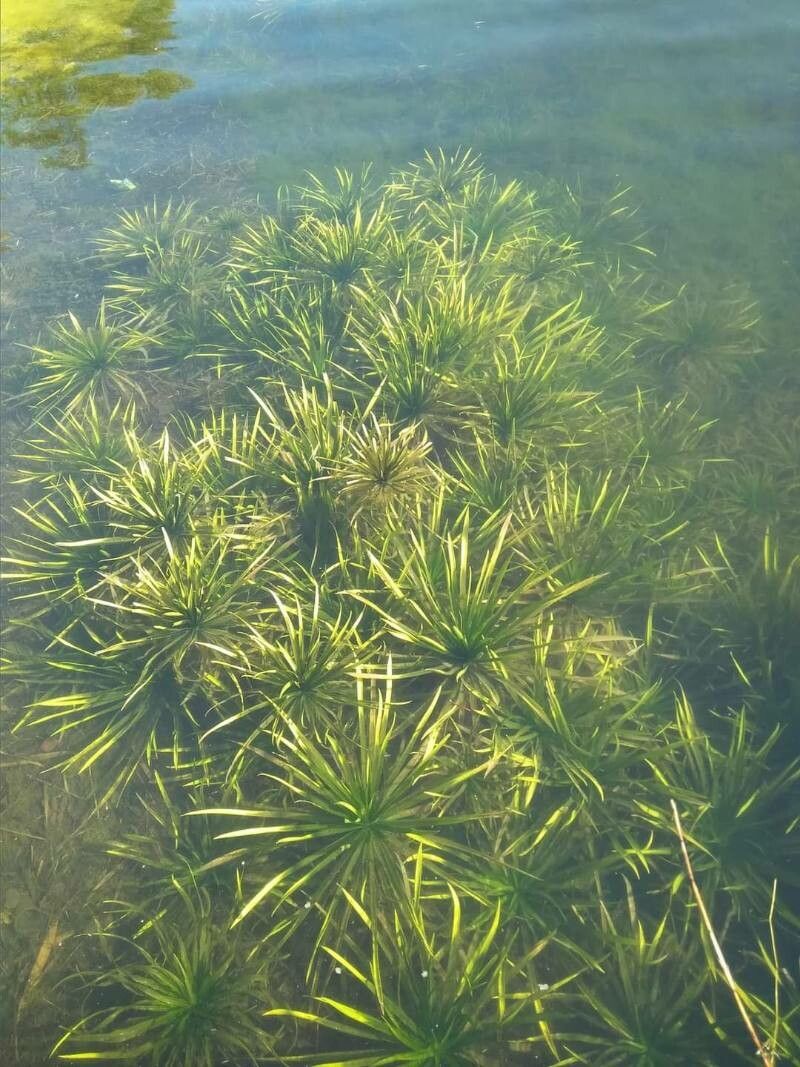
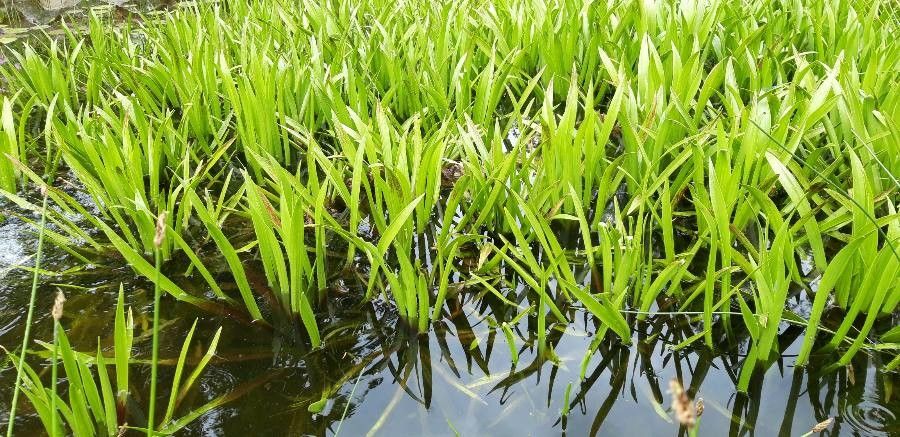
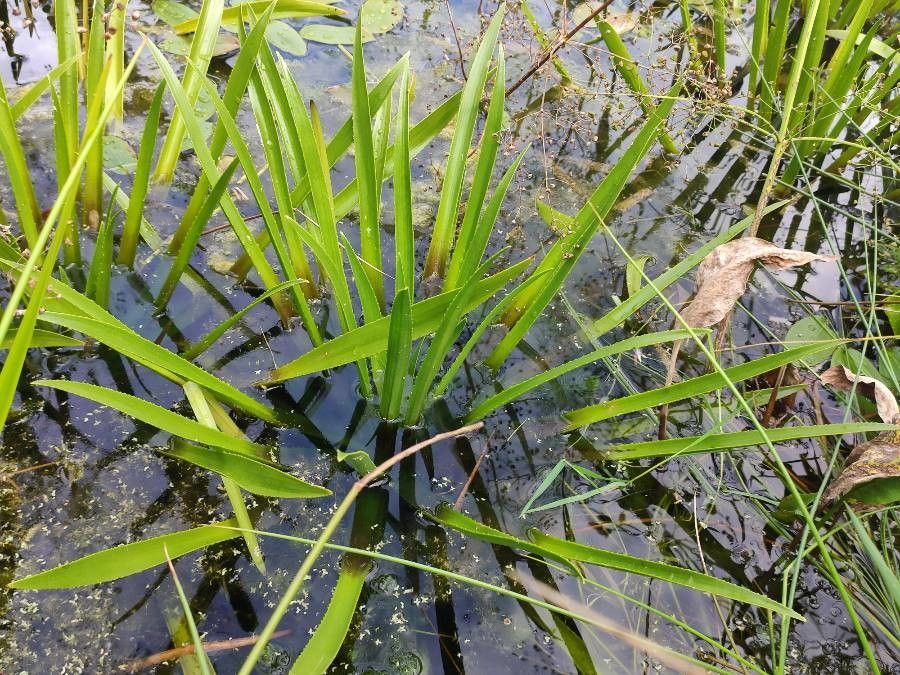
Stratiotes aloides, commonly known as the water soldier, is an aquatic plant belonging to the family Hydrocharitaceae. Native to Europe and Asia, it has also been introduced to other parts of the world. The plant is distinctive for its rosette of sword-shaped leaves, which can grow up to 30 cm long and 2 cm wide.
This submerged aquatic plant thrives in shallow water bodies such as ponds, lakes, and slow-moving streams. It is highly adaptable, tolerating a wide range of water conditions, including low oxygen levels and high pollutant concentrations.
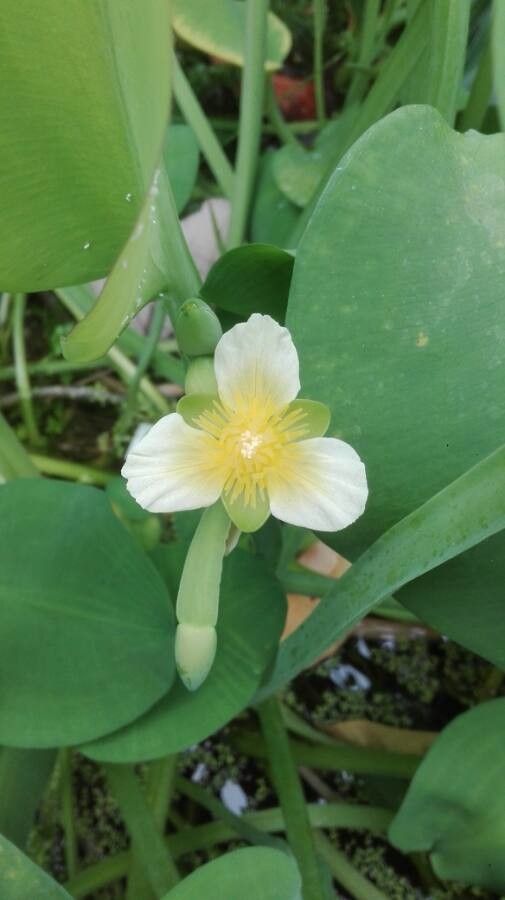
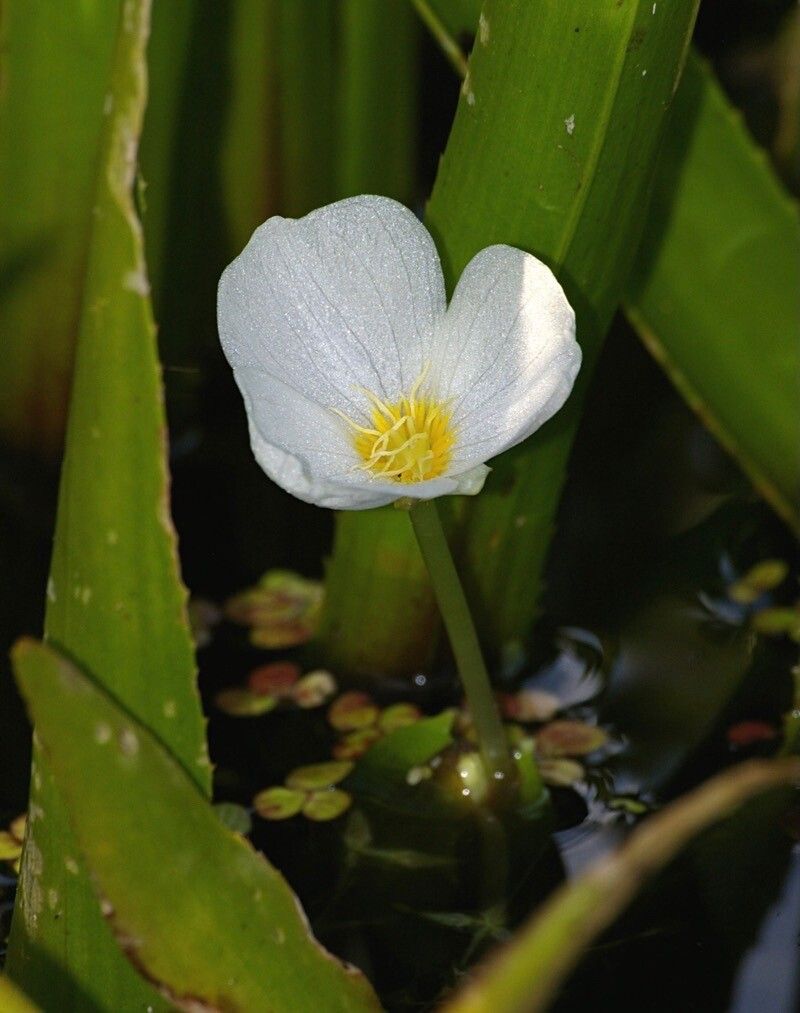
The leaves of Stratiotes aloides are equipped with small air pockets, allowing them to float on the water's surface. During the summer months, the plant also produces small white flowers on long stalks that emerge from the center of the rosette.
Water soldier plays a crucial role in aquatic ecosystems by providing habitat for fish and other aquatic organisms. It also contributes to improved water quality by absorbing excess nutrients from its surroundings.
However, despite its ecological benefits, Stratiotes aloides can become invasive in areas where it has been introduced outside its native range. In such cases, it can outcompete native species for resources like light and nutrients, leading to negative impacts on local biodiversity.
In summary, Stratiotes aloides is a fascinating aquatic plant with unique adaptations for underwater survival. Nonetheless, it requires careful management when introduced outside its natural habitat to prevent ecological imbalance.
Water soldiers have good disease resistance and are generally not prone to illness. However, they can be affected by pests and diseases present in their environment. These infestations are typically mild. Regarding care, this plant requires a moderate level of maintenance. Regular pruning is necessary to preserve a tidy appearance and support healthy growth. Fertilizing can also encourage flowering. Water soldiers are suitable for anyone who has outdoor space, such as a garden or patio, and do not demand extensive care experience. They may need more attention if grown indoors.
How to keep Stratiotes Aloides.
Light
Water soldiers thrive best when they receive abundant sunlight throughout the day, although they can also tolerate areas with moderate sun exposure. The plant's native habitat reflects this preference. However, too much or too little light can be harmful: excessive light tends to cause yellowing leaves, while insufficient light leads to stunted growth.
Water
Water soldiers thrive in a balanced aquatic environment, needing watering every 1-2 weeks. This plant adapts well to different humidity levels and excels as an aquatic perennial herb in water-filled containers, making it perfect for indoor water gardens.
Temperature
Water soldiers are native to temperate environments and prosper at temperatures between 41 and 89.6 °F (5 to 32 ℃). To achieve optimal growth, it is recommended to make seasonal adjustments that replicate these conditions.
Fertilizer
To effectively care for water soldiers, follow these guidelines: 1. During the growing season, apply a balanced fertilizer every three months. Choose a controlled-release formula to prevent nutrient overload. 2. Keep an eye out for any signs of excess nutrients, such as algae blooms. 3. Adjust the feeding schedule during the plant's dormancy in winter as needed.
Pruning
To maintain a healthy garden pond ecosystem, prune water soldiers sparingly from early to late spring. Focus on removing dead leaves to boost growth and prevent disease. Regularly thinning these plants helps manage their spread and keeps the water clear. Pruning also enhances the pond's appearance and prevents overcrowding, contributing to a balanced environment.
Botanical profile.
- Plant Type
- Herb
- Life Cycle
- Perennial
- Genus
- Stratiotes
- Family
- Hydrocharitaceae
- Hardiness Zone
- 4-8
- Mature Height
- 15 cm to 49 cm
- Mature Spread
- 40 cm
- Leaf Color
- Green
- Leaf Type
- Deciduous
- Flower Color
- White
- Flower Size
- 2.54 cm to 5.08 cm
- Bloom Time
- Summer
- Planting Time
- Spring, Summer, Autumn, Winter
- Harvest Time
- Late summer, Early fall, Mid fall
- Native Area
- Sweden, Austria, Czech Republic, Slovakia, Montenegro, Bulgaria, Poland, Croatia, Slovenia, Belarus, Ukraine, Serbia, Russia, Lithuania, Hungary, Germany, Italy, Kazakhstan, Denmark, Estonia, Finland, Albania, United Kingdom, Romania, Latvia, Belgium, Netherlands
Other names.
Reader questions.
How should I water my Water soldiers?
When watering the Water soldiers, it's important to use filtered water at room temperature to maintain the plant's health. Tap water may contain harmful particles, so filtering it is recommended. Additionally, the water should be at room temperature or slightly warmer since the Water soldiers originate from a warm environment and cold water can be stressful for them. It's also best to avoid overhead watering, as it can lead to foliage issues. Instead, simply apply filtered room temperature water directly to the soil until it's thoroughly soaked. This helps the roots absorb moisture and essential nutrients and promotes their spread throughout the soil.
Why should I put fertilizer on my Water soldiers?
To keep your Water soldiers thriving, fertilization plays a crucial role. It not only enhances the appearance and functionality of the leaves but also supports root development. By providing proper fertilization, you can ensure consistent leaf color and texture. Additionally, fertilization helps the plant generate new roots and maintain its existing root system. This not only keeps the plant healthy in the present but also enhances its ability to absorb nutrients from the soil in the future.
What are the sunlight requirements for Water soldiers?
Water soldiers (Stratiotes aloides) thrive best when exposed to ample sunlight throughout the day, which is crucial for their optimal growth. They require conditions ranging from full sun, which is above 6 hours of sunlight per day, to partial sun, about 3-6 hours of sunlight. It's essential to observe your garden's sunlight patterns and choose spots that offer the right balance of light and shade, adjusting as necessary to meet your plant's needs and ensuring their happiness.
What is the optimal temperature range for Water soldiers?
Water soldiers, scientifically known as Stratiotes aloides, thrive in temperate climate environments. They perform best within a temperature range of 41 to 89.6 °F (5 to 32 °C). It's recommended to make seasonal adjustments to mimic these conditions for the plant's optimal growth. Despite their strong cold resistance, in areas where winter temperatures may plummet below -30°C, precautionary measures should be taken to protect them from frost.
What do I need to do if I give too much or too little water to my Water soldiers?
Water soldiers can be negatively affected by both overwatering and underwatering, but overwatering is a more common problem. Overwatering can cause the stems and leaves of the plant to wilt and turn yellow. Additionally, it can lead to diseases like root rot, mold, and mildew, which can be fatal for the plant. Although underwatering is less likely to occur with Water soldiers due to their drought tolerance, it is still possible. Signs of underwatering include brittle and brown leaves. To prevent issues caused by overwatering, it is important to recognize the signs early and reduce watering immediately. Assessing the soil quality is also recommended, as poorly draining soil should be replaced with a loose, well-draining potting mix. On the other hand, if signs of underwatering are present, simply increasing the frequency of watering until the signs disappear will be sufficient.
When should I put fertilizer on my Water soldiers?
If you choose to grow your Water soldiers outdoors each year, you will notice new growth in the early spring. This is a signal that it's time to start fertilizing for the year. Usually, a single application of fertilizer is sufficient for your Water soldiers in the spring. However, if you want to maximize their growth, you can feed them multiple times during the spring and early summer. In this case, you can fertilize the Water soldiers approximately once every month to a month and a half.
How do artificial lights benefit indoor Water soldiers?
Water soldiers can also grow indoors with the help of artificial lighting, which becomes particularly beneficial in conditions where natural sunlight is scarce, such as during winter or in less sunny spaces. Artificial lights, such as LED lights, can be tailored to provide specific wavelengths of light needed by plants, promoting faster and healthier growth. For full sun plants, including Water soldiers, it's recommended to provide 30-50W/sq ft of artificial light, placed 12-36 inches above the plant for 8-12 hours per day to mimic natural sunlight and support optimal growth.
How should Water soldiers be protected during winter?
Despite Water soldiers' strong cold resistance, it's important to protect them if winter temperatures are expected to plummet below -30°C. This can be achieved by covering the plants with materials like soil or straw to insulate them. Before the onset of the first freeze in autumn, it's advisable to water the plants abundantly. Ensuring that the soil remains moist and enters a frozen state can help prevent drought and water scarcity for Water soldiers during the chilly winter and early spring months.
How frequently should I water my Water soldiers?
If your Water soldiers plant is in a pot, the most precise way to determine if it needs water is to check the soil by sticking your finger into it. If the top two to three inches of soil feel dry, it's time to water it. For Water soldiers plants growing outdoors in the ground, you can use the same method. When the top few inches of soil are dry, it needs watering. In the spring and early fall, this usually means watering once a week. In very hot weather, you may need to water twice a week or more. However, mature and well-established Water soldiers have a strong ability to survive drought.
When is it best not to add fertilizers to my Water soldiers?
During the late fall and winter, your Water soldiers will go into a dormant phase and stop growing. It is important to not fertilize them during this time. In the spring and summer, if you decide to fertilize, gradually reduce the amount as summer approaches because the growth rate of your Water soldiers will also slow down. It is not recommended to fertilize your Water soldiers when the weather is unusually hot or the soil is extremely dry. Fertilizing in those conditions can stress your Water soldiers and cause them to die early.
What symptoms indicate insufficient sunlight for Water soldiers?
When Water soldiers do not receive enough sunlight, several symptoms can manifest, indicating light deficiency. These include small, new leaves growing smaller than the mature ones, leggy or sparse growth, faster leaf drop, slower or halted new growth, lighter-colored new leaves, and various symptoms of overexposure like chlorosis, sunscald, leaf curling, wilting, and leaf scorching. Identifying these signs early can help in adjusting the plant's exposure to sunlight or artificial light to prevent further damage.
What are the signs of Water soldiers being affected by low temperature?
Water soldiers are notably cold-tolerant, optimally thriving when temperatures remain above 5°C. However, when temperatures drop below -30°C, there might not be noticeable changes during winter. Issues may arise during spring, such as a decrease in sprouting or a complete lack of sprouting. To address this, any parts of the plant that have failed to sprout by spring should be removed.