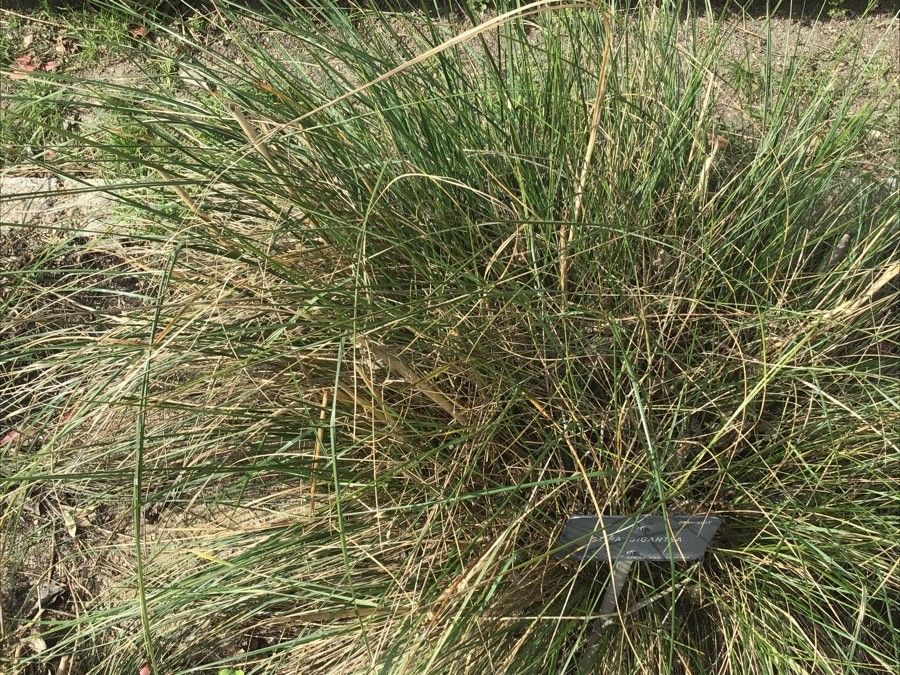
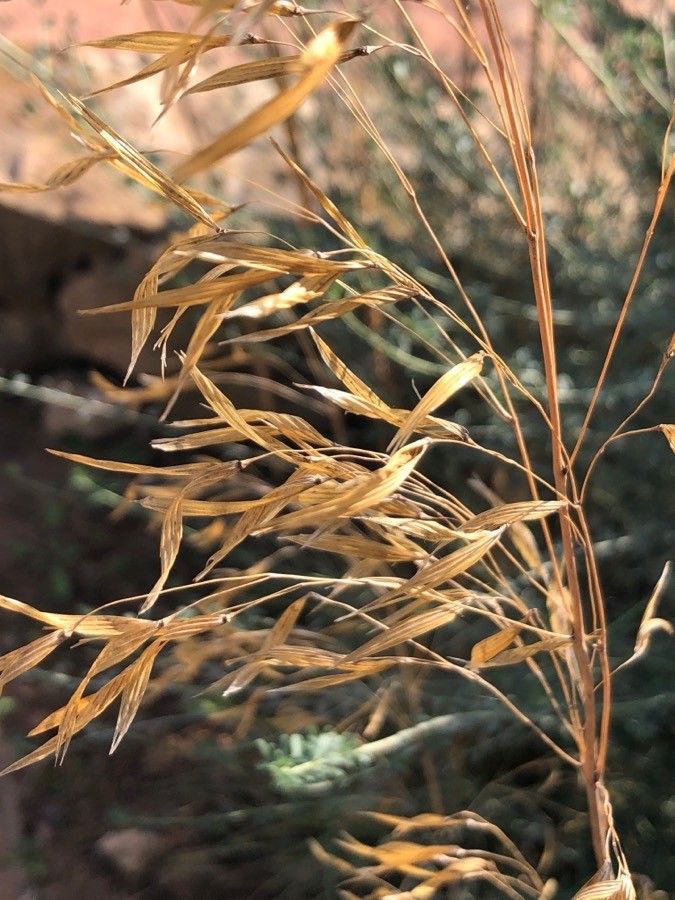
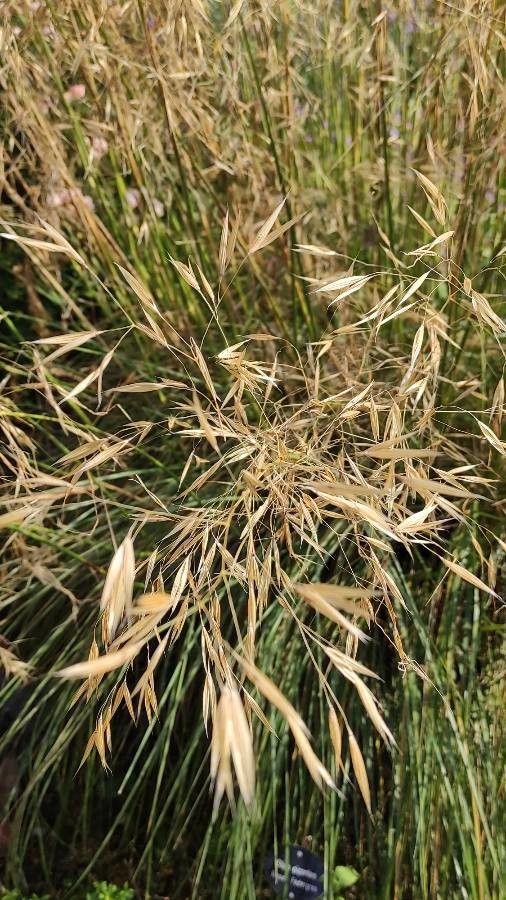
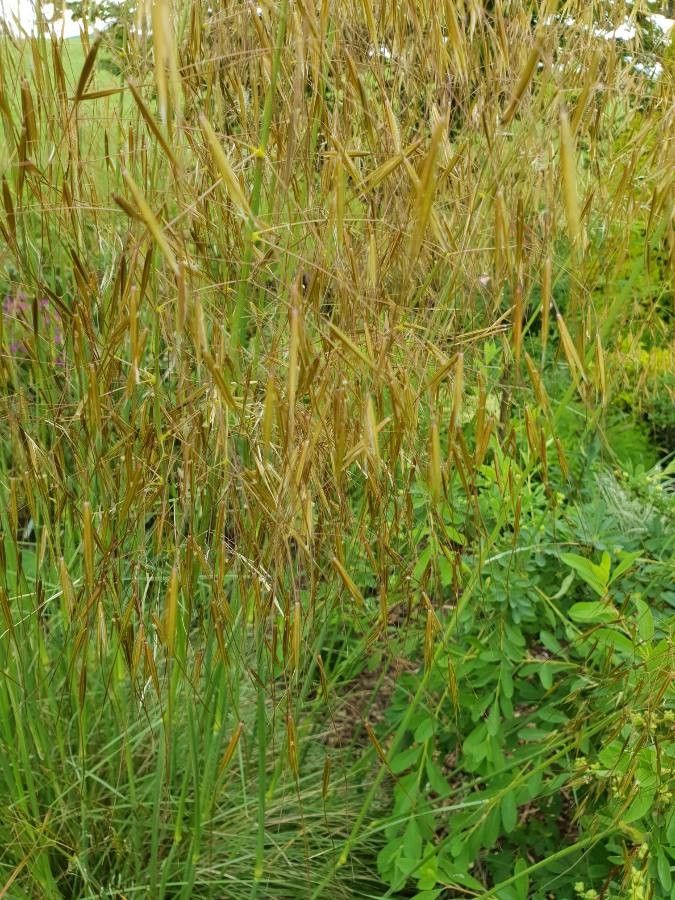
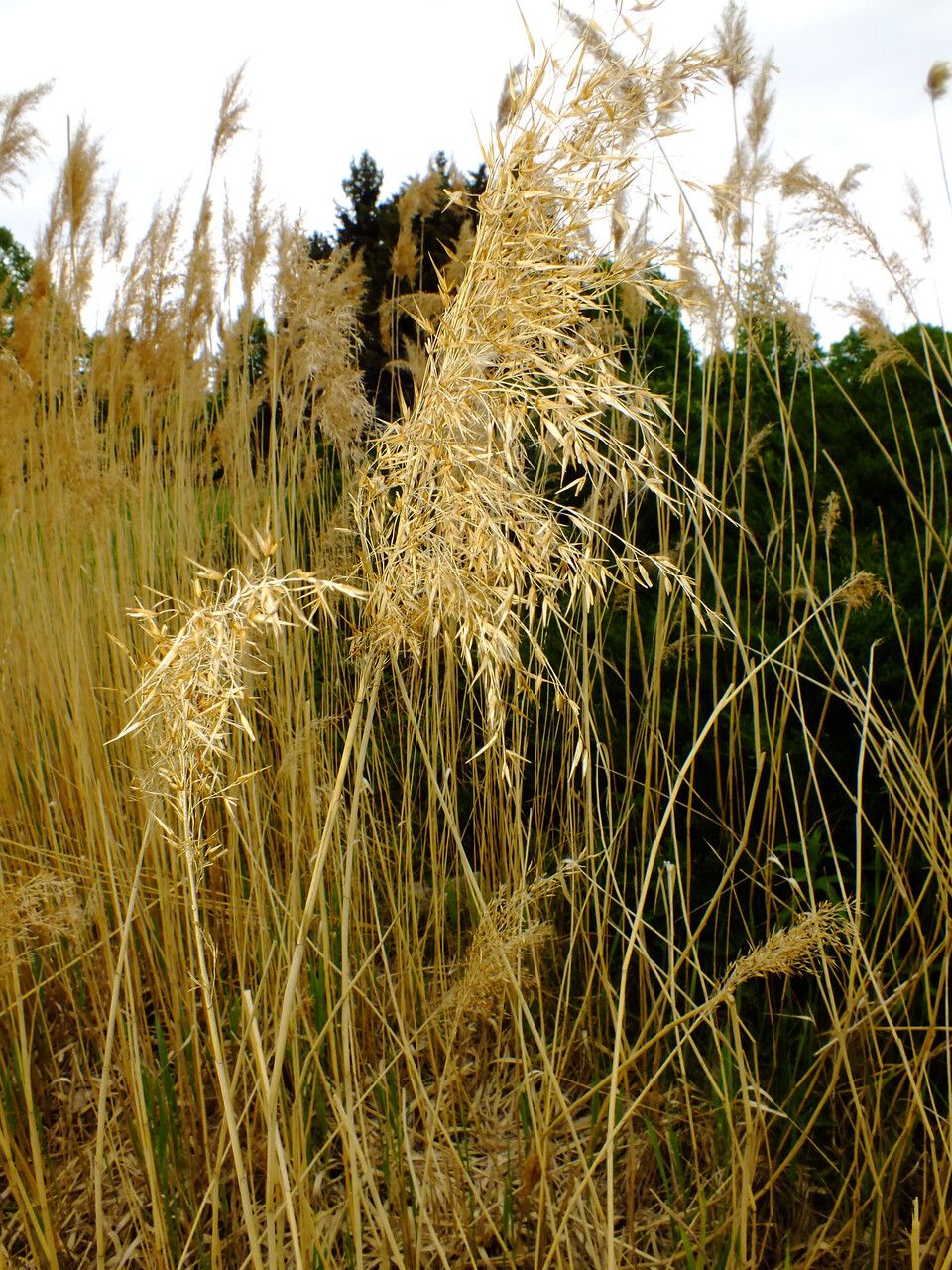
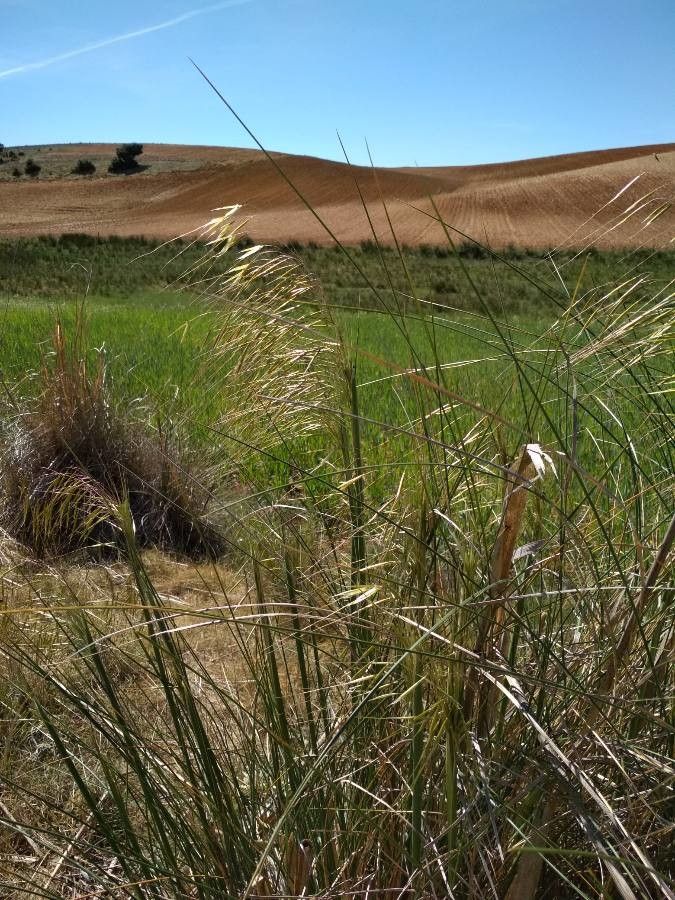
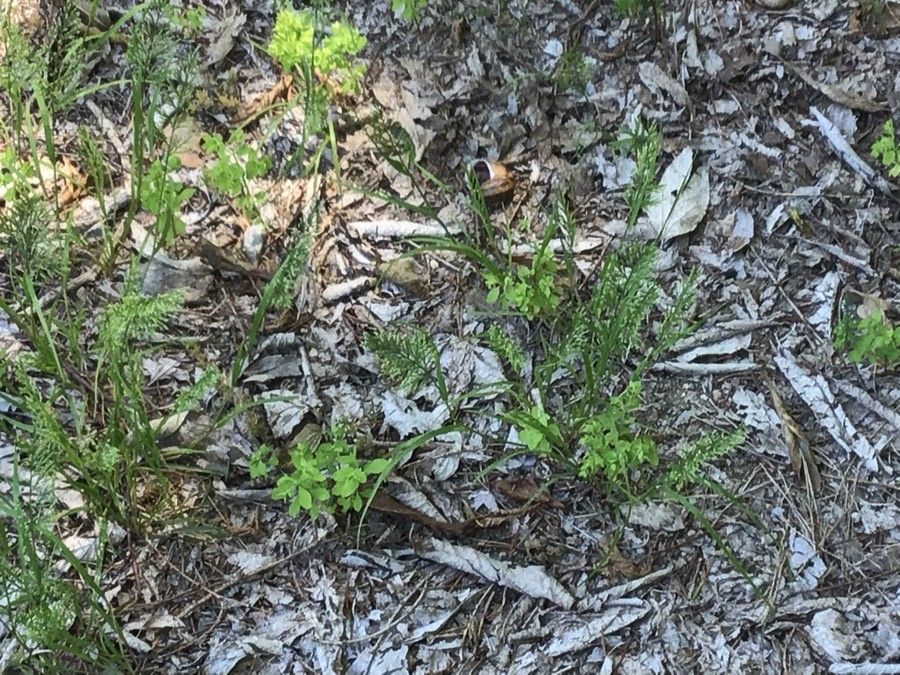
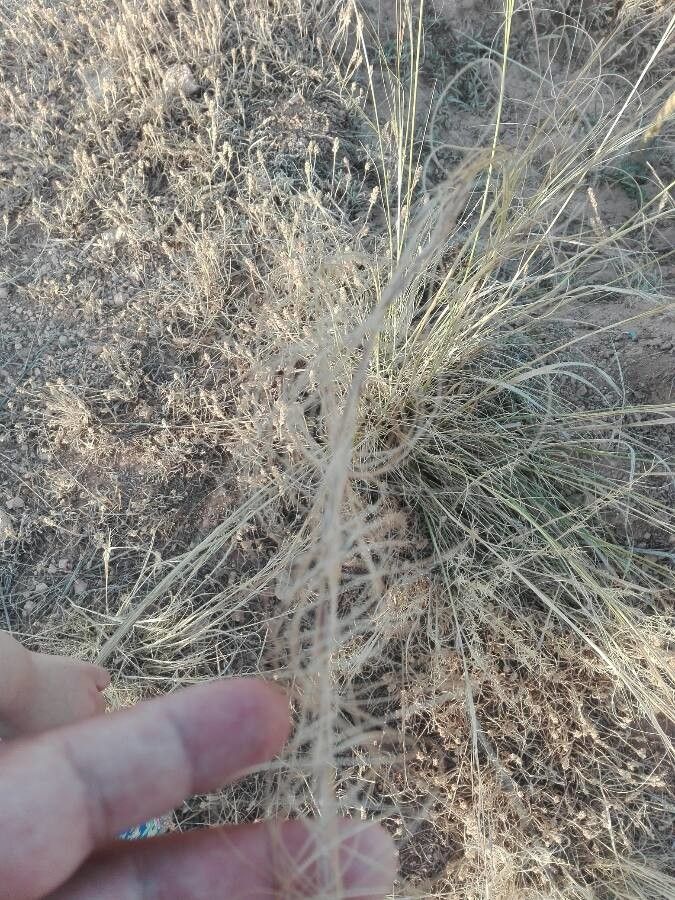
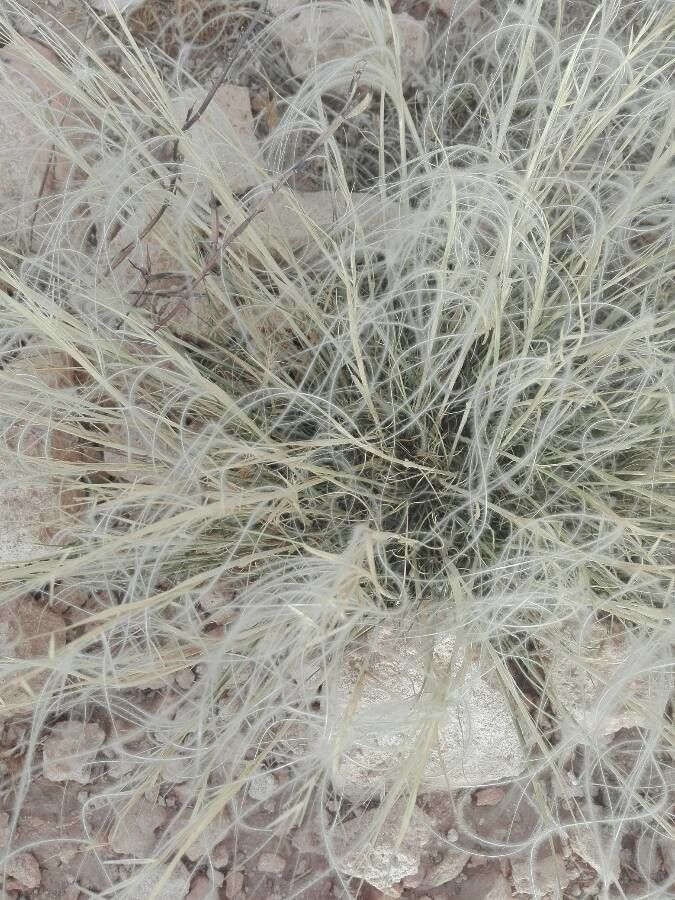
Celtica gigantea, commonly called giant feather grass, giant needle grass, or golden oats, is a species of flowering plant in the grass family Poaceae, native to southern Europe. It occurs in Spain and other Mediterranean countries. It is still widely referenced in the horticultural literature under its synonym Stipa gigantea.
Golden oats is resistant to disease and typically not vulnerable to illnesses. As for upkeep, this plant is fairly low-maintenance. When grown outdoors it needs only light watering, and larger specimens usually do not require pruning. Smaller specimens, however, should be trimmed after they finish blooming. Golden oats is appropriate for anyone who has an outdoor area, like a garden or a deck, and it does not demand extensive care experience.
How to keep Stipa Gigantea.
Light
Golden oats prospers with abundant sunlight. Originating in a setting rich in the sun's rays, its growth and overall health depend greatly on this generous exposure. Very high or very low sunlight levels are not suitable for the plant. The intensity and duration of the sun drive each stage of its growth.
Temperature
Golden oats can adapt to a wide range of temperature conditions, yet its distribution may nevertheless be limited by different combinations of water and heat. It does best in warm summer climates with adequate rainfall or watering. Extended periods of cloudy, rainy weather or prolonged high temperatures can increase the chance of Golden oats dying. In winter, protecting the plant from cold can improve its survival rate.
Fertilizer
Golden oats needs extra nutrients to encourage healthy new growth. In spring, adding compost around the plant's base will effectively give it the nutrition required. Fertilizing helps promote vigorous growth and assists the plant in resisting diseases and pests.
Pruning
Golden oats showcase elegant flower spikes with a beautiful golden hue. To encourage growth, prune them in early spring by cutting back old leaves to ground level and removing any dead stems. Pruning properly not only enhances their appearance but also promotes flowering. Be sure to avoid late-season cuts to preserve the plant's growth cycle.
Botanical profile.
- Plant Type
- Grass
- Life Cycle
- Perennial
- Genus
- Stipa
- Family
- Poaceae
- Hardiness Zone
- 5-9
- Mature Height
- 1.83 m to 2.44 m
- Mature Spread
- 61 cm to 91 cm
- Leaf Color
- Green
- Leaf Type
- Evergreen
- Flower Color
- Purple, Gold, Yellow
- Flower Size
- 2.54 cm
- Bloom Time
- Early summer, Mid summer
- Planting Time
- Spring, Autumn
- Harvest Time
- Late summer, Early fall
Other names.
Reader questions.
What amount of sunlight is required for Golden Oats to thrive?
Golden Oats, or Stipa gigantea, needs above 6 hours of sunlight daily to thrive. It's important to observe how sunlight moves through your garden to choose the best spots that provide a balance of light and shade. This ensures the plants receive the generous sunlight exposure their growth and health depend upon. In environments with insufficient natural sunlight, especially during winter or in less sunny spaces, artificial lighting such as LED lights can promote healthy growth by providing the necessary light intensity and duration.
How does inadequate sunlight affect Golden Oats?
In rooms with inadequate lighting, Golden Oats might not show immediate symptoms of light deficiency, but over time, various issues may arise. These include smaller new leaves, leggy or sparse growth, faster leaf drop, slowed or halted growth, lighter-colored new leaves, chlorosis, sunscald, leaf curling, wilting, and leaf scorching. These symptoms indicate that the plant is struggling due to either too little or too much exposure to sunlight, affecting its ability to photosynthesize and maintain overall health.
What are the solutions for Golden Oats struggling with inadequate sunlight?
To address inadequate sunlight for Golden Oats, start by gradually moving the plants to sunnier locations, aiming for at least 6 hours of direct sunlight daily. If moving the plant is not feasible, or for additional light, consider using artificial lighting, keeping lamps on for at least 8 hours daily. Outdoors, ensure gradual adaptation to sunnier spots to prevent sunburn. If larger obstructions like trees block sunlight, pruning may be necessary. For smaller plants, transplanting during the dormant period to a location with ample sunlight and good drainage can be beneficial. Note that parts of the plant already affected by insufficient light may not recover, but new growth should be healthy with improved light conditions.