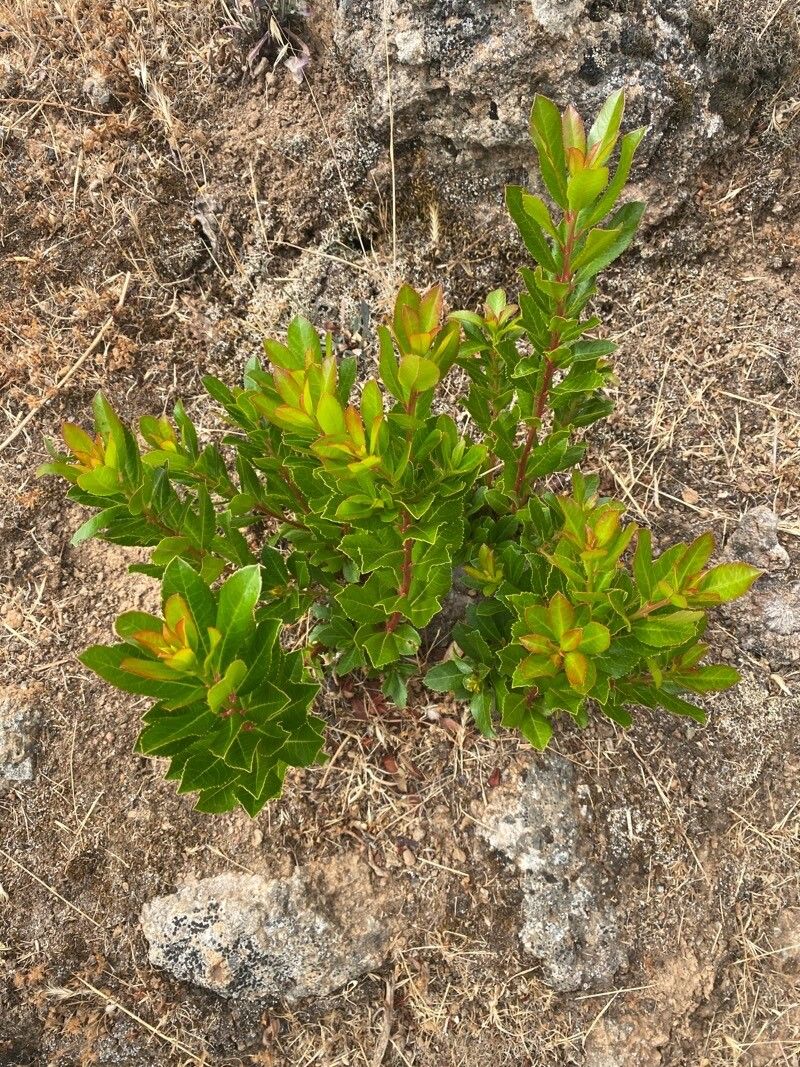
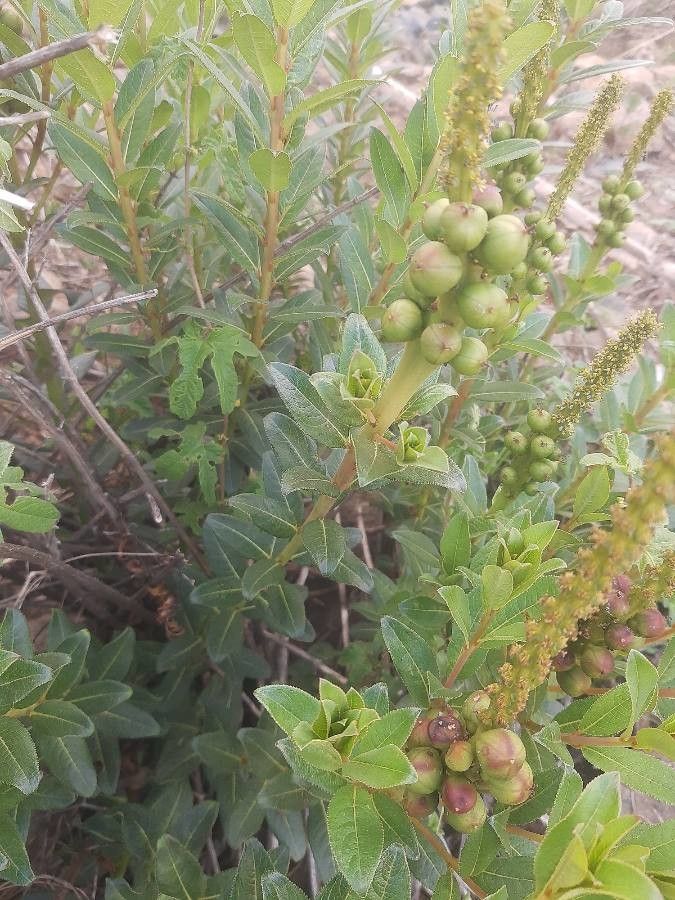
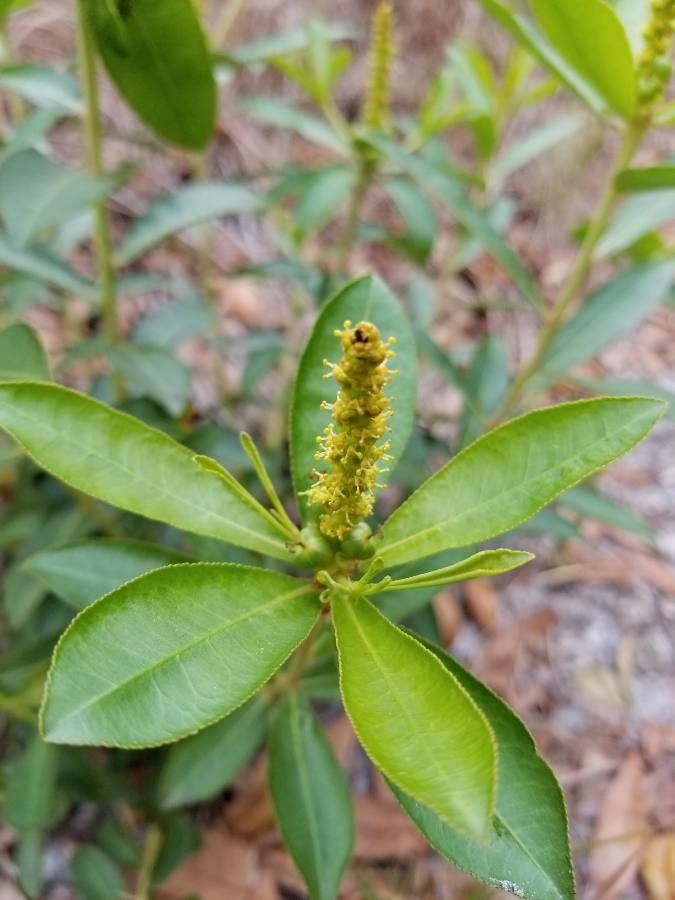
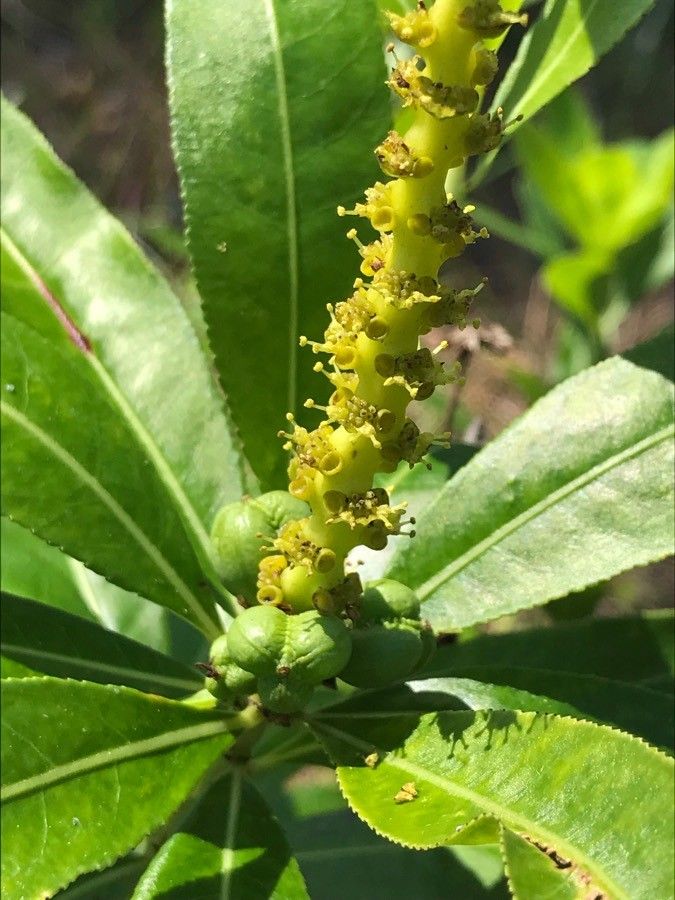
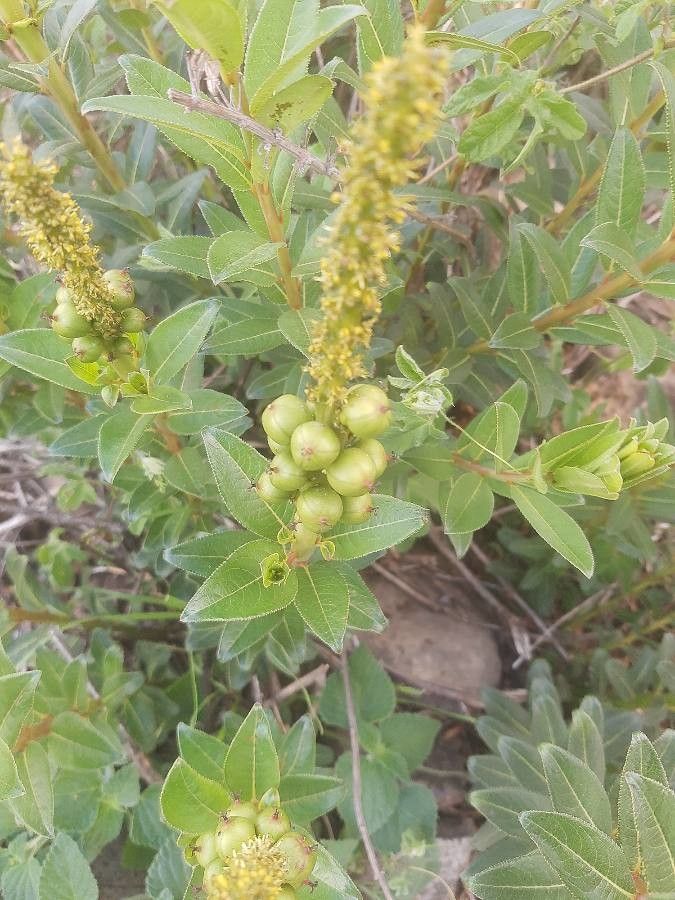
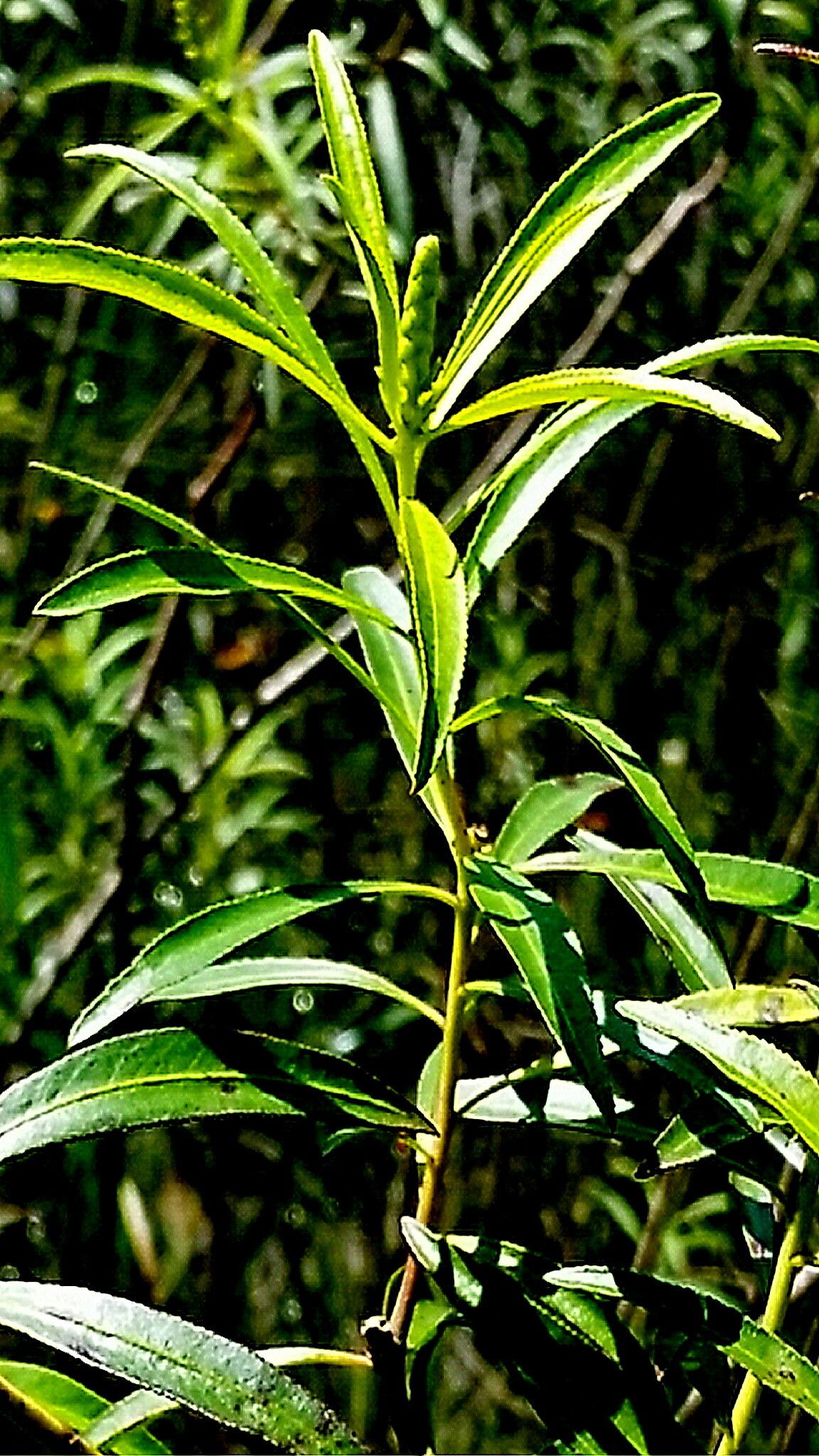
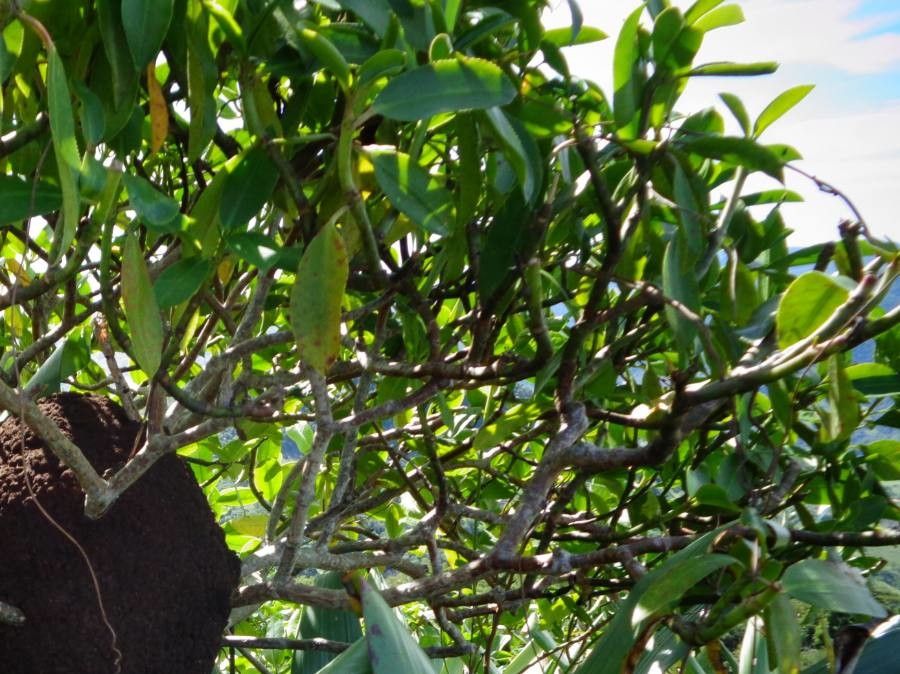
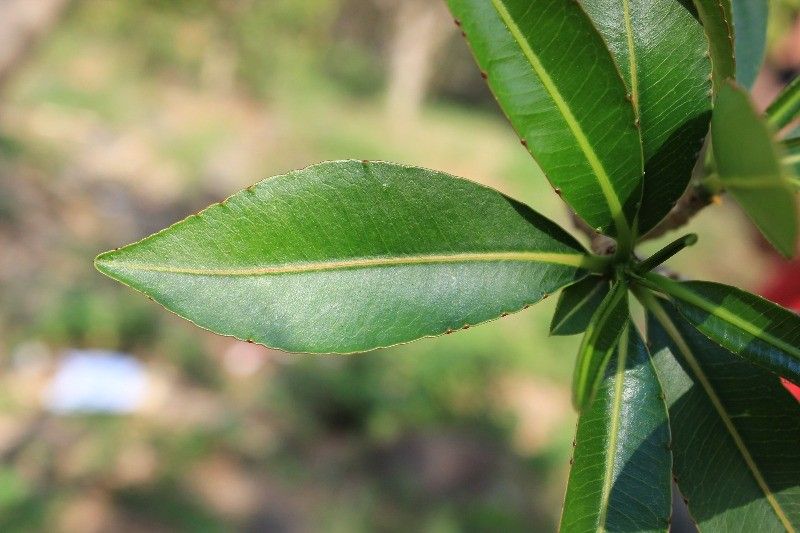
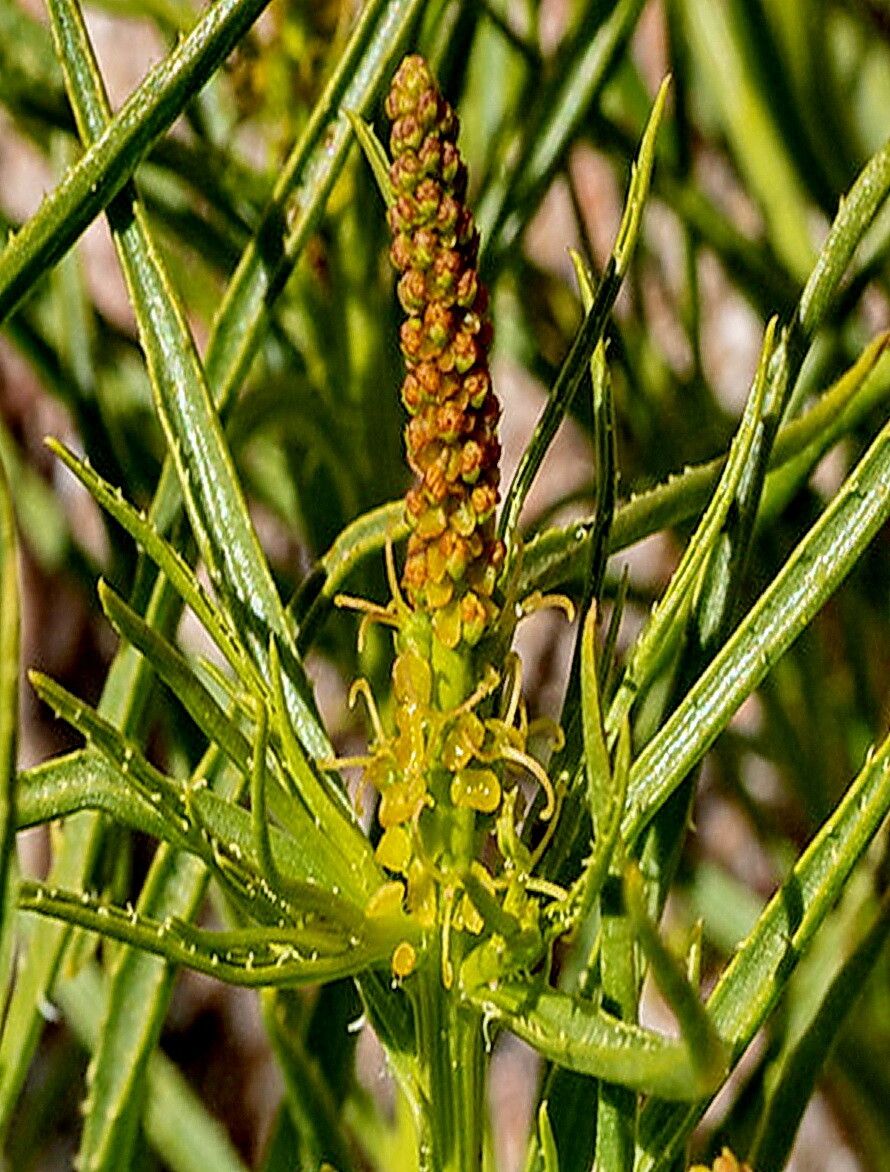
Stillingia sylvatica, commonly known as Queen's Delight or Silverleaf, is a perennial herbaceous plant in the Euphorbiaceae family. Native to the southeastern United States, it thrives in the sandy soils of pine forests, savannas, and coastal plains.
This plant can grow up to 3 feet tall and features a woody stem with alternate, lance-shaped leaves that have serrated edges. The leaves are green on the top and silver-gray underneath, which gives it the common name "Silverleaf." Stillingia sylvatica produces small, greenish-yellow flowers that bloom from July to September.
For centuries, Native Americans utilized Stillingia sylvatica for its medicinal properties, as the plant contains active compounds such as stillinginone and stillinginolide A and B, all of which exhibit anti-inflammatory properties. Early settlers also used it to treat skin diseases like eczema.
Additionally, Stillingia sylvatica serves as an important food source for wildlife. Deer feed on its leaves, and birds consume its seeds. However, the plant can be toxic to humans and livestock, causing symptoms such as vomiting and diarrhea if ingested.
In conclusion, Stillingia sylvatica is a fascinating perennial herb native to the southeastern United States. Its medicinal benefits and distinctive silver-gray foliage make it stand out among the flora in its natural habitat.
Queen's-delight is fairly resistant to disease and generally not prone to illnesses. Still, it can be affected by pests and diseases present in its environment. Such infections are usually minor. As for care, this plant requires moderate maintenance. It should be pruned regularly to keep a neat appearance and encourage healthy growth. Fertilizing can also help stimulate flowering. Queen's-delight is suitable for anyone with outdoor space, like a garden or patio, and does not demand extensive gardening experience. It may need more attention if grown indoors.
How to keep Stillingia Sylvatica.
Light
Queen's-delight thrives with unfiltered sunlight throughout the day, encouraging vigorous growth. It can also tolerate areas where sunlight is partly blocked. However, excessive shade can impede its development, while too much sun may cause stress. Taking its natural environment into account, sunlight greatly affects queen's-delight's health and growth.
Water
Queen's-delight is a plant that comes from dry woodlands and is well-suited to drought conditions. It thrives with infrequent watering, ideally once a week. When grown as an outdoor plant in temperate zones, its growth and water needs change with the seasons. During the active growing season, it's important to monitor the plant closely to avoid overwatering.
Temperature
Queen's-delight is native to regions with temperate climates where temperatures range from 59 to 95 °F (15 to 35 °C). It prefers moderate temperatures. In extreme seasonal conditions, care must be taken to maintain its preferred temperature range.
Fertilizer
A single fertilizer application in spring is generally adequate for Queen's-delight, though repeated feedings can optimize growth. Feed every month to every month and a half. Fertilizing improves the leaves' appearance and function, encouraging uniform color and a healthy texture. It also promotes root development and nutrient uptake for the plant's long-term health.
Pruning
Queen's-delight plants have impressive foliage and require careful pruning to stay healthy. To promote growth and maintain their shape, prune these plants from early to late spring. Regularly remove dead branches and thin out overcrowded areas to improve air circulation, but be cautious not to make excessive cuts, as this can cause stress to the plant.
Botanical profile.
- Plant Type
- Herb
- Life Cycle
- Perennial
- Genus
- Stillingia
- Family
- Euphorbiaceae
- Hardiness Zone
- 7-10
- Mature Height
- 25 cm to 61 cm
- Mature Spread
- 30 cm to 61 cm
- Leaf Color
- Green, Blue
- Leaf Type
- Evergreen
- Flower Color
- Yellow, Green
- Flower Size
- 0.25 cm to 0.51 cm
- Bloom Time
- Late spring, Early summer, Mid summer
- Planting Time
- Spring
- Harvest Time
- Mid summer, Late summer, Early fall
Other names.