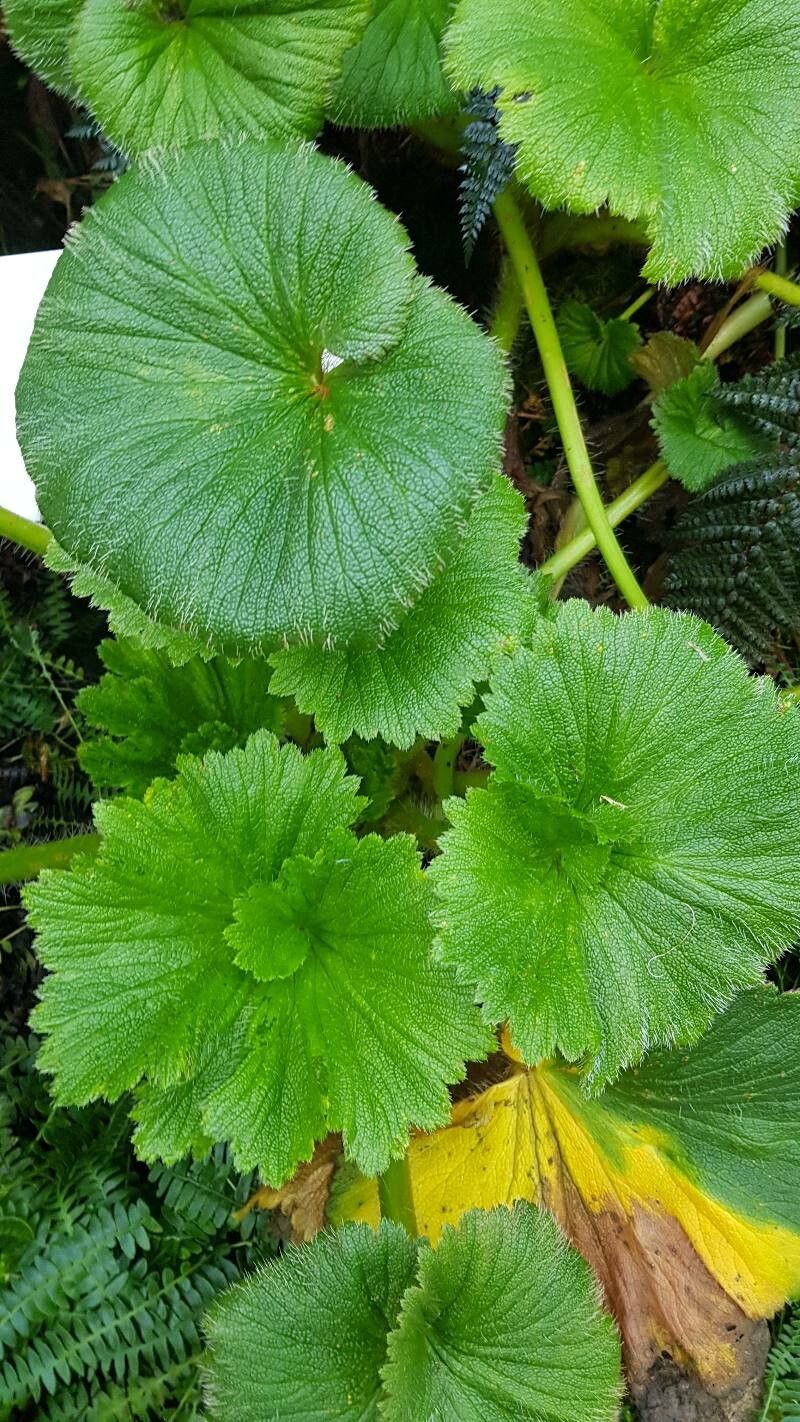
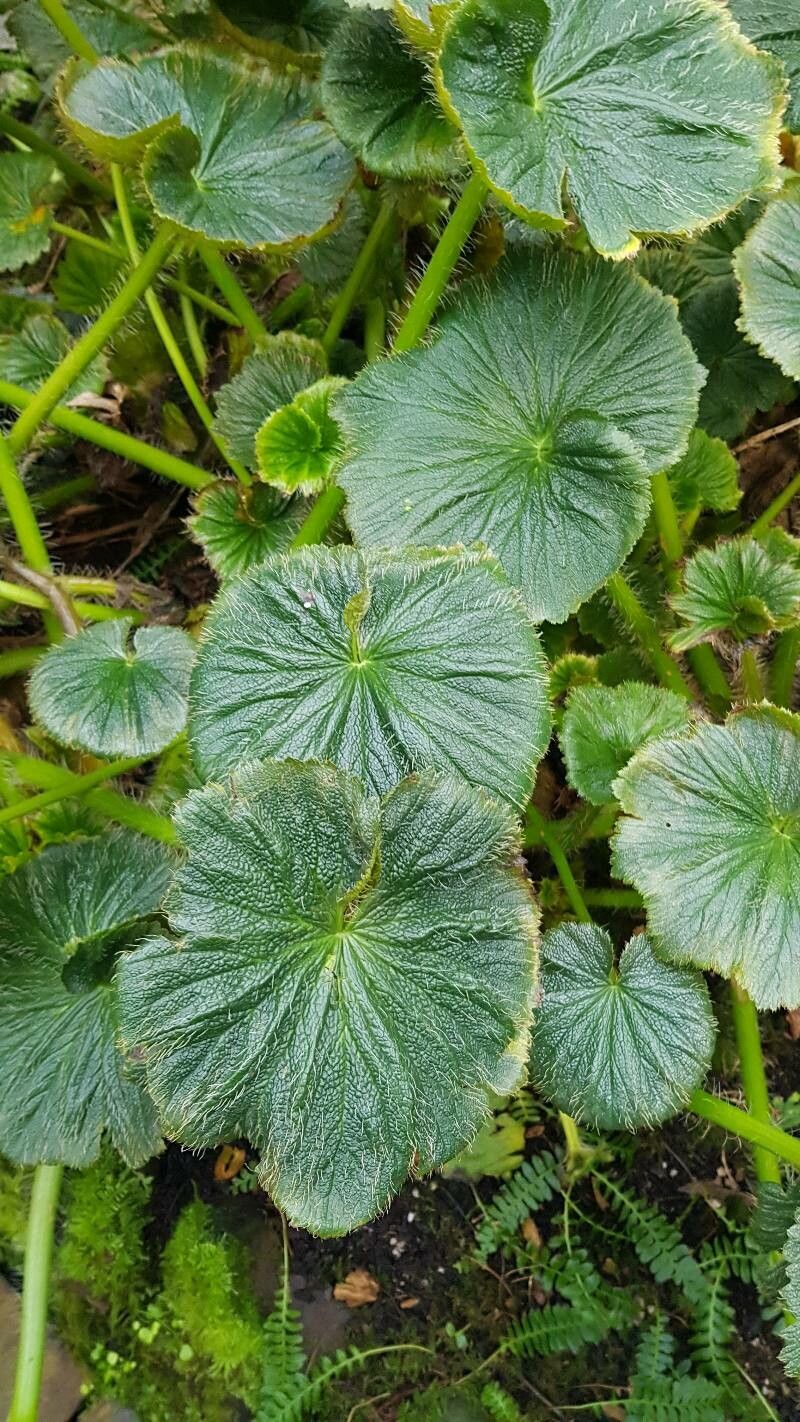
Stilbocarpa polaris, commonly known as the Macquarie Island cabbage, is a species of flowering plant usually placed in the family Araliaceae and only very distantly related to cabbage. It is a megaherb, growing up to about a metre in height, native to the subantarctic islands of New Zealand and to Australia’s Macquarie Island.
Macquarie island cabbage has moderate resistance to disease and can be prone to problems like leaf spot. Its vulnerability to insect pests can differ by variety, but most varieties are not very resistant to pests. For care, Macquarie island cabbage needs regular watering and fertilizing, and yellow leaves should be pruned frequently. It is important to manage pests and diseases when they occur and to harvest the plant promptly. Macquarie island cabbage is suitable for people who can spare some time and effort for routine care.
How to keep Stilbocarpa Polaris.
Light
Cabbage from Macquarie island comes from places that are rich in sunlight, like open landscapes and sun-filled meadows. It thrives in complete sun exposure, but it’s also capable of withstanding partial sun.
Temperature
Macquarie island cabbage fares best in moderate temperatures, comparable to those which humans usually find agreeable. It prospers when the temperatures aren't too high or too low. The primary problem with elevated temperatures is potential sun damage, hence it's recommended to offer some shade to avoid undue heat during the summers. When temperatures lower, the Macquarie island cabbage goes into a state of dormancy. In case persistent growth is sought after, it becomes essential to sustain warmer temperatures during winters. Frost poses a threat to the plant and must be guarded against.
Fertilizer
In order to optimize the yield and taste of Macquarie island cabbage, it is crucial to maintain a high nitrogen level during the entire growth period, which includes the pre-planting and harvesting stages. Plants that are adequately watered and fertilized will generate plentiful, robust leaves and help reduce any bitterness. Before planting begins, augment the soil with organic substances such as compost or manure, ideally prepping it 2 to 8 weeks ahead of time.
Botanical profile.
- Plant Type
- Herb
- Life Cycle
- Perennial
- Genus
- Stilbocarpa
- Family
- Araliaceae
- Hardiness Zone
- 5-8
- Mature Height
- 5 cm to 10 cm
- Mature Spread
- 10 cm to 30 cm
- Leaf Color
- Dark Green
- Leaf Type
- Evergreen
- Flower Color
- Yellow
- Flower Size
- 0.20 cm to 0.25 cm
- Bloom Time
- Early summer, Mid summer
- Planting Time
- Spring, Summer
- Harvest Time
- Late summer, Early fall