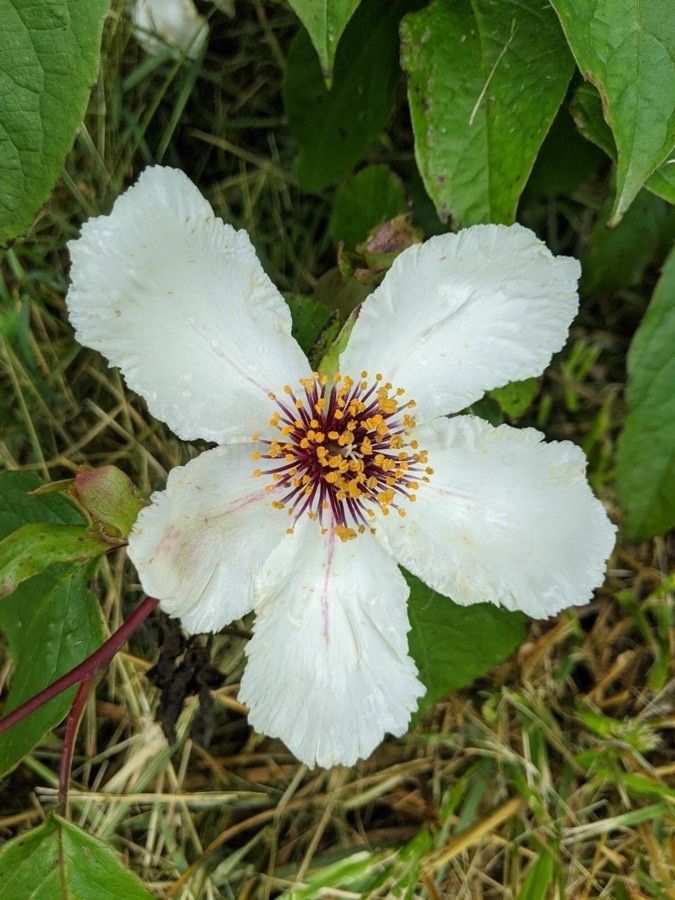
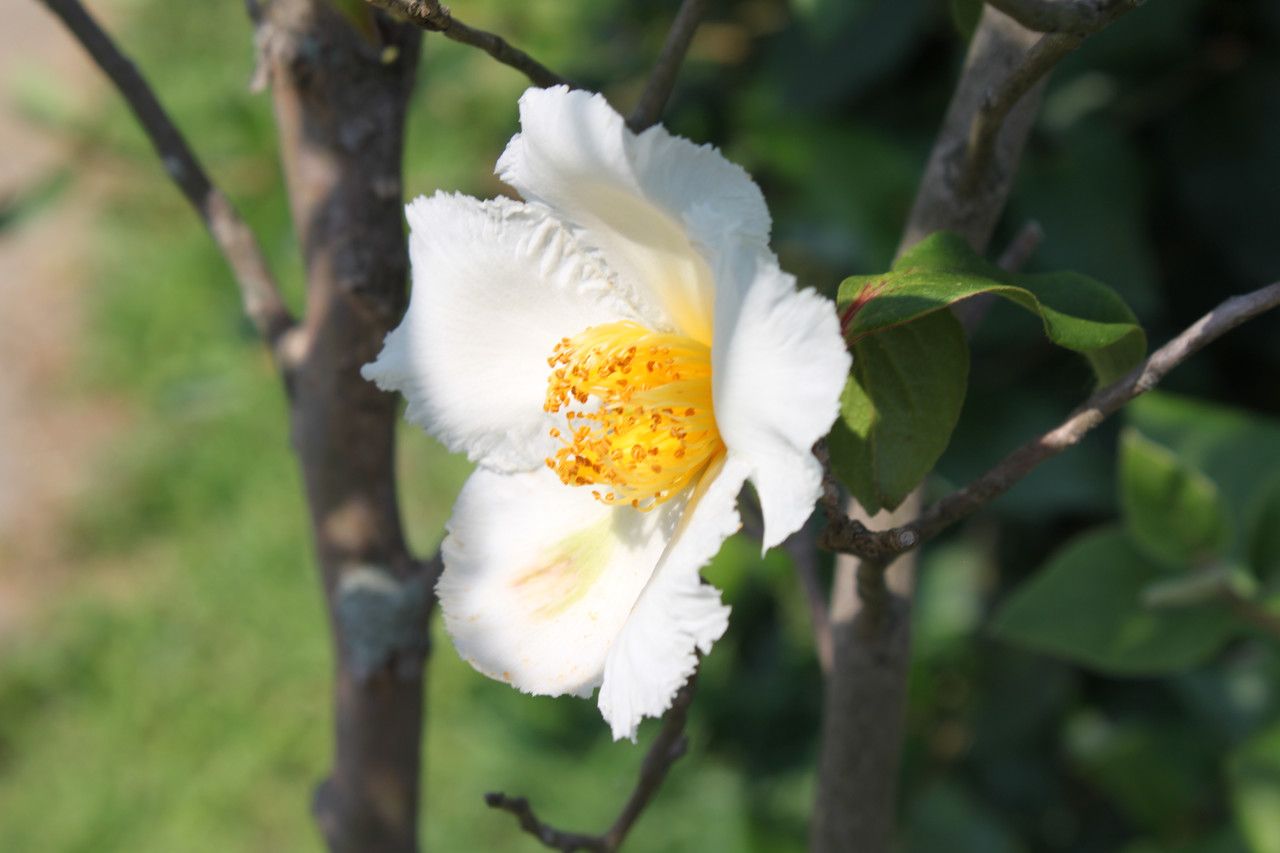
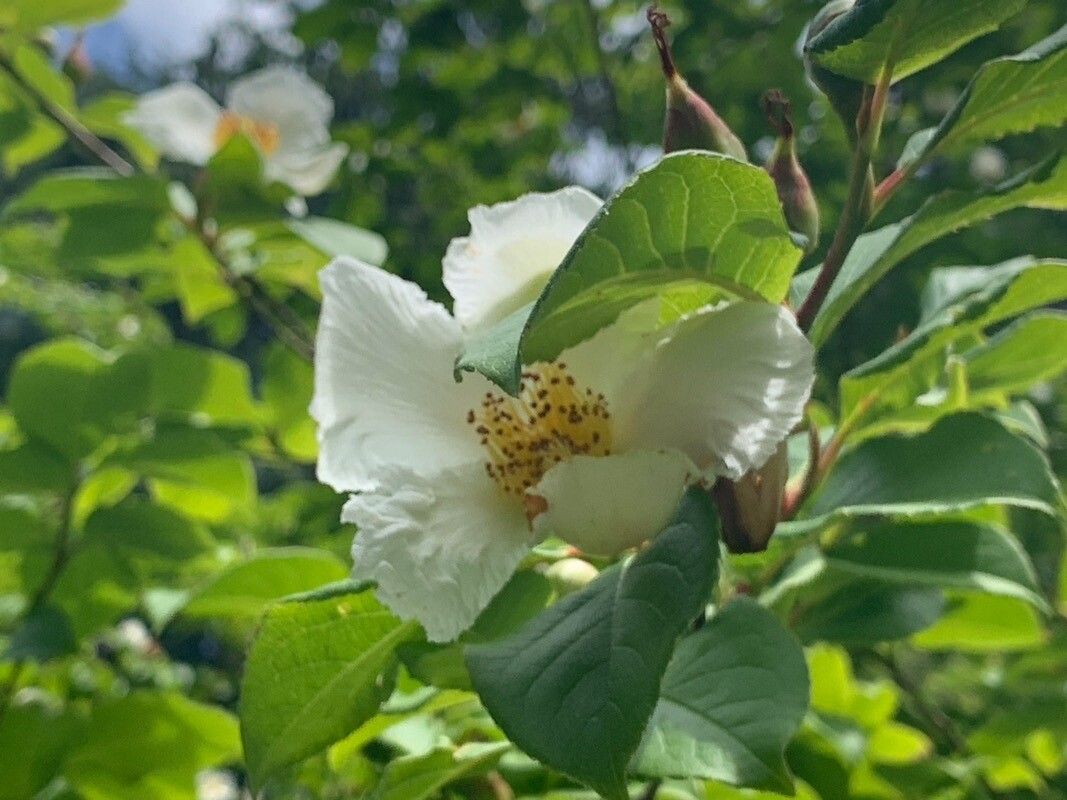
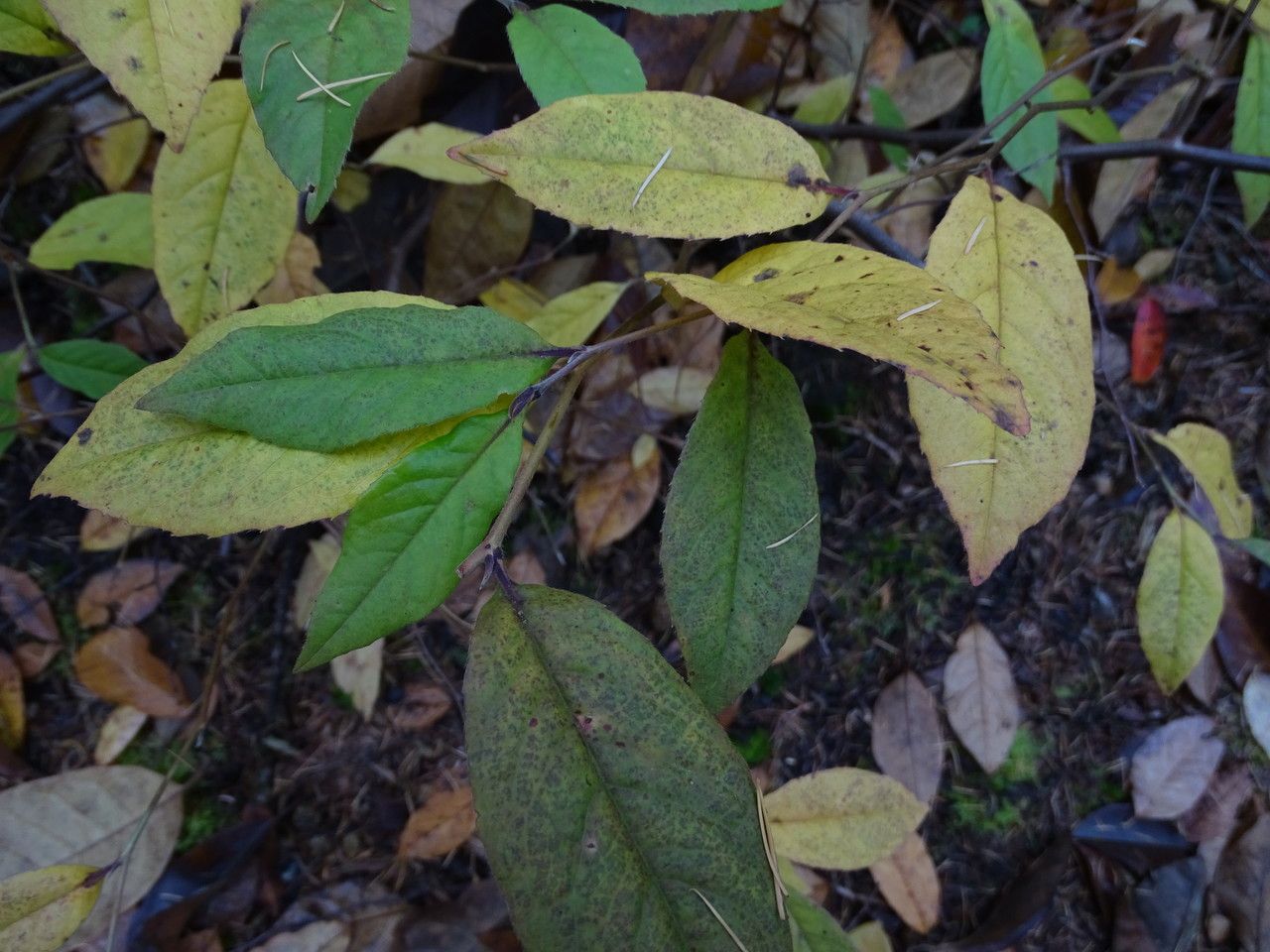
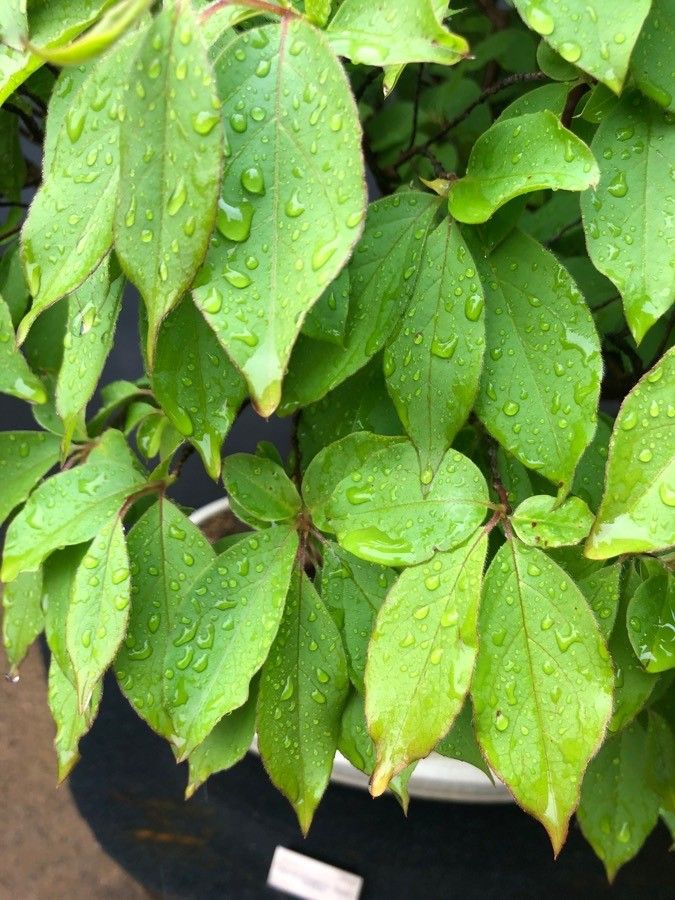
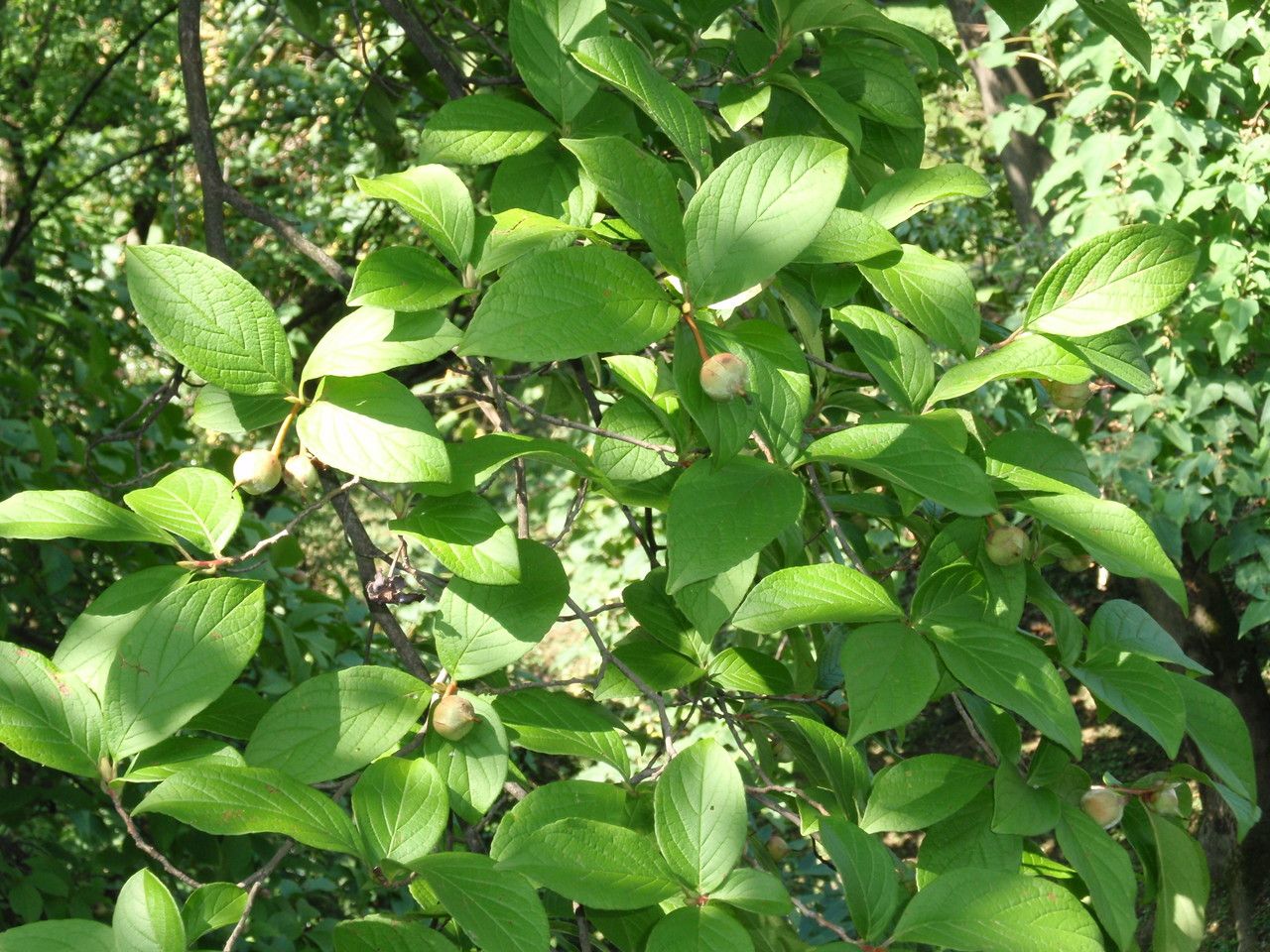
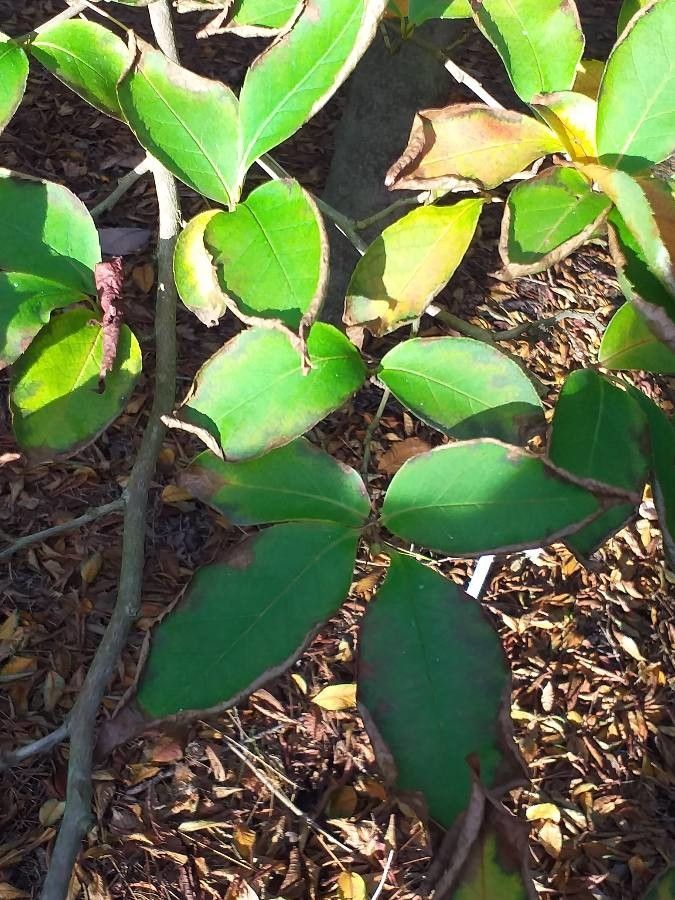
Stewartia ovata, known commonly as mountain camellia, is a small tree native to low to mid-elevations in the southern Appalachian Mountains and nearby regions from Mississippi to Virginia. It is a member of the Theaceae, the tea family. Although not endangered, the plant does have a limited range and is uncommon throughout its range. Mountain camellia grows in the understory of predominantly hardwood forests and tends to be found near streams, usually at elevations below 800 m (2,600 ft).
Mountain camellia shows strong resistance to disease and is generally not susceptible to illnesses. In terms of care, this species is fairly low-maintenance. When grown outdoors it needs only light watering, and larger specimens typically do not require pruning. However, smaller plants should be trimmed after they finish blooming. Mountain camellia is suitable for anyone with outdoor space, such as a garden or deck, and does not demand extensive caretaking experience.
How to keep Stewartia Ovata.
Light
The mountain camellia comes from open habitats, such as sunny meadows and forest margins, which provide plentiful light. It performs best in full sun but can also tolerate partial sun, adapting well to a range of light conditions.
Water
Mountain camellia thrives in well-drained, moderately moist soil, usually needing watering every one to two weeks. Originating from woodland areas, this outdoor plant flourishes in temperate regions during its growing season, promoting healthy foliage and abundant flowering.
Temperature
The mountain camellia adapts well to a wide range of climates, from blistering summers to freezing winters. Still, it has a preferred temperature range for optimal growth. Excessive heat can subject the plant to heat and humidity stress, potentially causing its death. In areas where temperatures near the lower limit of its cold tolerance, insulating the plant is necessary to protect it.
Fertilizer
The timing of fertilizing Mountain camellia is important. Apply fertilizer in early spring and continue monthly until early summer. Fertilizer encourages attractive blooms and supplies energy during both dormant periods and active growth.
Pruning
To encourage healthy growth and vibrant blooms, it's best to prune mountain camellias in early spring. Focus on light trimming to remove any dead or crossing branches, but avoid heavy pruning to preserve the plant's natural shape. Regular maintenance helps ensure vigorous growth, and it's important to use sanitized tools to prevent disease.
Botanical profile.
- Plant Type
- Tree, Shrub
- Life Cycle
- Perennial
- Genus
- Stewartia
- Family
- Theaceae
- Hardiness Zone
- 5-8
- Mature Height
- 3.05 m to 4.57 m
- Mature Spread
- 3.05 m to 3.66 m
- Leaf Color
- Green
- Leaf Type
- Deciduous
- Flower Color
- White
- Flower Size
- 6.35 cm to 10.16 cm
- Bloom Time
- Early summer, Mid summer
- Planting Time
- Summer, Autumn
- Harvest Time
- Late summer, Early fall, Mid fall
Other names.